MG’s HS range has been on something of an evolution sprint lately, with each model showcasing another step forward in the brand’s rapid-fire development cycle. After spending a week in the HS Super Hybrid (the plug-in version), I slid straight into the HS Hybrid+ and the experience was a curious blend of déjà vu and refinement. The basic recipe is familiar, but the execution shifts just enough to give this version its own personality. And in a lineup that keeps expanding at speed, that subtlety matters.
Because the two HS hybrids share a body, a cabin and a general philosophy, you’d be forgiven for thinking that they drive identically. But the Hybrid+ positions itself as the simpler, lighter, more “traditional” hybrid sibling — no plugging in, no long EV-only legs, and no giant battery under the boot floor. You live with it like a normal SUV, and it behaves like one too, only with an EV flavour running quietly in the background. The end result is a car that inherits some strengths of the Super Hybrid, trims a few of its excesses, and introduces a couple of its own quirks in the process.
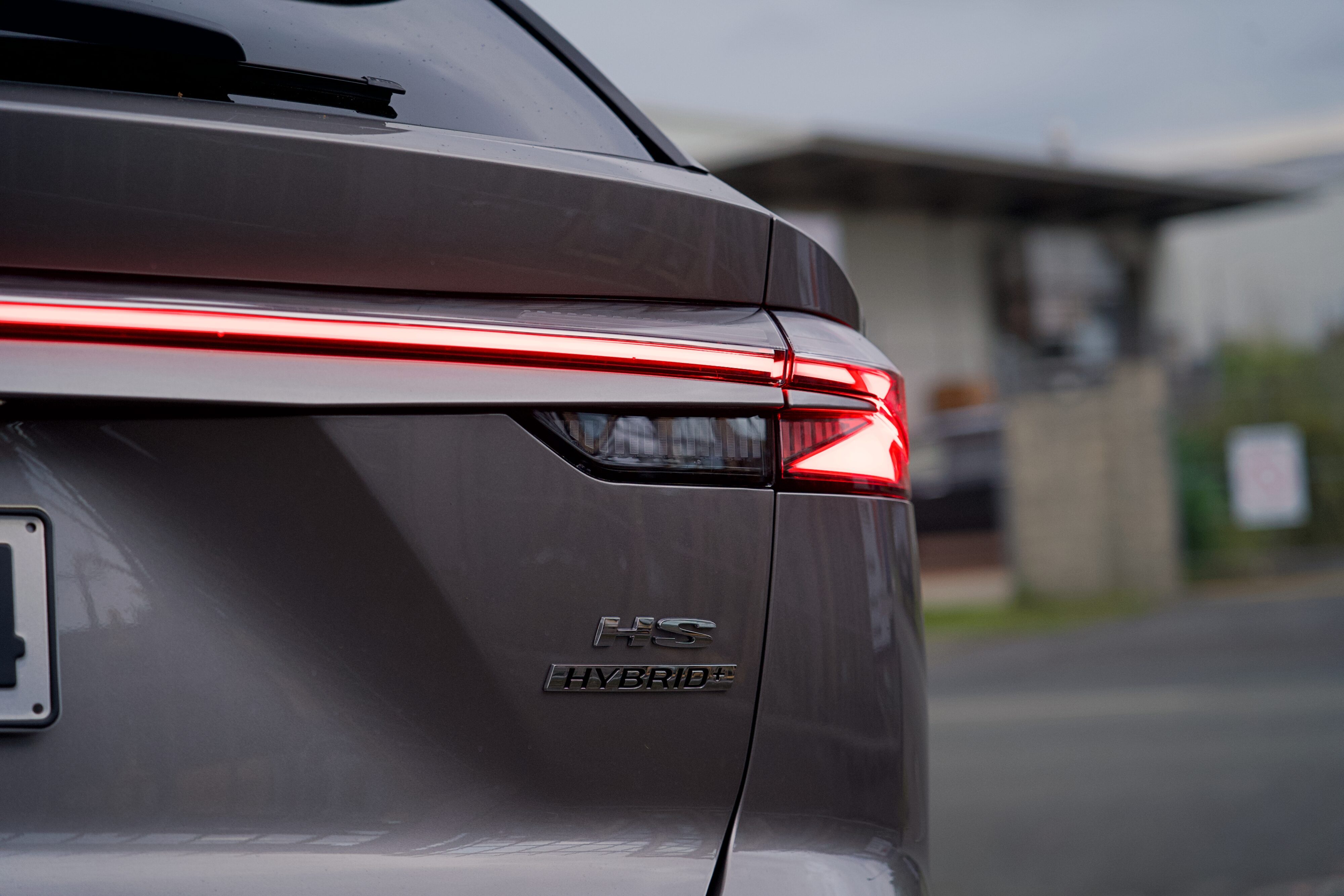
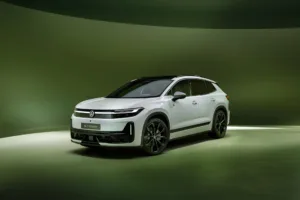
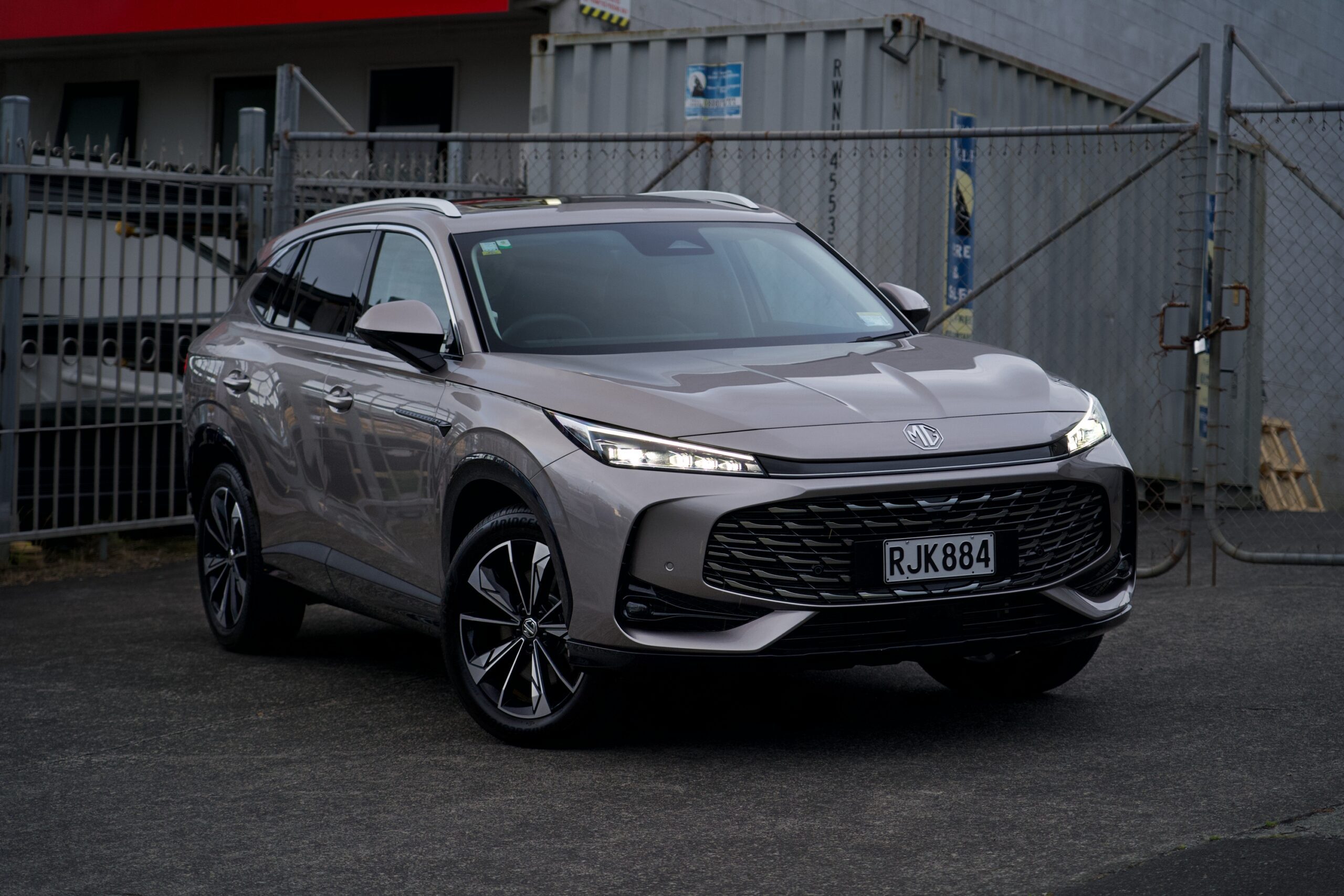
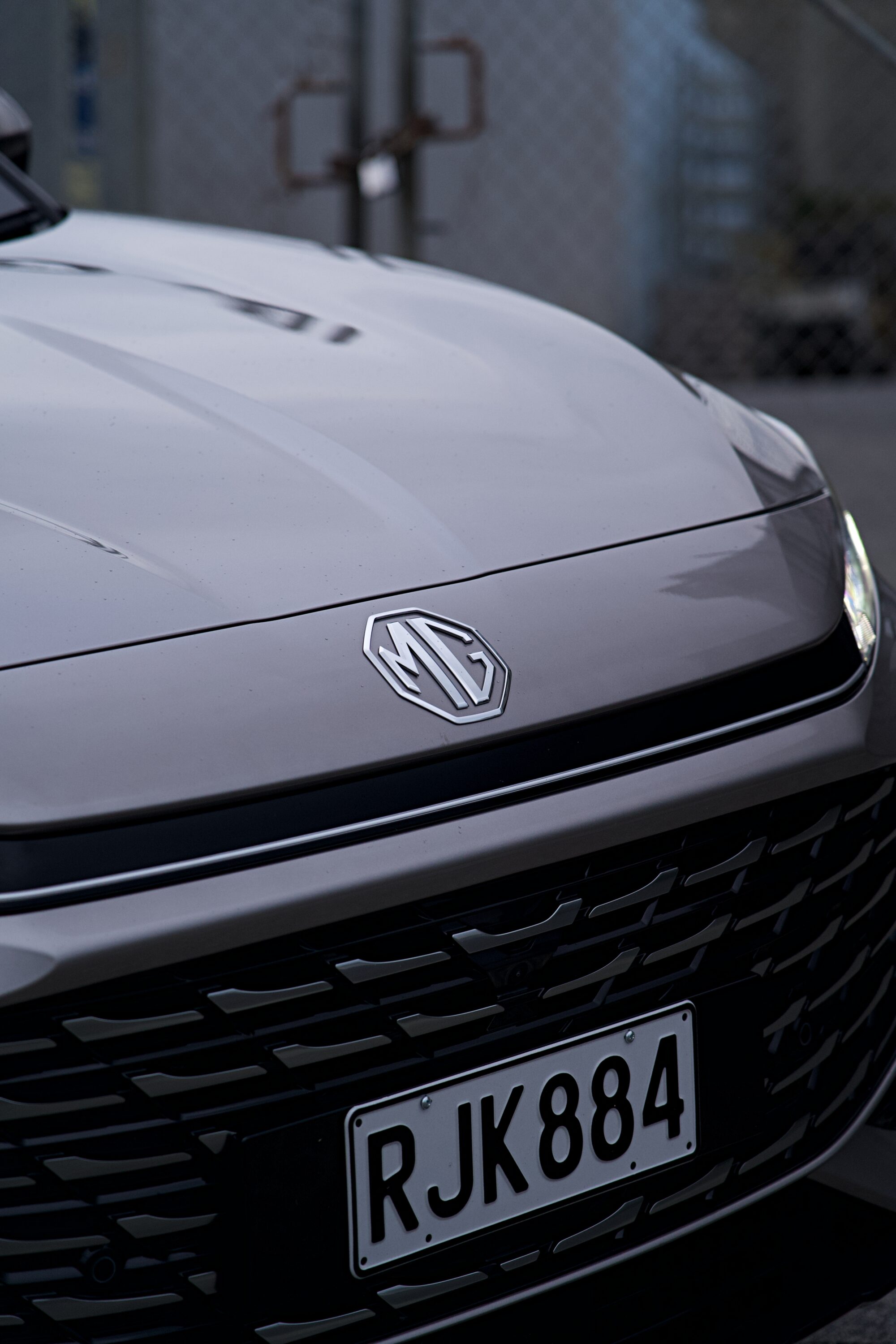
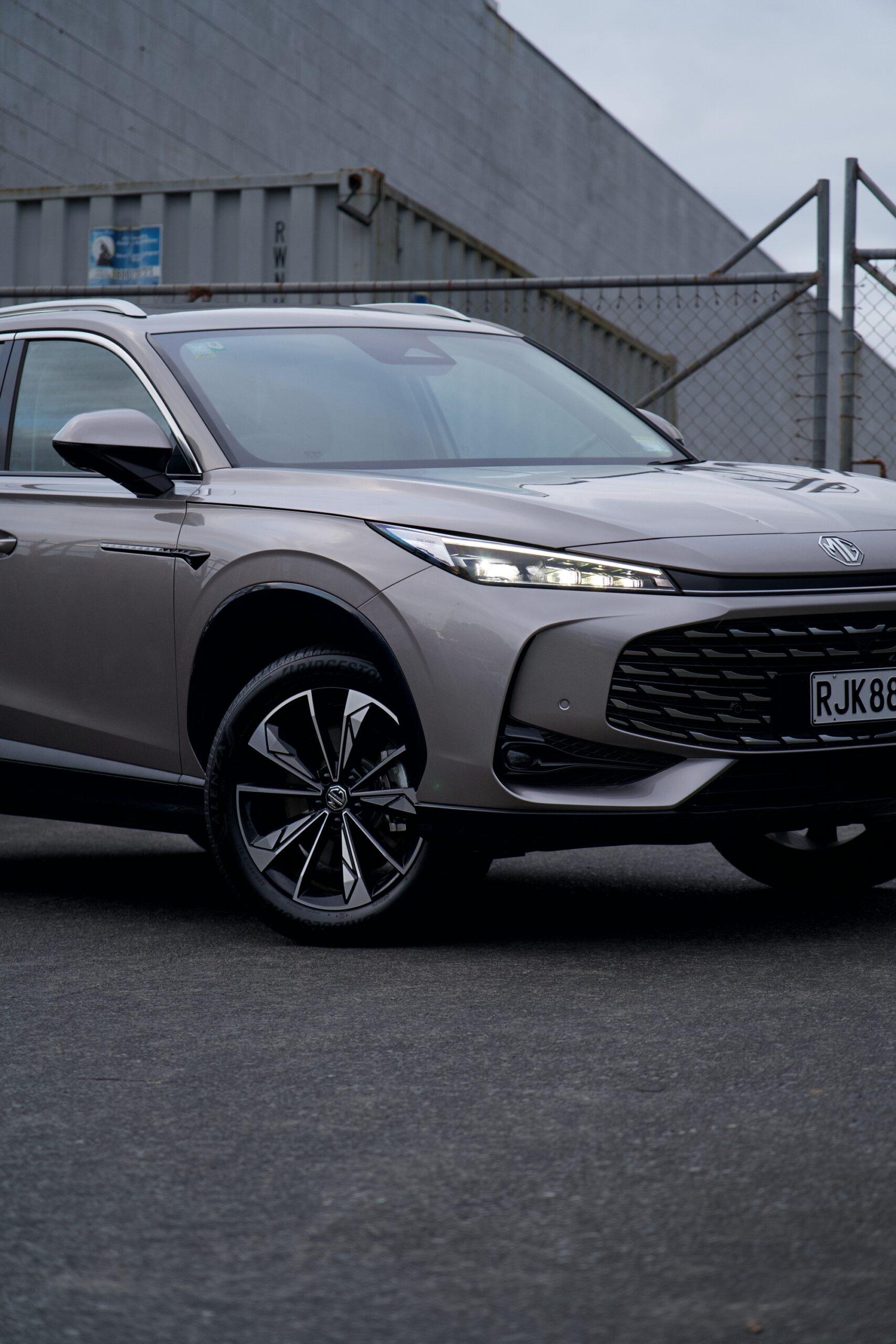
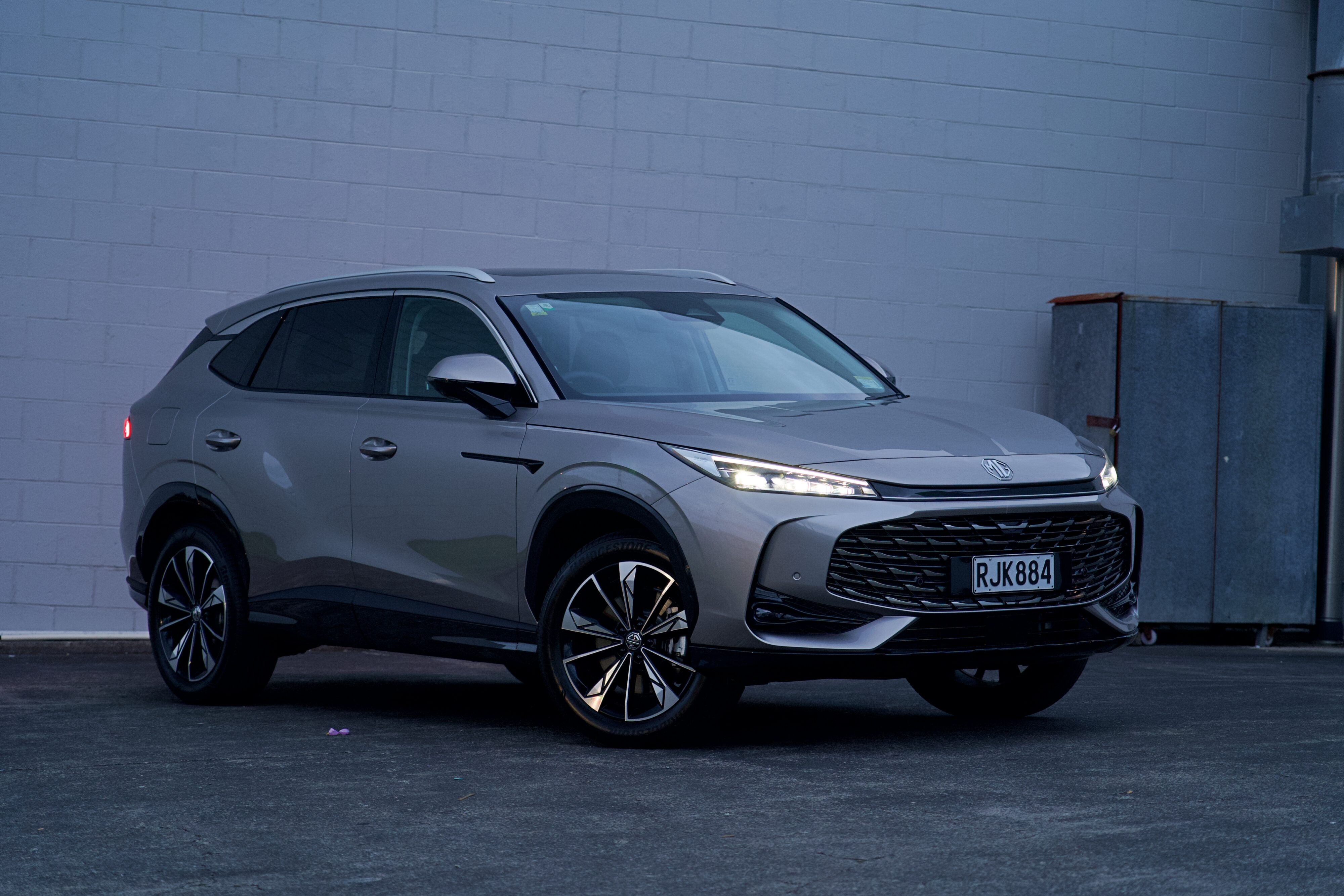
There’s no separation between the hybrids when it comes to exterior design, and that’s fine, the HS still looks smart. Other than the badges, it’s only the side steps that will show my neighbours I have yet something else on loan. It stands out more than other SUVs at this price, and complimented by proportions that are typical MG, I repeat that the HS is a very handsome SUV with just the right balance between footprint and space.
Step inside and the story remains consistent with the plug-in version: comfortable seats, reasonable materials, and soft-touch surfaces for that premium feel. The textural mismatch between the dashboard and the door cards still exists here, as does the driving position that is more “sit on” rather than “sit in”. Comfort, however, is solid, visibility is good, and it’s easy enough to settle into a posture that works for long drives. Storage is generous and the cabin remains fundamentally practical.
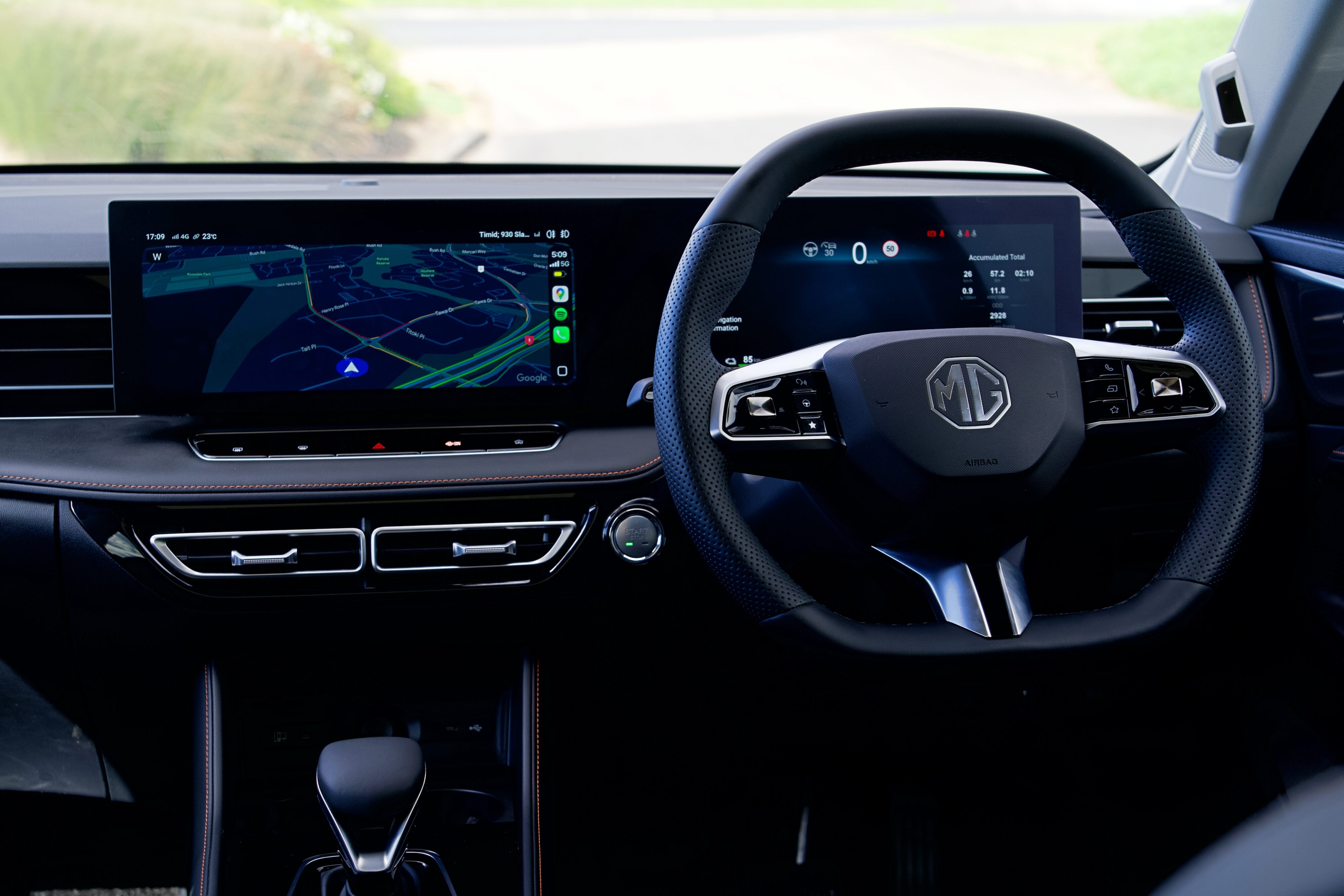
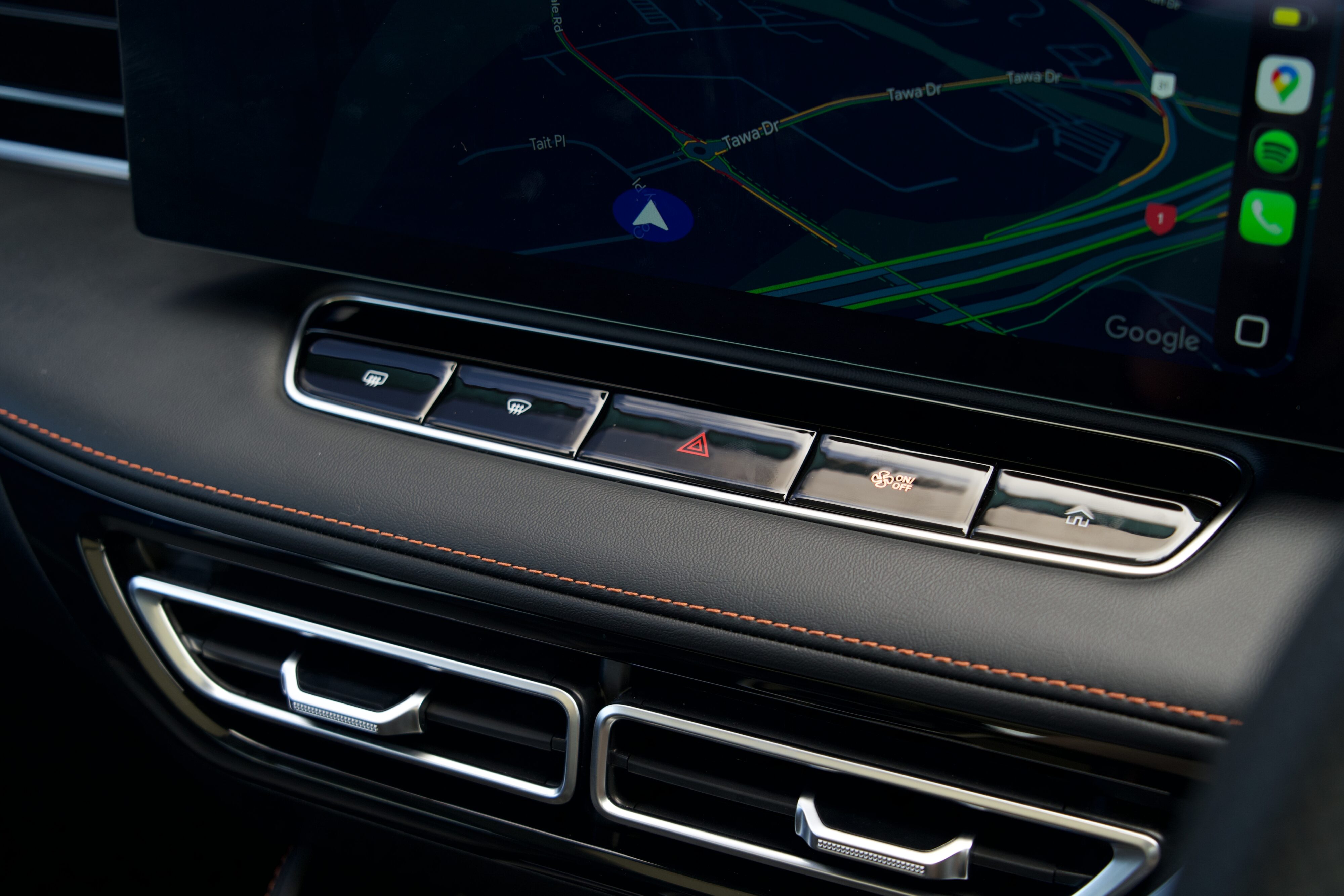
The tech situation carries over unchanged, for better and for worse. The infotainment screen still feels slightly undersized for the chunk of dashboard it occupies, and the shortcut buttons underneath it remain more symbolic than useful. After the excellent physical controls in the MGS5 EV, I continue to celebrate MG’s constant evolution in the ergonomics department.
Assistance systems are comprehensive and, once tailored through the MG Pilot mode, they join the app connectivity in becoming really useful and transparent. The biggest frustration? Adaptive cruise. And not a minor one, either. At motorway speeds it does an acceptable job, but in stop-start traffic it becomes borderline unusable. The constant lurching and abrupt braking made me both uncomfortable and self-conscious: you can feel passengers shift, and I’m sure the constant accelerating and braking did nothing to help ease off Auckland rush hour traffic.
The drivetrain is where the Hybrid+ genuinely differentiates itself from its plug-in counterpart. Gone is the 24.7kWh battery, and its place you get a 1.83kWh unit, still linked to the same 1.5 litre turbo petrol. That alone is enough to shed more than 200kg off of the scales, helping the 165kW and 340Nm go further and making it feel more dynamically honest as a result. The suspension tuning seems firmer and more composed, making the Hybrid+ feel a touch more settled in corners and less floaty over dips and crests. It’s still comfort-biased (this is no pseudo-sporty SUV after all), but it carries itself with a more expected MG driving signature.
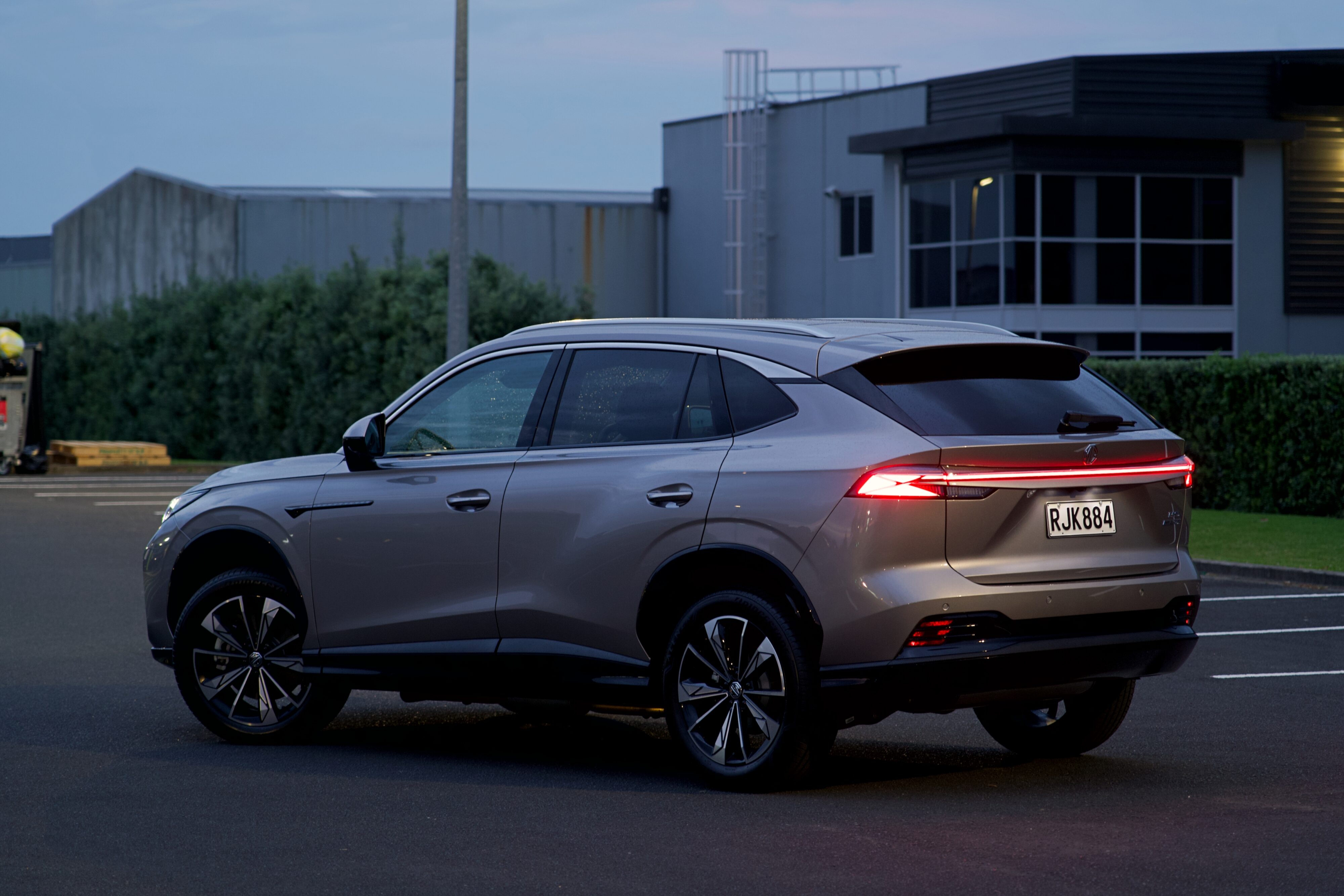
The drivetrain itself is impressively smooth. MG has done a great job calibrating the hybrid system to maximise EV-like operation without drawing attention to itself. Most of your driving happens quietly and electrically, and when the engine does fire up, it’s surprisingly well isolated, as it was on the PHEV. Noise and vibration barely register. It behaves like an EV until it doesn’t, and then… still pretty much behaves like an EV. Nice.
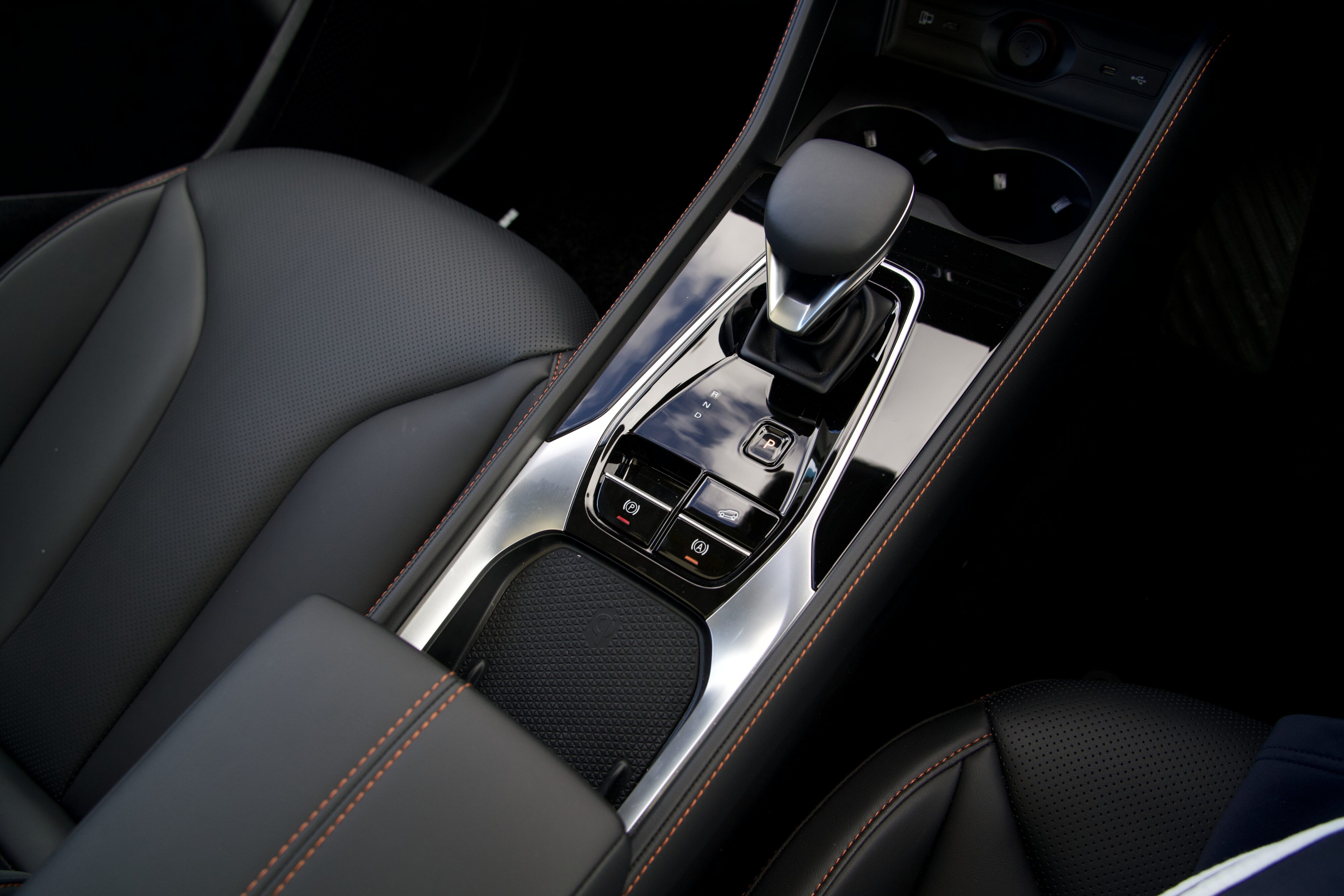
Efficiency was at around 5.4L/100km in real-world conditions and a mixed regimen, which is good but not as stellar as you might expect given how often the petrol engine takes the back seat. Still, the ease with which it delivers that efficiency is what matters: no special driving technique, no babying required.
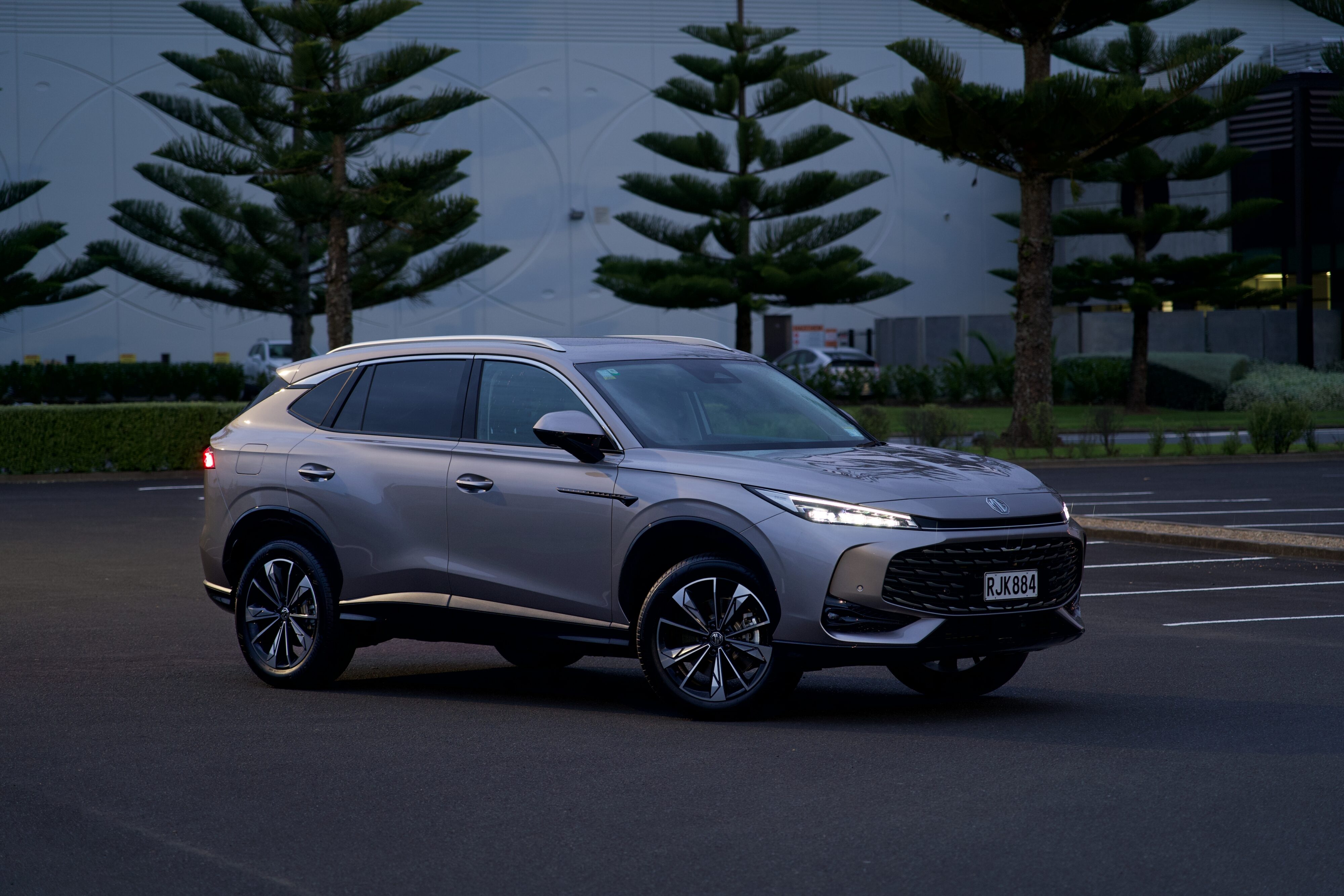
With less mass to manage and a drivetrain that fades into the background, the Hybrid+ feels friendly and cohesive. It doesn’t have the PHEV’s EV-only range, yes, but it also avoids the front-axle hop and torque-delivery struggles present there. Plus (pun intended), it adds significant refinement in day to day driving over the ICE version by isolating the powertrain, at the cost of some driving engagement.
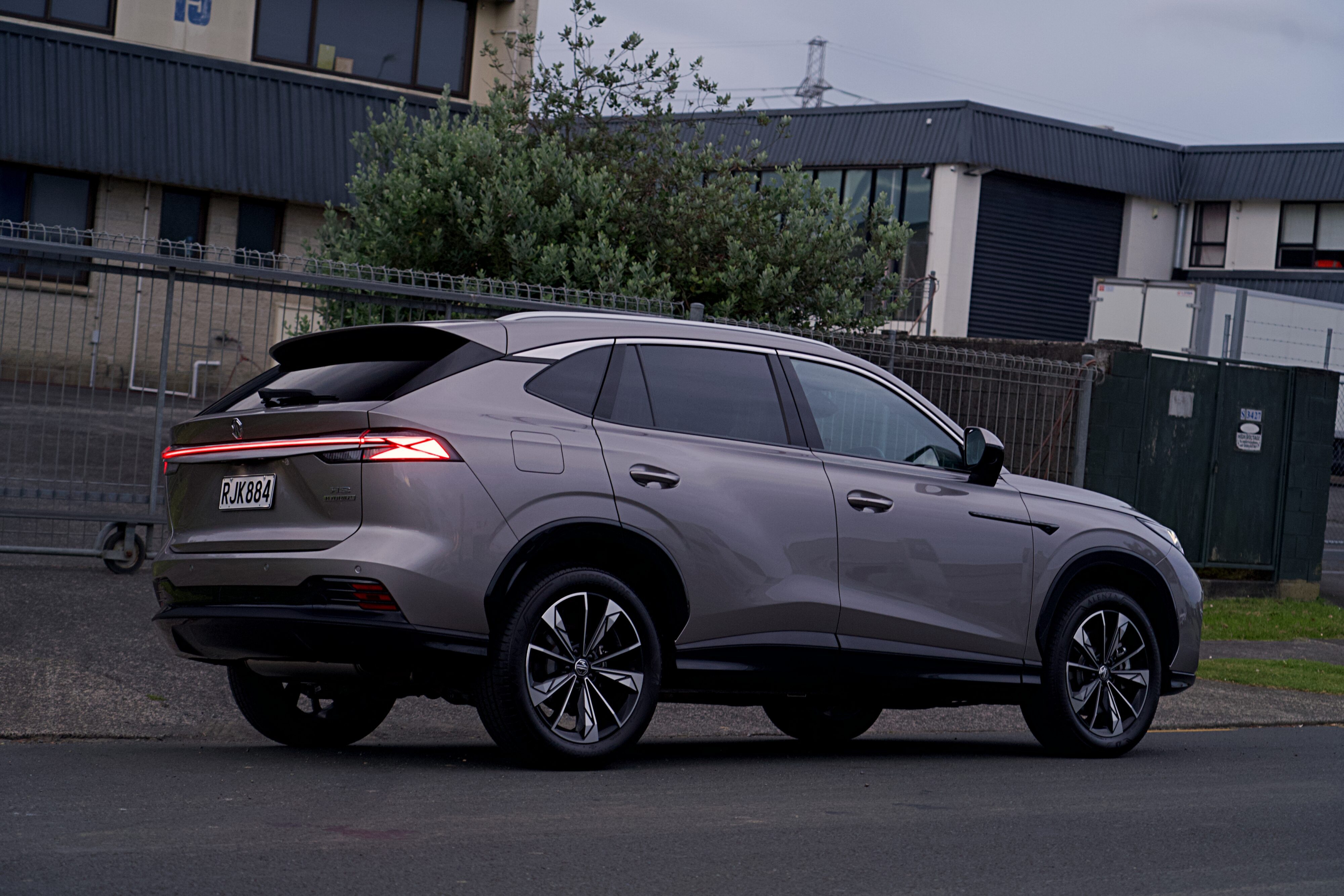
And, just like that, the MG HS lineup is complete! Covering the market all the way from 36,990 to 56,990 from the entry level petrol to the range-topper PHEV, there is an HS for everyone. It is a competent, refined and easy-going SUV that can be had with all the most popular powertrain configurations available, to suit all families. Your appetite to spending, driving and charging will be the decisive factors here, and once you’ve lived with its quirks, it is a car that slips naturally into everyday life.
It’s not perfect, but no car ever is, and it works as a great demonstration of MG’s expanding range and understanding of the market. For buyers who want good old ICE driving, hybrid simplicity without the complexity of plugging in, or a great EV-only range, the MG always finds a way to make a good argument for itself. Thanks, MG, for the opportunity, and thank you for reading this far!