There was a time when a steering wheel had one job, turn left, turn right or maybe beep the horn if someone wandered into your lane while admiring the scenery. That was it. Simple. Effective. Beautiful.
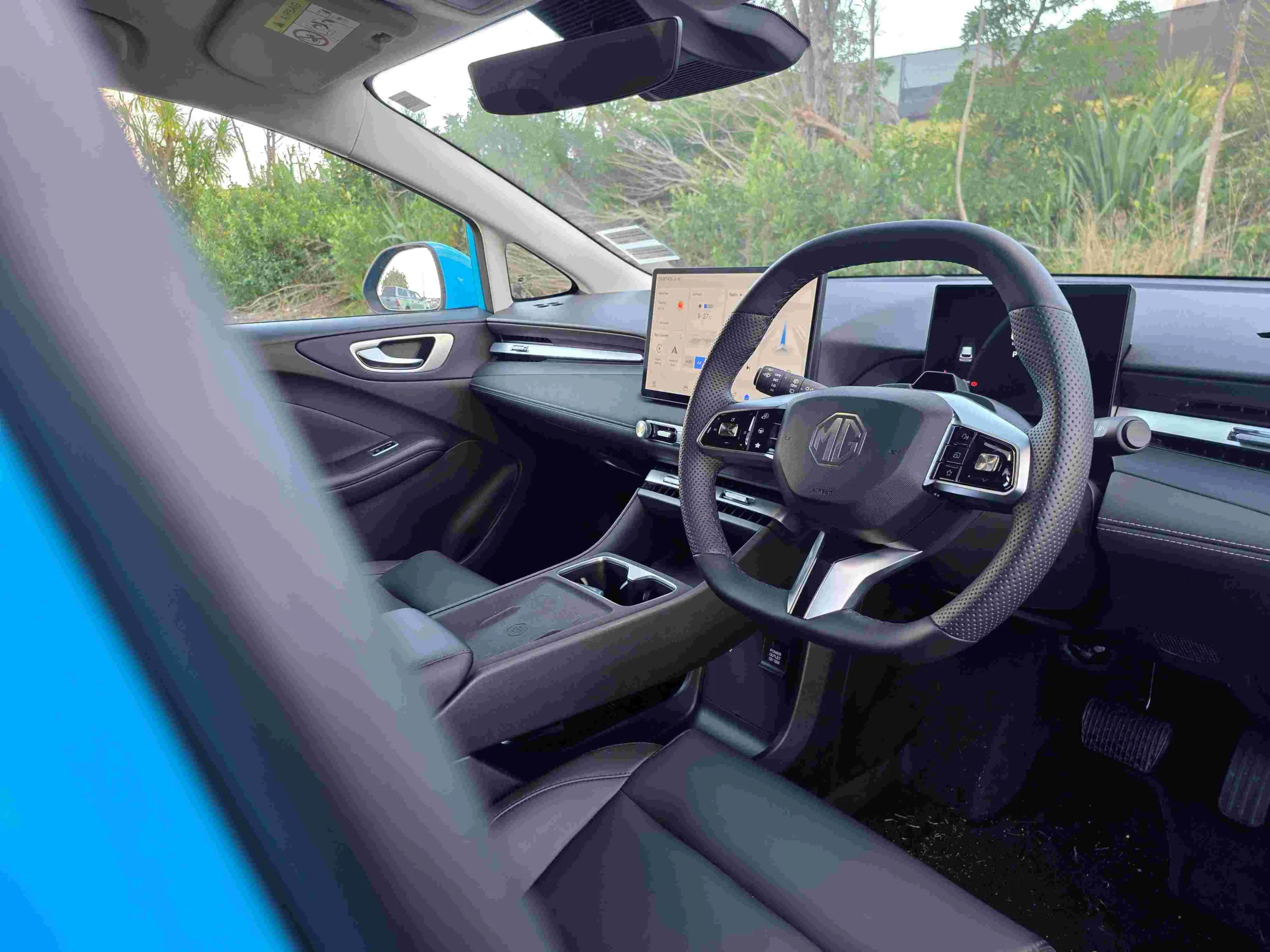
Fast forward to 2026 and the average steering wheel has become something resembling the control yoke of a commercial airliner crossed with your laptop keyboard. There are buttons for volume, cruise control, adaptive cruise control, lane centring, voice assistants, phone calls, media menus, instrument displays, drive modes, regenerative braking, heated steering wheels and, in some cars, even touch-sensitive sliders that react when you accidentally brush them with your thumb.
So the question is – have steering wheels become too clever for their own good?
The wheel that changed everything
Ironically, the first cars didn’t even have steering wheels. The earliest automobiles borrowed heavily from horse-drawn carriages and were steered using a tiller, essentially a lever that pointed the front wheels in roughly the direction you wanted to go. It worked… well most of the time.
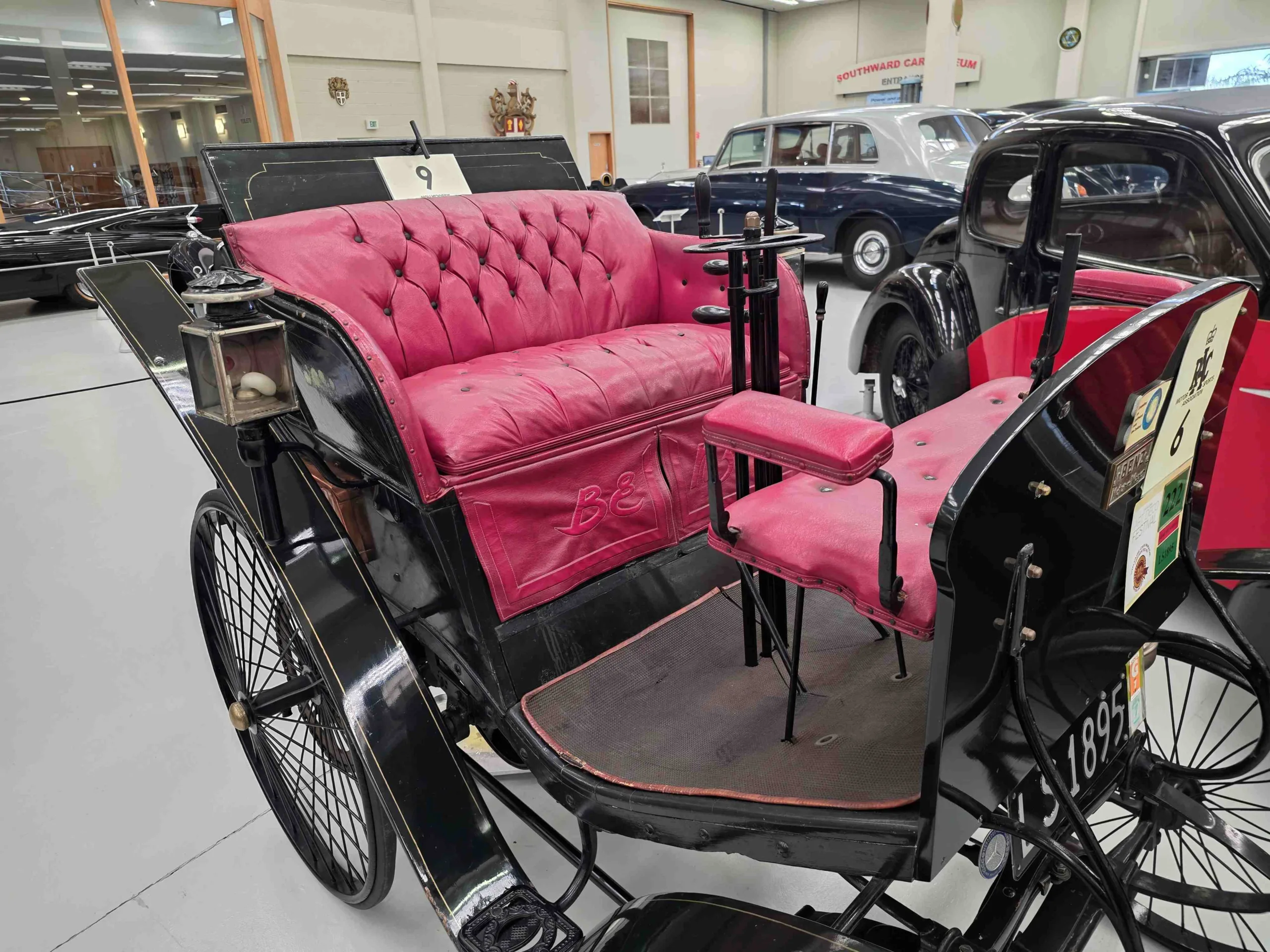
Everything changed in 1894 when French engineer Alfred Vacheron fitted a circular steering wheel to his racing car in the Paris-Rouen Trial. The design offered better leverage, more precise control and far greater confidence at speed. It proved so effective that steering wheels quickly became the industry standard.
For decades afterwards, not much changed. Whether you were driving a Ford Model T, a Jaguar E-Type, or even an early Porsche 911, the steering wheel remained refreshingly uncomplicated. Large diameter, thin rim, maybe a chrome horn ring if you were feeling fancy, and absolutely no software updates required.
Then came the horn
The first major addition to the steering wheel was surprisingly obvious. Originally, horns were operated by squeezing rubber bulbs mounted outside the car or by pressing buttons elsewhere on the dashboard. Eventually manufacturers realised that the driver’s hands spent most of their time on the wheel, making it the logical place for the horn control.
By the 1930s and 1940s, horn buttons (and later full horn rings) had become standard equipment. Simple. Intuitive. Job done. Well… for a while.
Safety changed everything
The next revolution wasn’t about convenience, it was about survival. In the 1970s and 1980s, airbags began appearing in production cars, eventually becoming mandatory in many countries. The steering wheel suddenly needed to house a carefully engineered explosive device that could inflate in milliseconds during a crash. That large padded centre section wasn’t there to improve the styling, it was there to save your face.
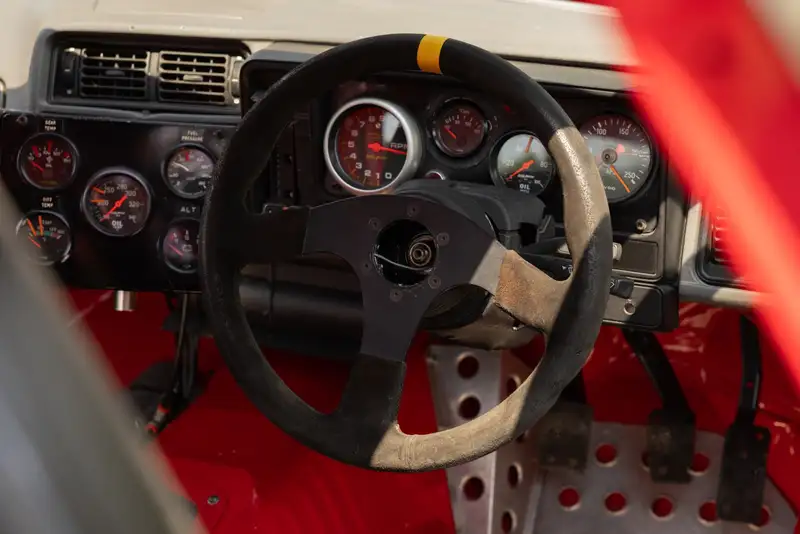
Modern steering wheels are now incredibly sophisticated safety components. They contain airbags, crash sensors, wiring looms, steering angle sensors and clocksprings that allow electrical connections to rotate continuously while you steer. It’s remarkable engineering hidden beneath what looks like a simple round object.
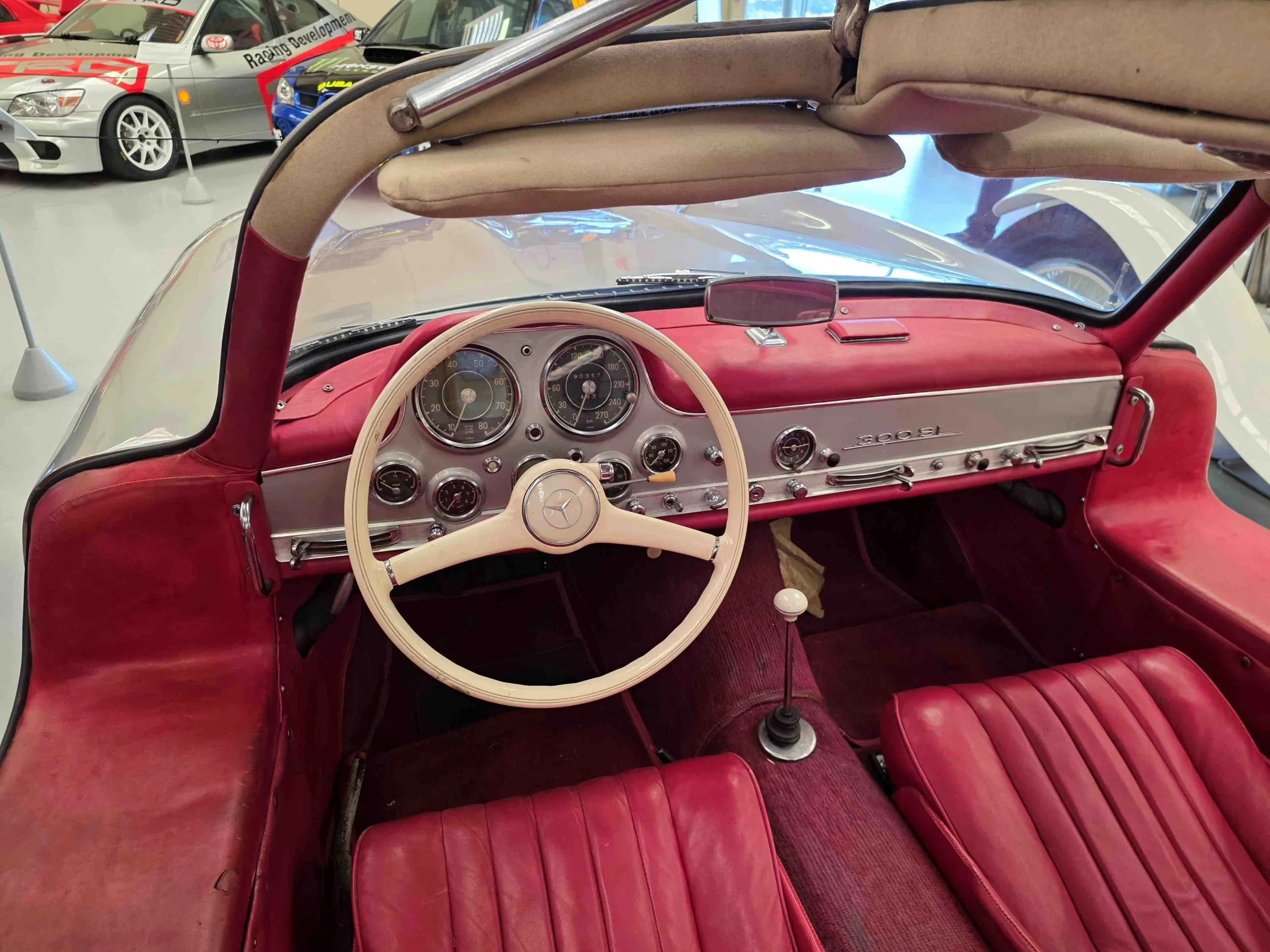
Then technology arrived…
Once electronics invaded the cabin, the steering wheel became prime real estate. Why reach across to the dashboard when your thumbs could do the work?
At first, it made perfect sense. Volume controls appeared. Then radio station buttons. Cruise control followed. Hands stayed on the wheel. Eyes stayed on the road. Everyone won.
Then someone asked… “What else can we put here?” Apparently, the answer was… “Everything.”
Welcome to button overload
Today’s steering wheels can control almost every aspect of your vehicle. Take the latest Mercedes-Benz S-Class, BMW i5 or Volkswagen ID.7 (and virtually EVERY vehicle from China), and your thumbs are greeted by an array of buttons, touchpads, rollers and haptic surfaces. Some cars even require you to swipe across glossy touch panels to adjust menus.
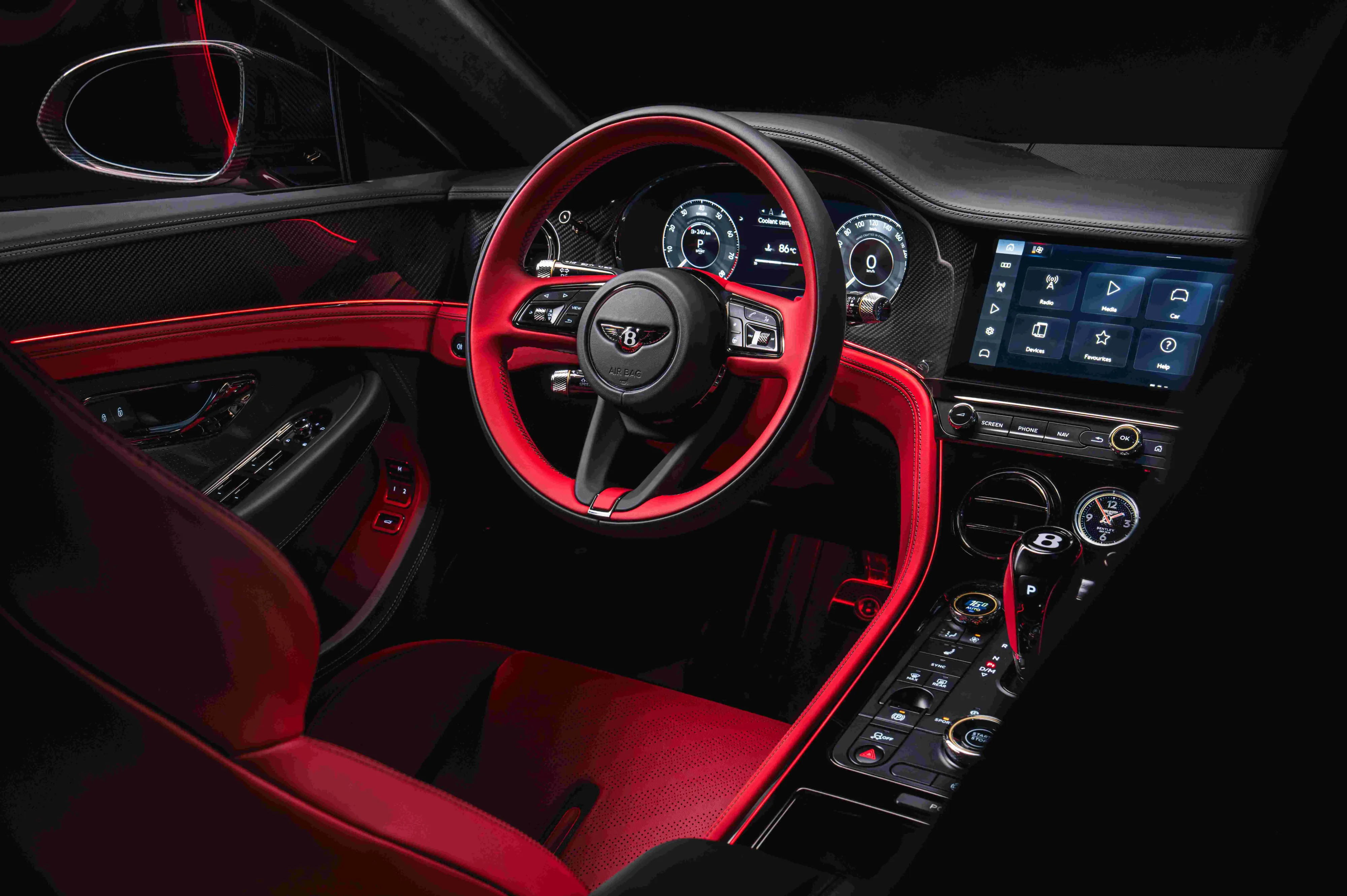
In theory, this reduces distraction. In reality? Finding the correct button while negotiating a roundabout, avoiding a cyclist and trying not to spill your coffee isn’t always as straightforward as the designers imagined.
There’s a reason many motoring journalists joke that new steering wheels now require an owner’s manual before you leave the dealership.
Touch-sensitive controls – progress or pain?
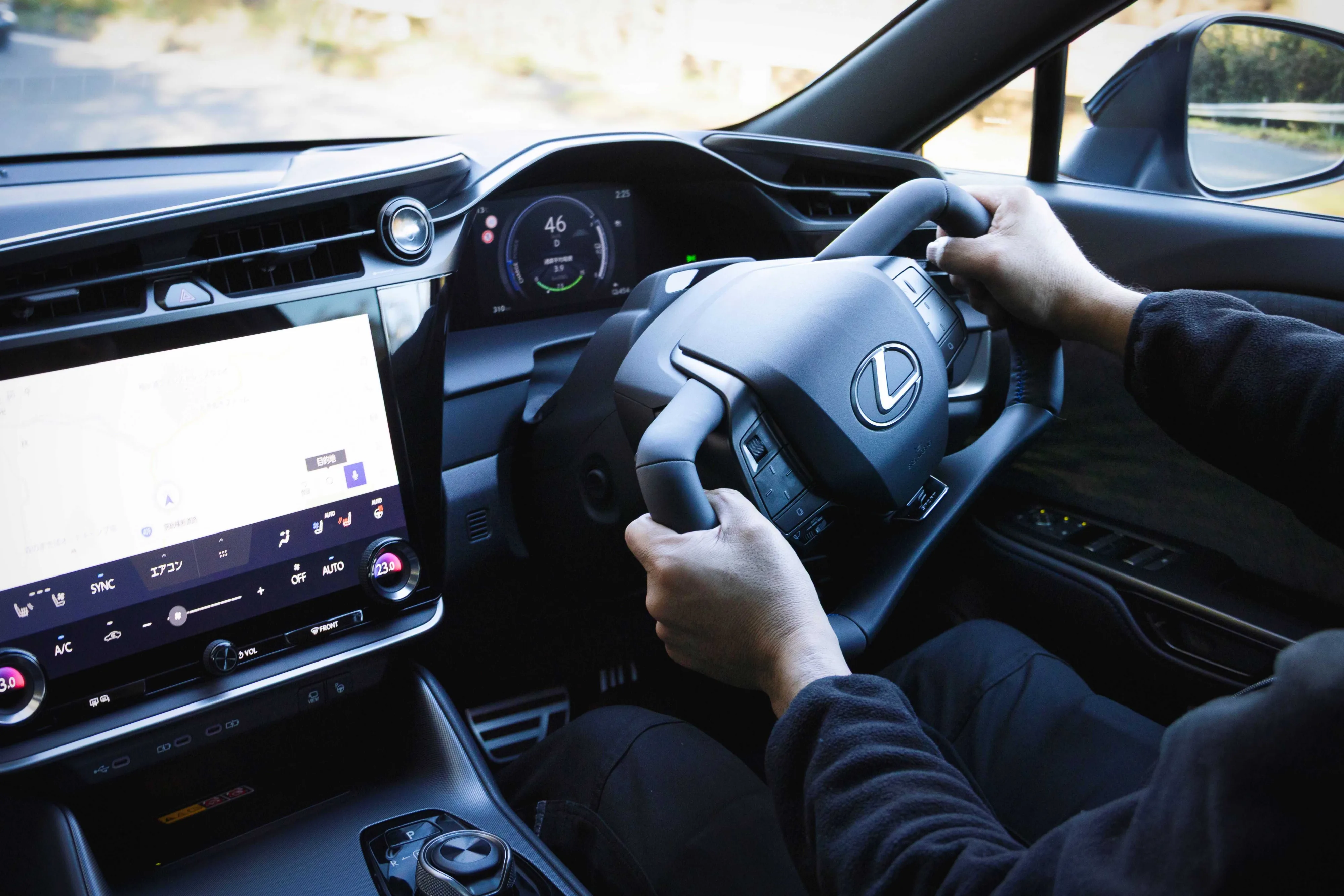
One of the biggest trends over the past few years has been replacing physical buttons with touch-sensitive controls. The idea sounds brilliant, fewer moving parts, cleaner design, futuristic appearance. Until you accidentally mute the stereo while turning into your driveway, or activate the heated steering wheel in the middle of summer.
Unlike traditional buttons, touch controls often lack tactile feedback. Drivers frequently have to glance down to confirm what they’re touching, the very thing steering wheel controls were supposed to eliminate.
Recognising this, several manufacturers have begun reversing course. Volkswagen publicly acknowledged customer frustration and has returned physical buttons to several newer models after criticism of its touch-sensitive controls. It’s a reminder that just because something looks modern doesn’t necessarily make it better.
Formula One… but for everyone?
Ironically, modern road car steering wheels increasingly resemble those found in Formula One. F1 drivers genuinely need dozens of controls. They adjust brake balance, differential settings, energy recovery systems, engine modes and radio communications while travelling at over 300km/h.
Road cars? Not so much. Most of us simply want to answer a phone call without accidentally changing the instrument display into Hungarian.
There’s an important distinction between technology that’s genuinely useful and technology that’s there simply because it can be.
The best steering wheels get out of the way
Some manufacturers understand this beautifully. Mazda continues to favour logical layouts with clearly defined physical buttons, Subaru has largely resisted replacing everything with touch-sensitive controls. Even premium brands are rediscovering that ergonomics often beat minimalism.
The best steering wheel is the one you stop thinking about after five minutes. It becomes an extension of the driver rather than another device demanding your attention.
Where do we go from here?
With voice assistants becoming smarter and artificial intelligence increasingly entering the automotive world, we may actually see fewer physical controls in future. “Increase the temperature.” “Call home.” “Navigate to the nearest coffee.” are all become more common and with more native commands. So , no hunting for buttons required.
But before cars do all the thinking for you, manufacturers face an interesting challenge, drivers want technology, they want convenience, but they also want simplicity. Finding that balance is harder than adding another button.
Tarmac Takeaway
The steering wheel has travelled an extraordinary journey. From a simple wooden circle replacing a tiller more than 130 years ago, it has evolved into one of the most technologically advanced components inside a modern car. It contains life-saving safety systems, sophisticated electronics and enough controls to manage almost every function without taking your hands off the wheel. That’s genuine progress.
But somewhere along the way, some steering wheels stopped being intuitive and started feeling like a game of automotive “Where’s Wally?” Perhaps the future isn’t about adding more buttons, perhaps it’s about knowing when enough is enough. Because sometimes, the smartest piece of technology is the one that quietly lets you enjoy what driving has always been about…The road ahead.