Plug-in hybrids occupy an odd middle ground these days. Execution can vary wildly depending on how well the combustion and electric sides have been integrated, and even self-proclaimed PHEV know-it-alls like yours truly can sometimes be left searching for the “best of both worlds” they promise. And with the last iteration of “EV hesitancy” we’ve seen on the market, the window for the PHEVs has never been wider.
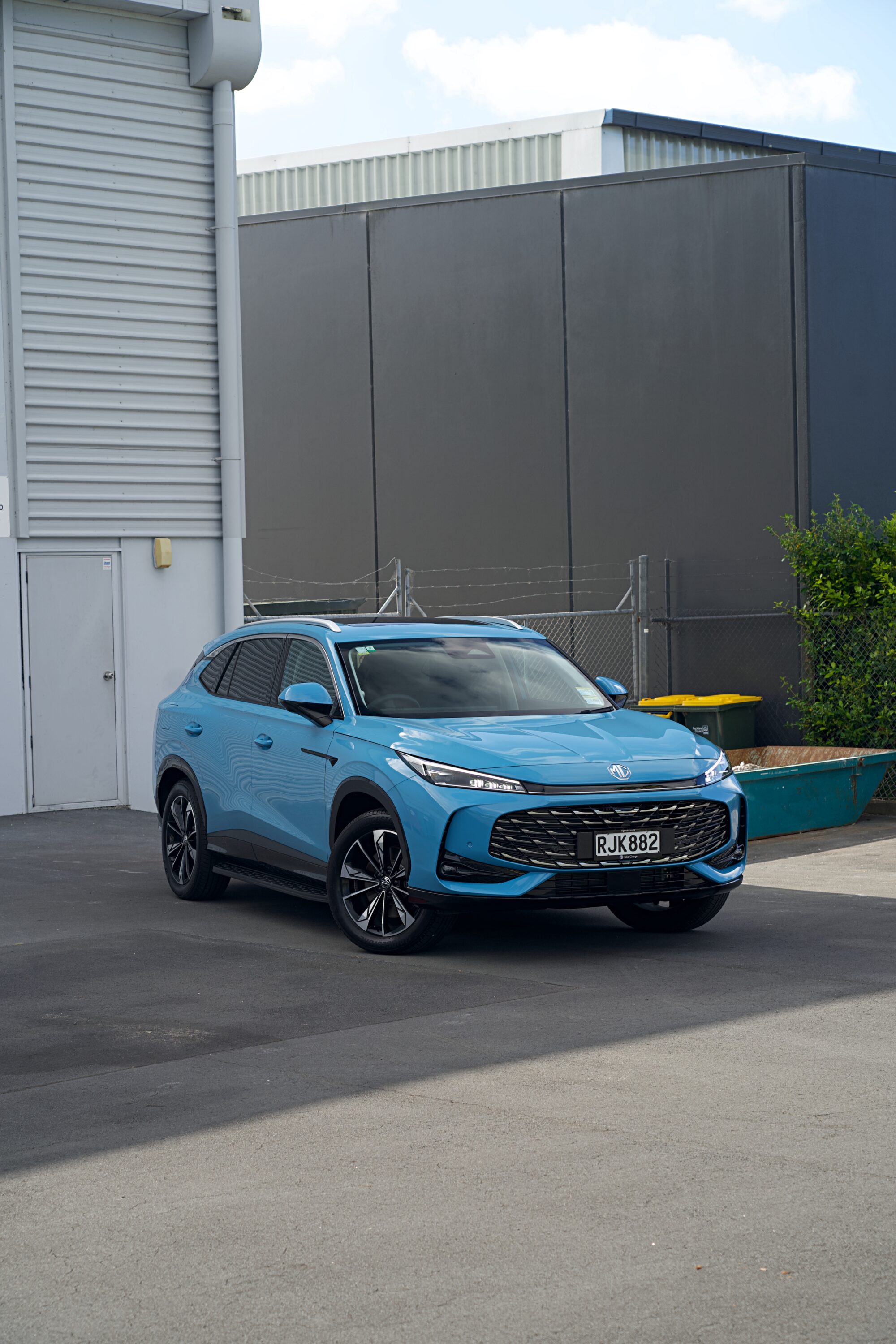
MG jumped at this opportunity by increasing their market coverage with two new HS models: a “regular” Hybrid and this Super Hybrid, a nomenclature we’ve seen more often recently. The car has been a strong seller for MG in New Zealand for some time, offering a value-heavy alternative to the usual midsize SUV crowd. The Super Hybrid plugs into that formula – literally – with a sizable battery pack promising over 100 km of EV-only range and a claimed combined range of 1000 km. On paper, it slots in neatly as MG’s family-friendly electrified option for those not quite ready to go full EV.
When I had the combustion HS, I opened that review by saying that was the only model left for me to evaluate of their current lineup; but so much has changed since then. And this seems to be the theme here: how much their lineup has evolved, in both width and depth.
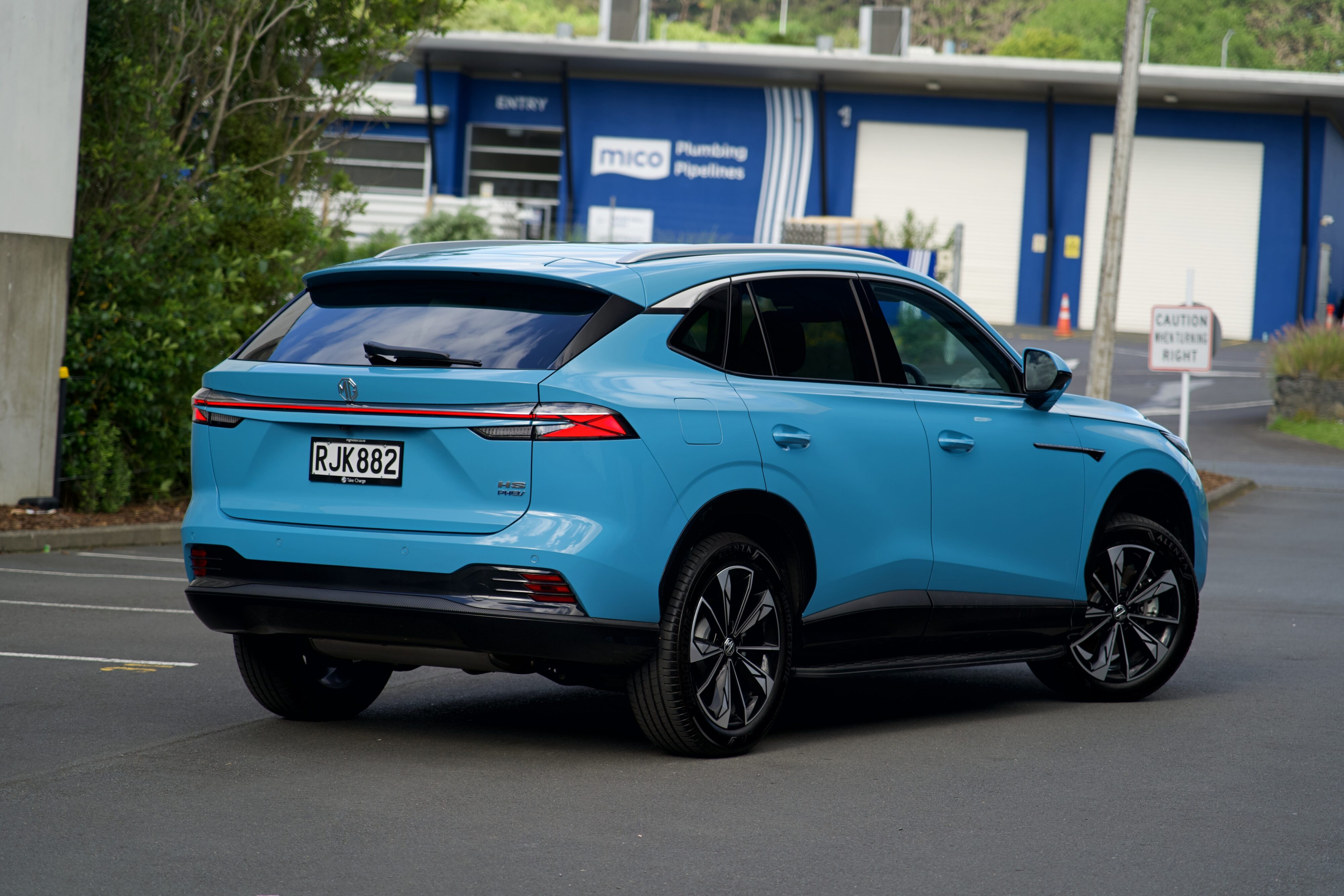
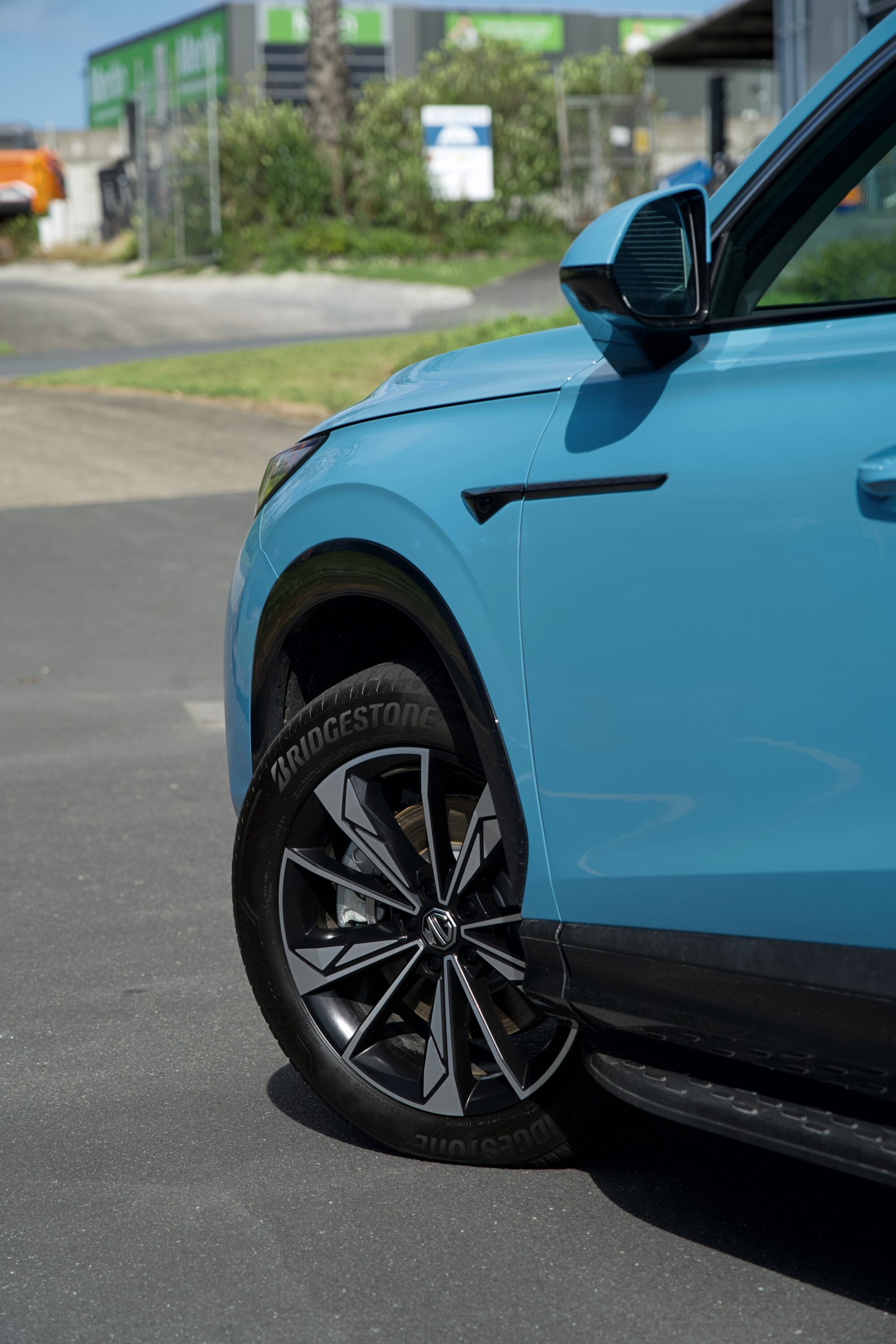
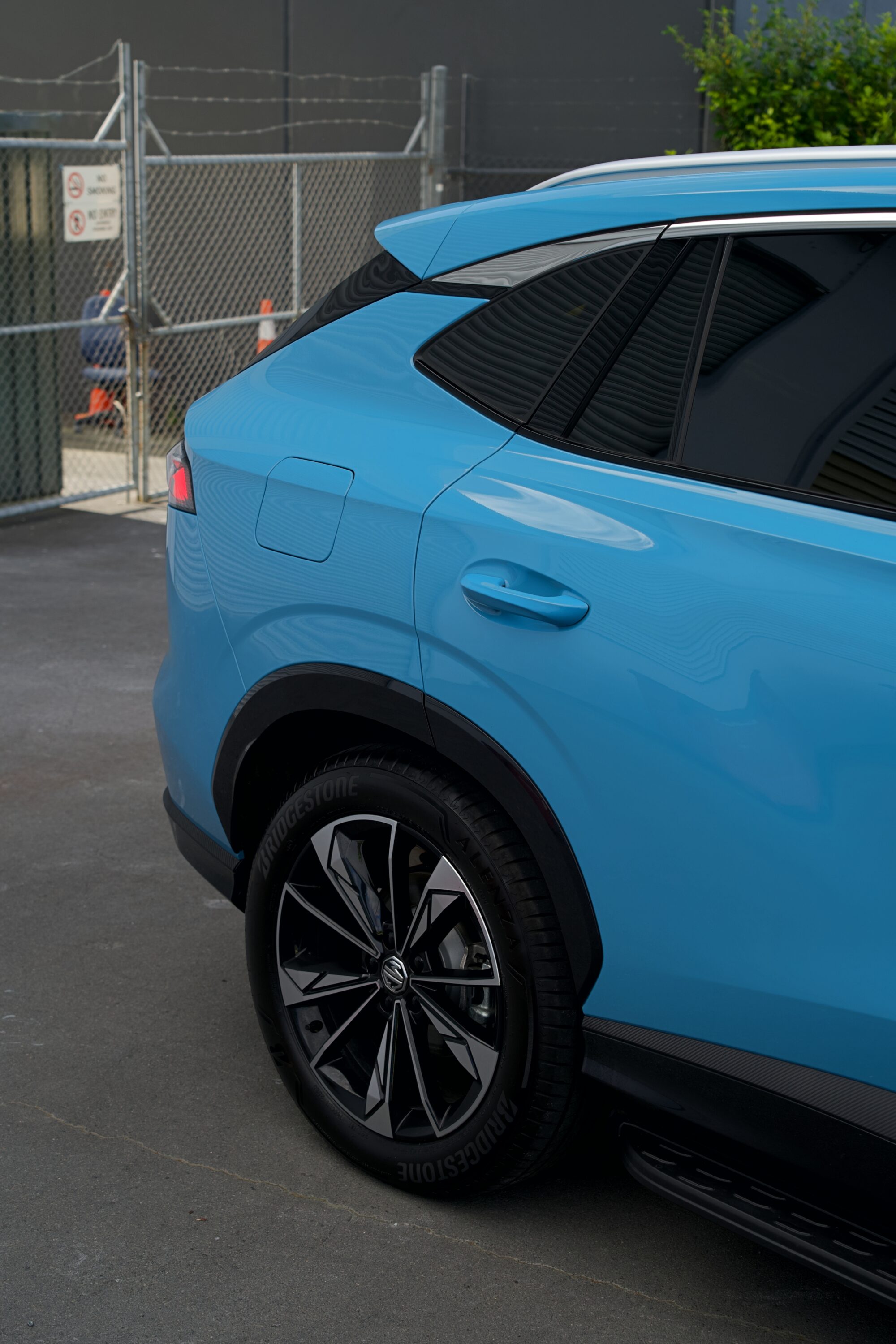
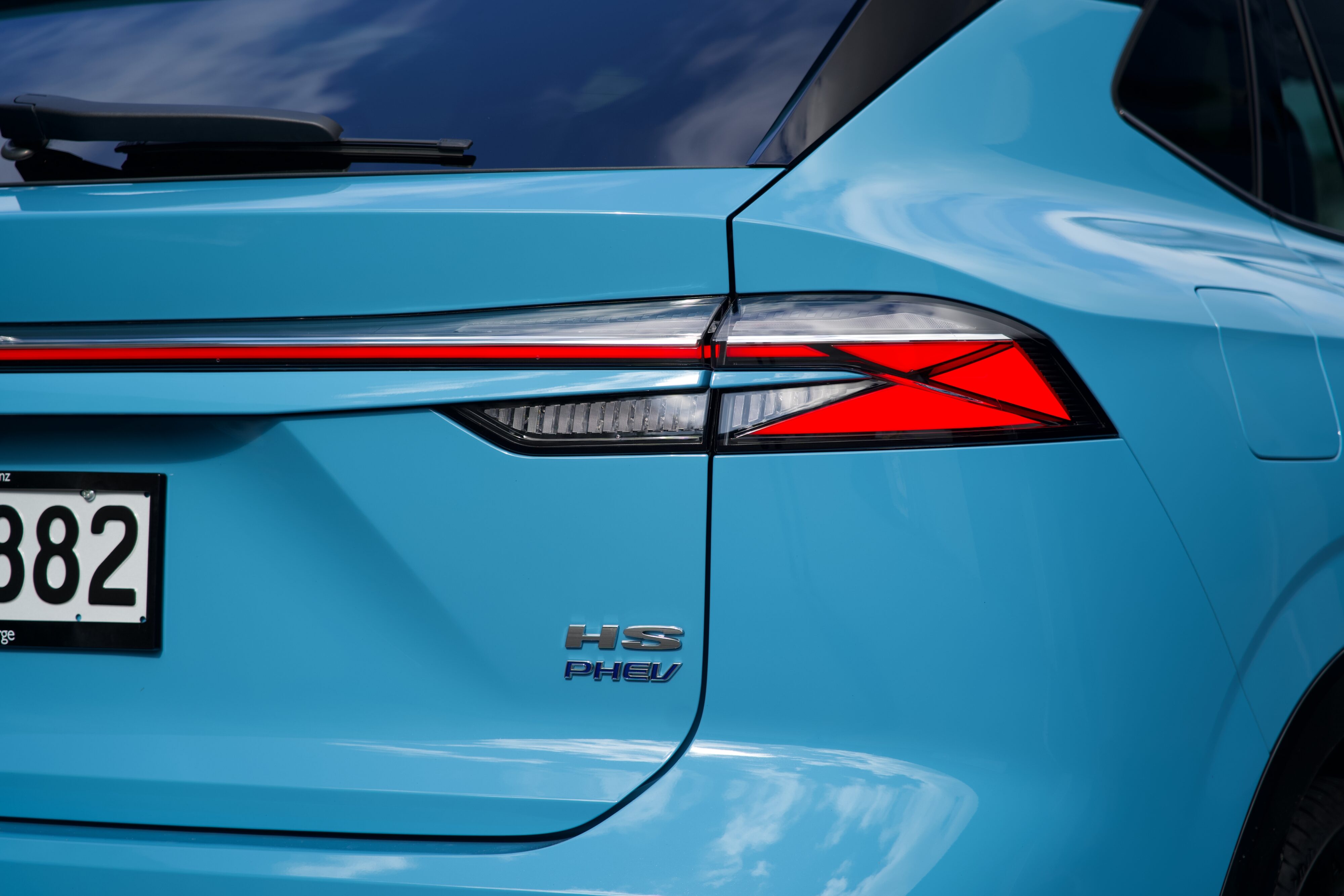
It joins a fast evolving MG line-up where every generation seems to leapfrog the last, and that alone puts this car in a tricky position. But if there’s one area where the HS holds its own, it’s kerbside appeal. The proportions are classic MG SUV, and I feel like it looks like it costs double what the previous HS did, being interesting without getting fussy. My test car wore Arctic Blue, a surprisingly icy, crystalline colour that works wonders in bright light, and got numerous compliments. If you’re torn between blending in with a SUV but still standing out every now and again, that’s the choice for you.
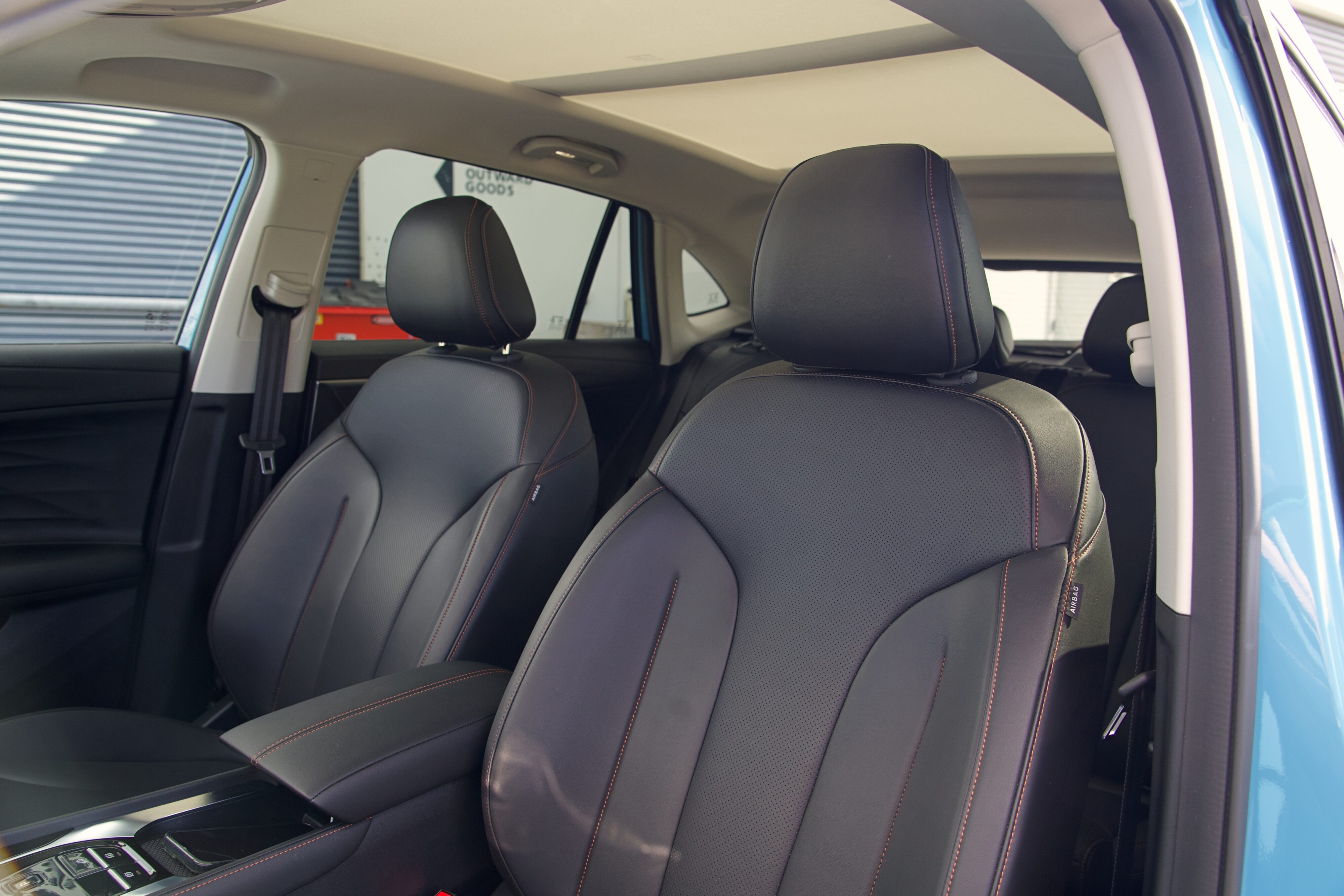
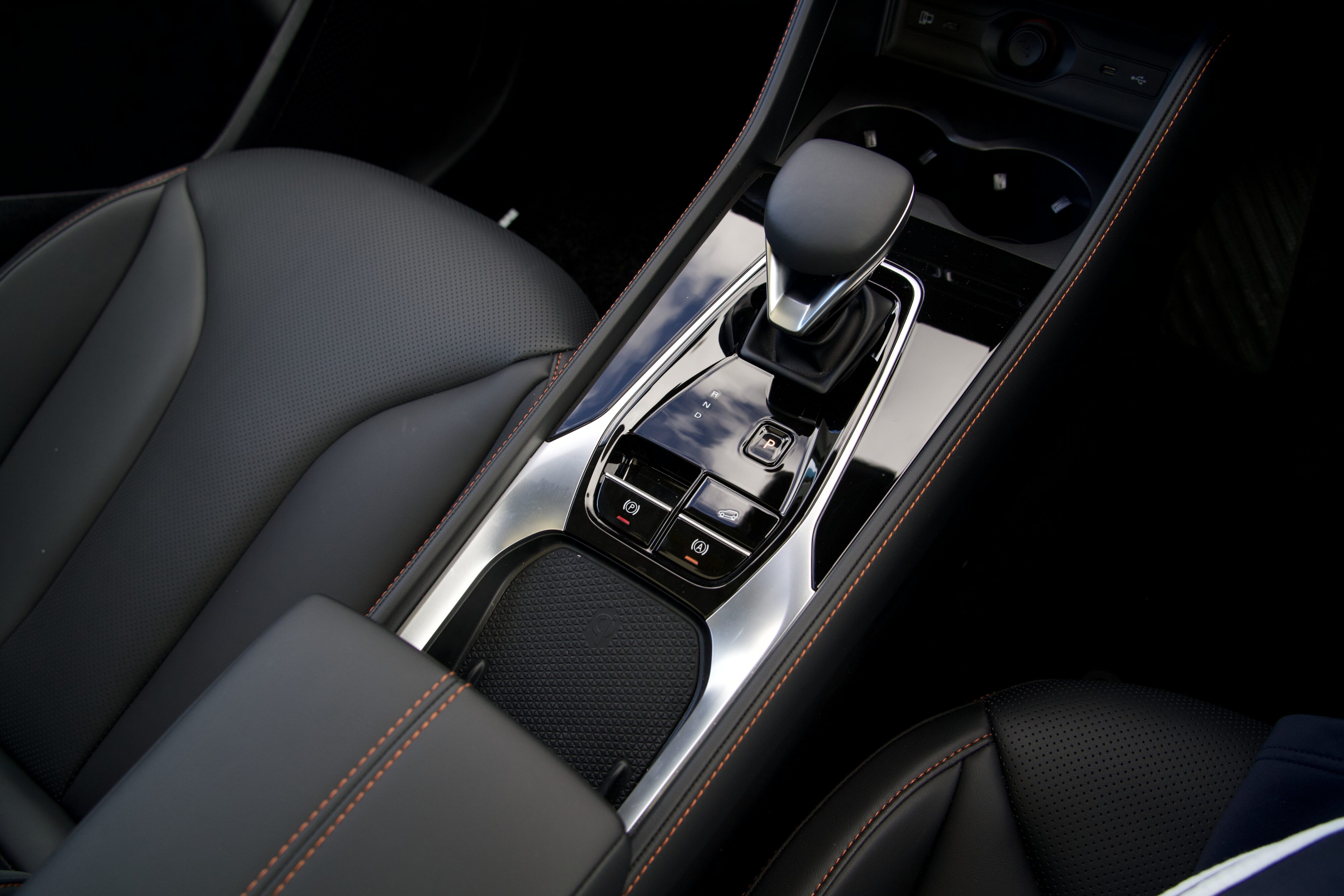
Step inside and you’ll be greeted by MG’s corporate steering wheel and their familiar interior design. The HS aims to be plush, and in some places, it absolutely achieves that: the seats are soft, cushioned, and comfortable (even if I’d appreciate a tad more adjustability); most touch points have padded textures; and the overall layout is clean and friendly. It has all the space needed to be a family SUV, taking 4 adults and their luggage on longer trips with absolutely zero issue, I can confirm.
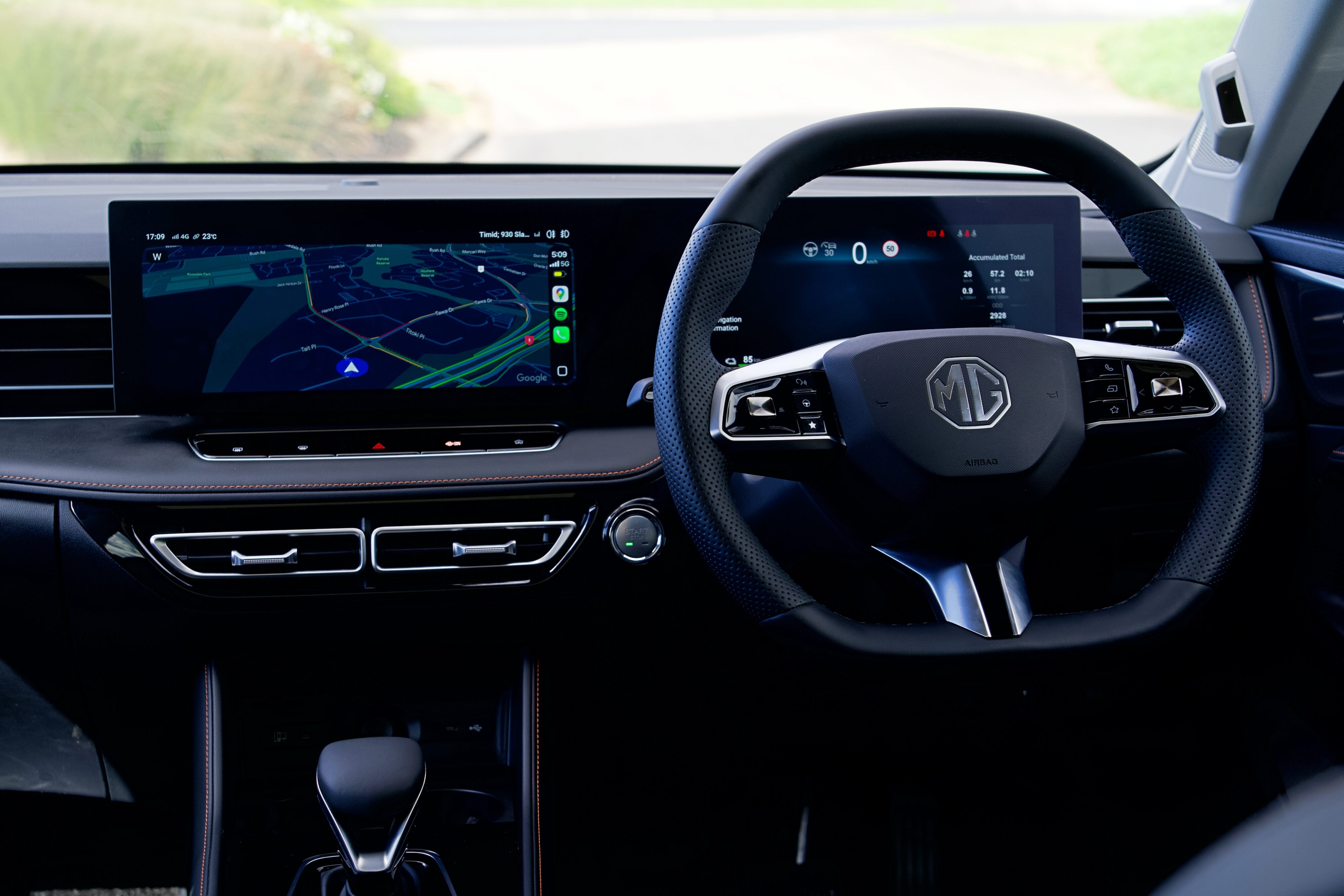
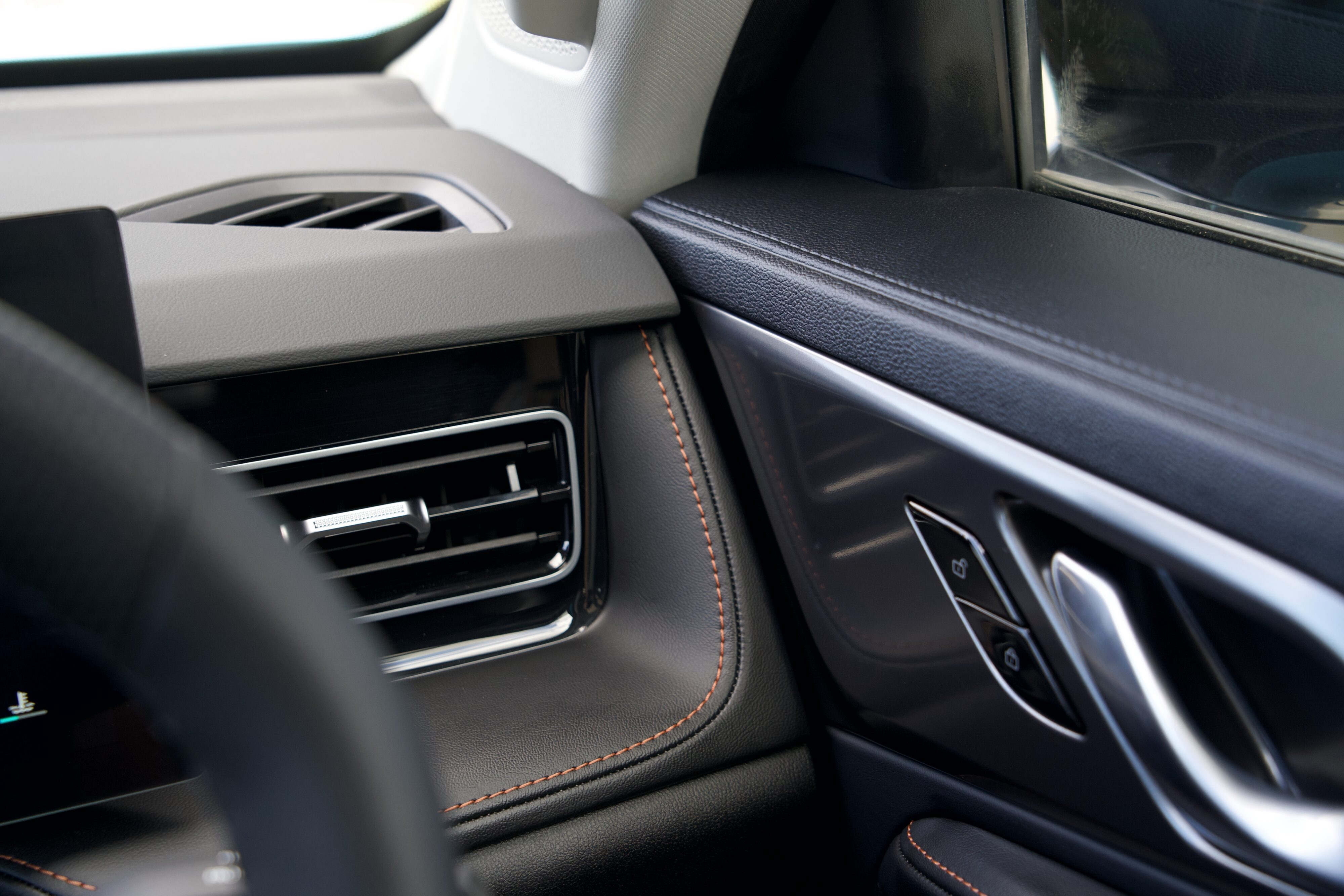
But the moment you start paying attention to details, a few nitpicky gripes stick out. The texture mismatch between the dashboard and door cards makes it feel like they were sourced from different cars, and some ergonomic head scratchers can get old on the day-to-day: the physical shortcuts under the screen exist, but the only one that sees actual, frequent use is the Home button.
Just before this HS, I had the MGS5, and jumping here back to back, it’s easy to see how massive the changes the new car brings are. Having dedicated rockers for temperature and fan speed is a huge quality of life improvement only found on the EV, and having my wife reach out over to my right steering wheel spoke every time her jam came on and she wanted to crank up the volume was less than ideal (as there isn’t a volume knob elsewhere).
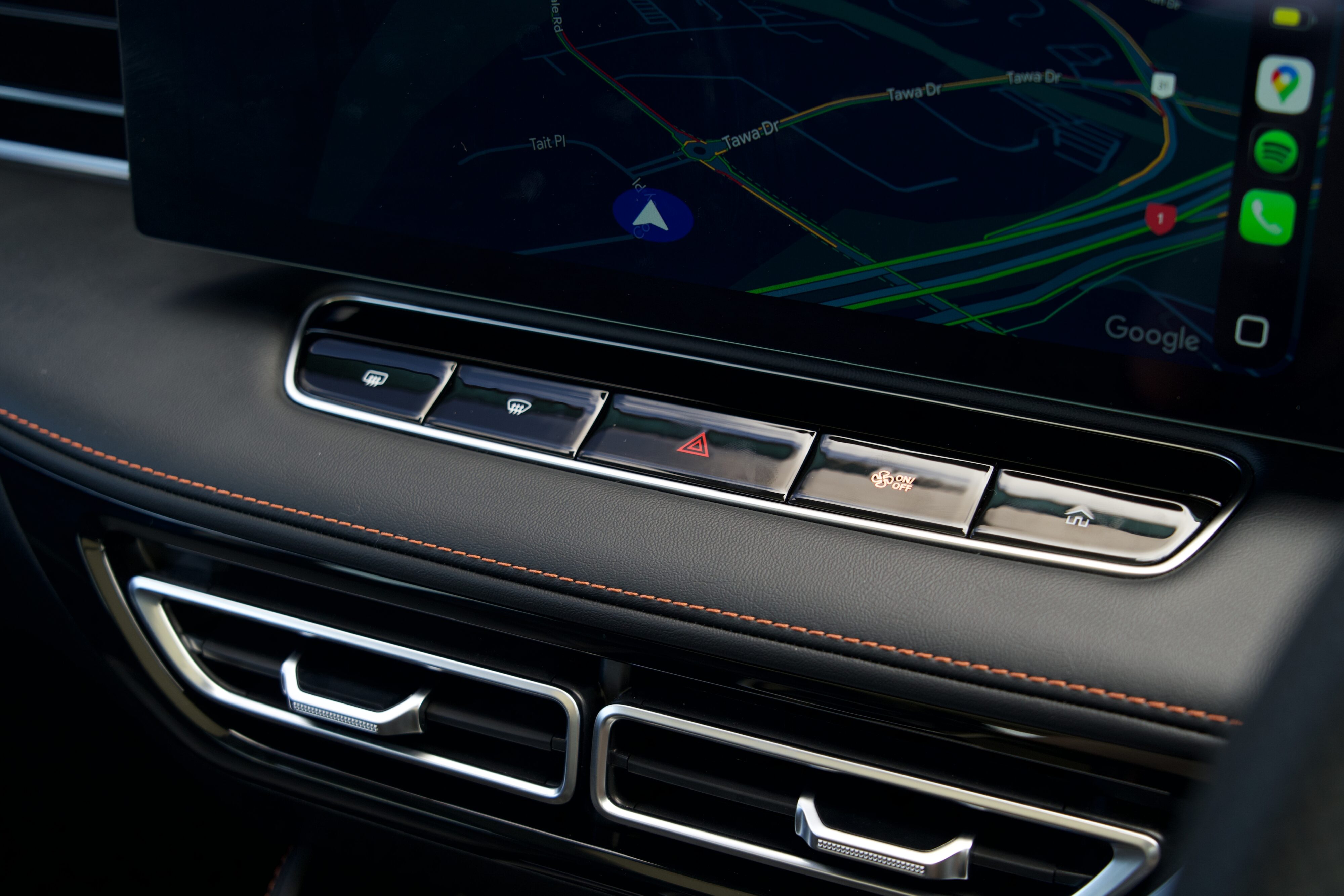
The tech suite is decent but has a few rough edges. The screen itself is functional but feels cramped for its footprint, with less resolution than their other models. It’s also not the brightest or quickest unit around, especially considering there is some significant menu jumping and scrolling. The driver assistance systems are comprehensive and get most of the day to day handled, but the jerkiness in stop and go traffic feature for the cruise control hinders the experience.
Ah, and the intrusive alerts remain an MG signature. Overspeed warnings, attention monitoring chimes, and general nanny-state pops and bongs occur far too often. We all know they are a given in today’s climate, but other brands manage to integrate them more into the experience in a way that gripes the driver less frequently, and less annoyingly – I had to confirm this was even a word. The “MG Pilot” set of customised settings definitely helps, but only if you know it’s there.
On the topic of driving, let’s talk powertrains. From the substantial 24.7kWh battery, MG claims you can get 105km of range, but in Super Hybrid talk, I wouldn’t blame you for forgetting about this number. We’ve recently driven two PHEVs from consolidated, “legacy” brands that offer decent EV-only range figures, but that will punish drivability if you don’t charge them. The HS will let you run the battery down to its last percent, but the brilliantly isolated engine and the efficient regen make the car still drive the same EV manner, and even recoup some net positive state of charge through normal driving. Not bad at all.
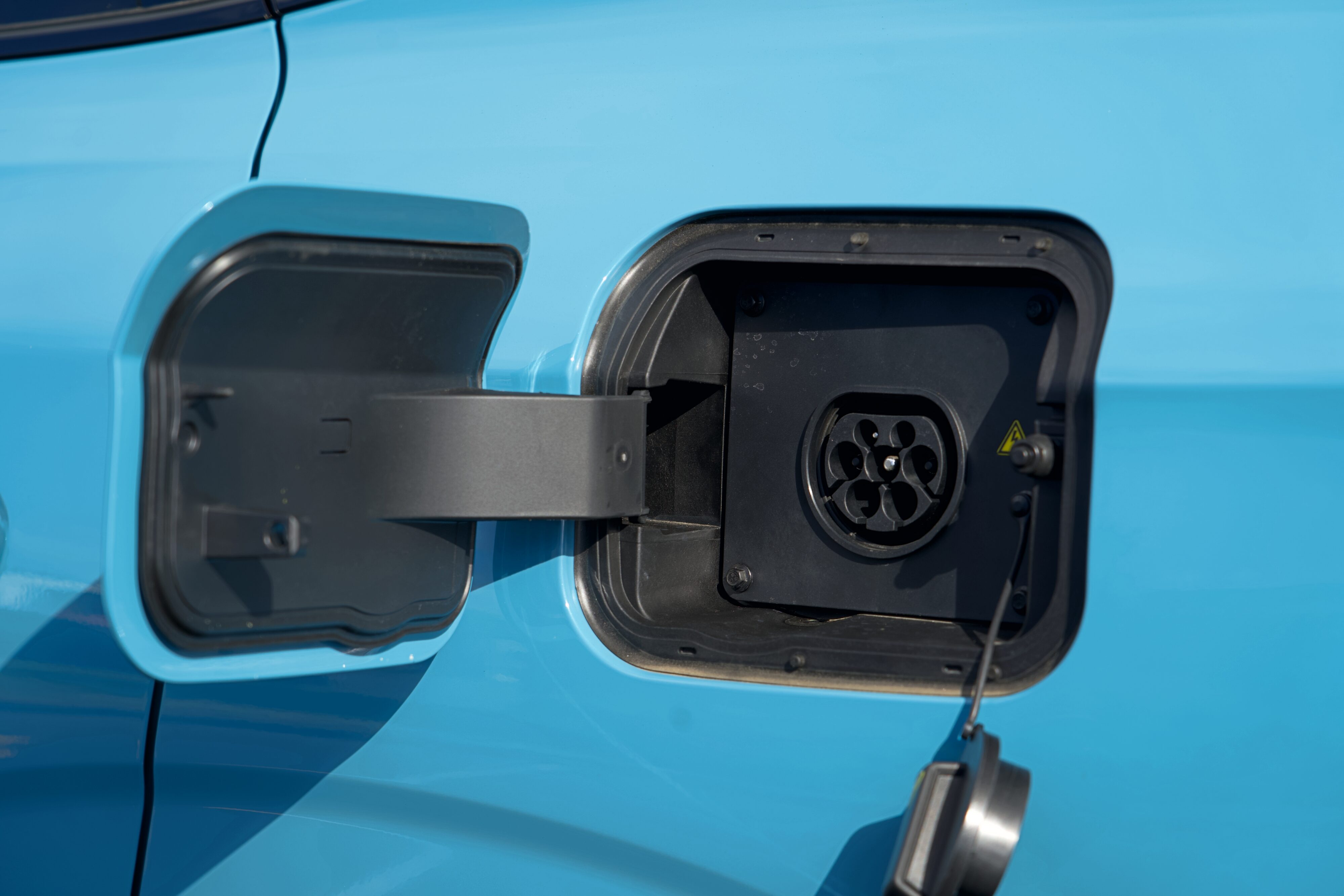
And this is probably where the HS gets its biggest win. The Super Hybrid approach is easy to live with and a perfect fit for those that don’t want to occupy their brains with kWh, kW, or anything electron related. That is absolutely not my case as my personal low range EV taught me to ABC: always be charging, but will be of interest to those that want that set-and-forget idea. When it comes time to charge it, an overnight trickle AC or a 4h session on a 7kW charger will get you back to full (no DC capability here).
Where it falls a little bit short is on the driving engagement – which is somewhat of a detour when we’re talking MG. The ICE HS was not a canyon carver in any shape or form, but the Super Hybrid adds insult to injury in two forms: it forgoes the dual clutch, which tried to inject some emotion into the drive, and it also has to deal with the added torque of the electric motor going straight into the front wheels. The latter can sometimes be fun when the car in question leans on it, but that’s not the case here. Under light throttle, the system is smooth and unobtrusive, despite the oversensitive accelerator. But when you lean into the power, the HS can’t hide the axle hop and scrabbling from the front tyres. On tight bends or uneven surfaces, the effect is particularly noticeable. It’s not dangerous, but it definitely removes some of the refinement the rest of the package tries hard to project.
I know it is almost unfair to judge HS using these measures, as this is not the car’s intended purpose. And that is because on what it has set out to do, it excels: it looks good, is spacious, roomy, efficient, well-equipped and value packed. And it drives like an SUV that was tuned for comfort first. Soft, pliant damping keeps the cabin controlled over broken surfaces even with the added weight, and the steering is light and unfussy. Around town, it’s quiet and refined with EV mode doing the heavy lifting beautifully, and even when the ICE motor comes alive, its distant humm shames some more prestigious competitors.
The EV-only range is genuinely impressive. Seeing consistent figures above 100 km without even trying is rare in plug-in hybrids. It means the HS can behave like a full EV for most school runs, commutes, and errands. For many NZ buyers, you could live EV-only for most of your week. I unfortunately didn’t have the chance to try out the claimed 1000 km hybrid range, but I was on track to hit it, which is impressive and a testament to MG’s understanding on how to extract the most from both halves of the powertrain.
The MG HS Super Hybrid is a solid and genuinely useful plug-in hybrid SUV: one with real EV range (and a pragmatic approach to busy families that don’t want to be punished for not topping up every time), an approachable driving experience, a comfortable cabin, and pleasant refinement. But it’s also a product that clearly belongs to MG’s previous chapter. The brand has moved quickly, and newer models have outpaced the HS in ergonomics, technology, materials, and overall execution.
That doesn’t make the HS Super Hybrid a bad choice. In fact, for the right buyer, especially one who values long EV-only commutes and a stress-free owning experience, it remains a very compelling offering. Thanks, MG, for the opportunity, and thank you for reading this far!