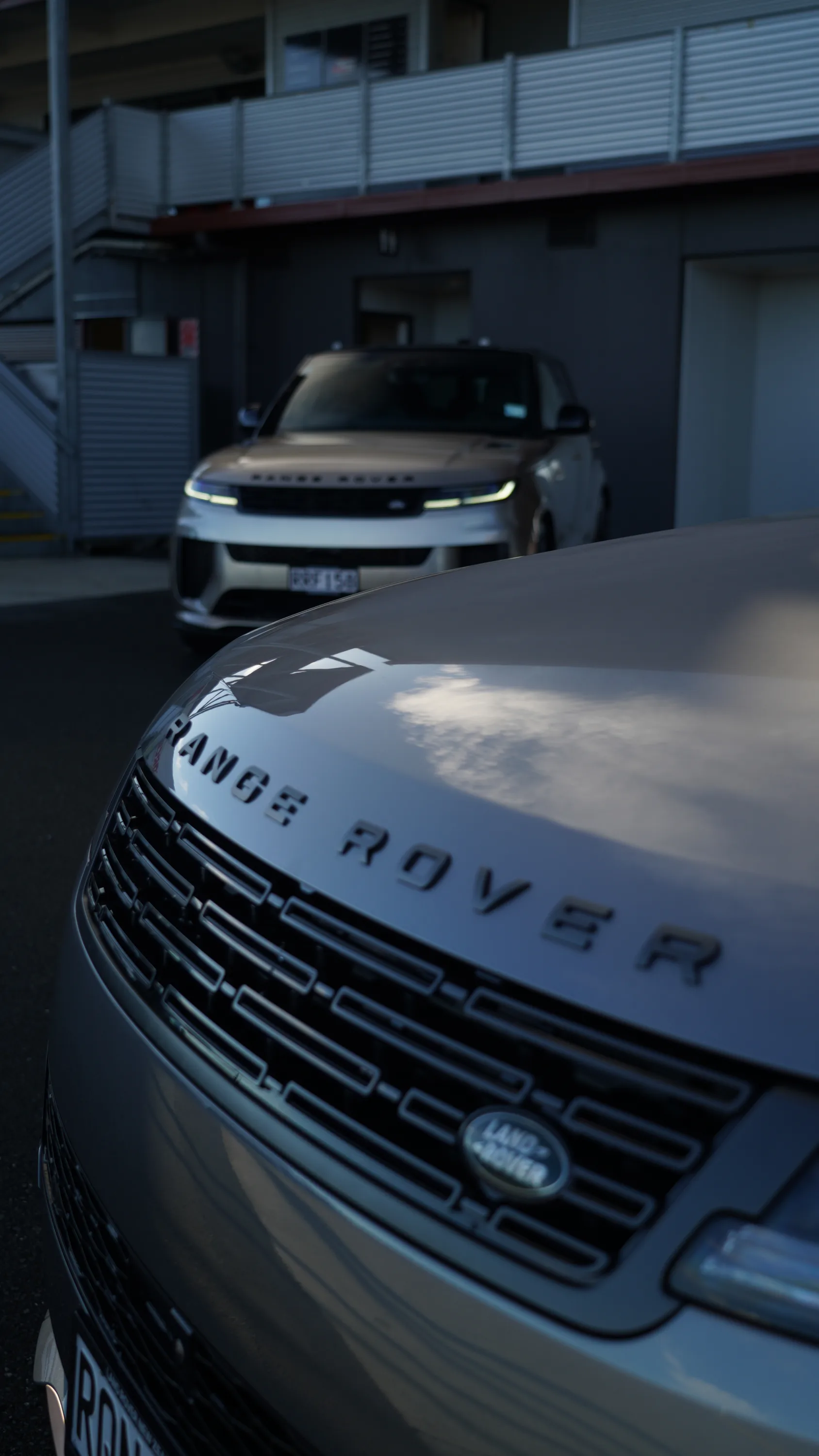
The Range Rover Sport is a vehicle ready for anything, anywhere. And, to demonstrate this point to its furthest extent, the brand has chosen the right spot to host us: Hampton Downs Motorsport Park. The latest Range Rover Sport lineup, including the weapon that is the Range Rover Sport SV, was presented to us trackside, and what better spot to showcase each facet of the extensive engineering brief in a car like this.
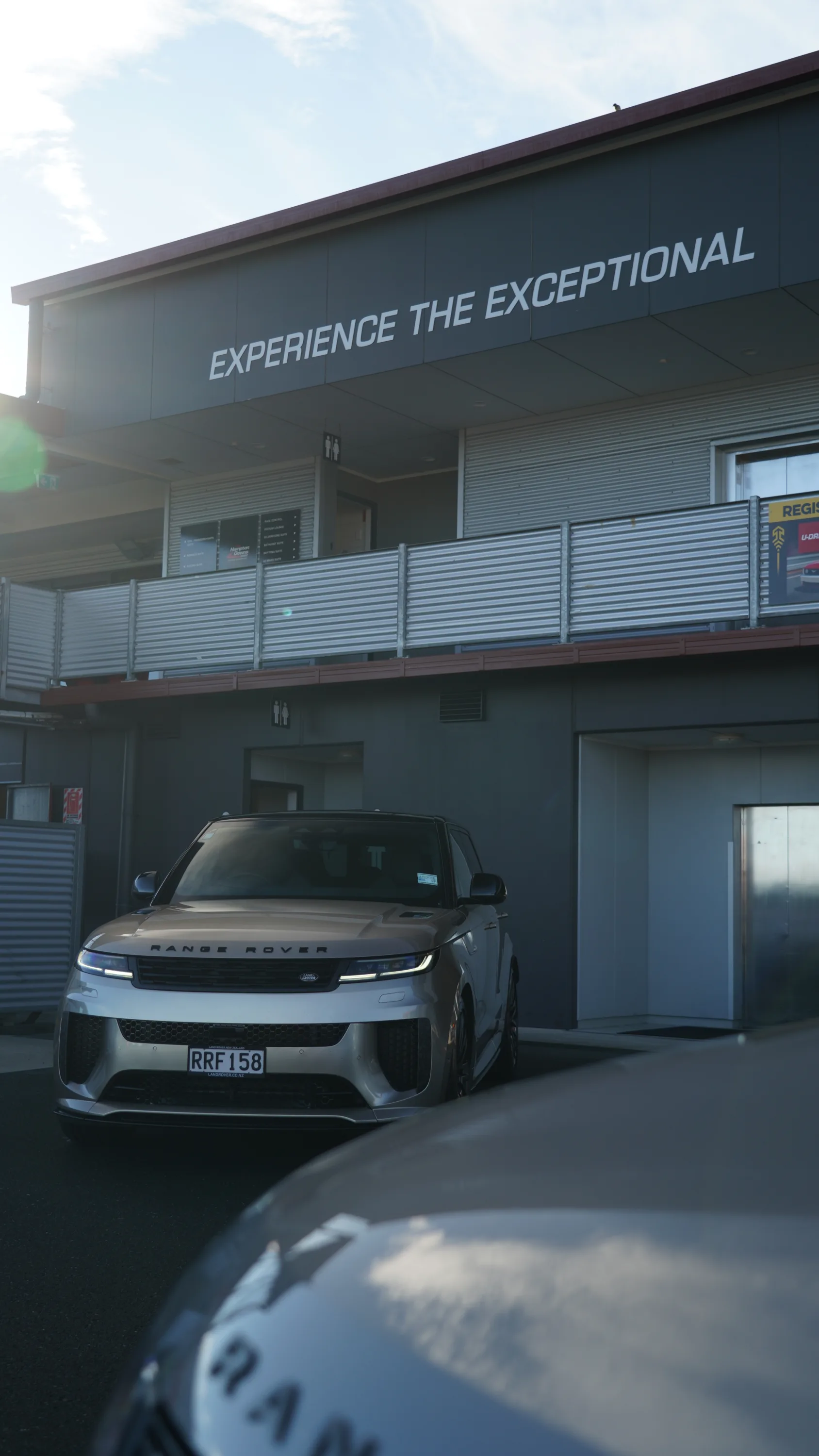
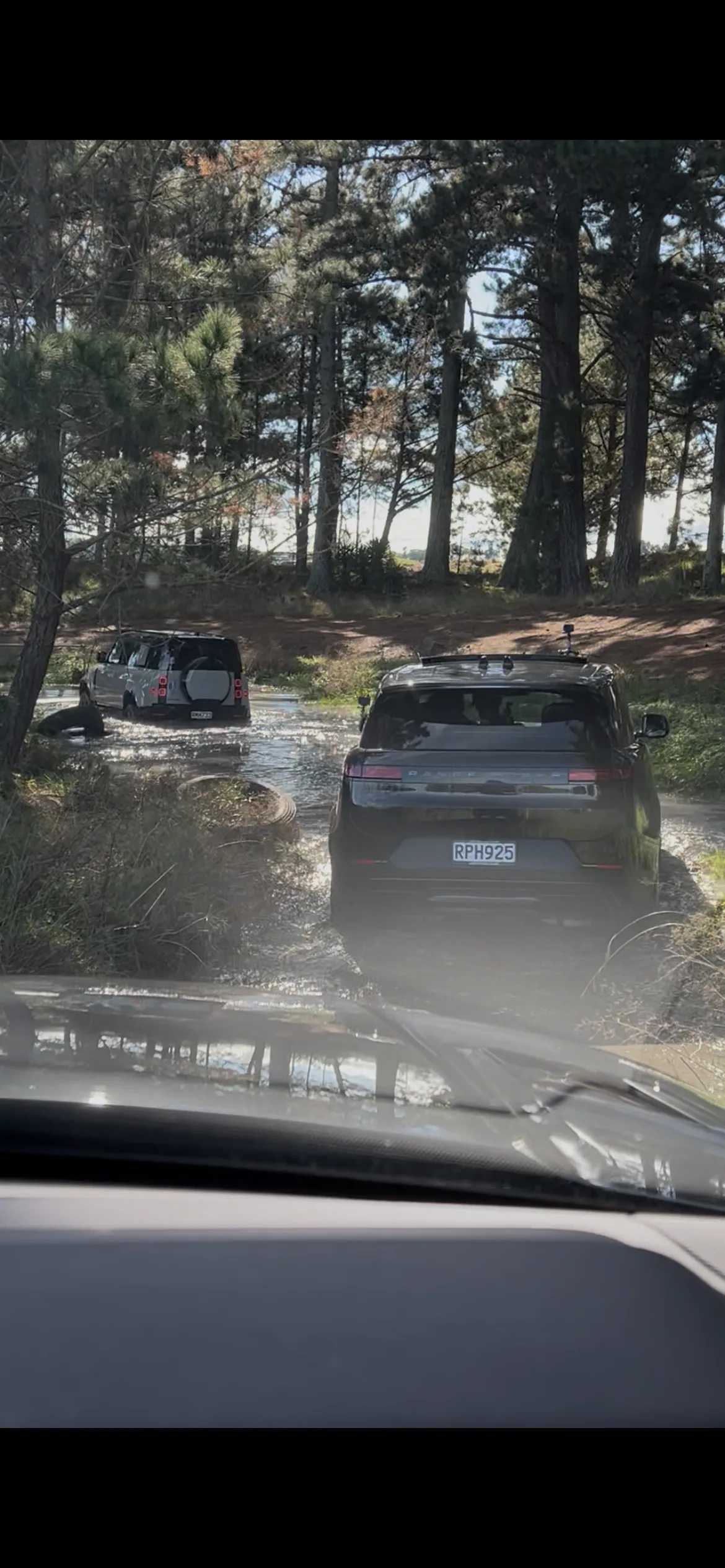
The program for the day combined off-road articulation, water fording, and on-track dynamics in a way that is hardly ever accessible outside of very controlled settings, especially this closely spaced. Central to the off-road component is HD’s famous, purpose built off-road track, engineered to highlight chassis articulation, traction management, and terrain response calibration. Frightening inclines of almost 30 degrees demand a lot on torque delivery and traction distribution, and the diesel variant I had for this exercise demonstrated its suitability for these scenarios, pairing its low-end torque characteristics with a claimed wading depth approaching 900mm. In practice, this water crossing section really showed how effective the vehicle’s sealing, sensor integration, and driver assistance systems really were, with the car maintaining composure and predictability even in these conditions, which you would struggle to find unless you went deep into trails.
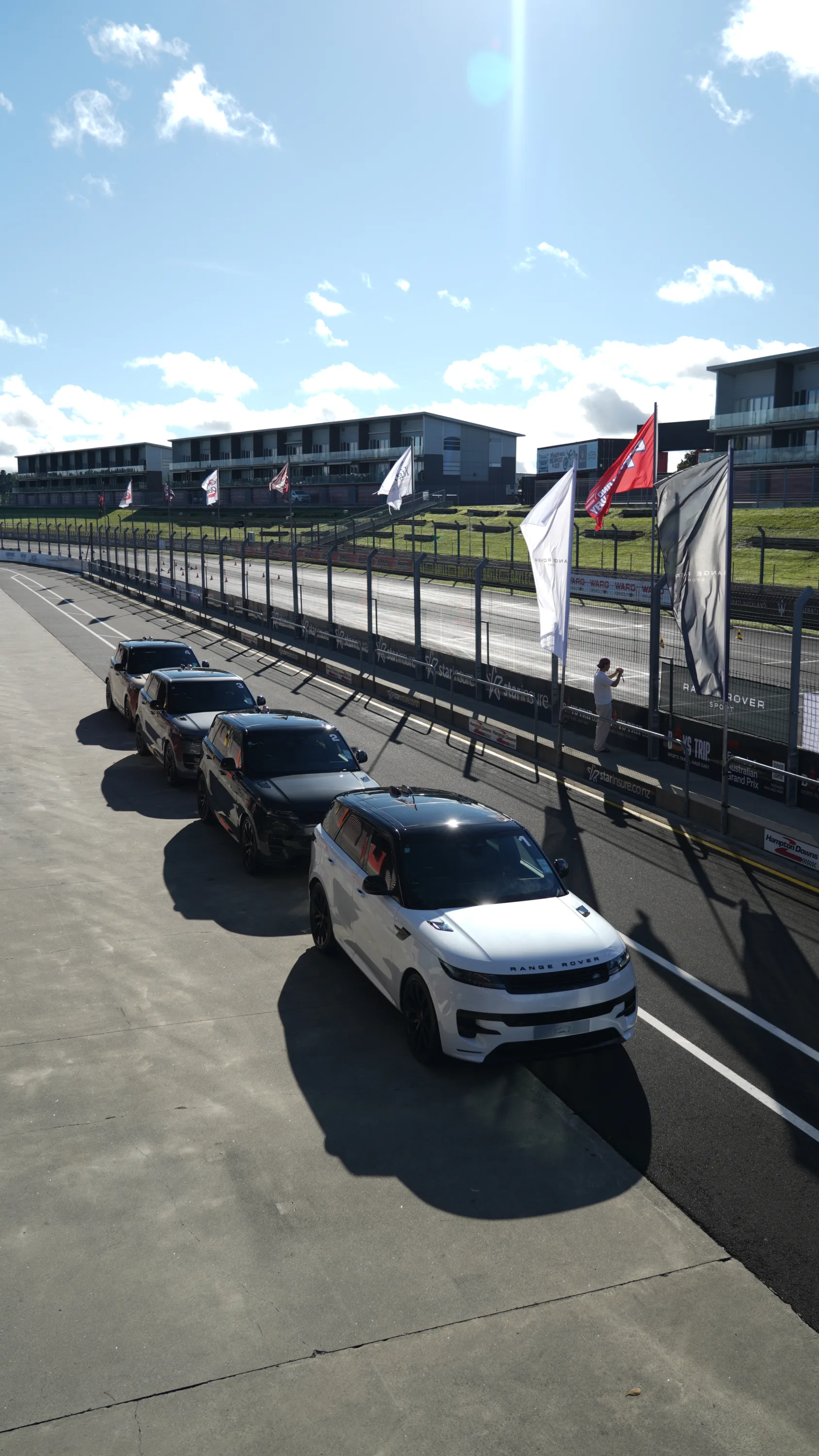
Moving from low speed, technical driving to a more dynamic regimen, the attention shifted to the adaptability of the chassis. On the race track, we experienced a “ladder up” of the line, doing laps from the HSE (both Diesel and PHEV), all the way to the SV. The Sport displayed a level of body control and composure that continues to blur the lines between traditional SUV dynamics and performance oriented road cars. But, as it is to be expected, it was the Range Rover Sport SV that stole the show and was the focal point of the dynamic exercises.
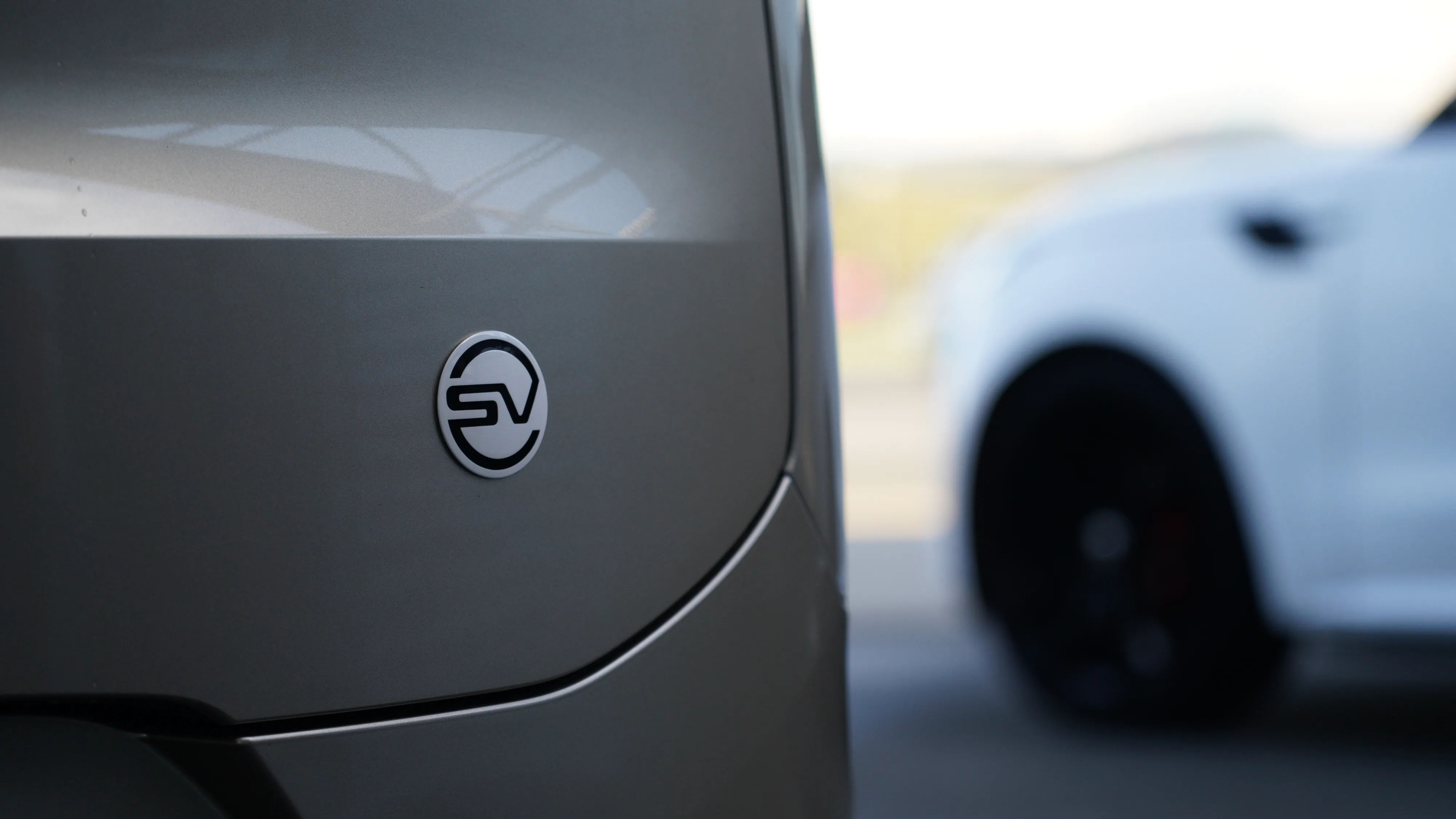
Being the performance flagship, the SV variant introduced more aggressive calibration across its suspension, steering, and powertrain systems. During a timed slalom, the vehicle’s responsiveness shows how much attention is put on these cars to ensure driver engagement without abandoning the refinement expected of the Sport. The sheer fact an SUV this big coped with repeated abuse from all those at the event without ever skipping a beat shows how these are qualified for way, way more than a little spirited drive on a twisty section of road.
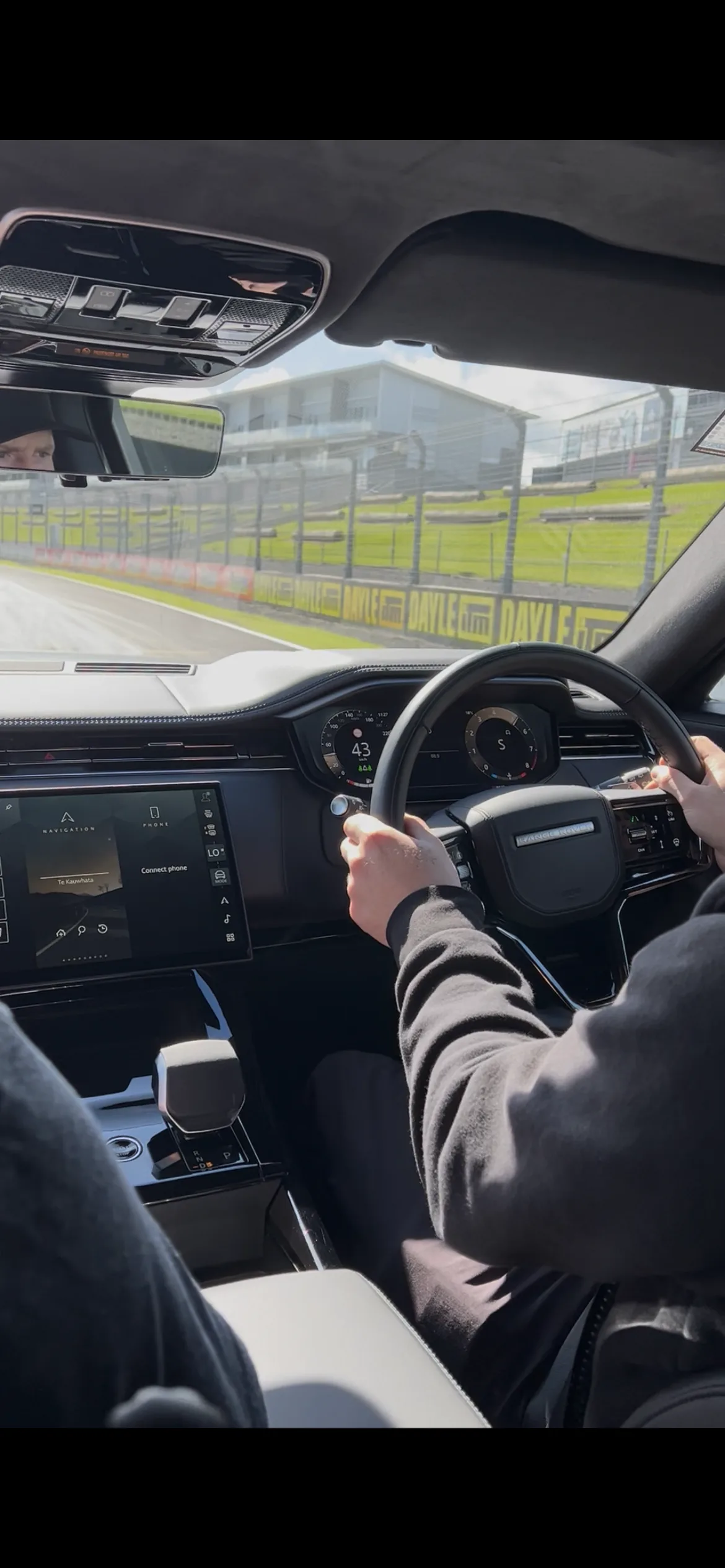
All this track fun came with guidance from the folks at Downforce, whose driver coaching is always welcome. And, for Range Rover, the decision to showcase a car as important as the Sport at racetrack is a bold one. Yes, the brand’s identity has historically been associated with off-roading and mall crawling, but it’s clear the performance envelope of the Range Rover Sport SV needs room to be let loose.
This revised lineup just reinforces why the RR Sport is a benchmark of the segment. By letting us try out the vehicles in a place where we can try their full operating range back to back, Range Rover lets the car do the talking: modern luxury SUVs are no longer hindered by compromise, regardless of the use case.