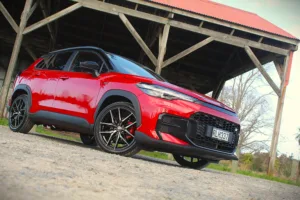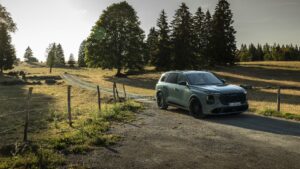
As many of you may know, the New Zealand automotive industry is currently navigating its most turbulent and transformative period in three decades. For the average motorist, the shift is visible on the showroom floor, a sudden influx of new badges, a pivot toward electrification, and the slow, steady decline of some familiar legacy names. But behind the scenes, the mechanics of how these cars reach our driveways are undergoing an even more radical evolution.
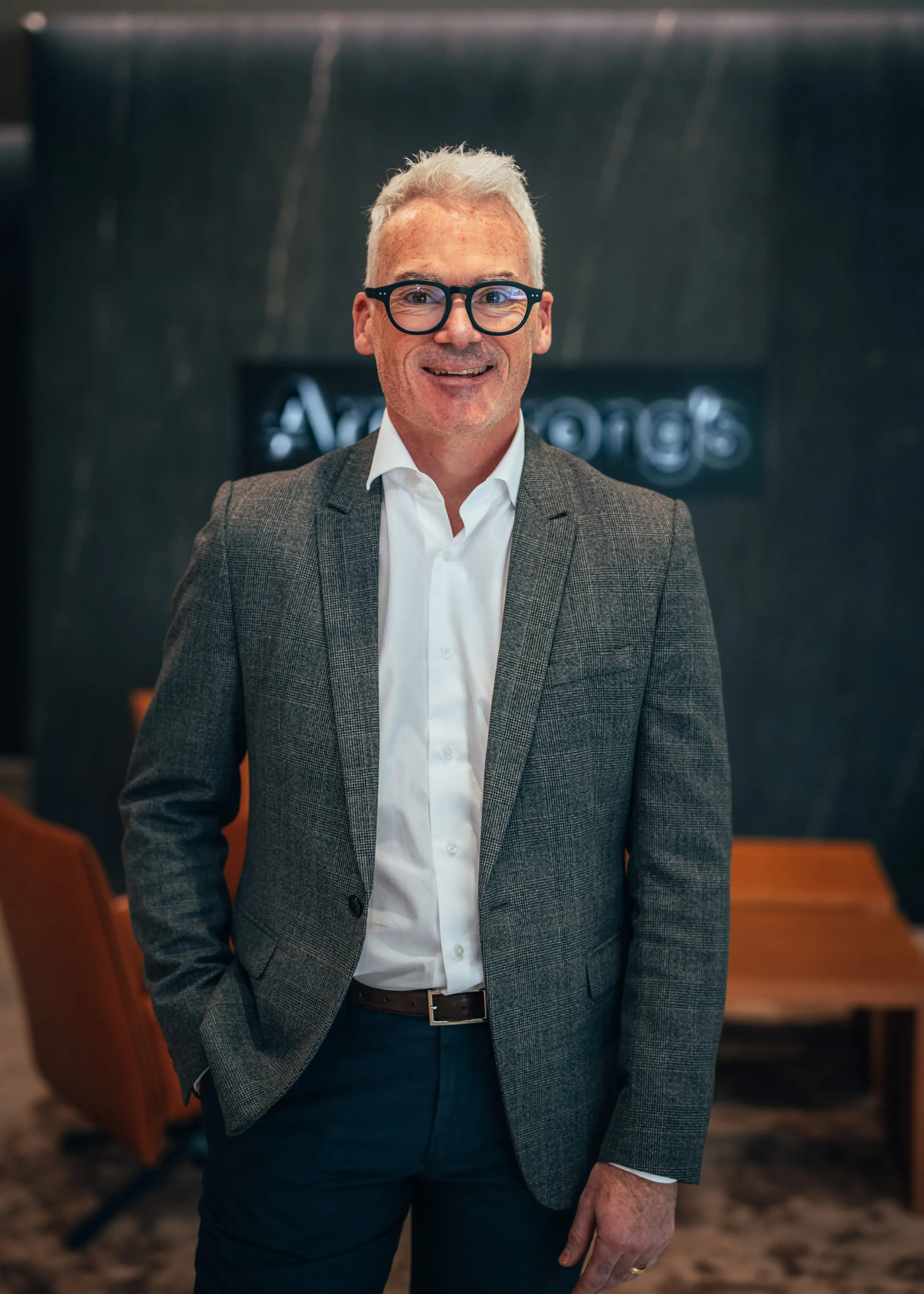
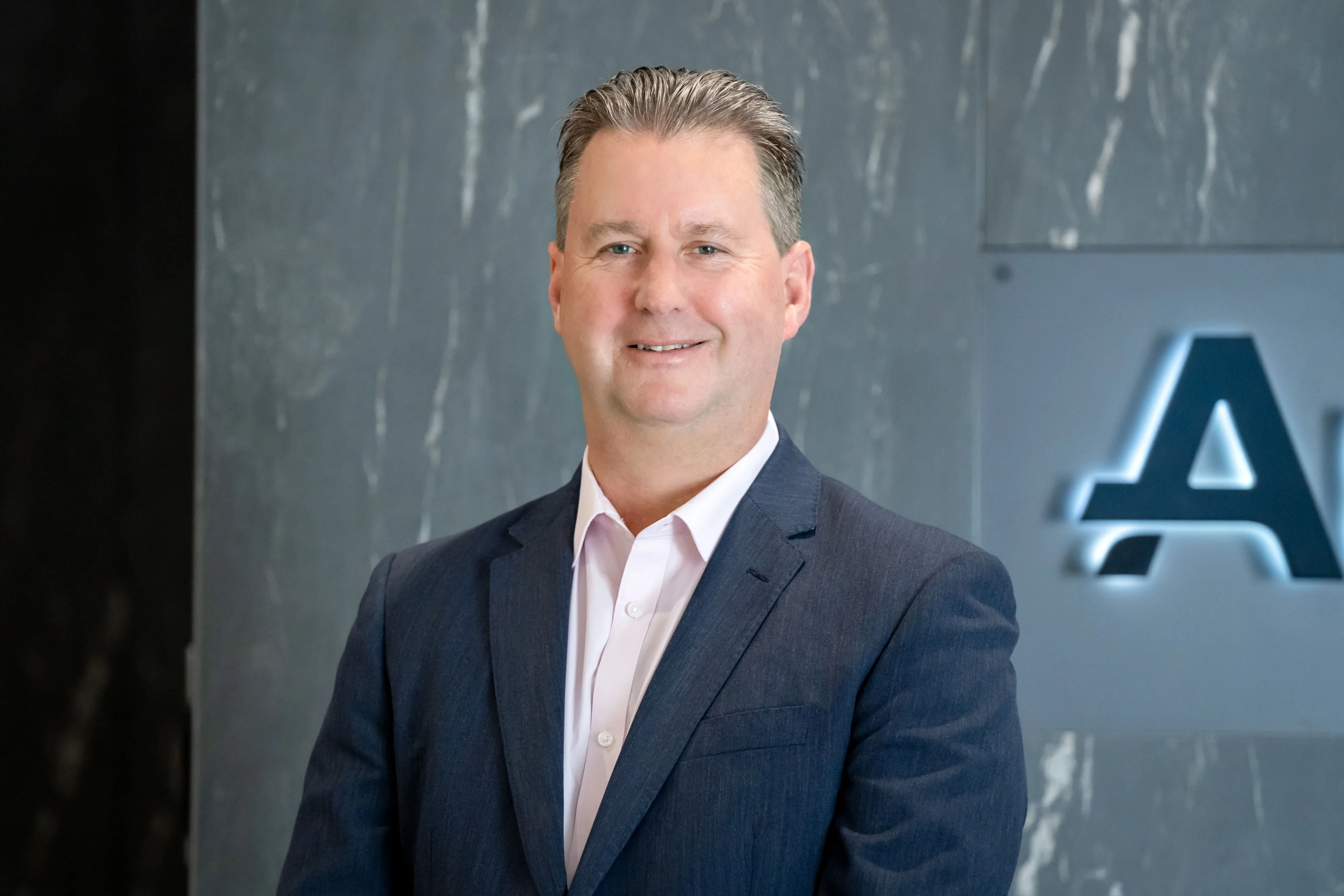
We sat down with Brian Carr and Simon Rutherford from Auto Distribution Holdings Limited (ADHL) to pull back the silk on how they are managing a diverse portfolio of nine automotive brands, and it’s a strategy that is not just about selling cars, but about building a resilient, sustainable ecosystem in a market that has become a global testbed for automotive disruption.
The Art of the “Brand Family”
Managing nine brands under one roof is a logistical and strategic tightrope walk. For many, the immediate question is one of cannibalisation: how do you sell Peugeot, Citroen, and Leapmotor in the same space without them tripping over each other? Simon’s answer is pragmatic: “If it wasn’t us doing it, it’d be somebody else.”
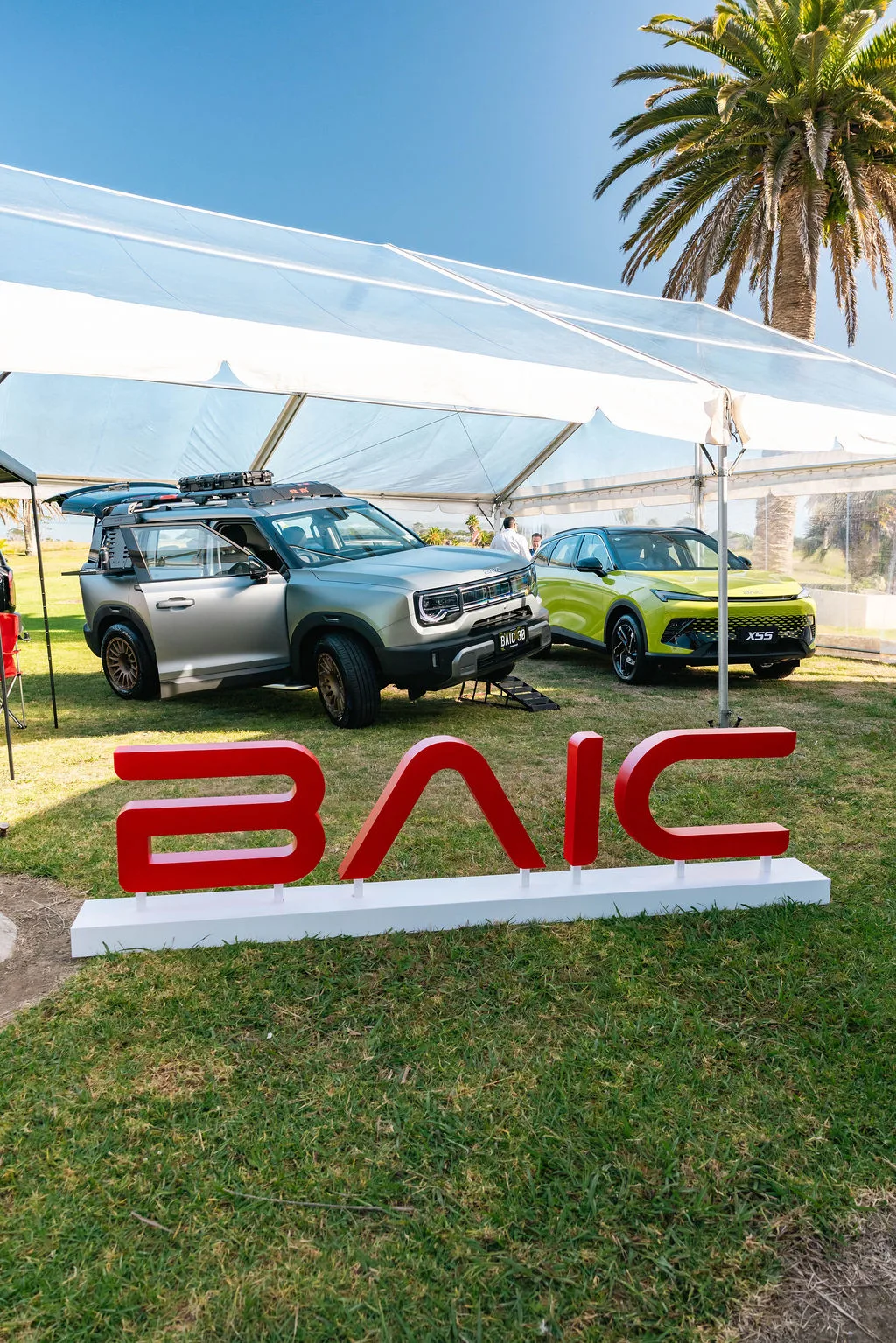
Rather than viewing the overlap as a liability, ADHL has restructured its operations into four distinct “brand families”: the Stellantis group (Peugeot, Citroen, Leapmotor), the BAIC family, the Dongfeng group, and the standalone JMC brand.
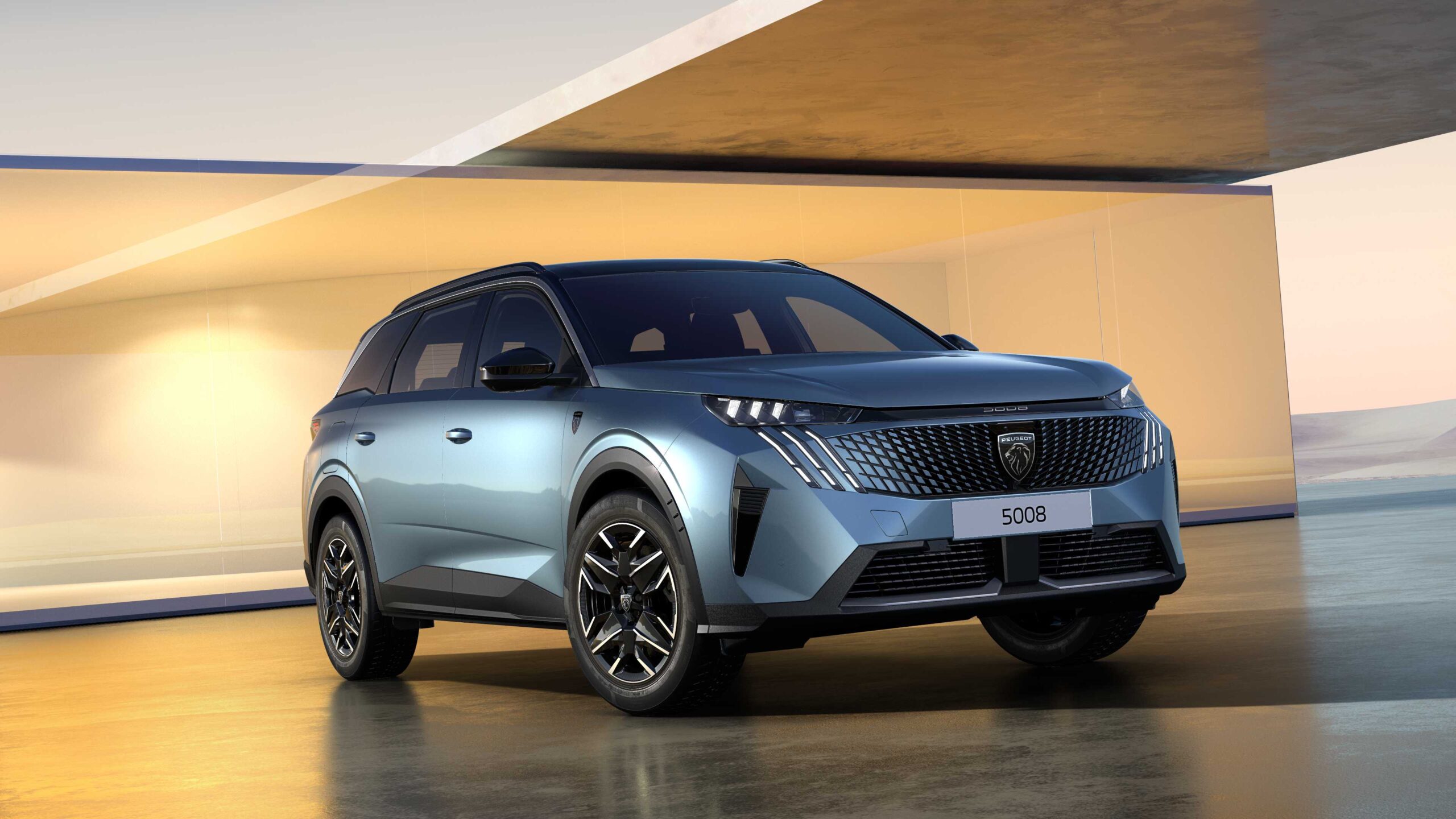
This isn’t just an organisational chart; it’s a deliberate strategy to create synergy. By grouping brands that complement each other, ADHL can offer a dealer network that is sustainable, regardless of which specific brand is having a “good month.”
“It’s like having four cylinders,” Simon explains. “It’d be nice if they were all firing at the same time, but often it won’t. But if one’s doing well and one isn’t, the group works.”
This approach acknowledges a harsh reality of the modern retail environment: the days of the single-franchise dealership are largely numbered. To survive, dealers need a broader, more robust portfolio. By presenting these ‘class families’ together, ADHL provides a safety net for their partners, ensuring that when the market shifts (as it inevitably does) the business remains standing.
The Maturity Curve – From Fledgling to Refined
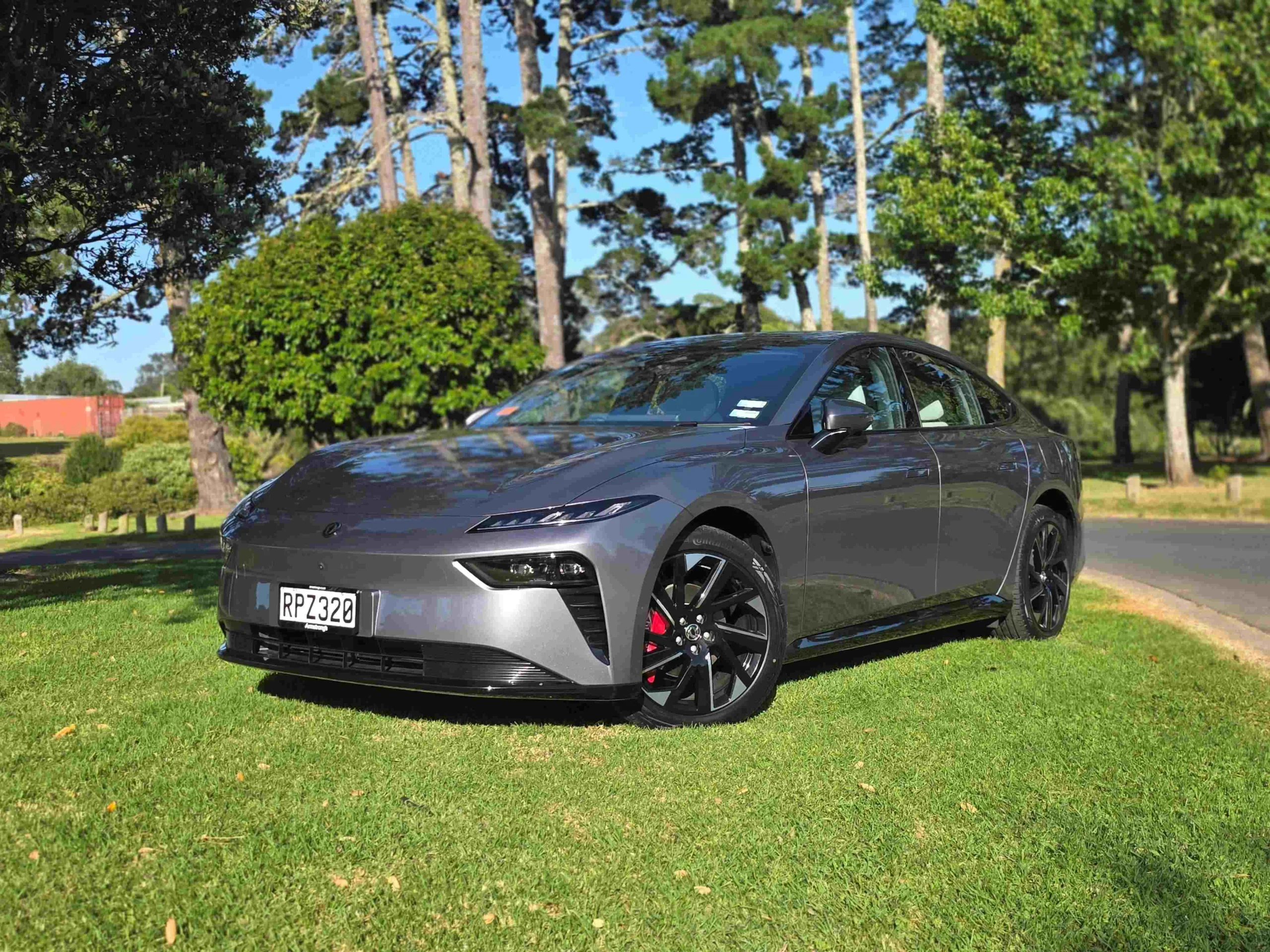
One of the most candid parts of our conversation centered on the “finesse” of newer entrants, specifically Dongfeng. It’s a brand that has seen significant sales success in New Zealand, yet (in my own opinion) is criticized for lacking the polish of more established European marques.
The ADHL team doesn’t shy away from this. They view the current state of these brands through the lens of history. “Go back over the legacy brands,” Brian notes. “Look at what Hyundai used to be, what Kia used to be. Here’s a great example of brands that have transitioned and evolved in time.”
The strategy here is one of rapid iteration. When a customer points out that a vehicle lacks Android Auto or has (again in my own opinion) a subpar stereo, ADHL isn’t just taking notes; they are feeding that data back to the manufacturers. In the case of Dongfeng, they are even flying engineers out for local testing. It’s a feedback loop that is significantly faster than what we’ve seen from traditional manufacturers in the past.
This is the “fledgling stage” of the new automotive era. Brands like Leapmotor have already demonstrated how quickly they can respond to market demands, and ADHL expects the same trajectory for their other Chinese partners. It’s not about judging a brand by its current state, but by its capacity to learn and adapt.
The Integrated Advantage
Perhaps the most significant insight from our discussion is the shift toward an integrated business model. For decades, the industry relied on the National Sales Company (NSC) model, a top-down structure that worked well when the market was predictable. Today, that model is struggling to keep pace with the fragmentation of the market.
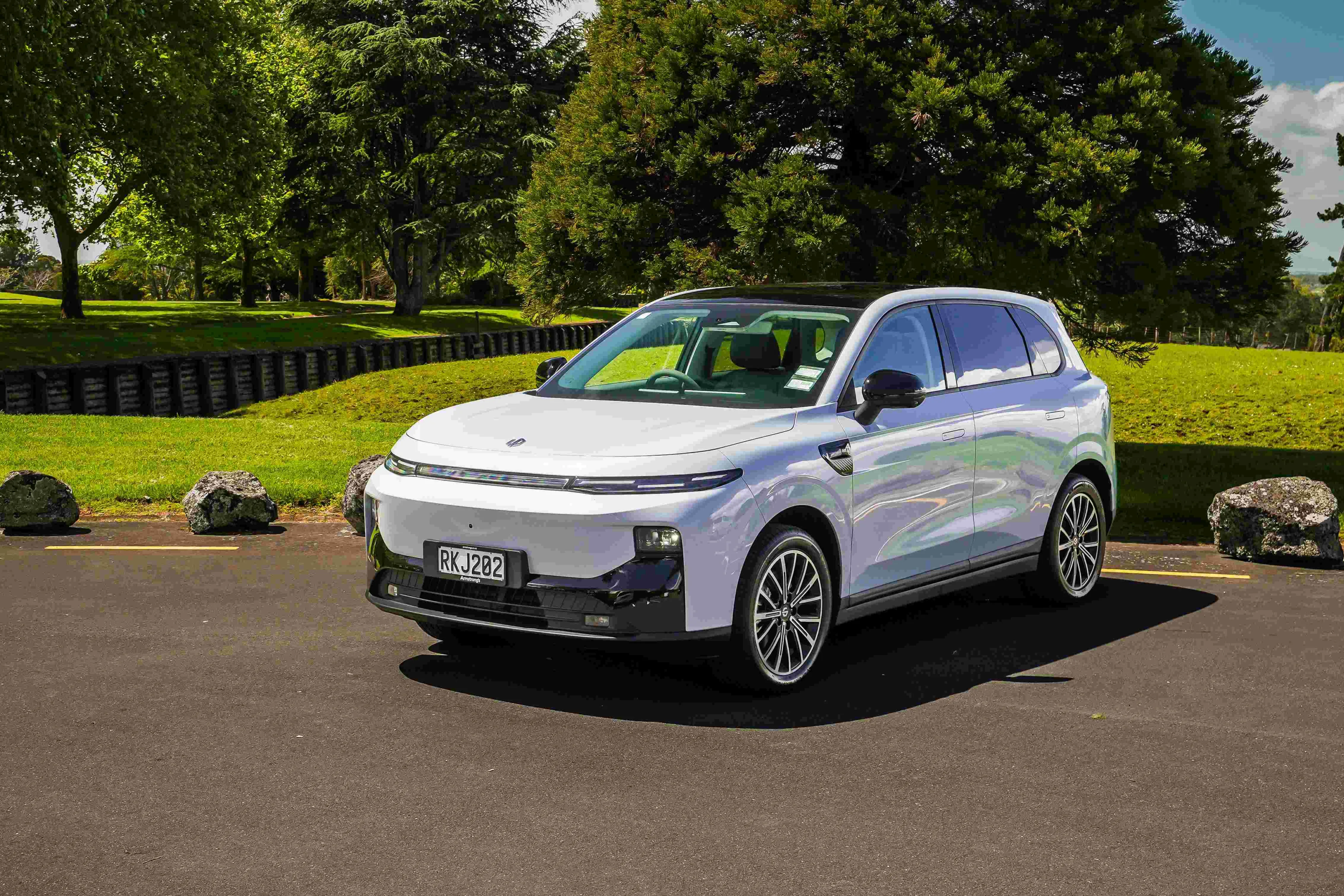
ADHL has moved beyond the traditional importer role. By integrating distribution with a strong retail presence, they are creating a buffer against the volatility of the current market. This integration allows them to leverage income streams from used cars, new cars, and service departments, providing the stability needed to weather the “storm” of industry change.
“We’ve got enough to weather you through this storm,” Simon says, referring to their commitment to their dealer partners. In a market as small and open as New Zealand, where global manufacturers are watching closely to see how their products perform, this stability is a competitive advantage. It’s why they’ve been selective about which brands they bring on board, turning down opportunities that don’t fit the long-term vision of a sustainable, partner-focused dealer group.
The Future of the Kiwi Driveway
So, what does this mean for the Kiwi motorist? It means the landscape is going to get more interesting, not less. We are maybe moving away from a world where you choose a brand based on a century of heritage, toward a world where you choose a vehicle based on its specific proposition, its technology, its value, and its fit for your lifestyle.
ADHL’s strategy is a testament to the fact that the “best” car isn’t always the one with the most history; it’s the one backed by a structure that ensures you can get it serviced, get parts, and get support when things go wrong.
As we look ahead, the “nine brands” might change. Some will mature, some will be replaced, and others will evolve into household names. But the core philosophy remains: in a market defined by turmoil, the winners will be those who can build a family of brands that are as resilient as they are diverse.
For ADHL, the goal isn’t just to sell cars. It’s to build a foundation that can support the next thirty years of motoring in New Zealand, regardless of what the market throws at them. And if their 250% year-on-year growth is any indication, they’re on the right track.