Hey, guess what? Elon Musk, revolutionary CEO and sender of very important tweets, might not be telling the whole truth about Tesla’s robotaxi ambitions. Shocking, right? Well, former Waymo CEO and self-driving car expert John Krafcik just dropped some serious skepticism on Tesla’s Cybercab project, and it’s juicier than an oversold Cybertruck preorder.
Krafcik, who helmed Waymo during its rise to robotaxi dominance, is not impressed with Tesla’s plans to launch a robotaxi service in Austin, Texas this June. In fact, “not impressed” might be putting it nicely. He flat-out suggests Musk could be preparing to “fake” the launch altogether. Yes, fake it. As in, “many ways to fake a robotaxi service,” fake it.
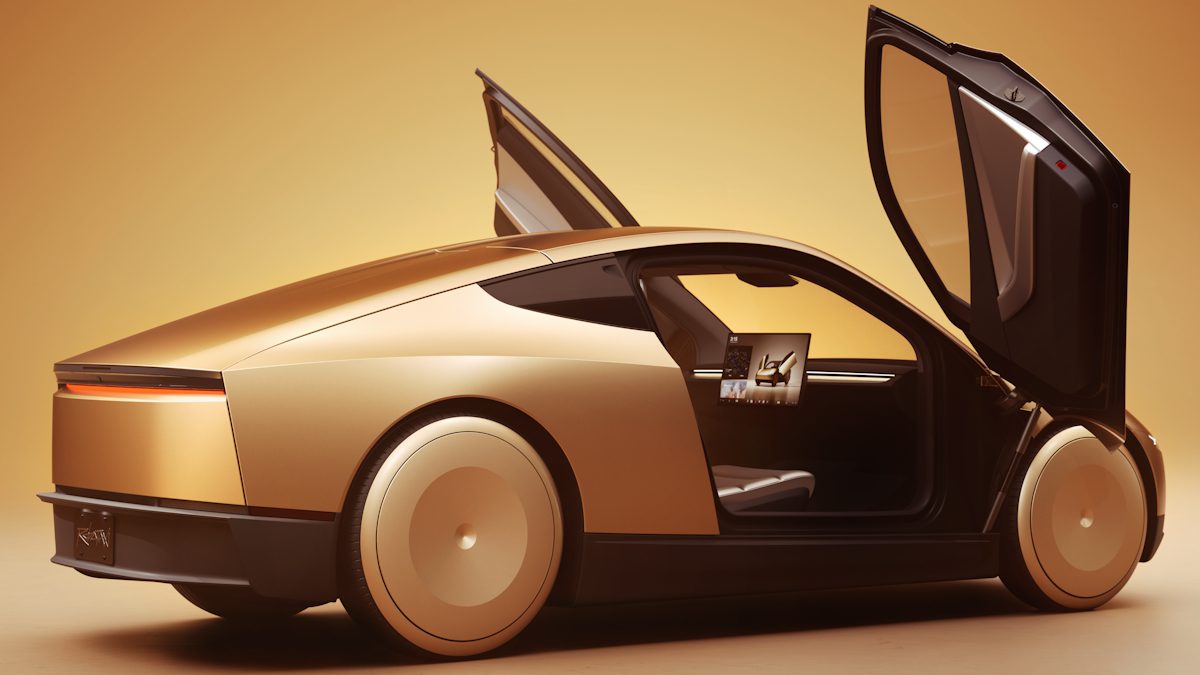
Tesla’s Cybercab prototype is designed like a low-slung coupe, with just two seats at the back. Apparently, it’s more “super model wannabe” than “practical workhorse.” Krafcik argues that a true robotaxi should look radically different, prioritizing safety with roof-mounted and corner sensors, cleaning mechanisms (think mini wipers for lenses), and a more accessible design to accommodate passengers of all abilities. Not everyone is squeezing into a coupe after yoga class, Elon.
[There are] many ways to fake a robotaxi service
John Krafcik
And the single-camera dependency of Tesla’s Full Self-Driving (FSD) software? Well, that’s another can of worms. Industry leaders like Krafcik emphasise the need for radar and lidar tech for more robust safety and accuracy, especially in complex driving scenarios. Tesla, however, has ditched those because… well, aesthetics? Cost control? Ego? Who knows at this point.
Now, about this alleged “faking” of a robotaxi service. Krafcik speculates that Tesla could rely on teleoperation, heavily geo-fenced maps (aka very limited areas), or any number of shortcuts to create the appearance of an autonomous robotaxi fleet without actually achieving what Musk has promised for years: fully autonomous Teslas running across the globe without driver oversight . People have been buying vehicles since 2016 under the assumption they’d one day be self-driving—spoiler alert: they’re not even close. And June isn’t looking promising.
This isn’t Musk’s first rodeo of overpromising on a mind-blowing tech innovation. Remember when he unveiled the Optimus robot, acting like it was the next big thing? Turns out, it wasn’t autonomous at all. Most of those sleek movements were controlled by very human teleoperators awkwardly off-screen. Sure, the crowd cheered, but it was a presentation built on the Tesla playbook of pizzazz over substance.
Look, Krafcik isn’t entirely dismissing Tesla’s ambitions. He knows self-driving tech is difficult and that Tesla’s goal of a scalable fleet is admirable, if unrealistic at present. But let’s face it—when Musk starts stretching the truth, there’s always a dramatic gap between intentions and delivery. Could the June deadline happen? Sure, maybe. But don’t exactly hold your breath.
In the meantime, Waymo and other companies are already operating legitimate robotaxi services in several U.S. cities, proving it can be done—just not via flashy shortcuts. Musk might want to take notes instead of, well, faking it until he makes it.
And if the Cybercab launch flops or turns out to be all smoke and mirrors? Well, at least the headline “Tesla Fails to Reinvent the Wheel, Again” is ready and waiting.