Triumph’s Factory Custom programme has always represented the brand at its most deliberate, fewer compromises, more craft. The fifth model to carry the TFC badge is the Speed Twin 1200 TFC, and it builds on what was already the most performance-focused motorcycle in Triumph’s Modern Classics range.
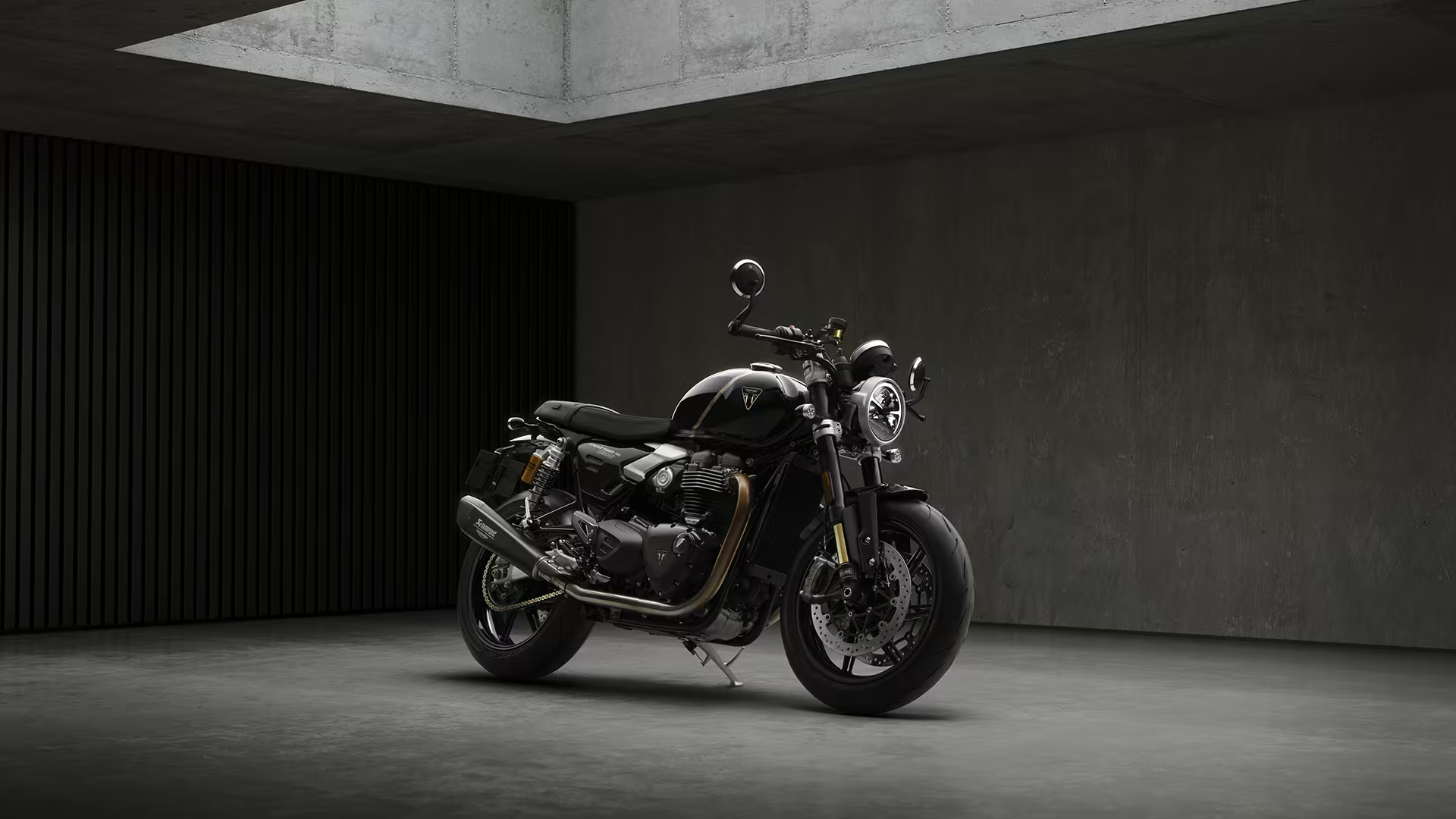
Production is capped at 750 motorcycles worldwide. Of those, 180 are allocated to the United States and 30 to Canada. Each machine is individually numbered and comes with a Certificate of Authenticity, the kind of detail that matters when exclusivity is part of the proposition.
What Sets It Apart
The TFC treatment goes well beyond cosmetic changes. Carbon fibre bodywork keeps weight in check, while the ergonomics shift noticeably toward the sporting end of the spectrum through clip-on handlebars. Fully adjustable Öhlins suspension (front and rear) replaces the standard setup, offering a meaningful upgrade in chassis precision and rider feedback.
Akrapovič titanium silencers handle the exhaust note, which should make the 1200cc Bonneville parallel twin sound even more characterful than it already does. Gold-finished chain and fork lowers, machined bar-end mirrors, and blacked-out detailing complete a look that Triumph describes as an Obsidian Gold paint scheme.
The seat is finished in leather and suede, a small but telling detail about the level of attention applied throughout.
The Engine and Electronics
Power comes from Triumph’s familiar 1200cc Bonneville twin. The source material doesn’t quote specific power figures for the TFC variant, but the engine is known for strong low-to-mid-range torque and a riding character that suits real-world roads rather than just track sessions.
Rider aids include Triumph Shift Assist for clutchless gear changes, Optimised Cornering ABS, and Cornering Traction Control. These aren’t token additions, on a motorcycle tuned for a more aggressive riding position, having electronics that respond to lean angle rather than just wheel speed is genuinely useful.
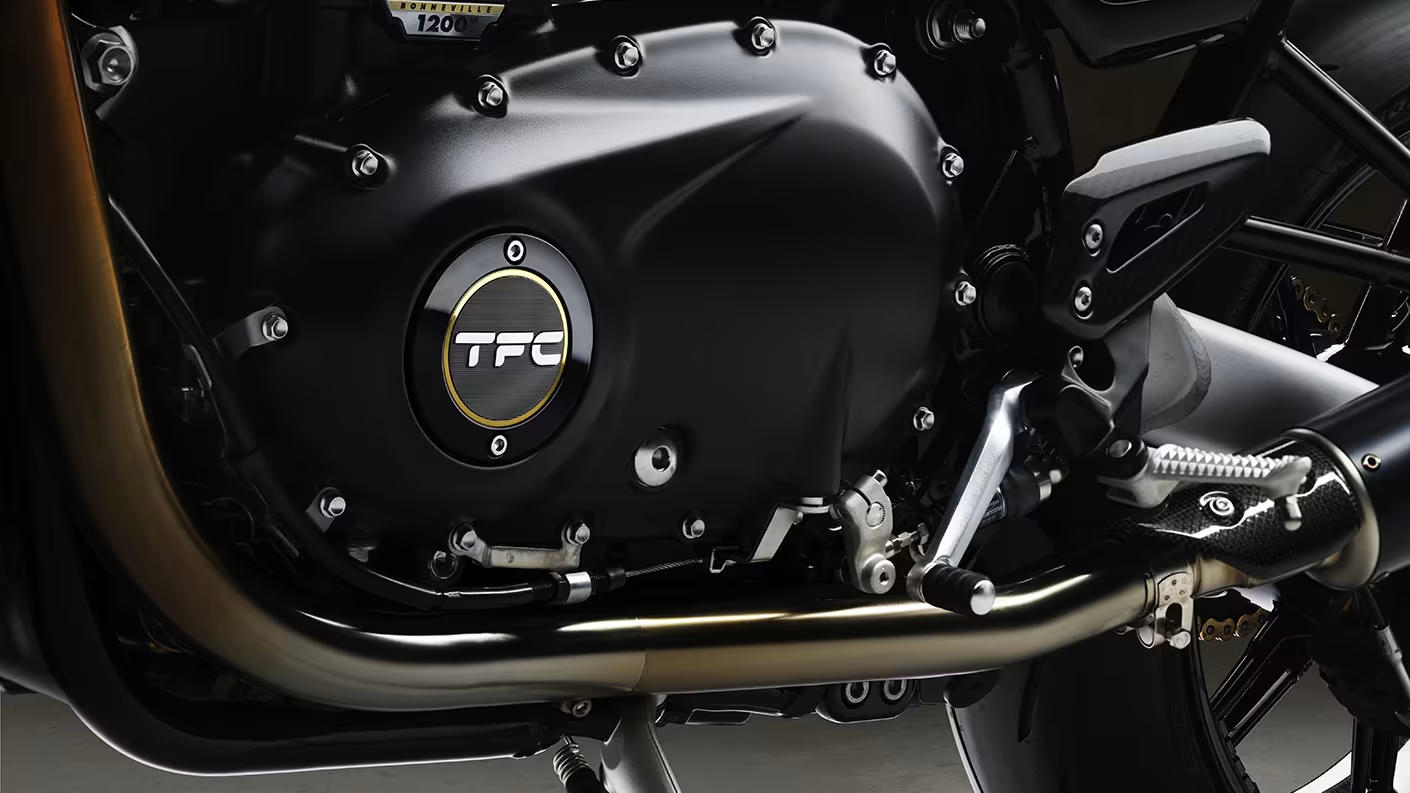
The TFC Lineage
The Factory Custom programme began as Triumph’s way of producing something beyond its standard catalogue, a small-run, high-specification machine that justifies the premium through tangible differences rather than badge engineering alone. Four previous TFC models have carried that brief, and the Speed Twin 1200 continues it.
Choosing the Speed Twin 1200 RS as the base makes sense. It already sits at the sharper end of the Modern Classics family, so the TFC upgrades have a strong foundation to work from rather than compensating for a softer starting point.
With deliveries planned for 2027 and just 750 examples available globally, prospective buyers will need to move quickly. Whether the combination of Öhlins suspension, carbon bodywork, and Akrapovič exhausts justifies the premium over the standard RS will depend on the final pricing, which Triumph has not yet confirmed. What’s clear is that the TFC badge continues to mean something specific, and this fifth chapter looks every bit the part.