Style, Substance, and Efficiency Combined
The Hyundai Tucson has been a quiet achiever in the medium SUV market, but the 2025 Series II update, particularly in our N Line Hybrid review guise, elevates it into serious contender territory. With a sharper design, major interior tech upgrades, and a frugal-yet-punchy hybrid powertrain.
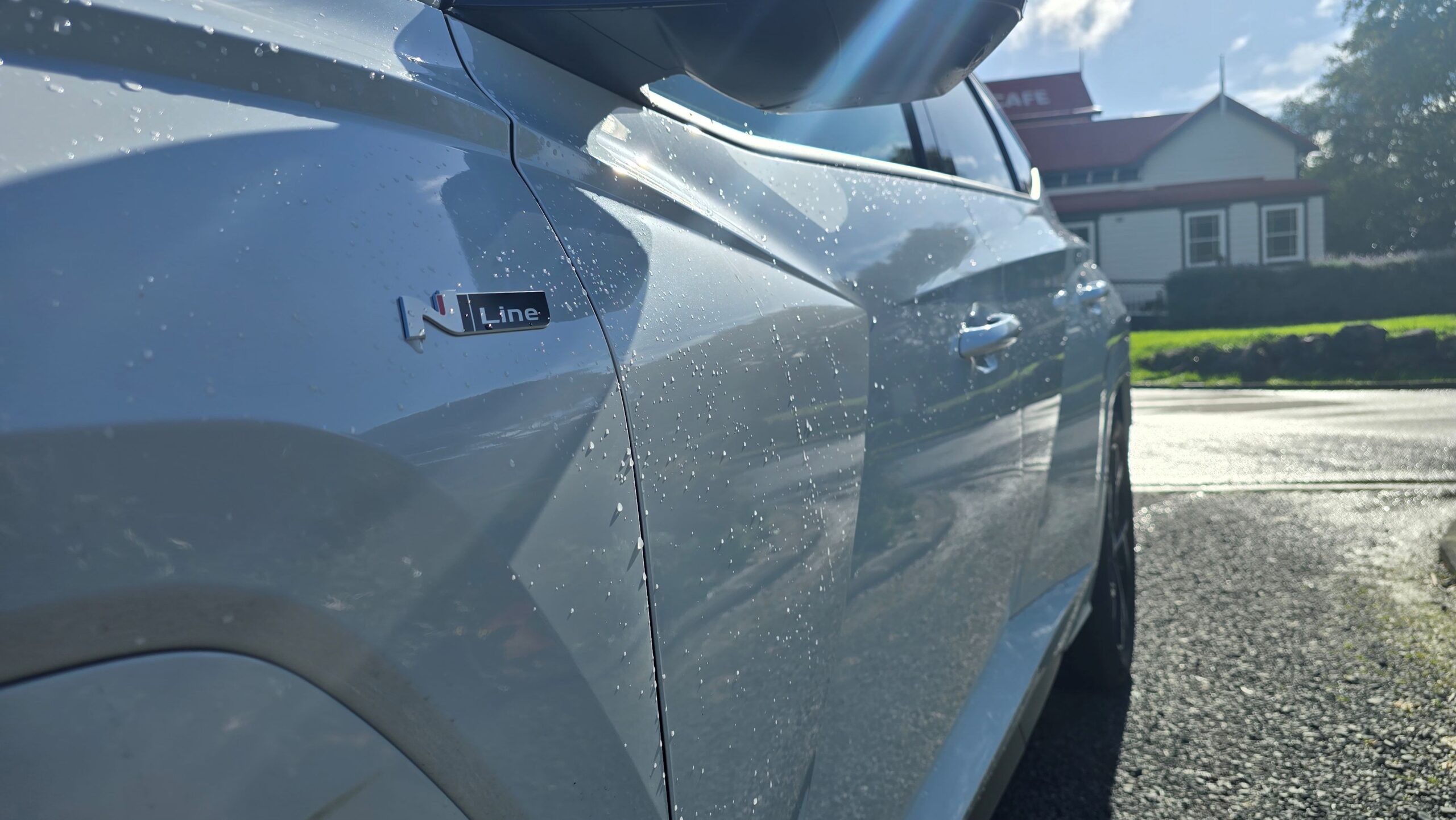
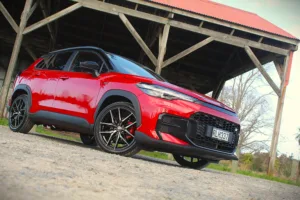
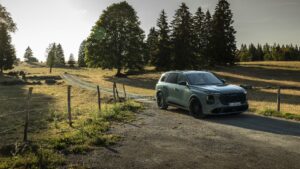
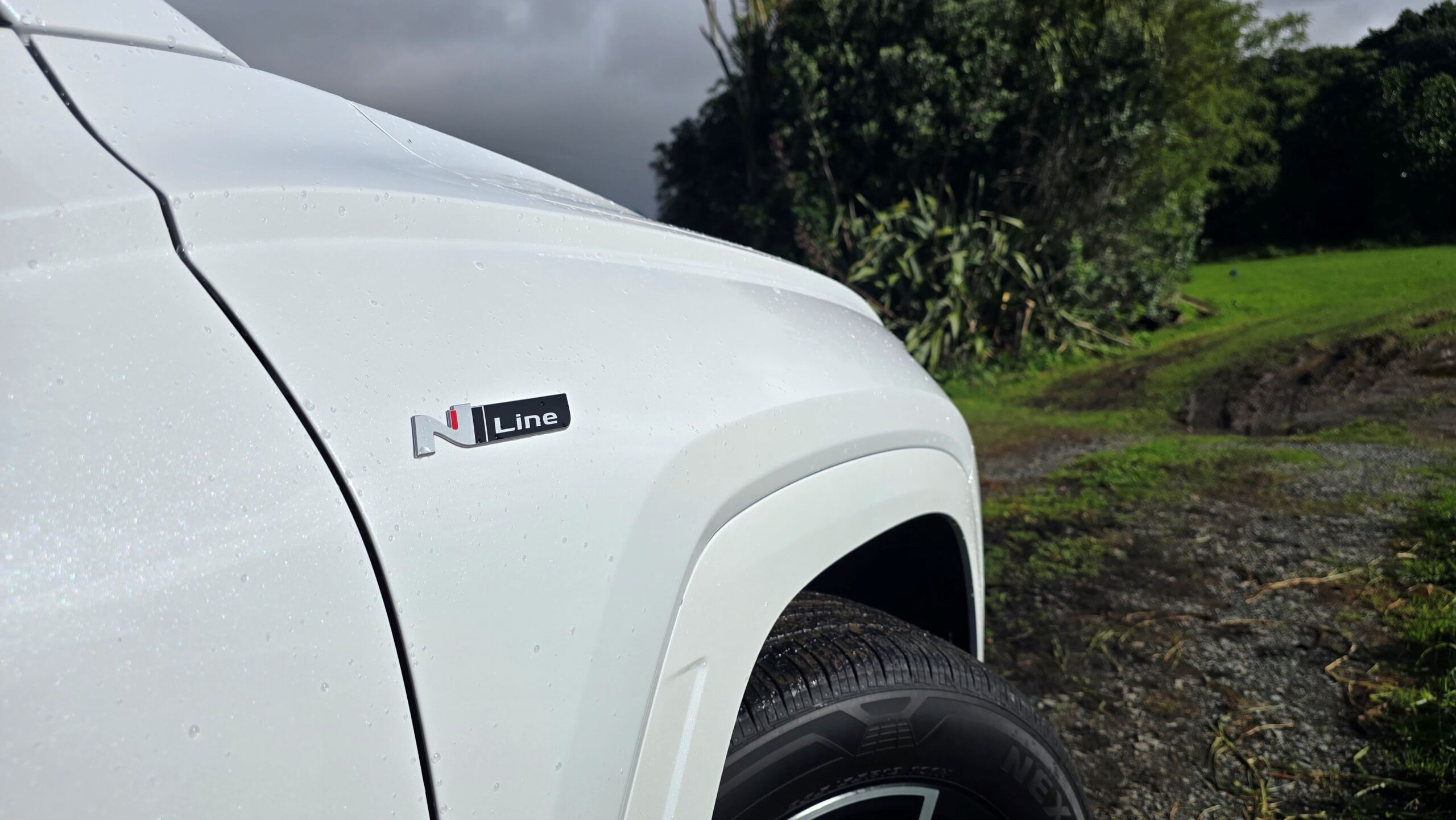
From the outside, the 2025 Tucson Series II N Line projects confidence. The updated front end features a bold new grille design flanked by adaptive LED headlights, exclusive to the N Line variant. New dynamic character lines down the flanks sharpen the silhouette, while the sporty N Line body kit and 19-inch alloy wheels give it genuine visual presence.
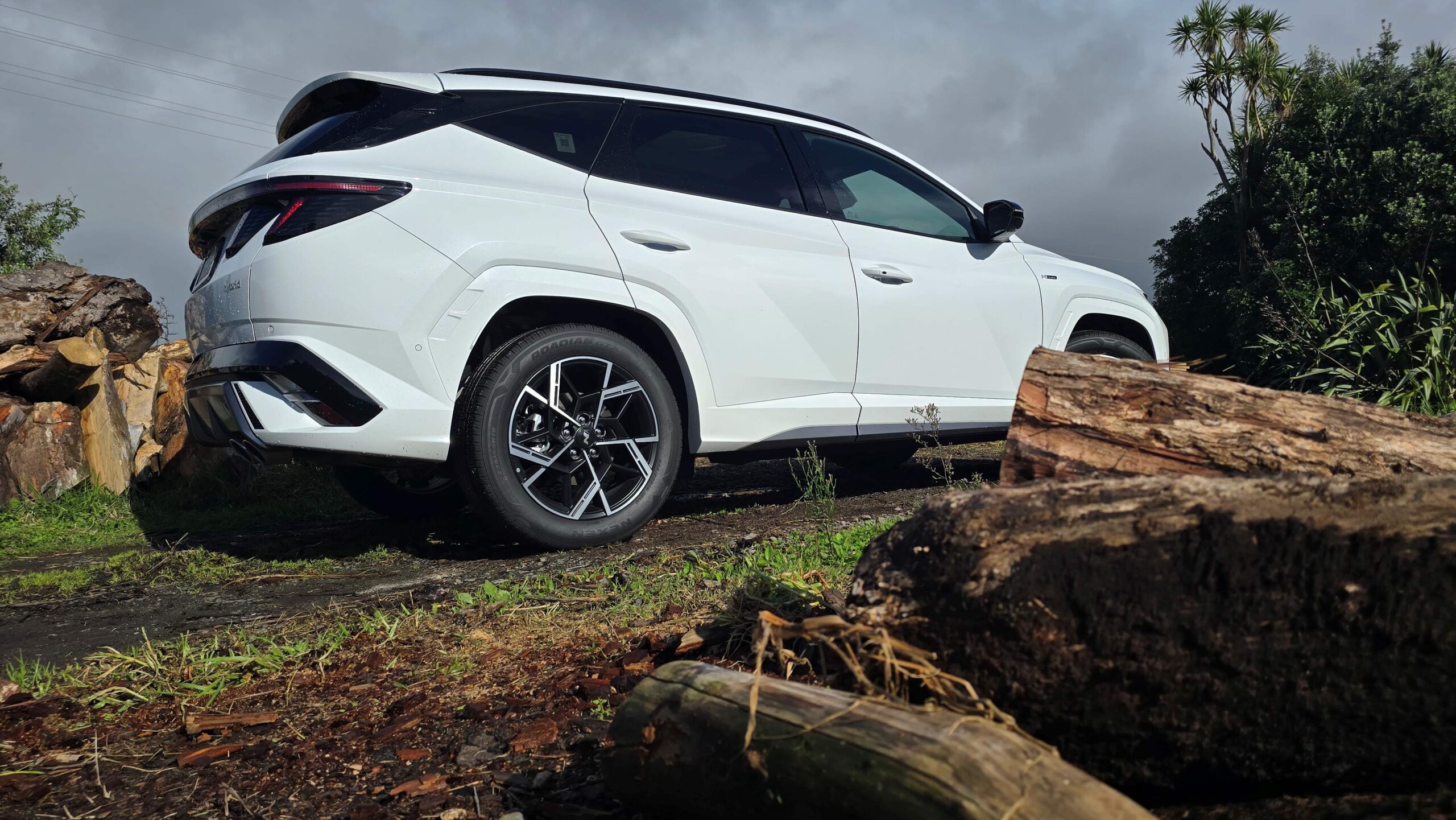
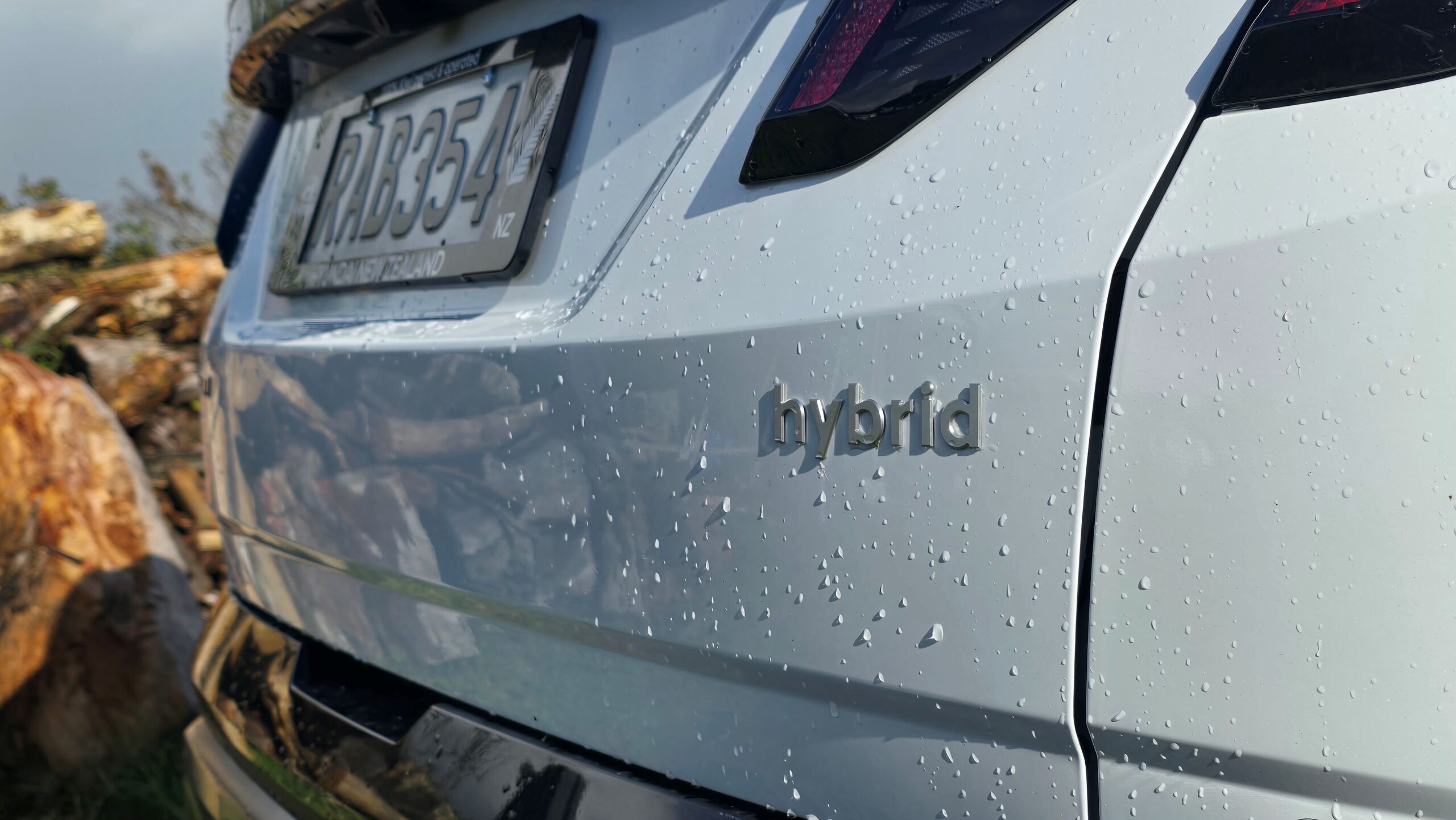
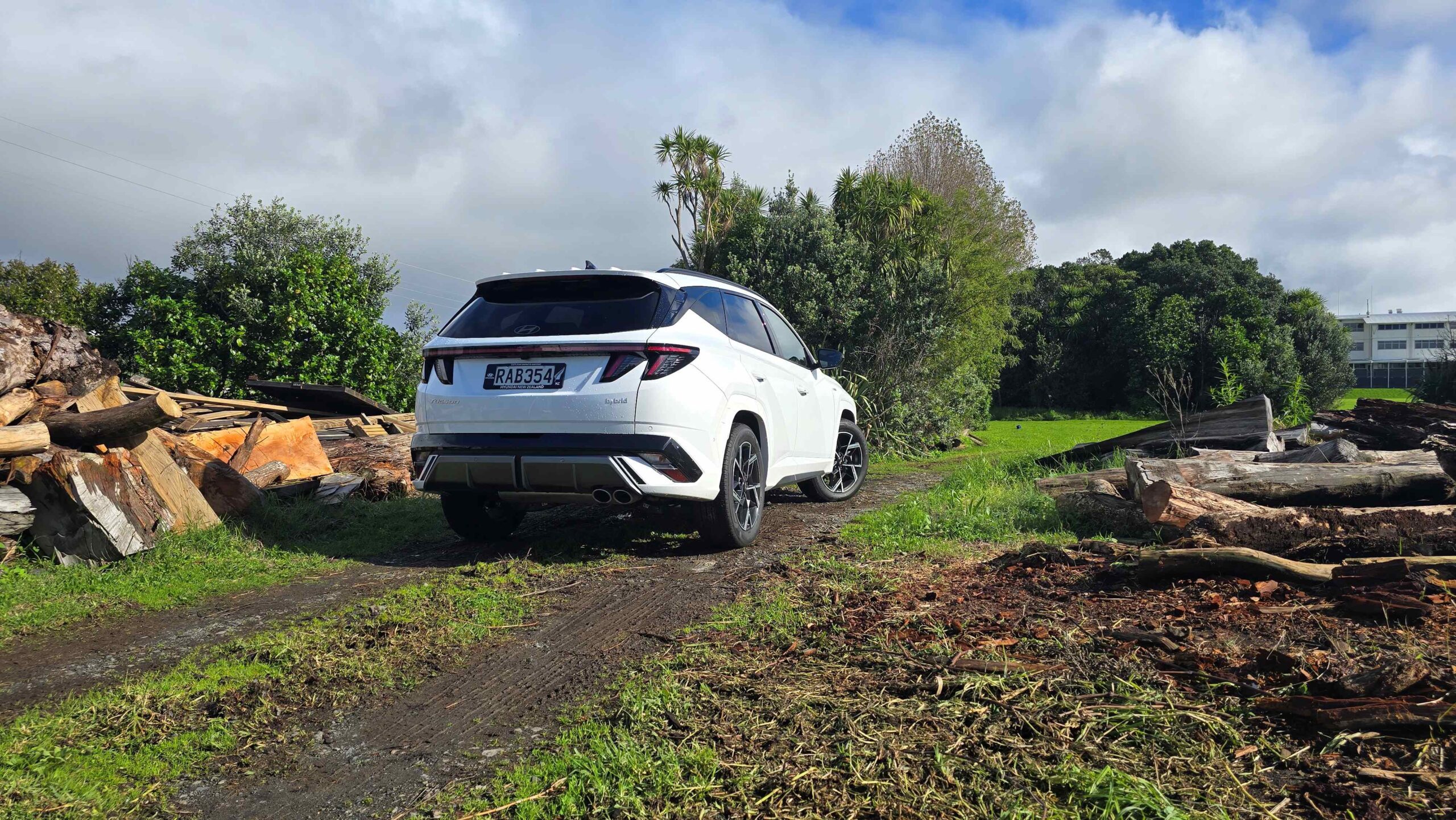
Around back, subtle tweaks keep the rear profile modern without overcomplicating the design. It’s aggressive without being shouty—a delicate balance that Hyundai has nailed with the N Line.
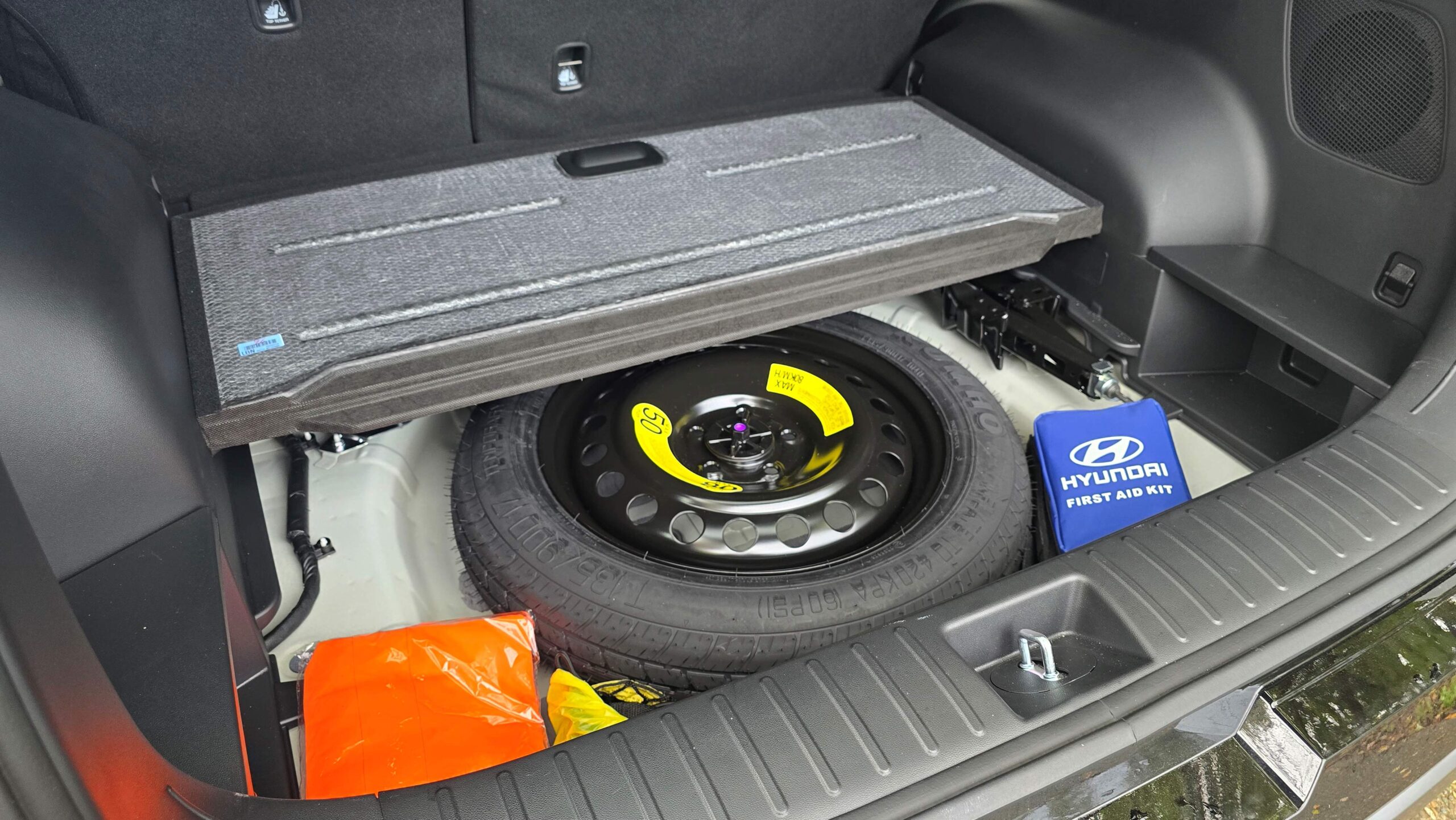
The Series II update stretches the Tucson’s wheelbase, translating to real gains inside—particularly for second-row passengers. Rear-seat legroom and cargo space both see meaningful improvement, making this a genuine family-friendly option without needing to step up to a full-size SUV.
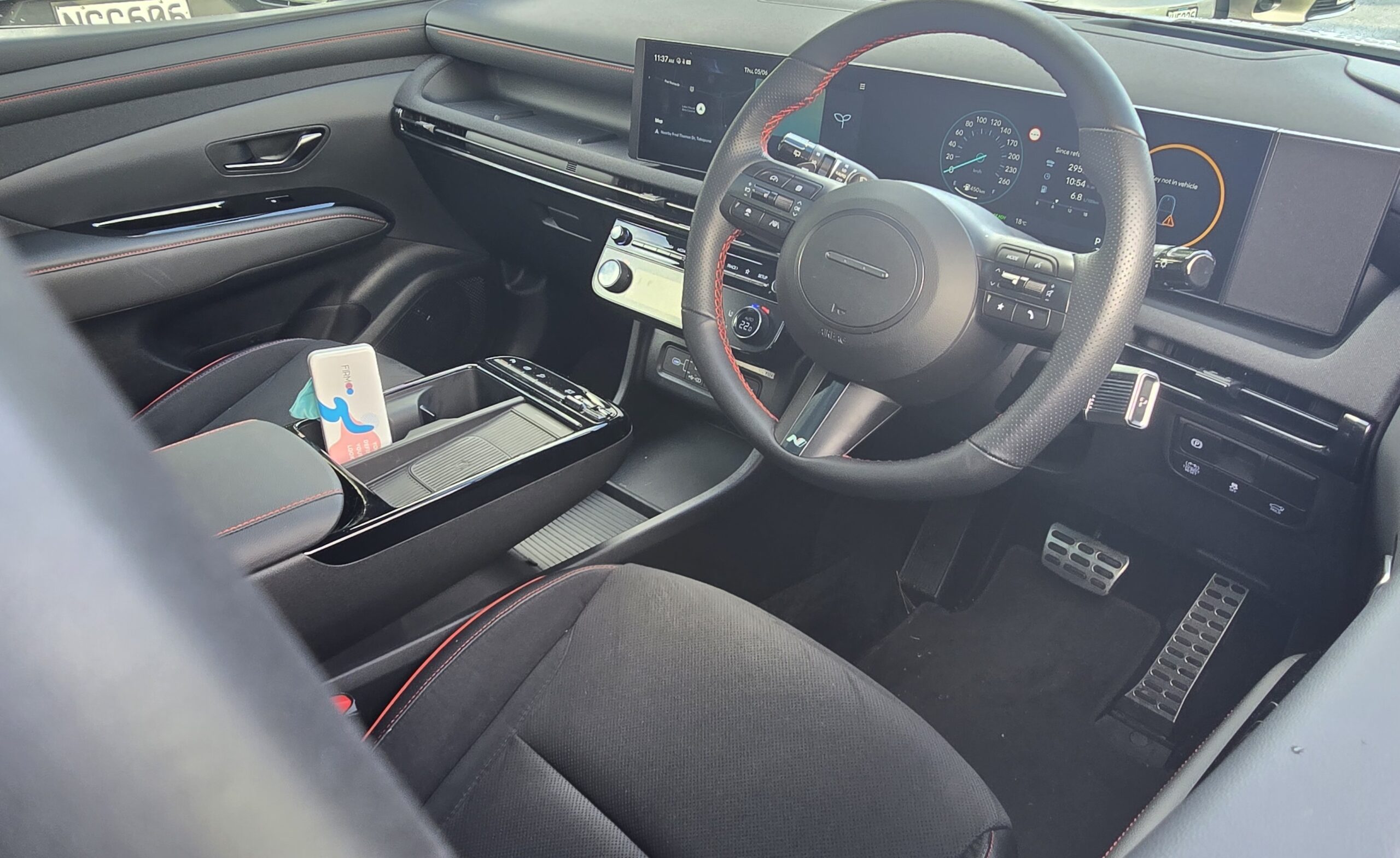
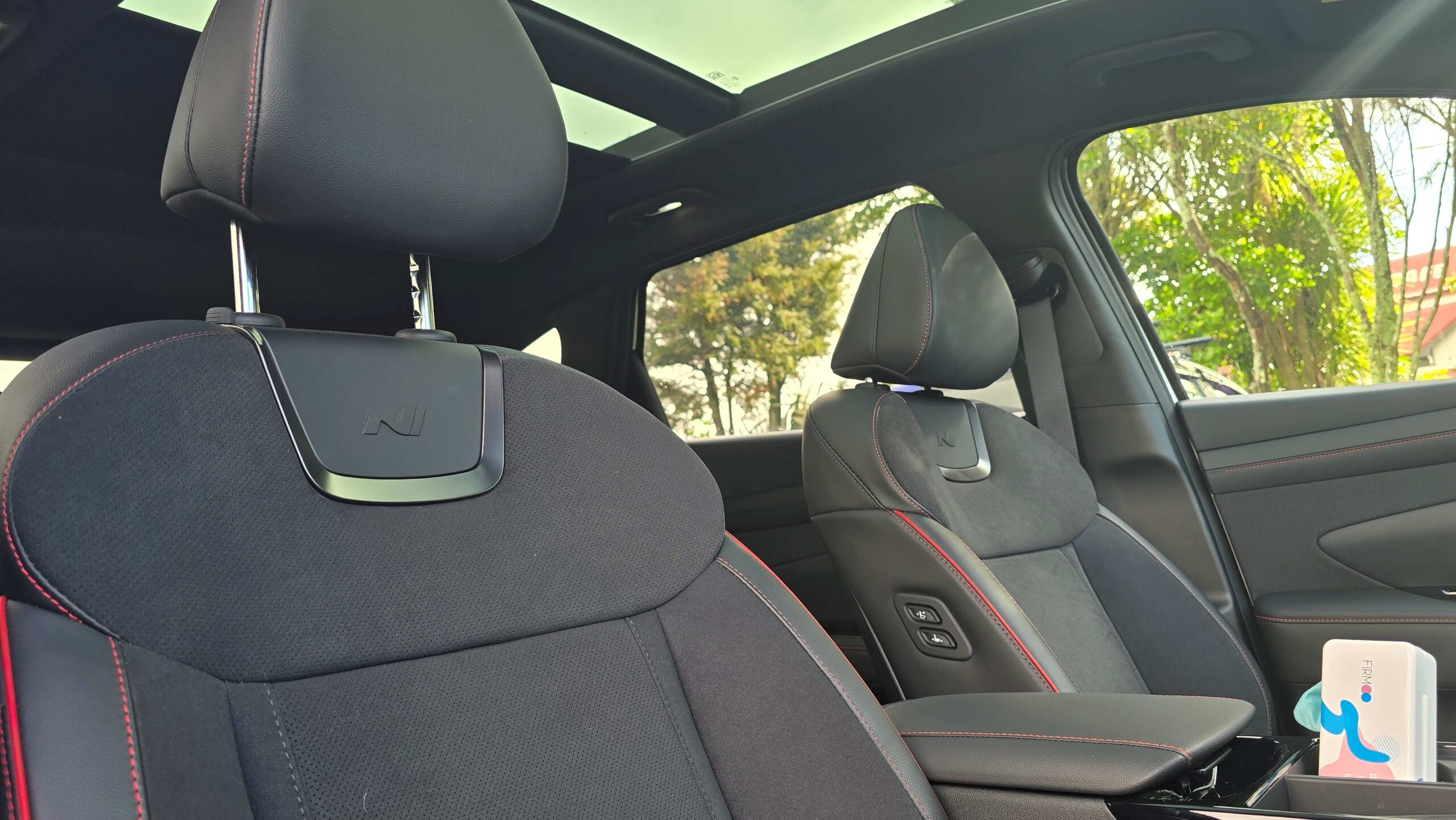
The N Line interior lifts the ambience beyond the base model, thanks to a mix of Alcantara and leather trim with red stitching, a perforated sports steering wheel, and well-bolstered front seats that provide excellent comfort for larger frames. While it’s still based on an entry-level layout, the N Line details convincingly disguise its humble roots.
Inside, Hyundai has gone all in on tech. The Series II replaces the dated dual 10.25-inch setup with a pair of crisp 12.3-inch displays—one for the infotainment system and one for the digital driver cluster. It’s cleaner, brighter, and far more modern.
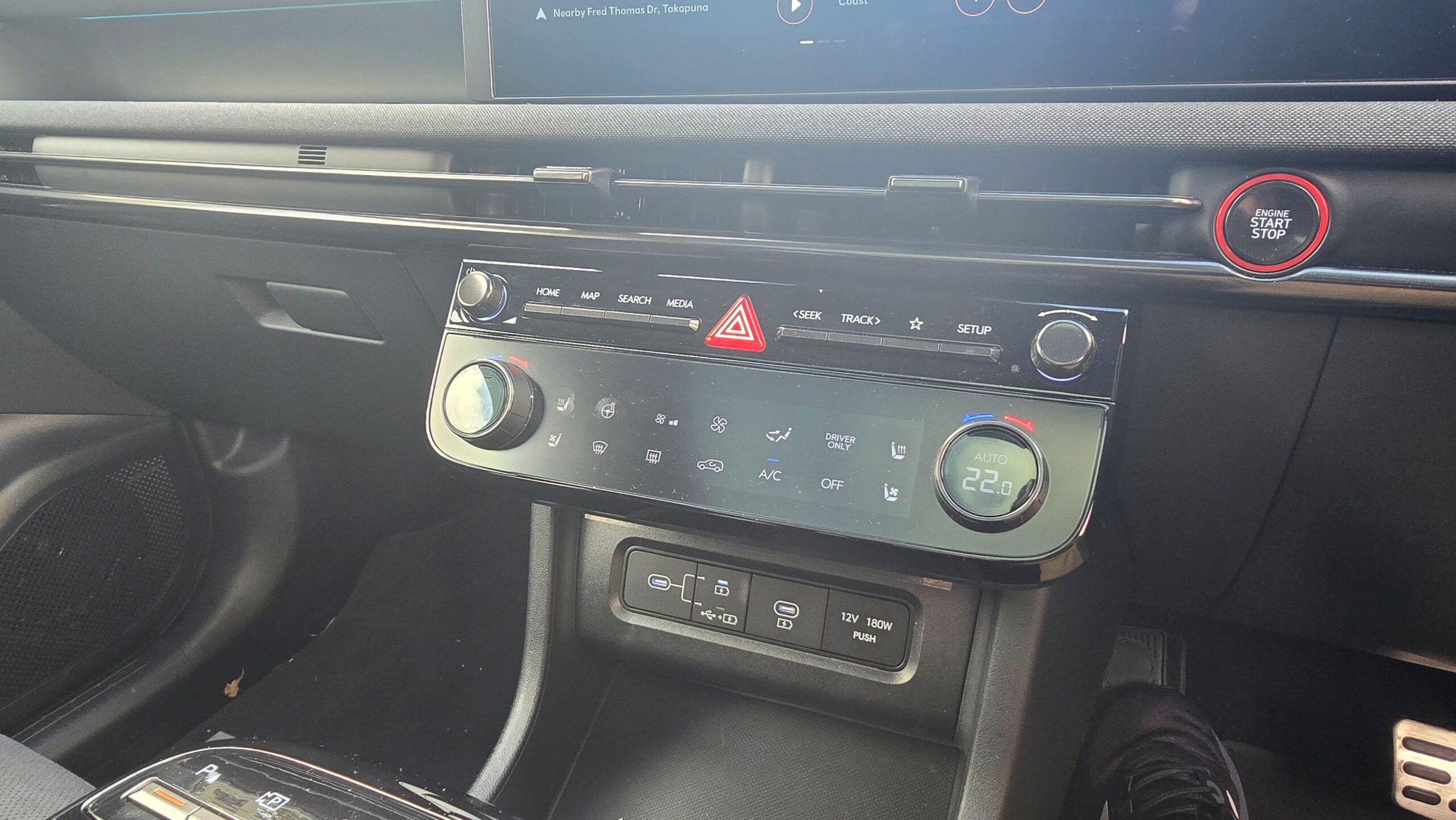
Physical buttons return for key functions, replacing the previous waterfall-style centre console that was loaded with touch-sensitive panels and dust-attracting gloss black trim. The overall result is a more open, intuitive cabin layout, with real thought put into usability.
Tech-savvy owners will love the updated graphic interface, Apple CarPlay and Android Auto (both wireless and wired), wireless phone charging, dual-zone climate control, and the optional Bose premium audio system in higher trims. There’s even a head-up display, surround-view monitor, and panoramic sunroof on the top-spec N Line Limited.
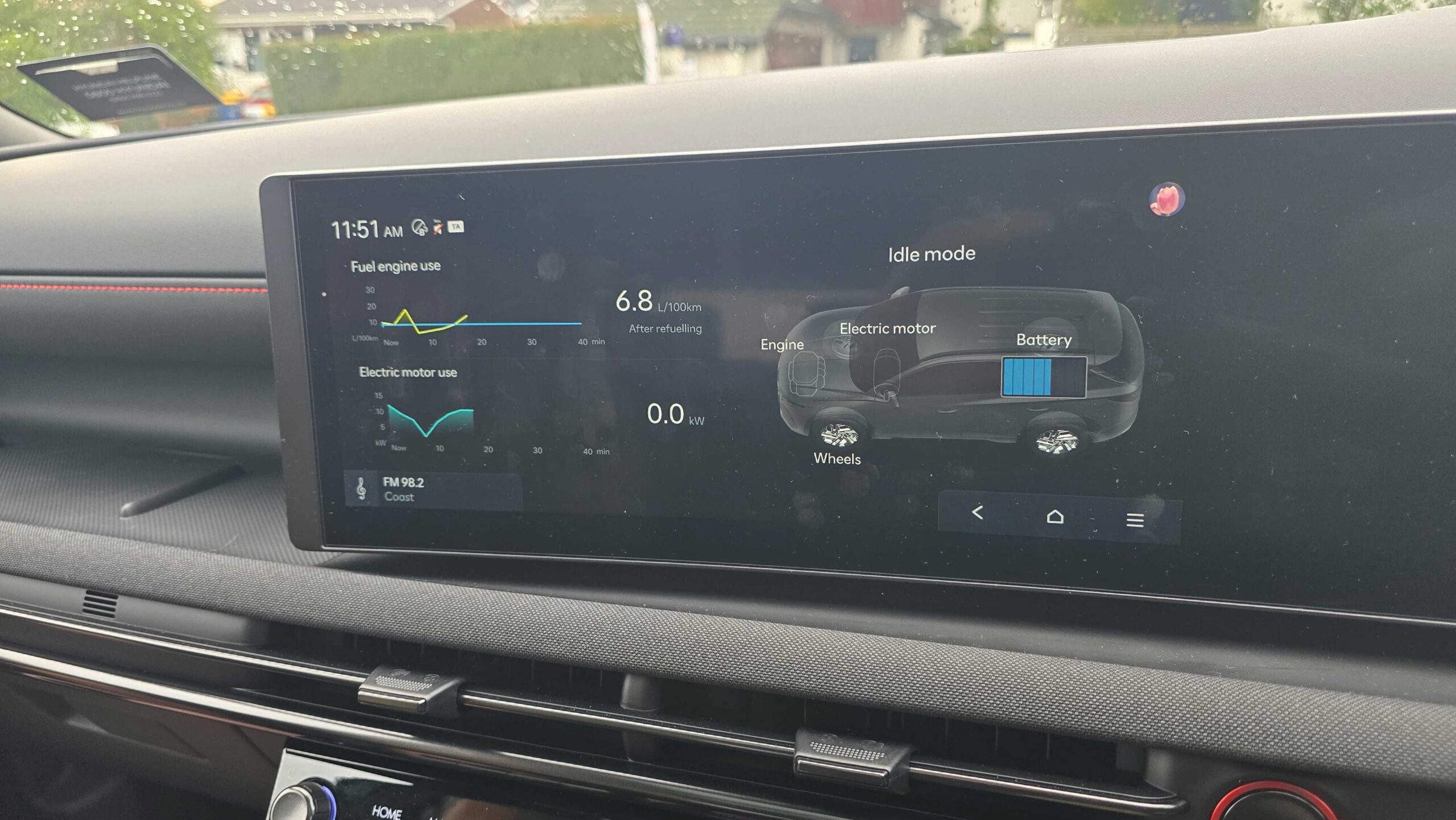
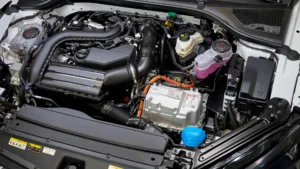
The big news for 2025 is the introduction of a 1.6-litre turbocharged hybrid powertrain across the Tucson range. It’s a clever setup—combining a punchy turbo petrol engine with electric assistance and a six-speed automatic gearbox (thankfully not a CVT), which provides a more natural driving feel than many of its rivals.
In day-to-day driving, the Tucson often starts and cruises in EV mode, with the petrol engine kicking in smoothly at around suburban speeds. Acceleration is brisk—with a 0–100km/h time around 7 to 8 seconds—and refinement is excellent, with minimal vibration when the combustion engine activates.
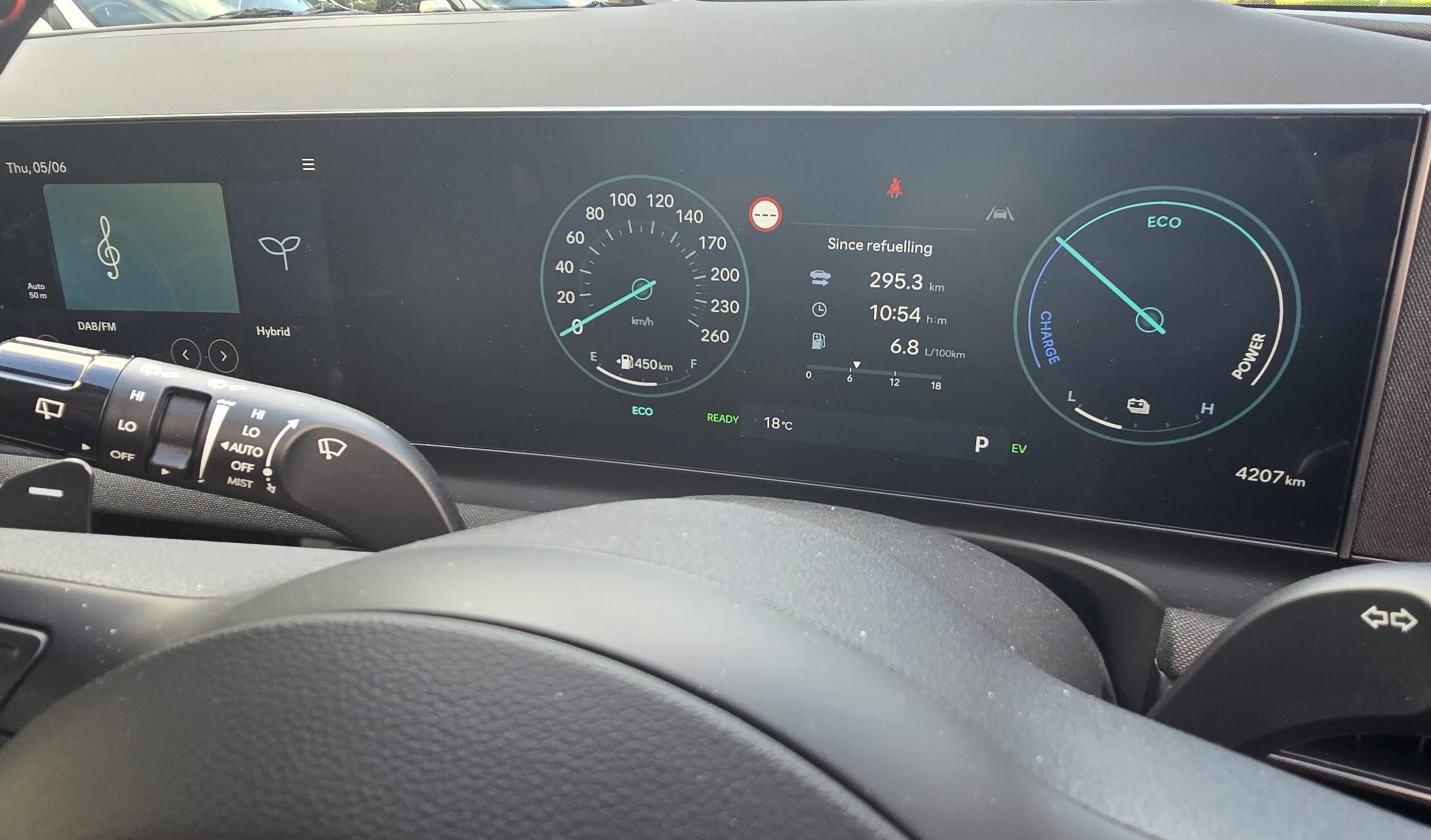
However, the Tucson doesn’t have the same battery buffer as Toyota hybrids, meaning that with less than 50% charge, the petrol engine will engage sooner and more frequently. But when working together, the system delivers a satisfying and responsive drive that’s more spirited than its eco badge might suggest.
Despite its sporty exterior, the N Line doesn’t get a suspension overhaul. That’s not a knock—the standard setup is well judged, offering a slightly tauter ride in the city but remaining composed and supple across rougher country roads. It doesn’t wallow, nor does it punish.
On winding roads, the Tucson handles confidently with a touch of body roll, but nothing unsettling. Steering accuracy is good, though some might find it a little heavy just off-centre, with an oddly light feel near full lock. There’s room for calibration refinement here, but it never feels unpredictable. The N Line’s tyres provide decent grip, though they can spin up under hard acceleration from a standstill or on wet roads—especially if you’re in a hurry.
Hyundai has introduced a three-level regenerative braking system, controlled via paddles behind the wheel, plus a coasting mode for motorway efficiency. It’s intuitive, though the brake pedal can feel grabby at low speeds, with a noticeable transition from regen to friction braking. Still, it’s manageable once you’re used to it.
As with any new Hyundai, safety tech is a major highlight. Every Tucson Series II comes standard with the brand’s full SmartSense suite, including: Forward Collision-Avoidance Assist (FCA). Blind Spot Collision-Avoidance Assist (BCA). Lane Keeping and Lane Centring Assist. Adaptive Cruise Control. Traffic Sign Recognition. Rear Cross Traffic Alert. 360-degree camera system (on upper trims). These features work in harmony to deliver a car that’s not just safer, but also easier to live with—particularly in tight urban settings or while navigating unfamiliar roads.
With the 2025 Series II, Hyundai has taken everything that was good about the Tucson and made it sharper, smarter, and more efficient. The N Line, in particular, strikes an attractive balance between sporty design, practical features, and real-world usability.
For buyers considering a Toyota RAV4 Hybrid, the Tucson now offers a compelling alternative. It may not beat the RAV4 in every category (particularly hybrid range or economy) but it matches or surpasses it in tech, design, and interior execution. Crucially, Hyundai’s decision to offer hybrid power across a wide variant range with good availability may win over many buyers tired of waiting months for rivals. Whether you’re looking for premium touches, sporty flair, or just a well-rounded hybrid SUV, the Tucson Series II N Line is absolutely worth a look.
Pros & Cons
| Pros | Cons |
| Smart, spacious interior with dual 12.3-inch screens | Brake pedal feel can be grabby at low speeds |
| Turbo hybrid drivetrain feels lively and refined | Steering can feel artificially weighted at lower speeds |
| N Line pack adds premium feel without premium pricing | Tyres can struggle in wet conditions under acceleration |
| Comfortable ride, even without adaptive suspension | CVT fans may miss the seamless torque flow |
| Full safety suite standard across the range | Gear shifter wand takes some getting used to |