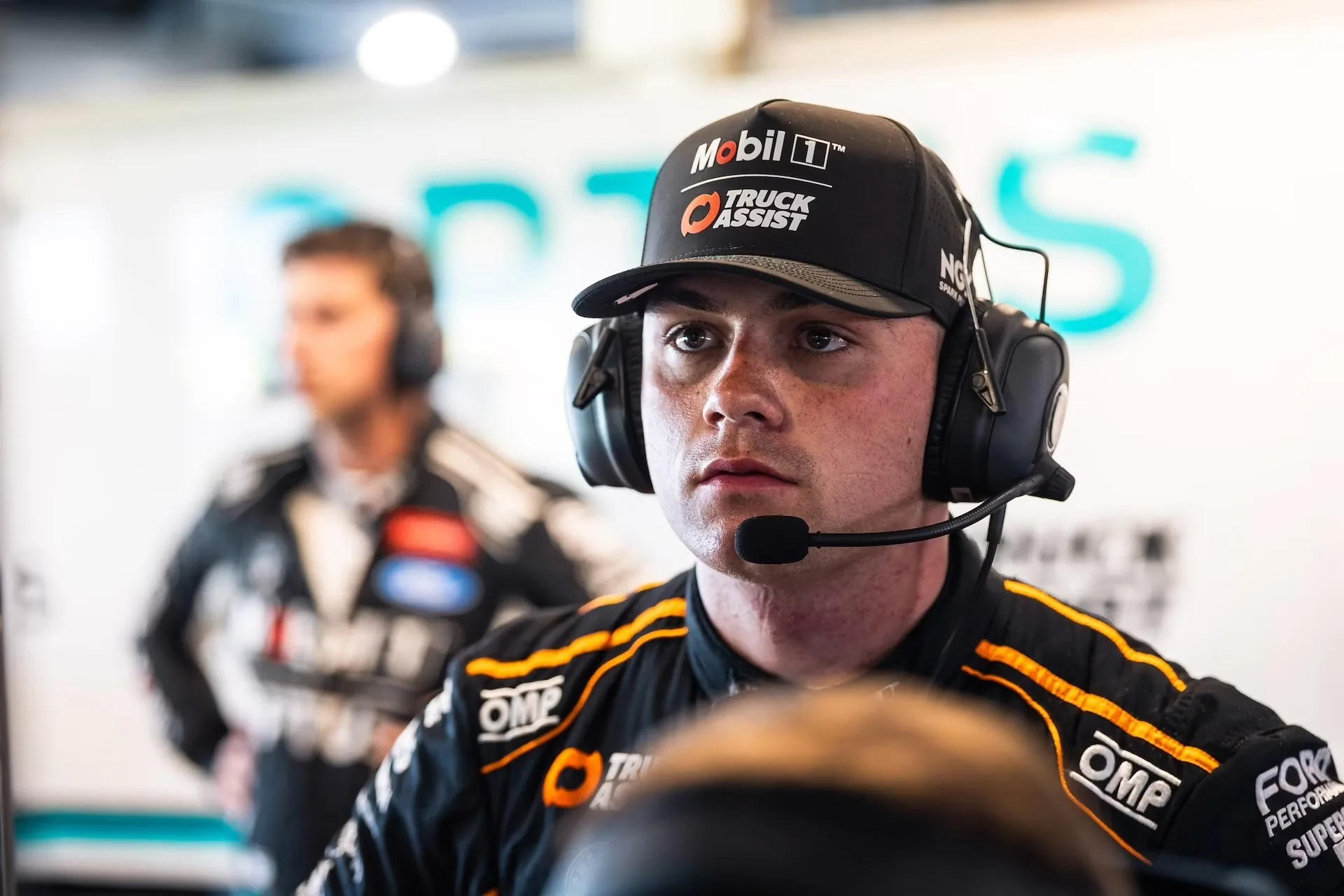
We hear it all the time about brands that help nurture local talent to project them globally, but it is totally different to hear about that while sitting across the dinner table from one of the people currently living that philosophy. Ryan Wood has spent his life climbing the motorsport ladder, from karting at seven years old to the Toyota 86 Championship, Porsche racing, Super2 and now Supercars. This year, Toyota has added another dimension to his development, putting him into Formula Regional Oceania as part of its broader driver-development program.
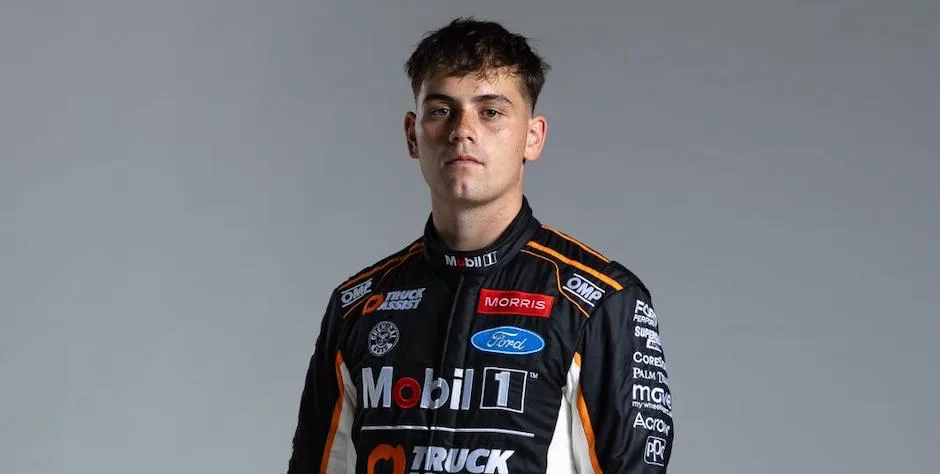
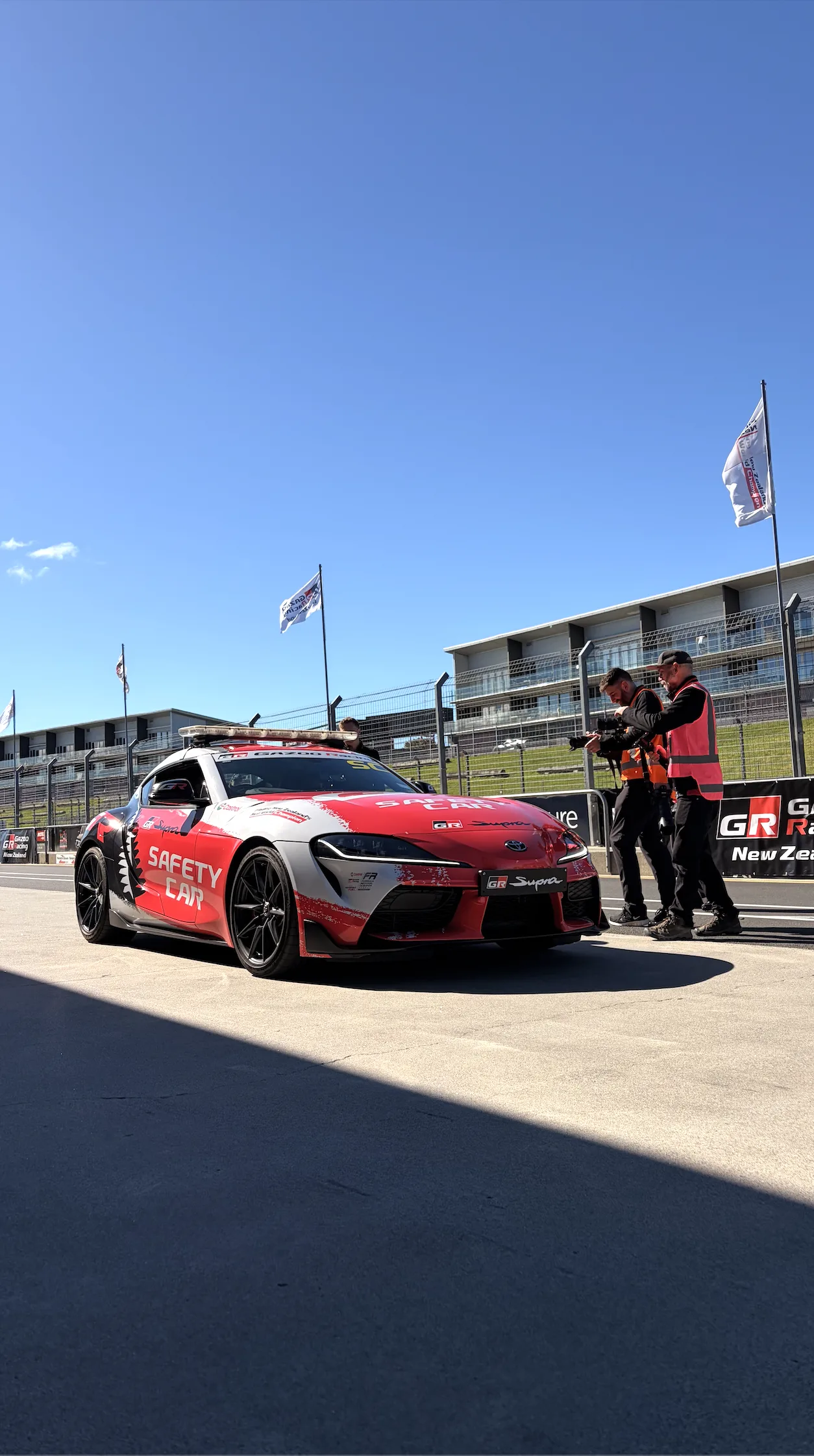
I had the chance to spend much of the day around Ryan (yeah, we’re on a first name basis now) at Toyota’s GR event, including having him at my table for dinner. Earlier, he had also strapped me into the passenger seat of a GR Supra and taken me around Hampton Downs at a pace that made my driving feel ever so sloppy.
Wood’s own story illustrates Toyota’s mentality about developing people perfectly. He described the Toyota 86 platform as a crucial early step in his career, giving him the opportunity to race alongside established drivers, learn quickly and put himself on the right radars. From there, relationships became just as important as raw talent.
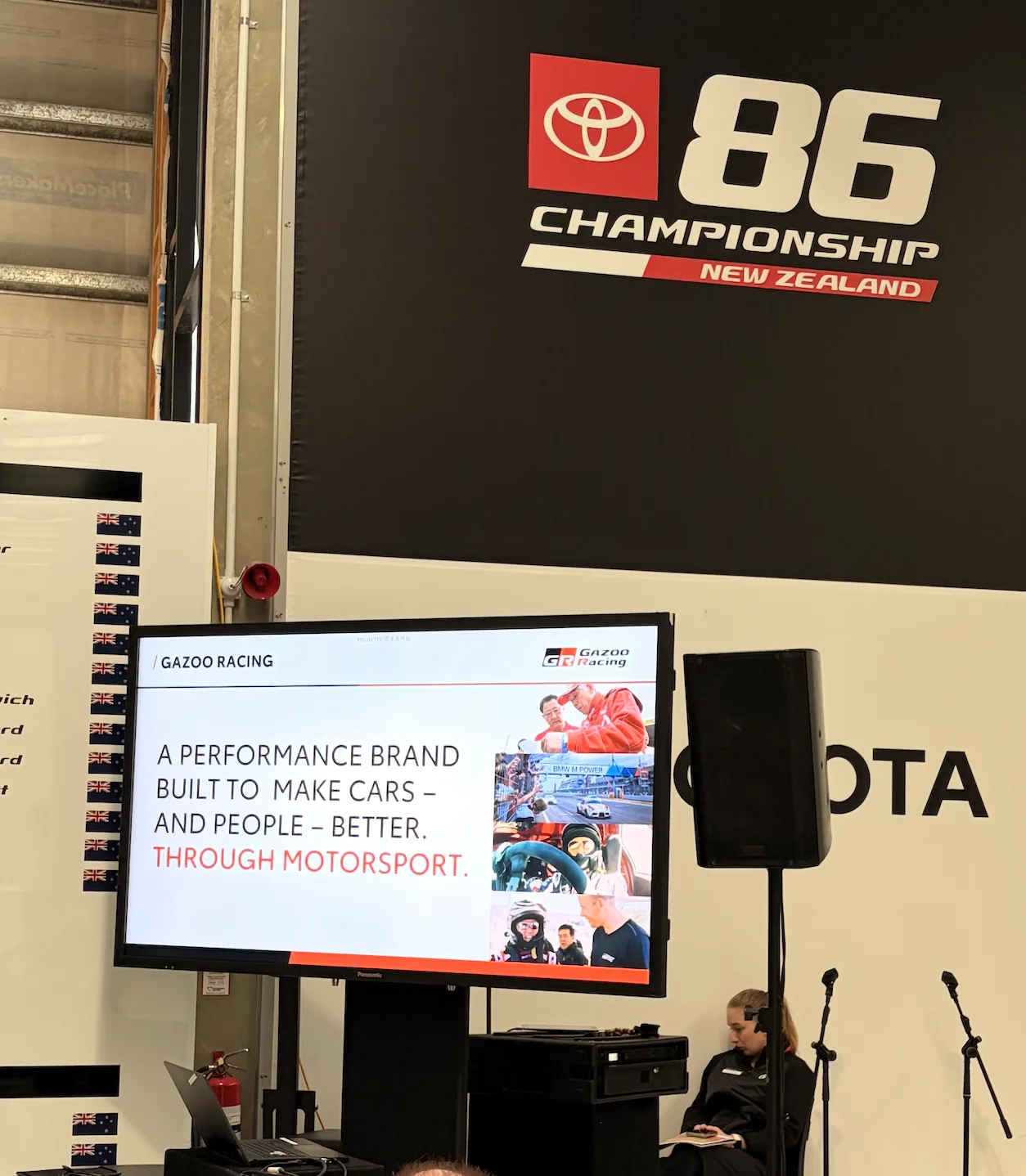
He spoke about sponsors who have supported him since he was 14, moving away from home at 17 to continue developing his career, and eventually making the move to Australia. The racing community, he says, can be fiercely competitive, but it also has an unusual ability to rally around its own when things go wrong.
Toyota themselves then interjected that the grassroots foundation is something the brand is deliberately trying to preserve as drivers move up the ladder. The company’s current pathway stretches from grassroots racing through its GR86 and GT4 programs and into higher levels of international competition. Toyota is also developing an evaluation process that can identify promising drivers in Australia and New Zealand and potentially expose them to further assessment and development in Europe.
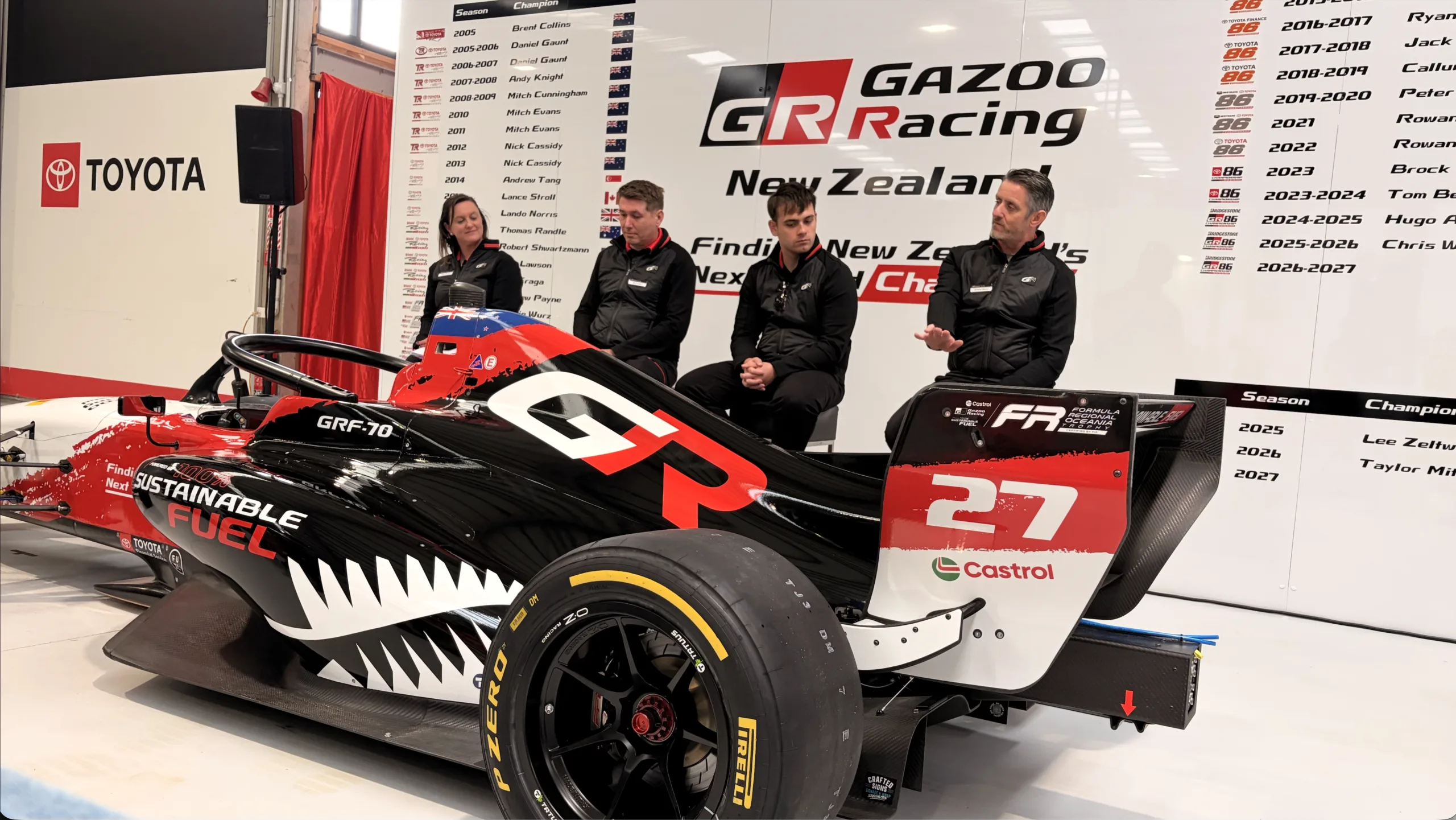
The objective is not simply to produce another winner in a New Zealand championship, but instead identify talent capable of progressing onto the international stage, with Wood being an example of how that philosophy can also work in reverse. He has established himself in Supercars, but his decision to return to open-wheel racing in Formula Regional Oceania was driven partly by a desire to challenge himself again. He had never driven a single-seater before entering the category, describing the first experience as uncomfortable and unfamiliar before using the season to learn and adapt.
That willingness to step outside a comfort zone is motorsport to a T, even more so with the Kiwi element. Toyota has a long history of using this country as a proving ground for motorsport talent, with the Formula Regional Oceania championship providing young drivers with the opportunity to compete against international opposition on home soil. Previous competitors include drivers who have gone on to the highest levels of international racing.
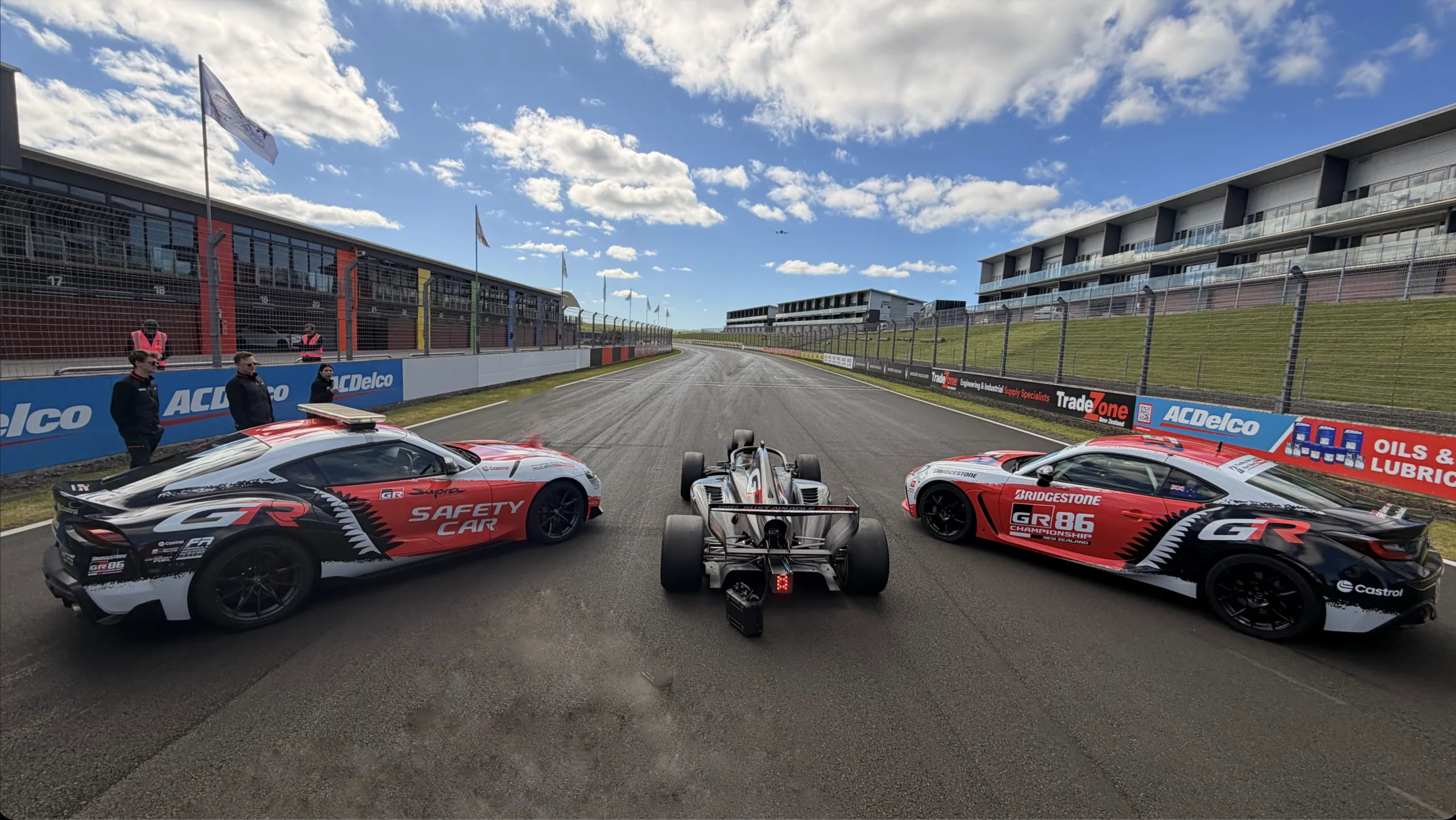
Ryan now sits somewhere between the grassroots community that helped him get here and the global ambitions that come next. And watching him attack Hampton Downs from the passenger seat, then having a fun, candid chat with him talk about the relationships, setbacks and constant self-improvement that brought him to this point, made Toyota’s strategy feel warmer and less corporate.
Cars may be the most visible part of it, but the people behind the wheel matter just as much. Toyota isn’t just looking to build faster cars in New Zealand, it’s looking to develop drivers who can take that experience, and themselves, onto the world stage.