Q&A Pritika Maharaj chief program engineer, Ranger and Everest, Ford IMG
Ford: What sparked your passion for engineering, and specifically for the automotive industry?
Pritika Maharaj: My family and I used to holiday with family friends at their property near Strathbogie in rural Victoria every year. I love the bush and open spaces and on that farm was where I learned to drive a car and ride a motorbike; it’s where I learned to service a car too.
I was right into cars and how they worked and had been trying to learn the basics. I was probably 13 years old at the time and our friend’s son, who was 20 at the time, drove his car to the top of the hill and said, “You can have a go at servicing it”. And that’s where it all started. I was on the hill by myself with some buckets, tools and a bottle of oil, and when I finished servicing the car, I thought, well I might as well just take it back to the house. So that was my first go at driving a car. There have been many examples like that along the way that kept the flame burning.
Ford: What did you do when you first started at Ford?
Pritika Maharaj: I’d always wanted to do something in the automotive space and had been working at a small local garage from the age of 16. I learned how to do the basics and worked alongside some great mechanics who taught me a lot, and we had a lot of fun along the way. “You’re not tightening the bolts on the Queen Mary!” they would say.
At the time I thought I wanted to be a mechanic, but the owner encouraged me to finish school and by then I realised engineering was probably a better career for me. So, that’s what I did. I started at Ford in 1992, as a graduate engineer working in test engineering. The job was to stress test things like engine mounts and run vehicle durability rig tests where we’d study performance of the body and suspension on shaker rigs. I was also lucky enough to work on crash testing vehicles for a time, which reminded me of playing smash up derbies as a kid. The vehicle crash testing at Ford was a lot more sophisticated than my childhood games, and very disciplined but still a lot of fun!
Ford: Given you used to work on your own racing motorbikes, are powertrains your ‘happy
place’ as an engineer?
Pritika Maharaj: Absolutely. I never got into car racing. Motorbikes were my thing, and I loved working on my race bike and tinkering, but it was and still is the engine that fascinated me most. I came up with a calculation I could use on race days that considered the humidity, temperature and pressure to help me pick the right jet to use. I loved playing around with the engine and trying to improve the performance. And I’m still like that today; my son loves cars but he’s into the details, the styling and the shape of it, but I’m different. To be honest, I generally don’t notice those parts. I’m more focused on the greasy bits and the engine itself. That’s what I love.
Ford: What are some of your highlights in the past two decades at Ford? What was your ‘pinch
me’ moment?
Pritika Maharaj: There have been so many. Having the opportunity to work on the base engine back in the Falcon/Territory days and being part of the EcoLPi (liquid phrase injection) development for better fuel efficiency were some of my key highlights, but the most recent one was being involved in the reveal of Ranger and Everest and interacting with the media. It was so exciting to be able to present them to the world after the years of hard work in developing them.
Ford: We hear a lot about virtual testing and development, how important is the virtual world of motion simulators in early-stage vehicle development?
Pritika Maharaj: Virtual testing is important because it allows us to cut down the time between an idea and bringing it to market. Using computer aided engineering (CAE) means we’re able to do a lot of upfront work that used to have to wait until we had physical prototypes. This means our real-world testing is more valuable as it becomes about refining and validating rather than breaking, rebuilding and testing again.
Back in the old days, testing began with prototypes that didn’t look like the actual car. Then we’d progress to prototype versions more representative of the real vehicle, and then we’d keep going. The whole point of virtual development is to trim back the initial stage to the bare minimum. Virtual development at the start leaves more time for the good parts of final testing and development.
Ford: Do you foresee a time when a vehicle can be developed virtually? Or will there always be ‘not test like a physical test’?
Pritika Maharaj: Computers have helped us do our jobs faster and improved our knowledge. We can now do more dynamic simulations that weren’t possible before. It’s amazing when you think about what we can do now, but it doesn’t replace physical testing. It doesn’t replace the need to do mileage and exposure in different environments. All these things are vitally important.
Ford: Can you tell us your three favourite things about the Everest?
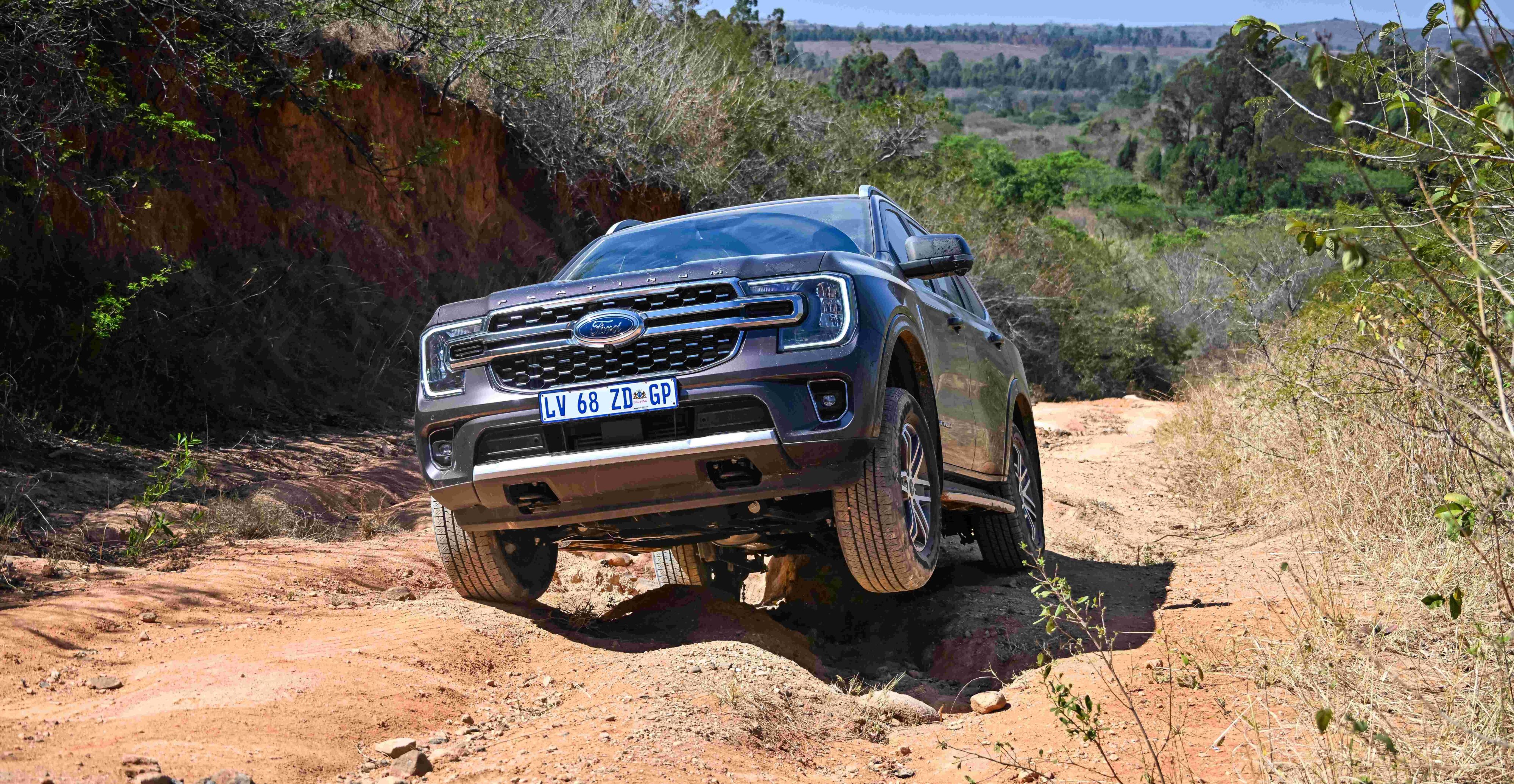
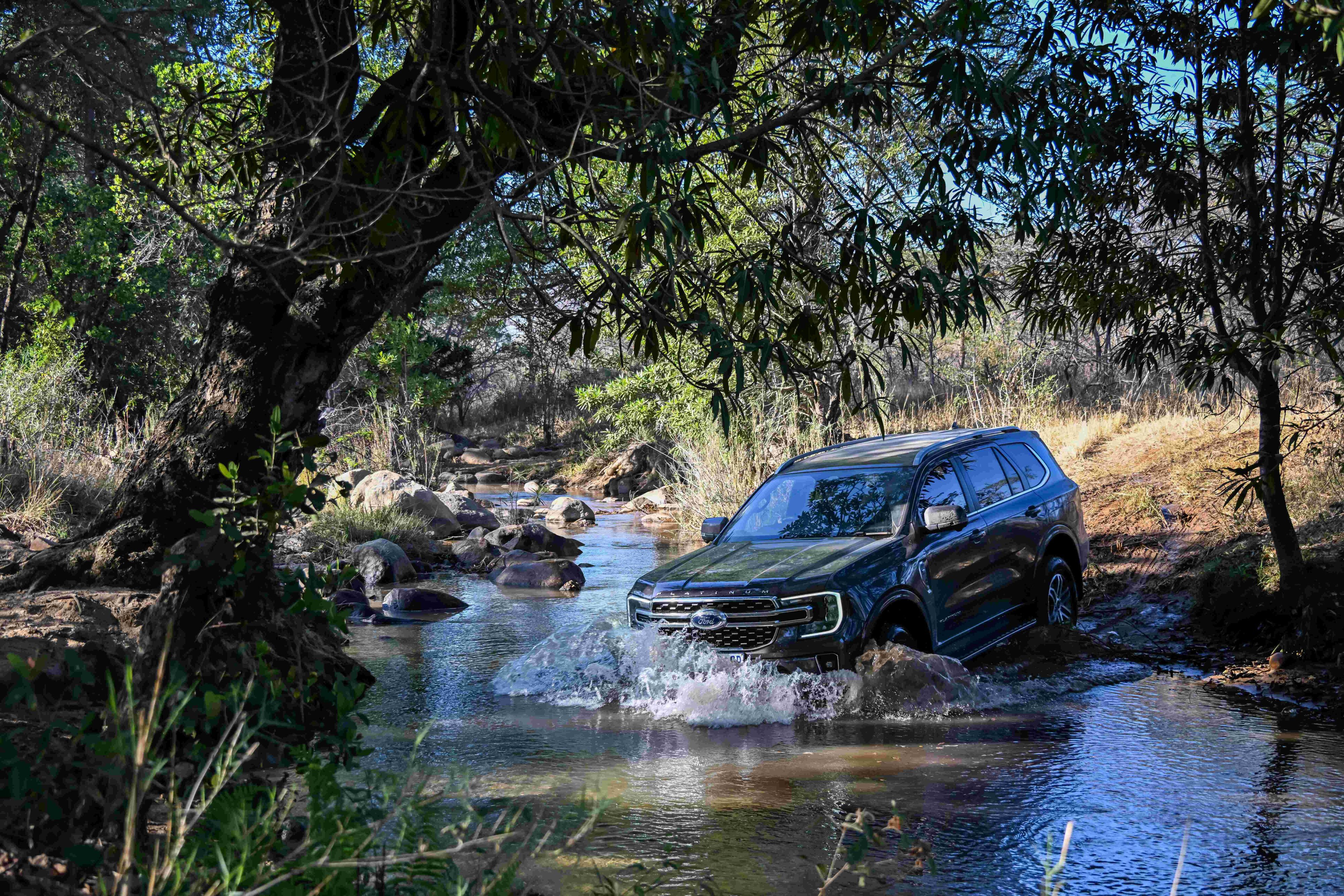
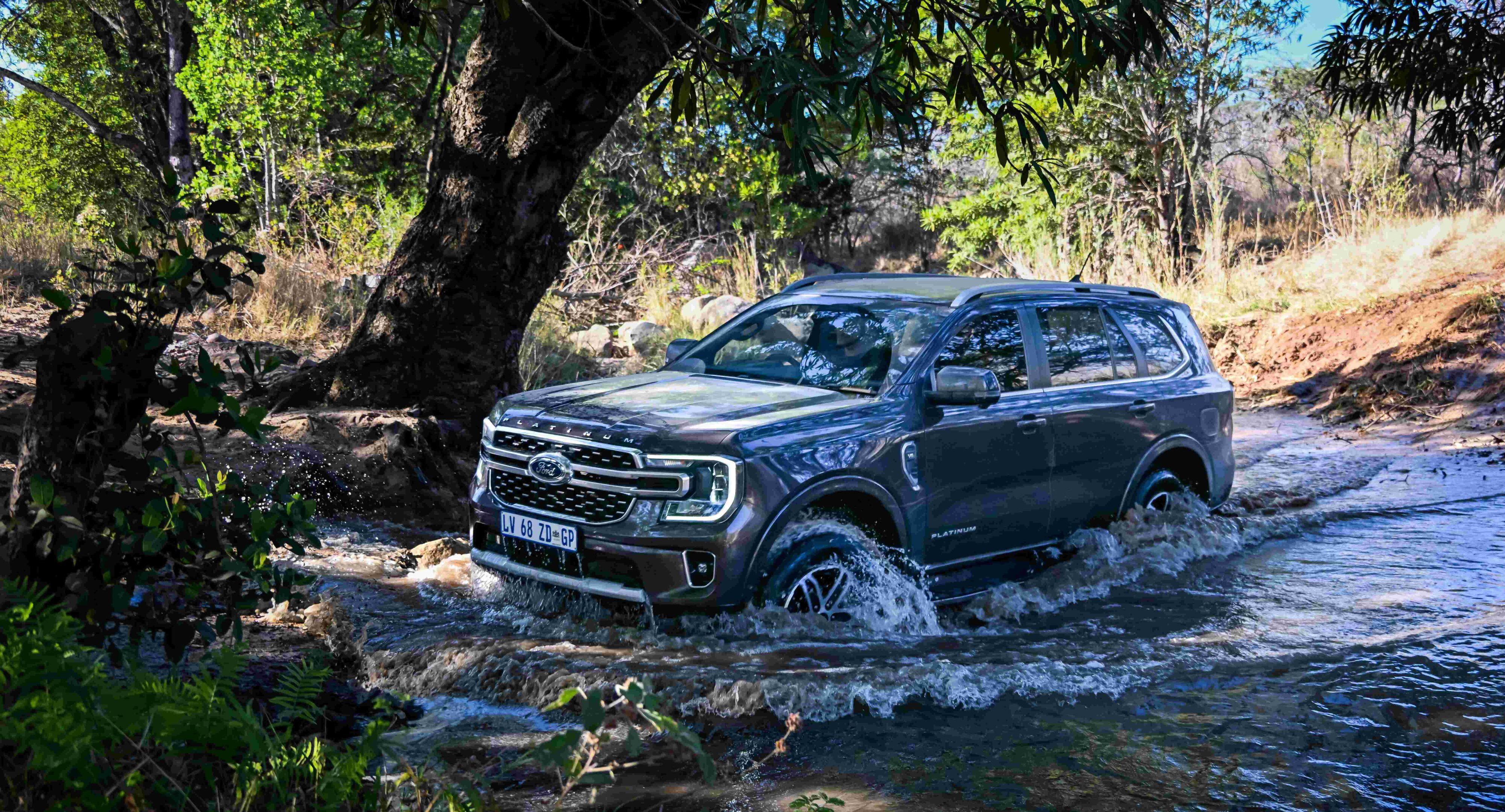
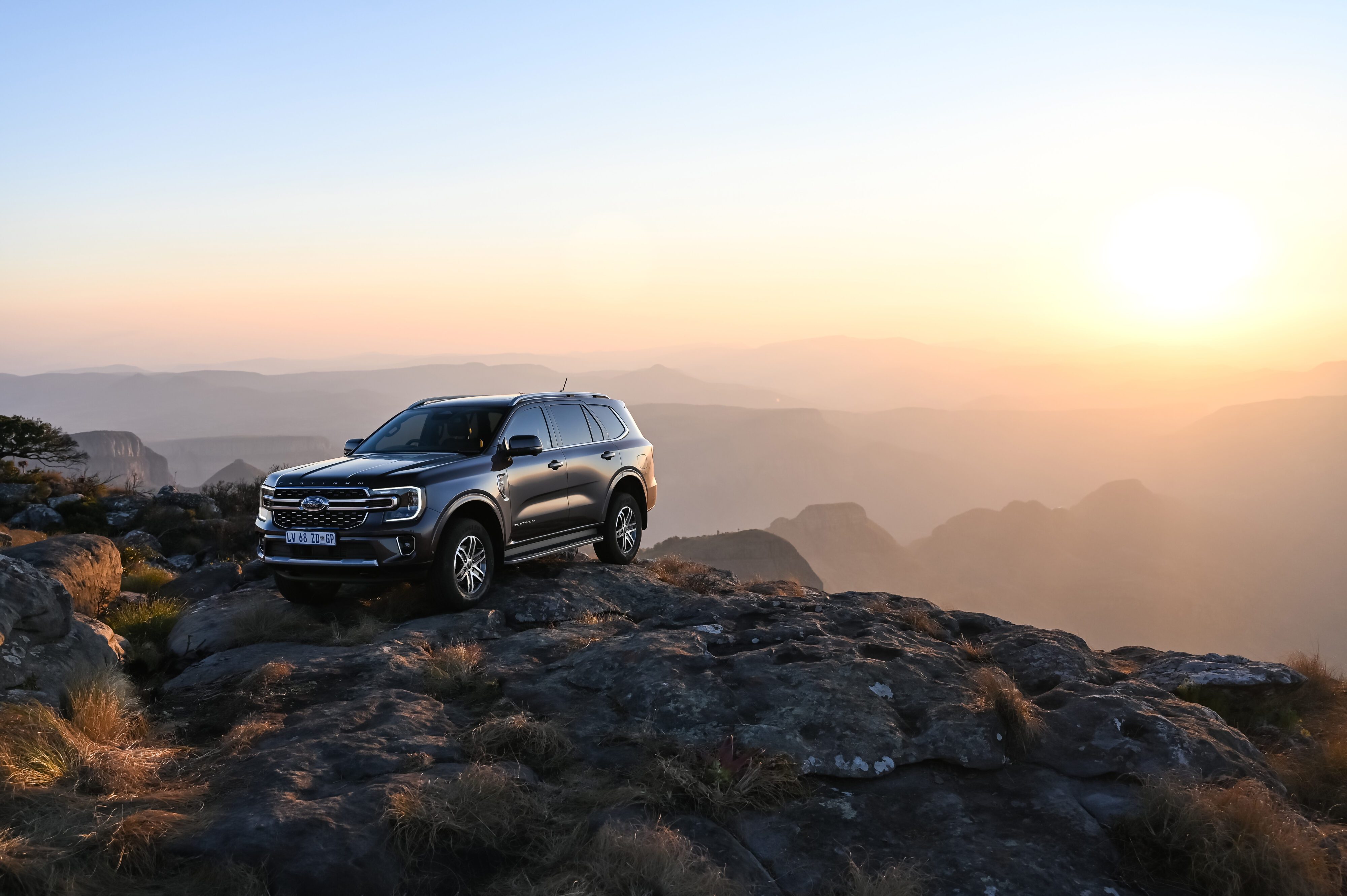
Pritika Maharaj: Keeping to three is a bit tough. I love the 3.0-litre V6 engine – its performance and refinement make driving and towing effortless. You know you can get out of a hot spot when off-roading or beat everyone off the lights. I also like how muscular the Everest looks. The updated chassis and refined suspension are tougher and more capable, and the bold, rugged look really reflects its capability. Compared with its predecessor, the 50mm wider track and longer wheelbase improves the stance and handling of the Everest, making it more fun to drive on- and off-road. The 360 camera is a very practical feature that comes in handy every day. I never used to use the camera before but now I get in trouble from my son for always putting in on. It gives you confidence knowing what’s around you – whether you’re off-roading or parking.
Ford: How important was it for you that a V6 be included in Everest and what do you like most
about this engine?
Pritika Maharaj: Right at the beginning when we were discussing Ranger and Everest with owners, they told us they wanted more power and torque for towing. I’m all about the engine and I reckon the 3.0-litre V6 turbo-diesel feels like a bigger engine, with plenty of power and torque. We also did a lot of calibration and validation work to make sure this engine performed off-road, and this saw us develop a new sump for it so that the engine wouldn’t become starved of oil at extreme angles off-road.
Ford: What are your thoughts on the future of off-road vehicles in a world increasingly focused
on sustainability and electrification?
Pritika Maharaj: Here at Ford, we’re all about developing the right powertrain for the right job at the right time. You can see with the introduction of Ranger PHEV that we’re exploring new technologies for our off-road vehicles. But it goes beyond that. We’re making huge changes to the way we power our factories; treat water and the materials we recycle. For instance, at Ford Thailand Manufacturing (FTM), we give all the cardboard boxes that parts arrive in a second life before sending them for recycling. They’re being used to send parts out to dealerships. And we’re installing solar roof car parks and even floating solar farms at our facilities to provide renewable energy to our production sites.
Ford: What sort of investment are you making to future-proof Ford’s engineering, design and the T6 platform?
Pritika Maharaj: Right from the beginning when we started developing the T6 platform for Ranger and Everest we knew we needed to future-proof the product. And you can see we’re taking the first step with the introduction of Ranger PHEV.