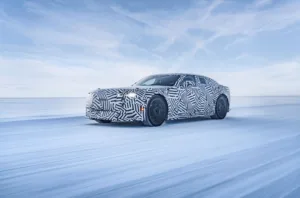
Being invited to a world-first drive of a brand new Swedish EV in the Catalonia-land of Flamenco’s, Bull fighting, Tapas and Antoni Gaudí’s whimsical, nature-inspired masterpieces, may sound like an odd choice, but with its exceptional roads, epic backdrops and ‘central’ geographical location, Barcelona proved to be the perfect place for 300 motoring journalists (yes 300) to converge.

Let me say that again, around 300 journalists traveled from all corners of the world to get behind the wheel of the Swedish carmaker’s latest and greatest mid-sized EV SUV. Now you know just how important this vehicle is for Volvo.
What is the EX60?
The new EX60 is the EV successor to Volvo’s best seller, the XC60, and not only is it a technological marvel but a thing of beauty too. It’s an all-electric mid-size SUV that is fast, refined, practical and surprisingly entertaining. And yes, entertaining is a word I didn’t expect to use quite so much about a Volvo either.
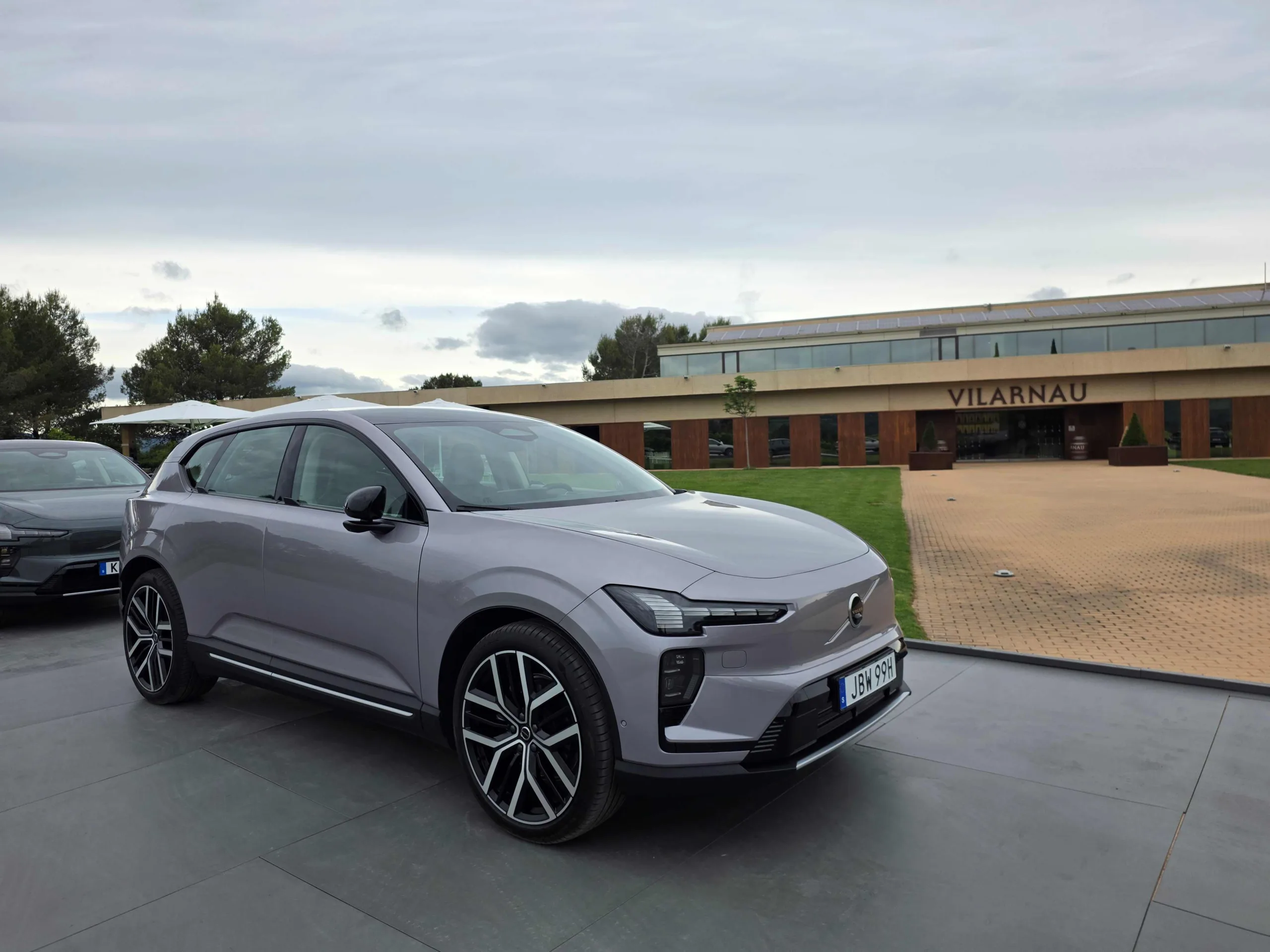
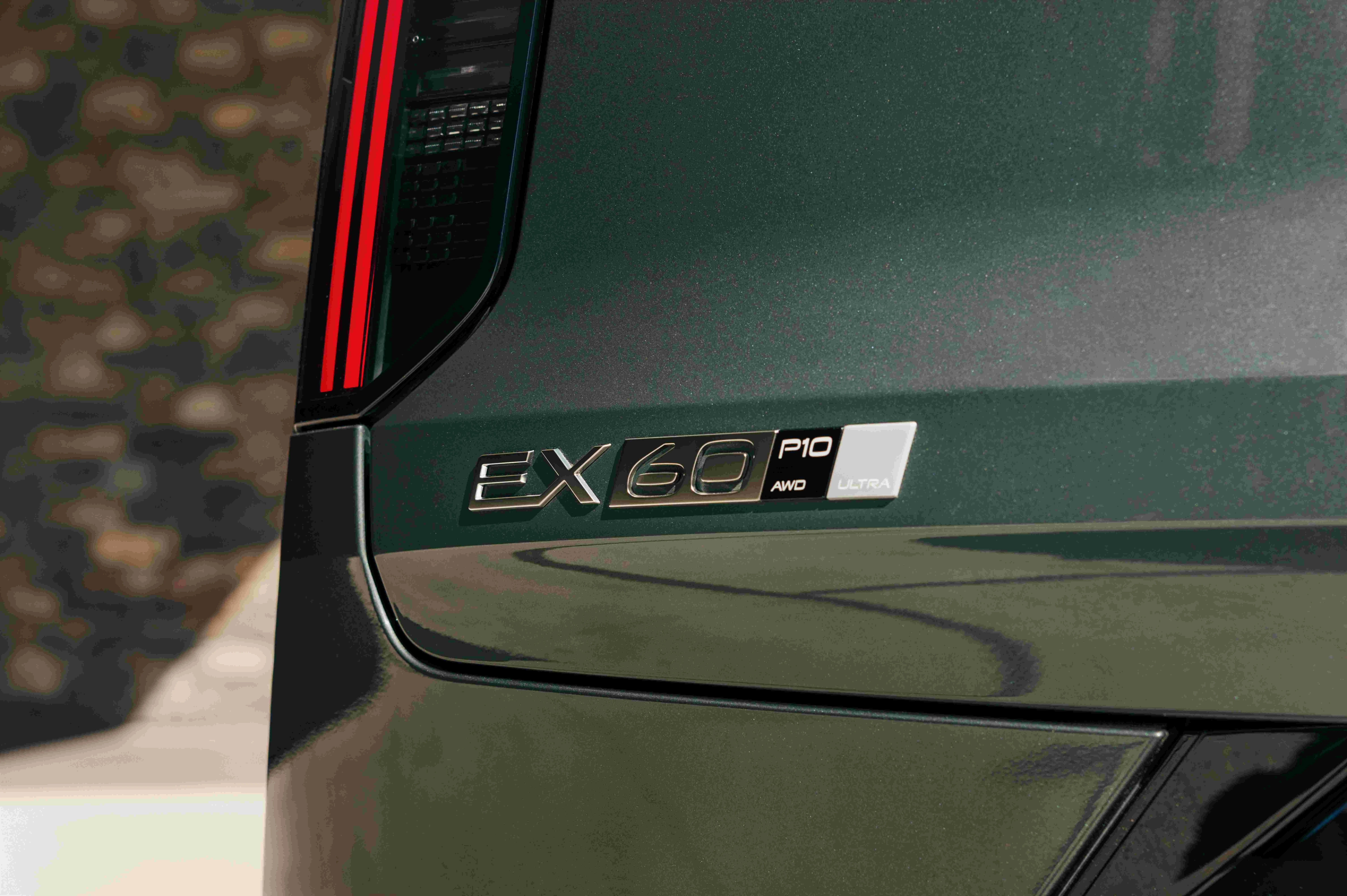
As far as model range goes, it’s pretty extensive (certainly globally – NZ TBC). There is a P6, a P10 and a P12, Plus a Cross Country. Each model offers specific battery size, RWD or AWD and charging speeds (oh and range). And in terms of trim, Core, Plus and Ultra. For the press drive, we got both the P6 and P10 and both in Ultra spec.
Barcelona – The Perfect EX60 Playground
Barcelona is one of those cities that can expose weaknesses in a car very quickly. Narrow streets, endless scooters, sudden roundabouts, tight parking buildings, aggressive taxis. Then, within 40 minutes, you’re climbing into twisting mountain roads overlooking the Mediterranean. It’s an environment that demands versatility and the EX60 handled the transition effortlessly.
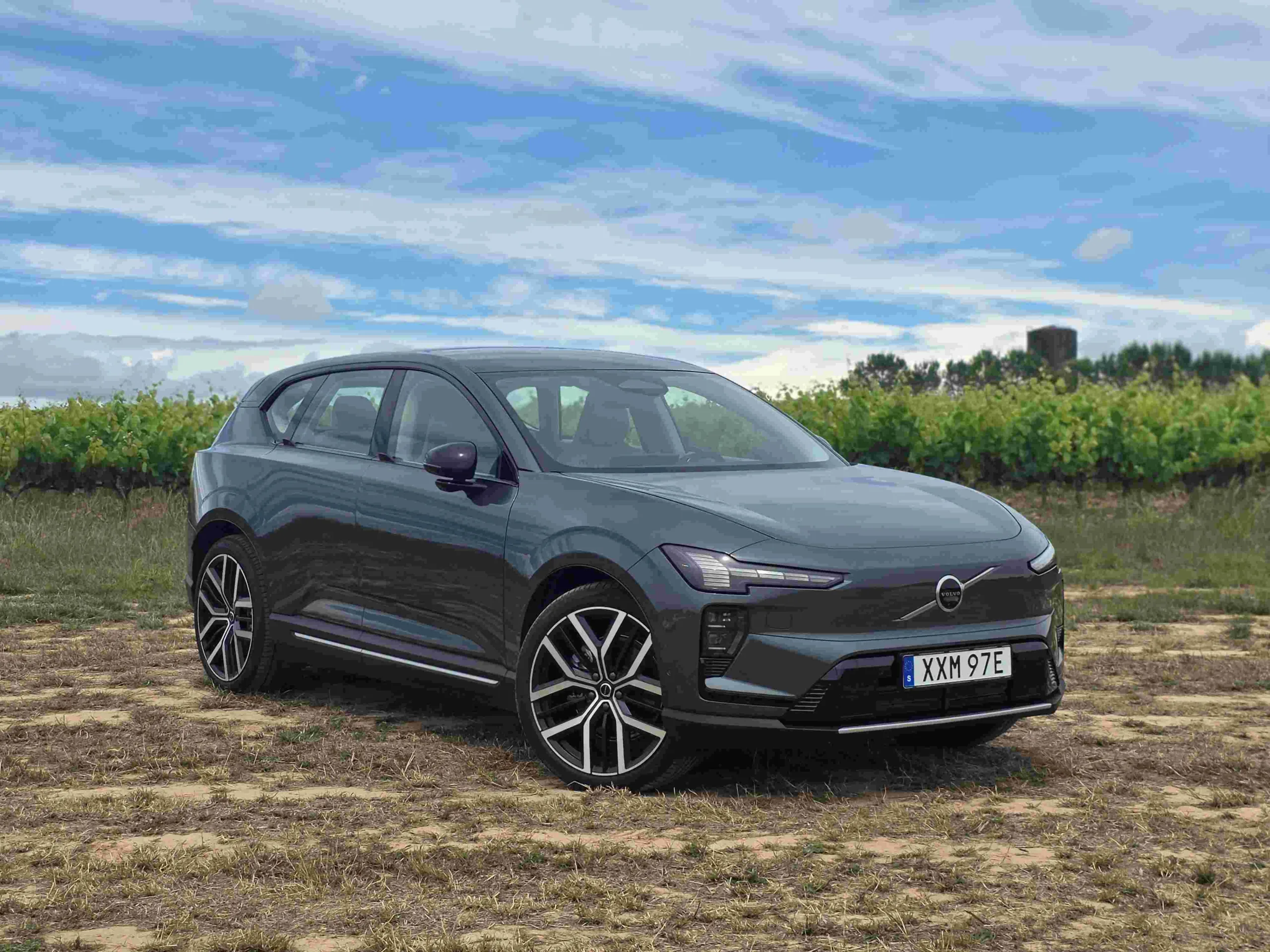
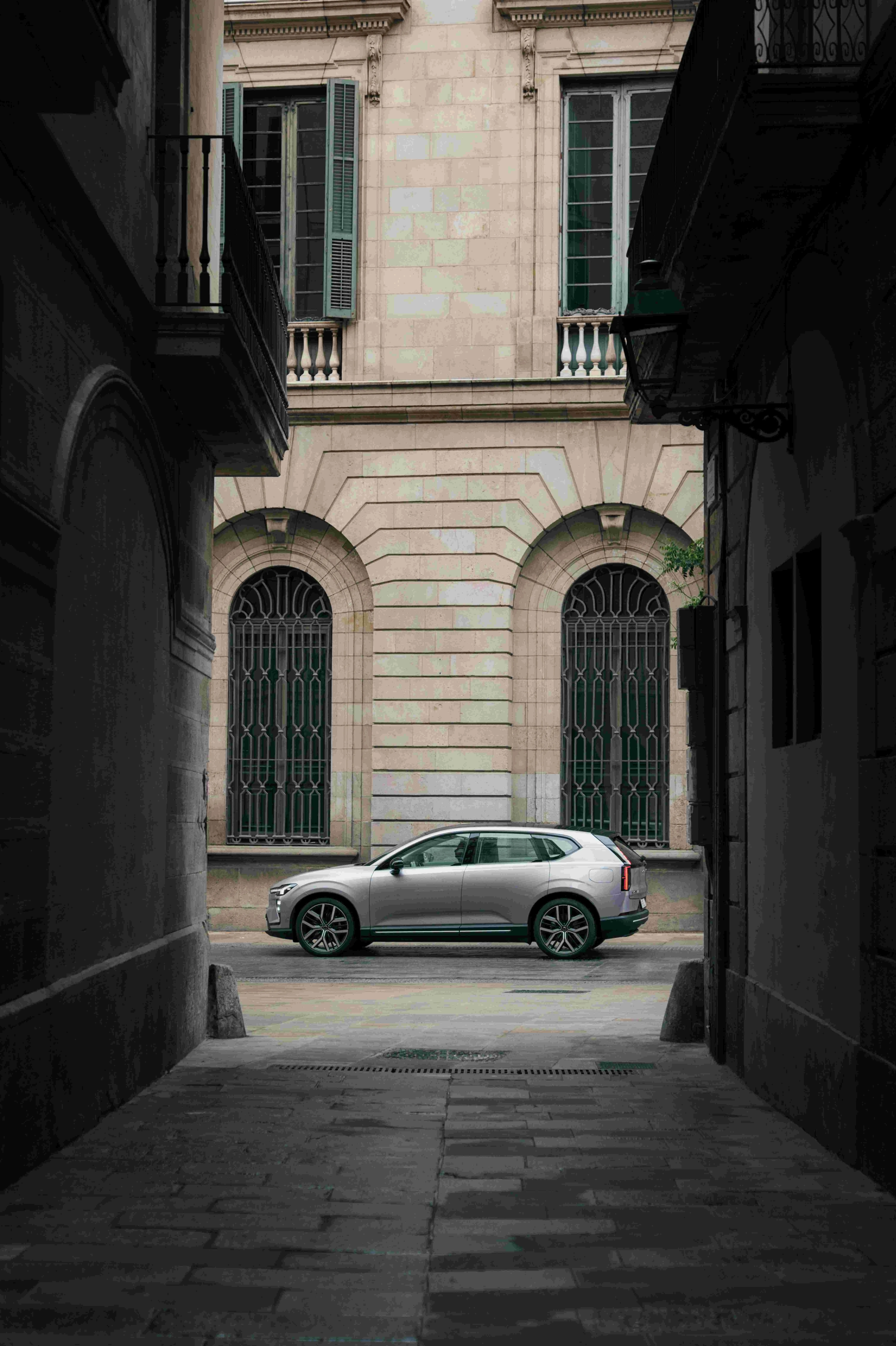
Cruising through the city, the EX60 felt compact enough to thread through traffic comfortably, despite being a mid-sized SUV. Then out on the flowing Catalonian roads surrounding Barcelona, it suddenly transformed into something unexpectedly agile and confident. Volvo clearly didn’t want this to be another soft, floaty EV blob.
Exterior Design – Swedish Minimalism Meets Aerodynamics
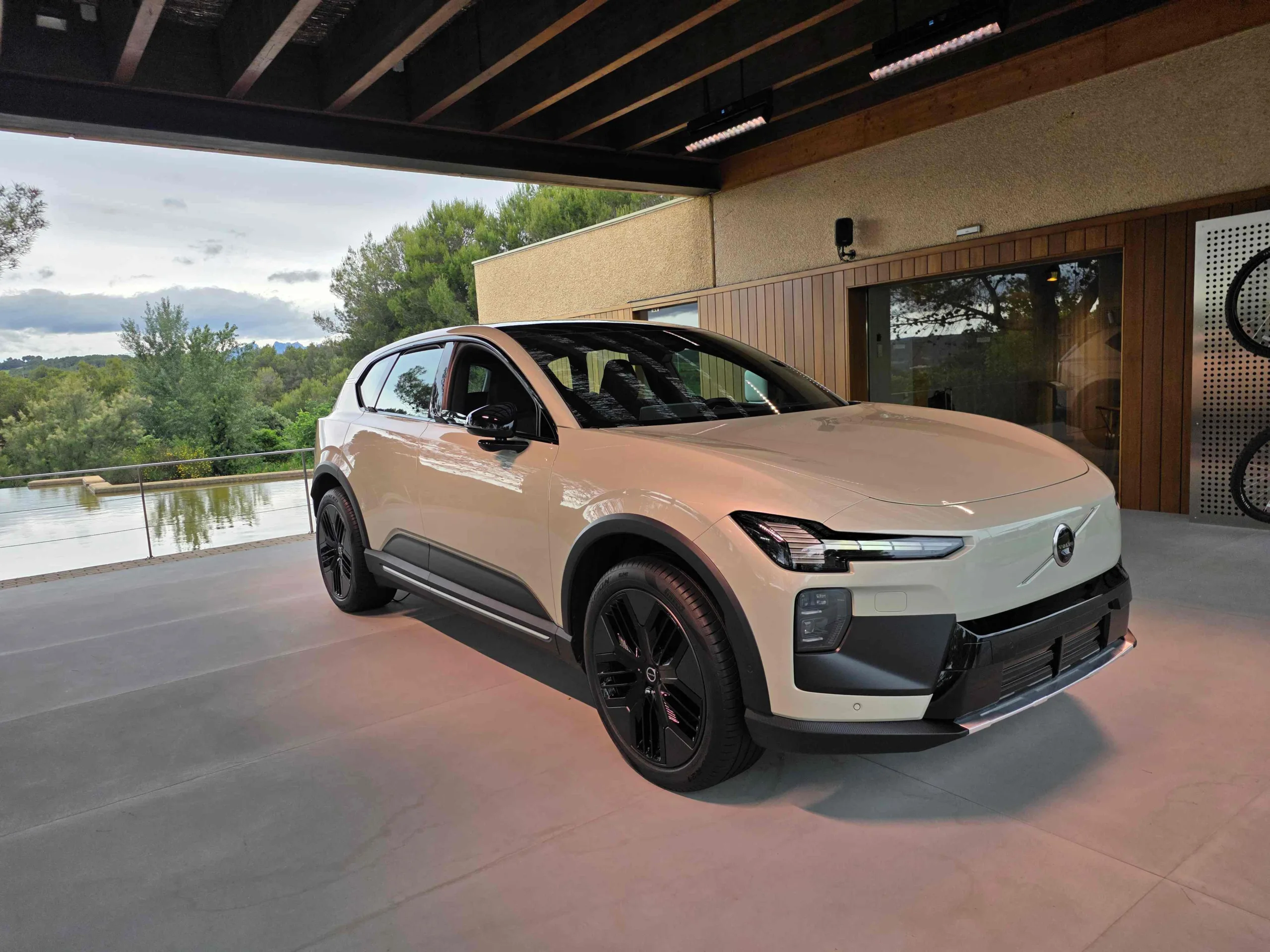
The EX60 immediately looks cleaner and more sophisticated than many rivals. Volvo has resisted the temptation to make it overly futuristic or aggressive. Instead, it’s understated in that very Swedish way. It also happens to be slippery through the air, boasting a drag coefficient of just 0.26 Cd.
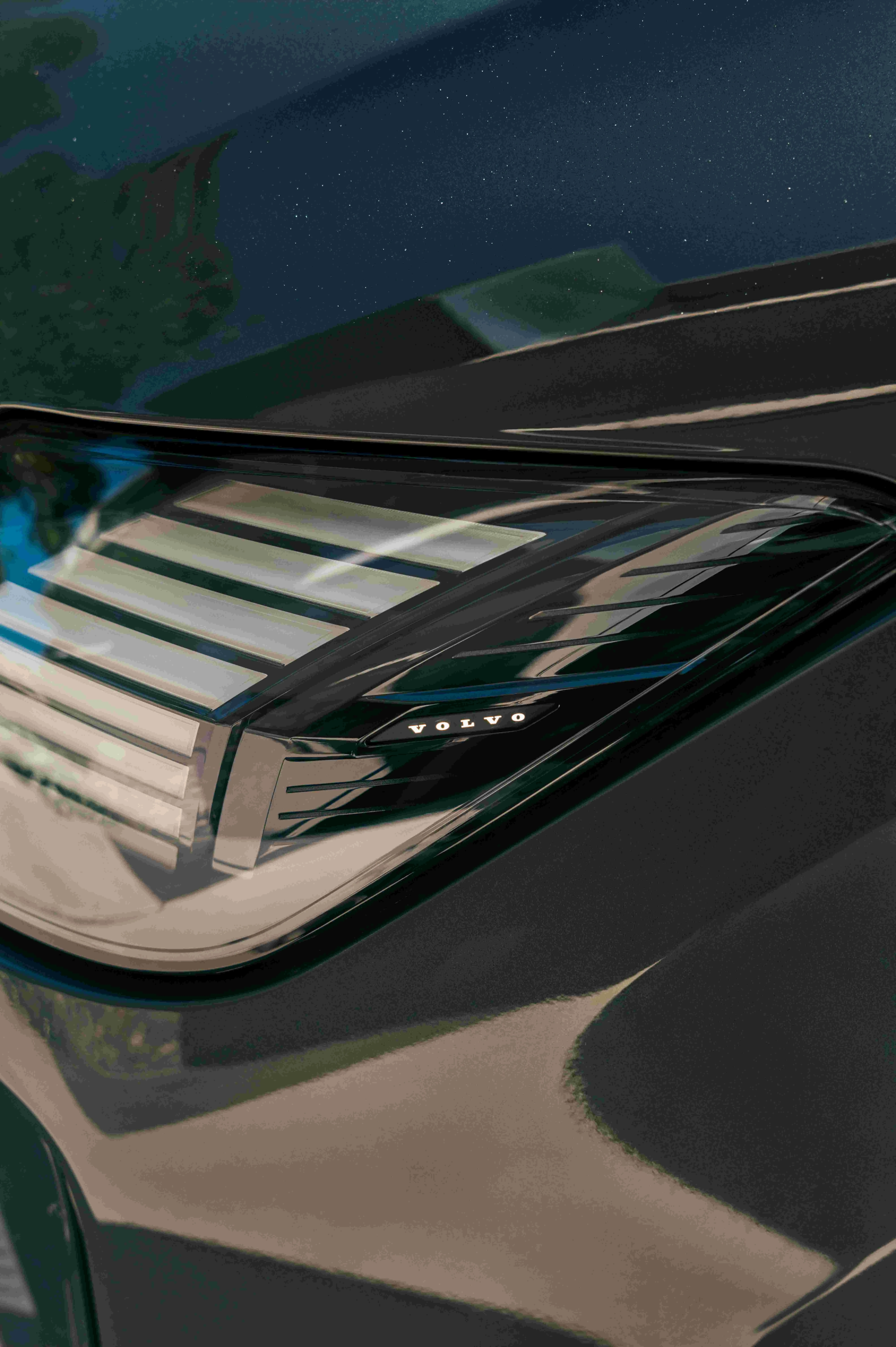
At the front, Volvo’s signature Thor’s Hammer lighting remains, but it’s sharper and more technical-looking now. Active shutters hidden in the grille open and close automatically to help cool or warm the battery pack depending on conditions. It’s clever aerodynamic thinking without screaming about it.
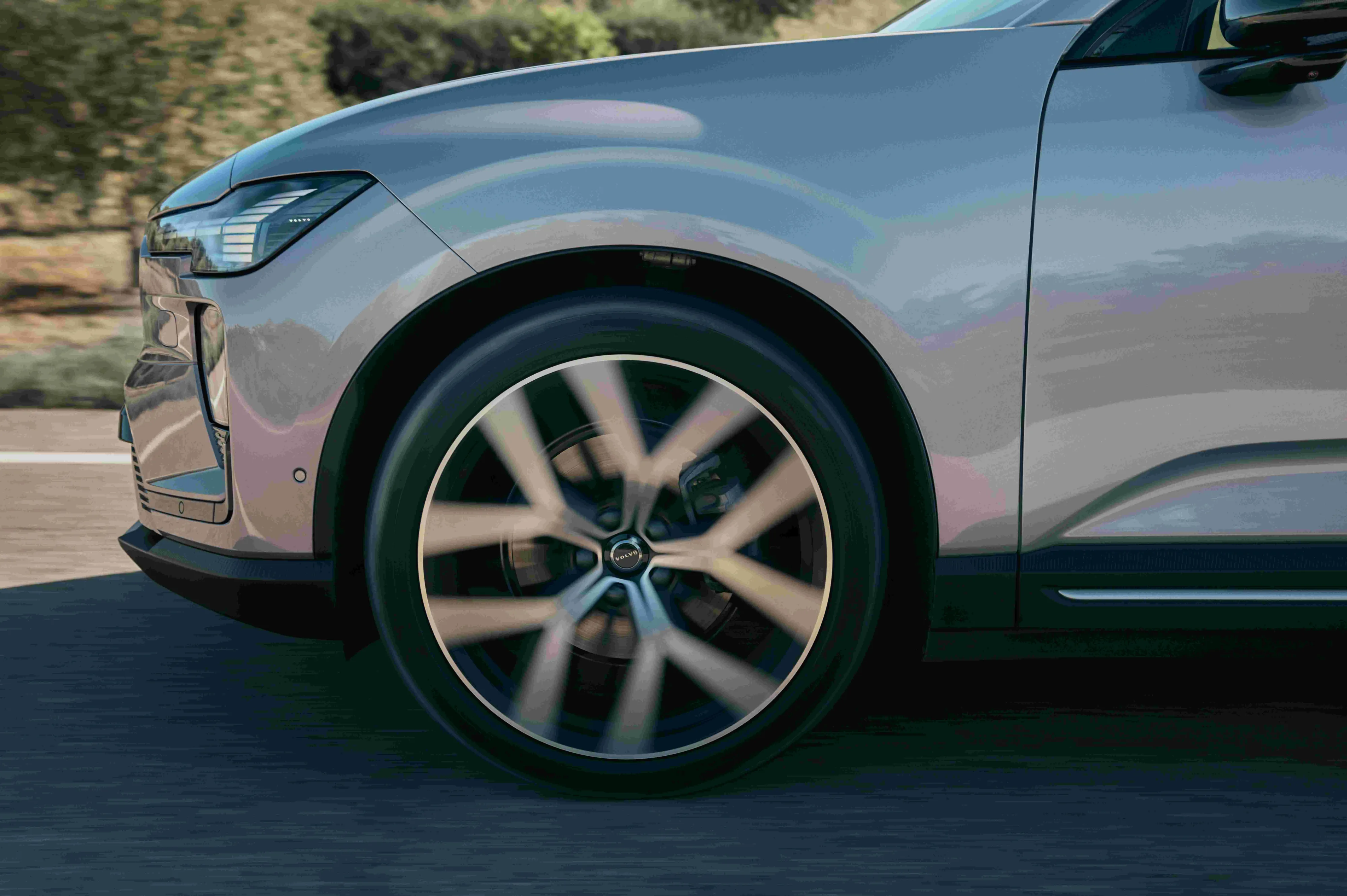
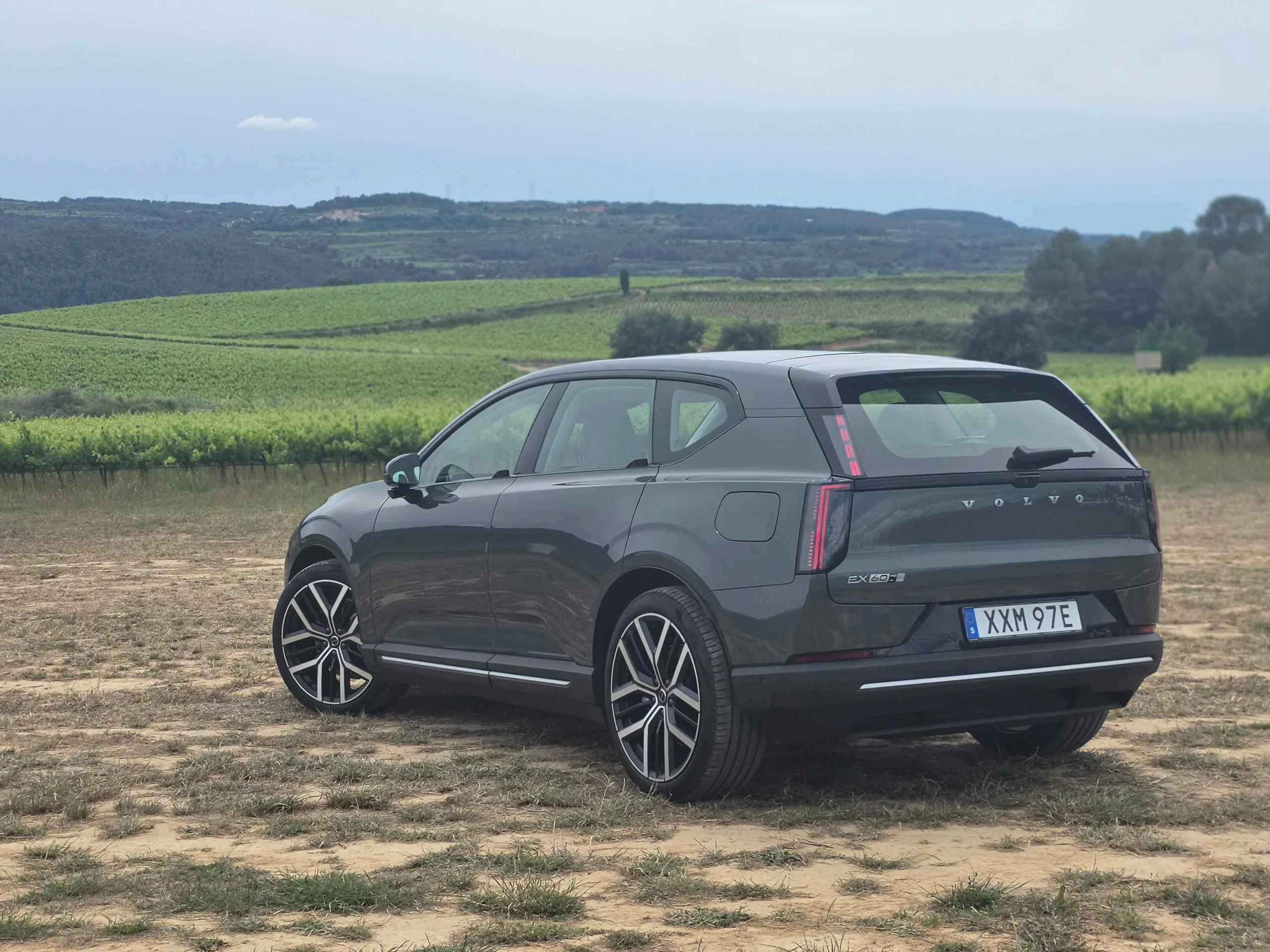
The ‘Ultra’ spec cars we drove (in both P6 and P10 form) rode on large 22-inch wheels that filled the arches beautifully without looking cartoonish. The rear design is particularly tidy too, with shapely LED taillights and a clean tailgate giving the EX60 a modern premium look.
Then there are the door handles. Or rather… wing-style grips. Instead of traditional pull handles, the EX60 uses elevated wing-like grips integrated into the bodywork. They certainly look futuristic, although in busy Barcelona traffic they occasionally tricked my brain into thinking another vehicle was sitting alongside me. I’m sure you’ll get used to them soon enough, but they are undeniably different.
A Practical EV That Thinks Ahead
Volvo has packed the EX60 with thoughtful practicality. Boot space is generous at 634 litres, expanding to 1,647 litres with the rear seats folded. Under the floor are dual storage compartments, including a removable tub complete with drainage plugs and waterproof bag storage. That’s peak Scandinavian practicality right there.
There’s also a 58-litre front trunk under the bonnet, ideal for charging cables and smaller bags. It all feels incredibly usable rather than gimmicky.
Interior – One of the Best Modern Cabins Around
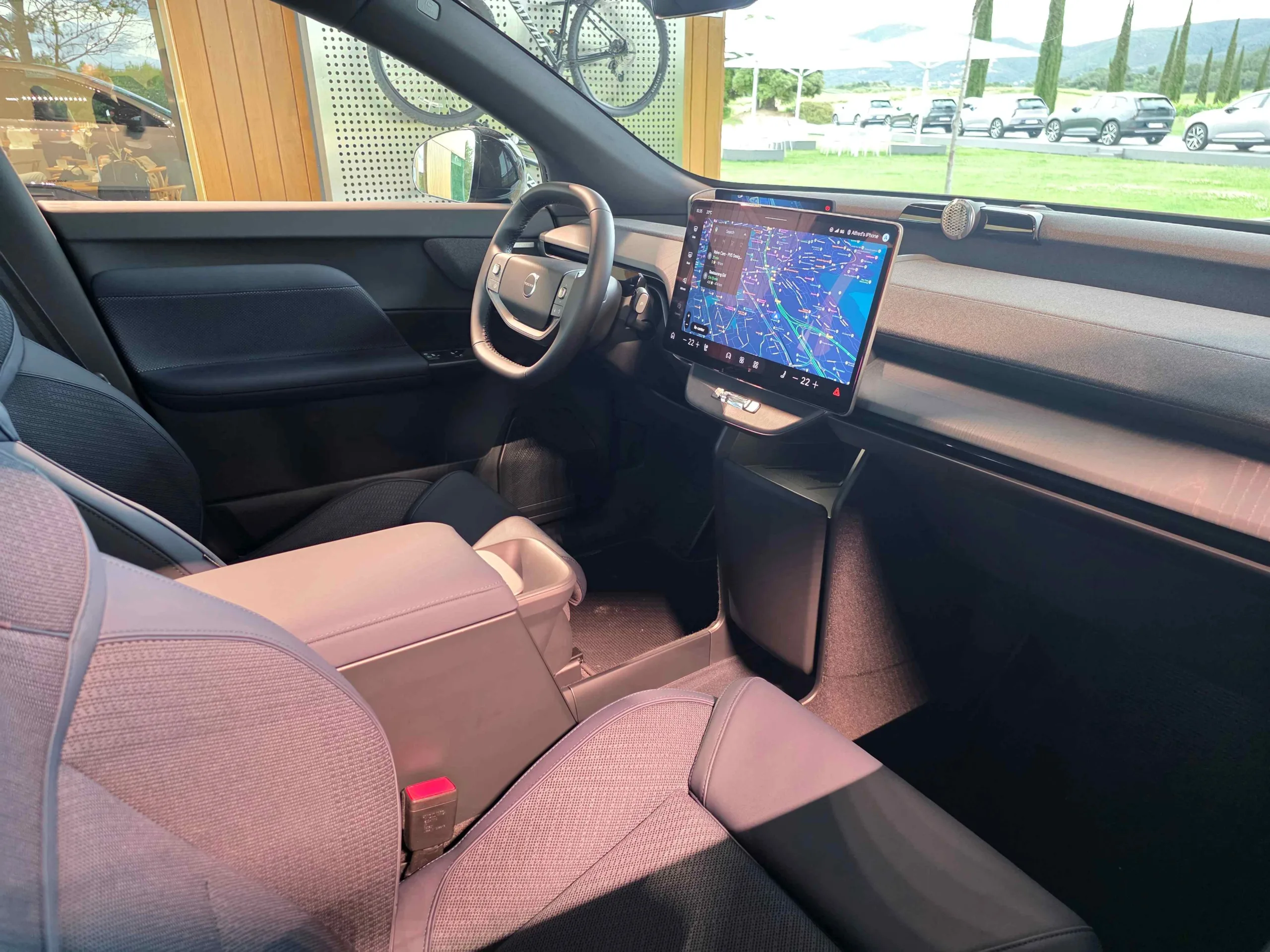
The cabin is where the EX60 really begins flexing. It’s absolutely stunning inside. Volvo continues to prove that minimalism does not have to mean sterile. The mix of recycled textiles, FSC-certified wood and soft-touch materials creates a warm, calming environment that feels genuinely premium. And importantly, premium in a modern way.
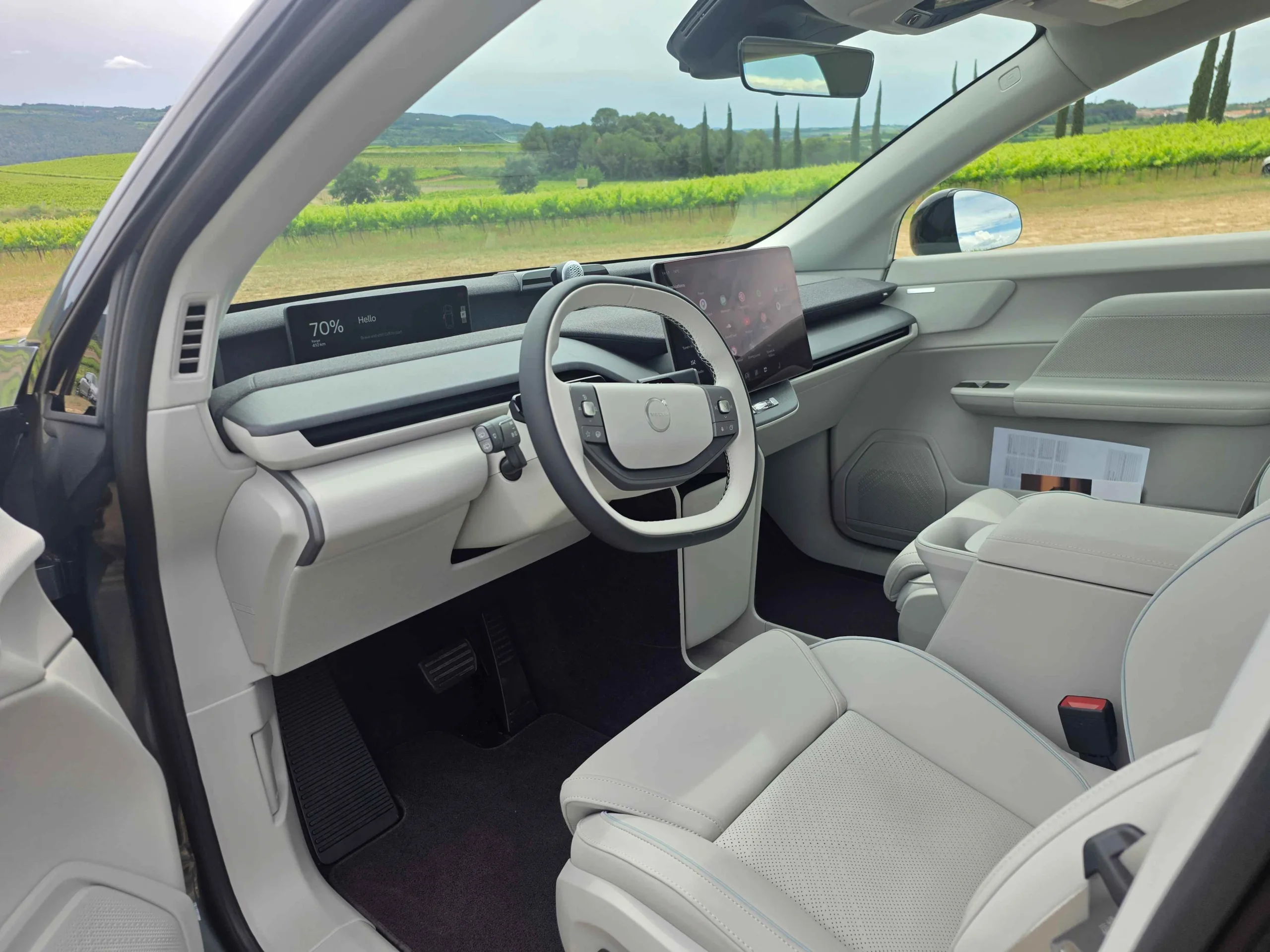
The dashboard design is beautifully clean, centred around a huge 15-inch infotainment display alongside an 11-inch digital instrument cluster recessed deep into the dash. The setup almost mimics a head-up display effect.
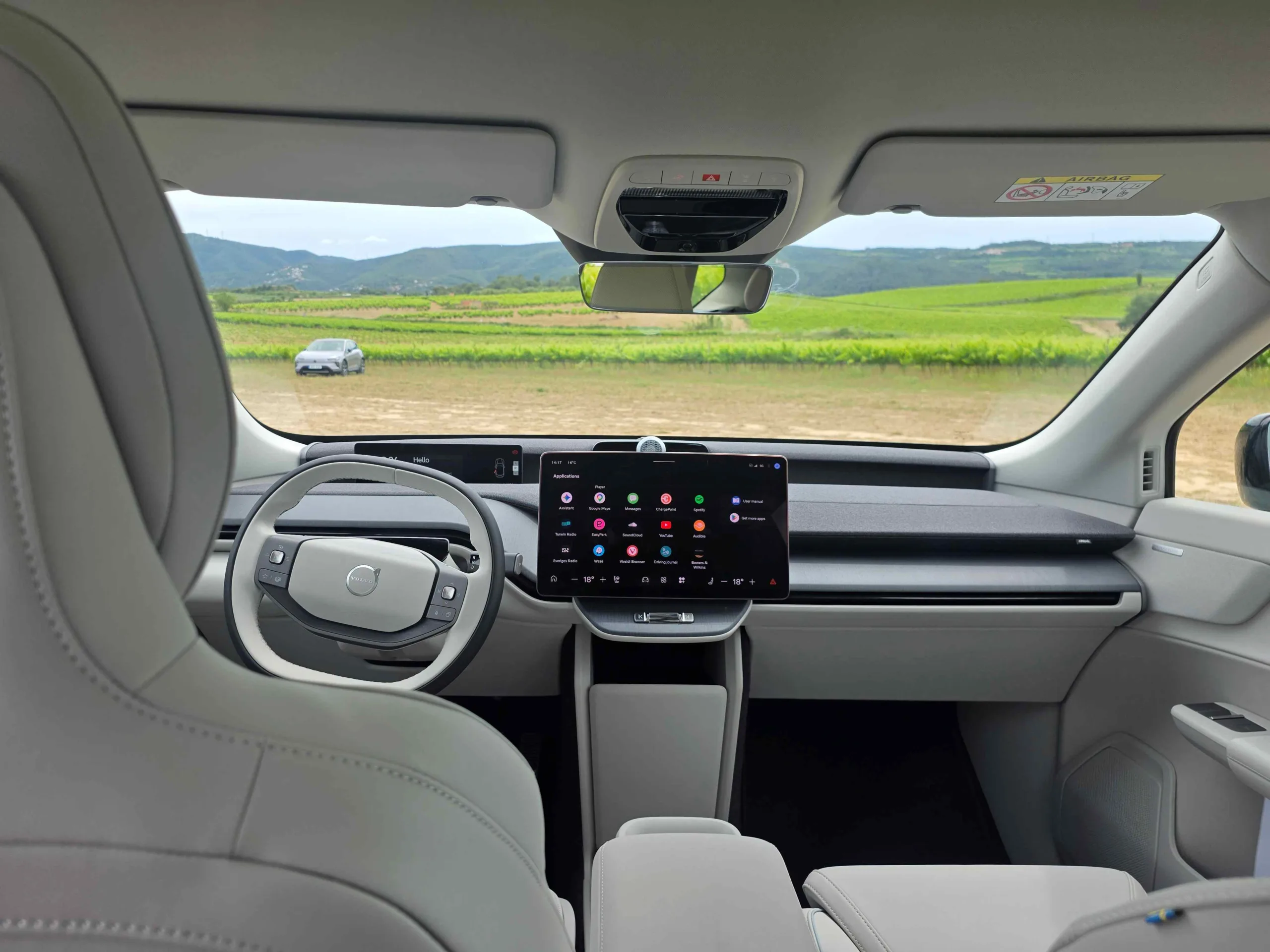
The panoramic electrochromic glass roof is another standout feature. At the press of a button, it changes from transparent to translucent, helping manage sunlight and cabin temperature without needing a physical blind. It’s one of those features that feels properly luxurious.
The Ultra specification cars also came fitted with a phenomenal 28-speaker sound system, complete with speakers integrated into the headrests. Cruising through Spain listening to 80s tunes felt borderline cinematic.
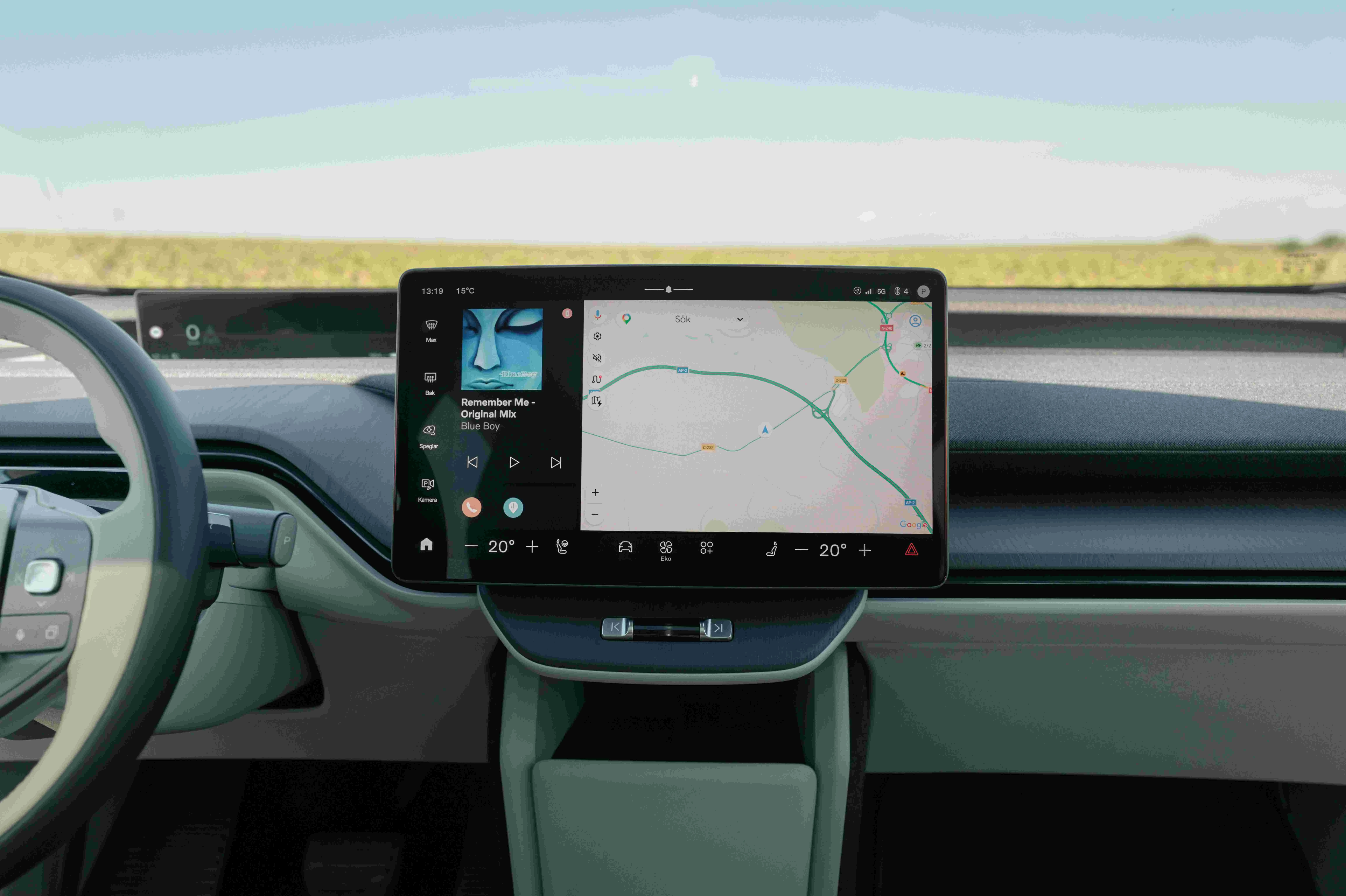
Volvo’s software game has also stepped up massively. This is what the brand calls a “software-defined vehicle”, powered by a new ‘HuginCore’ computing system, it’s Volvo’s second-generation, in-house developed core computing architecture and AI super-brain. It processes over 250 trillion operations per second to power advanced driver-assistance systems. And with Google Gemini integration it means you can now genuinely converse with the car naturally rather than barking robotic commands at it. Need navigation, Cabin heating, Open a window, It’ll handle it conversationally.
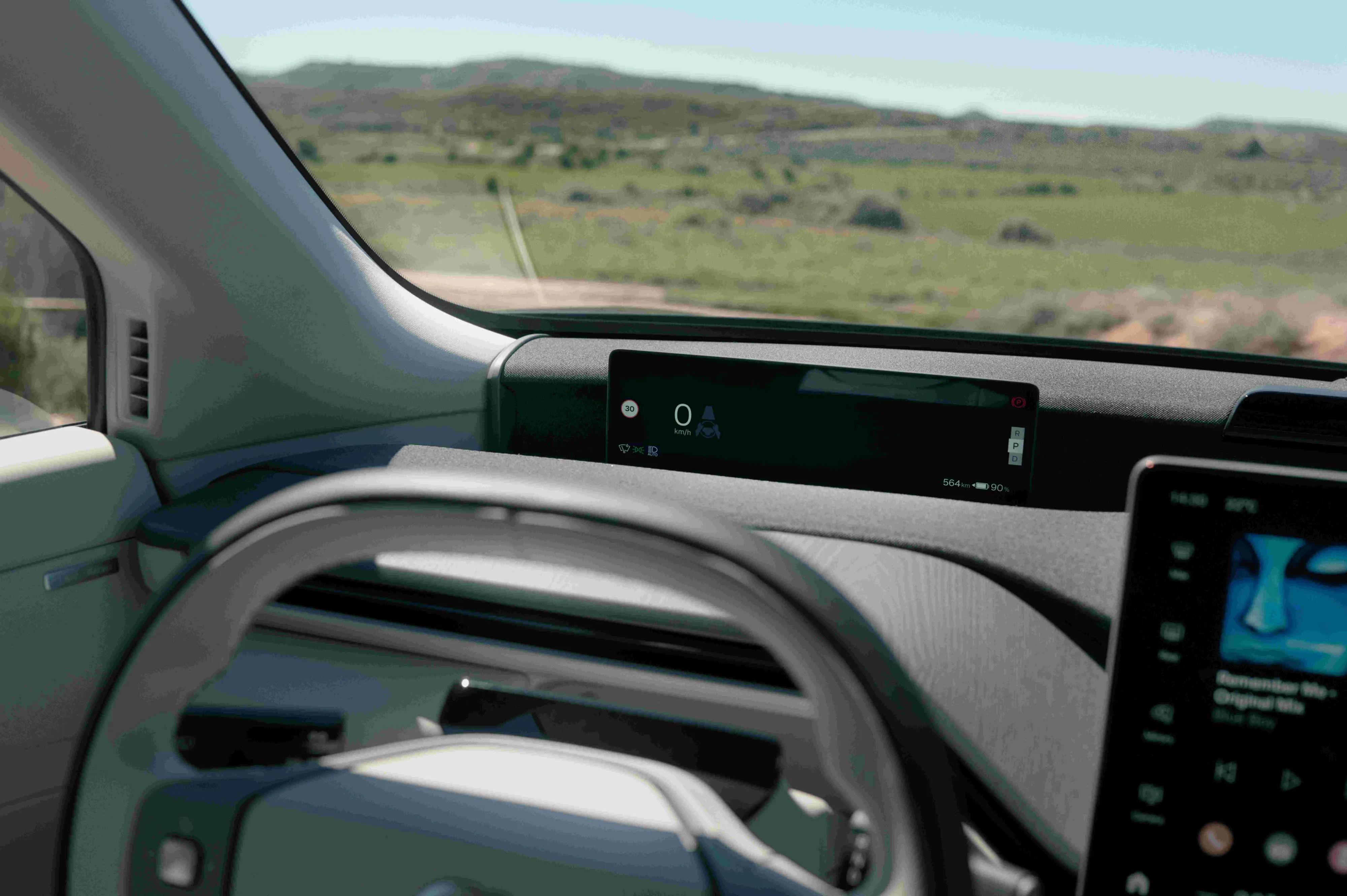
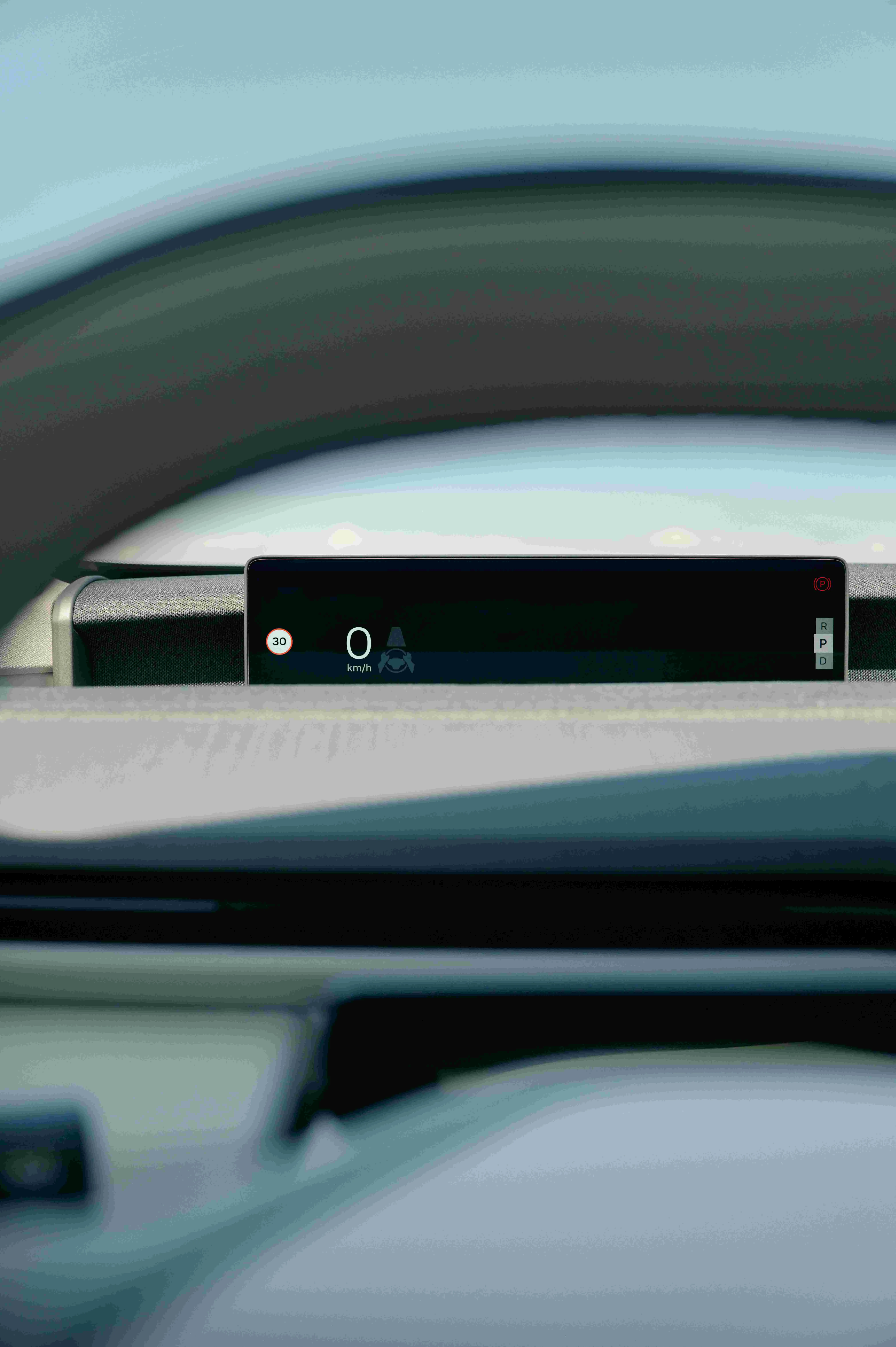
That said, not everything is perfect. Volvo has moved many traditional controls (including mirror and steering wheel adjustments) into the touchscreen. It works, but physical buttons would still be easier in some situations.
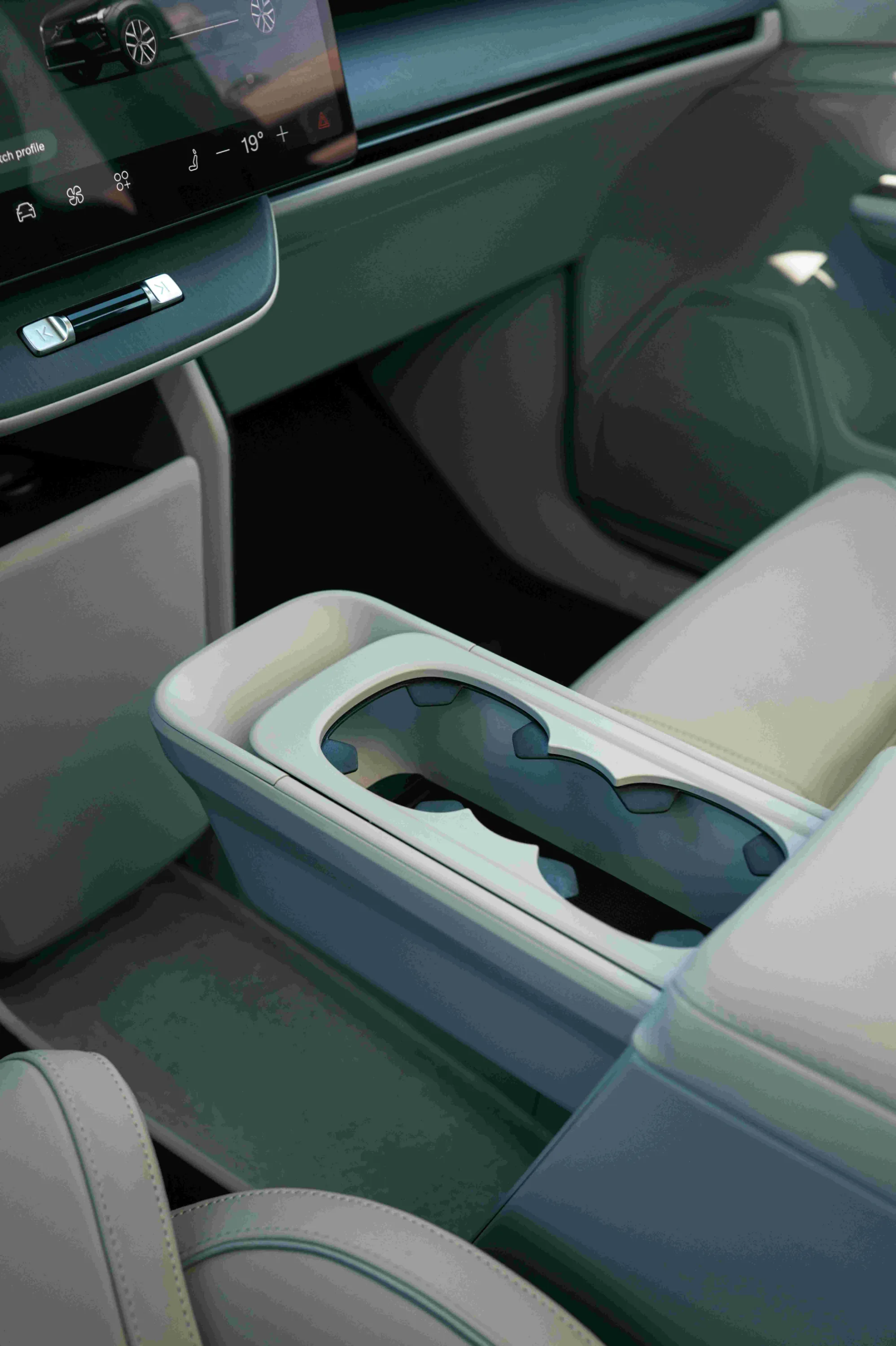
And the unusual strip-style interior door handles take some familiarisation too.
Powertrains – Fast, Faster and Ridiculous
Like I said earlier, although the P12 and Cross Country are ‘on their way’, we drove both the P6 and P10 variants.
P6 — The Sensible Athlete
The entry-level P6 is rear-wheel drive (RWD) and uses a single motor producing:
- 275kW/480Nm
- 0-100km/h in 5.9 seconds
- 83kWh battery
- Up to 611km range
Frankly, “entry-level” undersells it massively. A sub-six-second sprint time means this thing is already genuinely quick. In fact, it feels closer to hot hatch territory than family SUV territory.
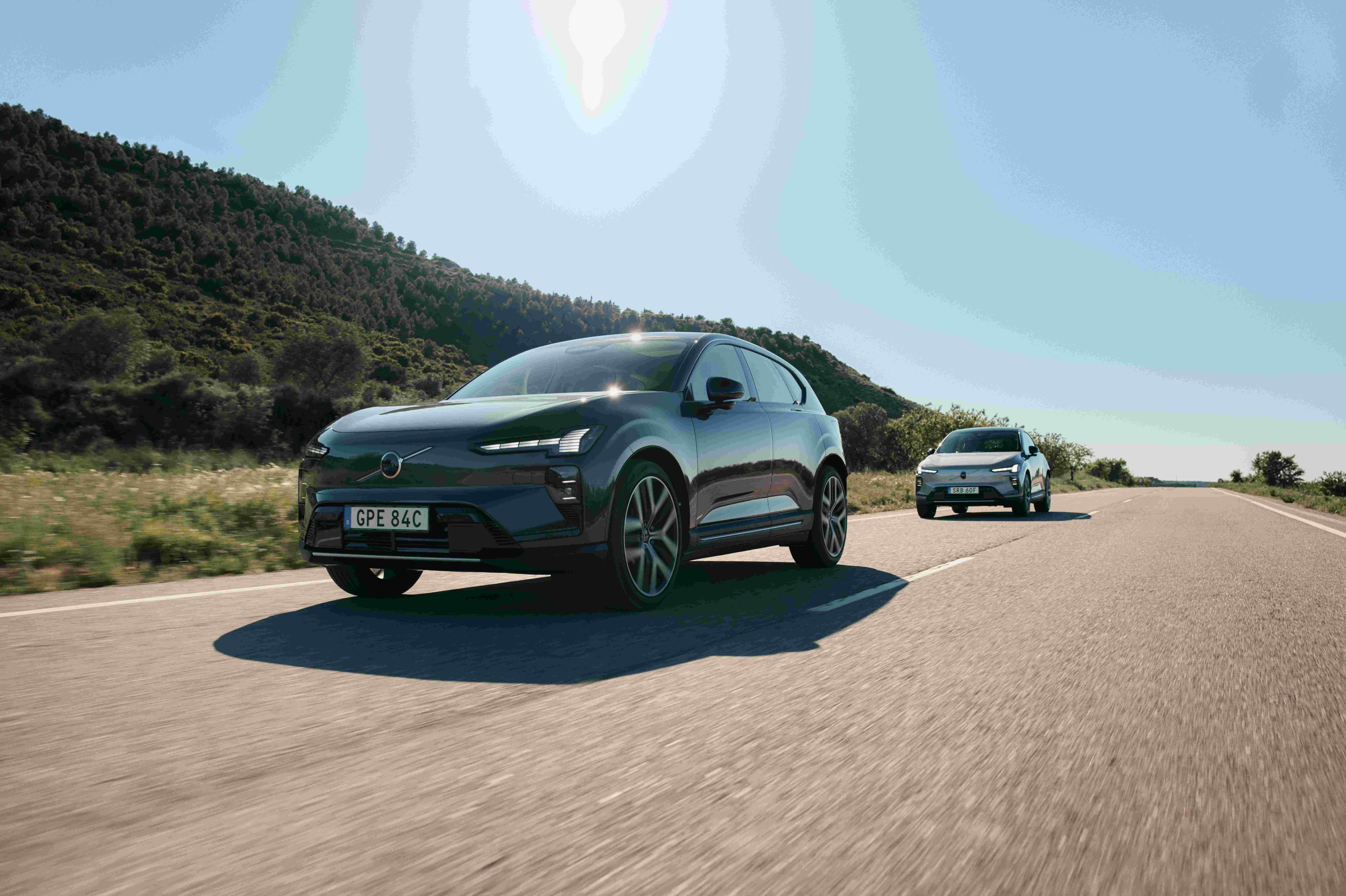
The P6 uses mechanical frequency selective dampers rather than the adaptive setup found in the P10, but Volvo has nailed the balance beautifully. Ride quality is composed and comfortable while still offering enough body control to enjoy Barcelona’s winding roads.
It feels neutral, predictable and confidence inspiring. There’s no drama here, just smooth, effortless speed delivered with a sense of calm competence.
P10 — The One You Really Want
Then there’s the P10. And this is where things get spicy.
The dual-motor all-wheel-drive (AWD) setup produces:
- 375kW/710Nm
- 0-100km/h in 4.6 seconds
- 95kWh battery
- Up to 660km range
That’s serious performance. The P10 also gains adaptive dampers that adjust up to 500 times per second, along with configurable suspension settings ranging from soft to firm.
Out on the mountain roads surrounding Barcelona, the difference was obvious. The P10 feels sharper, more planted and significantly more eager to attack corners. Body rigidity has improved dramatically thanks to Volvo’s new SPA3 platform and massive one-piece rear aluminium mega-casting structure.
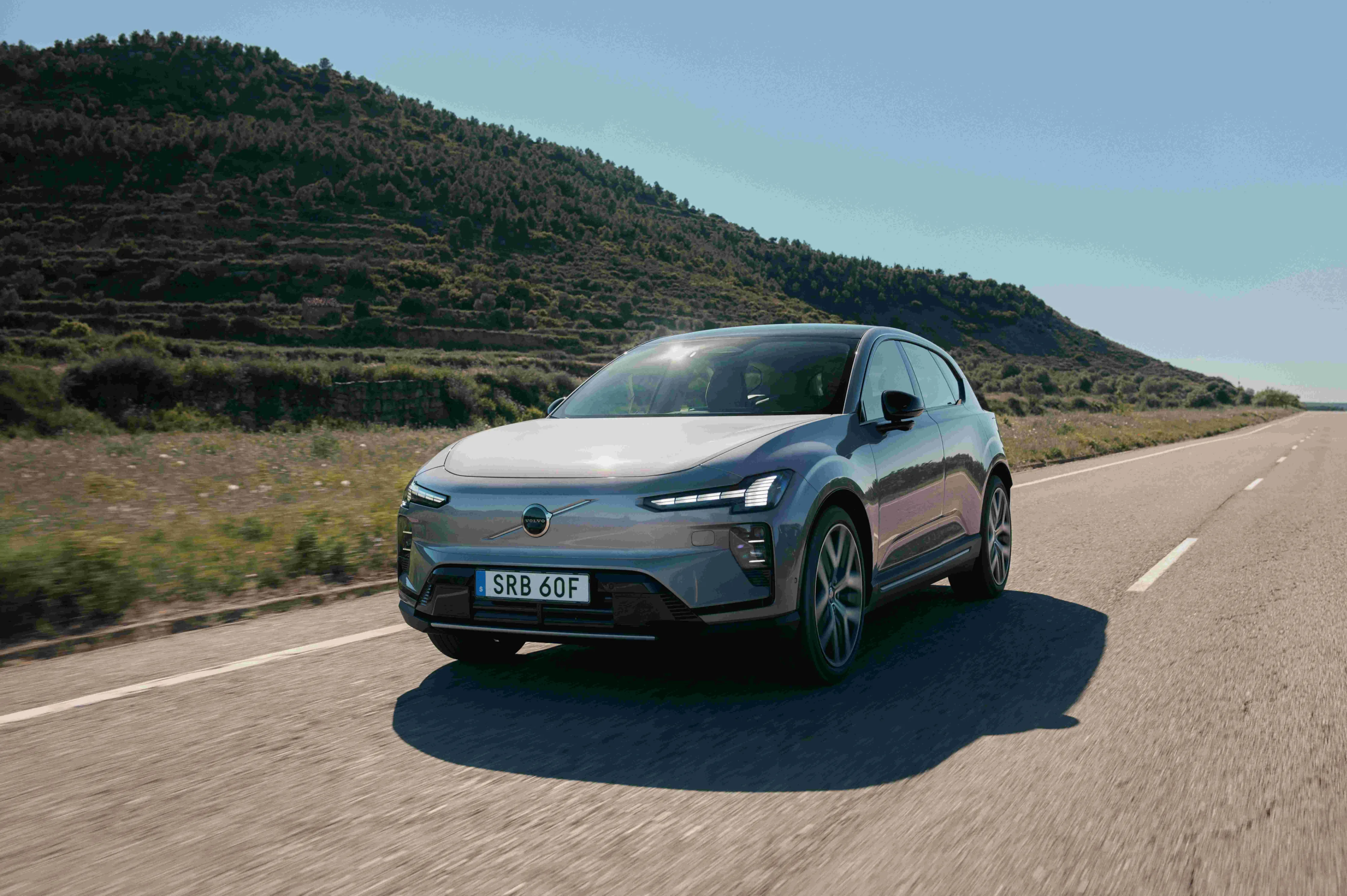
In simple terms, it feels incredibly stiff and solid. That translates into excellent cornering confidence. You can throw the EX60 into bends with surprising enthusiasm and it simply grips and goes. The smaller steering wheel also helps make the car feel more responsive and agile.
Yet despite all this newfound athleticism, it still behaves like a Volvo on the motorway, quiet, smooth and deeply relaxing.
Range and Charging – Long-Distance Friendly
Volvo appears to understand that range anxiety isn’t solved purely by bigger batteries anymore. Charging speed matters too.
The P6 can DC fast charge at up to 320kW, while the P10 supports an enormous 370kW charging rate. This all translates to 10-80% charging times of a shade over 15 minutes. That’s properly rapid.
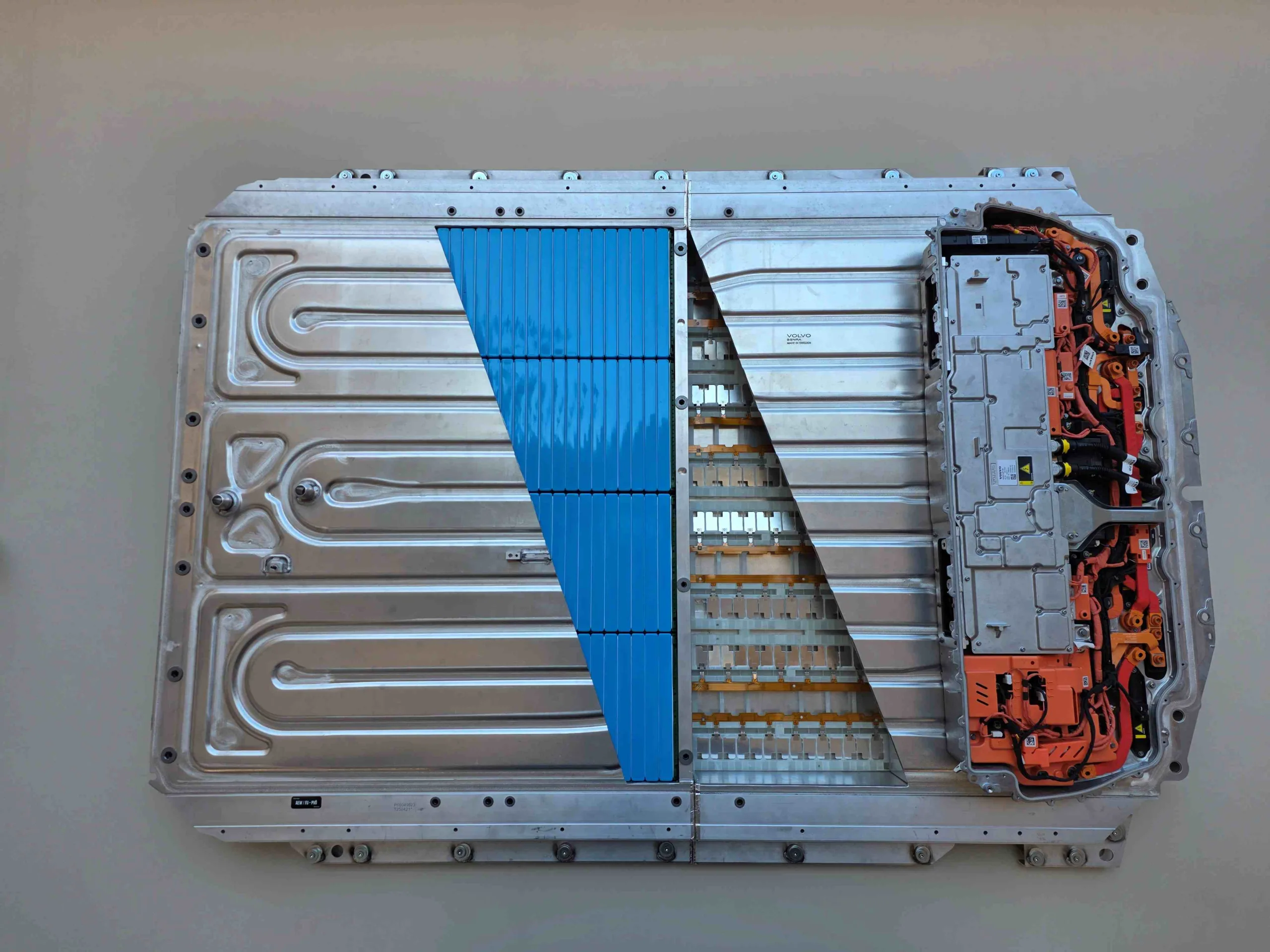
And with real-world ranges of 611km and 660km respectively, both versions should comfortably handle long-distance touring duties.
At one stage, sitting at 86 percent charge in the P10, the car showed around 550km remaining, enough to casually drive from Barcelona into France and back without stress. That’s the kind of EV usability people actually care about.
Driving Impressions – Still a Volvo, But Different
What surprised me most about the EX60 was how much personality it now has. Traditionally, Volvos have excelled at comfort, safety and calmness. The EX60 still delivers all of those things brilliantly, but now there’s genuine driver engagement too.
The P10 especially feels eager. Fast steering. Excellent body control. Huge acceleration. Strong grip. It genuinely encourages spirited driving. Yet it never becomes tiring or overly aggressive.
The safety systems also deserve praise for not being overly intrusive. Many modern cars constantly beep and shout at you. The EX60 largely avoids that nonsense, quietly informing rather than scolding.

And while on the matter of safety, the new EX60 is the first in the world to feature Volvo’s latest evolution of the seat belt, it’s now ‘multi-adaptive’. It uses data input from interior and exterior sensors to customise protection, adapting the setting based on the situation and individual’s profiles, such as their height, weight, body shape and seating position. The result is a better, personalised and therefore safer seat belt.
Visibility is mostly excellent too, although the thick A-pillars can occasionally obscure tighter corners on mountain roads. Still, these are relatively minor criticisms in an otherwise deeply polished package.
Tarmac Takeaway
The EX60 (in whatever guise) feels like a major turning point for Volvo. It’s smarter, sharper and more dynamically capable than many people will expect. The technology is genuinely useful, the cabin is superbly executed, and the driving experience (particularly in P10 form) is genuinely thrilling.
The P6 will likely satisfy most people perfectly with its excellent balance of comfort, speed and range. But for me, the P10 is the standout. It combines serious EV performance with remarkable refinement and unexpectedly entertaining handling. On the roads around Barcelona, it felt every bit like Volvo stepping confidently into a new era.
I for one, can’t wait for the P12!