Toyota’s first electric Hilux swaps diesel clatter for near-silent torque, but real-world range means it’s currently a very niche ute.
For as long as I can remember, the ute wars in New Zealand have been a bit of a duopoly, with the Toyota Hilux and a certain blue oval product duking it out for supremacy. So when Ford recently added a plug to its line-up (and the influx of Chinese offerings joined the fray) it seemed inevitable that Toyota would ring to say they’d swapped the diesel for a battery and ‘would I like to test it out?’
The Toyota Hilux SR BEV is the dual cab, mid-spec model sitting in a very short (for now) electric line-up of just three variants, compared to the ten-odd flavours you can currently get the diesel in.
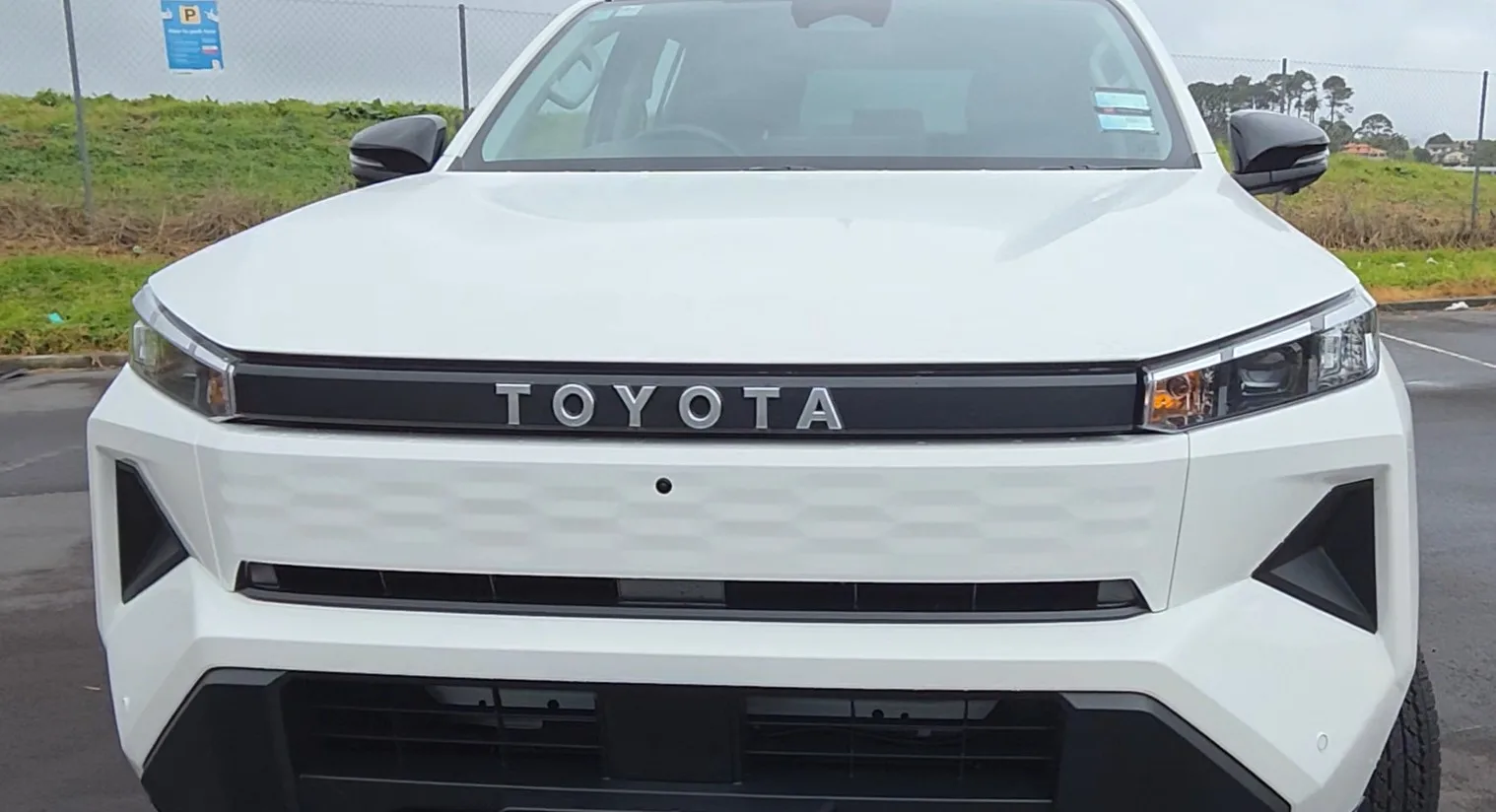
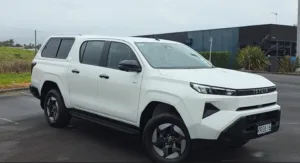
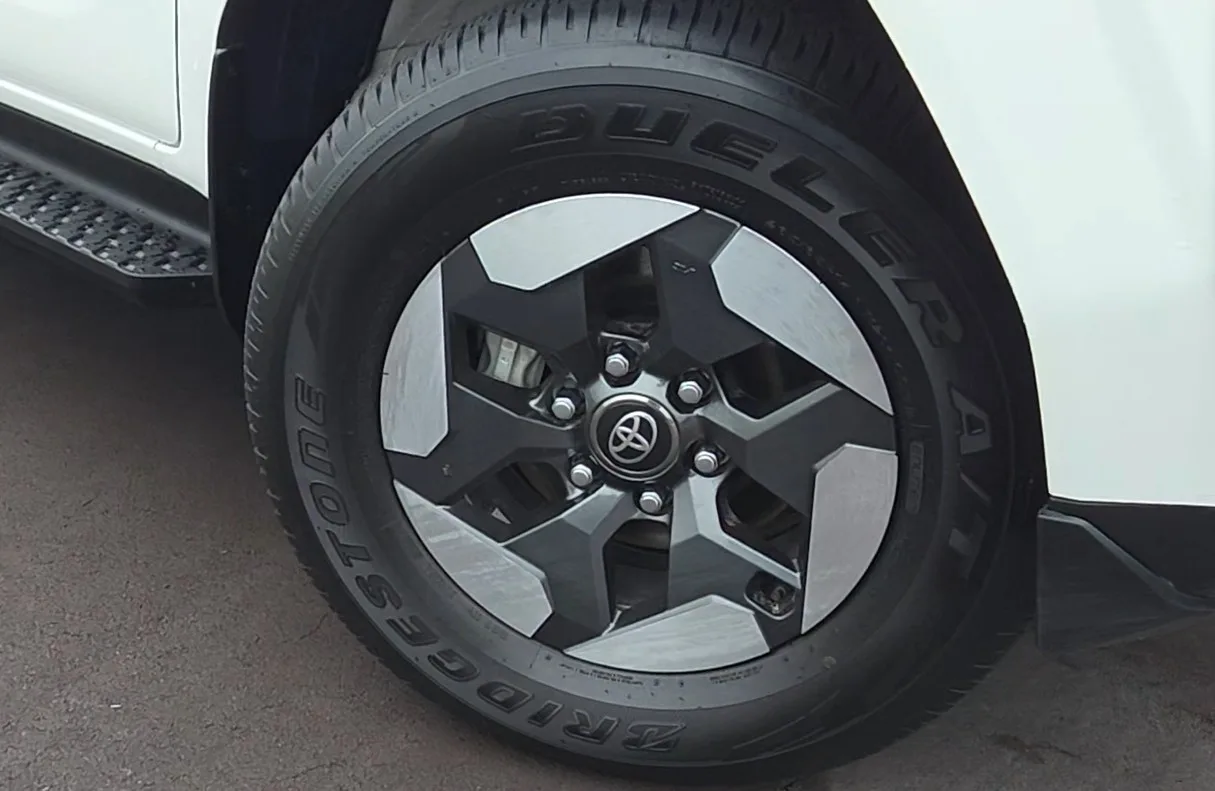
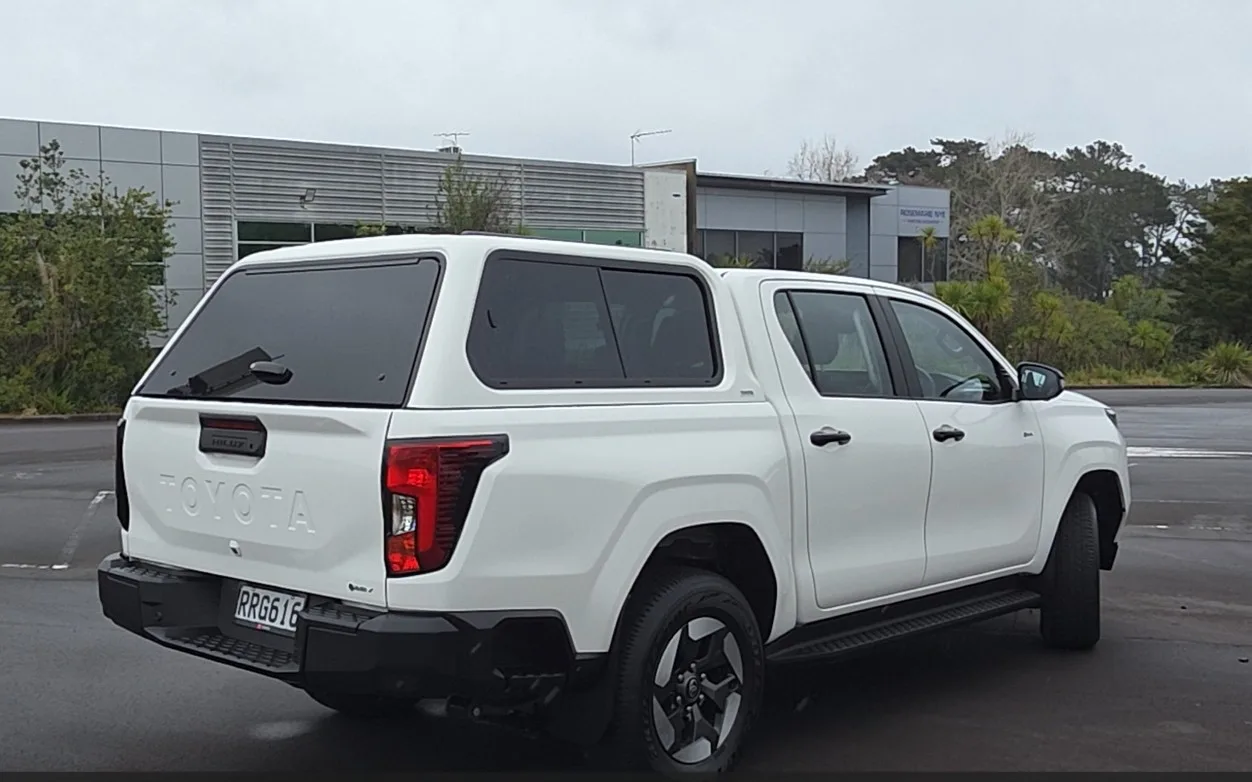
Park it next to a diesel Hilux and you’d genuinely need the badge to tell them apart. The SR BEV wears essentially the same nose, the same stance, the same familiar profile that’s practically wallpaper on New Zealand building sites and boat ramps. The giveaway, if you’re paying attention, is a set of slightly more flush 17-inch wheels, shaped that way purely to help the aero (every bit counts when a battery, not a fuel tank, is doing the work). Oh and the lack of a tailpipe.
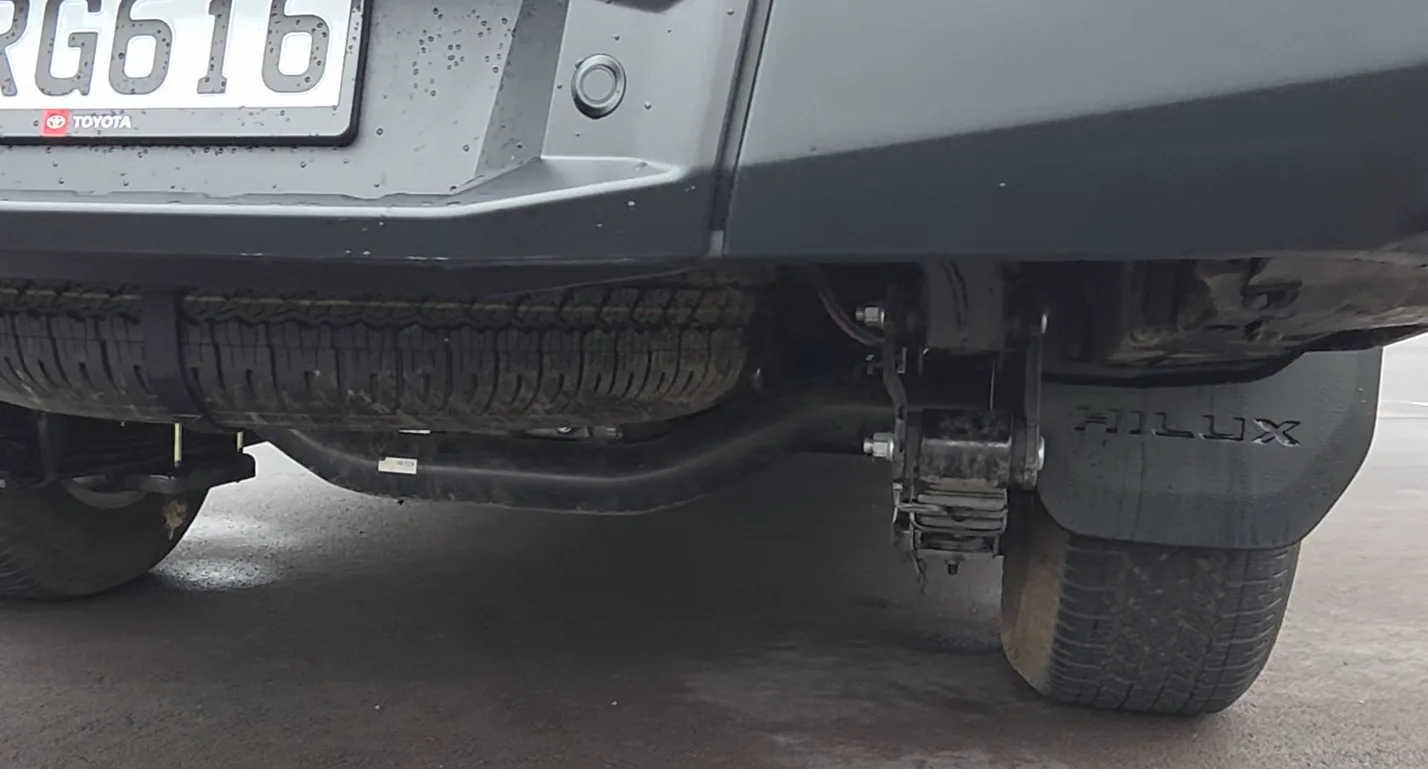
Badging aside, there’s very little here to signal to the neighbours that anything’s changed underneath, which, depending on your view, is either reassuring or a missed opportunity to show off.
Under the bonnet (kind of) sits a pair of electric motors producing 144kW combined, with 205Nm from the front motor and 268Nm from the rear, fed by a 59.2kWh battery. Towing capacity holds at a genuinely useful 2000kg and payload at 715kg, so on paper at least, this isn’t a Hilux that’s had its ute-ness surgically removed. However, Toyota claims a range of around 300km, though in the real world I’d pitch that closer to 200km, more on why that matters shortly.
Inside, the SR keeps things sensible rather than swish, cloth seats (you’ll need to step up to the SR5 for leather) wrapped around cabin plastics that are hard, scratchy and clearly built to survive a work boot or a wet dog rather than win design awards. It’s all logically laid out though, and with no chunky gear lever taking up real estate, (the selector’s been lifted straight from one of Toyota’s EV passenger cars) there’s noticeably more room around the driver’s knees than you’d expect.
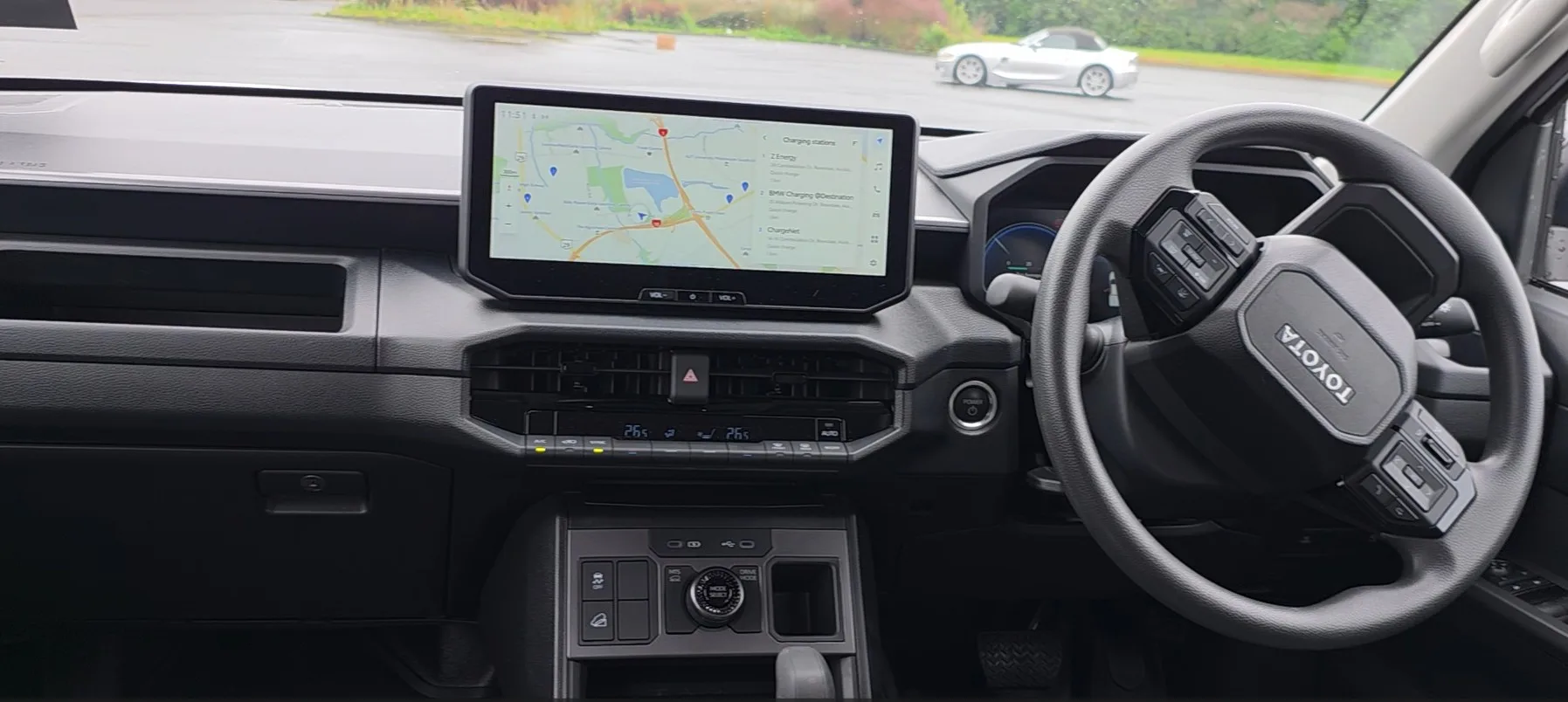
The screens are modern and quick to use, thankfully still backed up by physical buttons for the things you actually want to touch while driving, though the steering wheel itself is busy enough with switchgear that it takes a minute to find your bearings.
During my time with the Hilux SR BEV, the biggest surprise wasn’t how it drove but how it didn’t sound. There’s none of the diesel clatter that’s been part of the Hilux experience since forever, just silence and a genuinely quick step-off thanks to that instant torque. It’s quiet enough that you’ll creep well past 50km/h without realising it, which takes some getting used to when your ears have spent a lifetime tattling on your right foot.
The ride is a touch heavier than I expected, given the battery only adds a couple of hundred kilos over the diesel, but cornering feels secure and planted, likely helped by that battery sitting low in the chassis.
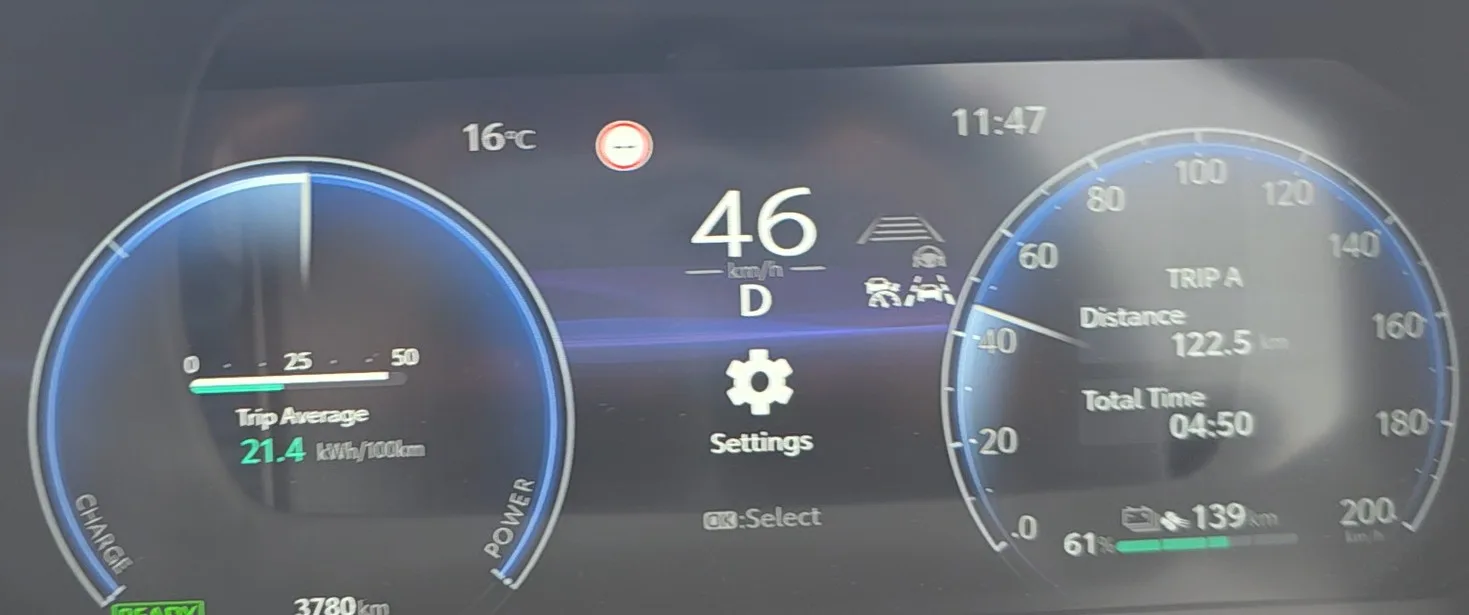
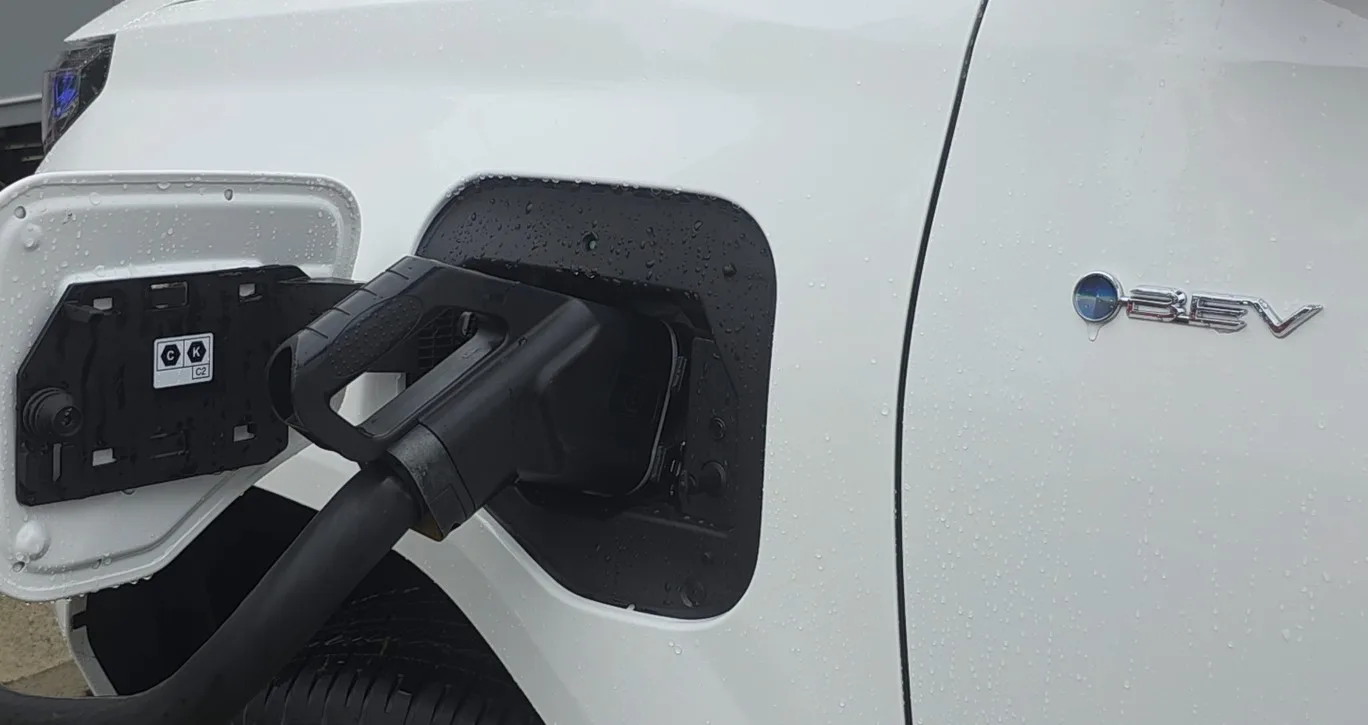
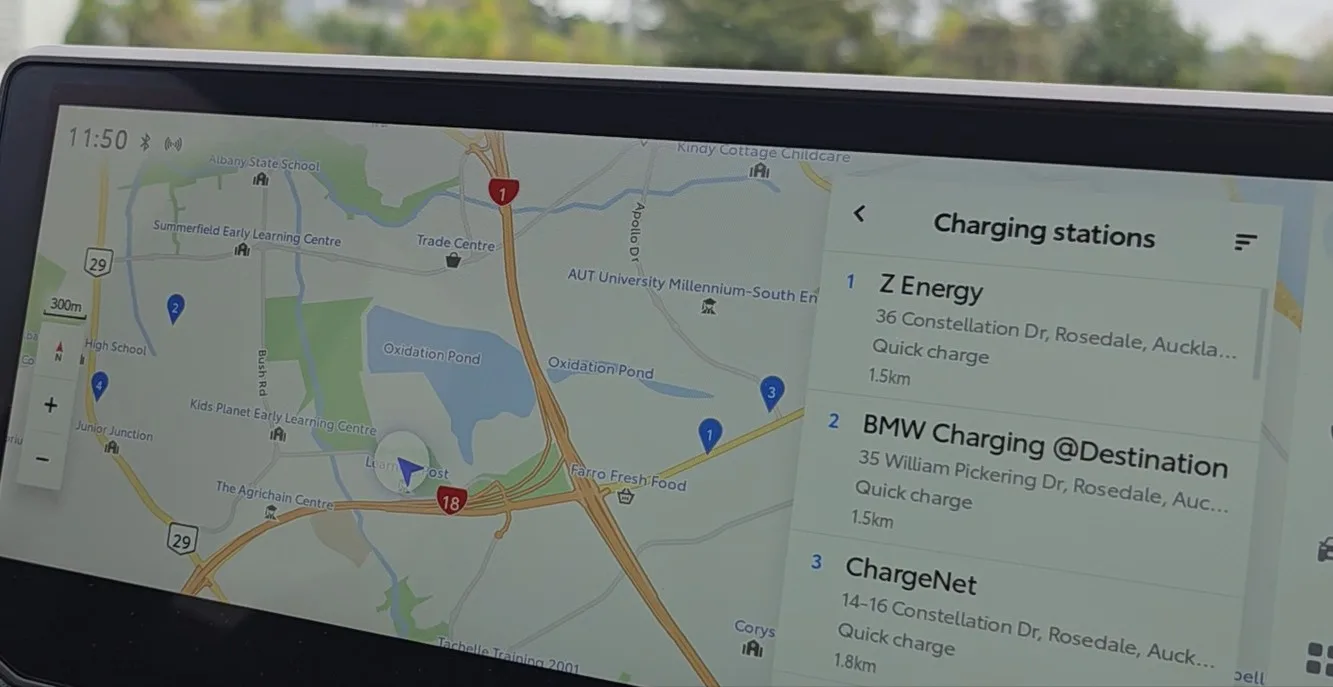
Off-road, it’s business as usual, the same drive modes, the same multi-terrain select, the same 700mm wading depth, so nothing’s been lost in translation there. But the elephant in the room, of course, is range. Where a diesel Hilux will comfortably knock out 700-800km on a tank, this one’s realistic figure sits closer to 200km, which means regular trips to the touchscreen hunting down the nearest charger rather than the nearest servo. On the upside, DC fast charging will take you from 10-80% in around half an hour, so you’re not stranded for long once you find a plug.
It’s a genuinely nice, quiet, comfortable thing to drive that can do most of what a regular Hilux does. It’s just that “most” is doing some heavy lifting when range is the deciding factor for a lot of ute buyers.
The $80k Pricing for New Zealand means that the SR BEV commands something like a $20,000 premium over its diesel equivalent, a number that’ll have some buyers doing sums on whether that premium is better spent here or on carbon credits, though fuel and servicing savings should claw some of it back over time.
Tarmac Takeaway
It’s zero tailpipe emissions in a body that still looks and mostly acts like the Hilux New Zealand keeps falling for, and for the right buyer (one who lives close to a charger and doesn’t need to chase the horizon) it’s a genuinely appealing option. For everyone else, it remains, for now, very much nice and niche.
You might also like: Great wide open – Toyota Hilux 4WD SR5 Cruiser Wide Track review · One for all – 2021 Toyota Hilux review · All-New Toyota RAV4 – NZ Launch and First Drive Review