Whenever I’m starting the write up for a car review, I try to put myself in the shoes of the person that’s likely to buy it. Sometimes, this is incredibly hard, as I can only LARP so much about the life of someone cross shopping 250k luxury vehicles, but some other times, I feel like the car was intended for one of my personas. The Subaru WRX Senko is absolutely one of the latter.
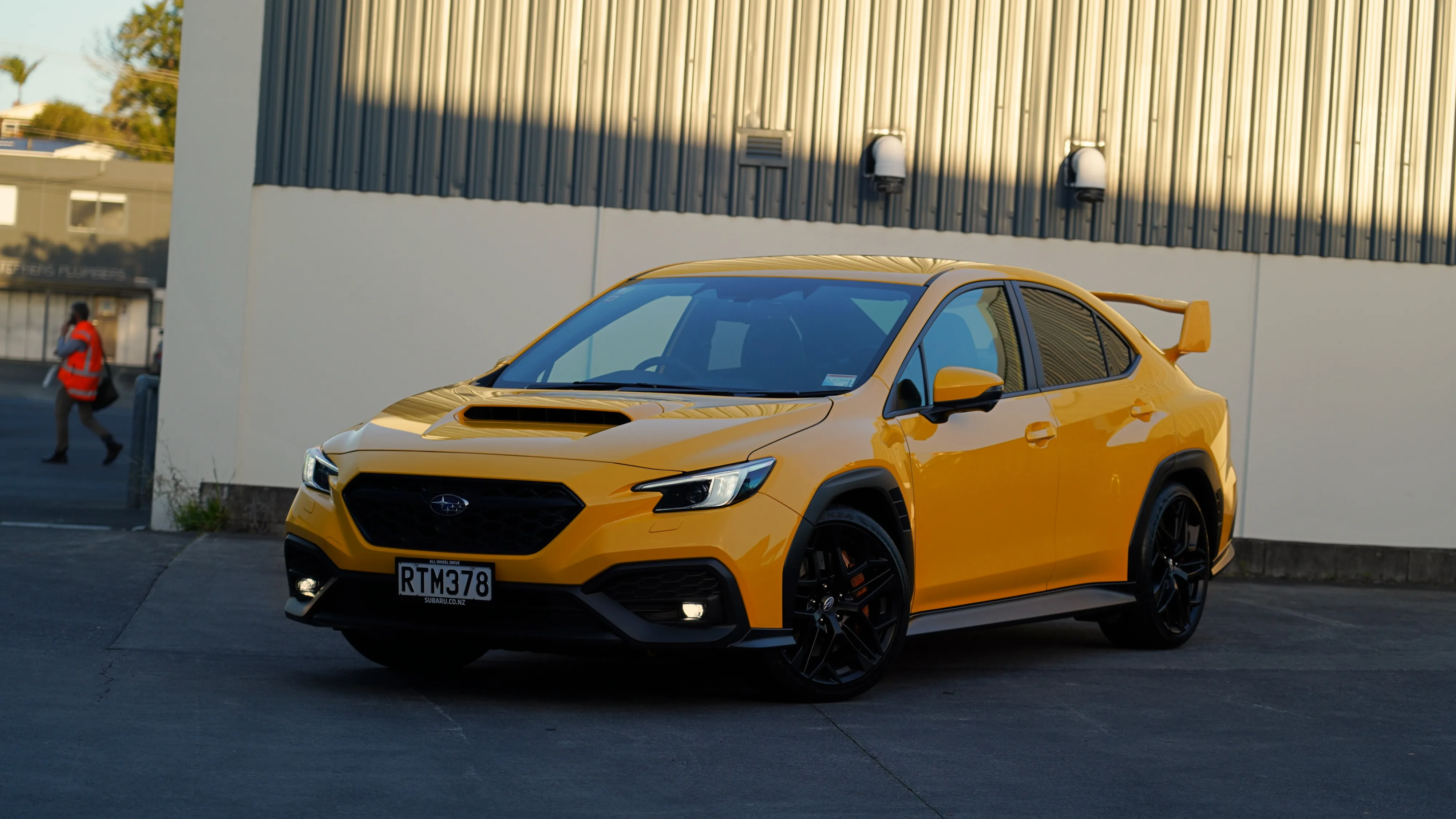
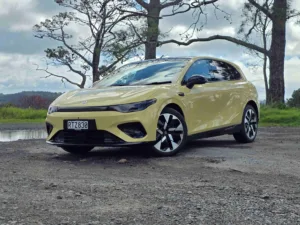
Why? I am a sucker for contrarian vehicles, especially if they are also sporty. Now make it a limited edition in a special colour, and it might as well be the Harry edition – too bad it isn’t. It is, instead, named Senko, Japanese for the Flash of Light, which explains the Sunrise Yellow paint, and why we’re dealing with a special WRX.
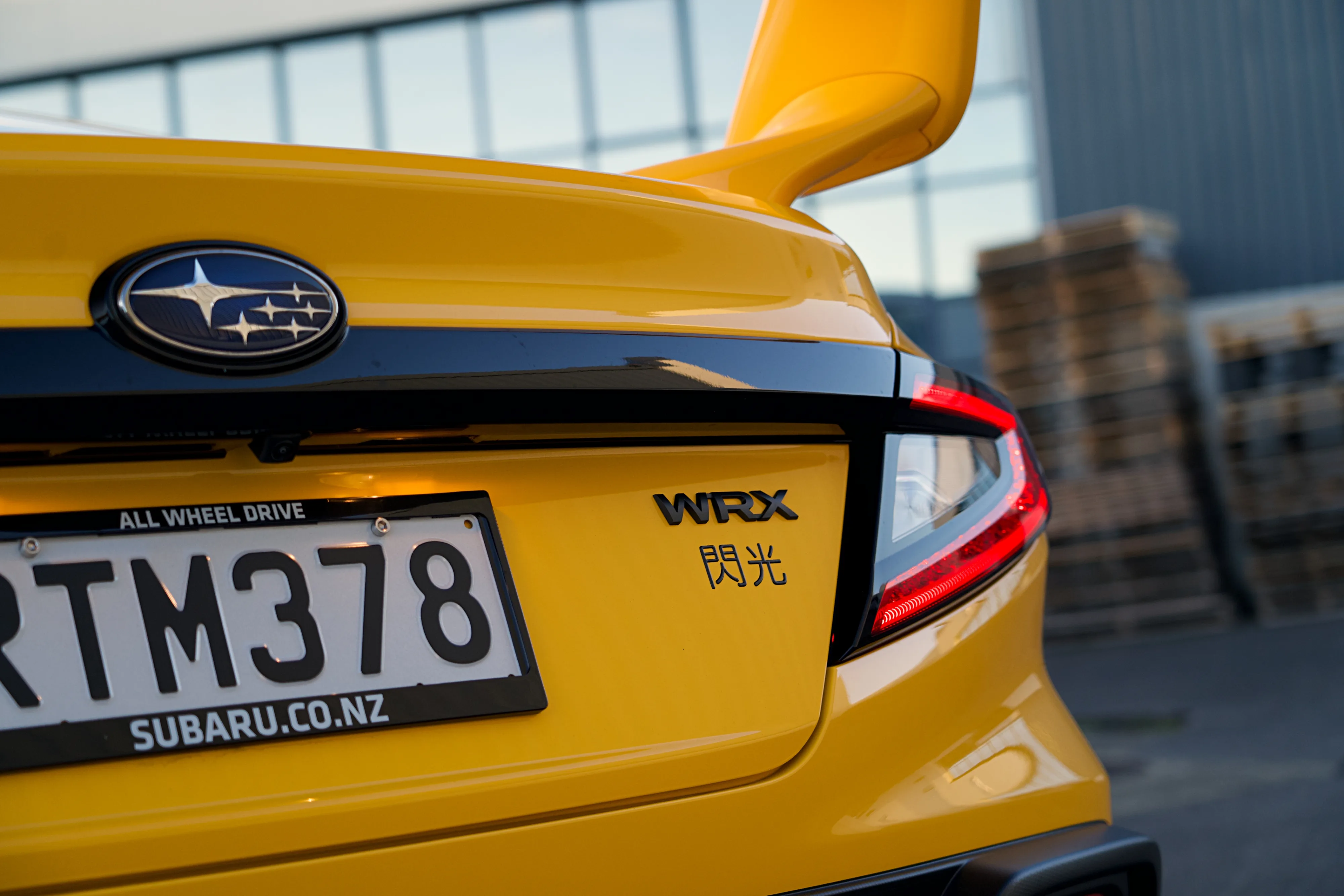
Limited to just ten units in New Zealand, it follows the same recipe Subaru used with the BRZ tS by taking an already enthusiast focused car and making it just that little bit more desirable. In this very case here, that means a manual gearbox, the striking yellow, and the bragging rights of owning 10% of the fleet of a certain model, how about that.
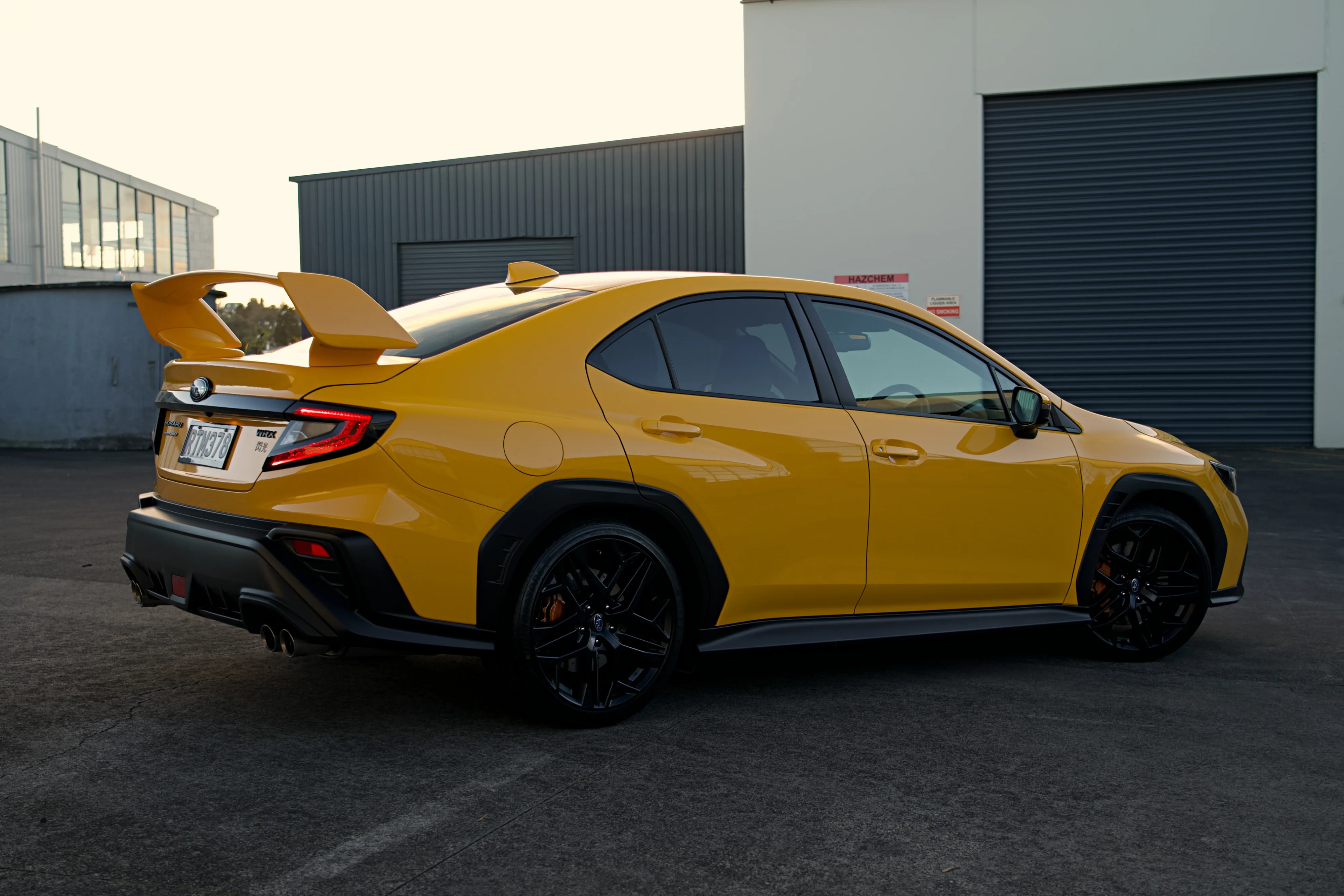
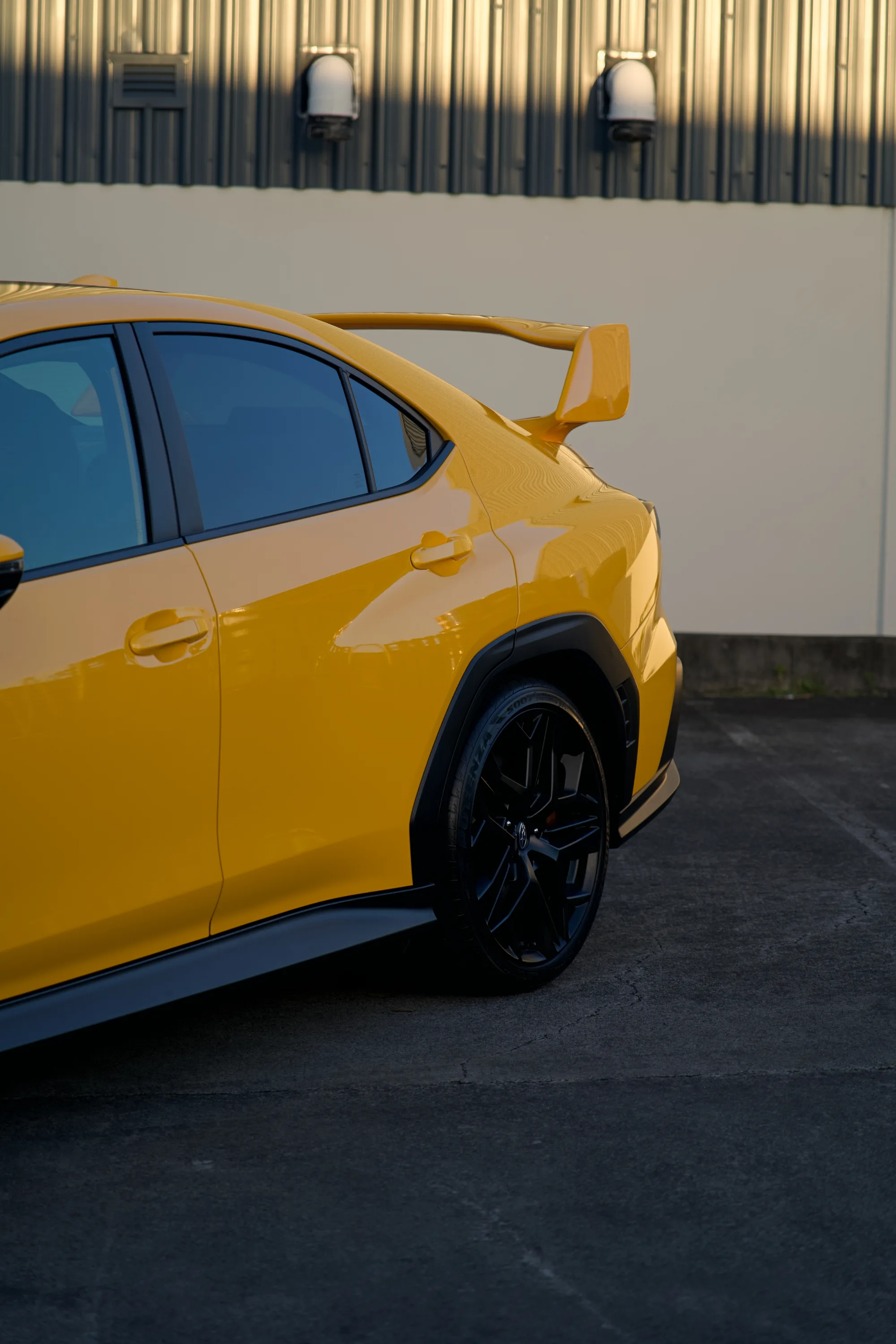
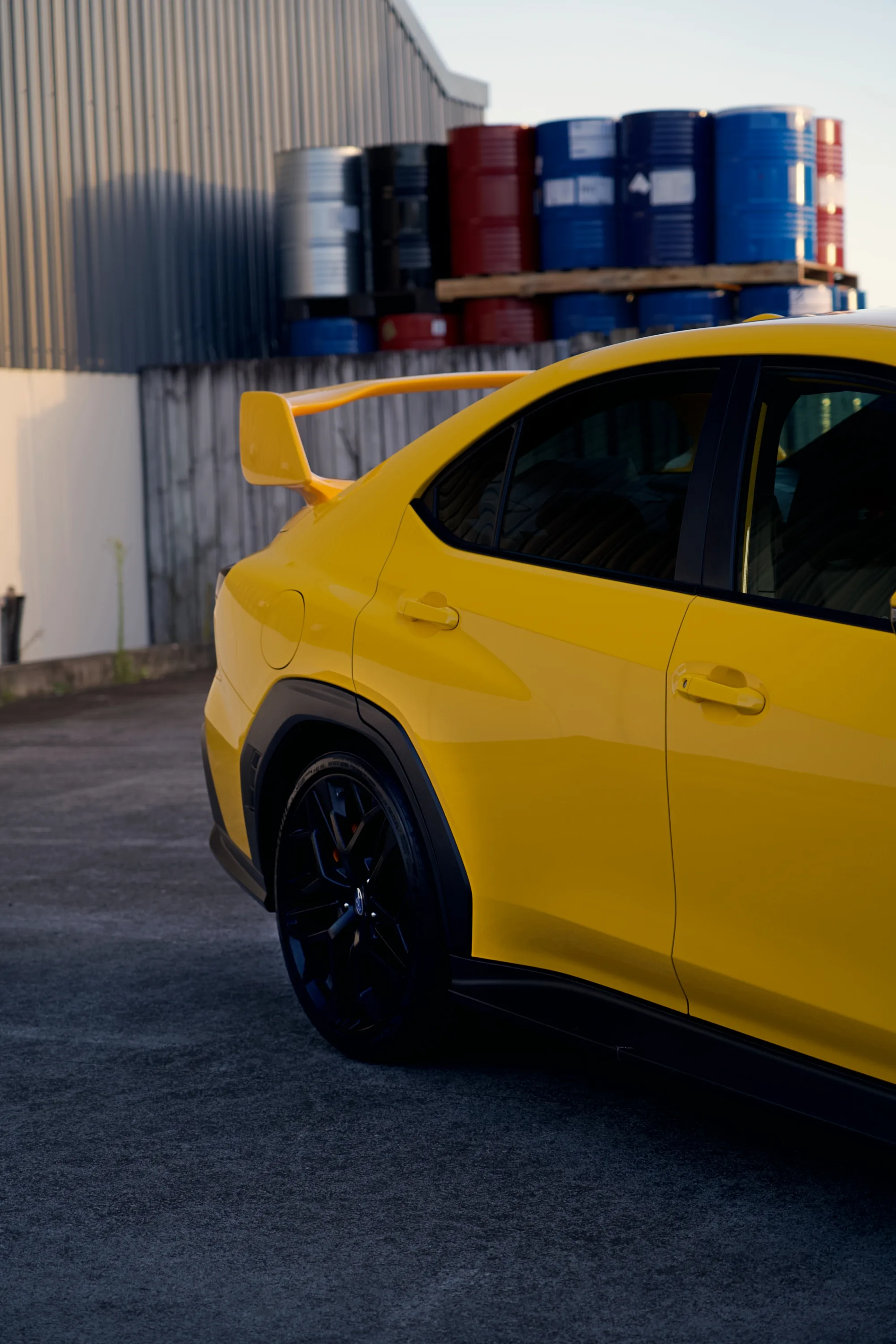
I wasn’t sure if the colour was going to be democractic, but it was, big time! I’m loving to see that people are enjoying and reacting to seeing colourful cars out there – I just hope they put their money where their mouth is. And I think it suits the WRX perfectly, amplifying a personality that was already there, especially once you pair it with the large rear wing and the chunky bodywork. Sedans usually fall apart once you try adding more racey bits to them, but the WRX and the Evo (RIP) are masterclasses on how to do it.
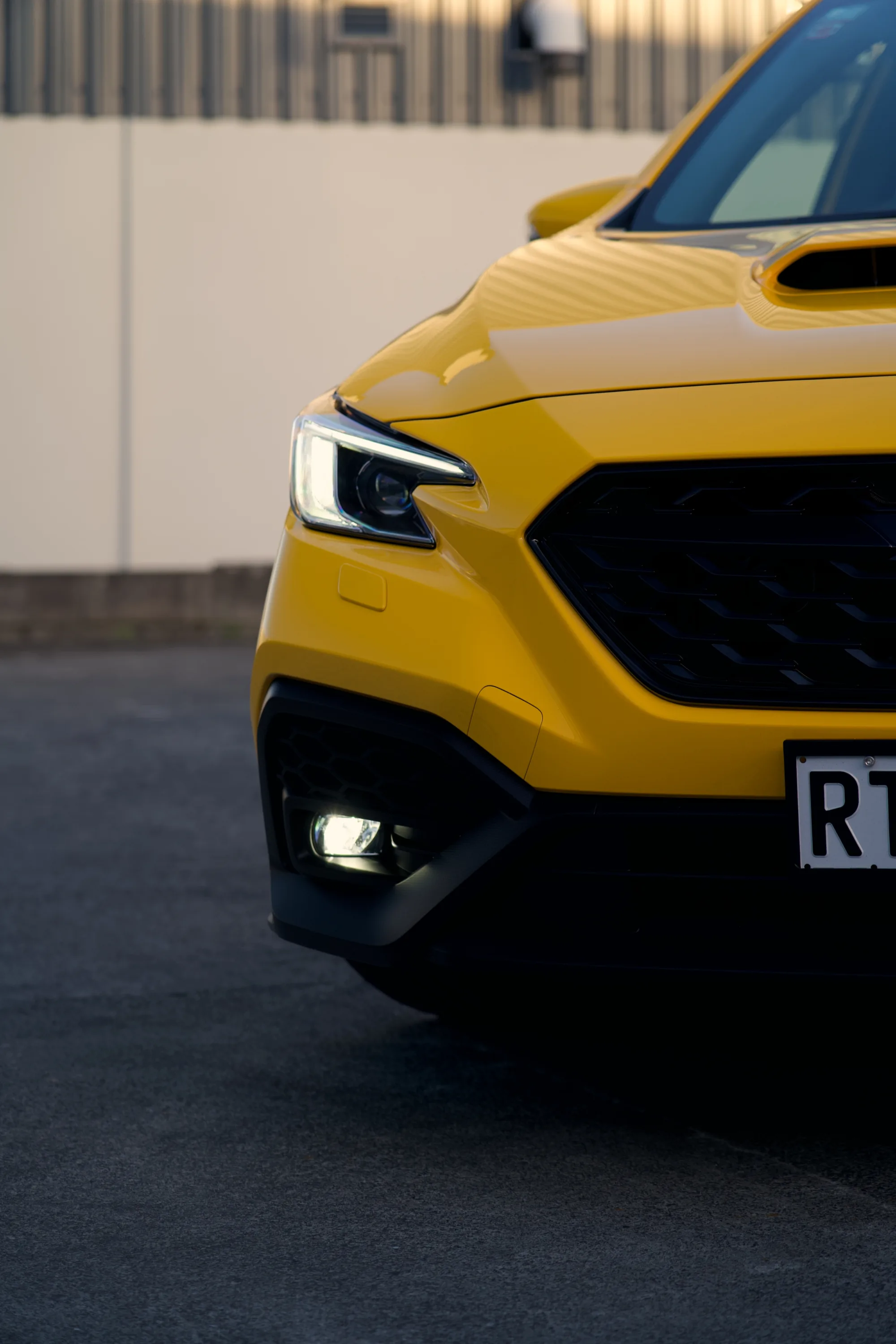
Interestingly, it’s another example of a car that looks better in person than it does in photos. The current gen WRX wasn’t universally loved when it first appeared, particularly because of the extensive black wheel arch cladding. Plenty of people questioned Subaru’s decision at the time, but now that we’ve all had a chance to live with the design, it feels like those concerns have largely faded away. The proportions work, the styling has aged well, and in a specification like this SENKO, everything comes together remarkably nicely. I’m clearly a fan.
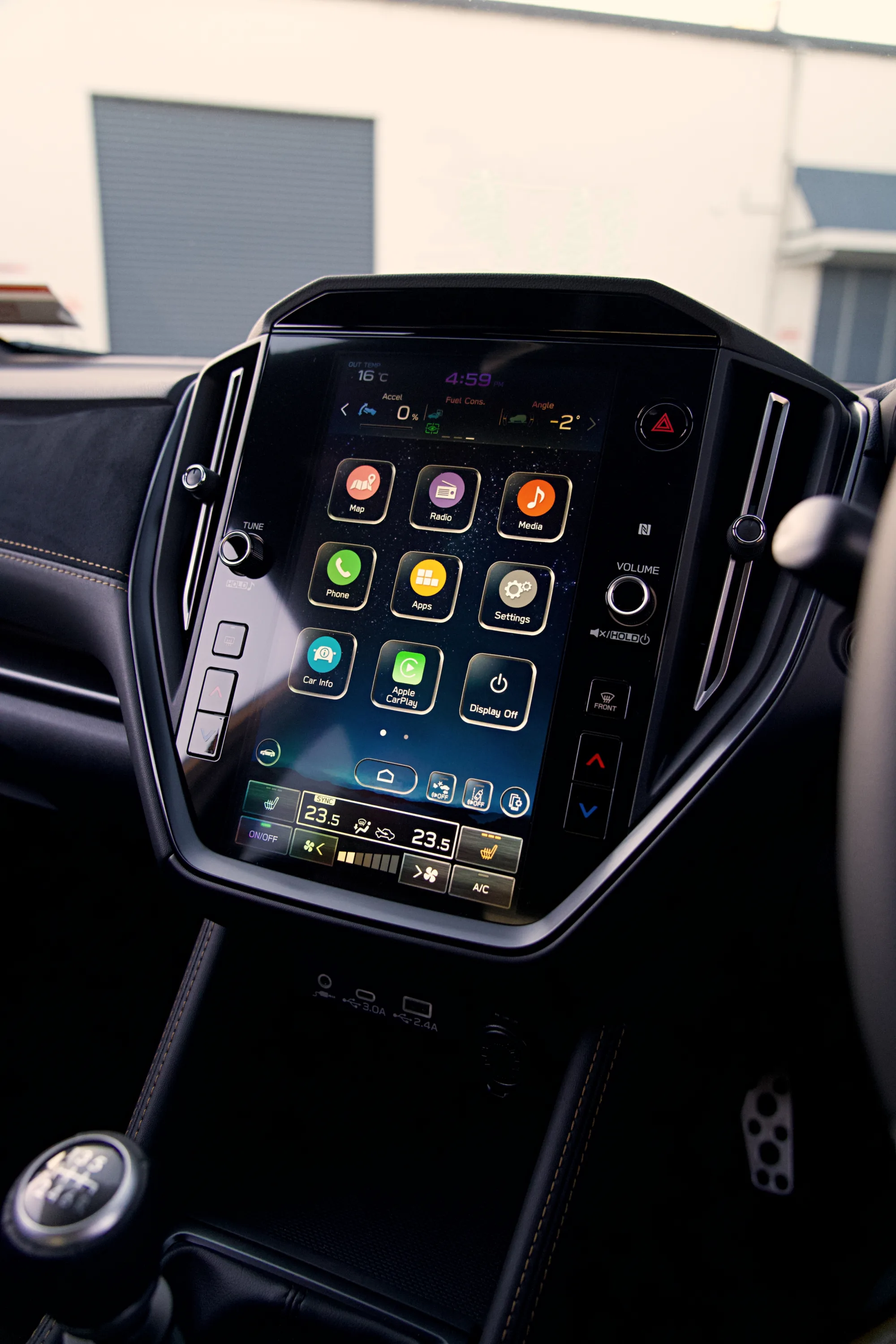
Inside, the WRX is caught in a limbo that you can only fully understand if you’ve been around their latest releases and approach. The brand has never been known for leading the industry when it comes to technology, and while the revised implementation shown in cars like the new Outback is a breath of fresh air with its smaller, snappier screen, the WRX is still rocking the big portrait screen that is not brilliant. Thankfully, it is clear that Subaru have made it faster, more feature-rich and easier to recall since it was first introduced.
In an era where every manufacturer is obsessed with bigger screens and hidden controls, Subaru’s oldschool approach has somehow become one of its biggest strengths by going full circle. More importantly, they’ve been smart enough to reserve part of the display for useful vehicle information even when you’re running phone projection, making it feel less like you’re constantly jumping between systems. Heated seats and most of the climate controls remain buried within the touchscreen, but beyond that, the WRX gets the fundamentals right.
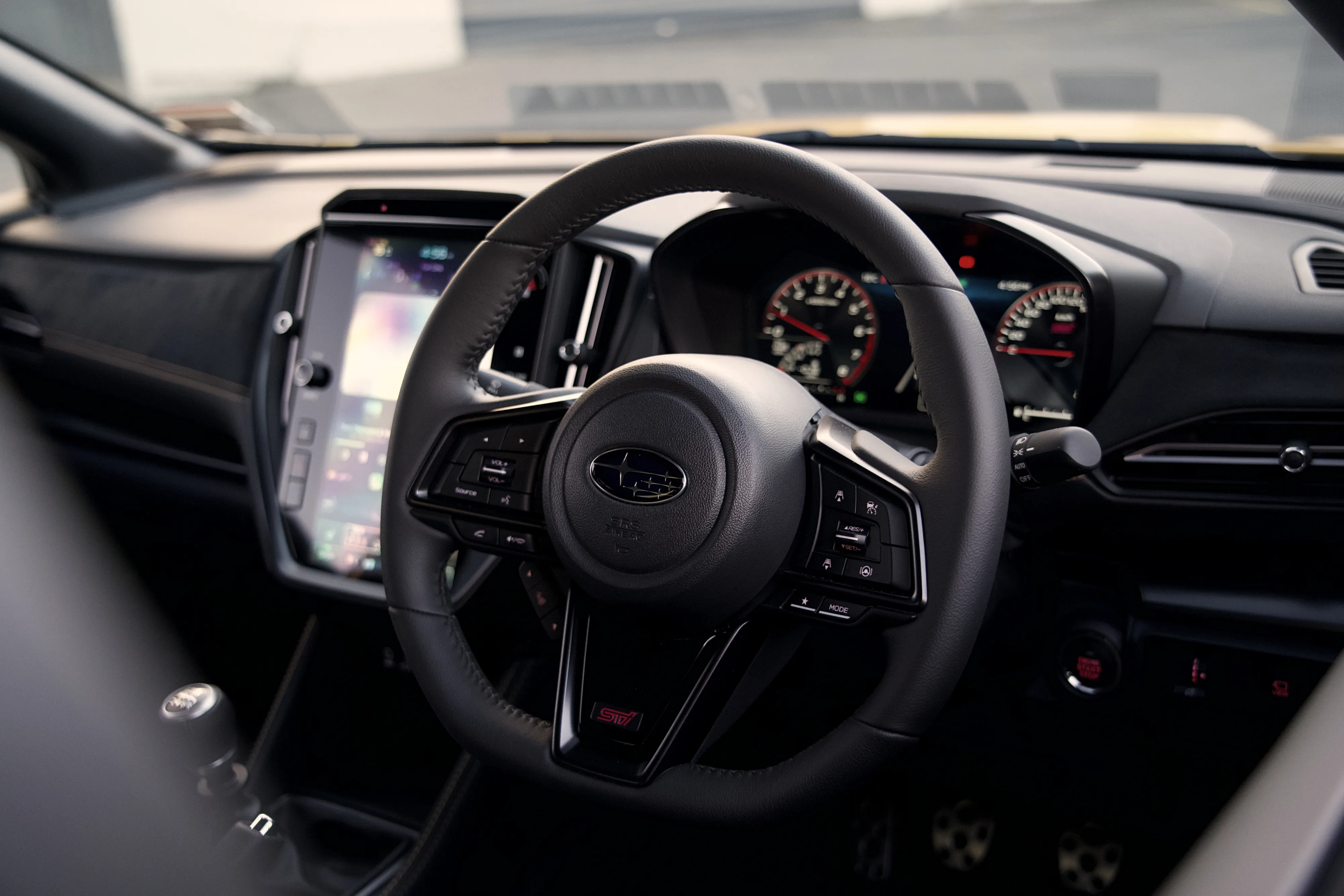
The rest of the cabin follows a similar philosophy, but there the old school-ness benefits it even more: nothing feels luxurious, but nothing feels cheap either. Instead, everything is tactile, solid and reassuringly mechanical. What started like a relic ended up being something we now covet, and miss in other cars – we’ve definitely gone full circle. It feels like a car designed around being driven, and for that, the Recaro seats deserve a special mention.
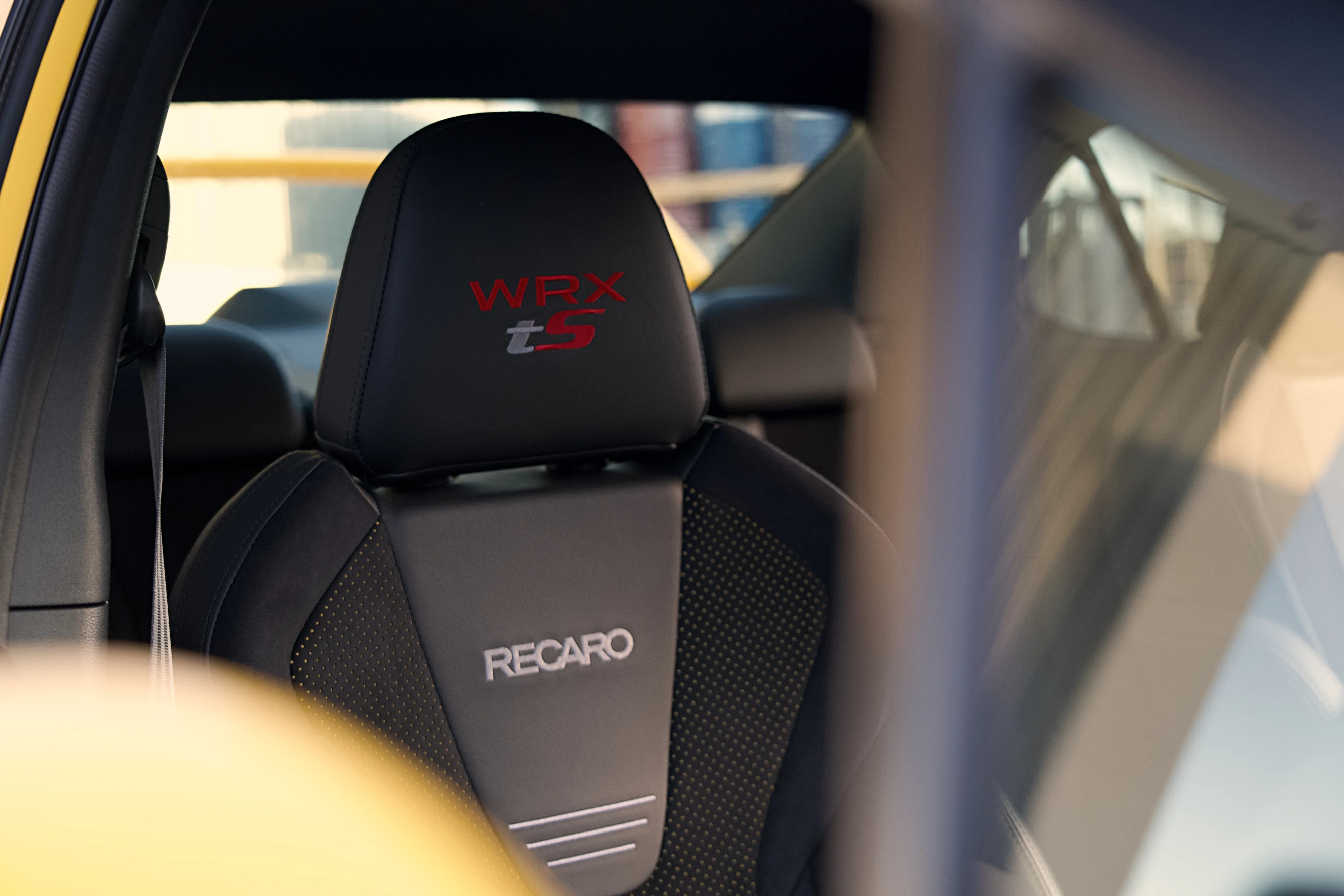
They’re exactly what good sports seats should be, hugely supportive without making every journey feel like you’re climbing into a race car (the Recaros in the yellow sports car I own are guilty of that, and it’s not great). Plus, they breathe well even when heating is on, making it a great companion all-year. That balance really defines the WRX as a whole.
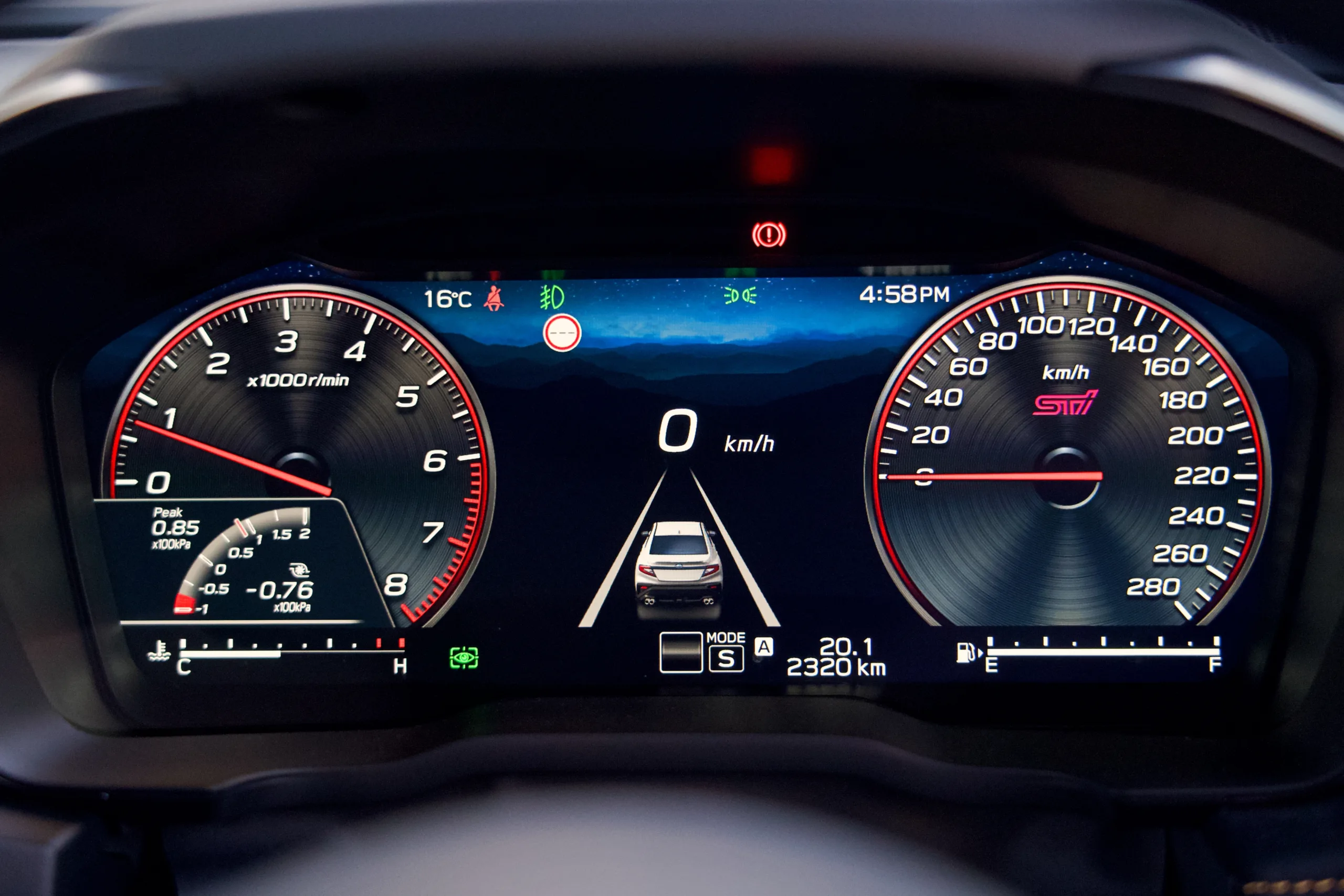
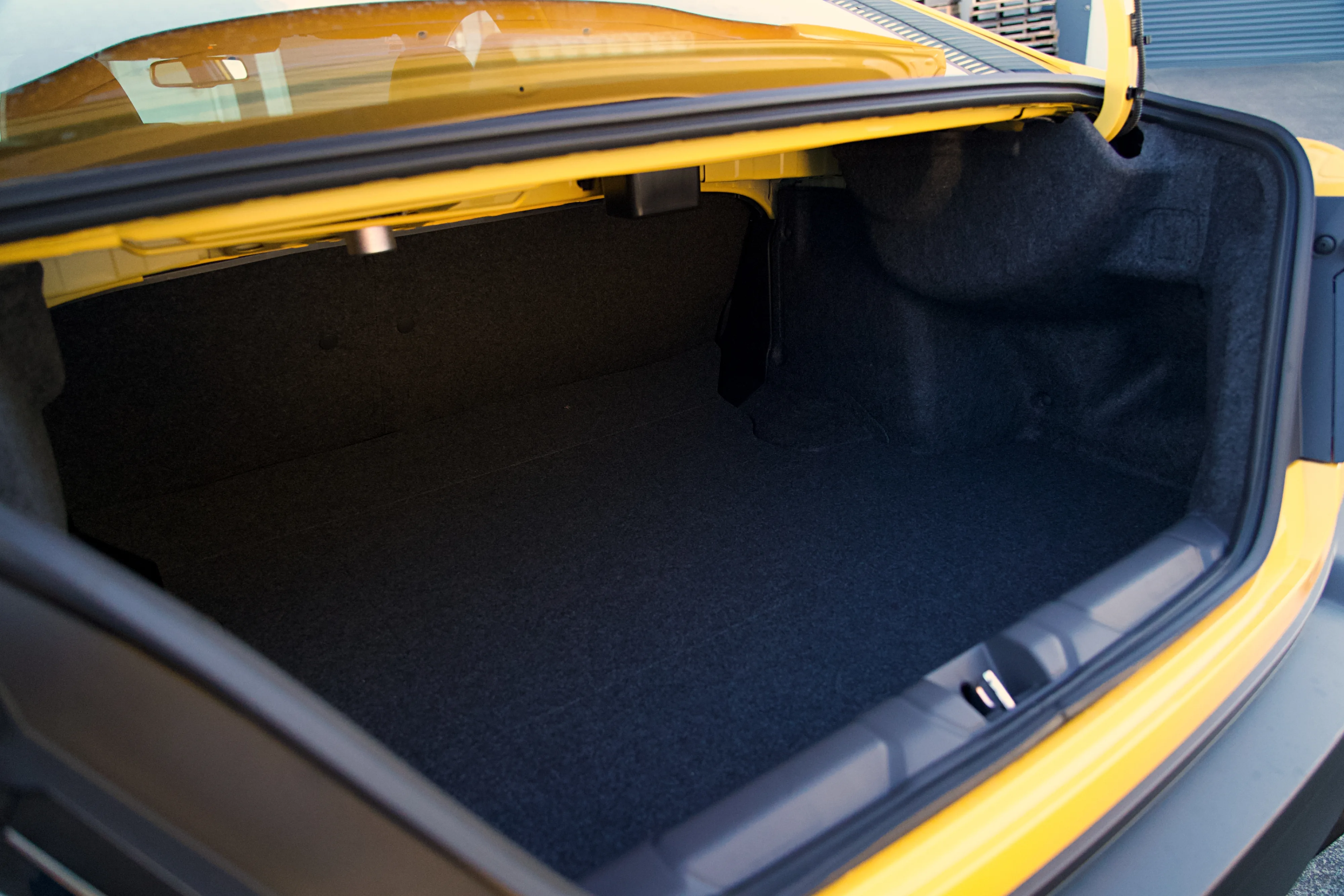
It’s one of the few performance cars left that hasn’t gone too far on either performance or luxury. Instead, it continues to occupy a very sweet middle ground, being practical, comfortable, easy to live with: there is genuine space for four adults, the boot remains generous enough for everyday duties, visibility is excellent and the Harman Kardon audio system delivers rich, balanced sound.
Even fuel economy has taken a noticeable step forward. During my time with the car it looked entirely realistic to see around 450 kilometres from a tank, something I don’t remember achieving in previous WRXs. Not exactly the best stick to measure a sports car with, but not being able to be too far from a petrol station at all times is never fun. It’s unclear whether or not the 2.4 litre turbocharged boxer was updated, but it remains one of the more interesting performance engines on sale, largely because of its architecture, the boxer beat, and its overall behaviour.
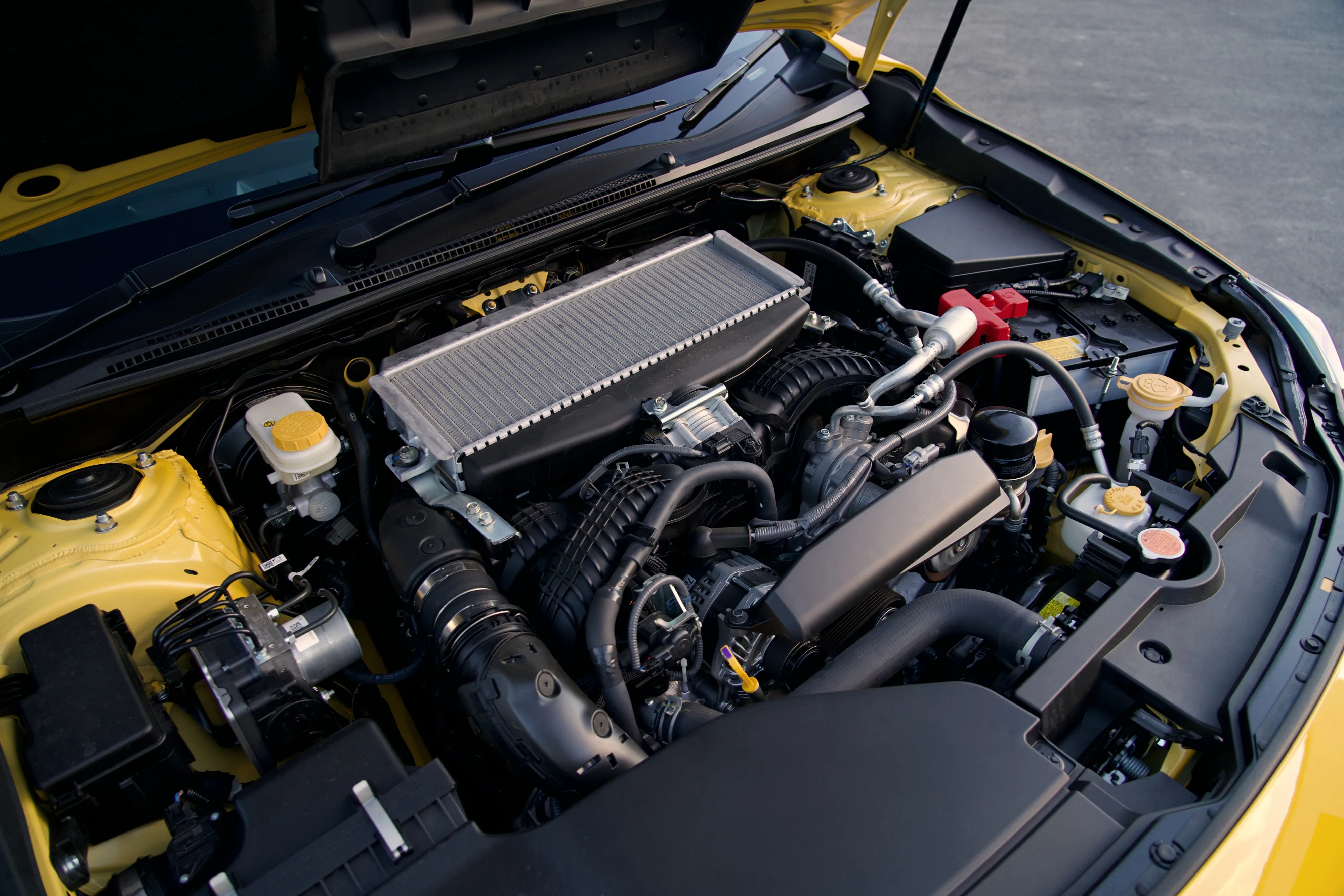
Whether that’s the relatively subdued soundtrack, the way the turbo delivers its power, the gearing or simply the immense traction offered by Subaru’s symmetrical all-wheel drive system, the end result is a car that is not slow by any stretch of the imagination, but somehow it always feels slower than it actually is.
The enticing pulls in second gear let you ride the torque wave all the way to the top, but the lack of crescendo led me to believe I had 500 or 1000rpm more before the shift – I didn’t. And then you glance down at the speedometer and understand just how much ground you’ve actually covered. It’s an interesting contrast to many of its rivals, which often feel faster than they really are thanks to louder exhausts or more aggressive power delivery. The WRX doesn’t play that game, it simply gets on with it.
And in doing so, it lets you lean into its dynamics, which again suit the rally-bred, daily-friendly nature of it. It is predictable, confidence inspiring and everything makes perfect sense. Grip levels are phenomenal, the all-wheel drive system continues to work its magic, and the Brembo brakes provide a linear and reassuring bite.
With manual gearboxes disappearing, sedans losing market share, and manufacturers finding it harder and harder to justify building cars purely for enthusiasts, cars like this are becoming increasingly rare. In the “affordable” sports car market of today, it feels like every other contender has painted themselves into their own little corner. You either trade comfort and space for a top down experience, fun and engagement for more refinement, or material quality for investment in dynamics. The WRX and its old school charm go against all of that to give you what might just be the most well rounded sports car in the segment.
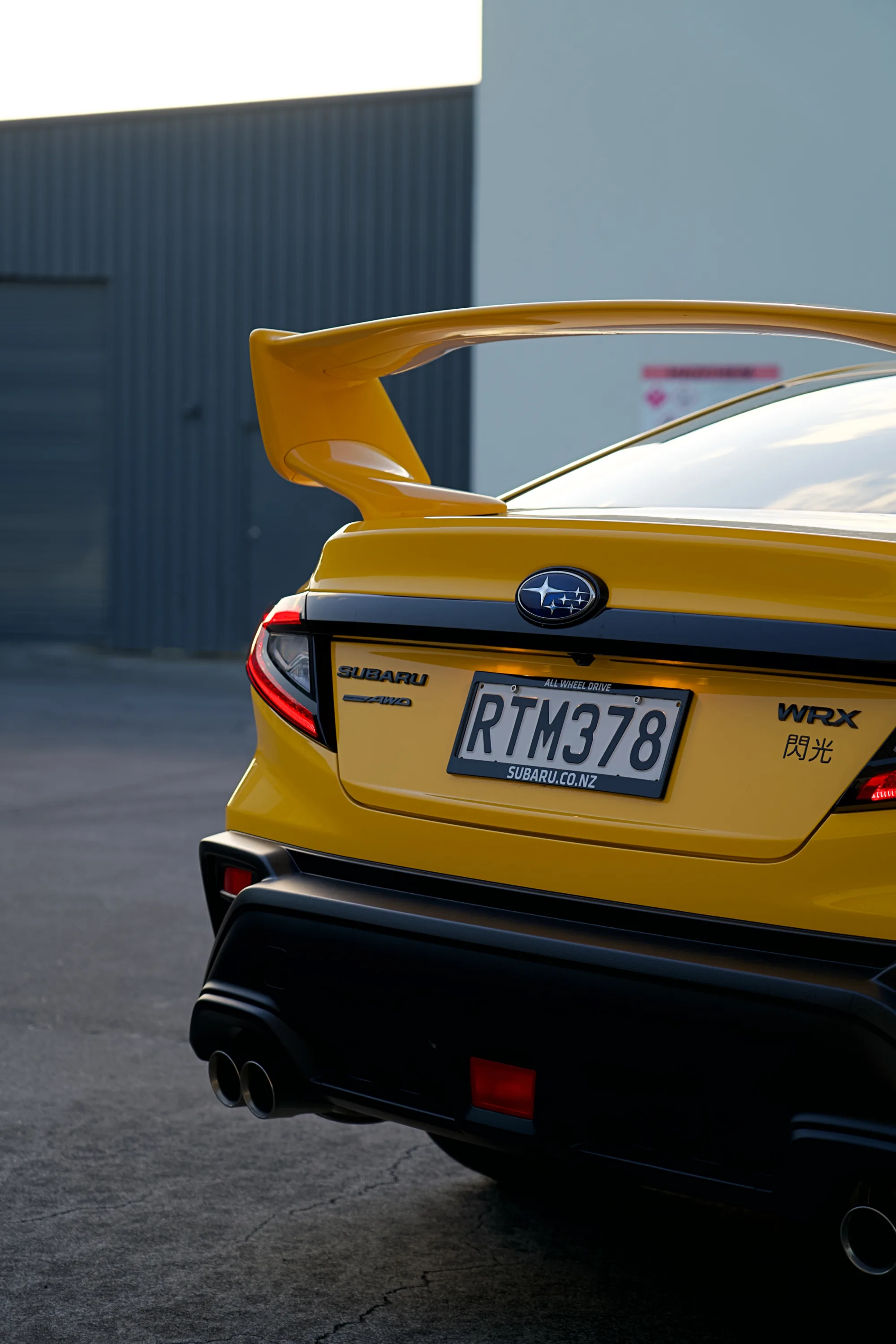
Which makes the SENKO feel rather fitting. By limiting New Zealand to just ten examples, Subaru is clearly positioning it as something special, worth celebrating, and that if you want, you gotta move. And if you’re lucky enough to own one, you’re not simply buying another limited edition. You’re buying one of the last representatives of a breed that helped define Subaru as we know (and love) today. The fact it is the brightest yellow out there is just the banana on top. The Senko isn’t trying to blend in, because it shouldn’t. Thanks, Subaru, for the opportunity, and thank you for reading this far!