The Electrified Workhorse – Nissan’s Navara Pro PHEV is Born in the Gravel
The ute segment is currently in a state of flux, with manufacturers scrambling to balance the demands of electrification with the rugged, “get-it-done” reality of the Australian and New Zealand markets.
We’ve been waiting to see how Nissan would tackle this, and the answer is finally here (well almost) the all-new Navara Pro Plug-in Hybrid. This is a sixth-generation product that has been heavily influenced by local engineering, designed to handle the long distances and heavy towing that define our part of the world.
“Rugged Tech”, A New Look for the Navara
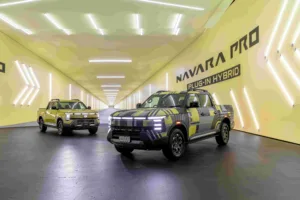
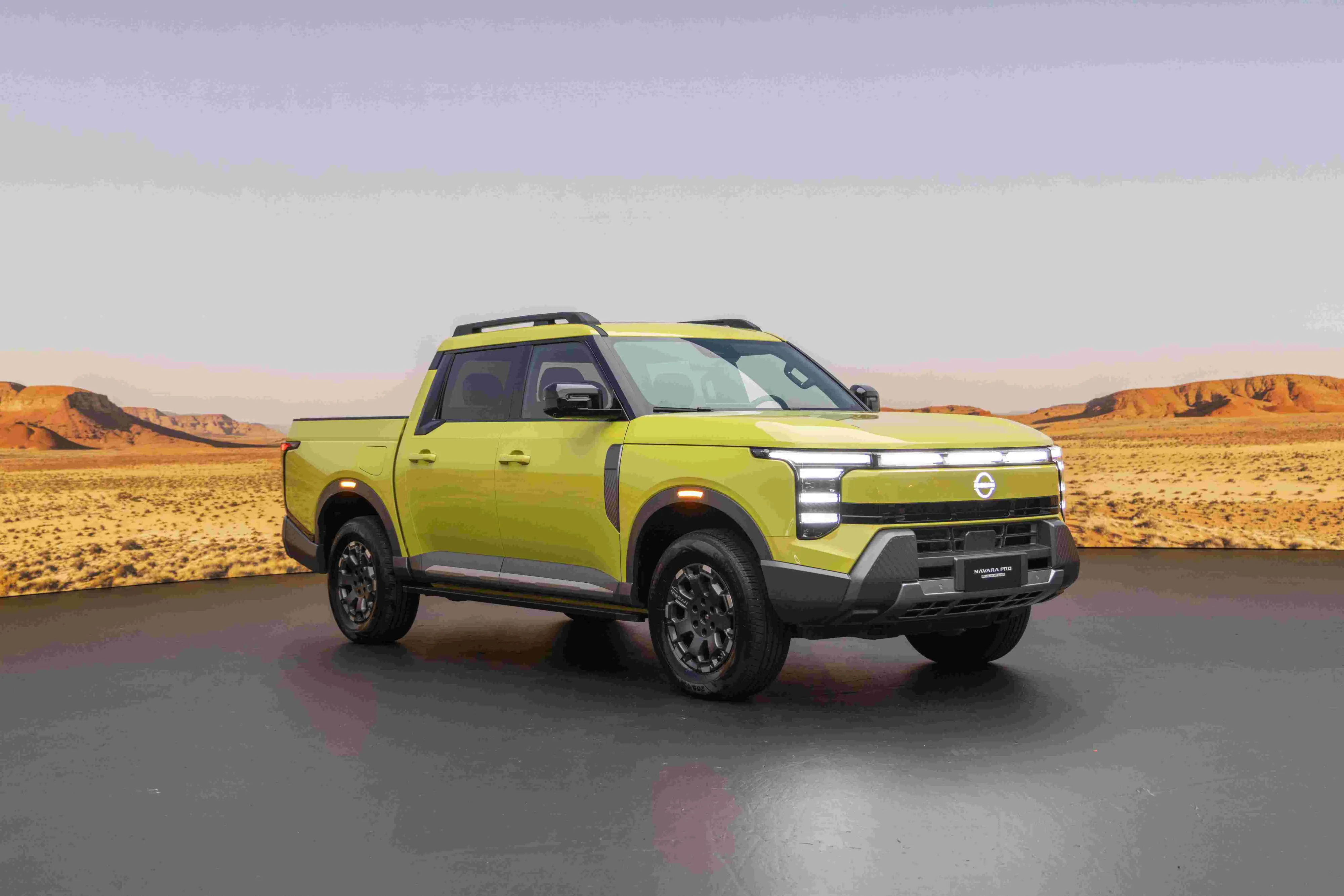
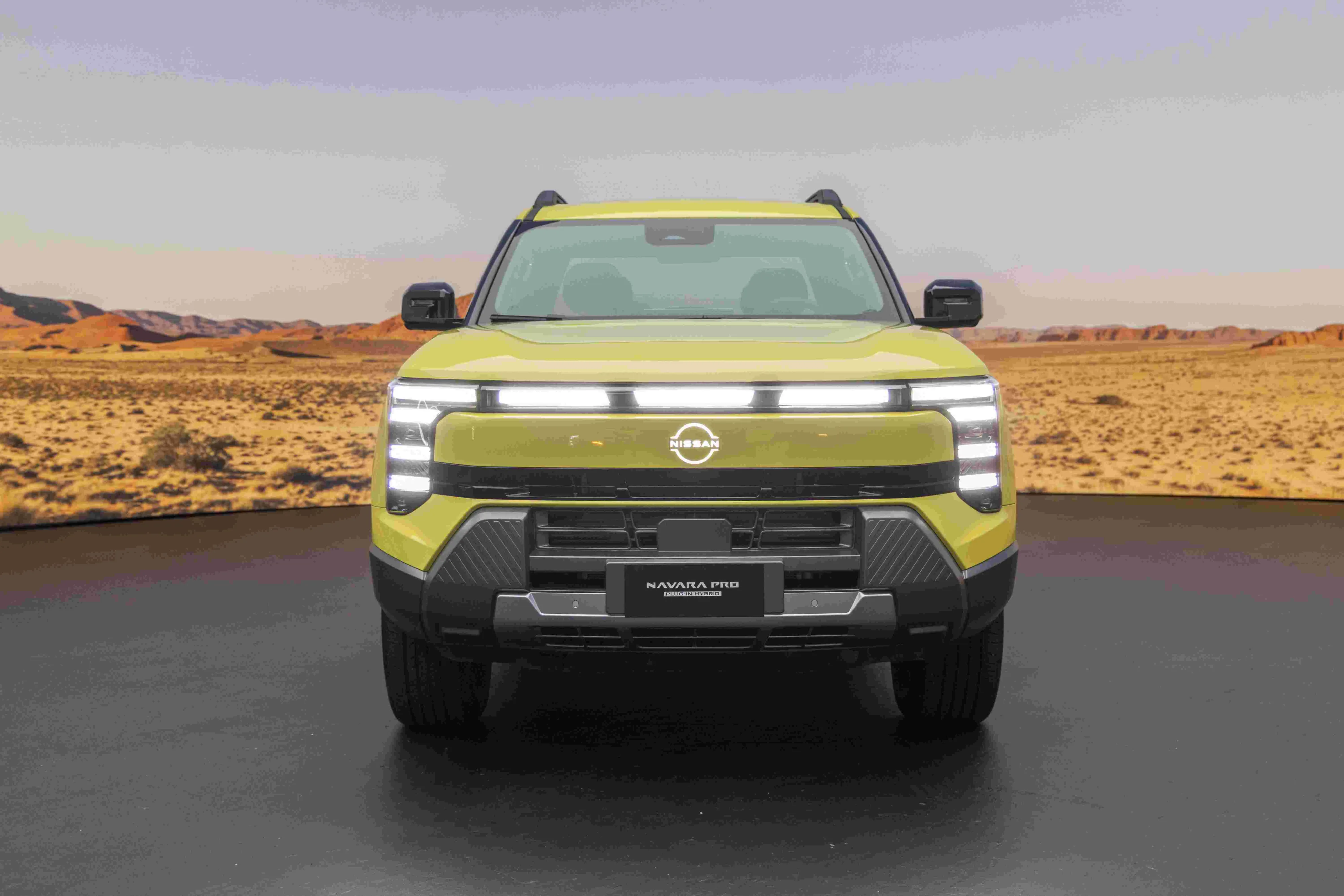
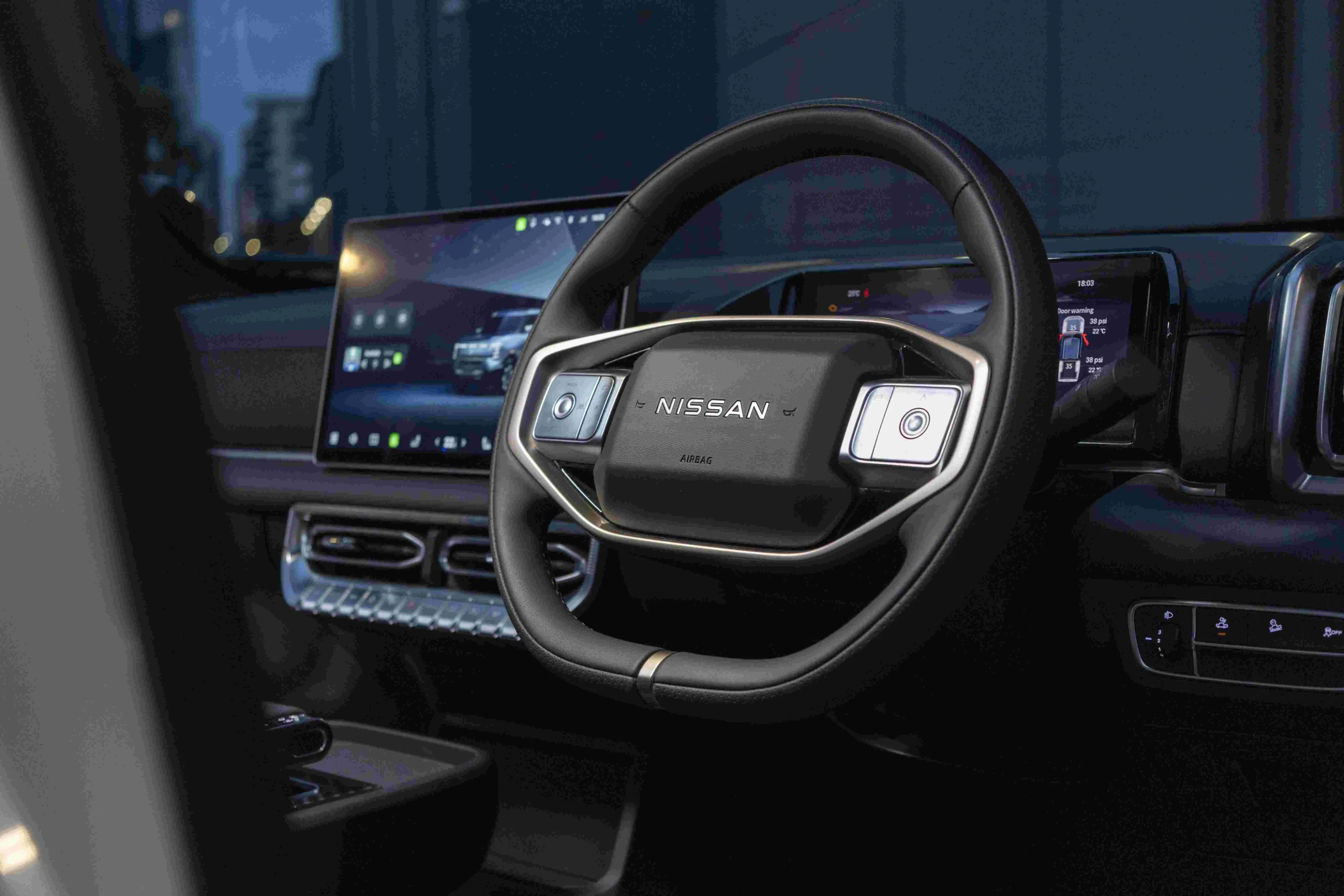
First impressions? It’s a departure from the Navara we know. Nissan is calling the design language “rugged tech,” and it’s a deliberate attempt to blend a strong, imposing road presence with a futuristic, high-tech aesthetic. Ryan Stevenson, Senior Manager of Product Marketing, explains the vision: “We’ve really focused on developing a strong road presence for this ute to make it appear strong on the road, but also to have a techie feel to it” .
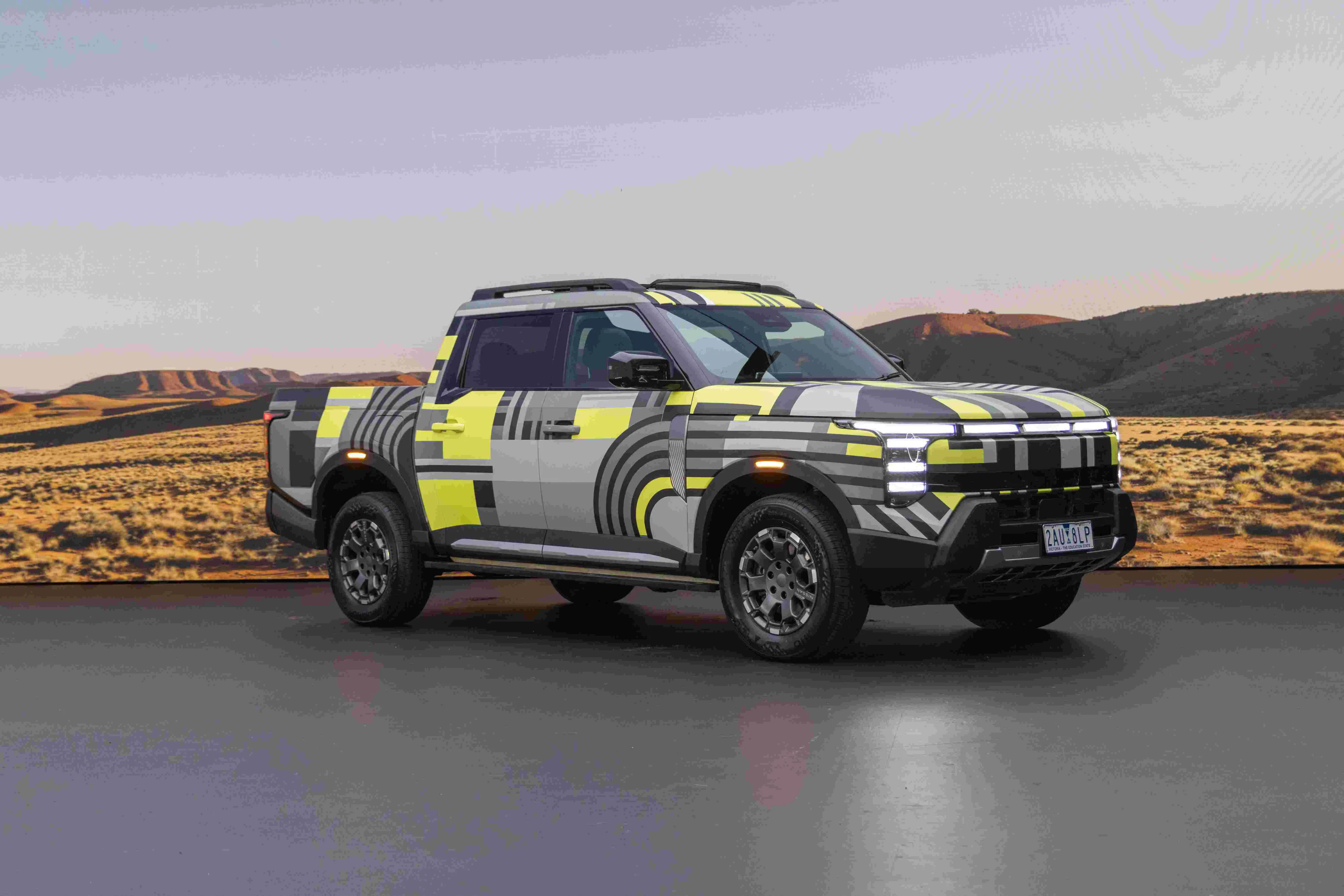
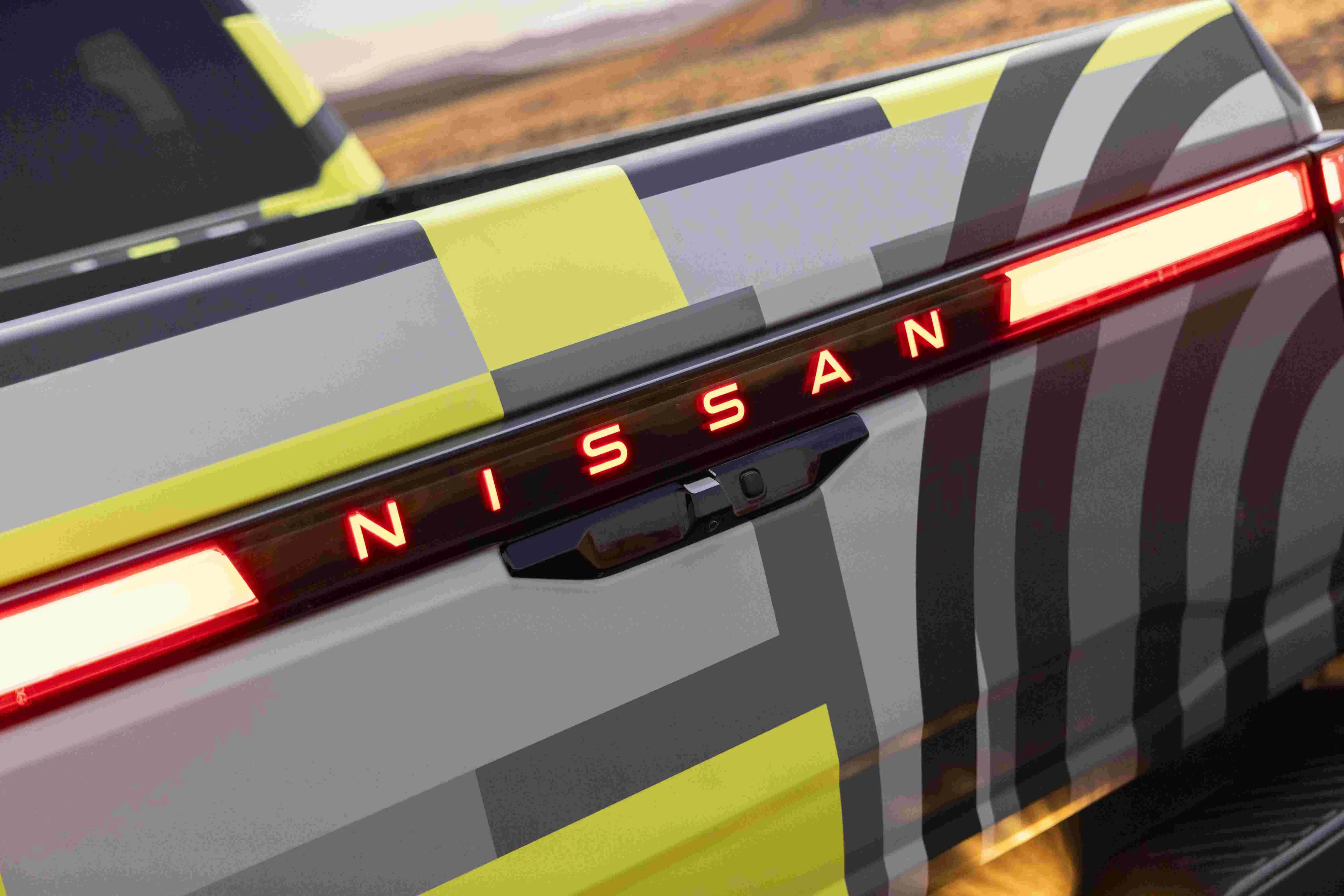
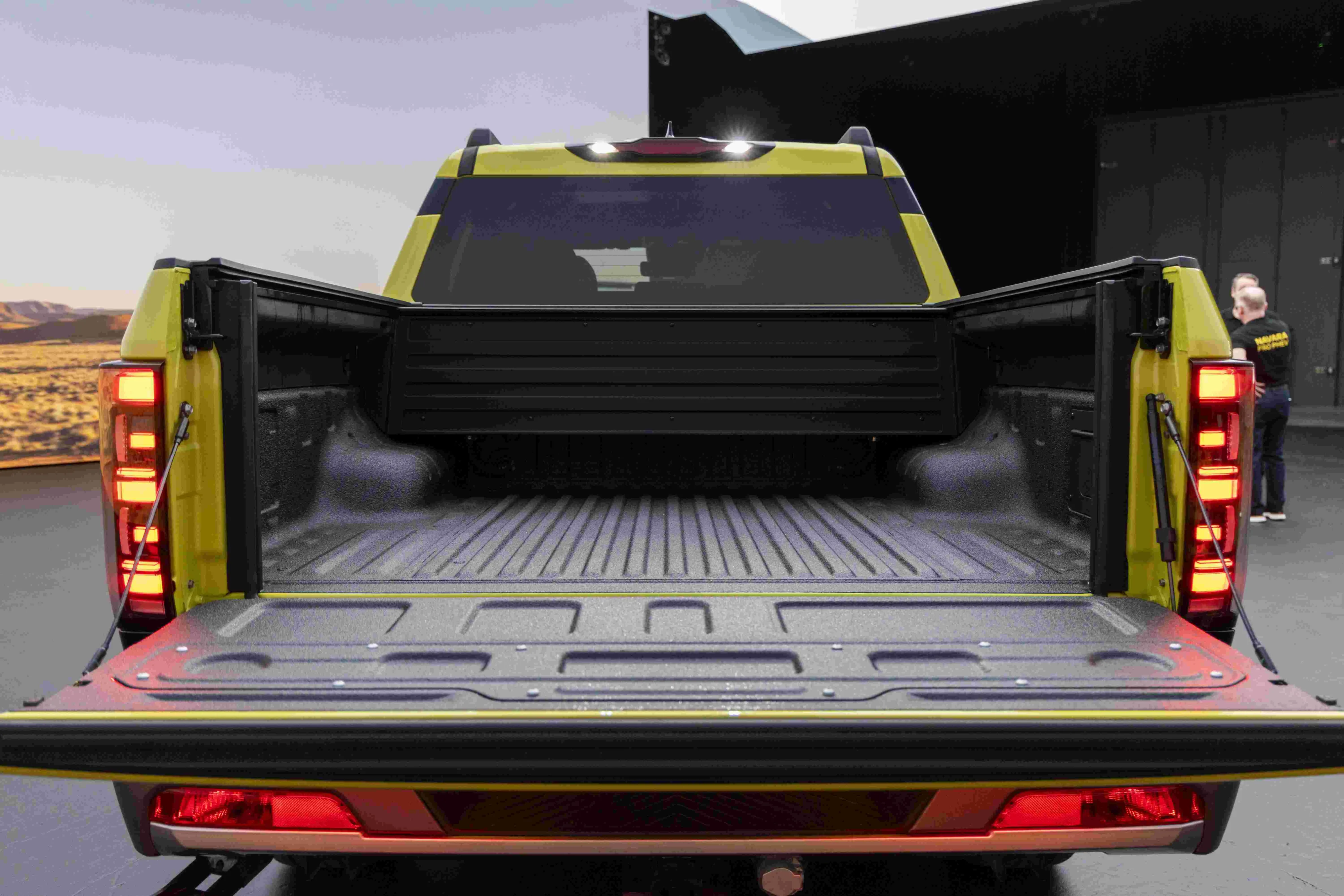
You’ll notice the broad front fascia, the high-mounted full-width LED bar, and an illuminated Nissan emblem. It’s a look that’s out to emphasise the vehicle’s height and the sheer size of the tub, ensuring it doesn’t get lost in the crowd.
The Powertrain – Built for the Long Haul
The big question for any hybrid ute is: can it actually work? Nissan seems to have listened to the feedback from our markets. Rather than opting for a smaller, efficiency-focused engine, they’ve gone with a 2.0-liter engine paired with an eight-speed automatic transmission and an integrated electric motor.
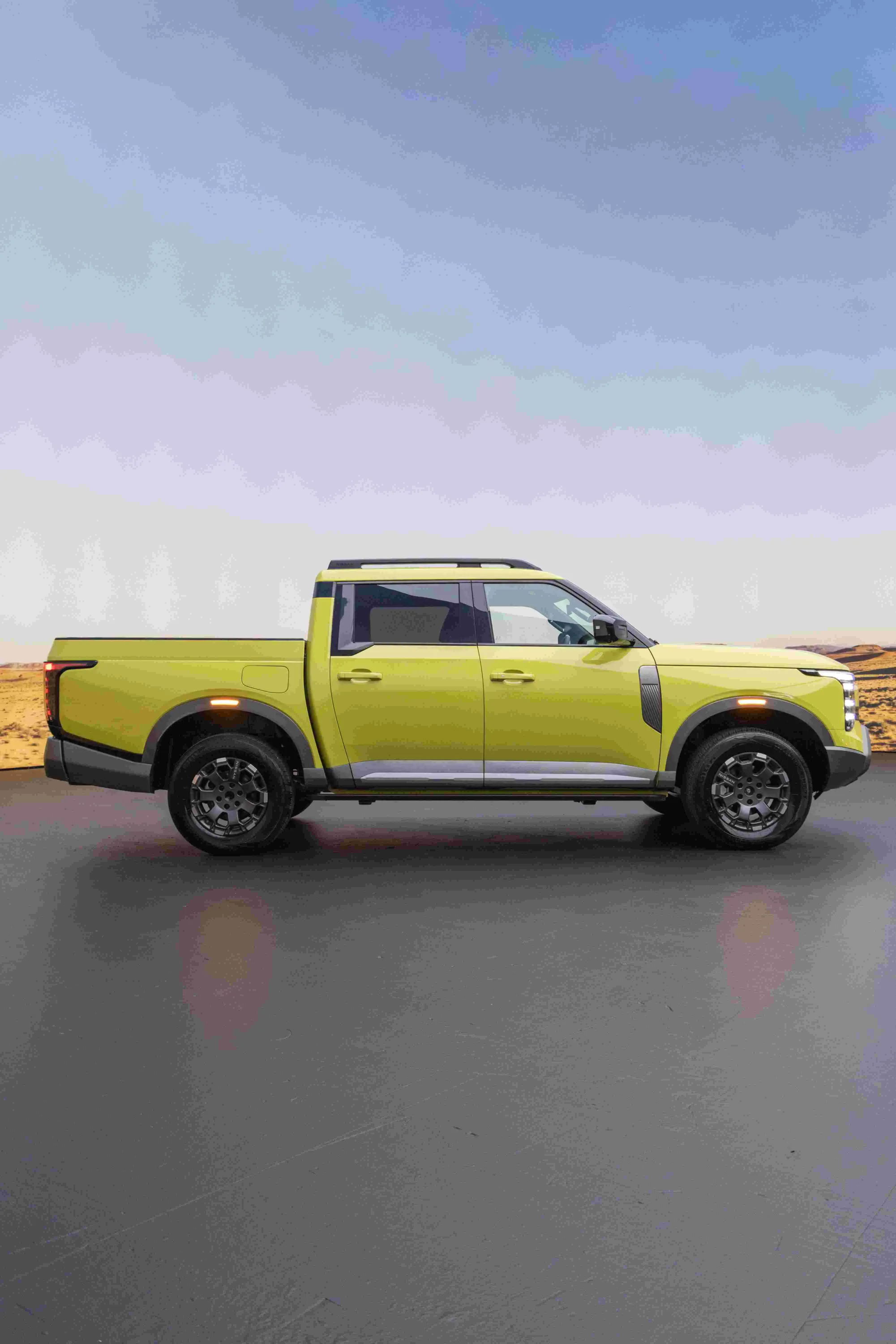
John Galvin, General Manager of Customer Satisfaction and Engineering, notes that this specific combination was a direct request from the local team. “It’s a combination that didn’t exist before we requested it. This is unique for our markets,” Galvin says. The goal was simple but demanding, “Maintaining the battery level when towing three and a half tons up some of the steepest sustained gradients that we can find across our markets”.
Born in the Gravel
What makes the Navara Pro particularly interesting for us is the “born in the gravel” development process. Nissan didn’t just ship a prototype off a boat and hope for the best. They brought global engineering teams to Australia and New Zealand to refine the vehicle on our roads.
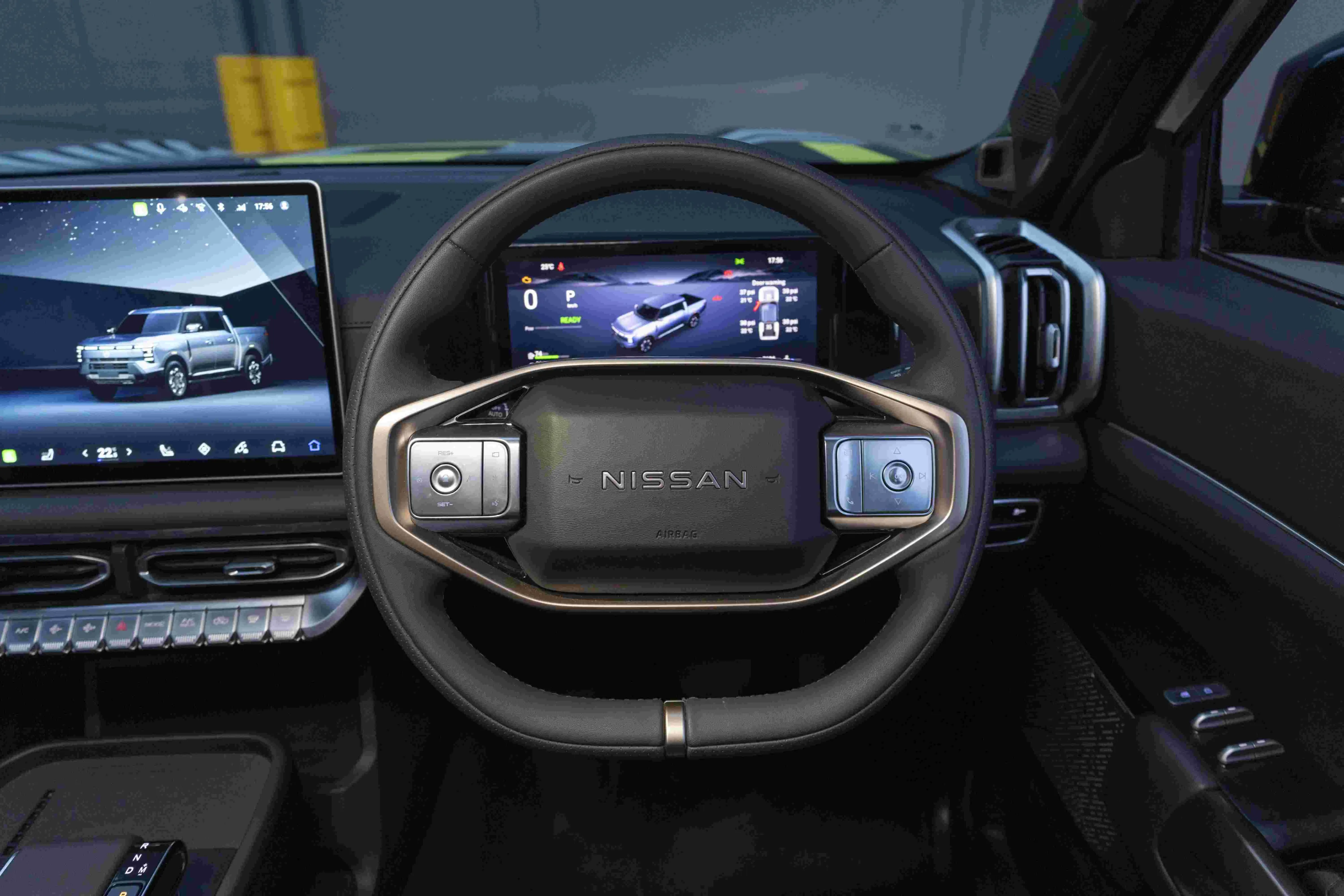
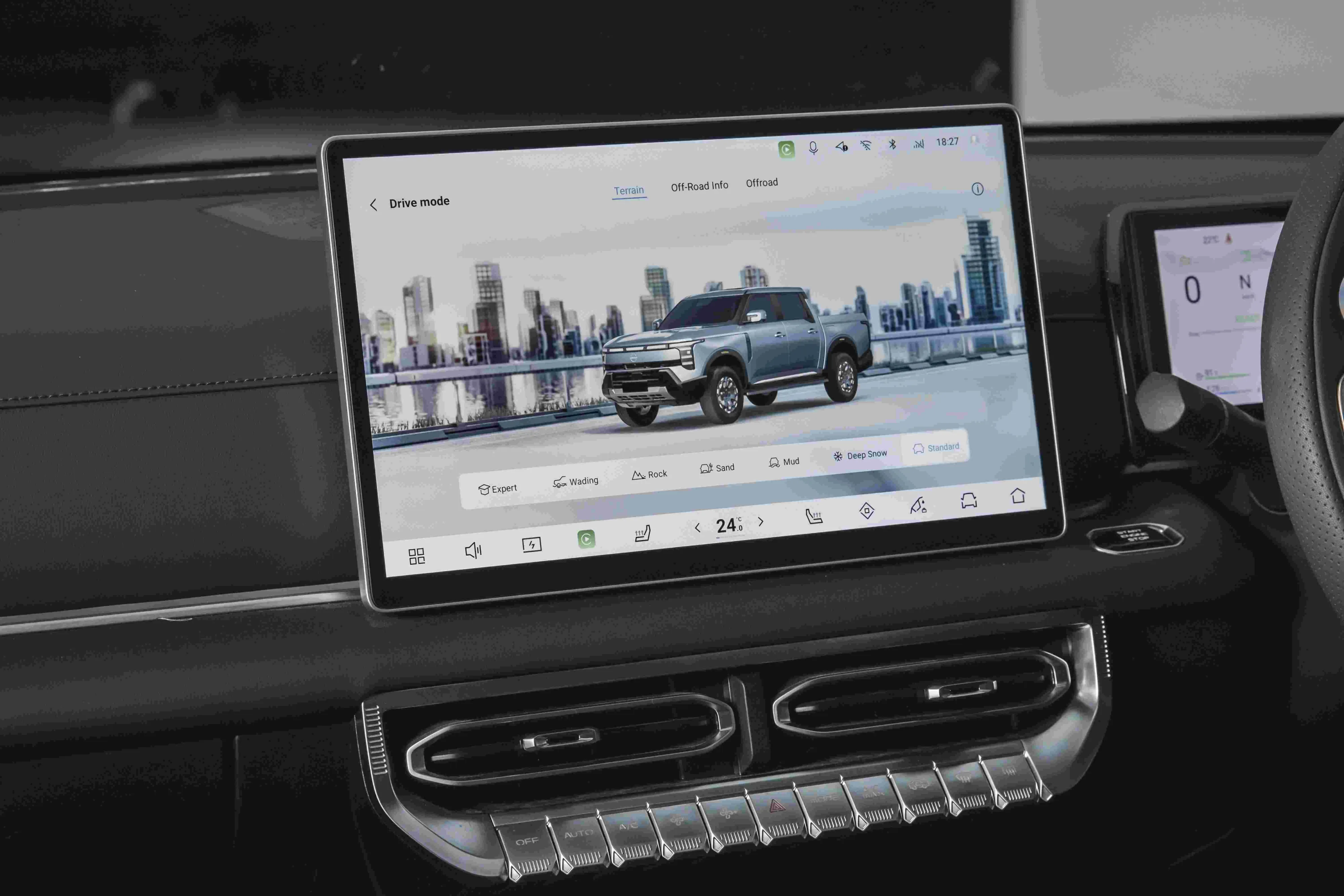
The tow and terrain modes, for instance, were developed right here. “Those modes didn’t exist before the development prototypes got here, and there was actually a team of six chassis engineers that were developing and validating those systems on the run,” Galvin recalls. “It was quite impressive to watch. Actually, they’d stand over in the gravel and make some changes and do some more, or they’d wait for us at the top of the hill and make some changes”. With over 20,000 kilometres of public-road testing already logged, it’s clear they’re taking the validation process seriously .
The “Goldilocks” Suspension Dilemma
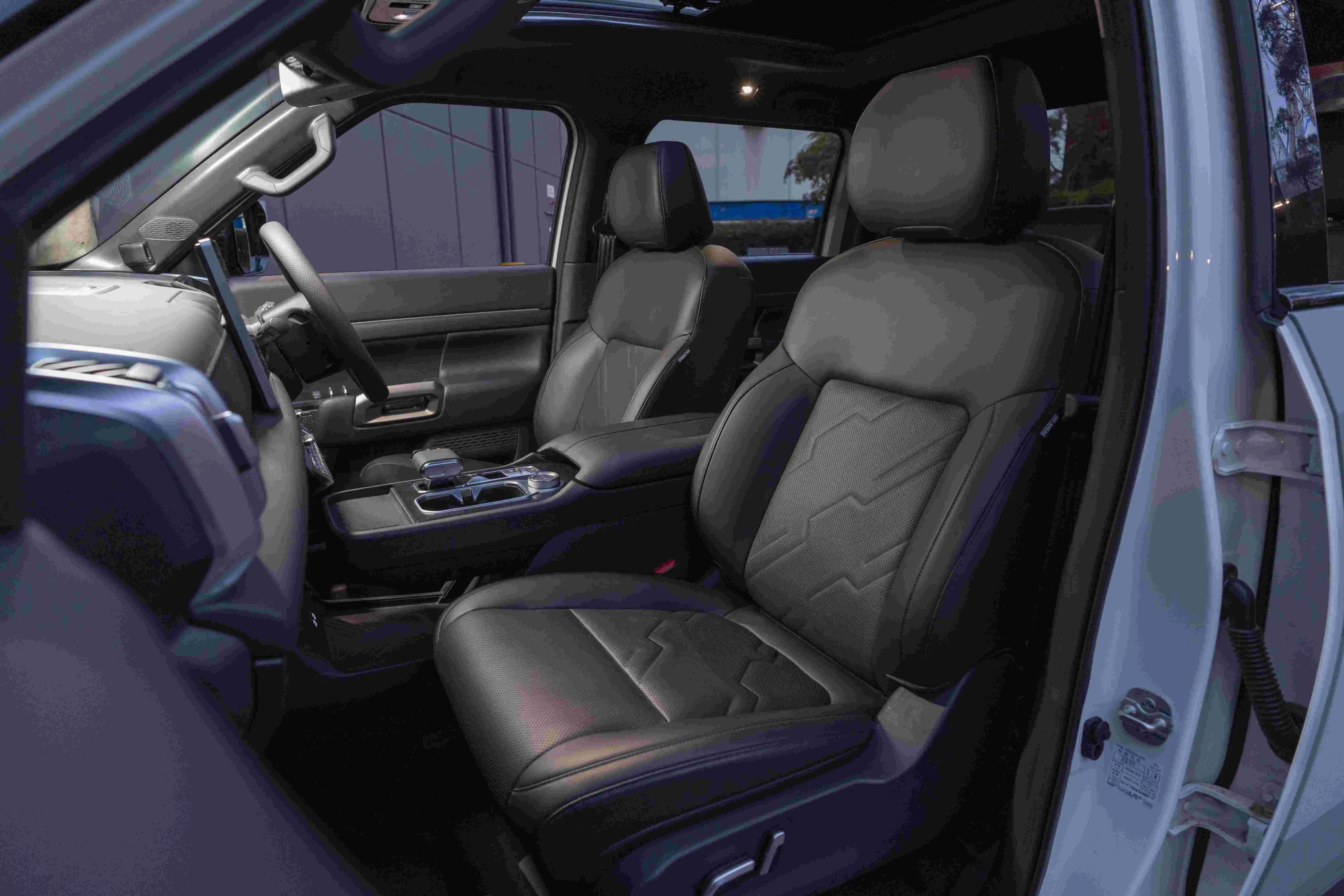
One of the most debated topics in the ute world is suspension. coils or leafs? Nissan is still playing their cards close to their chest, evaluating both multi-link coil spring and leaf spring configurations. Galvin describes the challenge as a “Goldilocks type scenario where the vehicle rides like a passenger car, has really strong posture at high payload, and gives you the confidence you need when you’re towing quite a high load”.
Tarmac Takeaway
While we’re still waiting on the final specs (battery size, EV range, and exact dimensions are all being kept under wraps until closer to the launch) the intent is clear. Nissan is aiming for the top of the shopping list by retaining the mechanical 4×4 system and true low-range transfer case that buyers in this segment demand.
As Galvin puts it, “We know that our expertise in these markets and the core capability of the vehicle really put us at the top of the buyers’ shopping list”.
It’s a bold claim, but given the level of local engineering input, the Navara Pro PHEV is shaping up to be a serious contender in the electrified ute space. We can’t wait to get behind the wheel next year.
The Stats We Do Know
- Hybrid Configuration Plug-in Hybrid
- Engine 2.0-litre turbocharged petrol
- Electric Motor High-output electric motor
- Transmission 8-speed automatic with integrated electric motor
- Drivetrain 4×4
- Combined Power 300kW
- Combined Torque 800Nm
- Drive / Terrain Modes Four Drive Modes and Seven terrain modes
- Payload Up to 1,000kg
- Towing Capacity 3,500kg braked capacity
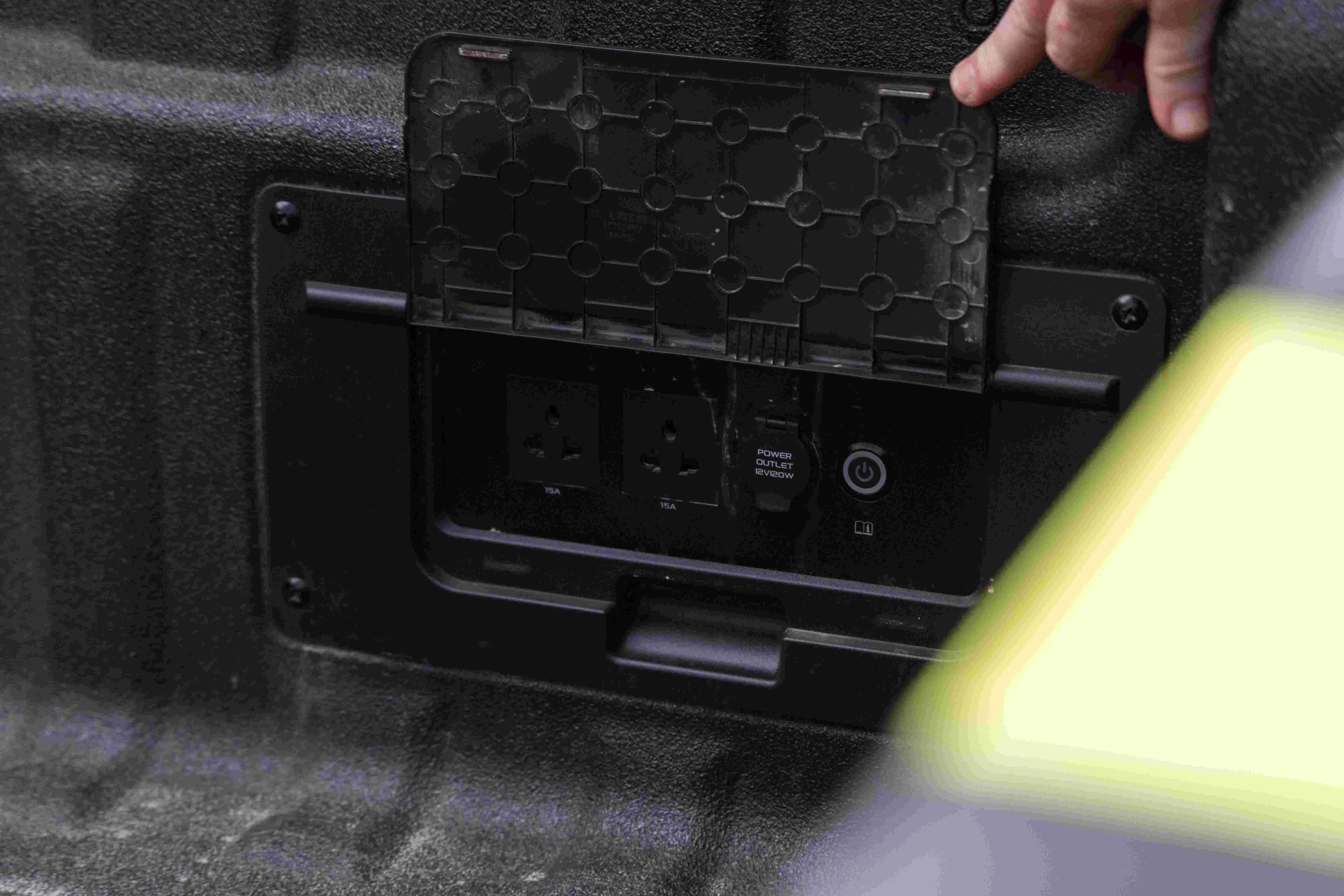
- Vehicle-to-Load (V2L) Available