GWM is executing a calculated expansion strategy in New Zealand and Australia, highlighting volume growth through a focused portfolio of mid-size SUVs and Utes.
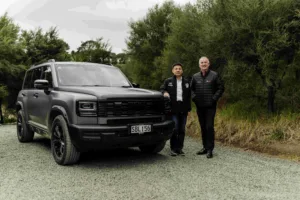
John Kett, GWM’s Chief Operating Officer for Australia and New Zealand, frames this strategy around a clear, ambition-led vision. “When I talk about ambition first, and then we walk our way back,” Kett explains, noting that the company has set specific volume markers to achieve top-five status in New Zealand, which requires approximately 7,000 annual units, and eventually top-three status, which would necessitate 10,000 to 12,000 units.
Kett identifies the mid-size SUV and Ute segments as the critical drivers of market share, noting that these categories represent roughly 50% of the Australian market and 40% of the New Zealand market. “If you get it right in the mid-size SUV segment and you get it right in the Ute segment, you’ve got half the job done,” Kett says.
The Ute portfolio is being diversified to build credibility in a segment where internal combustion engines still dominate, accounting for 73% of the market. By leveraging a mix of 3.0-litre and 2.4-litre diesel engines alongside plug-in hybrid (PHEV) offerings, GWM aims to improve its current seventh-place market ranking. The strategy involves penetrating fleet and operating lease channels, which are currently under-served by the brand.
While current performance sits at approximately 350 to 400 Utes per month, Kett acknowledges the scale of the challenge: “To be a top five player, you got to be up into the or top three player, you got to be into the thousands. You know, so we’ve got a lot of work to go, work to do there”.
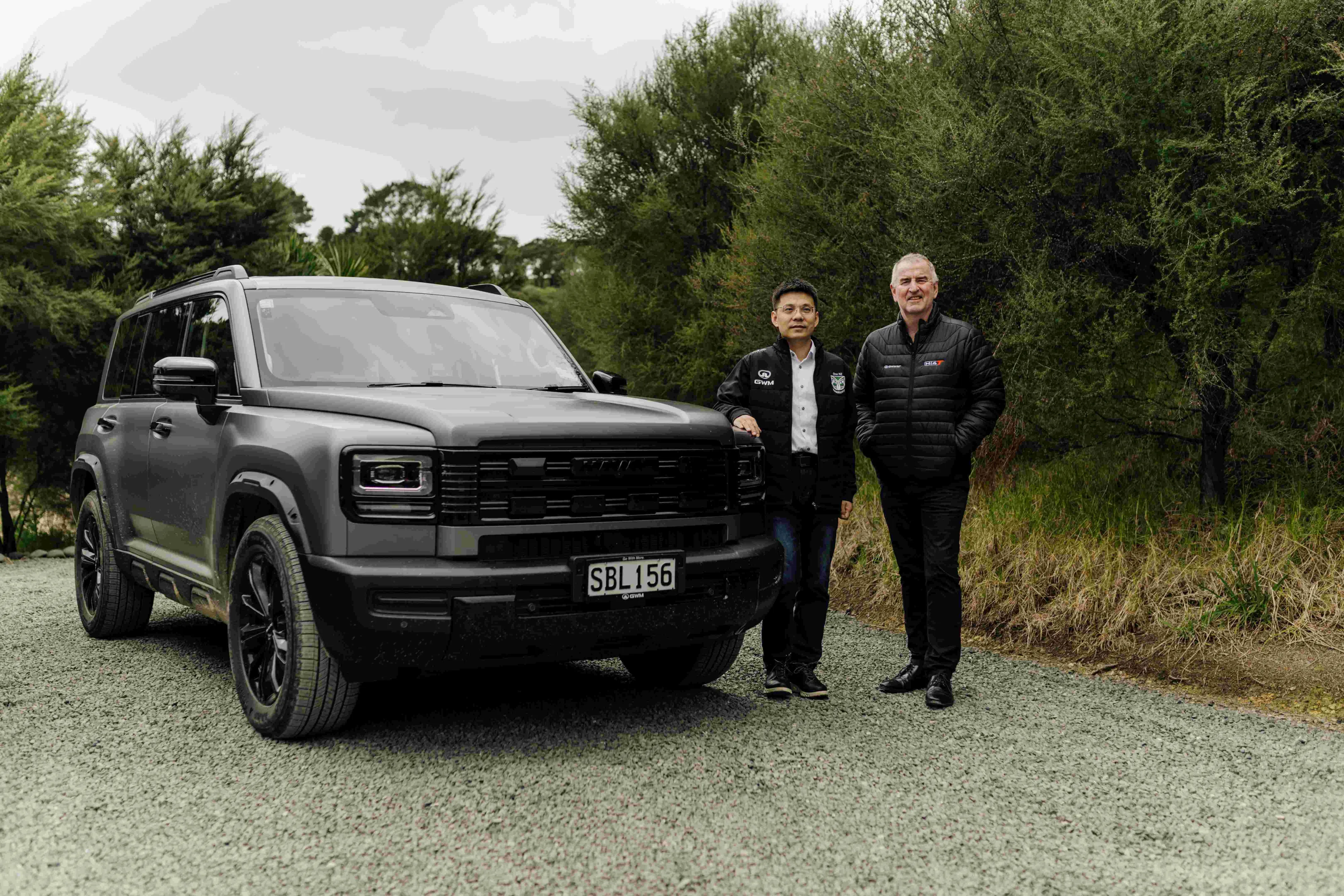
In the SUV space, the H7 is positioned to complement the existing H6 and H6 GT, offering a boxier, more off-road capable alternative. This is supported by the upcoming introduction of the Jolion Max, an entry-level mid-size SUV, and the Ora Touring, a full electric vehicle, which are intended to capture further share in the mid-size segment.
The Tank brand is being established as a “definitive off-road” competitor, distinct from the monocoque SUV lineup. GWM is committed to expanding the Tank range to include the 300, 400, 500, 700, and 800 models. A V8 variant is confirmed for the second half of next year, though Kett remains cautious about distribution volumes, intending to test real market demand rather than relying on romanticised interest. “I think we recognise that there’s an extreme love affair between New Zealand and Australia for V8s. But is it a romantic, just a wish list, or will they actually buy it? I think that’s what I think that’s what we’re going to be testing,” Kett notes.
To maintain brand integrity and dealer profitability, GWM is strictly avoiding the practice of pricing body-on-frame vehicles into monocoque price segments. “Sometimes when we try and make a body-on-frame vehicle price into a monocoque pricing segment, you start losing value, dealers start losing profitability,” Kett explains.
This approach ensures that the Tank brand remains a legitimate competitor to established off-road players like Toyota, Everest, and the MU-X.
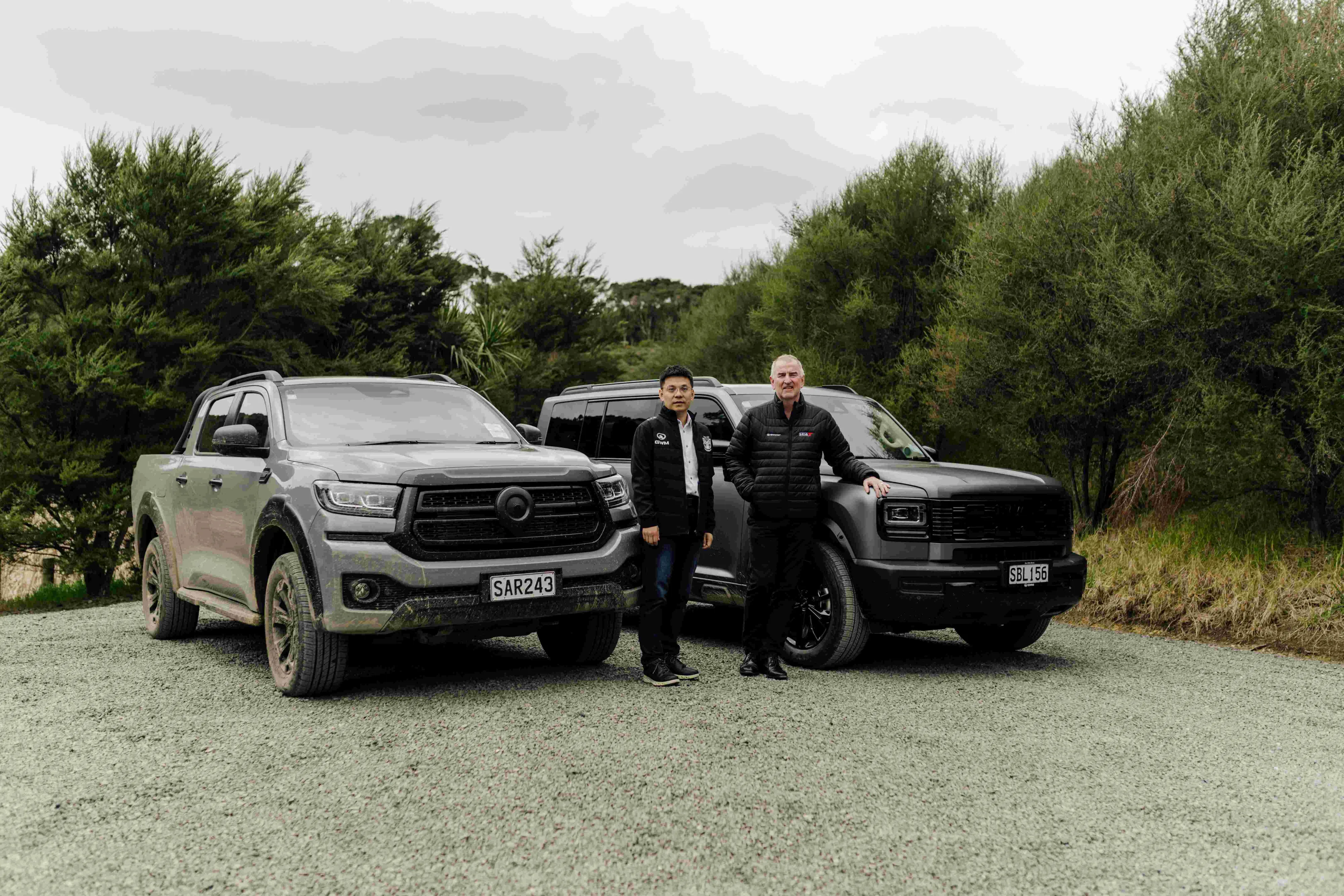
Powertrain evolution is heavily dictated by emissions compliance, specifically New Zealand’s CCS and Australia’s NVS regulations. Diesel-hybrid technology is a primary focus, with an expected market introduction toward the end of next year. The company is utilising the rapid growth of its EV and PHEV sales to generate credits, which effectively mitigates the financial penalties associated with importing higher-emission vehicles like the V8 Tank. “The good news… is the fast-paced growth we’re seeing in our plug-in hybrids and our EVs has given us real headline coverage around the CCS credits and the NVS credits,” Kett says.
Localisation of leadership has been a cornerstone of the brand’s recent success, fostering a stronger, more responsive relationship with the dealer network. By presenting a consistent “New Zealand face” for the business, GWM has improved brand awareness through targeted platforms and sponsorships, such as the partnership with Wahs. The company is currently focused on enhancing the ownership experience for its projected 30,000 customers by the end of the year, emphasising responsiveness and continuous improvement in service delivery.
As Kett concludes, “When something doesn’t go right, we’re happy to move and correct it and take some action”.