Following a week in Guangzhou with Nissan, it was clear to see that the Japanese automaker has big plans for their future in China, one of their three biggest markets worldwide. However, I was largely unaware of the scale and diversity of Nissan’s operations in the country so being the history nerd that I am, sought to explore this even further.
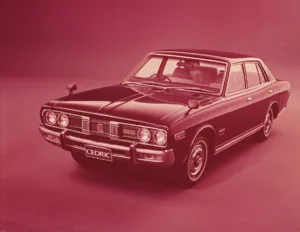
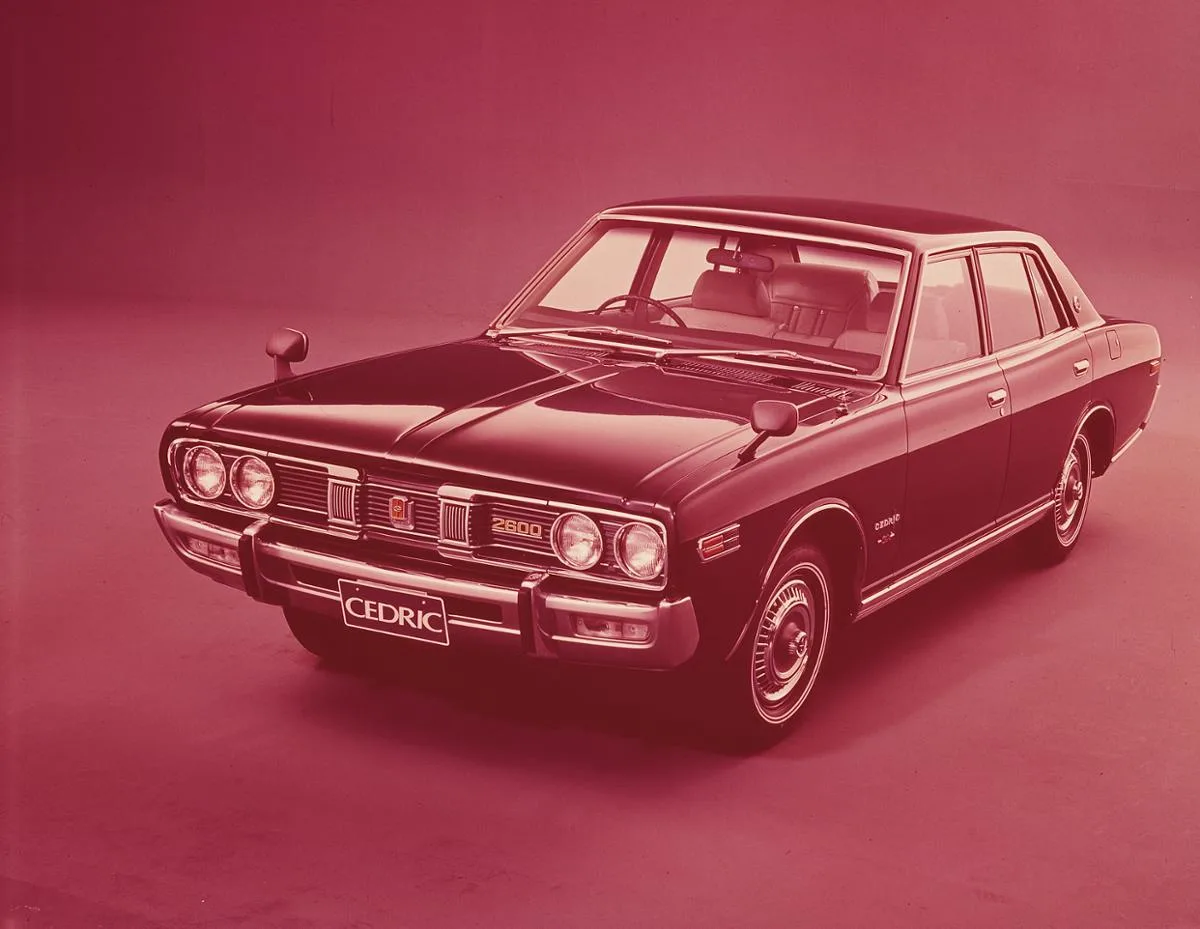
Unlike most other global automakers who were only introduced to China after the millennium’s turn, Nissan can trace its roots there back to 1973 when it made the Cedric sedan available for sale in the market. The Cedric of course was a large sedan, famous for things like its rear seat space and comfort, two hallmarks that Nissan are still known by today, even more so in China where sedans continue to sell strongly.
Despite an early introduction to the Chinese market, it wasn’t until the 1990s when things really got into gear for Nissan. Zhengzhou Nissan (ZZN) was their first local joint venture, tasked with developing passenger vehicles initially but transitioning to light trucks and commercial vehicles following the birth of Dongfeng Nissan in 2003. Dongfeng Nissan Passenger Vehicle Company, colloquially known as Dongfeng Nissan or simply DFN was set up as a subsidiary of Nissan China Investment Company, the former taking on the sole responsibility for Nissan’s passenger car operations in the country.
In the time that has since passed, Dongfeng Nissan’s local operations now include a design centre in Shanghai which is where the new Navara (Frontier) Pro PHEV was penned, a technical centre in Huadu which is where they also have a production facility, one of four across China. Zhengzhou Nissan is still very much operational too, being responsible for development and production of the upcoming Navara Pro PHEV that is destined for our market, a first impression is to come over the next couple of days.

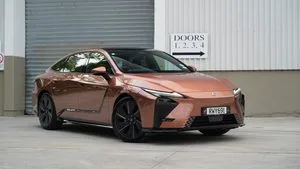
Dongfeng Nissan’s halo product today is the N-series. The line-up is a realization of the Re:Nissan strategy which sought to develop a range of ‘NEEVs’ or ‘new energy electric vehicles’ for the Chinese market with nine new models to be delivered by mid-2027. N-series is currently made up of two sedans and as of Friday, two SUVs.
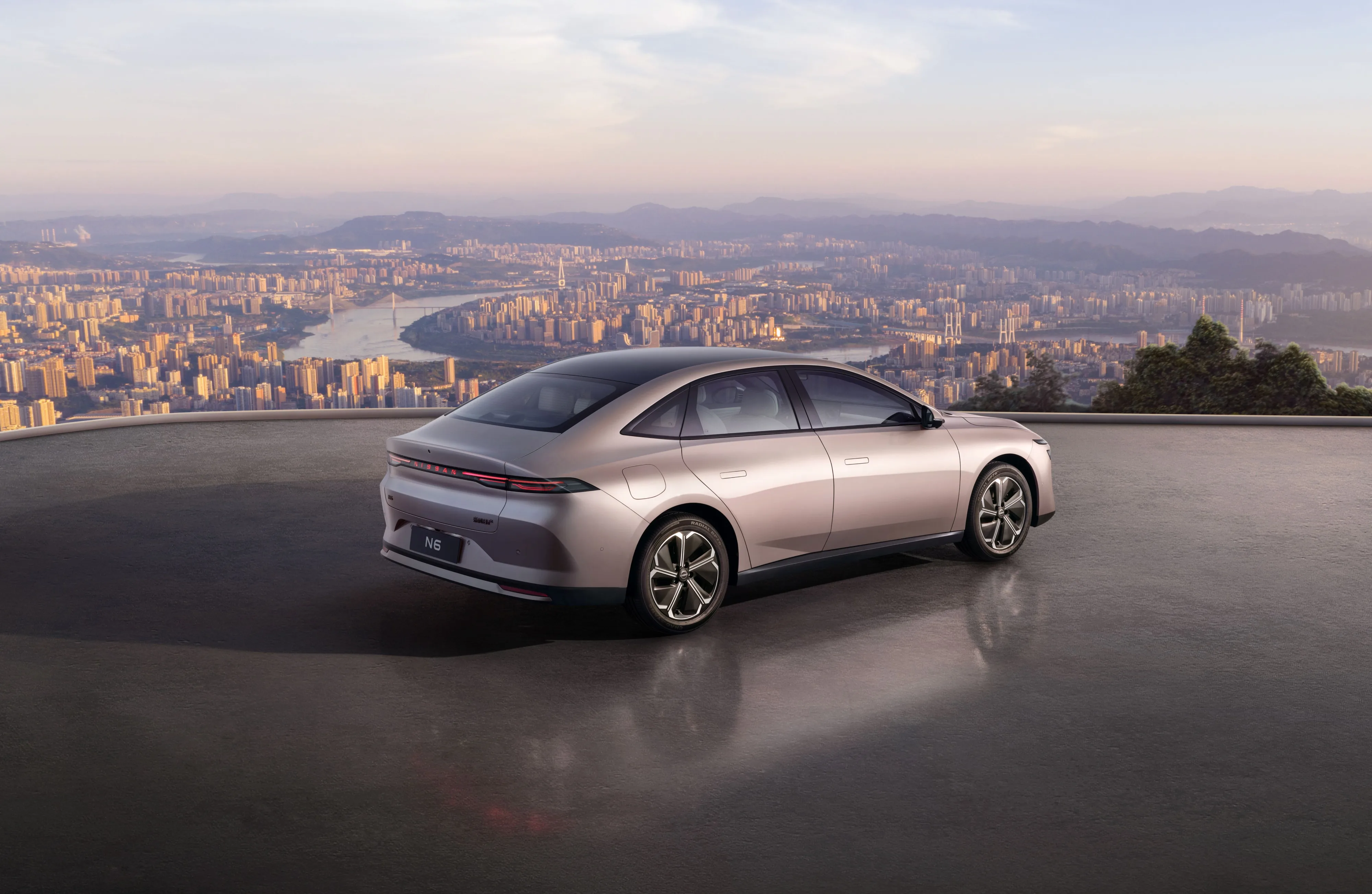
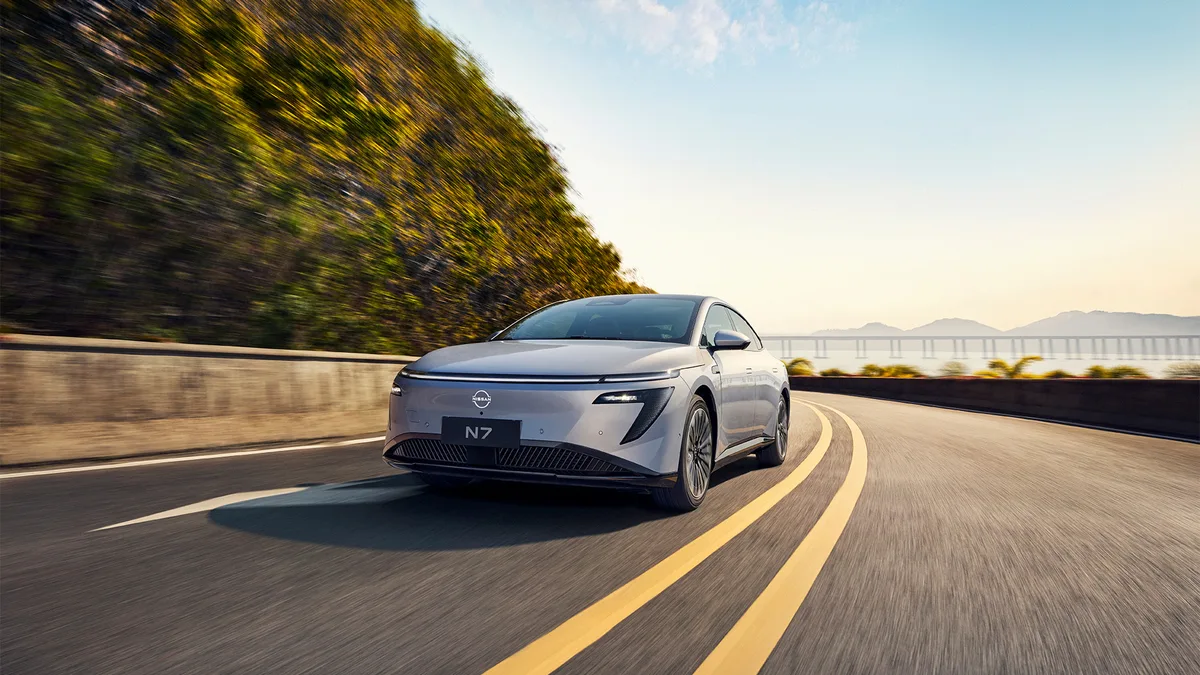
The N6 is an entry level PHEV powered sedan with a 1.5 turbo engine and a 21.1 kWhr battery. At the time of its launch, it was Nissan’s first PHEV sedan and thanks to competitive pricing (about NZD $36k for the range topper), it helped introduce the brand to many first time buyers. This was followed up by the N7, a slightly larger sedan, available with either a 58kWhr or 73kWhr battery, the latter boasting 635km of CLTC range with the flagship version priced at NZD $41k. The N7 recorded 17,215 units sold in its first month alone, many of whom were again new to the Nissan brand.
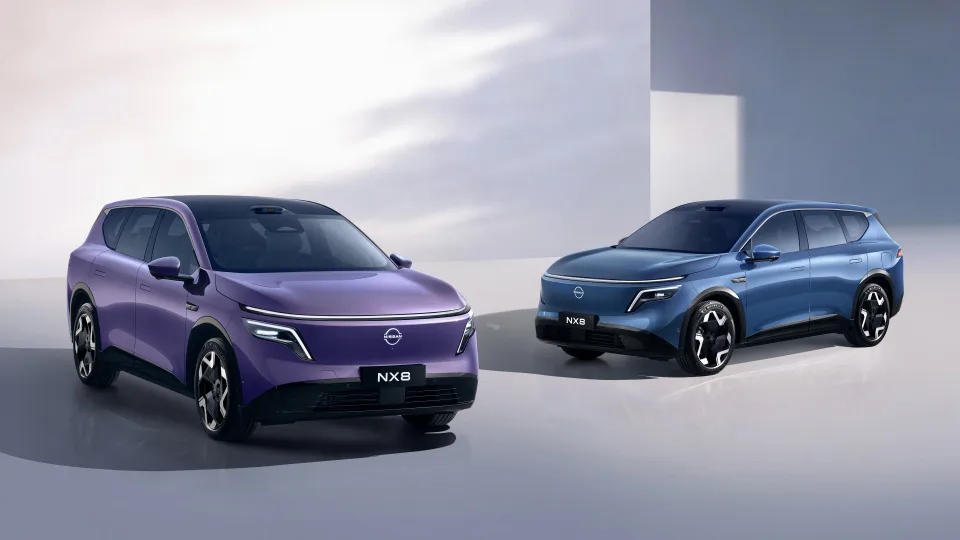
An automaker’s lineup isn’t complete without at least an SUV or two. Nissan certainly has their fair share with two falling under the Dongfeng Nissan N-series umbrella, the NX8 and NX7. NX8 is their halo product with the range topper priced at the equivalent of NZD $57,631. Available in two powertrain options, firstly as an EV which offers a predicted 650km of CLTC range with the biggest battery selected while the ‘REEV’ or ‘range extender EV’ claims a whopping 1,450km from its powertrain! The NX8 also helped champion autonomous driving capabilities for Nissan in China who gave us a demo of this during our day on track at the Zhuhai International Circuit, more to come on this in the following days.
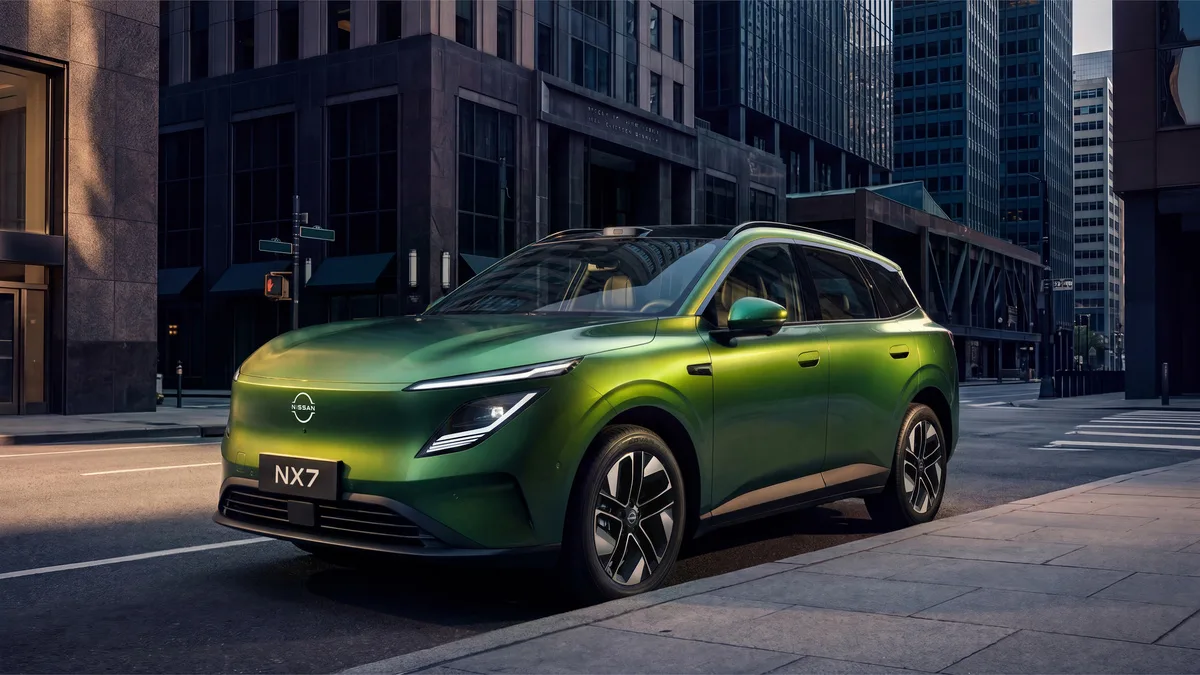
The most recent addition to the N-series family is the NX7 SUV, launched on Friday at the Guangzhou International Auto Show. NX7 offers a PHEV powertrain only at this stage, sitting under the NX8 where both pricing and size are concerned. A 1.5L petrol turbocharged engine works in tandem with a 40.95kWhr battery which offers 320km of CLTC range in electric mode only!
Many of you might be wondering why there’s a distinct lack of any motorsport involvement for Nissan in China and while that may have been the case previously, this is certainly changing as Nismo has recently been confirmed for the local market. China is still a developing fanbase where motorsport is concerned but the emerging following has taken an interest in Nissan thanks in part to their Formula E involvement as well as their history, the GT-R being largely responsible for this component of course.
With the above in mind, my week with Nissan in Guangzhou would see me tour both the Dongfeng Nissan Technical Centre in Haudu as well as the manufacturing facility there to see where these cars are developed and built. We would also spend a day at the Zhuhai International Circuit, driving four of the five above vehicles on the racetrack, through a series of tests and a special off-road course for the Navara/Frontier Pro PHEV. Lastly, I was also at the Guangzhou International Auto Show to witness the unveiling of the new NX7 SUV.
Thanks for reading! For more Nissan news and reviews, visit Tarmac Life.
Pictures courtesy of Nissan News Global, words by Matthew D’Souza.
This article was researched, composed and written entirely without the use of AI.
Please note that the Nissan N6, N7, NX7 and NX8 are not currently planned for sale in New Zealand.