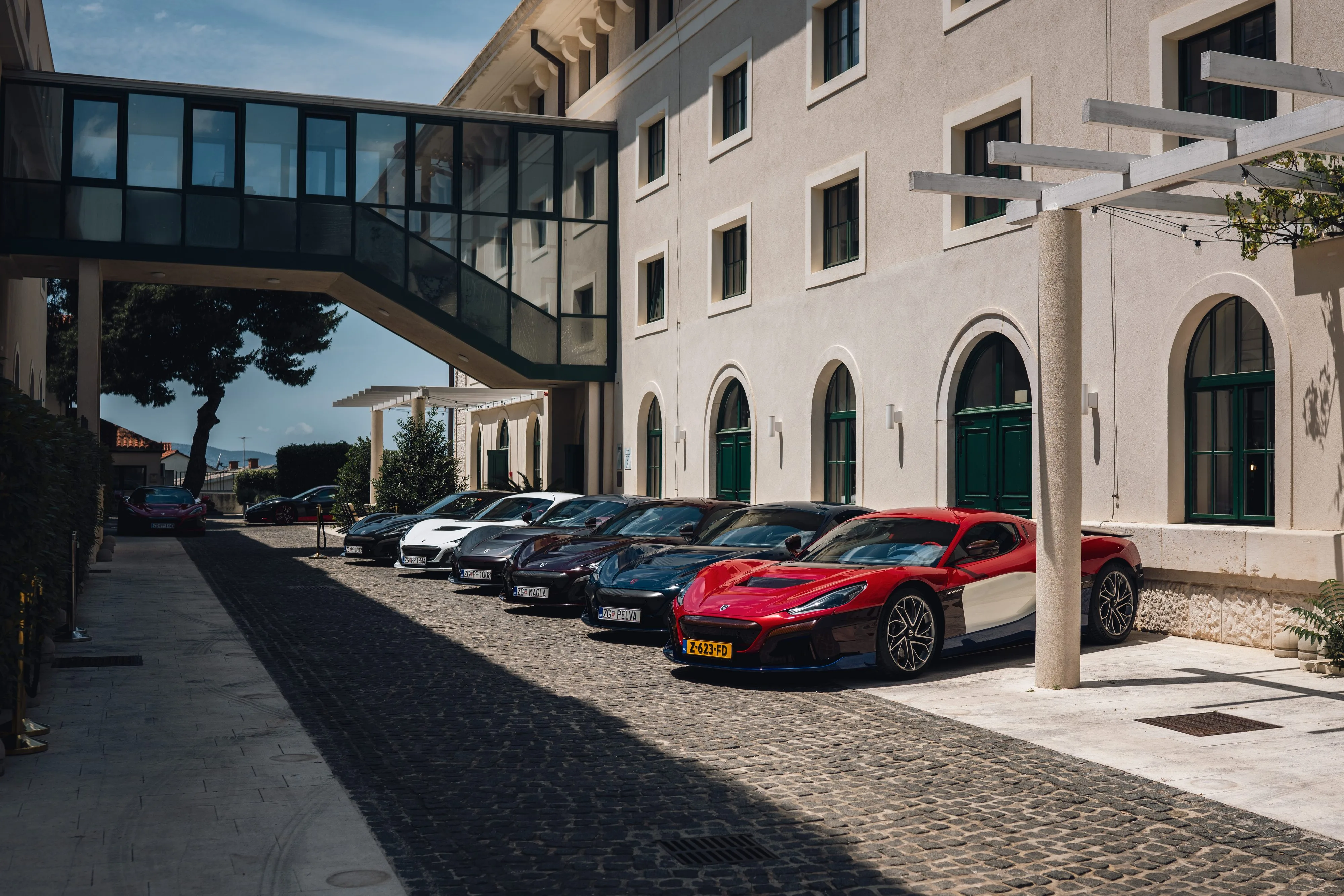
Rimac initially planned to build 190 examples of its Nevera hypercar, but production will be phased down after 71 deliveries. Company founder Mate Rimac is describing the outcome as a success rather than a shortfall, and the final car is due to leave the production line by the end of this year.
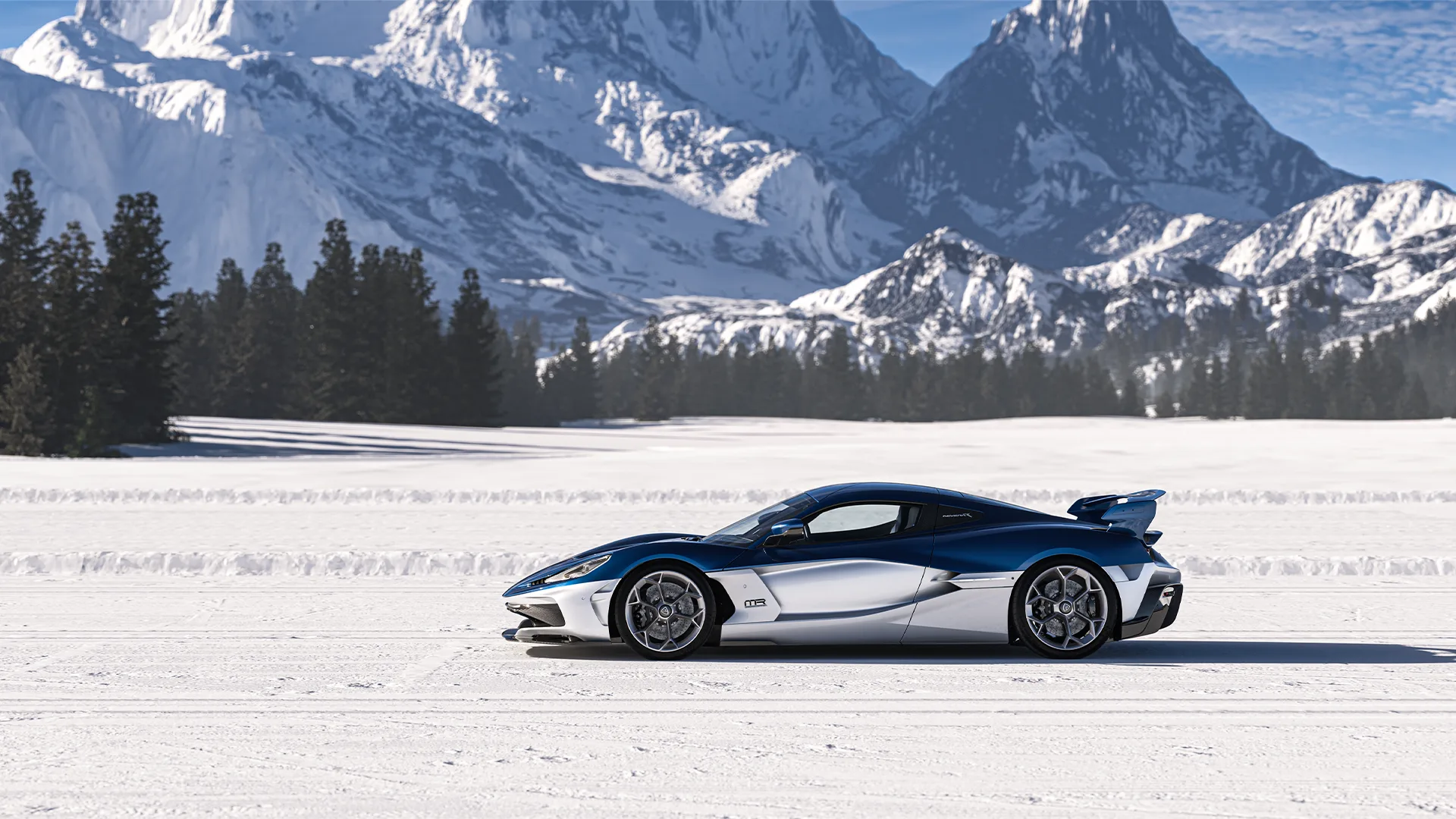
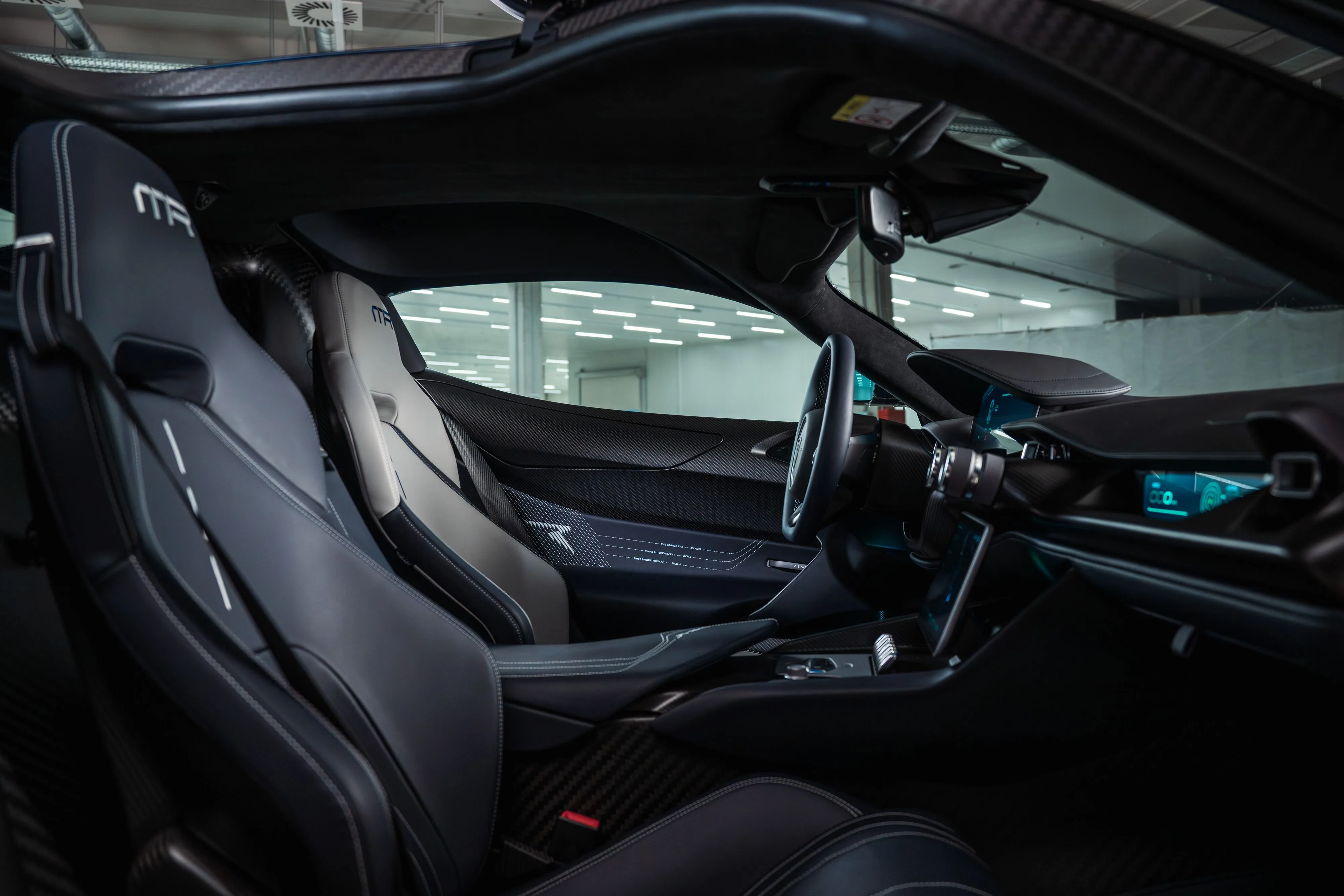
The standard model was planned at 150 units, but 51 will have been (and will be) built. The sharper Nevera R, introduced in August 2024, was planned at 40 units, a number now changed to 20. Ten of those belong to the limited Founder’s Edition, which customers configured together with Mate Rimac himself. Deliveries of that edition began in January 2026, and the other ten are still in production.
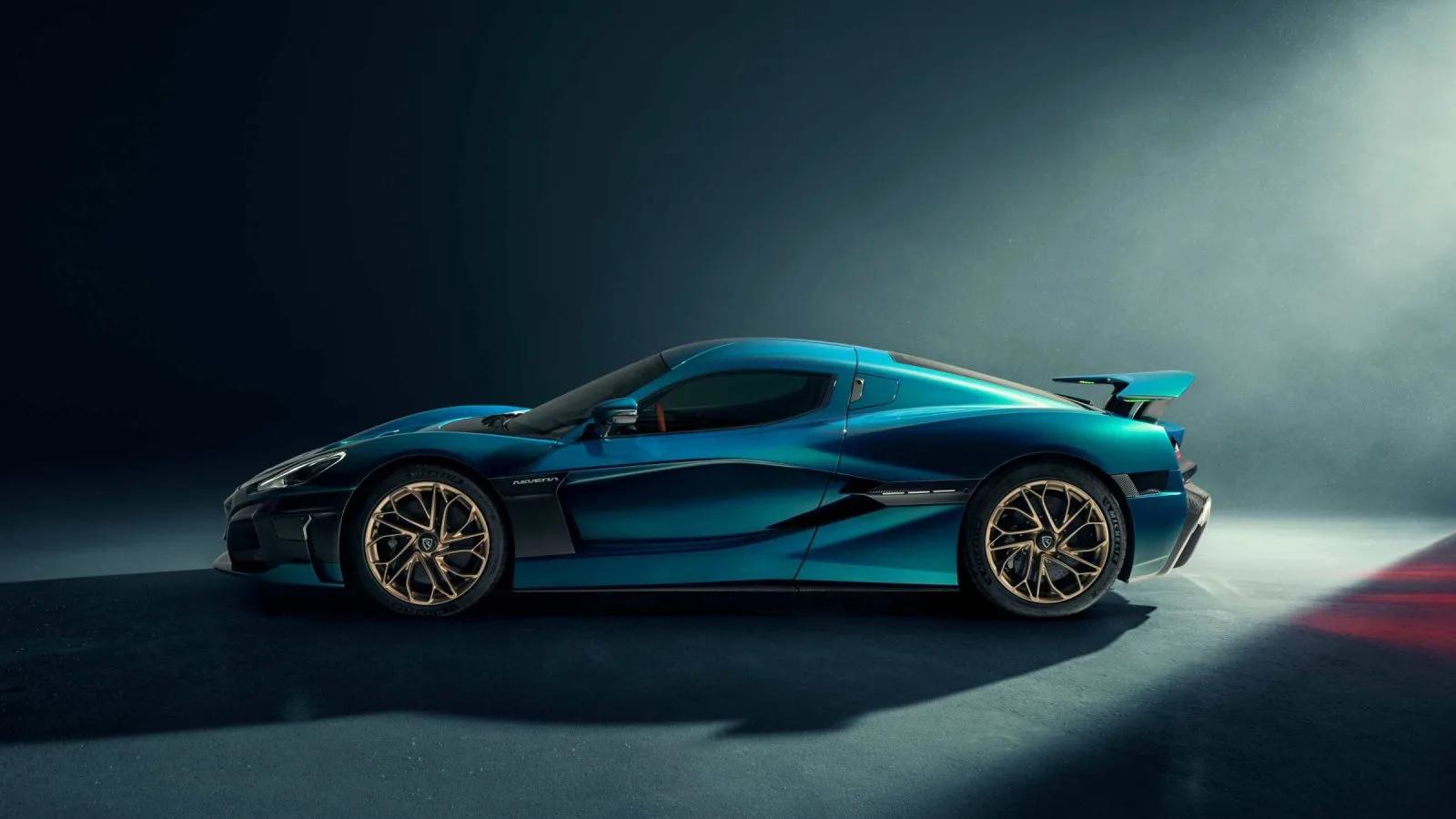
There might be many reasons for demand to have changed, but performance does not appear to be one of them. The Nevera produces 1,408 kW, or 1,550 kW in the Nevera R, and is credited with several records, including a Nürburgring lap of 7:05.298 as a production electric vehicle and a top speed of 431.45 km/h.
Demand began to ease from mid-2024. At a price of at least two million euros, the car faces a buyer who has many other options. Mate Rimac has acknowledged that sheer acceleration no longer sets a hypercar apart, since more affordable saloons can now reach 100 km/h in under three seconds. Reporting on the decision suggests that wealthy collectors now look for emotional appeal, with the usual comparison with Swiss luxury watches being used, which keep their following even though smartwatches are functionally superior.
A Mission Accomplished
Rimac does not see the early end as a setback. In a post on Instagram, Mate Rimac said the Nevera has “done its job”, arguing that the car enabled the company to reach its current position. He also said the Nevera is the most sold electric hypercar in the world, and that without it, there would be no Tourbillon and no factory.
Rimac’s output now extends well beyond hypercars, as they also build the V16 hybrid Bugatti Tourbillon at the joint venture Bugatti Rimac, and that model is already sold out. In early 2026, Rimac also launched a new campus in Zagreb to produce high voltage battery systems. The Nevera’s story shows that a hypercar’s appeal depends on more than numbers, especially today. It also shows that Rimac is becoming a technology group, broadening their horizon while still collecting some electric record breaking as part of their know-how.