The Lexus ES 500e is a car I was looking forward to having. A lot, actually, and not for the usual reason of me being a Lexus fanboy, but instead, because when it was first unveiled, I really wasn’t a fan.
It mostly came down to the exterior design, and maybe some bitterness of the LS having been discontinued. To add salt to the wound, I saw most of the physical buttons were gone, the screen had grown, and the whole proposition felt like a step backwards from the things Lexus had always done so well.
I wanted the ES to be a calm, well-built, slightly old fashioned executive sedan, and this felt like it was chasing a different idea, one that way too many brands were also chasing. Having now spent a full week with the car, I can say that some of those first impressions still hold up, but it has changed my overall opinion of it, and it came down to asking the hard questions and letting go of first impressions. Join me for this journey.
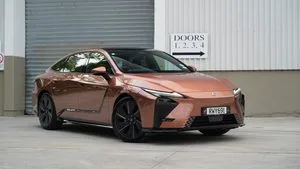
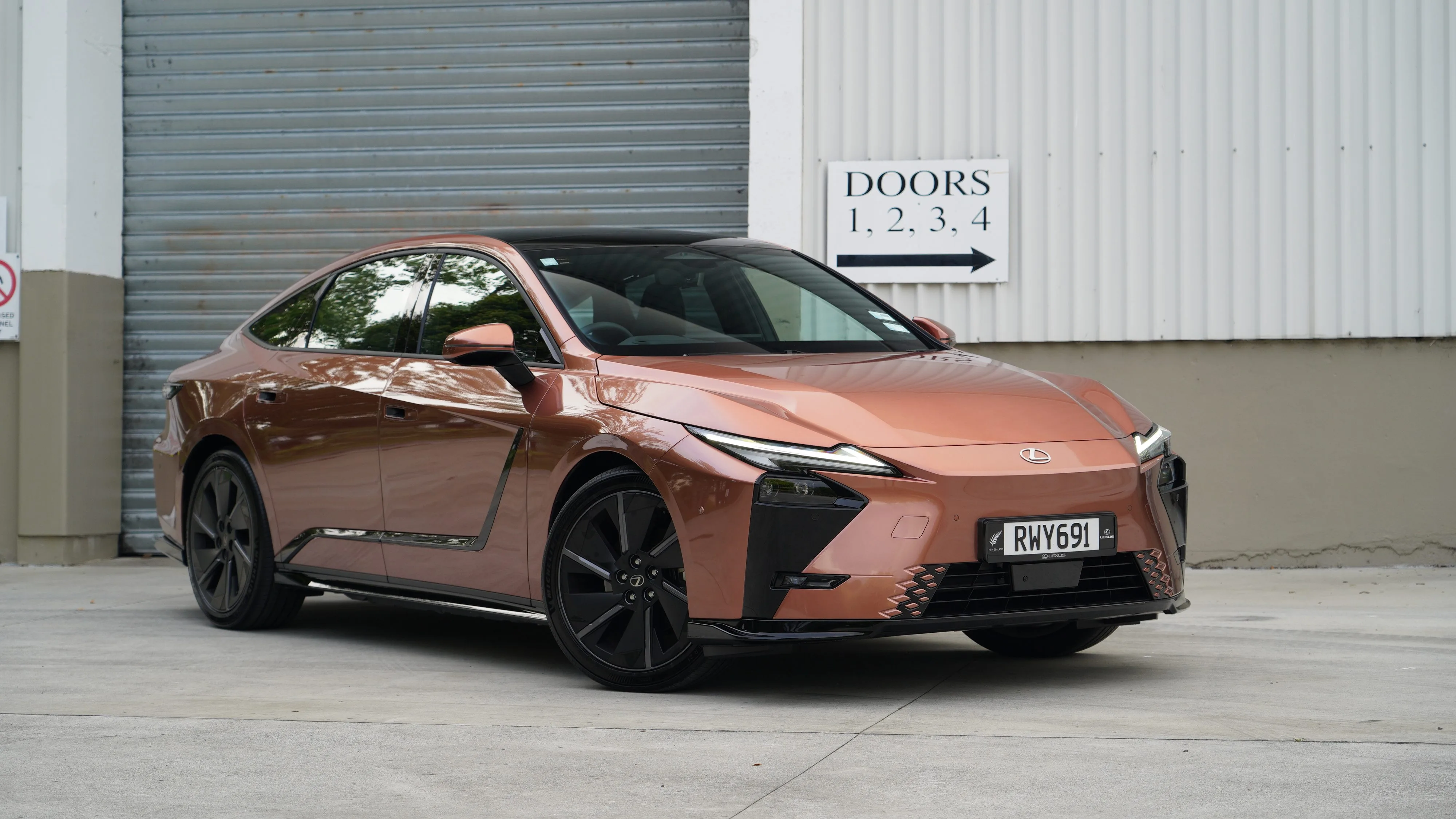
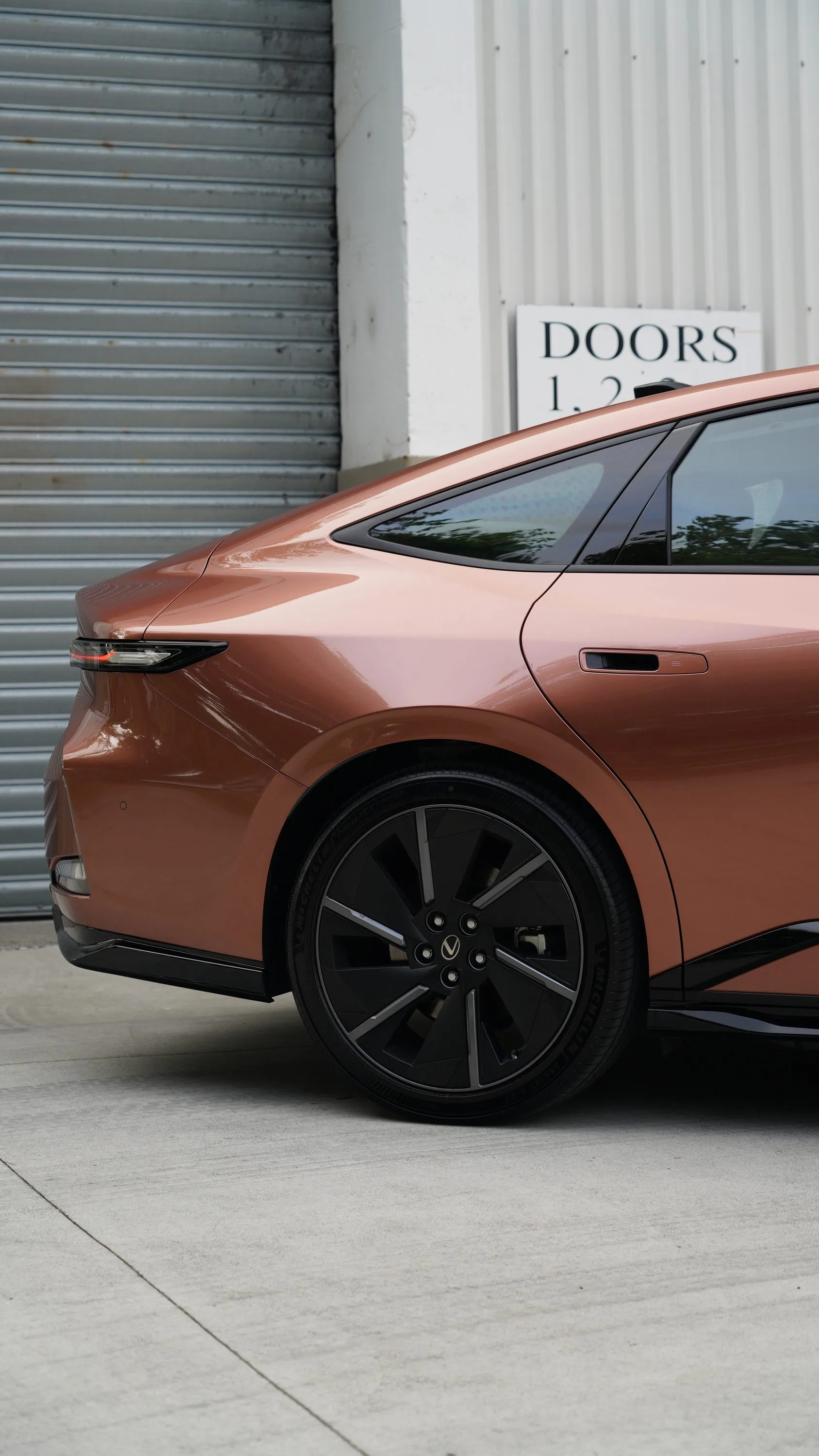
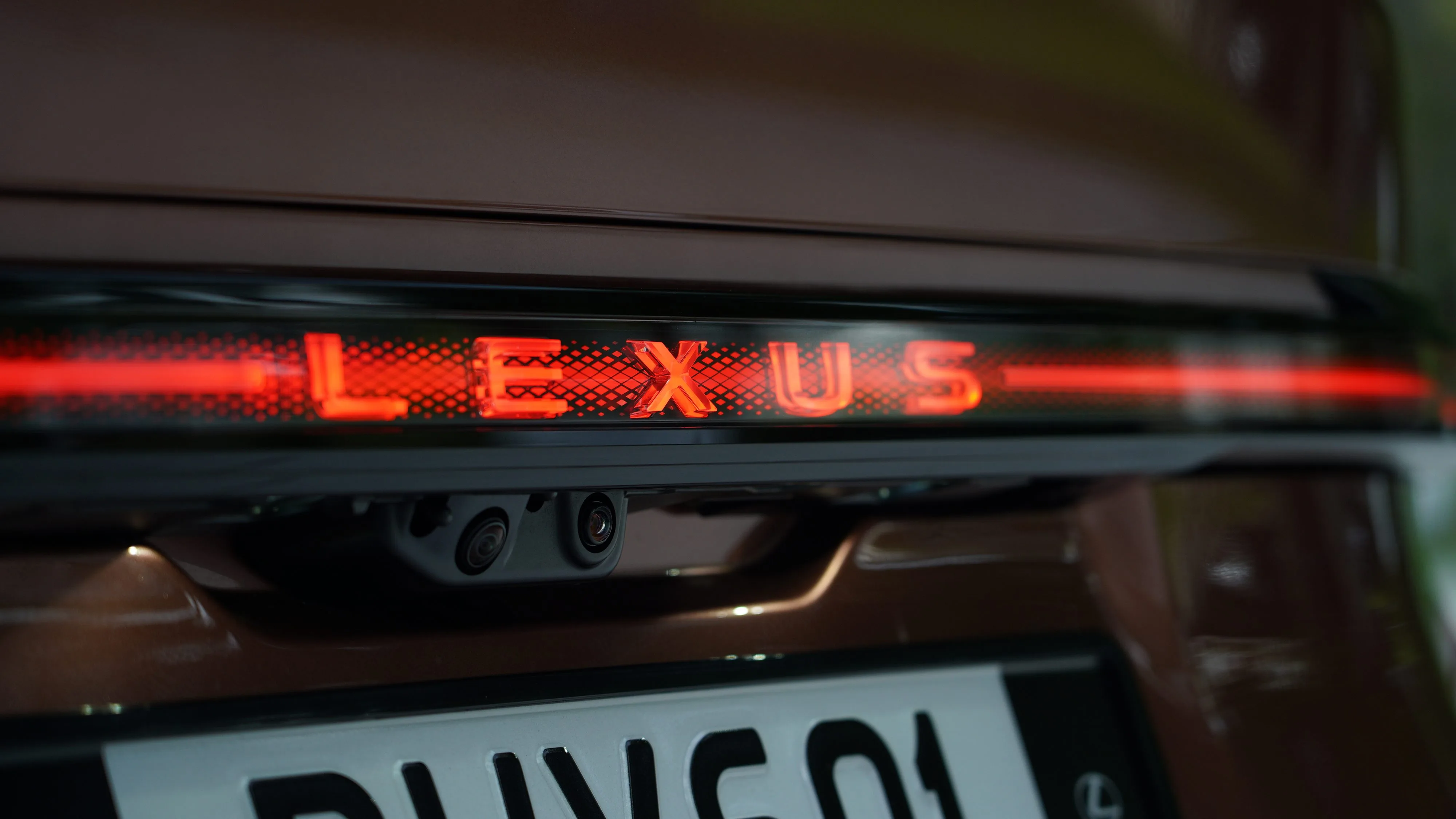
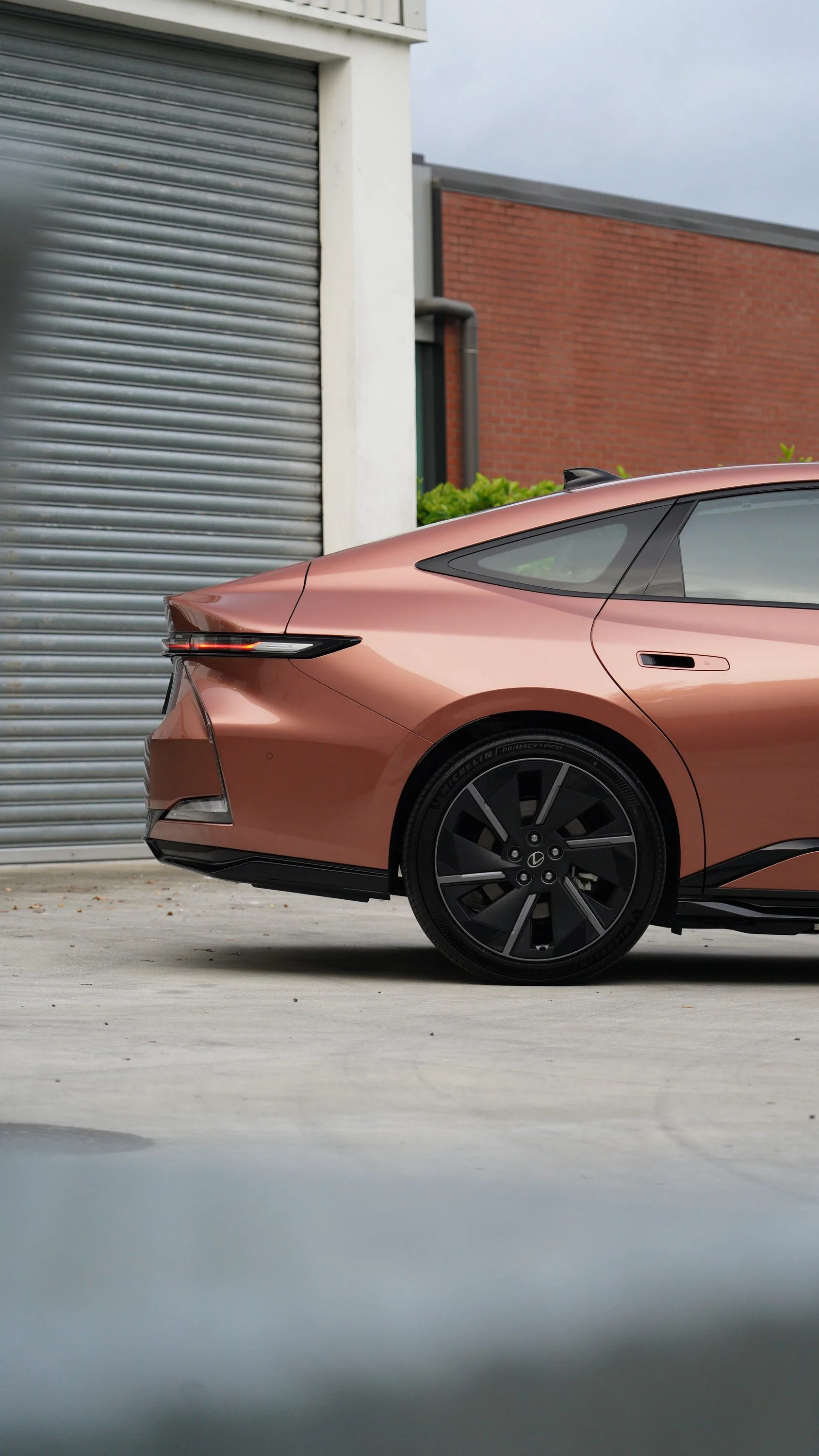
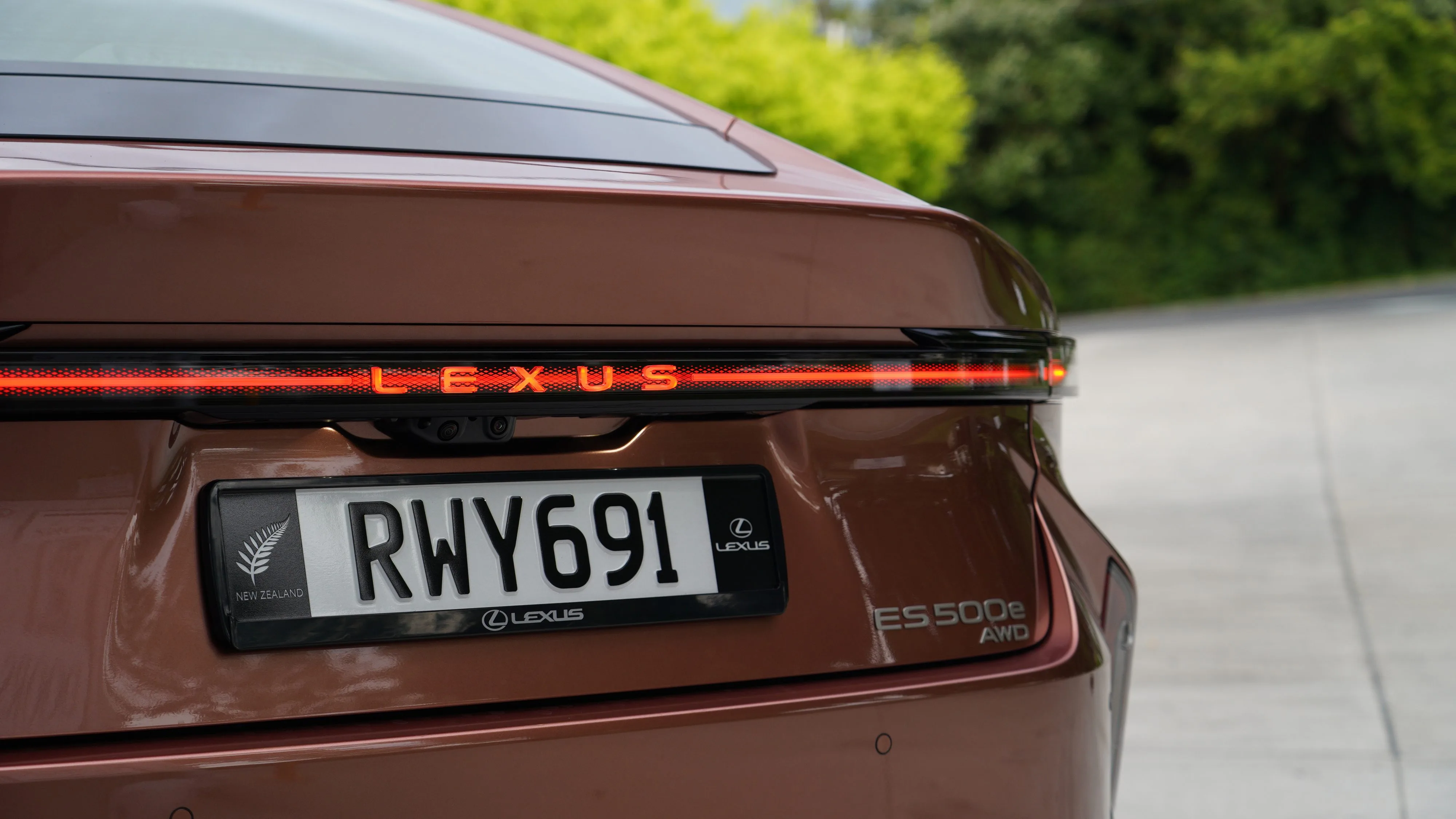
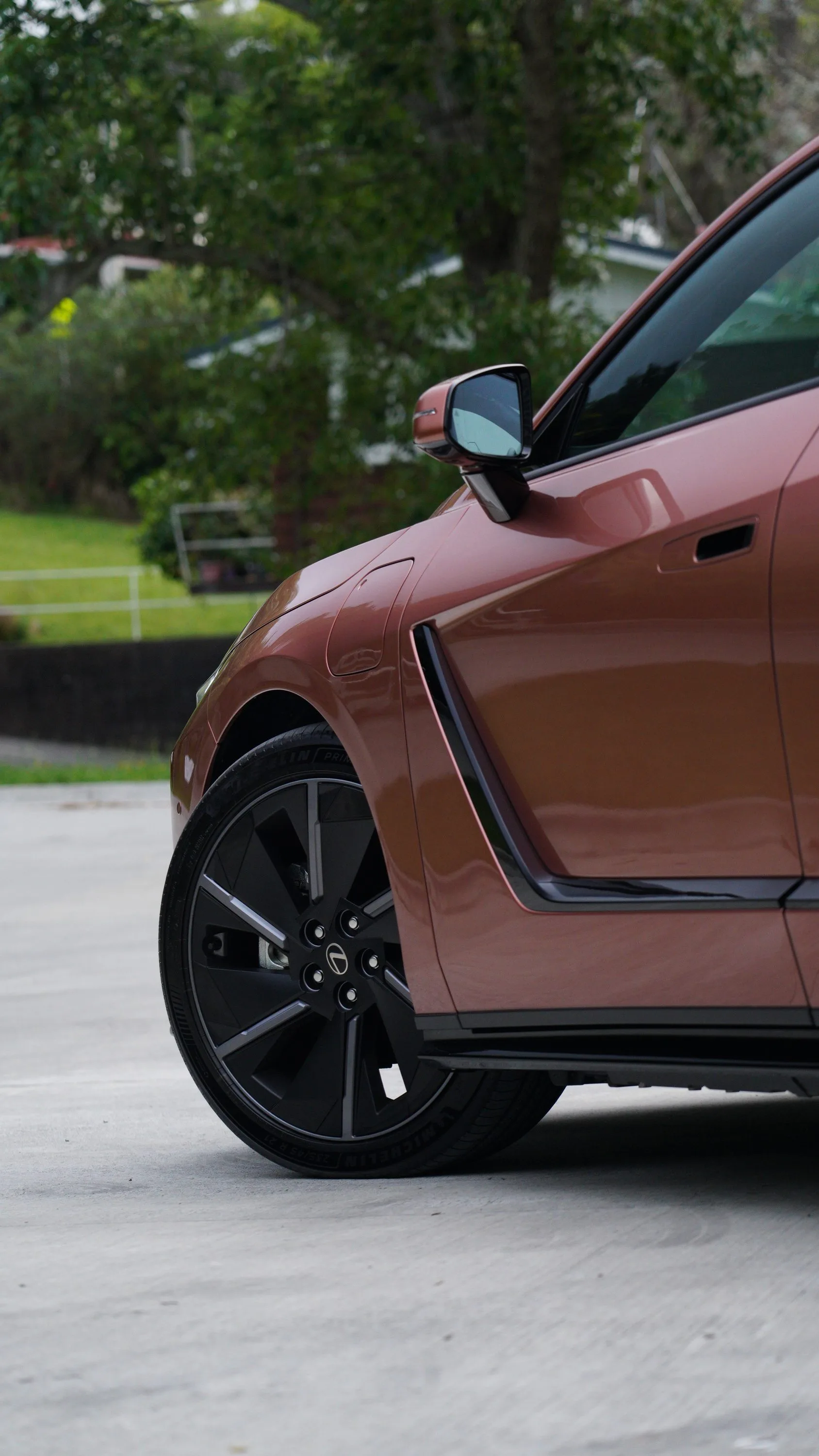
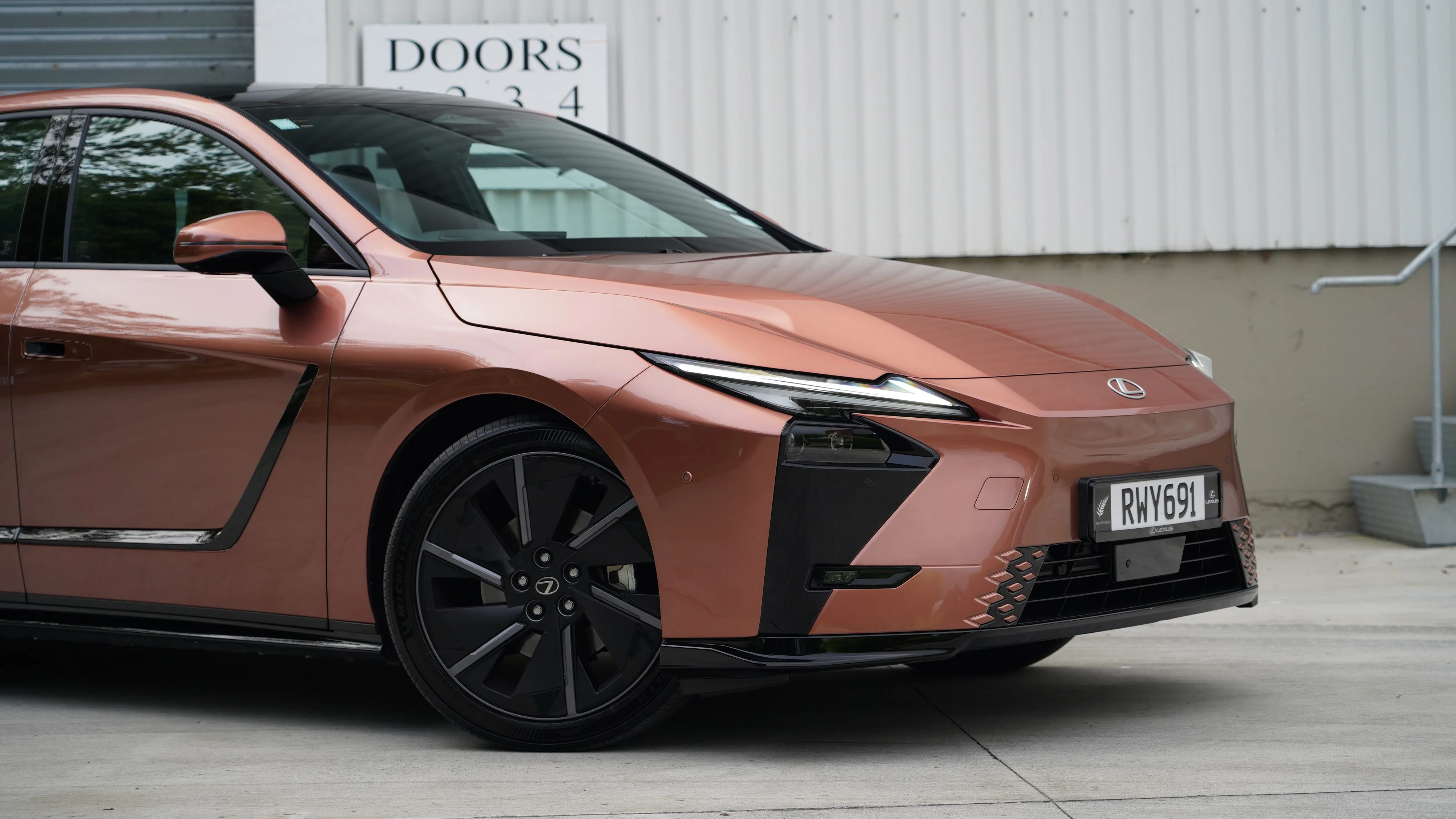
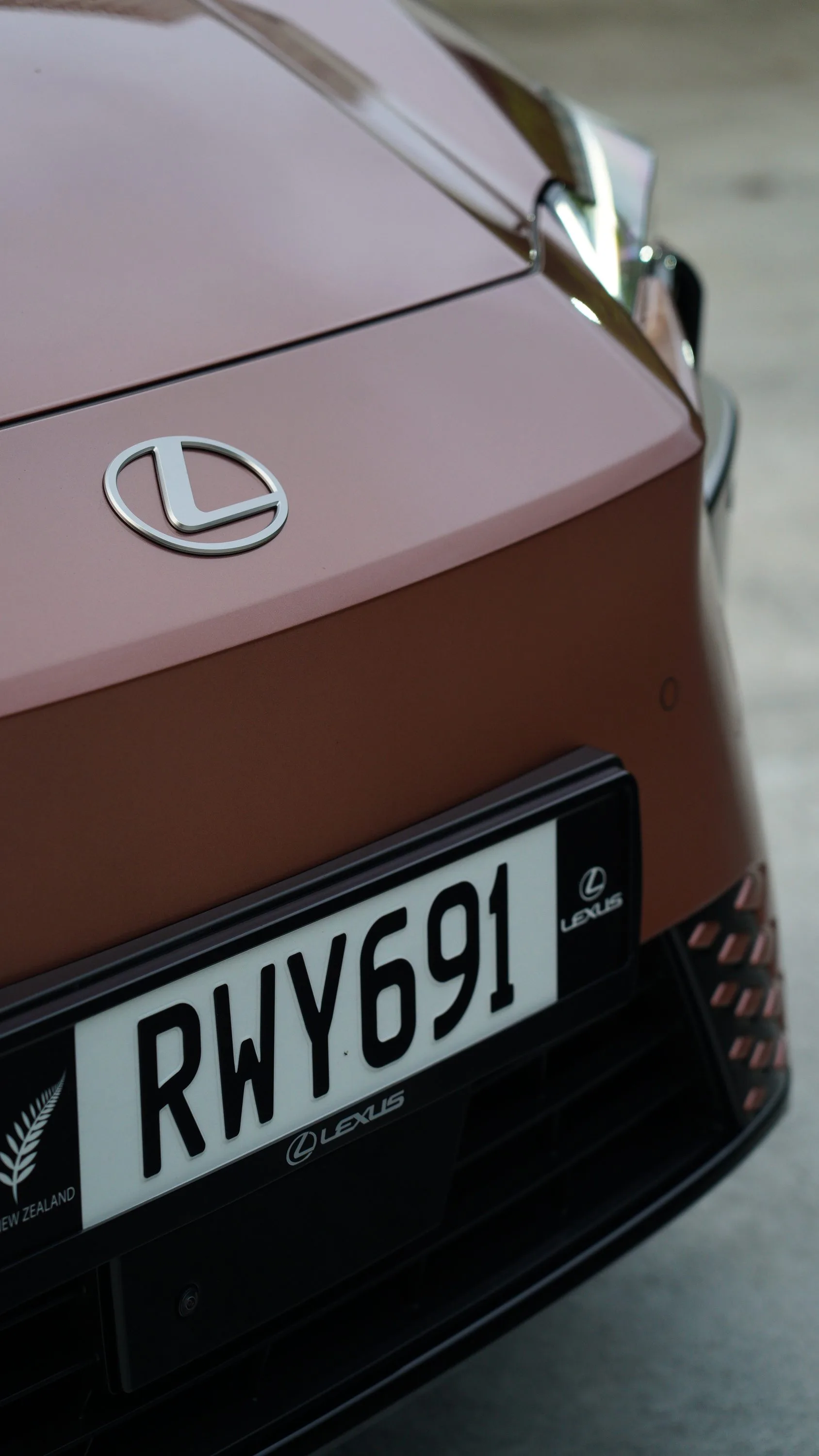
From the design perspective, the car works far, far better in person than it does in photos. The proportions that looked odd on a screen are still odd on the metal (it definitely has the “frumpy” look we’ve seen in other recent sedans, and here you got the stablemate Toyota Crown Crossover to thank), but it is much more handsome once you’re standing next to it. The long bonnet (that hides a sea of plastic under the frunk-less front end), the sweeping profile and the clean rear end with a short boot deck give it a presence that the press images I saw when it was unveiled just didn’t quite capture. The 21″ wheels equipped to the BEV version (the Hybrid comes on 19″) certainly help, going a long way to make it look even more premium.
The Sonic Copper paint was a stellar choice, too. It is drop dead gorgeous and, while it doesn’t work in every car of the brand, it suits the ES like a glove. The colour drew a surprising amount of attention on the road, from people of all ages, from other Lexus drivers and even younglings spotting it when I drove this to a car meet – I’m one of those people.
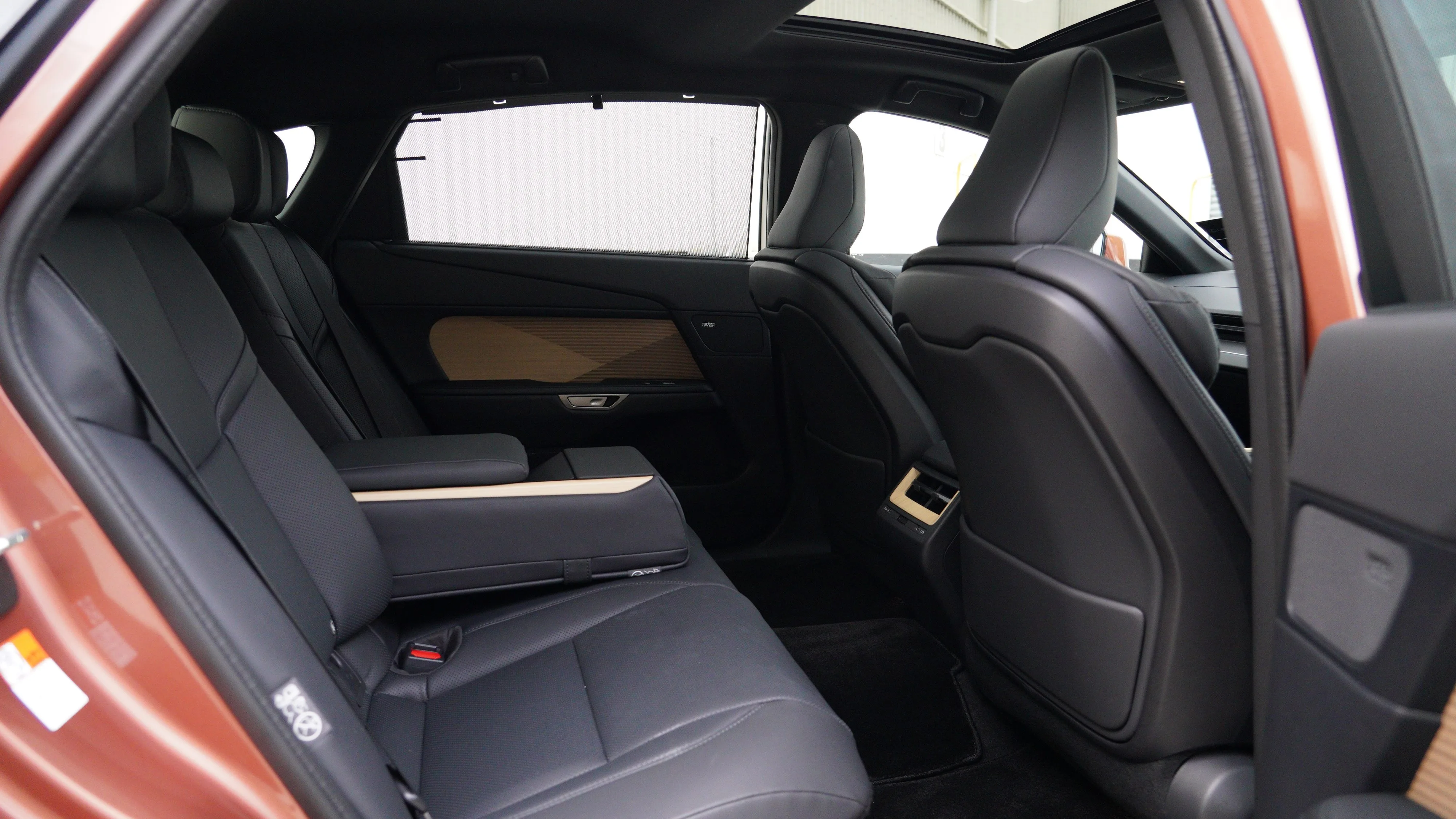
At 5.14 metres long, it is not a small car, but Lexus has been clever about how the length is used. The short boot lid hides the bulk of the car from the rear, and the boot itself has all the room you need for an executive sedan’s everyday duties. Another place that benefits greatly from all the 6 inches the car gained over the previous gen, though, is at the back: it is genuinely roomy. I can sit behind my own driving position, fold one leg over the other and still have knee room to spare. Getting in and out of all four seats is superbly easy, with wide door openings and a sensible height that avoids the awkward crouch some low sedans demand. All of that while – almost – mitigating the raised floor from EVs. For an ES, which has always been about passengers first, that’s exactly the point.
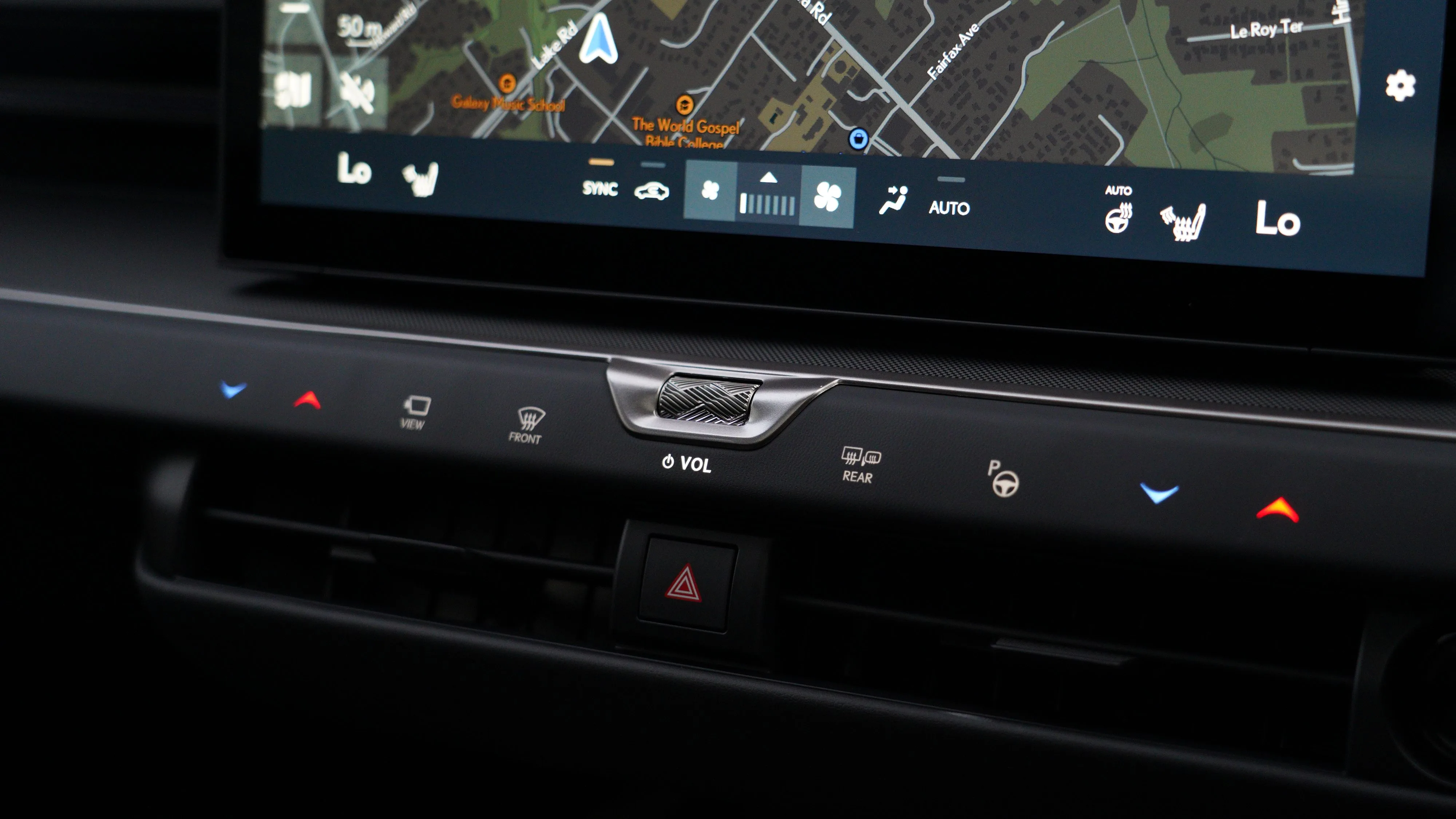
Inside, the big talking point is the removal of most physical buttons. I went in expecting the rubber membrane used for A/C settings and shortcuts to be the worst of both worlds: not as customisable as a touchscreen, and without the satisfaction of a real button. I was only partially right: the surface gives you feedback when you press something, a click-like response that feels far more natural than the haptic buzz found in many rivals. It’s not the same as a proper switch, but it’s a lot better than I expected, and it means you aren’t left guessing whether you’ve pressed anything at all. Plus, the light goes out after some time so they disappear from view, helping with the minimalist look.
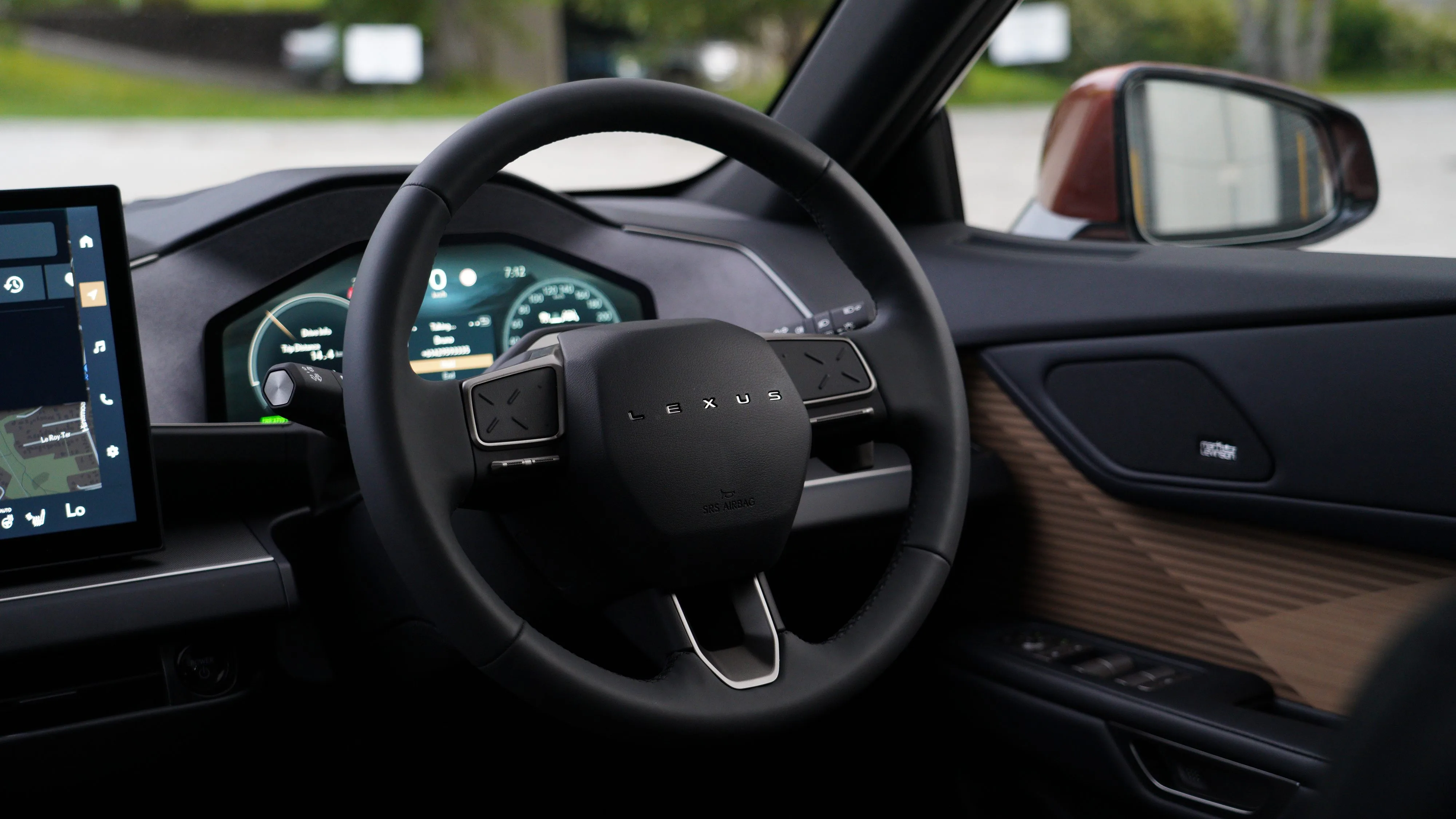
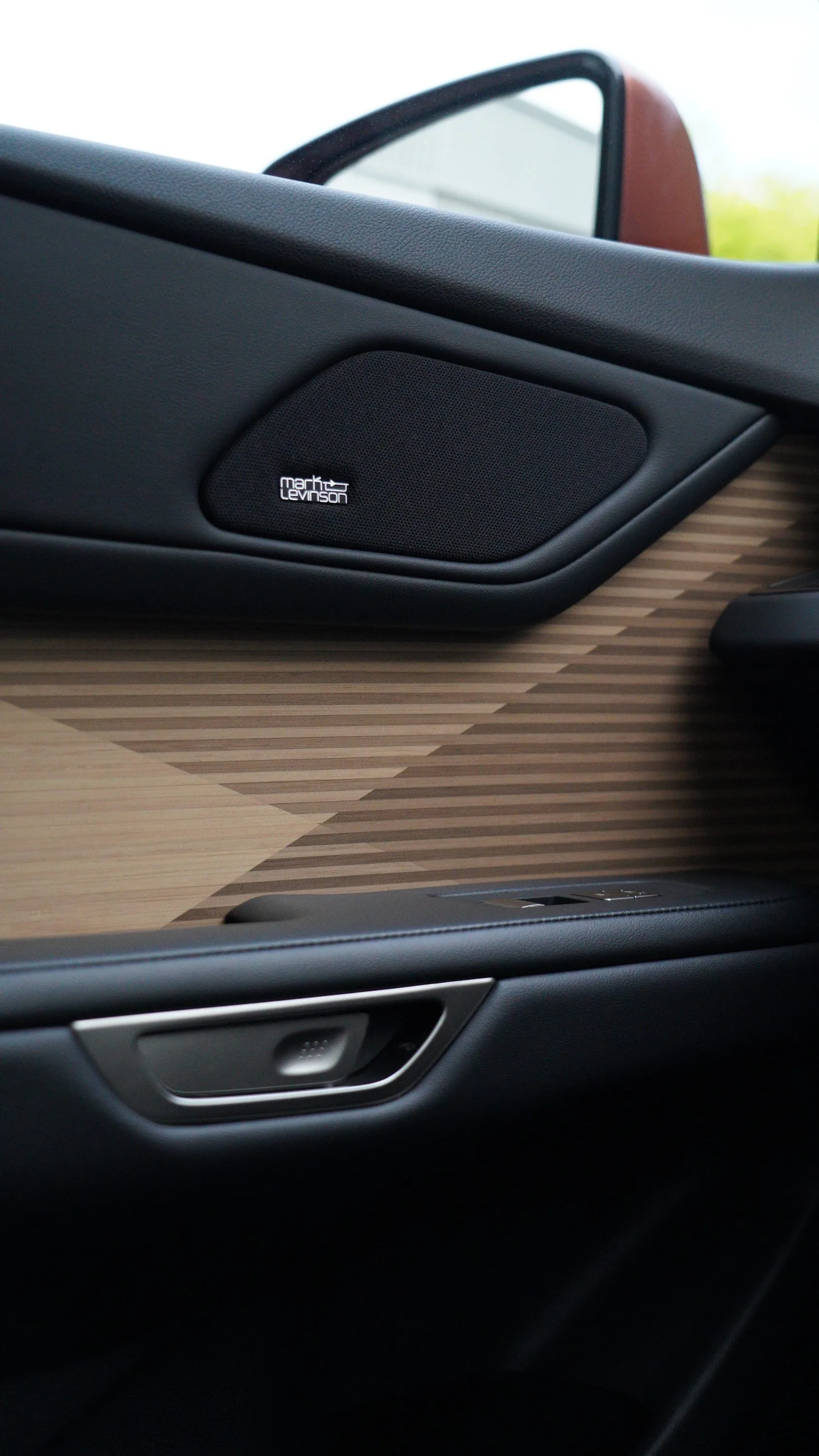
The rotary volume selector is one of the few left, and is a highlight. It’s satisfying to turn, with just enough resistance to feel like a Lexus dial. The rubber texture across the whole dashboard is another, removing the need for hard, reflective, scratchy materials everywhere, and giving the cabin a softer, more premium feel. Then there are the bamboo trim pieces on the doors, with ambient lighting glowing behind them: it’s a beautifully executed detail, and easily the most memorable part of the interior. Lexus has clearly put real thought into how the materials look and feel together, rather than just ticking off a list of expensive finishes.
The steering wheel commands have also changed. The touch-sensitive hover feature that I liked is now gone, and instead, the controls light up as your finger approaches (same as the dash) and need a proper press to activate, which is good. You lose the slightly magical hover, but there’s clear, clicky feedback flanking the fact that, following the rear end, the wheel lost the L badge in exchange for a written out Lexus. Why?
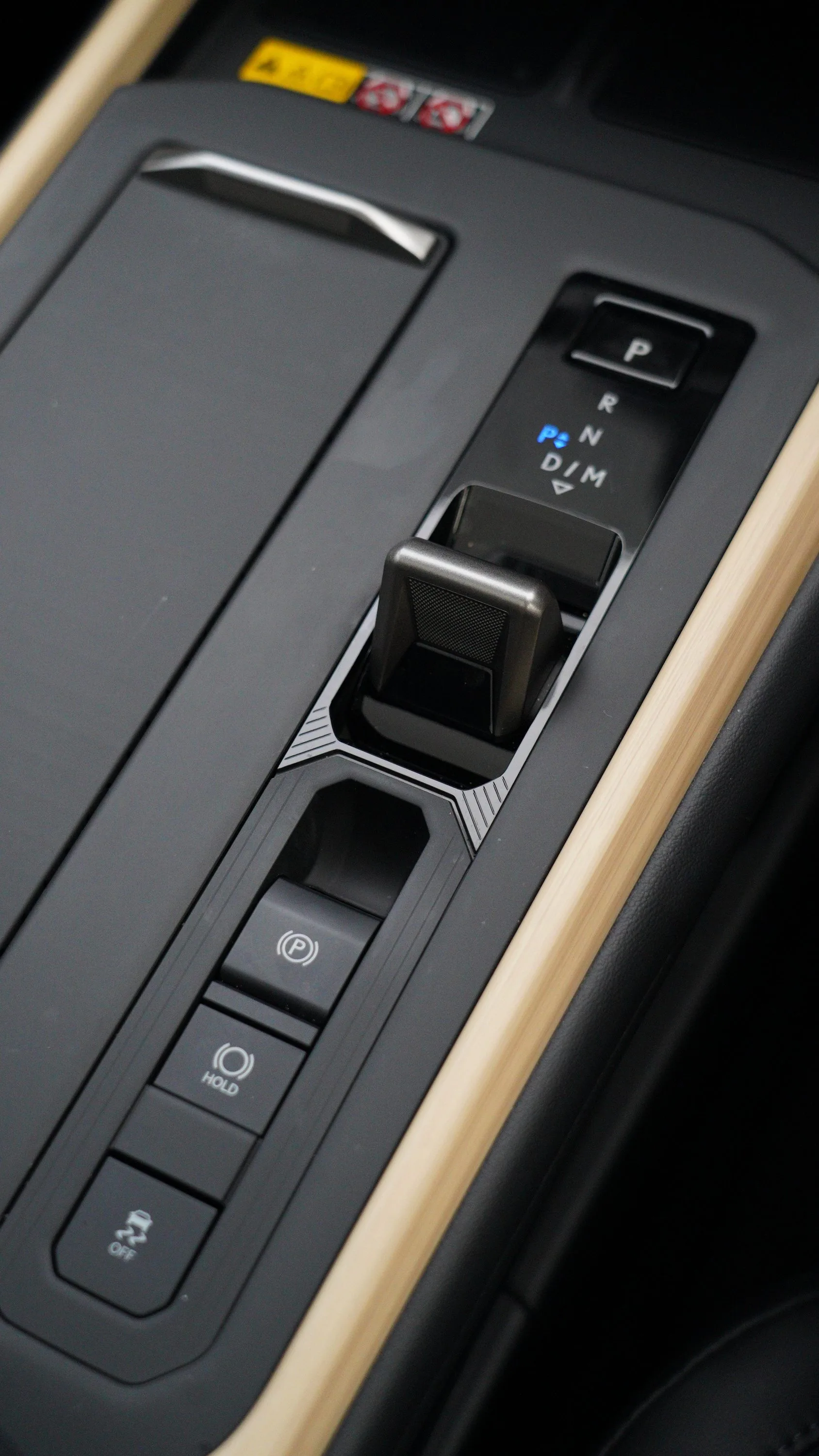
The technology beat is where I had the most mixed feelings. The display customisation is a real strength, feeling very familiar but also improved, and it’s clear that Lexus has used what it has learned from its other models to get there. It shows a brand that has been paying attention to what owners and reviewers actually want, and it’s a big part of why the cabin feels more finished than the bare numbers suggest.
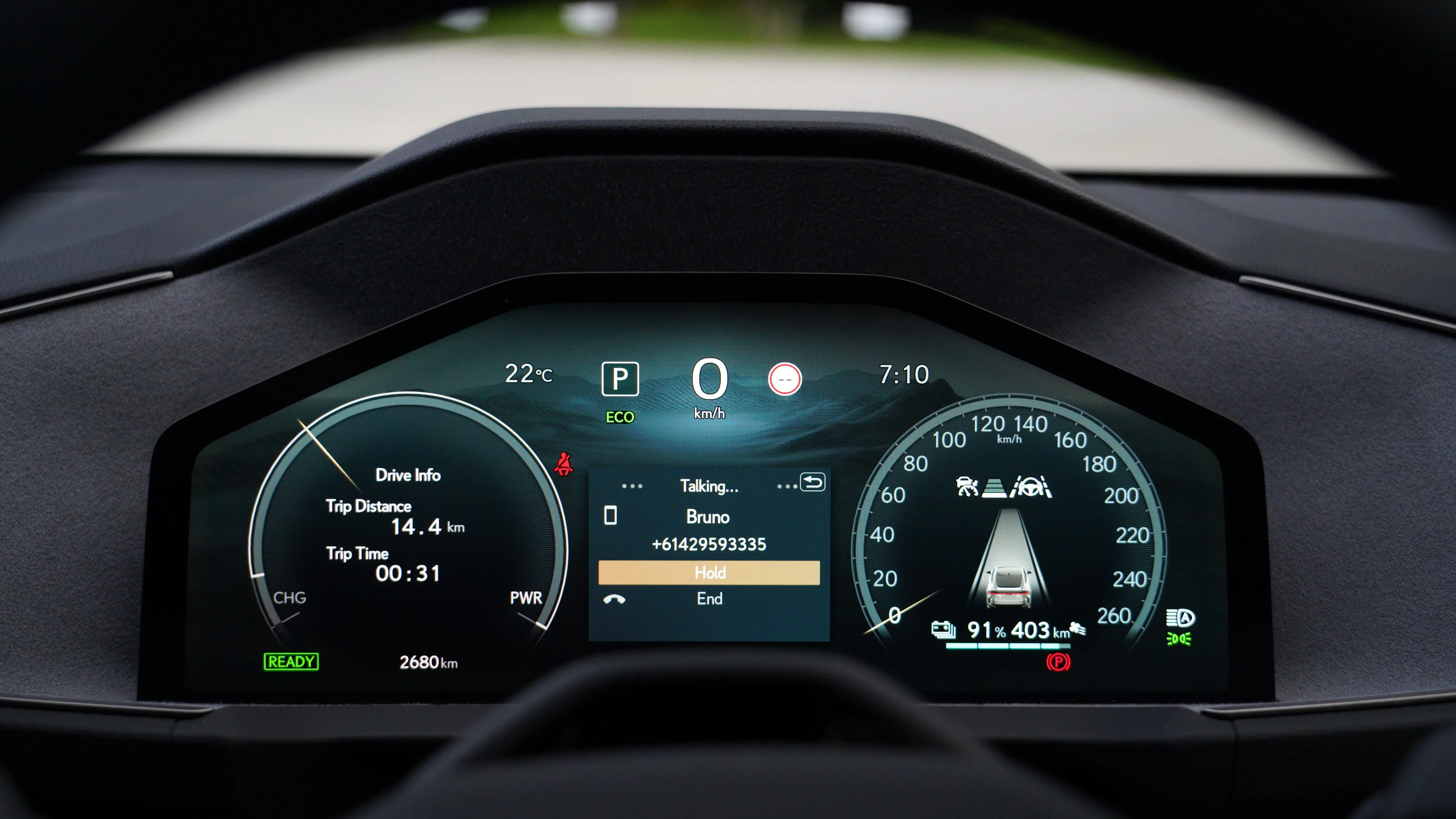
The driver assistance systems, however, were a problem. The ADAS is intrusive and annoying, being both overactive when you look at the gauges for more than a millisecond and also when it screams bloody murder for nothing. I know these systems can be useful, and the Toyota group tends to tune them on the safer side, but the way they interact with the driver needs a lot more restraint. I’d much rather be able to tune them to my own preferences than have them dictate how I drive.
The Mark Levinson sound system is, in the ML-Lexus fashion, well tuned for my aging ears, and making total use of how quiet and refined this cabin is – even the window opening and closing whirr is satisfying. The wireless charger is a box ticking exercise, being too flat and slippery to be useful.
Under the bonnet, the ES 500e uses two electric motors, which gives you 272kW of power and all-wheel drive. There is plenty of torque and power available at all times, and the car pulls cleanly and confidently whenever you ask it to. The all-wheel drive is a welcome addition for the added traction, and being very FWD biased, it still feels like an ES and adds to the sense of security in the way the car puts its power down. It is the fastest ES out there, with a 5.5s 0-100 sprint (much faster and more effortless than the Hybrid).
Range was within Lexus’ claim of 465km, thanks to the ~75kWh battery. Efficiency sits comfortably alongside what else is available in this segment, and the same can be said about charging, with up to 22kW AC and no DC figures other than a 10-80% charge in 28 minutes. For most buyers it will be perfectly liveable, provided you plan your charging and don’t expect miracles on the motorway.
And how does it drive? This is where the ES 500e surprised me the most. It is supremely comfortable: the suspension floats over high-frequency bumps, the kind that make a lot of cars feel brittle, and soaks up the larger, lower-frequency ones without fuss. What impressed me most is that Lexus has found the balance between comfort and control. The car never falls apart when the road gets a bit more twisty, and stays composed, with good body control, not feeling too soft or wallowy when you push it harder.
Lexus has also brought over its signature Manual Drive, the simulated gear changes. Some will surely call it a gimmick, but I like it and think every EV should have it. It doesn’t feel ICE-like, and needs proper volume on the revs rising and falling to give you a better sense of what the car is about to do, and then it adds real engagement. It feels very different from the usual silent, one-pedal EV experience, and I found myself using it more than I expected.
Put all of that together and the ES 500e becomes a genuinely comfortable car to live with. It’s quiet, roomy, easy to get in and out of, and pleasant to drive in a relaxed manner. If these are the measures by which you judge the ES, then it is the best ES yet, hands down. For the money, which seems competitive for what you get, it’s a very strong package. It doesn’t need to be the most exciting EV on the road to make its case, because it has the space, comfort and calm that the ES has always stood for, now with electric torque and an edge of engagement that suits the revised stance of the brand well.
There’s plenty of controversy around it: the design, both inside and out, and the chasing of trends that we have gone full circle to know don’t necessarily lead to better cars. But there’s also plenty to like, and it felt more thoughtful than I expected once I’d lived with it for a week. And if there’s one thing it taught me, is a lesson in Japanese restraint, and not to rush to judgement when it comes down to a new car I’ve only seen a handful of pictures. Now onto the Hybrid!
Thanks, Lexus, for the opportunity, and thank you for reading this far!