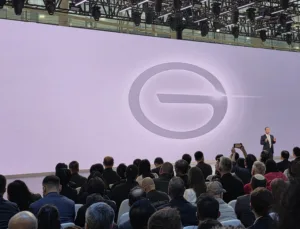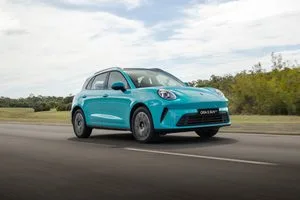
At its hometown auto show, China’s oldest joint-venture maker GAC staged a compelling argument that its future is own-brand, software-defined and export-ready.
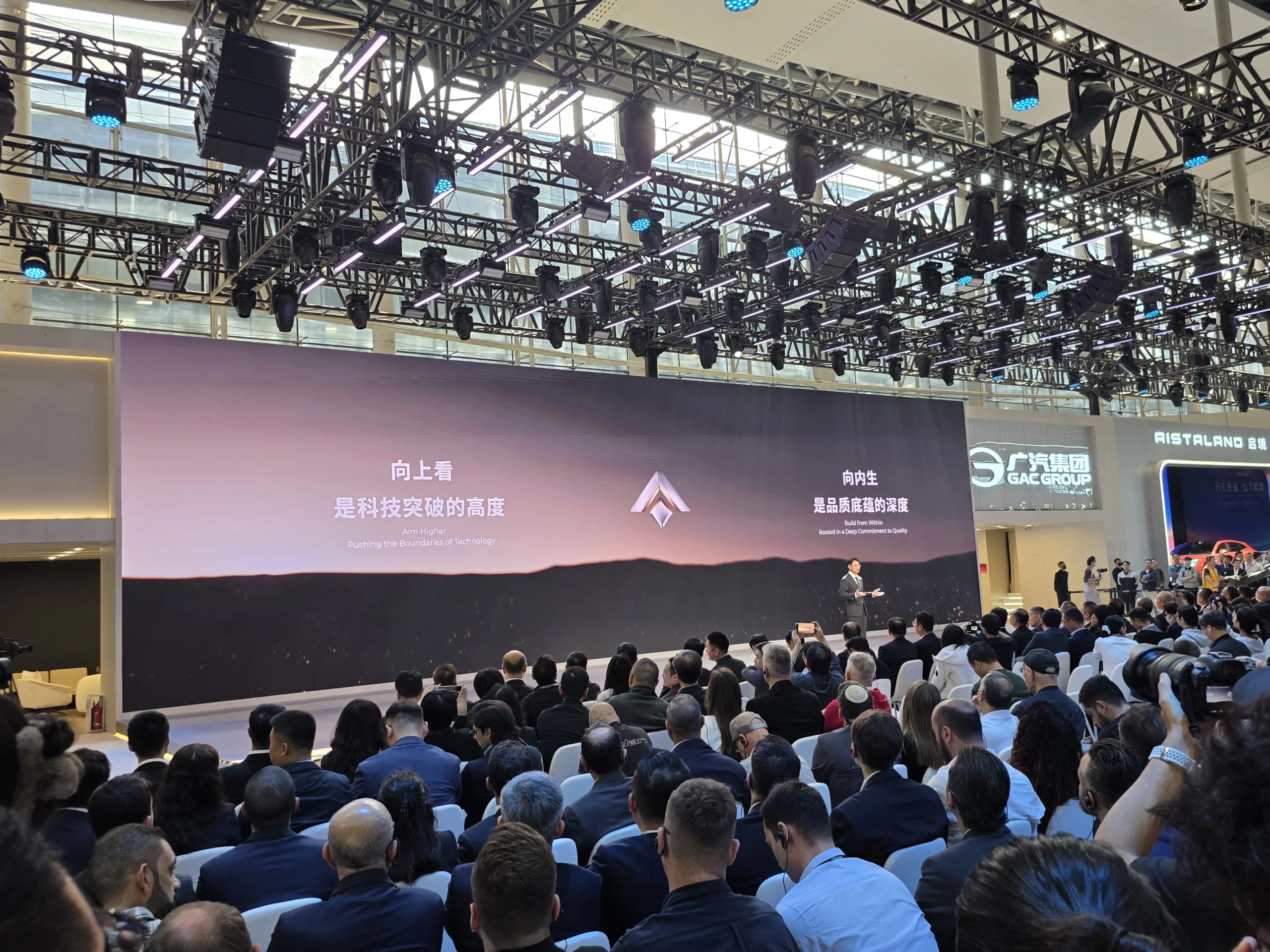
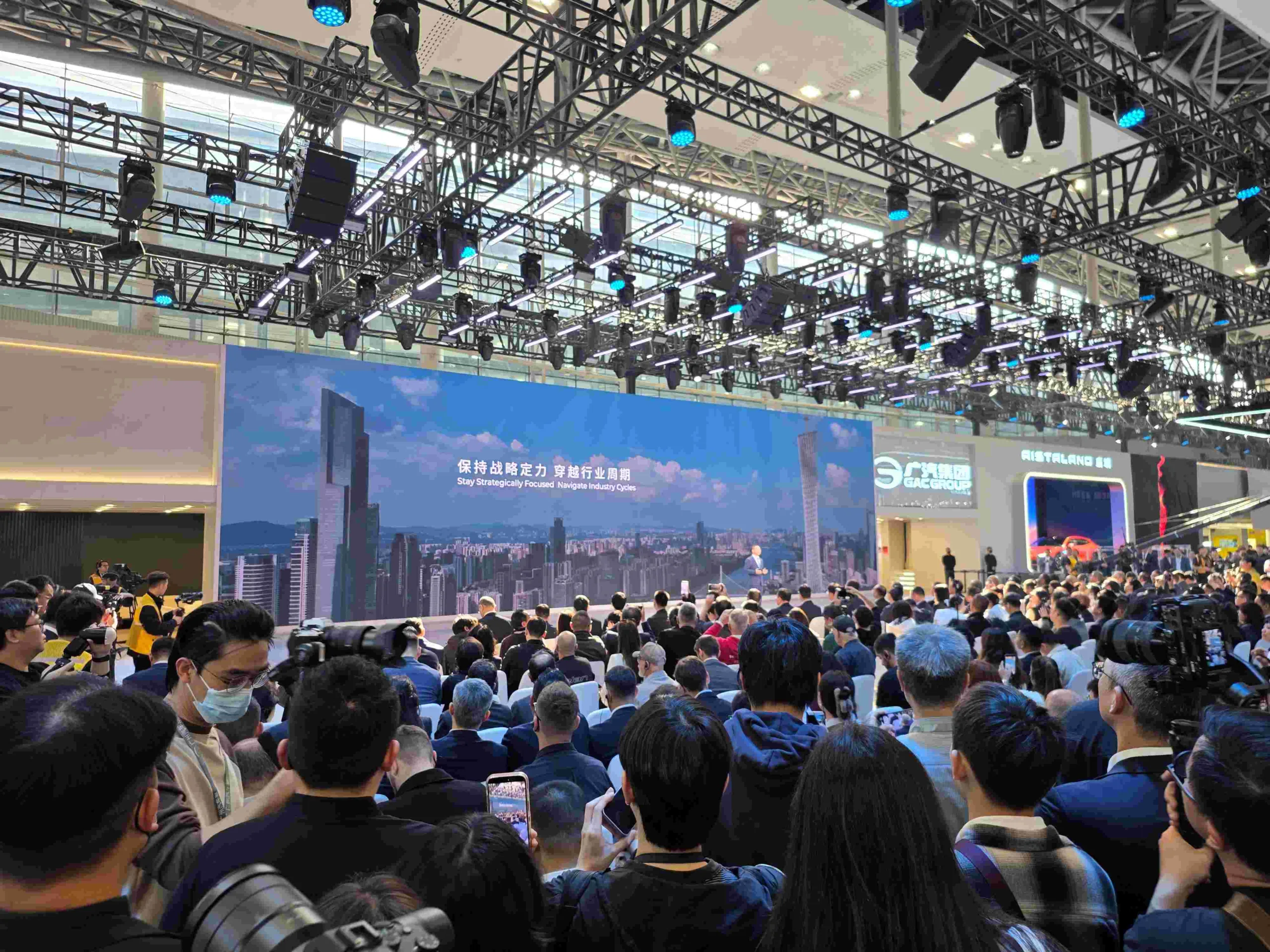
During his opening address, Ge Xianqing, general manager of GAC Group, announced that GAC Group is changing shape, no longer being defined by its initial JV (Honda and Toyota) dependence.
In fact, GAC’s own-brand volume rose 25.84 percent in the first ten months, the tenth consecutive month of growth, to more than 600,000 units. New-energy sales reached 501,200, up 58.94 percent. The Aion-Hyptec business unit alone sold 326,900 vehicles, up 55.96 percent, with October up 53 percent. In other words, a company built on Japanese partners is now being carried by its own badges, its own software and, increasingly, its own export machine.
The doctrine: two wheels, one closed loop
GAC’s framing for this is a slogan it has used for two years “dual-wheel drive,” market and technology and, this year, a reform programme called Panyu Action. The logic as presented is a closed loop: market demand defines the product, hard technology supports the product, and a forward-looking product creates new market space.
The failure mode it is trying to escape is stated with unusual candour for a Chinese OEM: products that are either technically advanced but irrelevant to users, or fashionable but undefined. The remedy, executives say, has been an organisational one — breaking the wall between engineering and marketing, and moving from an engineer’s mindset to a user’s.
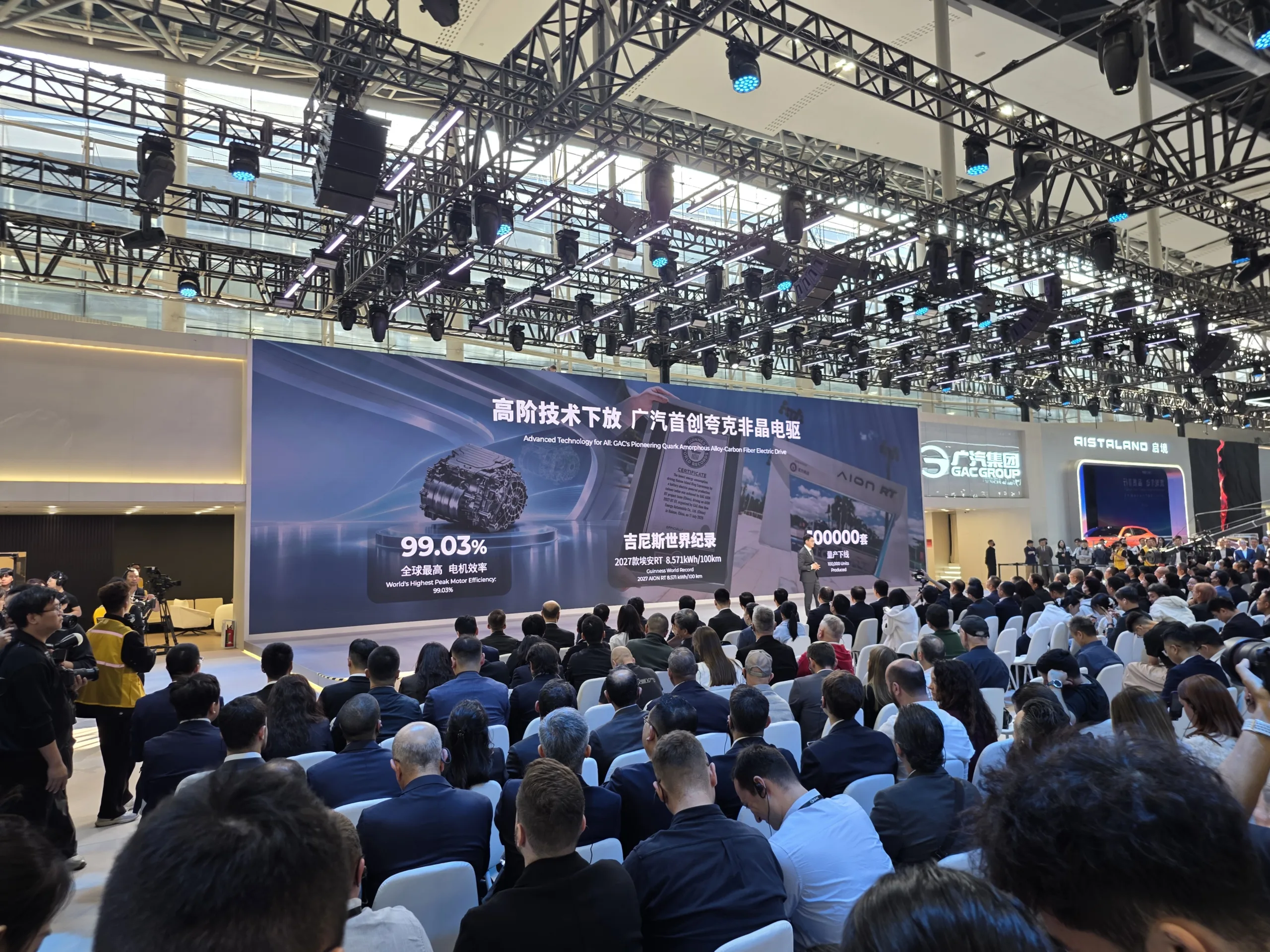
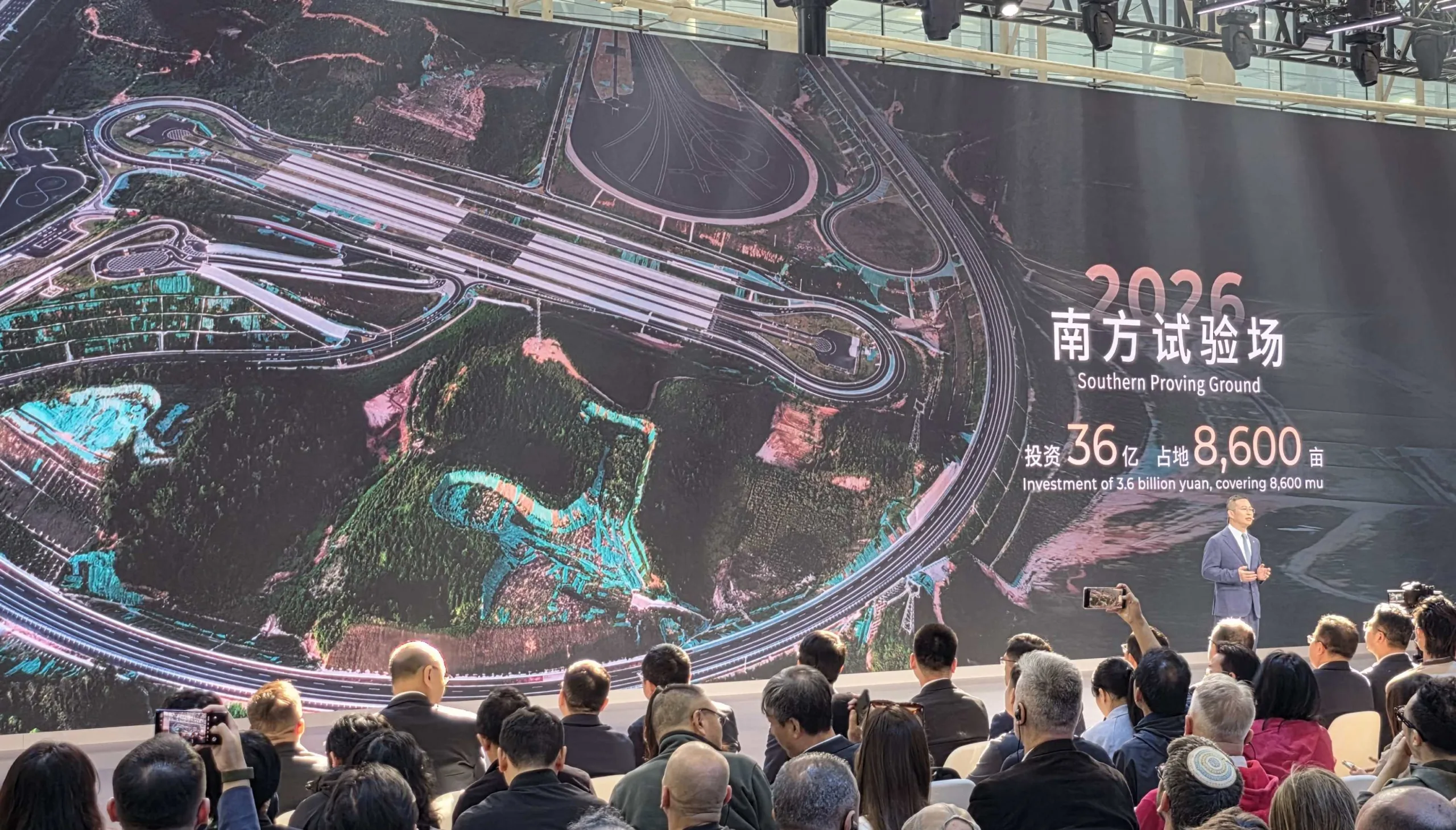
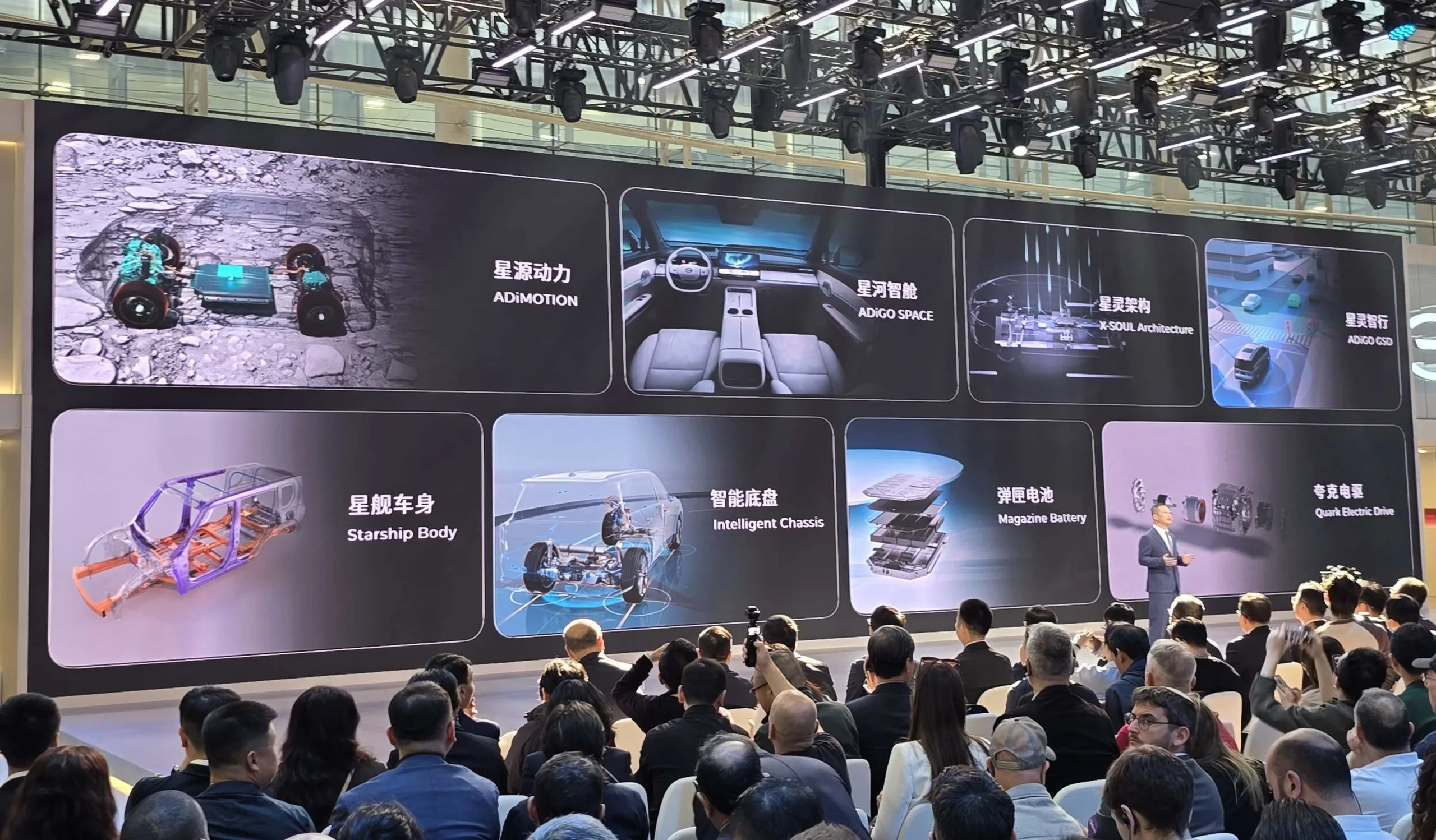
That sounds like conference rhetoric until you look at what the group has spent. Cumulative R&D investment has passed 67 billion yuan. The company says it has built a full-chain laboratory cluster spanning design, validation and operations, and that it wrote more than 3,500 enterprise standards while leading over a hundred national and industry standards. It points to four first prizes at this year’s SAE China annual congress, out of eight awards across five fields, including work on domestically designed automotive chips and an amorphous-alloy, carbon-fibre electric drive.
The Trumpchi Yue 7 (XT 80 for us), its new boxy off-roader, is cited as the proof of process: three years of development, 680 vehicle-tests, and a durability run the company describes as the industry’s only single-lap equivalent of 500,000 kilometres.
Whether or not one accepts the superlatives, the direction is consistent: GAC is trying to convert manufacturing depth into a claim on software and service quality, the two areas where its joint-venture heritage helps least.
Service as the new battleground
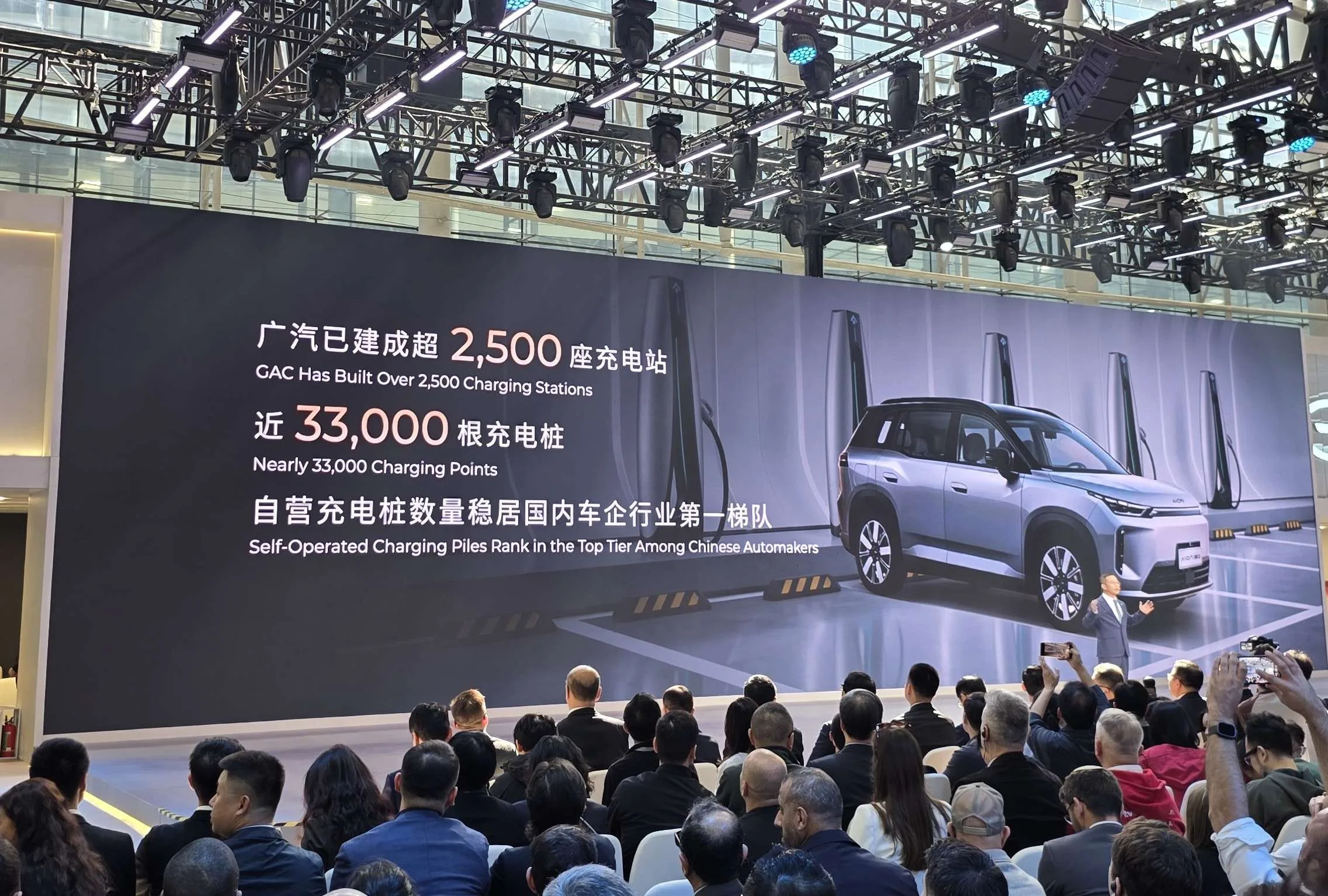
The most concrete part of the group’s pitch was not a car. It was a complaint-handling system. GAC has deployed an “issue-to-resolution” (ITR) process with three rules: a time-limited response, root-cause tracing rather than symptom-patching, and feedback that must feed the next product iteration. Alongside it sits a “super butler” service promise — five-second response, two-hour case closure — and a charging network of more than 2,500 stations and 32,000 piles across 31 provinces and 240 cities, which the group says keeps it in the industry’s top tier for self-operated infrastructure.
The strategic point is sound: in a market where powertrain and screen specifications converge within months, the only durable differentiators left are distribution density, service responsiveness and the speed at which a complaint becomes an engineering change. GAC is betting that its state-owned scale, once a liability in consumer insight, can be turned into an advantage in service coverage.
Overseas, the same logic is being exported literally. GAC has entered 121 countries and cities and built eight overseas knockdown plants. Exports reached 223,100 units in the first ten months, up 122 percent. At the Paris Motor Show it launched a global service brand, GAC Care Plus, under the slogan that service follows the car wherever it is sold — a recognition that Chinese exporters lose repeat customers not on price but on parts availability and dealer competence.
Trumpchi: a value triangle and a football club
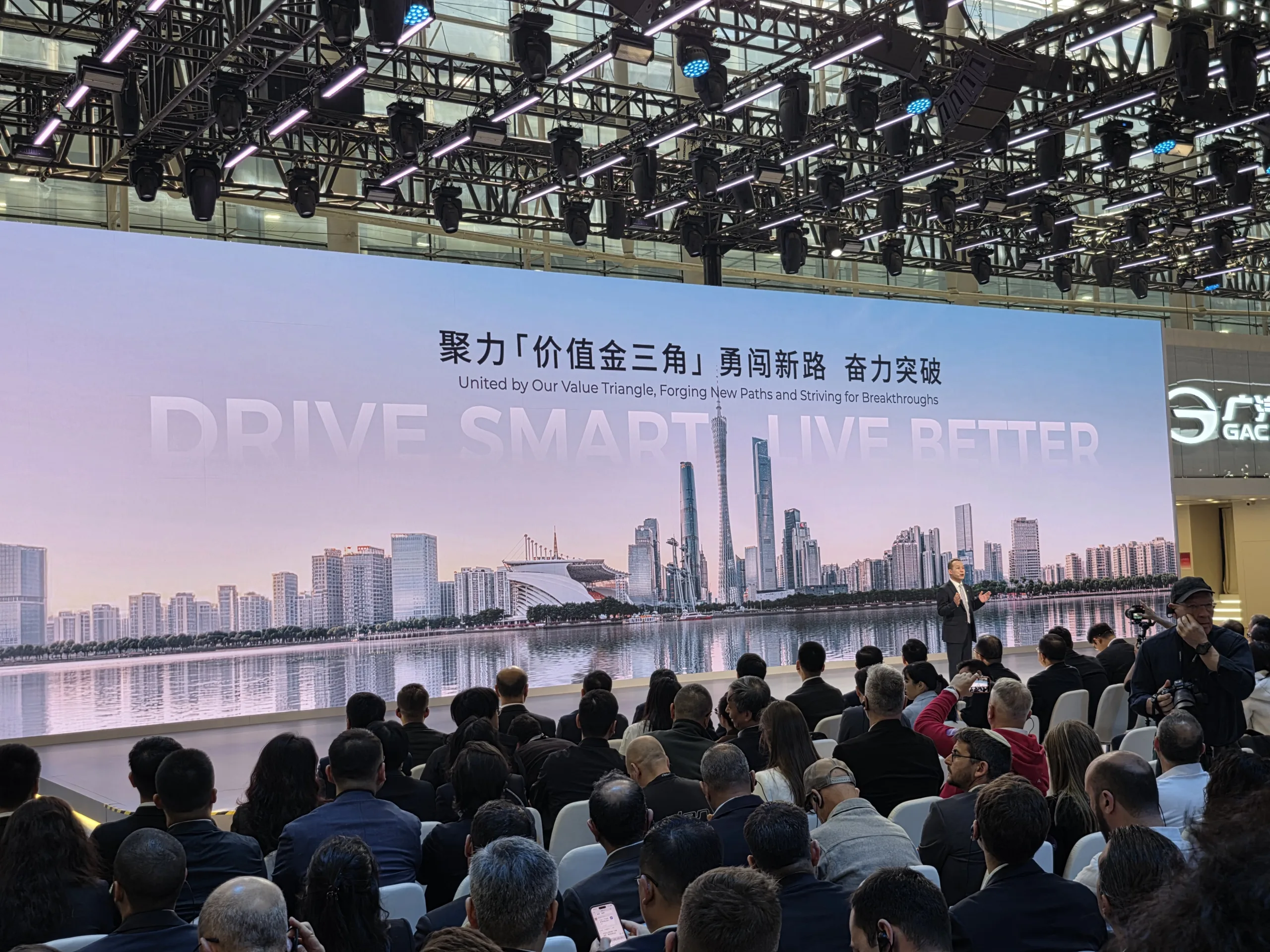
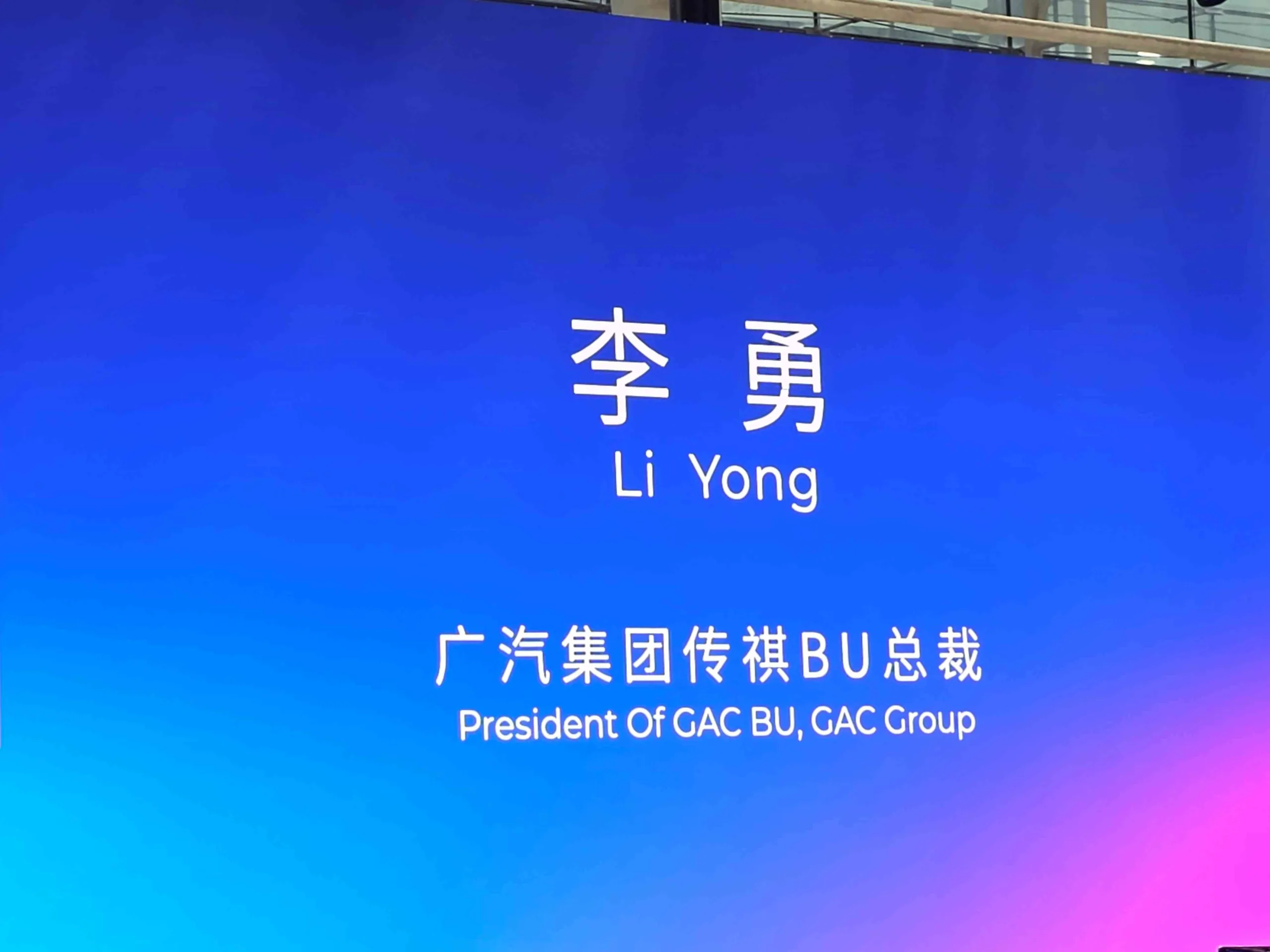
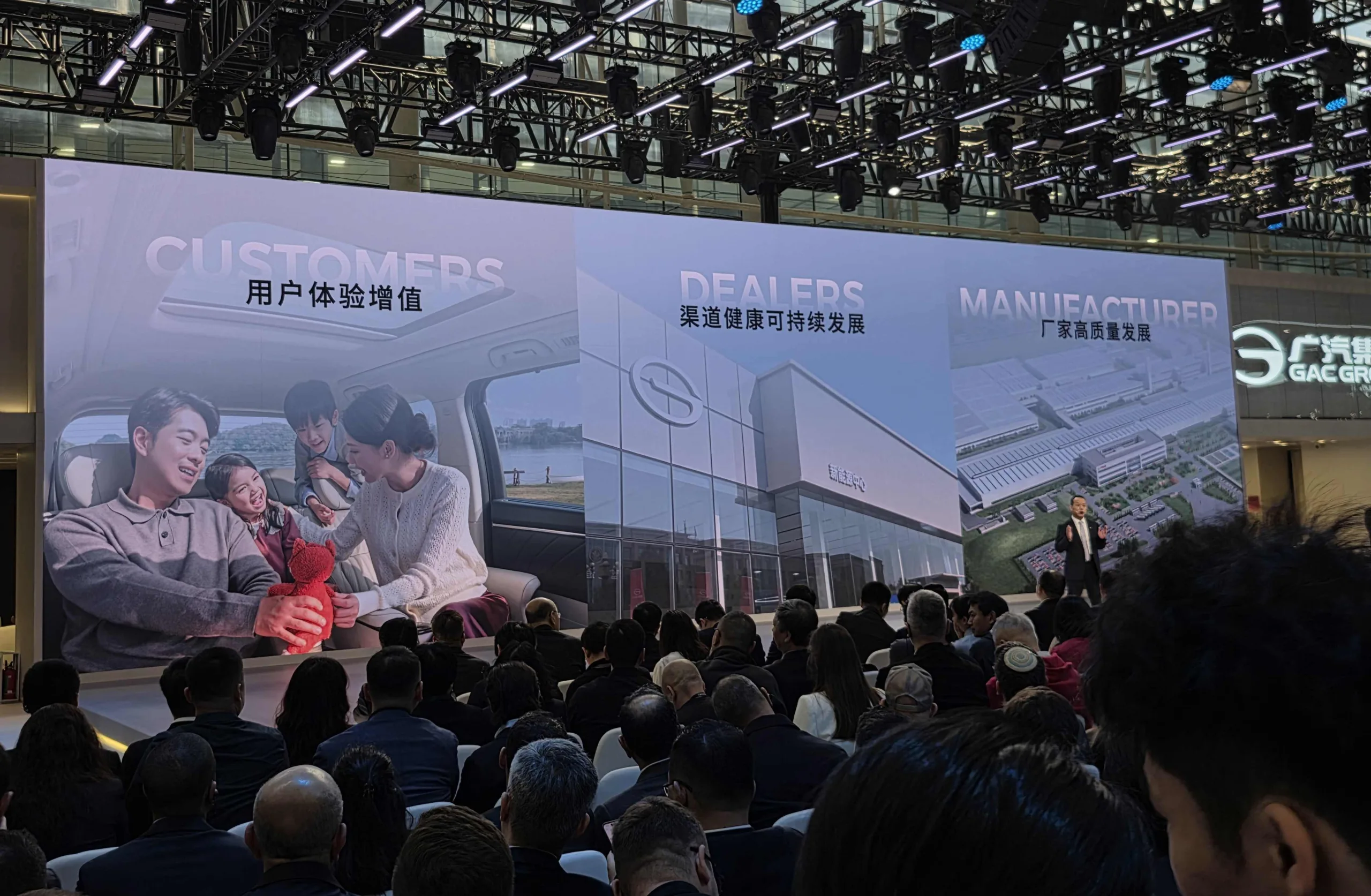
Li Yong, president of the Trumpchi business unit, used his slot to launch a “Value Golden Triangle”: users at the centre, digitalisation as the base, new retail as the link, value uplift as the goal, with users, dealers and the manufacturer all winning. It is a deliberate echo of the “Golden Triangle” strategy Trumpchi first floated in 2020, now re-armed for an era in which dealers are bleeding and trust is the scarcest asset in Chinese auto retail.
Trumpchi sold close to 270,000 vehicles in the first ten months; its new-energy line grew more than 70 percent. The M8 has now led the MPV segment for 26 consecutive months, and Trumpchi claims to be the first Chinese brand whose MPV family has passed one million cumulative sales — the franchise that gives it the credibility to talk about family values rather than performance figures. It also claims three consecutive years as China’s top-ranked own brand for resale value, a metric that matters more to private buyers than any zero-to-100 time.
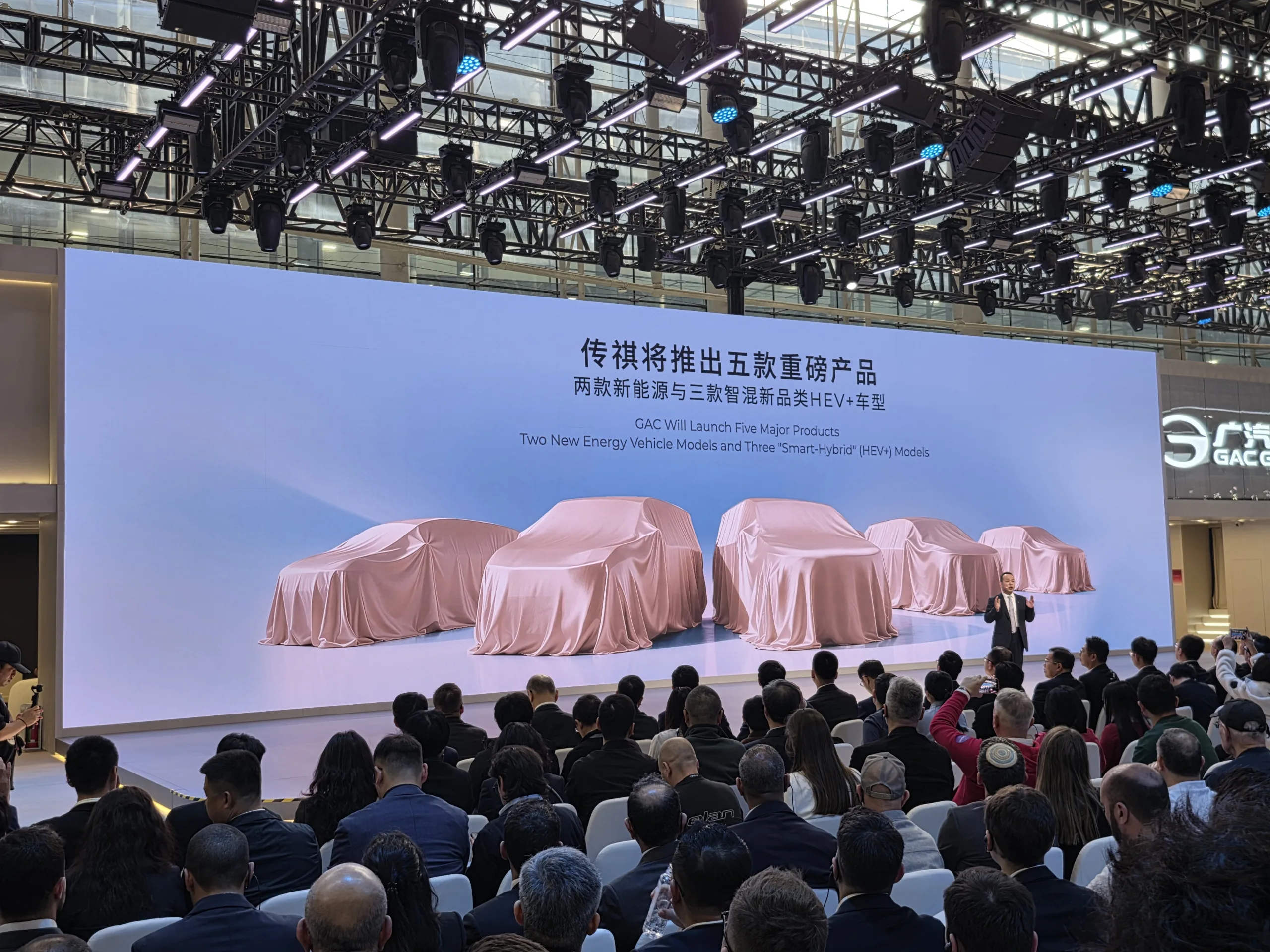
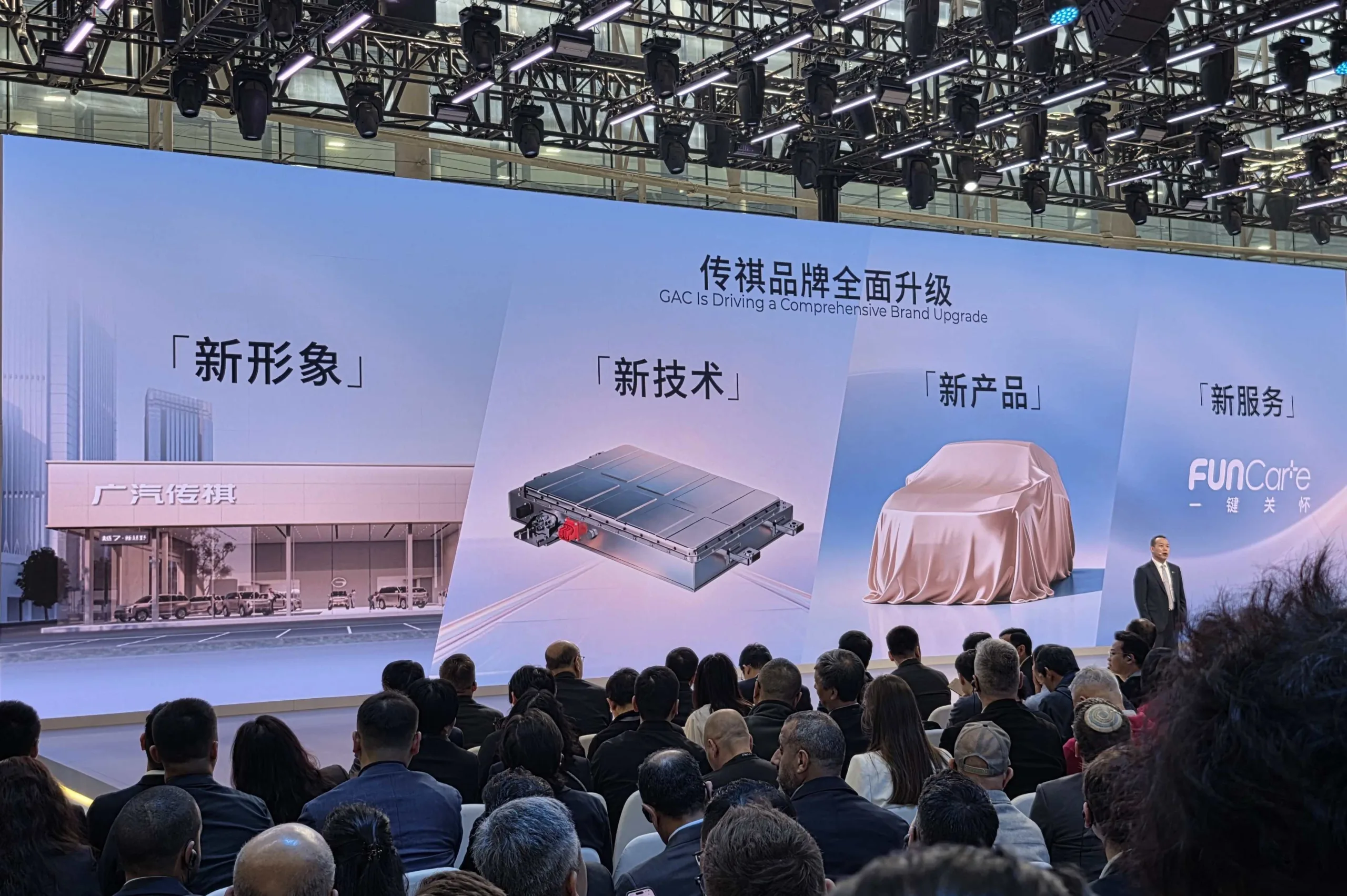
The brand refresh is visible: a flatter, more technological logo; more than 100 upgraded stores and 100 mall pop-ups already open, with a full network refresh promised next year. The product plan for 2027 is two new models plus three intelligent new-energy models built around a large “5.4” battery pack. The Star Source Super Dual Engine (a hybrid system the group positions as the best fusion of combustion and electric) gets its own dedicated launch later the same day, a sign of how much of Trumpchi’s near-term volume still rests on powertrain rather than software.
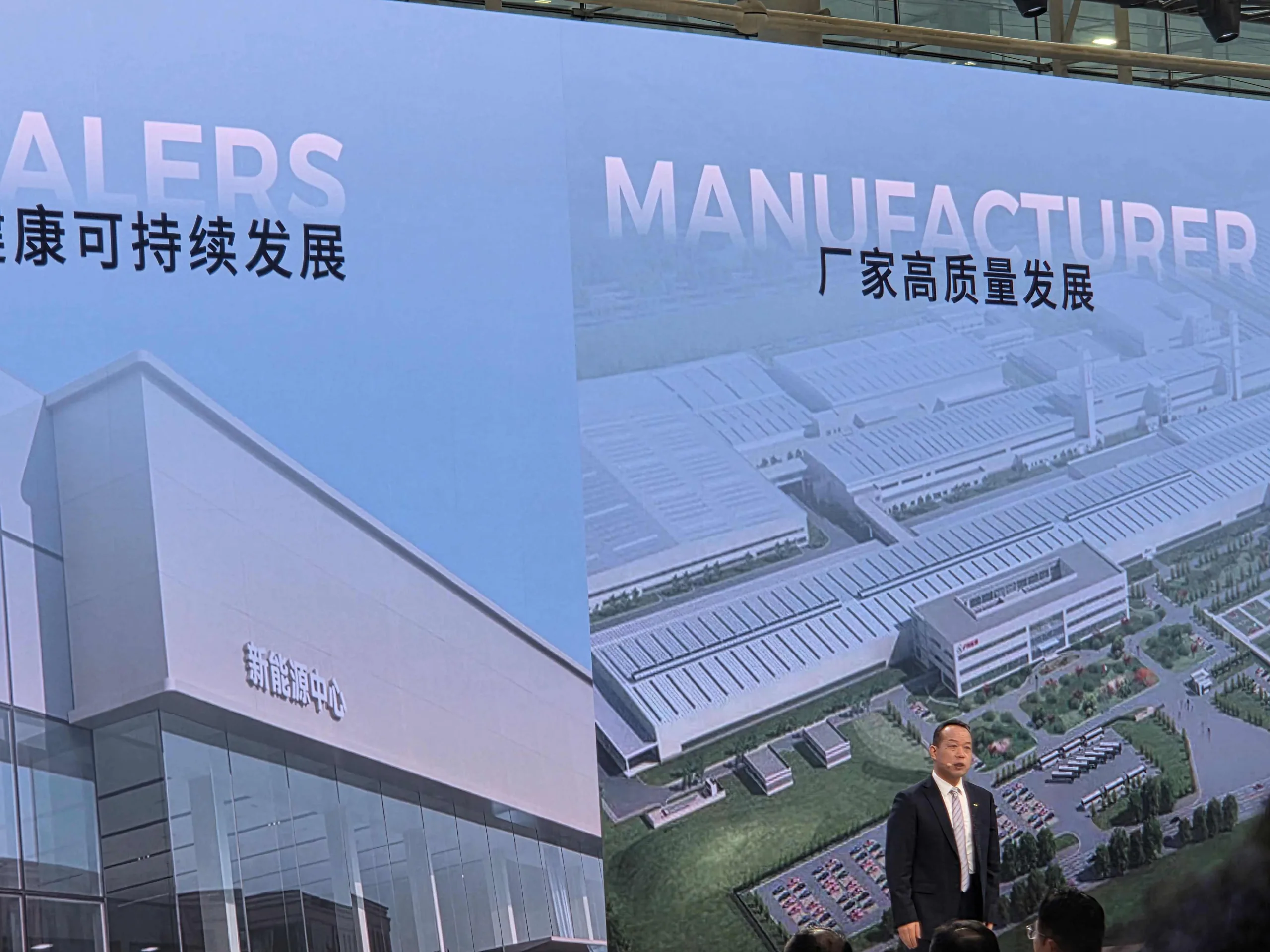
Two details said more than the strategy deck. First, the new Yue 7’s laser-radar variant exists, Li said, because owners asked for it, “listening” as product planning. Second, Trumpchi will invite 10,000 owners to watch Guangzhou FC, the club that won promotion to the Chinese Super League in October and whose name shares a character with the brand, play next season. It is soft power, but it is the kind of soft power that Chinese brands have historically been bad at: turning a warranty into a membership.
Aion: the comeback story, with caveats
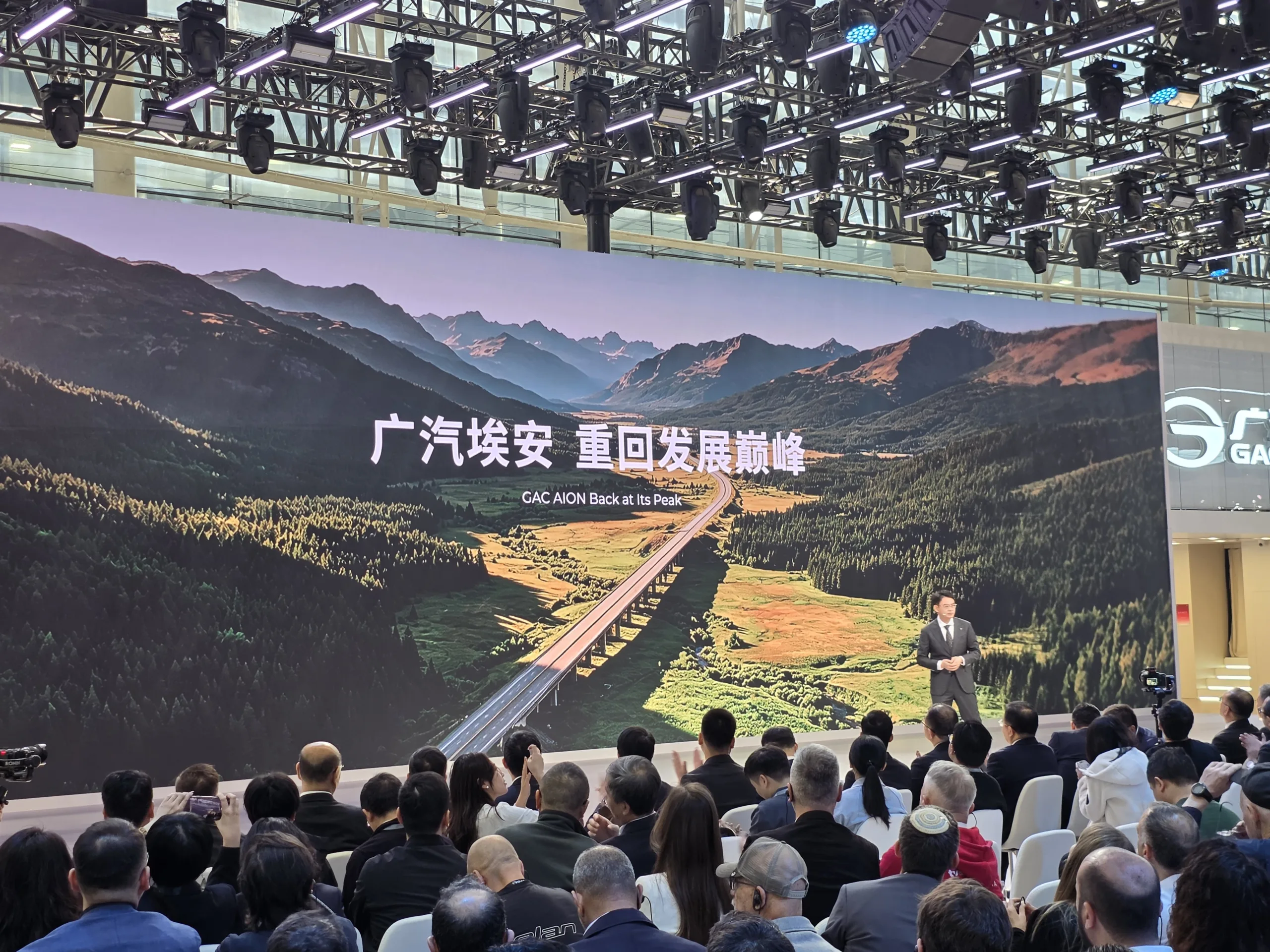
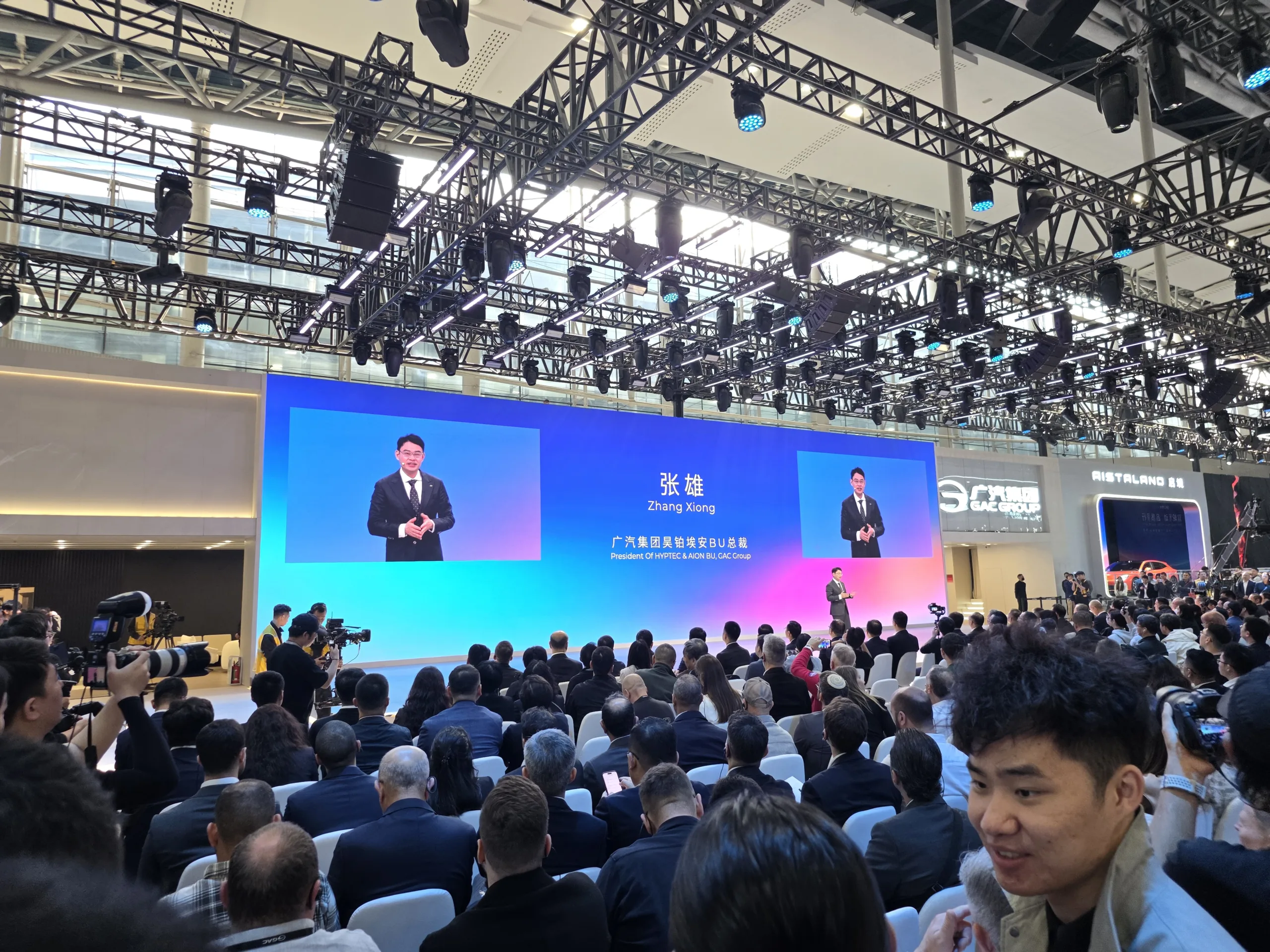
The most striking self-criticism came from Zhang Xiong, president of the Aion-Hyptec business unit. Aion, he said, was an early mover in Chinese EVs and the fastest own brand to reach a million units of capacity, and then spent two years in a painful transition, with falling sales and outside doubts. The 2026 reorganisation, he argued, has reversed both.
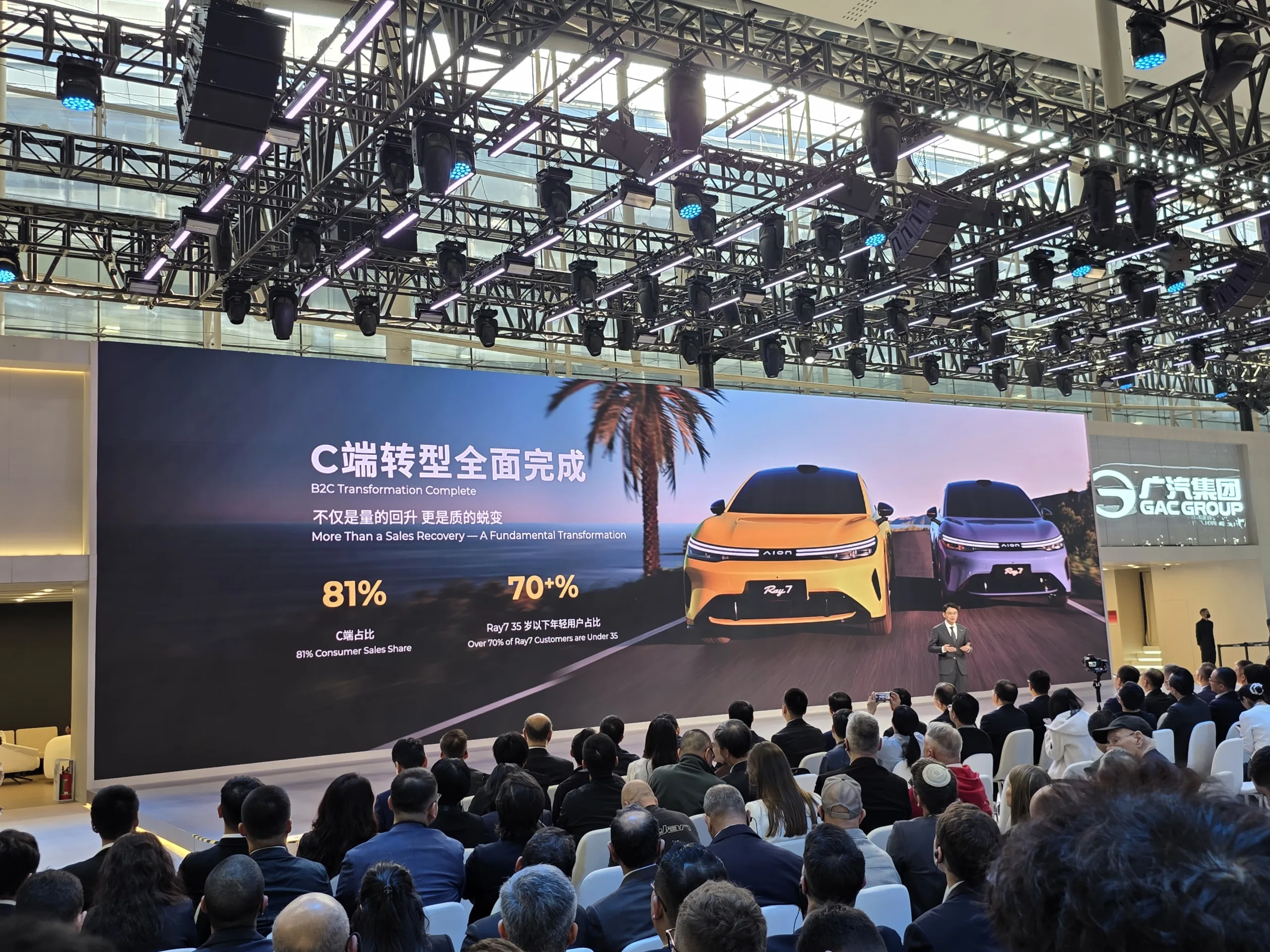
The figures support him up to a point. Aion-Hyptec sold 326,900 vehicles in ten months, up 55.96 percent, and expects full-year retail to pass 400,000 again. More important than volume is mix: 81 percent of sales now go to private customers, and more than 70 percent of orders come from buyers under 35. For a brand once synonymous with ride-hailing fleets, that is a genuine change of identity, and it is the single most consequential number GAC presented all morning.
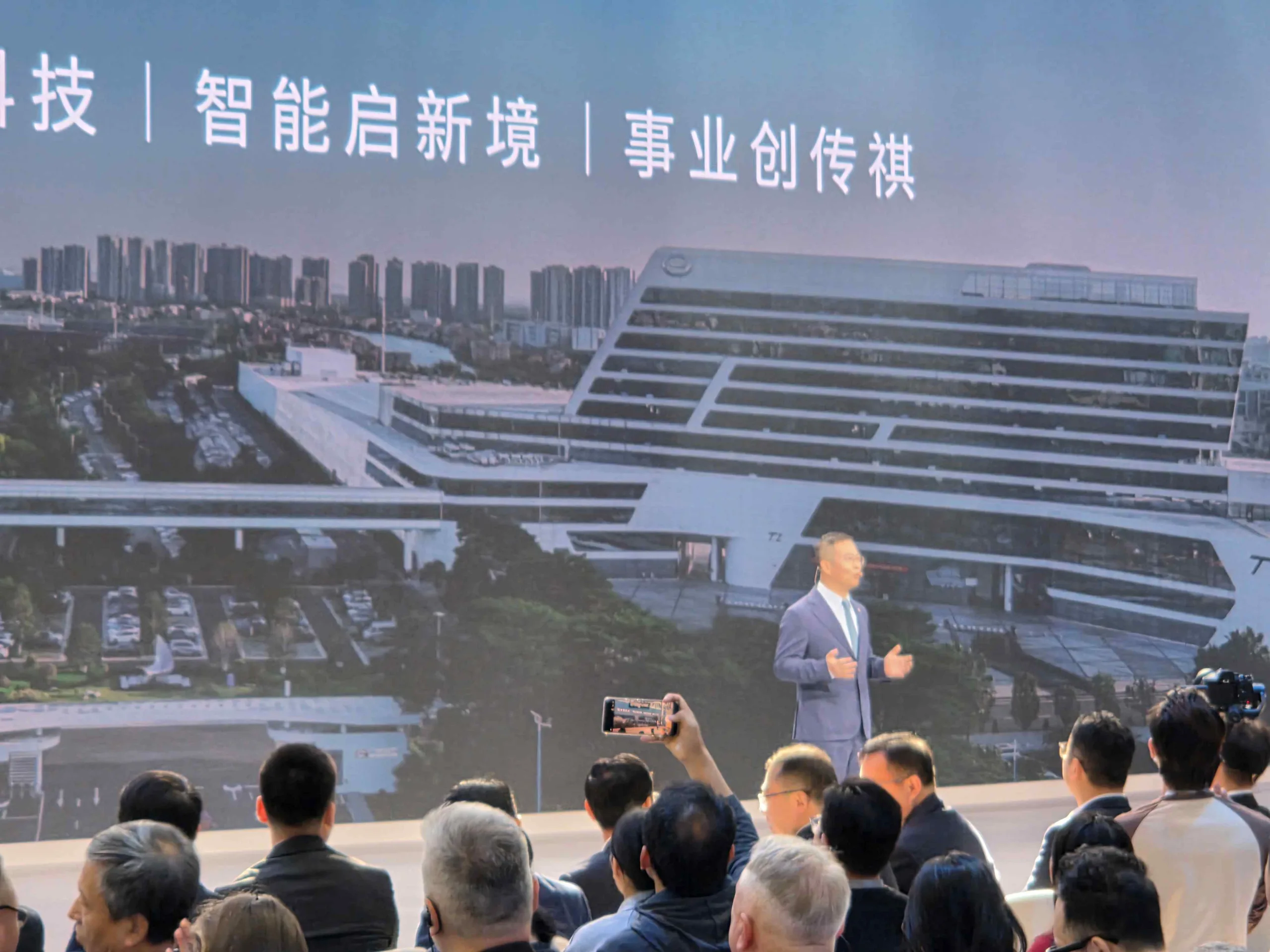
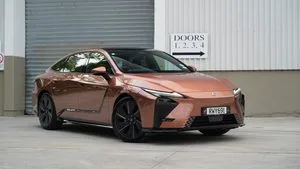
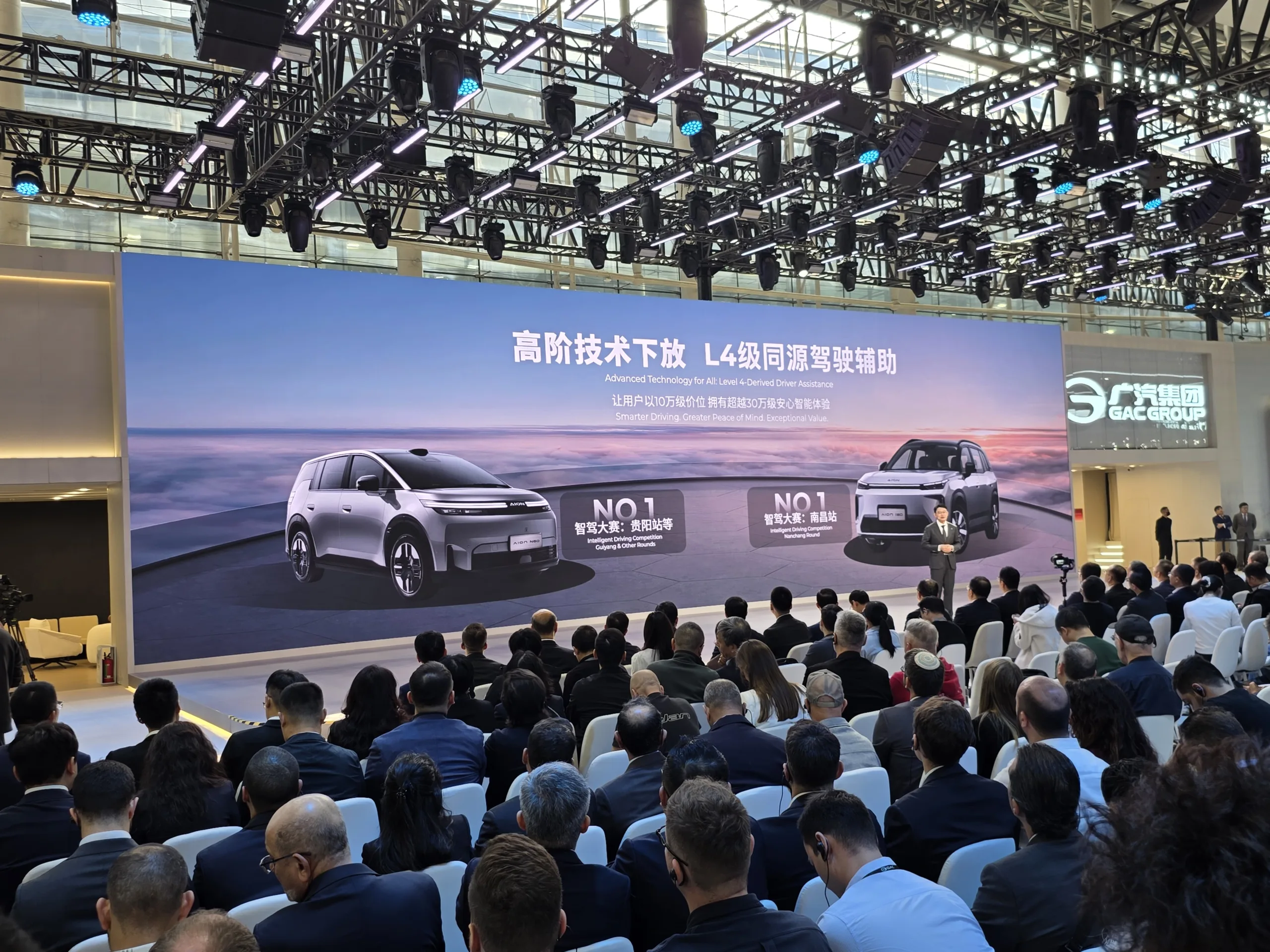
The product story follows the same arc. The N60 has won multiple intelligent-driving competitions, including a recent event in Nanchang where it was the only entrant to finish with a clean run. The i60 (the family SUV) holds monthly sales above 10,000, and orders for the 2027 model have exceeded 20,000 for two consecutive months; Zhang admitted the backlog and promised to chase production. The Ray 7, launched in November, is the value bombshell: a near-five-metre, rear-drive electric sedan with a 192-line lidar and 702 km of CLTC range, from 134,700 yuan in its lidar trim — a combination the company markets as “the only one in its class.” Its 9.7 kWh/100 km consumption is the hook for a public “sub-10” energy-consumption challenge.
GAC also repeats a claim worth flagging as a claim: that its partner-supplied drive system reaches 99.03 percent efficiency, which it calls a world first. (Of course, independent verification of such figures is rare in any market; treat it as marketing until tested).
Hyptec: premium is a patience game
Hyptec, GAC’s premium electric brand, got the smallest volume and the largest ambition. Its pitch was resolutely non-numerate: a new logo built on the idea of “looking up to the height of technology, looking inward to the depth of quality,” and a promise to spend money where customers cannot see it — materials, processes, tolerances. The brand unveiled the Earth concept, a shooting-brake study that drew attention at an earlier show, and confirmed a production crossover derived from it for 2027, previewed at Guangzhou only as a silhouette.
Hyptec’s problem is the one every Chinese premium sub-brand faces: the price band above 200,000 yuan is where Tesla, Nio, Li Auto, Huawei’s HIMA family and a wave of well-funded newcomers all fight, and where brand meaning is set by software ecosystems rather than leather. GAC’s answer — more outlets, dedicated reception, home pick-up, more than 400 owner events this year — is necessary but not sufficient. The S600 SUV, launched earlier this year, is the test case.
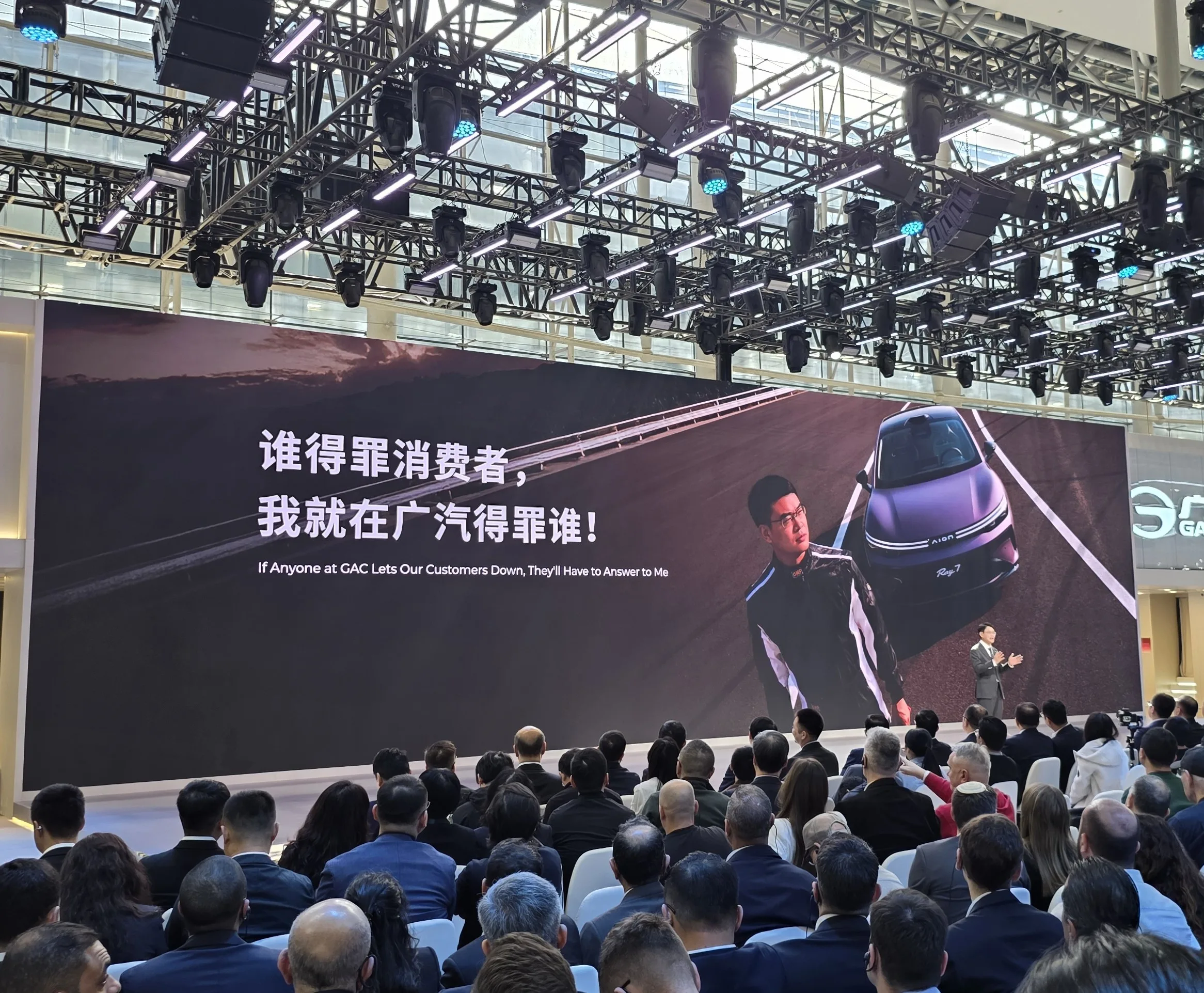
Zhang’s line on the subject was the sharpest of the day, and worth quoting in paraphrase: if anyone mistreats a GAC customer, they will have to answer for it inside GAC. It is the right sentiment for a company that spent a decade being told its cars were competent and its dealers were not.
Qijing: the Huawei bet, scaled up
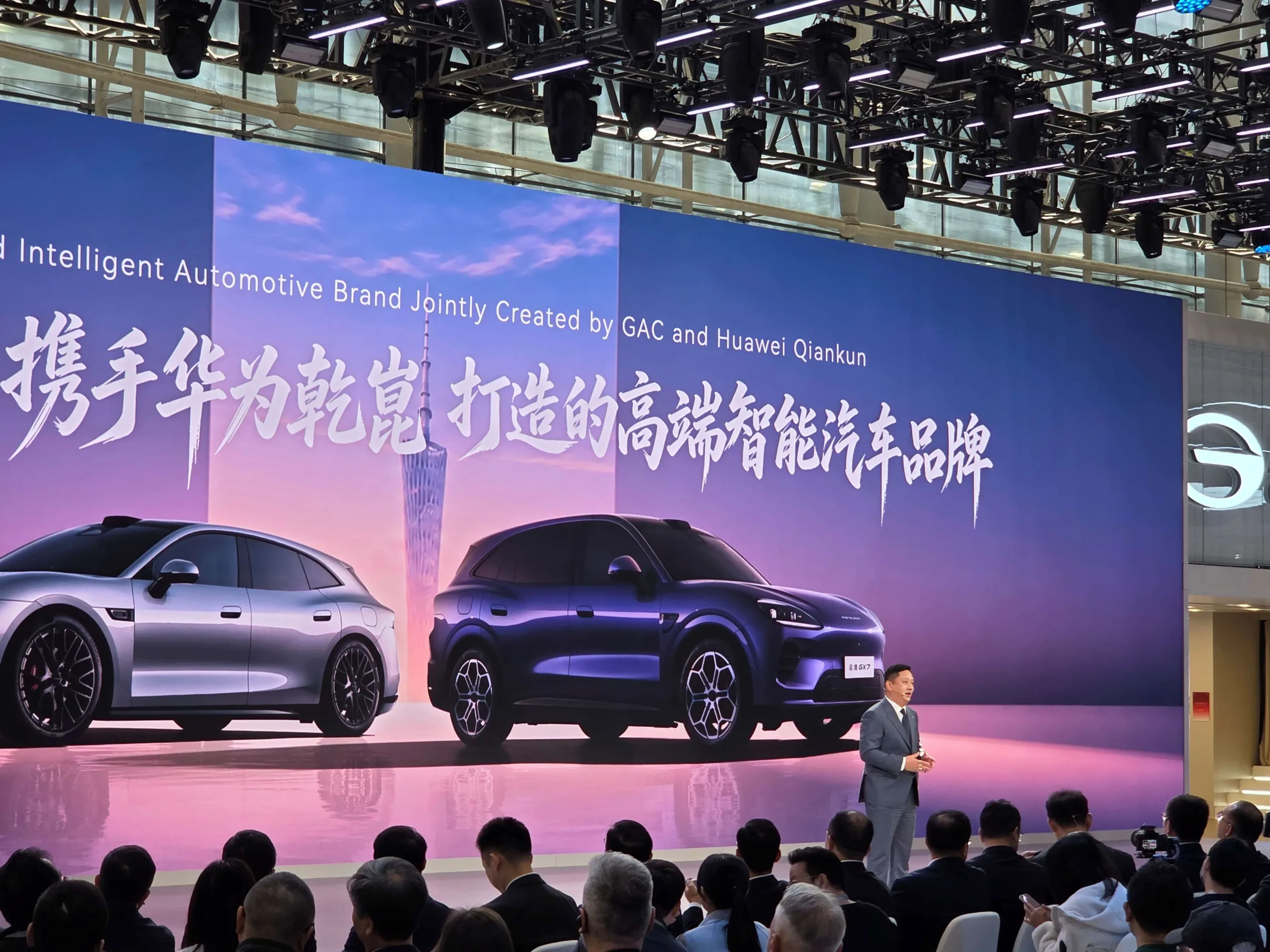
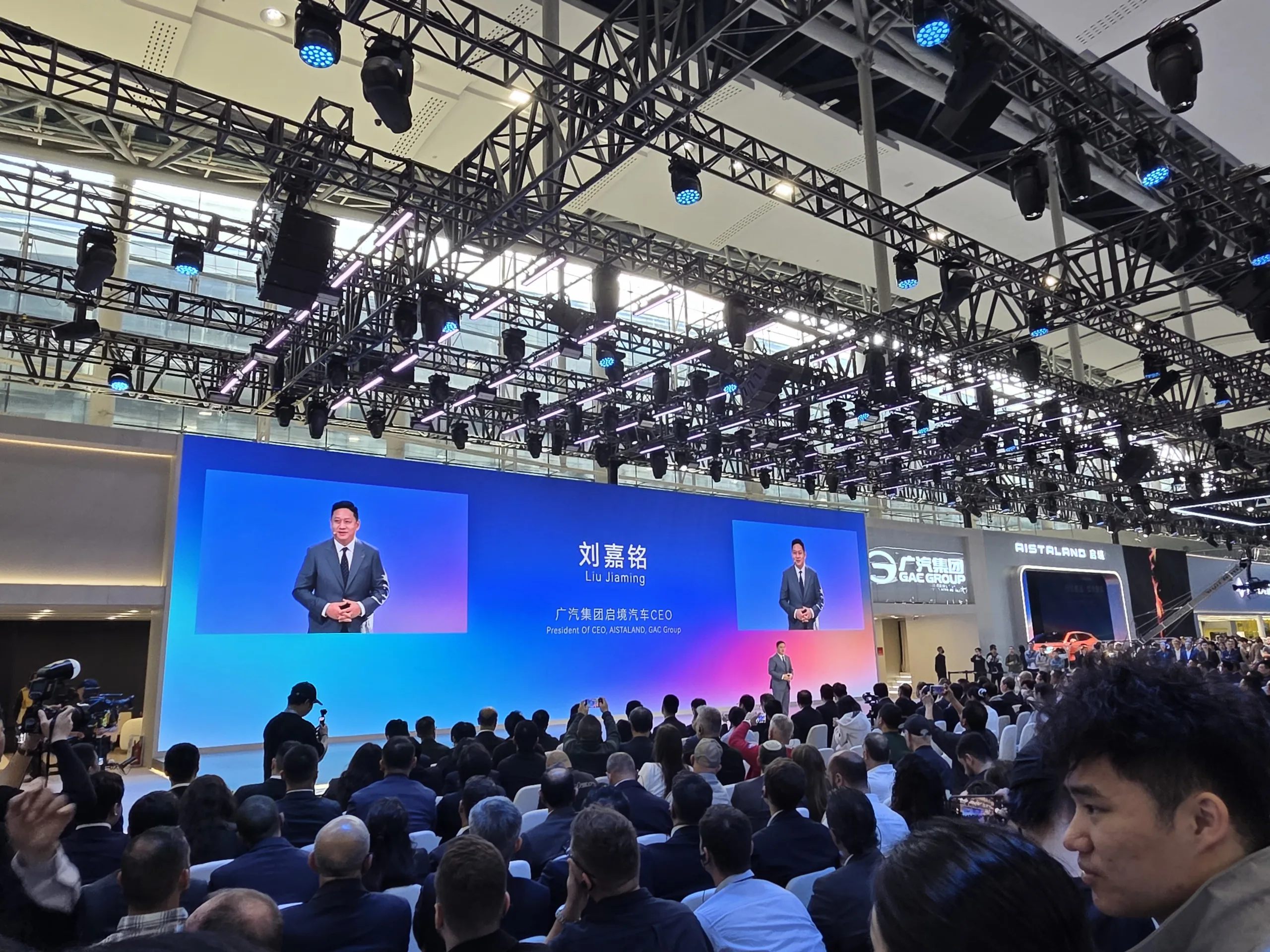
The final act belonged to Qijing (AISTALAND), the premium intelligent-vehicle brand jointly built by GAC and Huawei’s Qiankun automotive unit. Chief executive Liu Jiaming framed it as the group’s key step toward becoming a technology company, and as a “new name card” for Chinese intelligent vehicles — a phrase that carries more weight given that Qijing showed up twice at this show, once in GAC’s hall and once on Huawei’s stand.
The structure is deeper than a supply agreement. Huawei has stationed several hundred staff in Guangzhou, the two sides work in shared offices, and Huawei’s IPD and IPMS product and marketing processes have been imported into the joint operation; GAC contributes manufacturing, quality systems and capital. Qijing’s GT7 shooting brake and GX7 SUV are both built on an architecture designed for L3 autonomous driving, with hardware redundancy fitted ahead of regulation — the argument being that L3 is the dividing line for the next generation of intelligent cars. The GX7 carries four lidars and a claimed 1,500 km of combined range; the GT7 runs Huawei’s ADS 5.0 and HarmonyOS cockpit.
Commercially, Qijing is early: 8,341 vehicles in its first four months, two models launched on schedule, and more than 300 outlets in over 90 cities. GAC’s own release calls the on-time launch of both cars a milestone, which tells you how unusual punctuality has been in this segment.
What the show actually proves
Three things stand out. First, GAC has correctly identified where its problem is. The joint ventures are in structural decline (Honda’s collapse in China is now a case study, not a dip) and no amount of Toyota hybrid volume will reverse it. Reallocating capital, talent and show-floor space to four own brands is not a choice; it is survival. The 25.8 percent own-brand growth against a 5 percent group decline is the clearest evidence that the reallocation is beginning to work.
Second, the group has chosen a coherent, if expensive, route: buy technology depth where it lacks it (Huawei), build manufacturing credibility where it has it (quality systems, testing, standards), and compete on service and distribution where Chinese consumers are most underserved. The four brands are, for once, differentiated by customer rather than by price: Trumpchi for families, Aion for young private buyers, Hyptec for the affluent, Qijing for tech-led premium.
Third, the risks are equally clear. Huawei is now the intelligence layer of GAC’s most ambitious brand — a dependency that Beijing’s own OEMs are learning to manage, and one that caps how much of the premium margin GAC can keep. The four-brand structure still has overlap at the edges, and Hyptec has yet to prove it can hold a price above 300,000 yuan. Exports are growing from a small base and face rising tariffs in Europe and regulatory scrutiny in Southeast Asia. And the group remains loss-making in aggregate in a price war that shows no sign of ending.
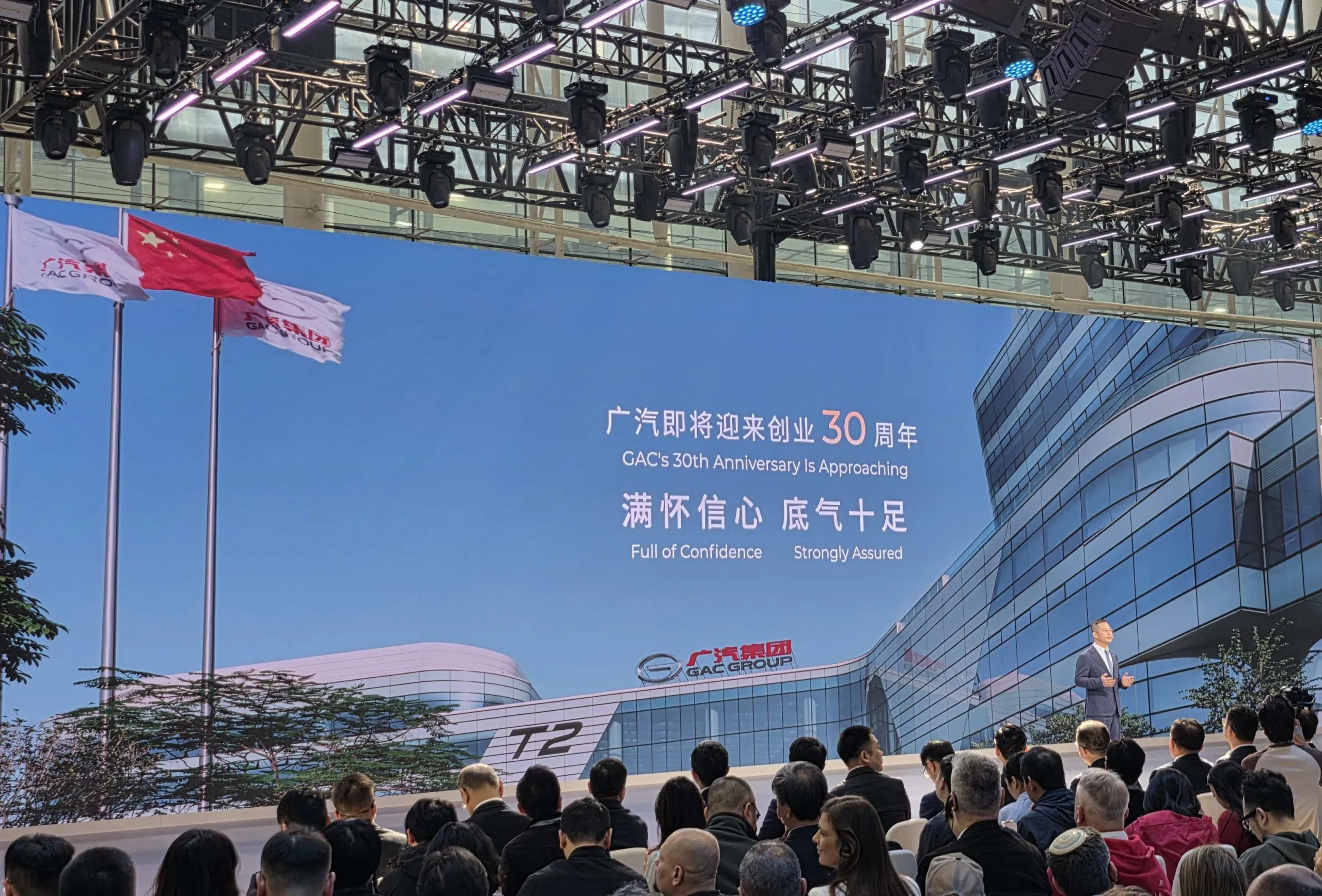
What GAC demonstrated in Guangzhou is not a turnaround completed. It is a turnaround with a credible architecture and a visible clock: 2027 marks the group’s 30th anniversary, the year Qijing must scale, L3 rules may land, and the own-brand share must be high enough that the joint ventures stop defining the company. Ge Xianqing’s closing promise was that GAC would be “fully awake” by then. The morning’s numbers suggest the company is, at least, awake to where the fight actually is.