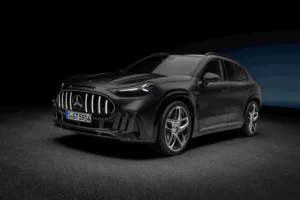
Mercedes-AMG has taken the wraps off its first fully in-house-developed full-size SUV, and it’s bringing supercar performance, Formula 1-inspired battery technology and a distinctly AMG approach to electric motoring.
If you thought the SUV market had reached peak horsepower, Mercedes-AMG would like a word. Meet the all-new Mercedes-AMG GT SUV, a high-performance machine designed to combine the space and everyday usability of a large SUV with the sort of acceleration that makes sports cars nervous. And if the headline figures are anything to go by, AMG hasn’t exactly been playing it safe.
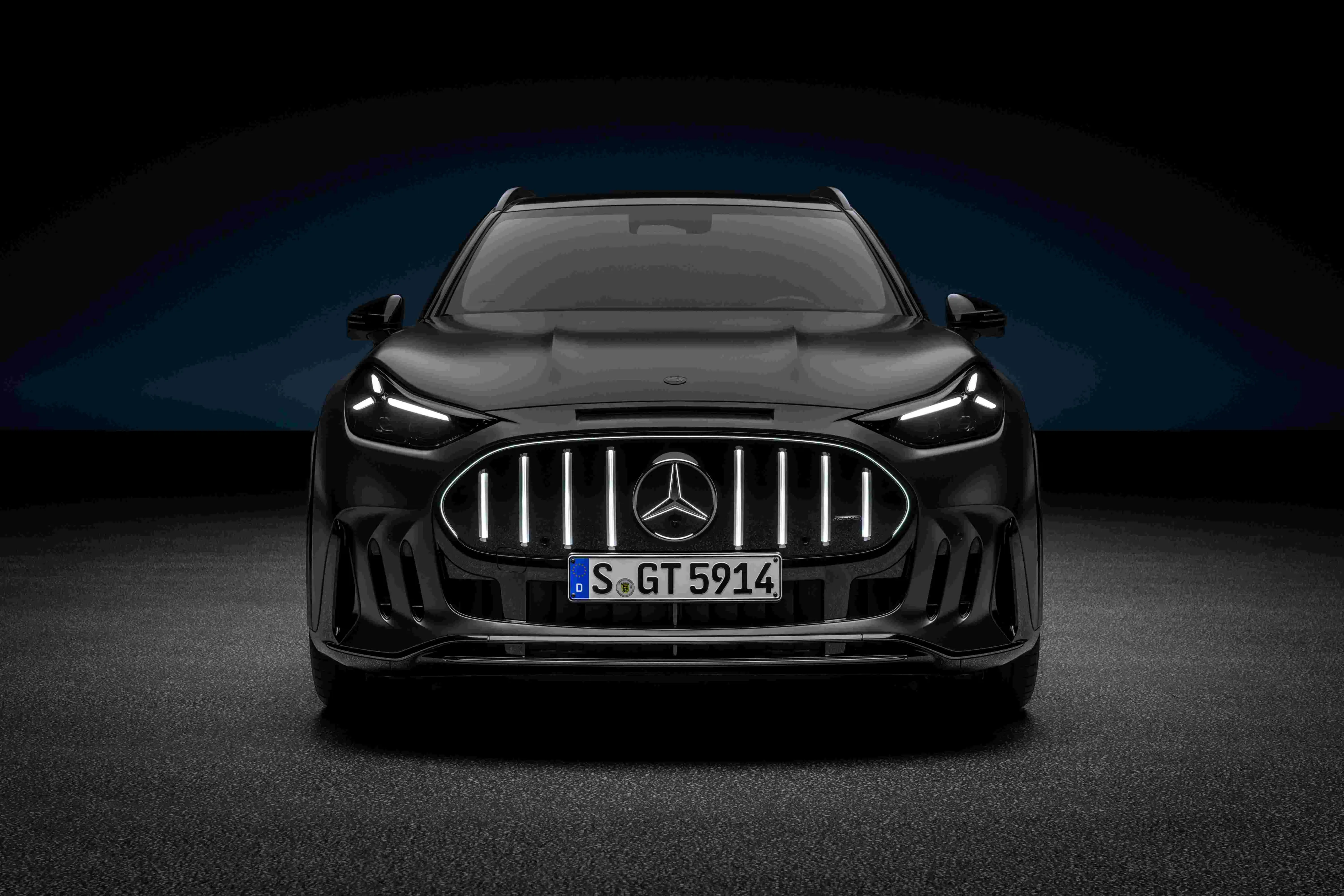
Revealed on 17 October 2026, the new GT SUV is the first full-size SUV developed from the ground up by Mercedes-AMG during its 59-year history. It also becomes the second model based on the brand’s new AMG.EA high-performance electric architecture.
In other words, this isn’t simply a conventional Mercedes SUV with a few extra horses and some sporty badges. It’s an ambitious new electric performance machine, engineered in Affalterbach to push the boundaries of what a luxury SUV can do.
Up to 860kW: because apparently, SUVs weren’t quick enough
The headline-grabbing Mercedes-AMG GT 63 SUV produces up to 860kW (1,169hp), allowing it to sprint from 0–100km/h in a claimed 2.5 seconds. The 0–200km/h dash takes just 6.8 seconds, while the optional Driver’s Package raises its top speed to 270km/h.
Let those numbers sink in for a moment. This is a full-size SUV capable of accelerating like a serious supercar, while retaining the raised ride height, generous cabin and everyday versatility that have made SUVs so popular.
The range will comprise three variants: the GT 53 SUV, GT 55 SUV and GT 63 SUV. All are fully electric, but they use different motor configurations to deliver their performance.
The entry-level GT 53 produces 400kW (544hp) from two synchronous electric motors, one on each axle. The GT 55 steps things up to 600kW (816hp), while the flagship GT 63 delivers the full 860kW punch. The two higher-performance models use three axial-flux electric motors. These compact, high-output units are designed to deliver substantial power without the size and weight associated with conventional electric motors.
The GT 53, meanwhile, uses a pair of synchronous motors and a two-speed transmission on the rear axle. The shorter first gear helps deliver strong acceleration away from the lights, while second gear is geared towards relaxed, efficient cruising at higher speeds.
All three versions feature an intelligent all-wheel-drive system, distributing power between the front and rear axles as required. It’s a clever approach to a familiar problem: how do you make an extremely powerful electric vehicle exciting to drive without making it unnecessarily heavy, inefficient or difficult to manage? AMG’s answer is to make the entire vehicle work together, rather than relying on horsepower alone.
Formula 1 thinking meets road-going electric performance
One of the most interesting aspects of the new GT SUV sits beneath the bodywork. The high-performance models feature an 800-volt electrical architecture and an AMG High Performance Electric Battery available with either 106kWh or 128kWh of usable capacity. The larger battery is associated with a claimed WLTP range of up to 700km, although the final figure will depend on the variant and specification.
But battery size is only half the story. AMG says the battery technology draws on Formula 1-inspired development, with individual cylindrical cells directly cooled by a special electrically non-conductive oil. This arrangement is designed to keep temperatures under control during repeated high-power acceleration, sustained performance driving and rapid charging.
Why does that matter? Electric cars can deliver enormous bursts of power, but repeated hard acceleration generates heat. If temperatures climb too high, the vehicle may need to reduce its power output to protect the battery and motors. Keeping everything within its ideal operating window helps the GT SUV deliver its performance more consistently.
For drivers, that could mean more than an impressive number on a specification sheet. It is about being able to enjoy the car’s performance repeatedly, rather than having the party wind down after a few enthusiastic launches.
The battery is also integrated into the vehicle’s structure, with a protective housing forming part of the crash-safety design. The body itself combines aluminium, steel and composite materials to balance structural rigidity, safety and weight.
Charging at up to 710kW? There’s a catch
Fast charging is another area where the GT SUV makes some eye-catching claims. The 106kWh battery can accept DC charging at up to 600kW, while the larger 128kWh pack is designed for charging rates of up to 710kW under suitable conditions.
Mercedes-AMG claims that the larger battery can add up to 450km of WLTP driving range in just 10 minutes. The smaller battery can add up to 380km over the same period. The company also quotes a 10–80% charging time of as little as 12 minutes under ideal conditions for the larger battery.
Those are remarkable figures, but there’s an important qualification: the charging station must be capable of delivering the required power. A 710kW charging capability is not the same as charging at 710kW everywhere. Actual charging speed depends on the charger, battery temperature, state of charge and other operating conditions.
For markets such as New Zealand, the practical question will be how well the vehicle’s impressive charging hardware translates to the public charging network available here. The GT SUV can also charge on 400-volt infrastructure, automatically adapting its high-voltage system to accommodate lower-voltage charging stations.
That’s a useful bit of flexibility, even if the full headline charging speeds remain dependent on the infrastructure available.
An SUV that wants to corner like a sports car
Straight-line acceleration is one thing. Making a large, heavy electric SUV feel agile through a series of corners is quite another. AMG has developed a new ACTIVE RIDE CONTROL+ suspension system to help address that challenge. It uses active hydraulic components to control body movements, reducing the nose-dive associated with hard braking and the rear-end squat that can accompany heavy acceleration.
The system also works to reduce body roll through corners, while adaptive air suspension helps balance comfort and handling. The aim is to give the GT SUV a broad operating range: comfortable and composed on a long motorway journey, yet controlled and responsive when the road becomes more interesting.
Rear-wheel steering is fitted as standard. At speeds below 80km/h, the rear wheels turn in the opposite direction to the fronts, effectively shortening the wheelbase to improve manoeuvrability. At higher speeds, they turn in the same direction to help improve stability.
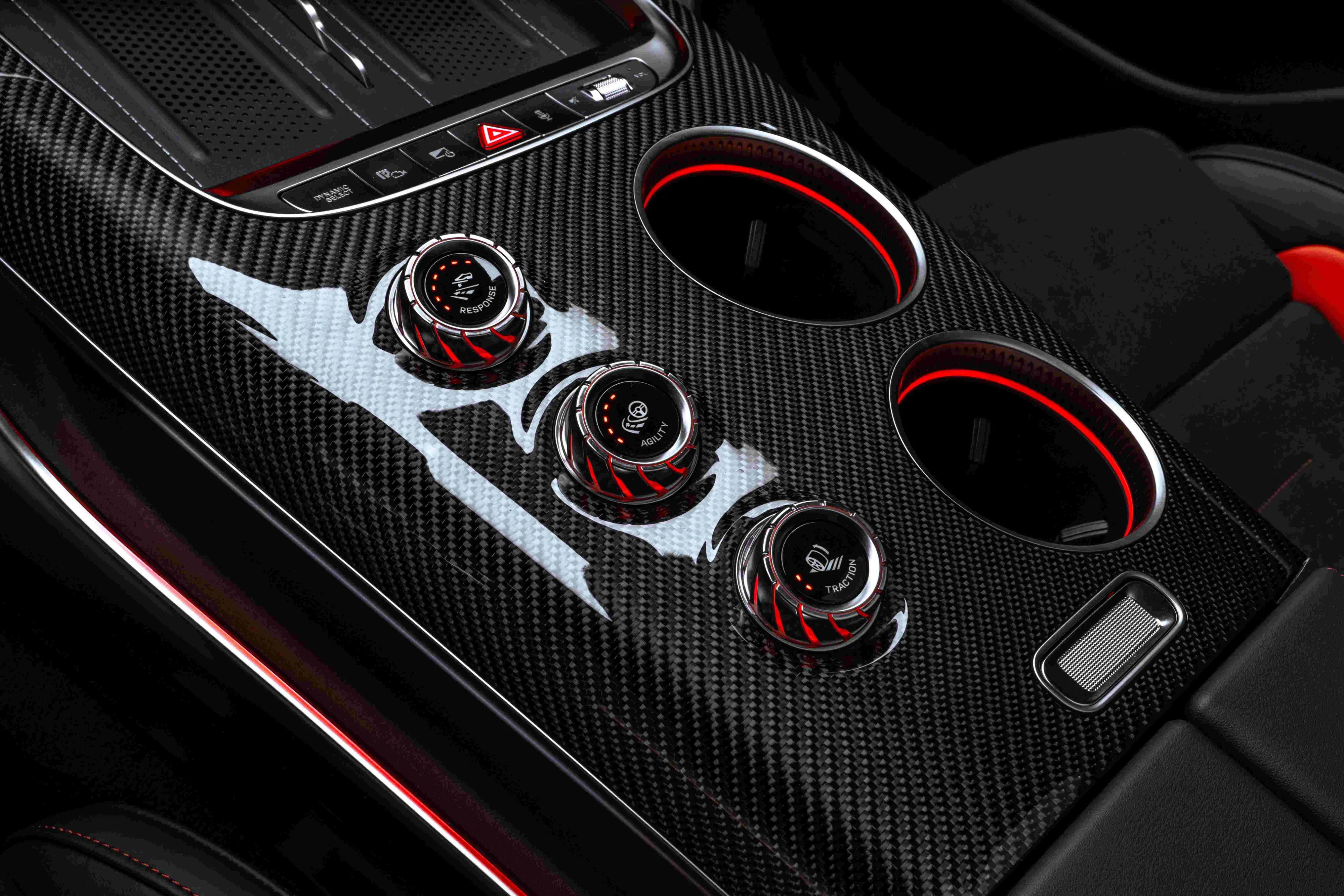
Meanwhile, AMG Performance 4MATIC+ all-wheel drive continuously adjusts the distribution of torque between the axles. On the GT 55 and GT 63, torque can also be distributed between the rear wheels to help the vehicle turn more precisely.
In short, AMG has gone well beyond fitting a large battery and a powerful motor package. The suspension, steering and power delivery have all been designed to make the GT SUV feel like a performance car, rather than a fast-moving apartment block.
Fake V8 sounds? Hear us out
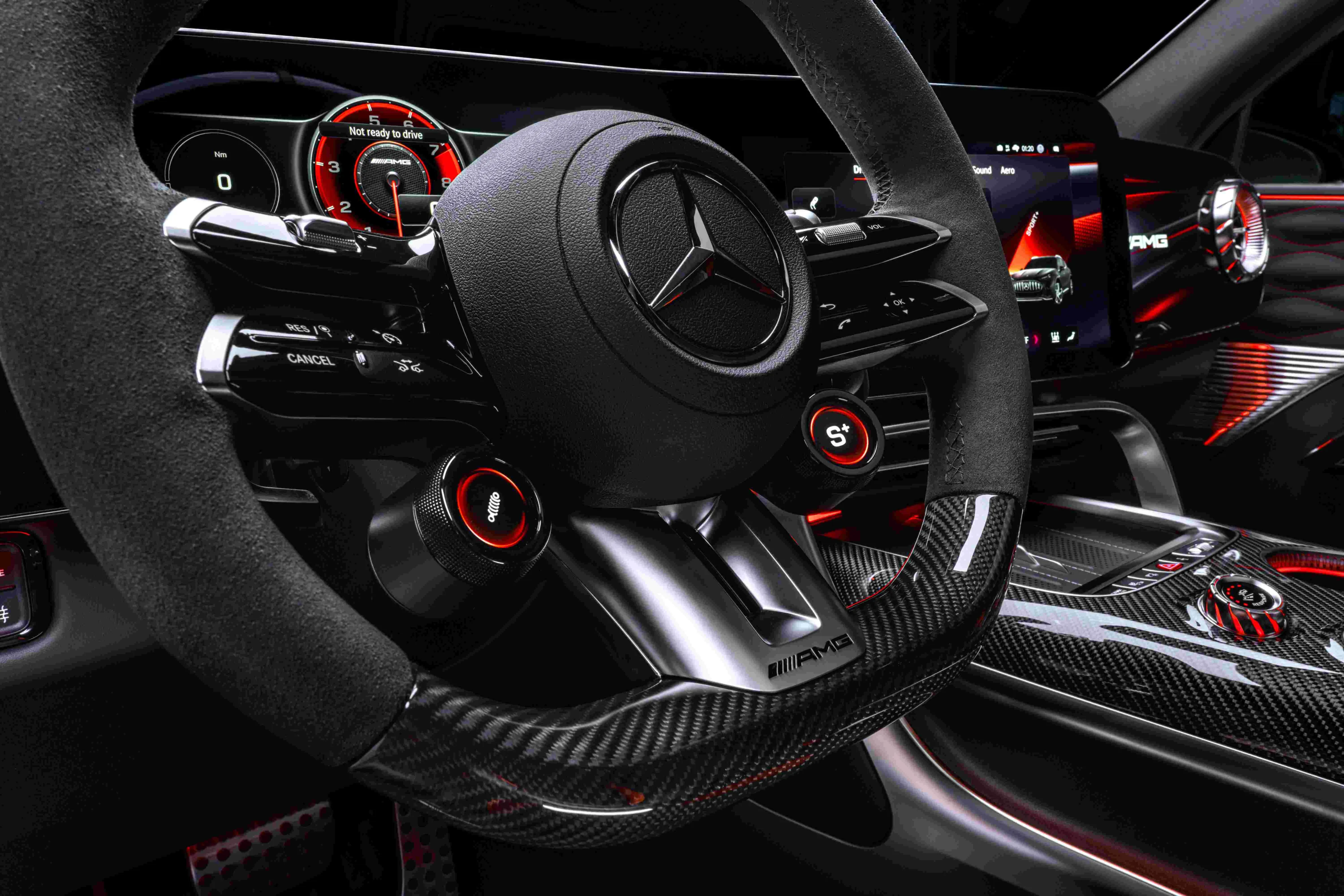
Here’s where things get particularly interesting for traditional AMG fans. Despite being fully electric, the GT SUV will offer a drive mode called AMGFORCE Sport+ that recreates the sound and sensation of a combustion-powered AMG.
The system reproduces the character of a V8 in the GT 55 and GT 63, and a six-cylinder engine in the GT 53. It includes simulated gear changes, steering-wheel paddle-operated shifts, a specially configured instrument display and even seat shakers to add physical feedback.
Mercedes-AMG says the sound reproduction is based on recordings of real AMG engines, captured using more than 100 measurements and 16 microphones. Is this the future of electric performance, or automotive theatre on a grand scale? Probably a little of both.
Some drivers will argue that an electric performance car should embrace its silent, instantaneous power delivery rather than pretending to have an engine. Others will welcome anything that helps preserve the emotional connection traditionally associated with AMG.
The important distinction is that these effects are designed to enhance the experience, not power the vehicle. Beneath the theatrics, the GT SUV remains a fully electric machine. Drivers who prefer a quieter approach will have other modes available, including Comfort and Eco.
Active aerodynamics: more than a fancy rear spoiler
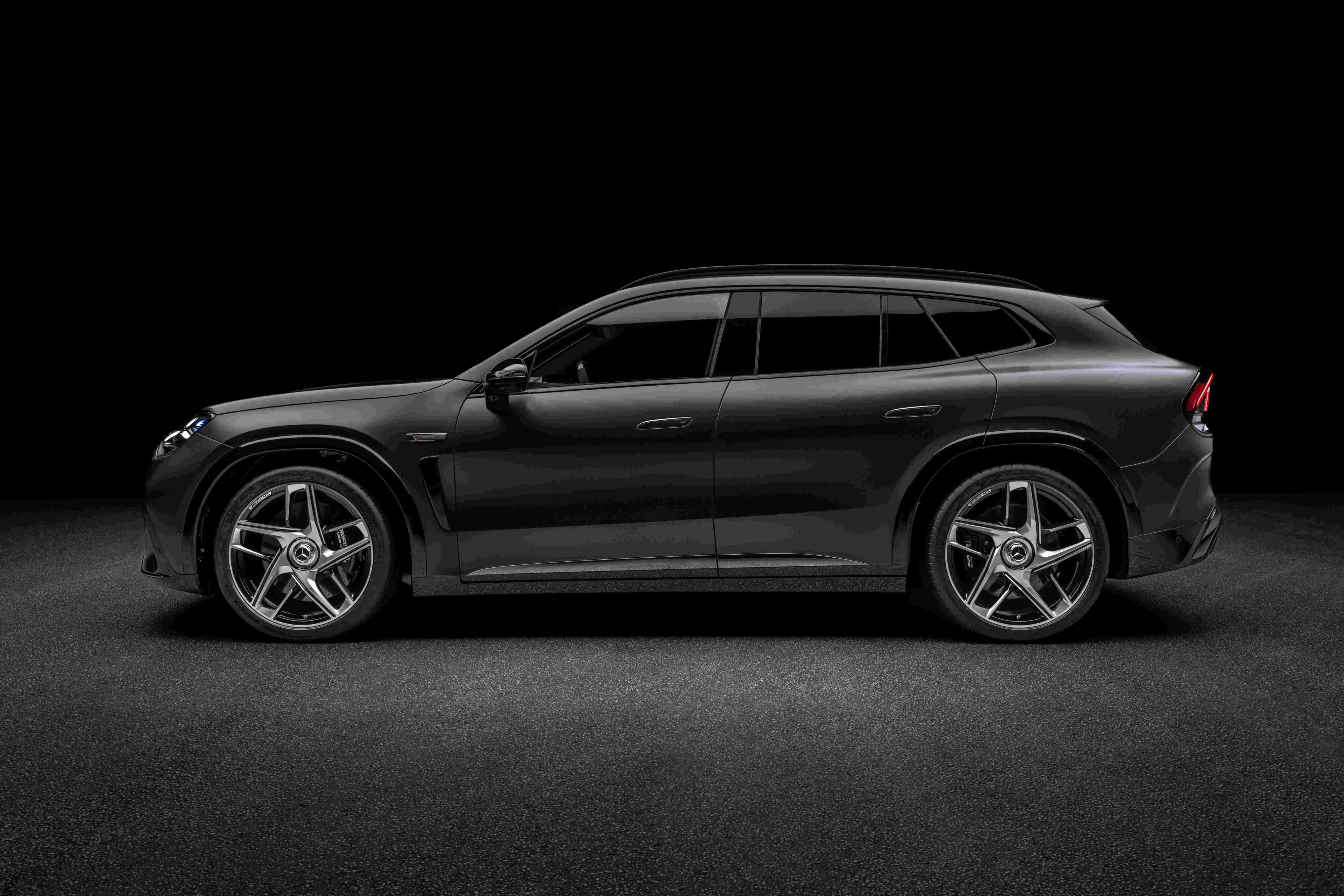
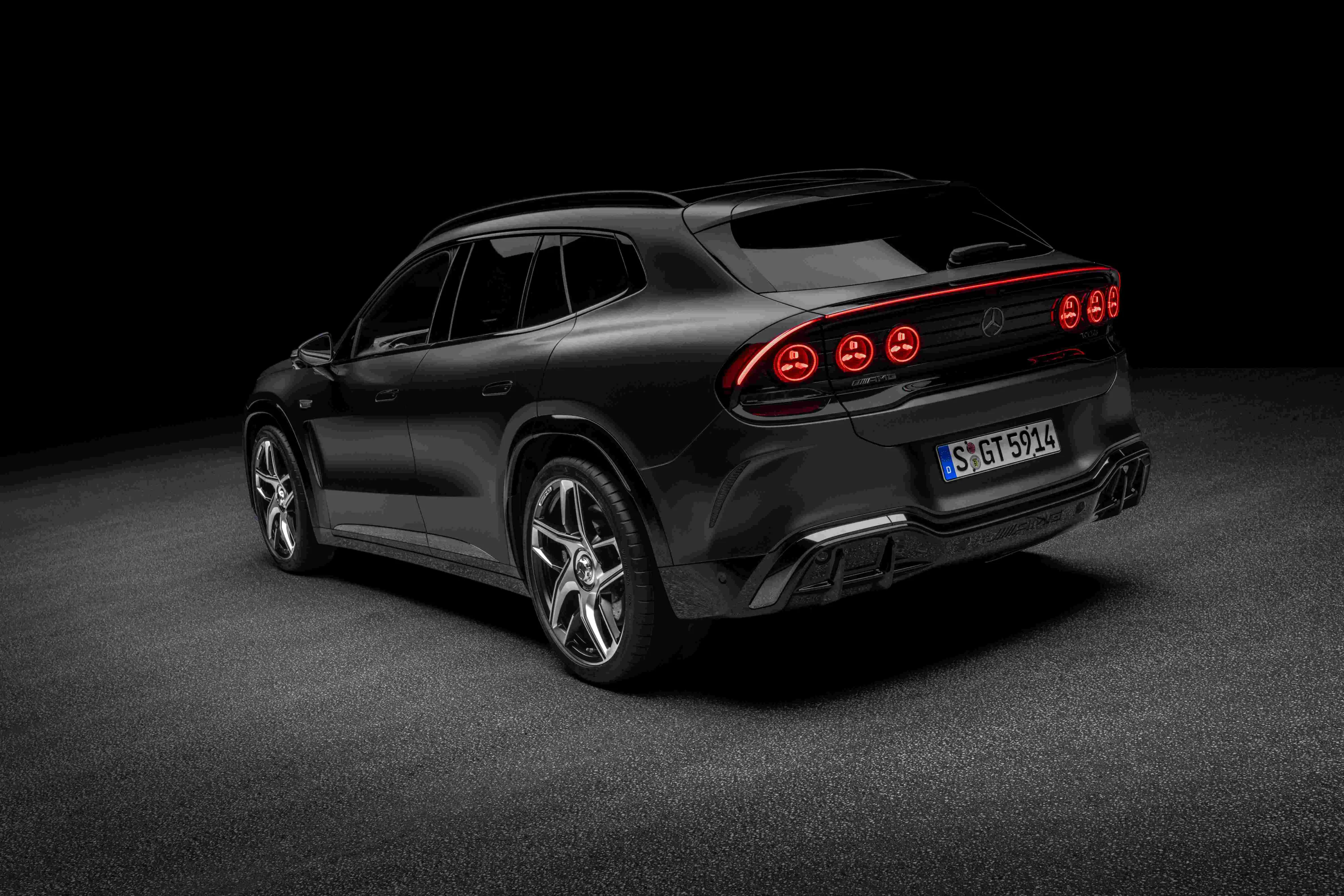
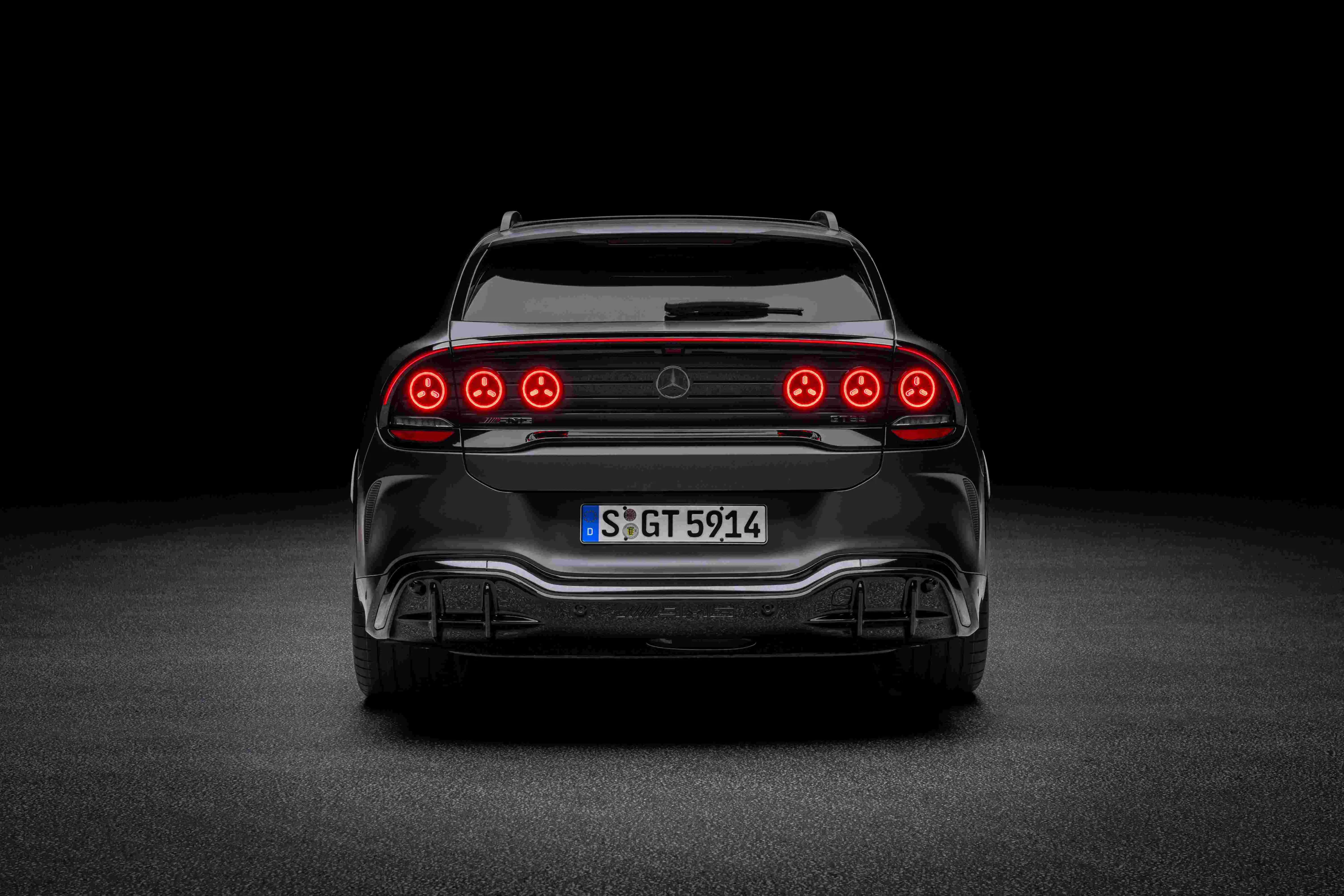
The GT SUV’s styling is muscular, with a broad stance, pronounced wheel arches, a sloping roofline and a distinctive AMG front grille. But the design isn’t purely about looking aggressive in the supermarket car park.
An active aerodynamic system called AEROKINETICS adjusts airflow to balance efficiency and stability. At lower speeds, its front air-management system can reduce unnecessary airflow through the cooling openings, helping minimise aerodynamic drag.
At speeds above 150km/h, the active roof spoiler can change its position to improve aerodynamic balance and stability. The system responds to vehicle speed, acceleration and driving conditions, adjusting the aerodynamic setup as required. It’s the sort of technology that might seem excessive for an SUV, until you remember that this particular SUV can reach 270km/h. At those speeds, aerodynamic stability becomes rather more important than whether the rear spoiler looks good in photographs.
Inside: a luxury lounge with a racing-game mentality
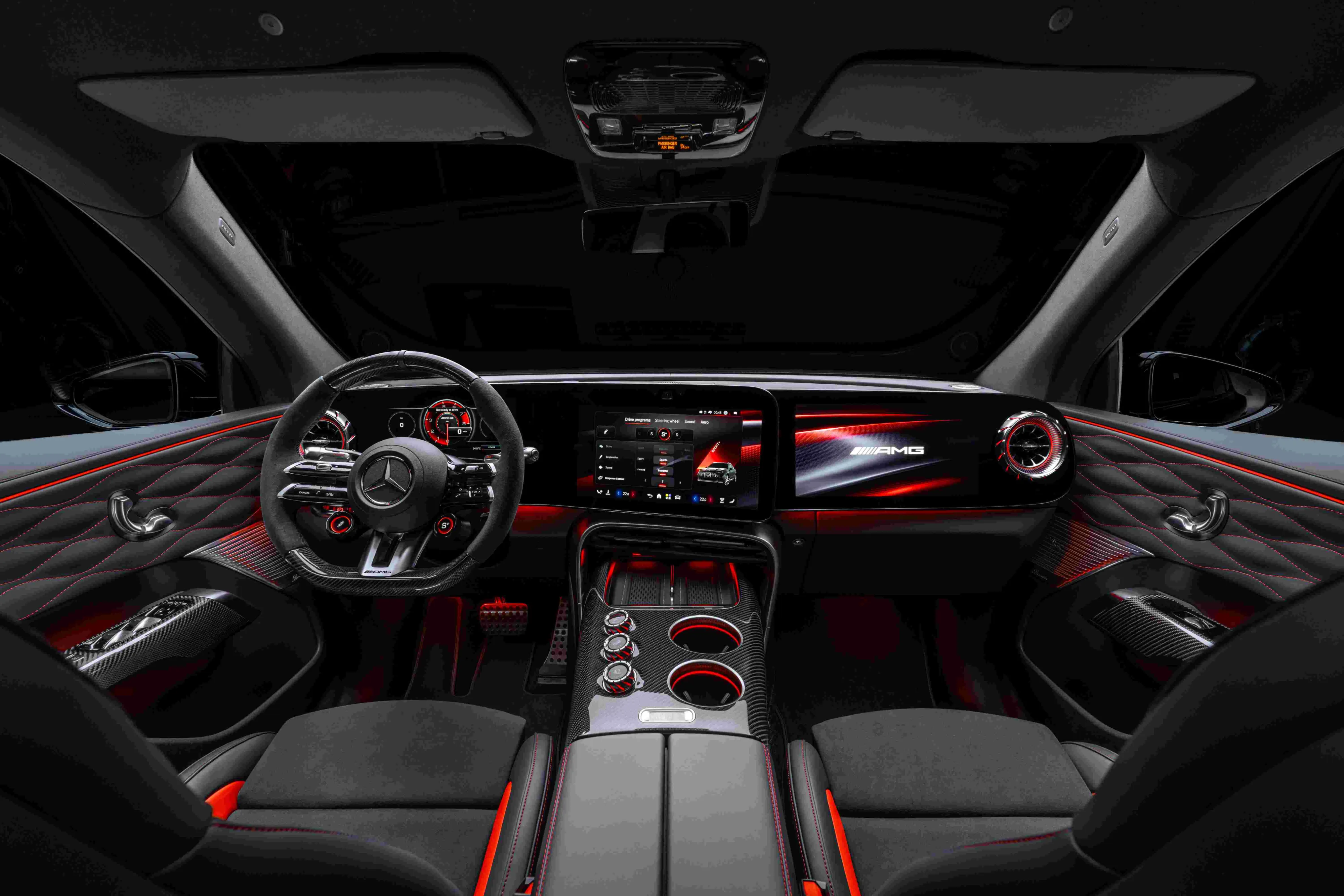
The cabin follows a driver-focused layout, with a low seating position intended to create a more sports-car-like feel than the conventional high-set SUV driving position. The driver gets a 10.2-inch instrument display and a 14-inch central multimedia screen, while the front passenger has a separate 14-inch display.
The latest MBUX infotainment system runs on Mercedes-Benz’s MB.OS operating system and incorporates AI-powered assistance, with ChatGPT, Microsoft Bing and Google Gemini integrated into the system. The idea is to make interacting with the vehicle more natural, allowing the virtual assistant to handle more complex, multi-step conversations rather than simply responding to basic commands. AMG-specific software adds another layer of functionality. The AMG PERFORMANCE MENU can display information about power delivery, energy flow, aerodynamics, tyre pressures and vehicle temperatures.
For track-day enthusiasts, AMG TRACK PACE records more than 80 vehicle-specific data points ten times per second, allowing drivers to examine lap times, acceleration and other performance information. That is an impressive level of detail for an SUV, although we suspect most owners will spend considerably more time negotiating traffic than analysing their apex speeds.
Thankfully, the cabin hasn’t forgotten its family duties. Mercedes-AMG says the rear seats offer generous headroom and legroom despite the sloping roofline, with a three-seat rear bench and folding backrests fitted as standard.
An optional panoramic SKY CONTROL glass roof can switch between transparent and opaque, while extensive MANUFAKTUR personalisation options include more than 60 exterior paint finishes. So yes, it can apparently be a family vehicle. Just one that could leave a few sports cars wondering what happened at the traffic lights.
When can we expect it?
The new Mercedes-AMG GT SUV will initially be offered in Europe with the GT 53, priced from €113,050. Orders are scheduled to open on 20 October 2026. The GT 55 and GT 63 are expected to follow in spring 2027.
Mercedes-Benz has not confirmed New Zealand pricing or local availability in the announcement covered here, so Kiwi buyers will need to wait for further information before deciding whether to make room in the garage.
Tarmac Takeaway: a new breed of AMG
The Mercedes-AMG GT SUV is a statement of intent. With up to 860kW, a claimed 0–100km/h time of 2.5 seconds, up to 700km of WLTP range and exceptionally ambitious charging figures, it aims to demonstrate that electric performance can be about more than a brief burst of acceleration.
Its sophisticated battery cooling, active suspension, rear-wheel steering and aerodynamic systems suggest that AMG is taking the challenge of making a high-performance electric SUV genuinely capable very seriously.
There are still practical questions to answer, particularly around real-world range, charging performance, weight, ride comfort and how naturally all that simulated engine drama fits into the experience. And for New Zealand, availability, pricing and charging infrastructure will be important pieces of the puzzle.
But one thing is clear: Mercedes-AMG isn’t treating electrification as a reason to turn down the excitement. Instead, it’s using electricity to turn the volume up — even if some of that volume comes through the speakers.
The GT SUV’s mission is simple: deliver the practicality of a large luxury SUV with the performance and theatre of an AMG sports car. Whether you love the idea or think an electric V8 impersonator is a little too much automotive cosplay, it’s certainly not boring. And in a world where SUVs seem to be multiplying faster than potholes after a New Zealand winter, a little genuine engineering ambition is welcome.
SUV by shape. GT by nature. And 1,169hp just in case you were wondering whether AMG was serious.