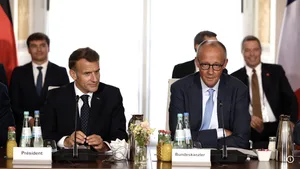
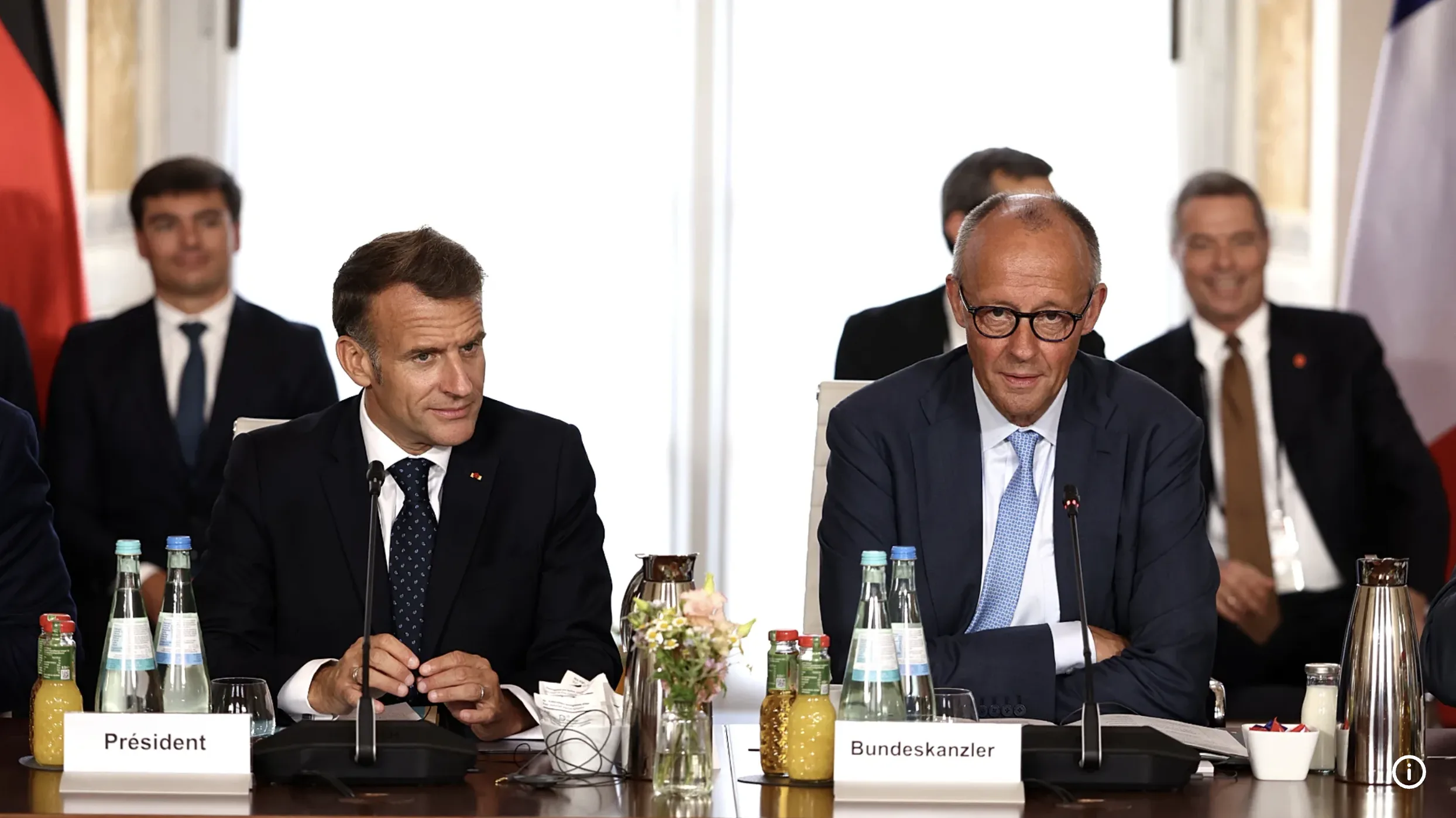
Europe’s planned transition to zero emission new cars is facing another potential shift after France and Germany agreed on a joint position that would soften the European Union’s proposed 2035 vehicle emissions requirements.
The agreement, announced on 16 October, proposes a 90 per cent reduction in fleet average CO₂ emissions from new cars by 2035, rather than the existing target’s effective 100 per cent reduction. Crucially, the Franco-German position would not require manufacturers to offset the remaining 10 per cent through additional measures, as envisaged in the European Commission’s earlier proposal.
The distinction could leave more room for certain ICE vehicles and hybrids to remain part of manufacturers’ future lineups, depending on the final rules. However, it’s important to note that this change is not an unrestricted return to petrol and diesel cars, and the agreement does not itself change European law.
A compromise between climate targets and industry pressure
The EU’s existing framework effectively requires new cars and vans to achieve a 100 per cent reduction in fleet average CO₂ emissions from 2035, compared with the 2021 baseline. Although often described as a ban on combustion engines, the legislation concerns emissions from new vehicles rather than requiring existing petrol and diesel cars to be taken off the road.
Pressure to reconsider the policy has grown as European manufacturers face high production costs, the expense of developing electric vehicles and intensifying competition from Chinese brands. Germany has argued for greater flexibility to protect its automotive industry, and France has placed greater emphasis on ensuring that the transition also supports European manufacturing.
The latest agreement attempts to address both concerns. Alongside the proposed emissions target, France and Germany want stronger requirements favouring European-made components. Under their joint position, 70 per cent of vehicle components, excluding batteries, would need to be produced in Europe, while 10 per cent of battery content would have to come from European sources. The intention is to ensure that the transition to electric vehicles creates industrial value within Europe rather than leaving the region dependent on imported vehicles and components.
What does this mean for hybrids and combustion engines?
If the approach is adopted, manufacturers could have more flexibility when deciding how to meet future emissions requirements. Hybrid and plug-in hybrid vehicles may retain a role alongside BEVs, while the final conditions will determine which ICE vehicles and fuels can qualify.
That’s important because manufacturers have committed billions of euros to electrification, but the pace of consumer adoption varies between markets. Greater flexibility could help brands serve customers who are not yet ready to switch to a fully electric vehicle, while allowing them to continue reducing average emissions across their fleets. It would not, however, remove the pressure to electrify: a 90 per cent fleet average reduction remains a substantial target, and manufacturers would still need to make significant changes to their model ranges and technology.
What about New Zealand?
For New Zealand buyers, any change to European policy would be relevant mainly through manufacturers’ global product strategies. If European brands retain combustion and hybrid models for longer, some of that technology could continue to be offered in overseas markets. Equally, a change to EU rules would not automatically determine which vehicles manufacturers sell here.
New Zealand has its own regulatory framework, and local model availability depends on manufacturer decisions, certification requirements and market demand. It would be a big reach to say that the Franco-German agreement could change New Zealand vehicle import rules or delay particular local launches.
This agreement establishes a joint position for France and Germany to take into negotiations with other European countries and EU lawmakers. The European Commission’s proposal must still go through the relevant approval process, with the European Parliament and EU member states needing to agree on the final legislation. Until that, no change.
This announcement is an important indication that Europe’s approach to the transition is still being debated, with policymakers trying to balance emissions reductions against the future of one of the region’s most important industries.