Located in Lara, Victoria, just 26km north of Geelong is Ford’s You Yangs Proving Ground (YYPG). It’s a 900-hectare vehicle punishing, testing and development playground that offers all manner of terrains including tarmac (smooth and potholed), mud, sand and metal. The facility has been operating since 1965, and it serves as a critical global hub for testing, calibrating, and torture-testing Ford vehicles, including (quite aptly in this case) the Ford Ranger and Everest.
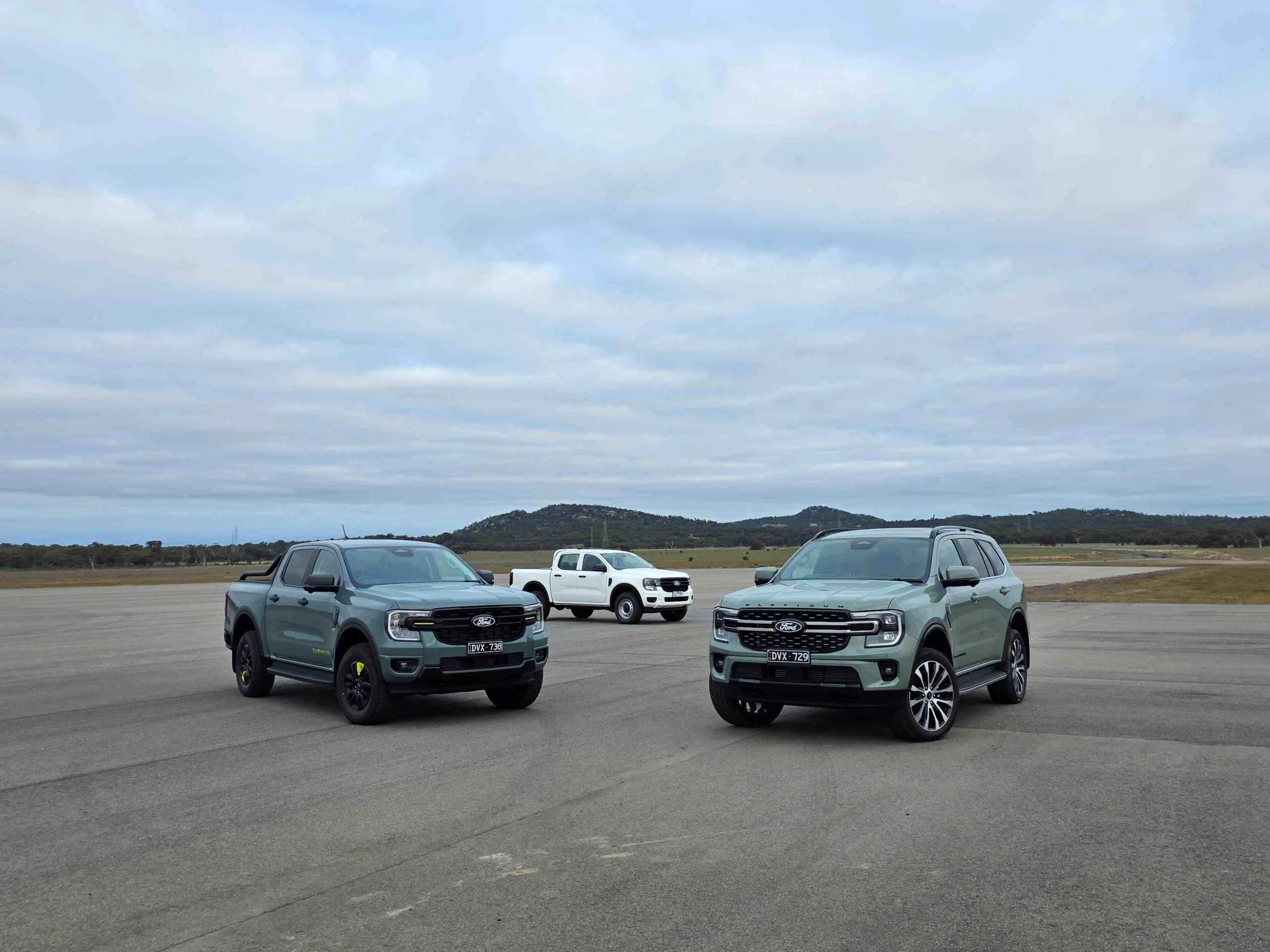
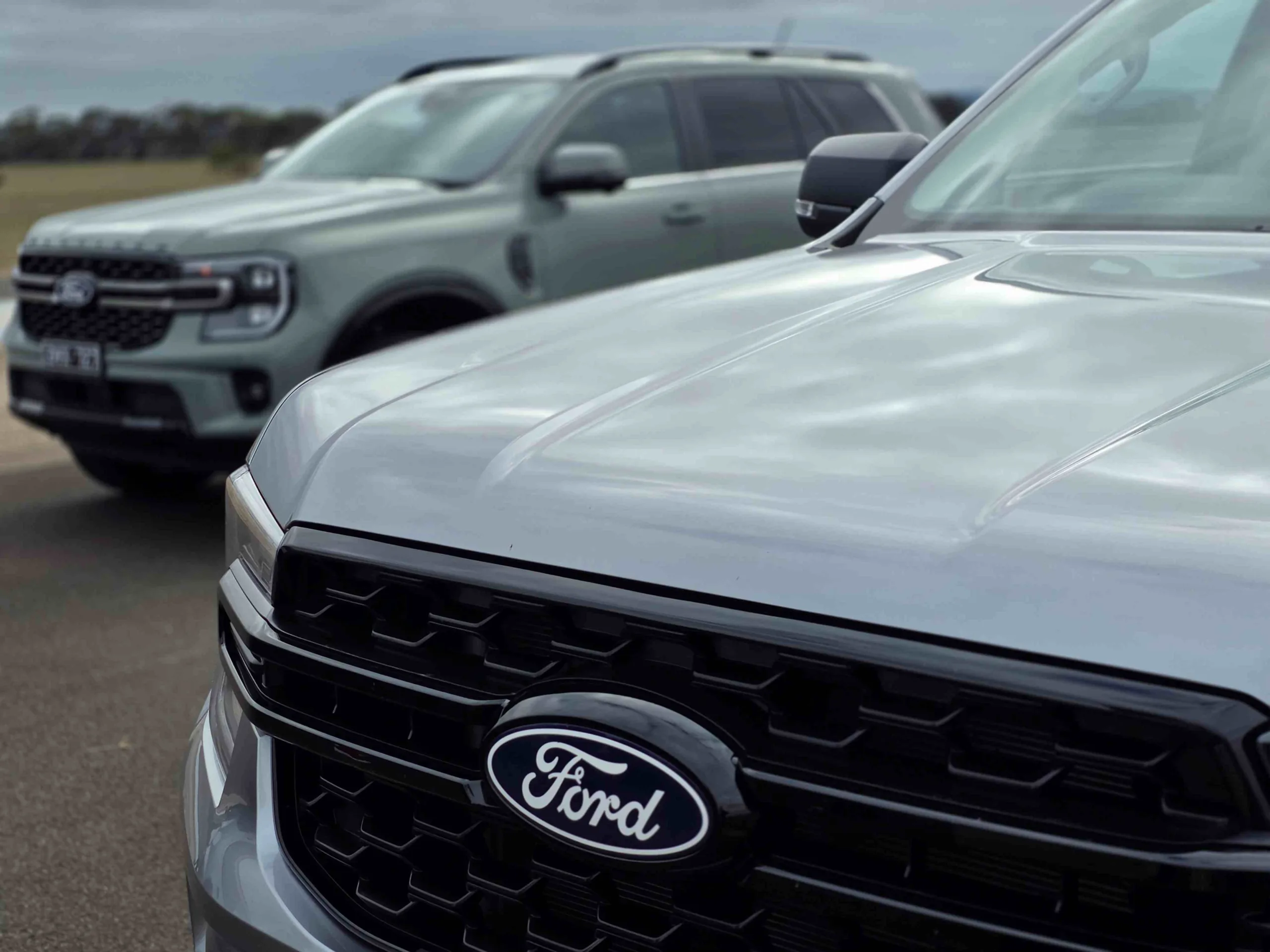
You see, Ford had invited us to Aus to test out their MY26.5 Rangers and Everests, and although outwardly the changes are hard to spot, they have made the V6 powertrain available across all models, same goes for the larger 12-inch infotainment screen, have added a new ‘Wolftrak’ model to the line up PLUS there’s now a more frugal 2L engine for those that want Ford Tough capability, but fewer stops at the gas station.
The latter had us competing for a ‘fuel efficiency trophy’, but more on that later on.
Ford’s Strategic Evolution
Ford Australia has solidified its position as a global powerhouse for the T6 platform, proving that the cessation of local manufacturing in 2016 was merely a pivot, not an exit. With the launch of the Model Year 26.5 (MY26.5) updates for the Ranger and Everest, Ford is doubling down on its “Ford tough” philosophy.
By leveraging over $5 billion in local R&D investment over the last decade, the company is refining its market-leading vehicles to meet the evolving needs of ANZ customers while maintaining a competitive edge on the world stage.
Enhancing the Heartland
Like I said, the MY26.5 update is not a radical departure but a strategic refinement. Ford’s approach focuses on two pillars, expanding customer choice and delivering undeniable value. As Marketing Director Ambrose Henderson noted, “We are absolutely here to take what has been a winning formula to the next level”.
Ranger – Capability Meets Accessibility
The Ranger, Australia’s best-selling vehicle for three consecutive years, and ours for a decade (until recently), receives mildly significant enhancements to maintain its dominance. A key update is the expansion of the 3.0-litre V6 diesel engine across the entire range, including the entry-level XL series, ensuring that power is no longer reserved for premium trims.
Technology has also been democratised. The 12-inch infotainment screen is now standard on the XL series, and cab-chassis variants benefit from a new Driver Assist Technology (DAT) bar, ensuring that safety features remain active even when custom trays are fitted.
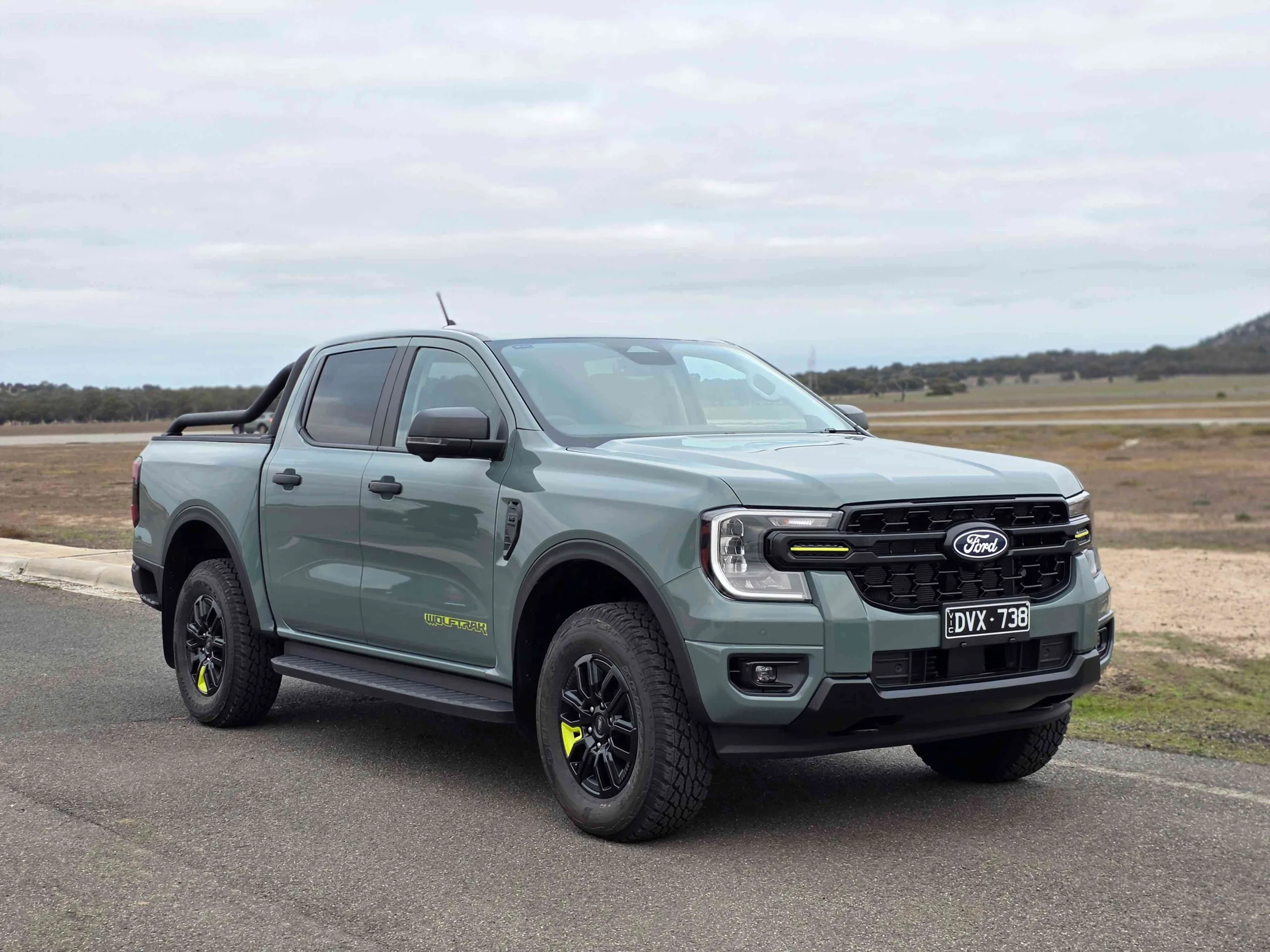
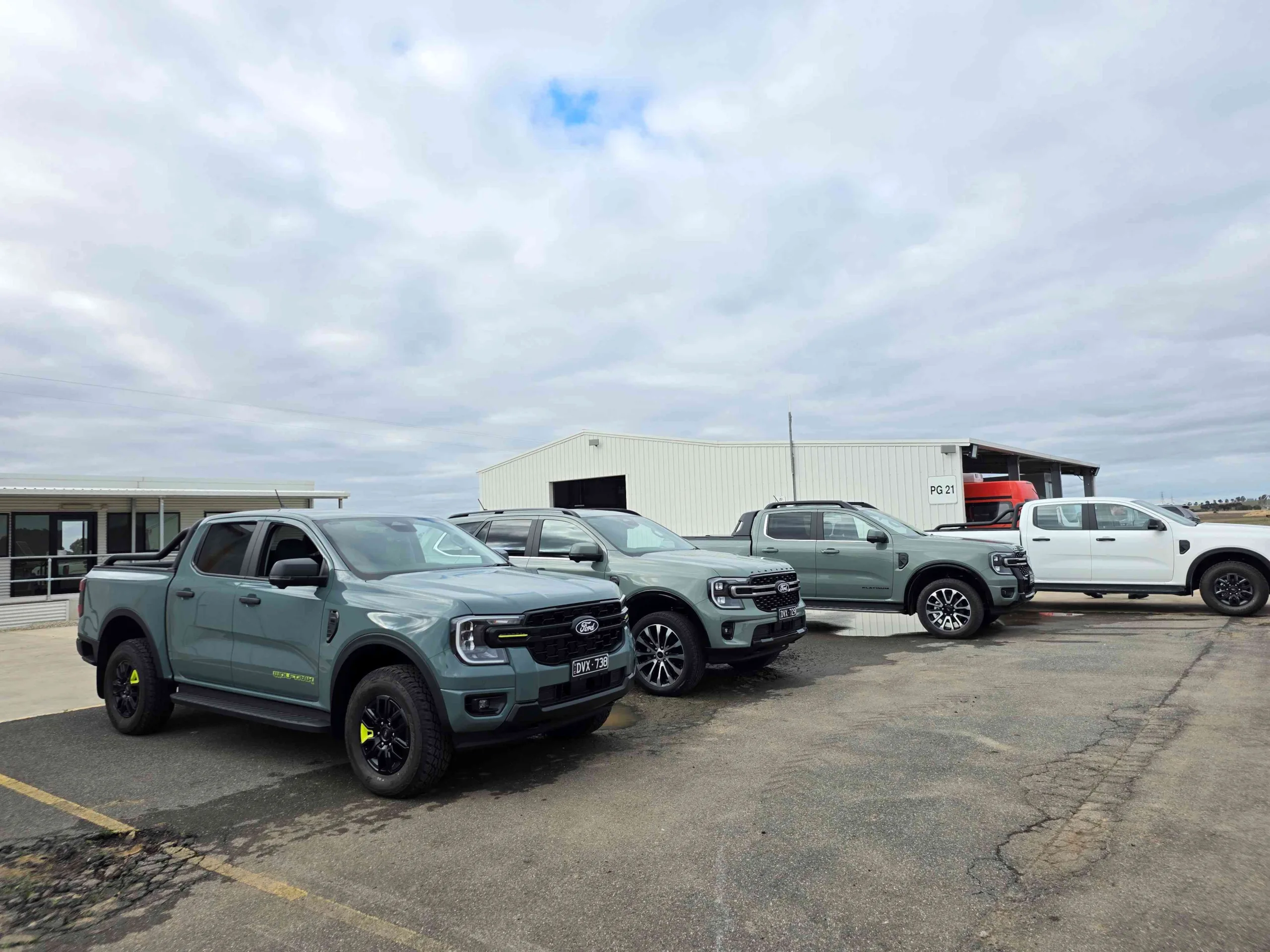
Furthermore, the introduction of the “WolfTrak” special edition and the return of the “Tremor” (now with a V6) provide buyers with distinct, adventure-ready options.
Everest – Luxury and Utility
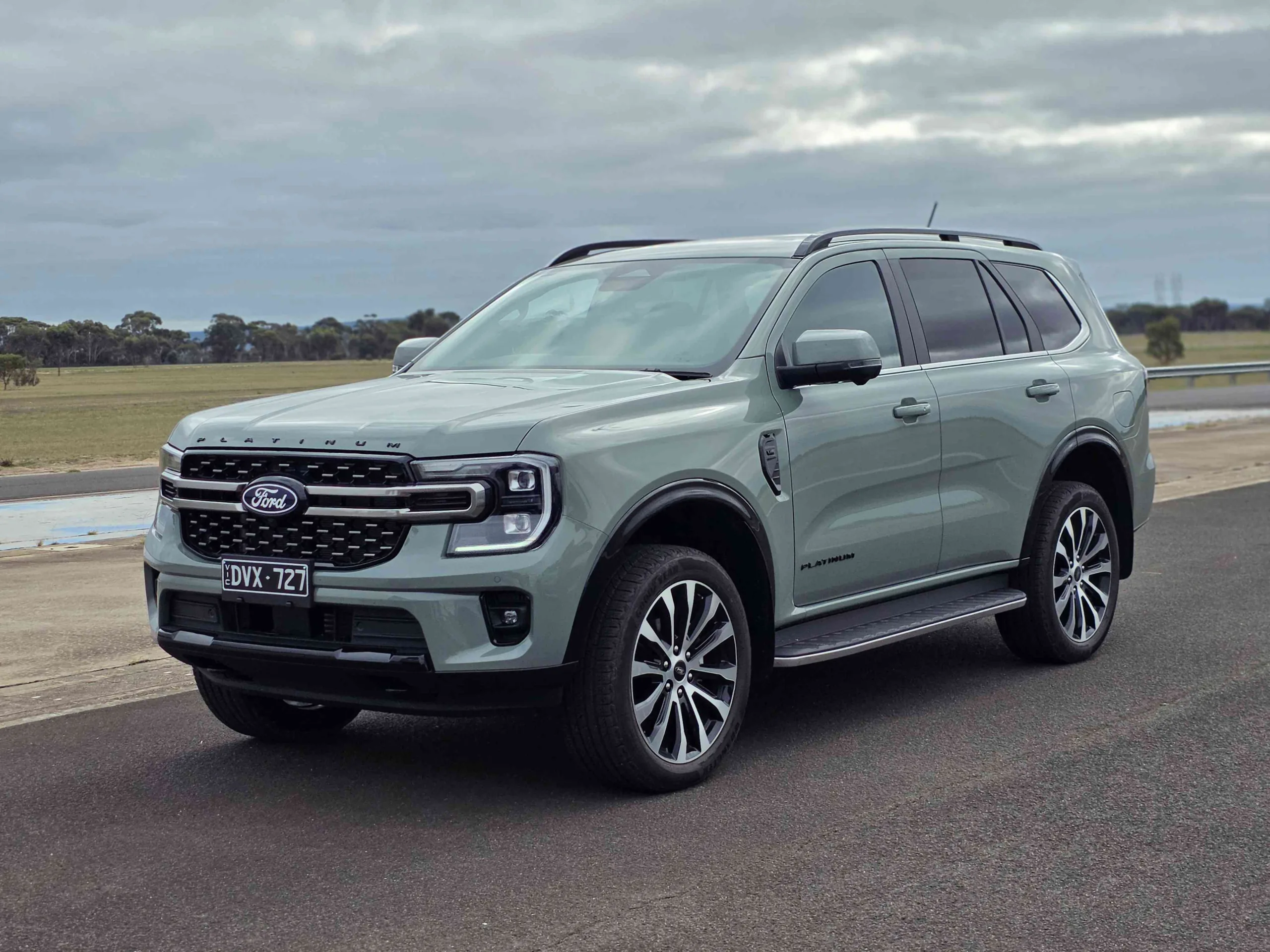
The Everest, the segment leader for large SUVs, introduces the “Active” model as a new, accessible entry point. This variant brings premium features, such as a 12-inch screen, black 18-inch alloys, and six selectable drive modes, to a lower price bracket. For those seeking a more rugged experience, the Everest Wildtrak returns in limited numbers, featuring Matrix LED headlamps and a panoramic moonroof.
The “Secret Sauce” – Local R&D and Customer-Centricity
What sets Ford Australia apart is its end-to-end development capability. Unlike competitors who may rely on minor Australian tuning as a marketing tactic (take that GWM), Ford engineers the entire vehicle here. Mario Brandini, Vehicle Program Director for Global Trucks, emphasises that the team “live and breathe the product every day,” testing vehicles in the harshest conditions to ensure they meet the real-world needs of towing, hauling, and off-roading.
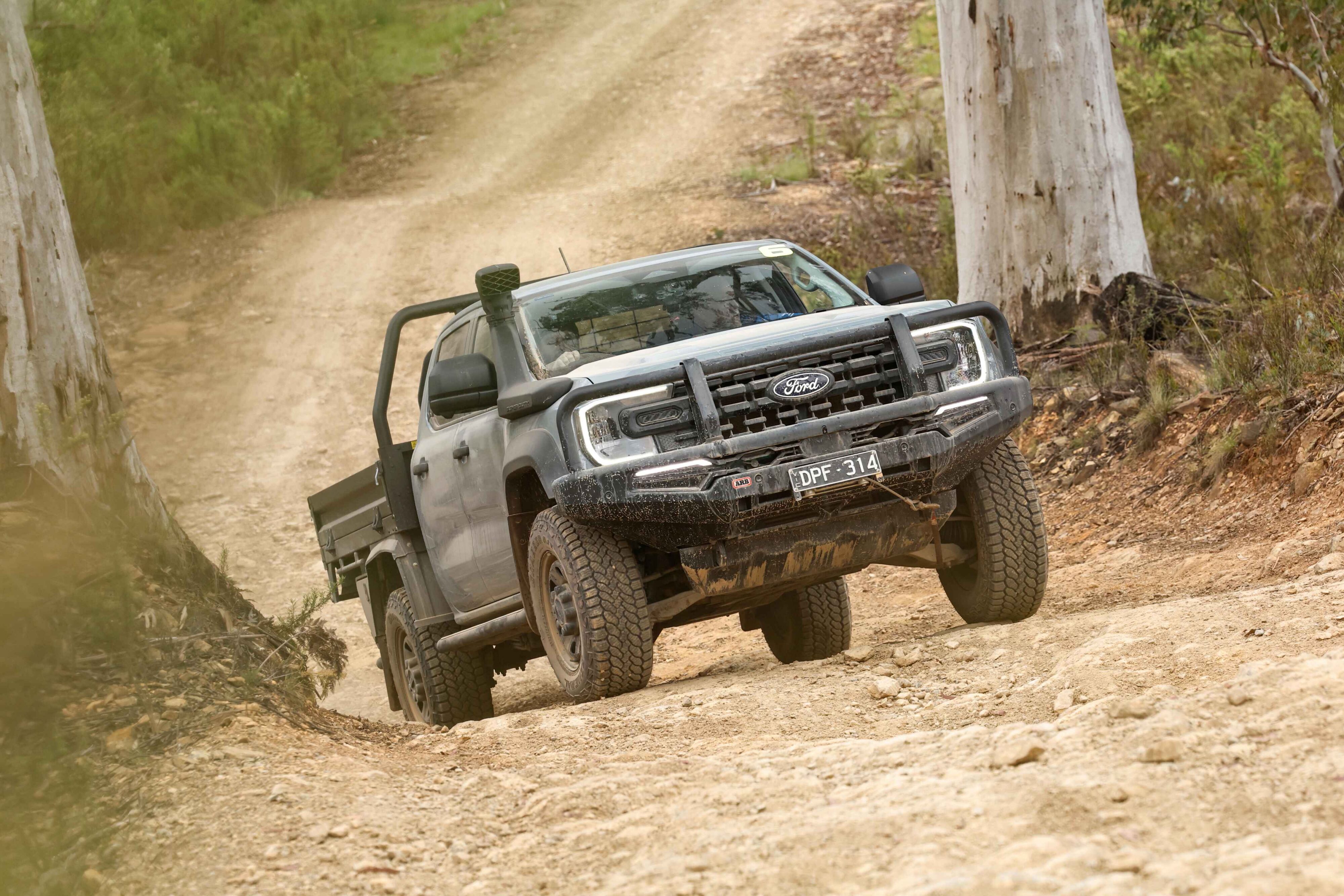
This customer-centricity is not a one-off event but a continuous loop. Ford utilises user groups, social listening, and direct engagement with fleet customers to identify pain points. The Ranger Super Duty, which originated from a fleet customer conversation, stands as the latest model to showcase this collaborative development process.
The Future of the T6 Platform
The longevity of the T6 platform remains a central question. With the rise of new competitors, particularly from Chinese OEMs, there is speculation about whether the platform is nearing its end. However, ‘no way’ is the confident retort. Mario Brandini stated, “I don’t think we’ve reached mid-life yet, there’s a lot of life in it”.
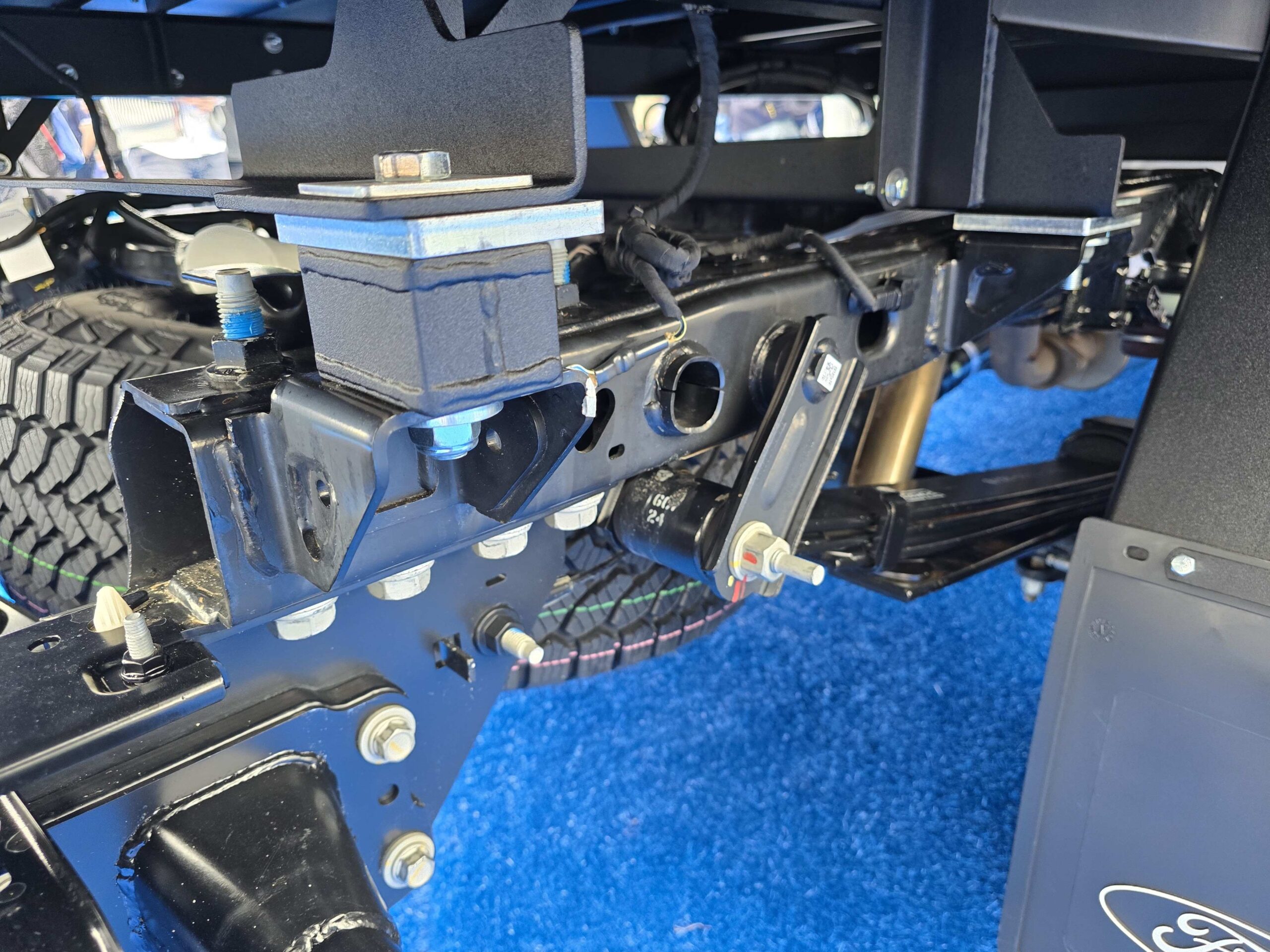
He claims that the platform’s flexibility is its greatest asset. It has already been successfully stretched to accommodate the 4.5-ton capable Super Duty, proving that it can evolve to meet diverse demands.
And as for electrification, Ford is taking a pragmatic approach. While a full battery-electric vehicle (BEV) is technically possible, the current infrastructure and the physics of towing heavy loads mean that hybrid and internal combustion engines remain the most viable solutions for the immediate future.
As Ambrose Henderson highlighted, the surge in EV interest is currently concentrated in small and medium SUVs, where the technology can meet customer needs. For the heavy-duty requirements of Ranger and Everest owners, Ford is focused on delivering what customers “need, not just want”.
How do the MY26.5’s perform?
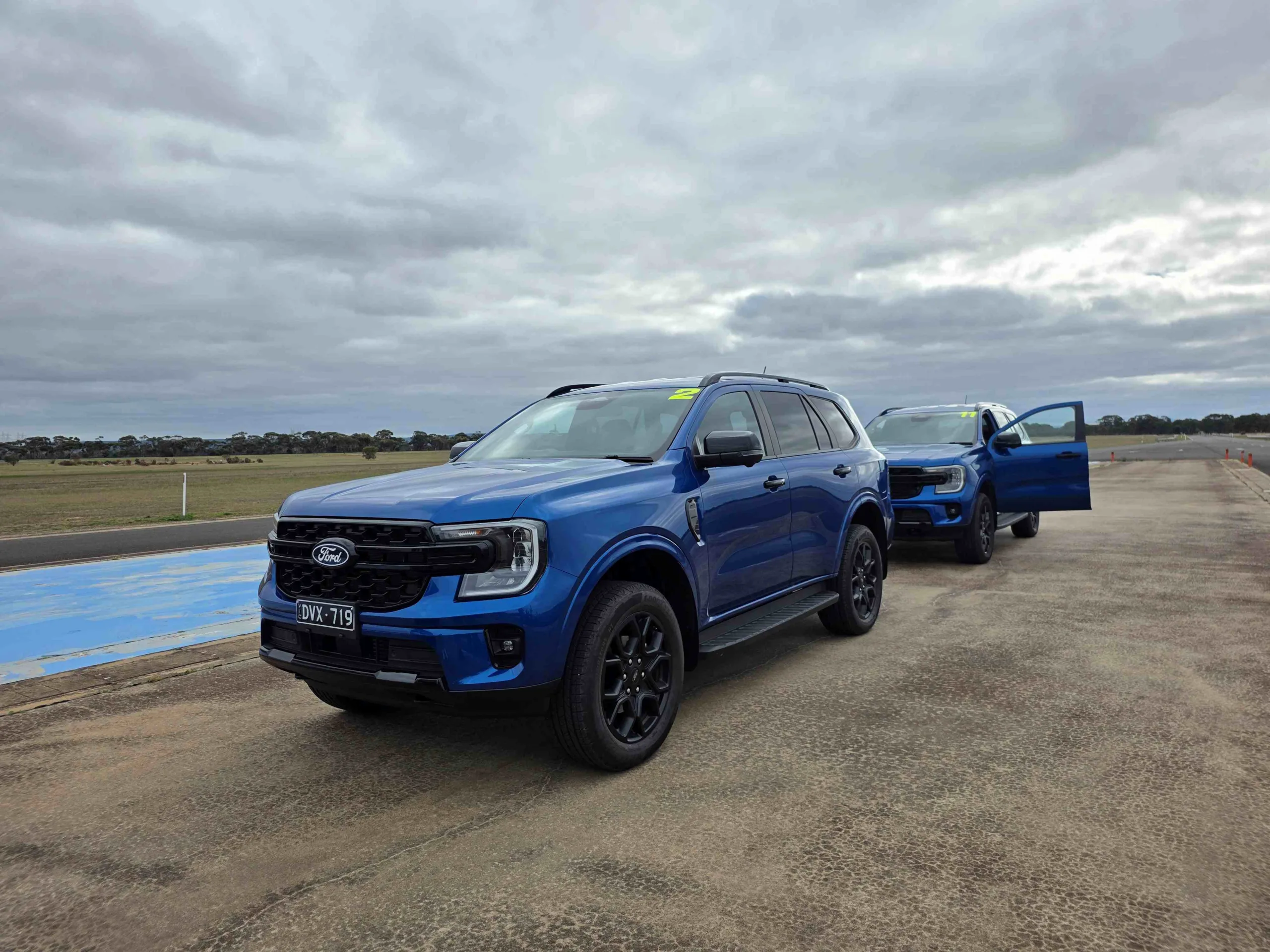
So back to the Raison d’être in Melbourne. Our first ‘test’ was of the new 2L powertrain and for that we were handed the keys to the Everest Sport at our hotel near the airport and pointed in the direction of Ford’s You Yangs Proving Ground. The mission, record the lowest L/100km.
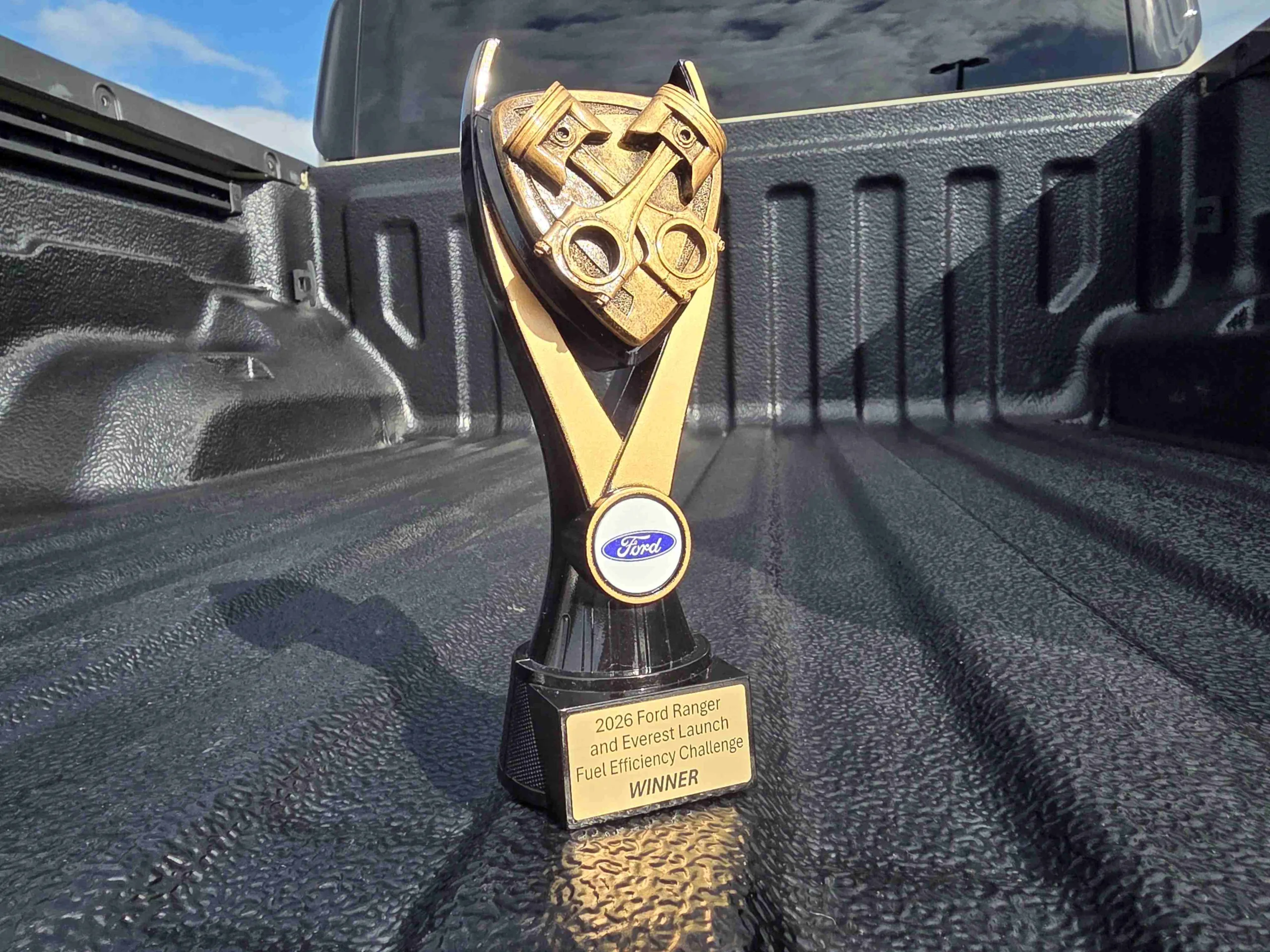
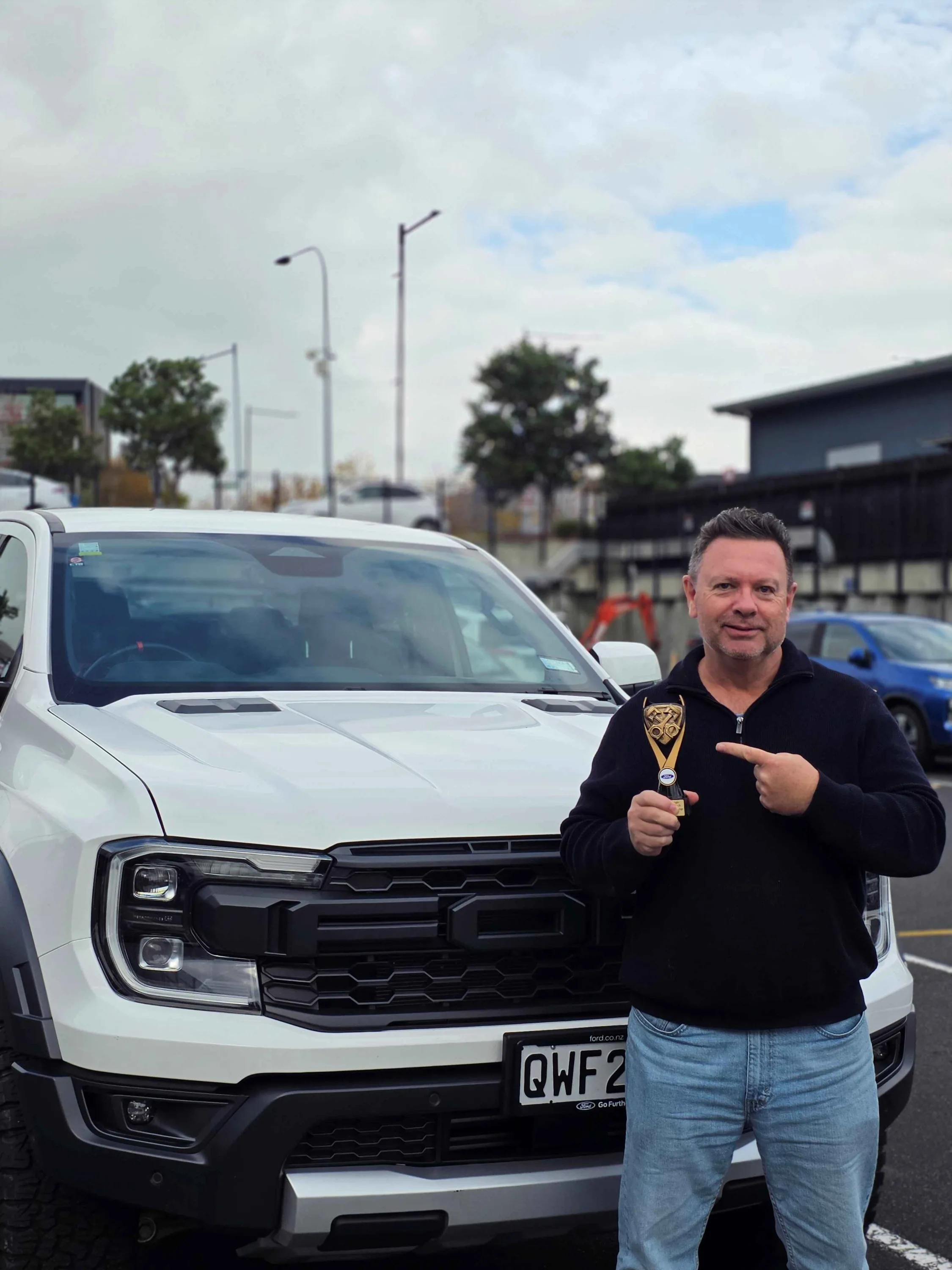
Now we are always up for a challenge, and when offered up a trophy too, well let’s just say it was a gloves off affair. There are many ways to minimise fuel usage, and according to those in the know, I ended up breaking most of the ‘don’t’s’ list. Economy mode was engaged, A/C firmly off, speed lowered, braking and acceleration muted and I was even up for coasting downhill – in fairness, if I thought removing my clothes was an option I would have entertained the idea.
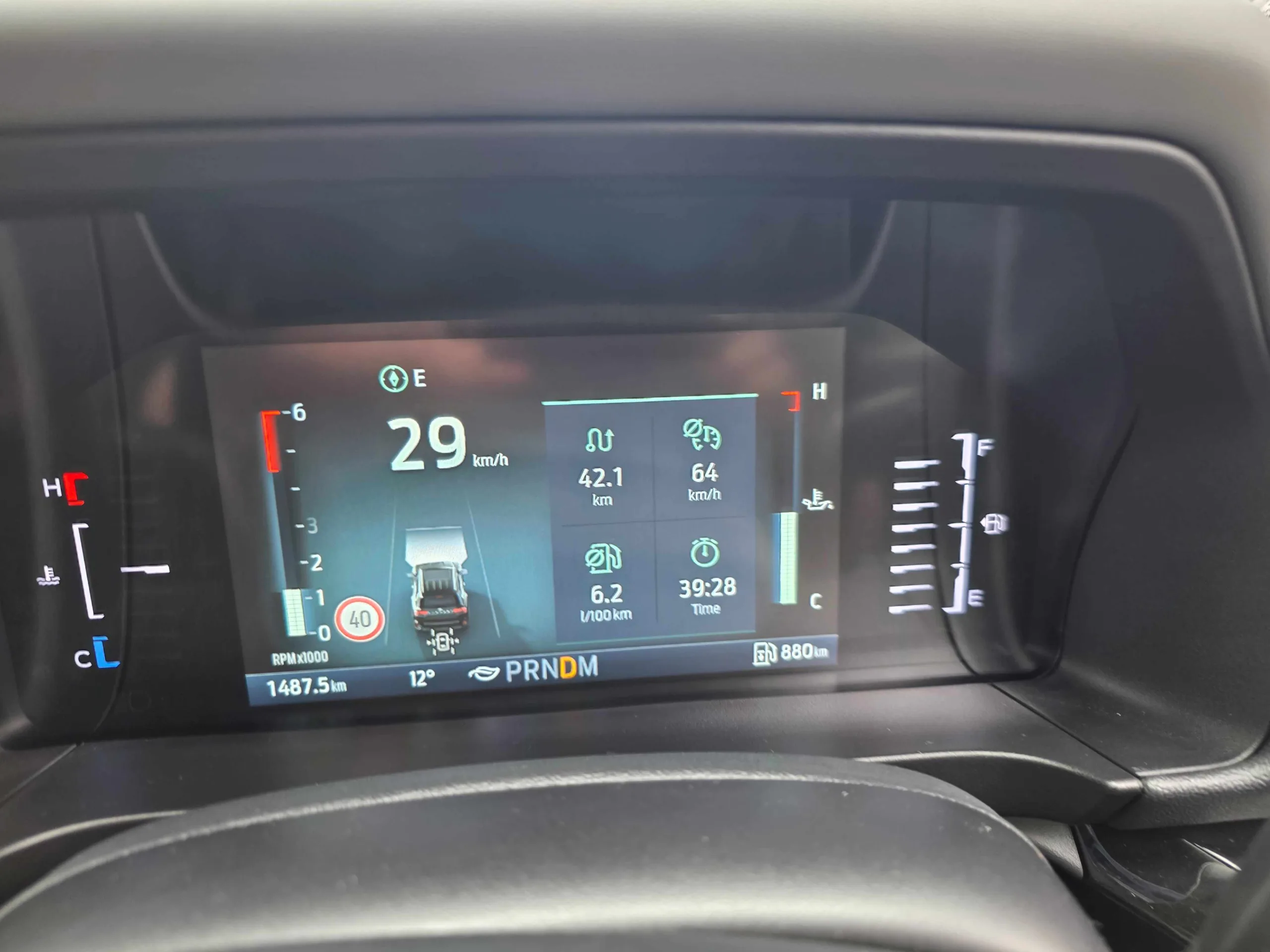
The result was impressive, aside from annoying the locals, even aggressively tailgated by a Nissan Micra boasting a pink phonecase (had I been in a Ranger the irony would have been outstanding), I completed my stint with a 6.2L/100km figure on the instrument cluster – a result soo good that they had to check our tyre pressure for cheating. Anywho, across the board, the efficiency figures were good, (just not good enough to win the trophy like us), meaning that the 2L/10-speed option is very fleet and CFO friendly.
Churning through the exercises at the Proving Grounds in both the 2L and 3L Ford’s just reiterated how good and capable the Ranger and Everest really are. There is a noticeable weight difference in the powertrain noses (around 80kg’s I believe) and that aids turn in and some handling abilities, however, the grunt (and soundtrack) of the 3L remains a crowd pleaser.
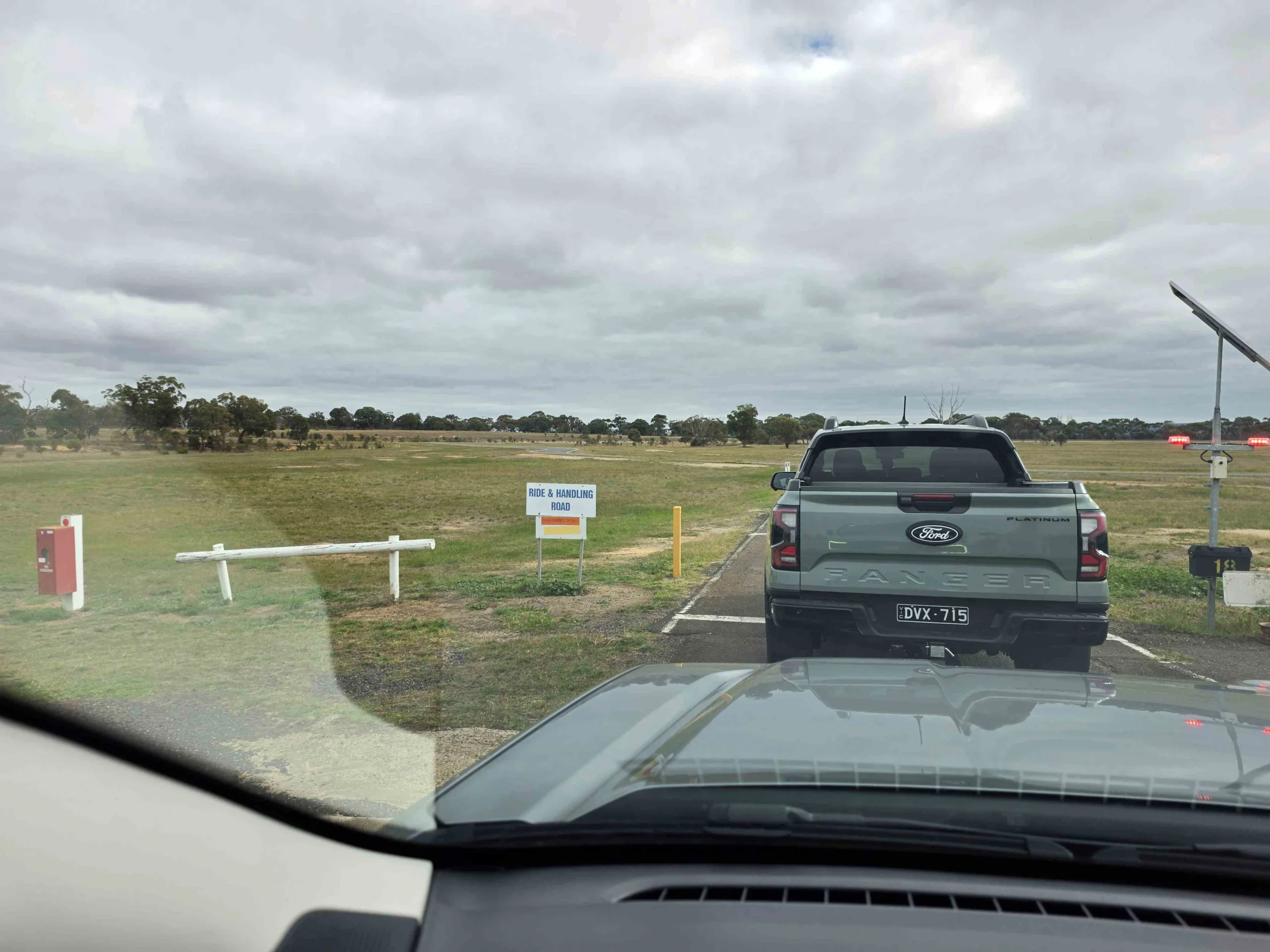
We conducted a raft of acceleration, moose, off and on-road tests, there was even a muddy racetrack which I could have happily stayed on all day) and like I said, the conclusion was just how good BOTH (or is that all four) Ford’s are.
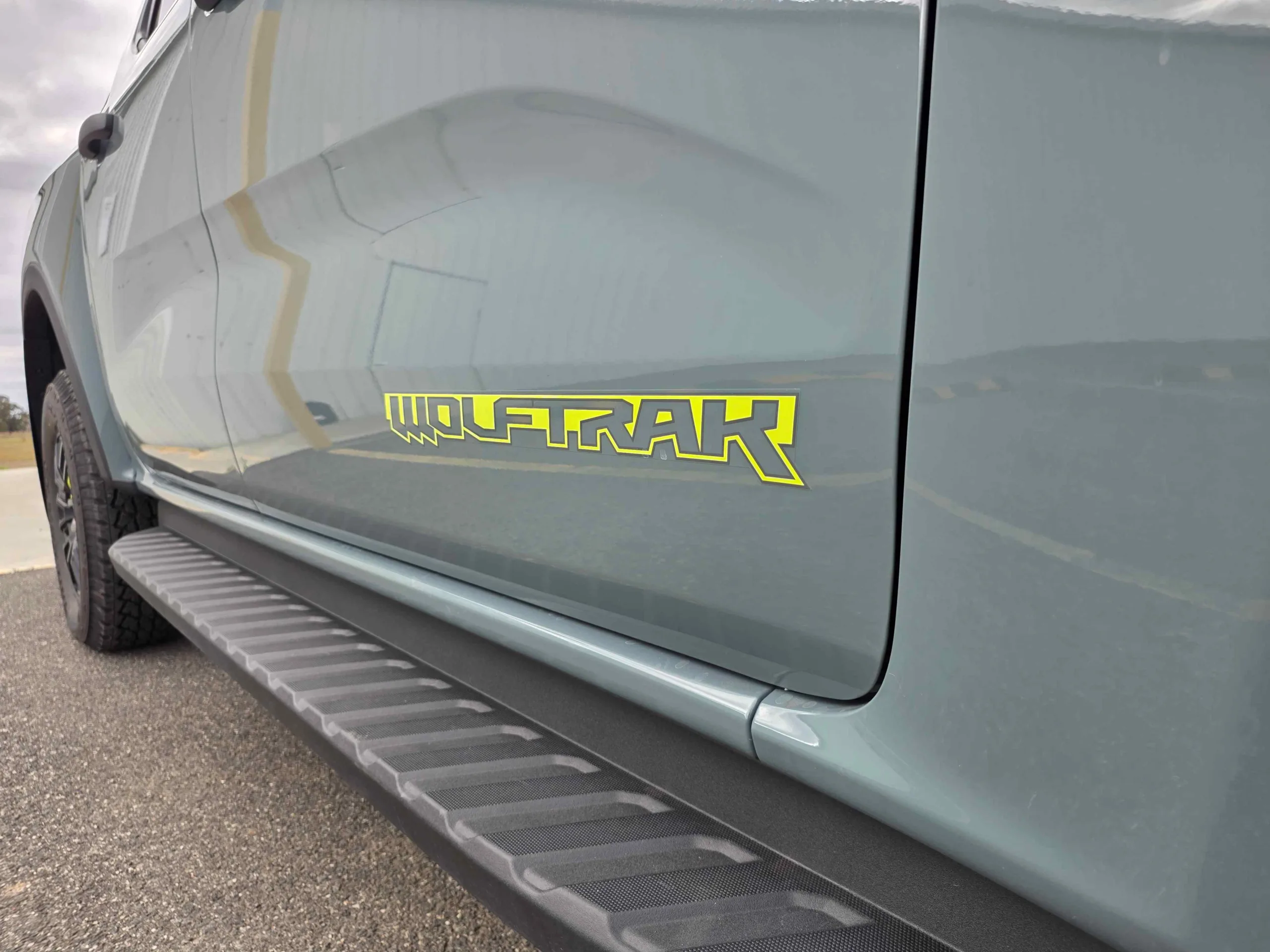
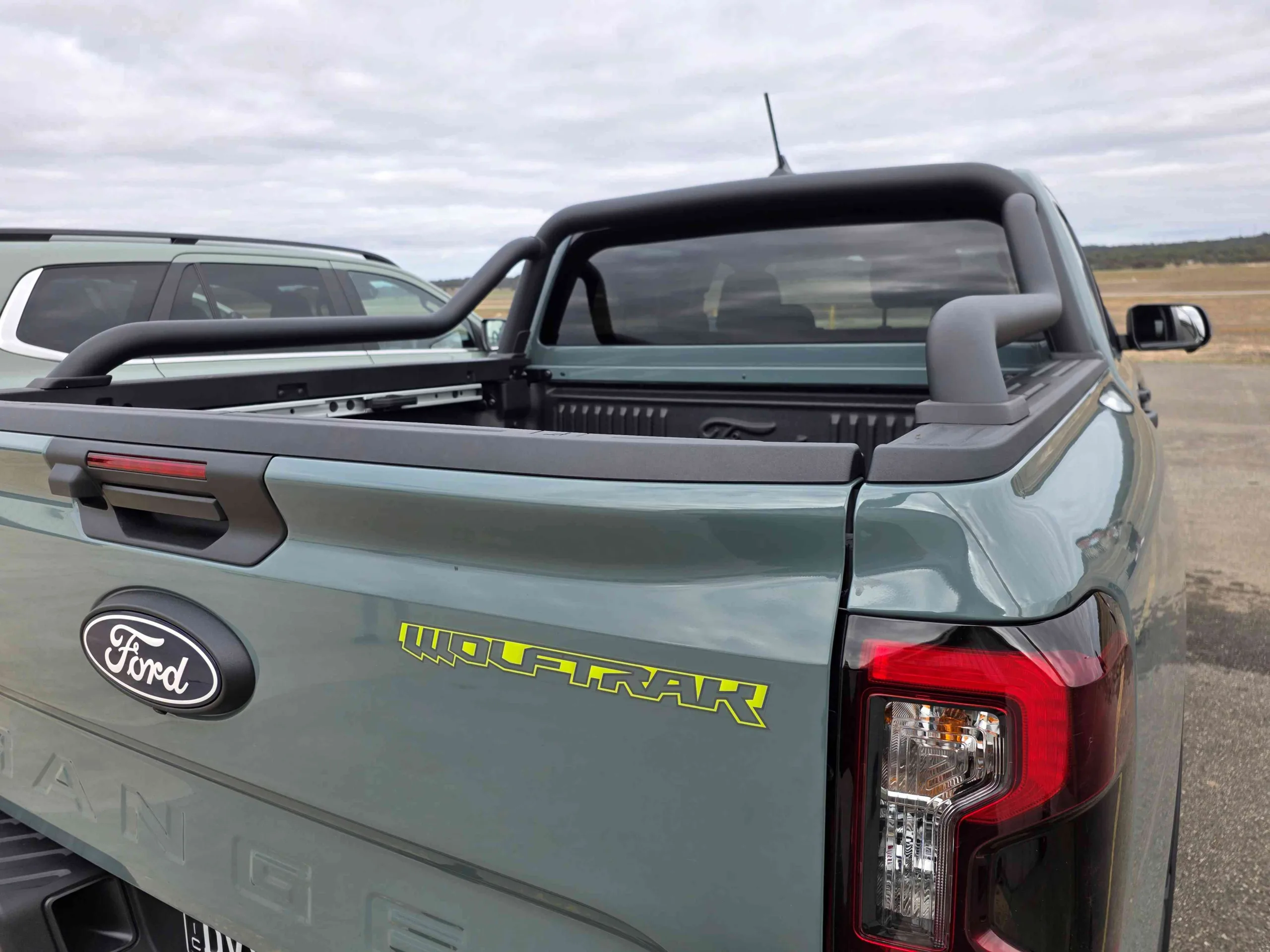
Last but not least was the walkaround and drive of the Wolftrak. It’s a rugged double-cab pick-up powered by a 3.0L V6 diesel with a 10-speed automatic and full-time 4WD. But what makes it special is its blacked-out exterior and its stand out Traction Green paintwork. It also features unique styling touches such as a distinctive front grille with Zest nostril inserts, Traction Green accents, and 17” alloy wheels with Zest inserts wrapped in all-terrain tyres.
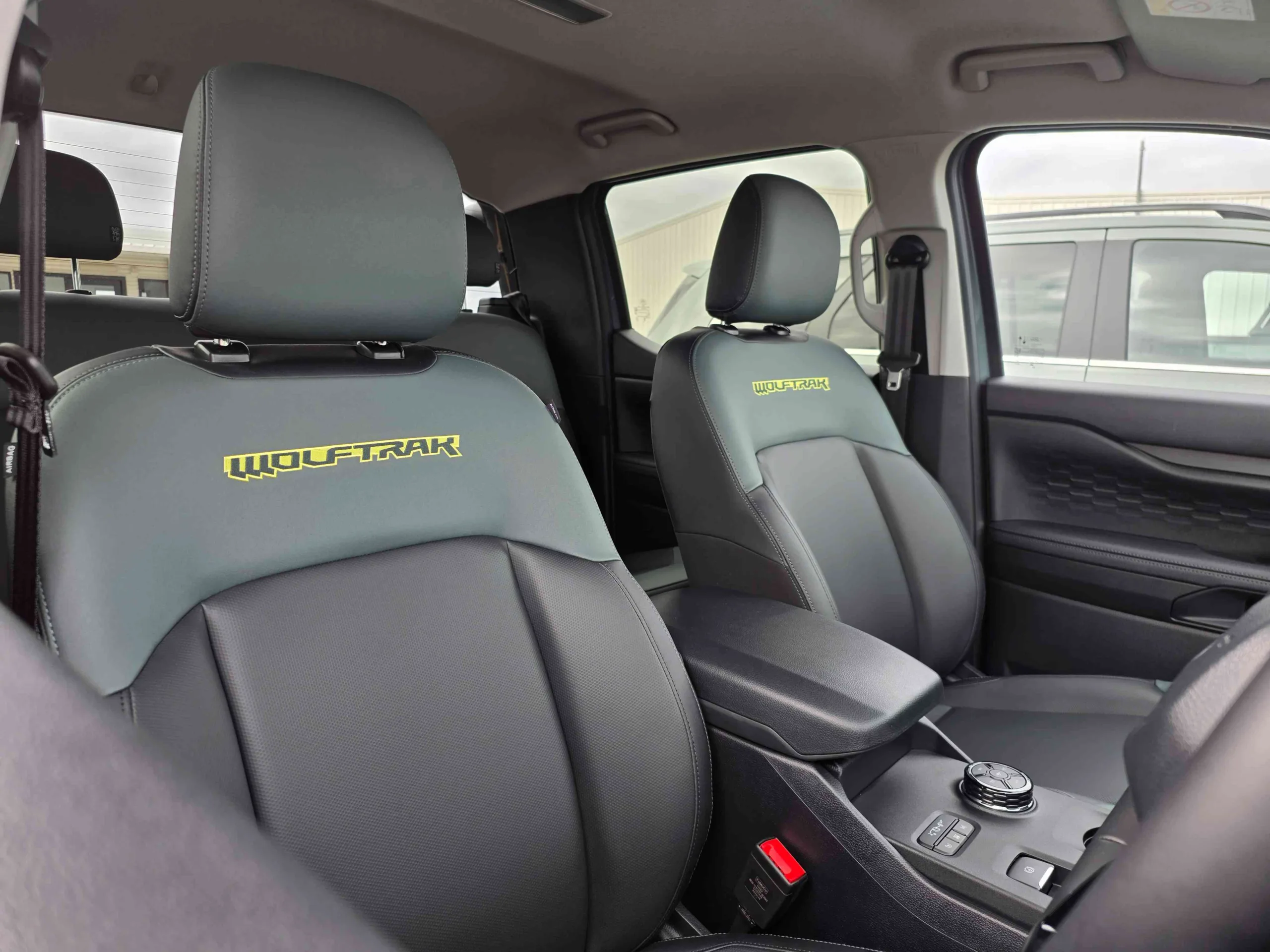
Inside you get Traction Green-trimmed vinyl seats, all-weather mats, and technology like a 12” touchscreen with SYNC4A, a 360° camera and Pro Trailer Backup Assist to simplify trailer manoeuvres. It’s a premium, adventure-ready Ranger.
Tarmac Takeaway
The MY26.5 updates for the Ranger and Everest represent a calculated move to reinforce Ford’s market leadership. By underlining local engineering, continuous customer feedback, and a flexible platform strategy, Ford is successfully navigating a highly competitive Ute and Large SUV landscape. Whether it is through the expansion of V6 power or the introduction of more accessible 2L and entry-level models, Ford is ensuring that its “Ford Tough” DNA continues to resonate with NZ and Aussie drivers. Will it be enough to keep the competition at bay? We guess time will tell.