
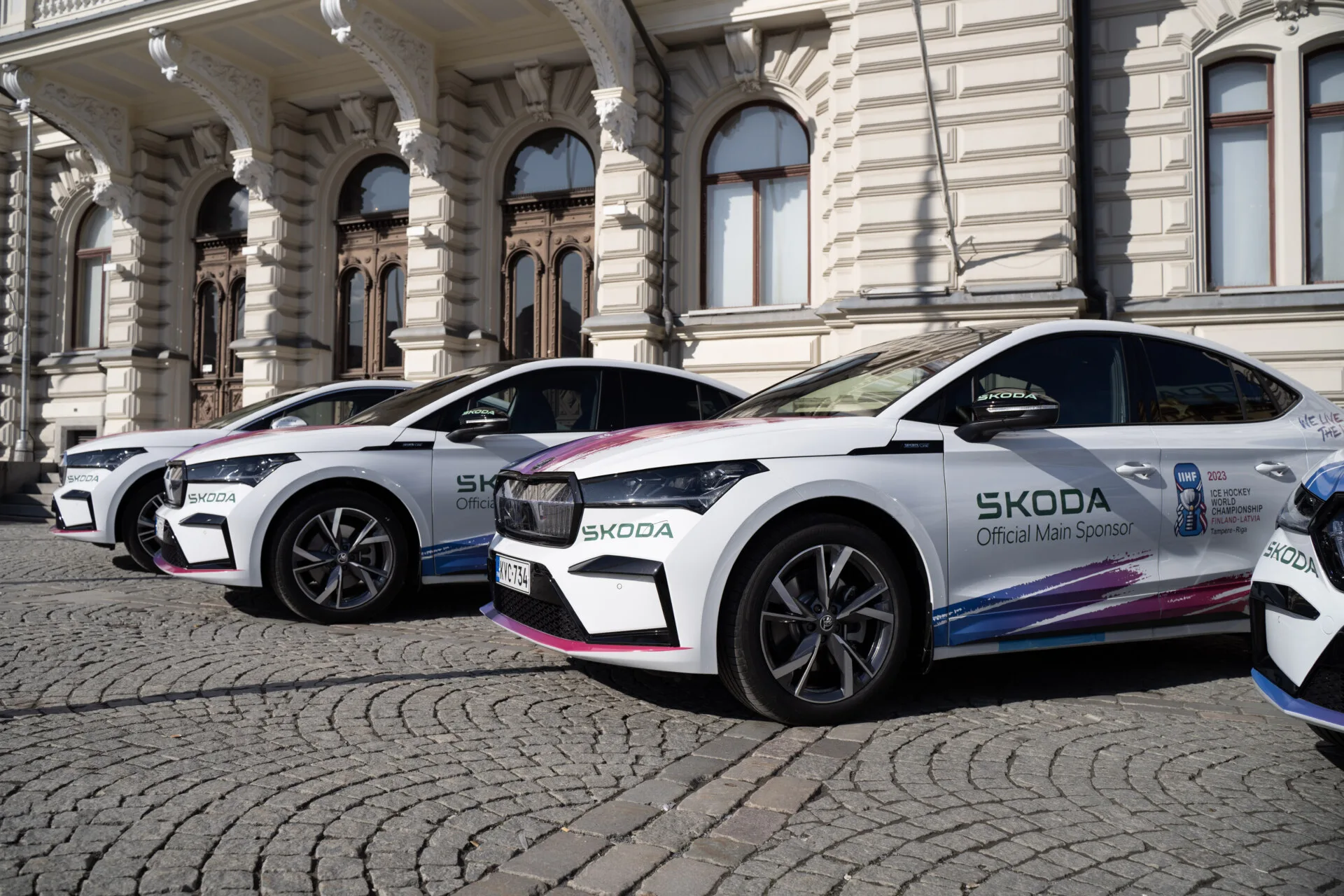
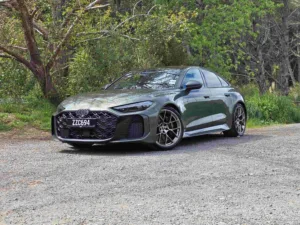
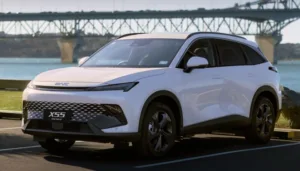
For more than three decades the Ice Hockey World Championship has carried a nickname in hockey circles: the Škoda Cup. The Czech carmaker has been the tournament’s main sponsor since 1993, the longest title partnership of any world championship in any sport, and its logo is as much a part of the event as the trophy itself.
This week Škoda made it clear that relationship has a limit, and Russia is it.
On Wednesday the Volkswagen Group brand said it does not support the Court of Arbitration for Sport ruling that ordered the International Ice Hockey Federation (IIHF) to readmit Russia, and that if the Russian national team takes part it will reassess its involvement in the tournament and take further action. Russia’s return, the company said, is “incompatible with the values we have consistently upheld”. Speaking to Czech outlet TN.cz, spokesperson Iva Povolná named those values as respect and responsibility.
Škoda’s statement stopped short of a formal withdrawal and the company said it was confident a solution could be found. But anyone who remembers 2021 knows Škoda does not make these noises lightly. That year it said it would pull out of the World Championship if Belarus went ahead as co-host after the Lukashenko regime’s crackdown on protesters. Within days the IIHF stripped Minsk of the event and moved the whole tournament to Riga.
Škoda puts 33 years of hockey Worlds sponsorship on the line over Russia
Russia has been shut out of IIHF competition since February 2022, when it launched its unprovoked, full-scale war against Ukraine. In July this year the IIHF Council confirmed Russia would stay barred from the 2027 men’s World Championship, the World Juniors and both under-18 championships, citing safety, security and sporting integrity. The Russian Ice Hockey Federation appealed.
On Friday 30 October, CAS upheld that appeal. In a brief statement the Lausanne court said there was not enough evidence to support the IIHF’s security concerns, and that Russia must be allowed back immediately. It did not rule on whether Russia should play under a neutral flag.
The IIHF said it would abide by the decision but made its displeasure plain, saying the outcome “does not remove the concerns that informed its assessments”. Moscow, predictably, was delighted. Roman Rotenberg, first vice-president of the Russian federation, called it “an important step forward for Russian hockey”. It was Christmas come early for the Russian propaganda machine.
What CAS appears not to have anticipated is that the rest of the hockey world would simply refuse to go along with it.
The nations say no
The revolt began in Helsinki. On Monday 2 November the Finnish Ice Hockey Association, whose men are reigning world champions, announced that its national teams would not play Russia while the war continues, and that it would use every means available to keep Russia out of the World Championship. Chairman Heikki Hietanen began phoning his counterparts.
They answered within 24 hours. On Tuesday Sweden, Norway, Denmark, Latvia and the Czech Republic all declared they would refuse to face Russia. Sweden’s board went furthest, applying the refusal to every national team it fields, from under-18s to the senior men, with federation head Anders Larsson saying “The Tre Kronor will not play Russia in coming world championship tournaments”. Latvia reaffirmed its long-standing position that it will not play Russia or Belarus while the war goes on.
That is six of the 16 nations entered in next May’s men’s World Championship, with at least one boycotting team in each group. A tournament where a third of the field refuses to take the ice against one opponent is not a tournament anyone can schedule with a straight face.
Austria says it stands behind Finland and Norway and is weighing whether to join. Germany, which hosts the 2027 Worlds in Düsseldorf and Mannheim, has rejected Russia’s return outright, and federation chairman Frank H. Lutz has said the DEB must now consider the option of handing the tournament back, citing cost and security. Not everyone is on side: predictably, Slovakia’s prime minister and Kremlin puppet Robert Fico has backed Russia’s return.
The cities say no
Then the host cities joined in. On Monday the City of Turku said it would give up co-hosting the 2028 World Juniors, which open on Boxing Day 2027, if Russia takes part. “As long as Russia is waging a war of aggression in Ukraine, we cannot accept the Russian national team playing in Turku,” Mayor Piia Elo said.
Tampere, the other co-host, followed a day later. “A team representing Russia will not play in Tampere,” Mayor Ilmari Nurminen told Yle, the Finnish Broadcasting Corporation, adding that he did not want the matter left for cities to solve. The Finnish Government may solve it for them: Foreign Minister Elina Valtonen has said Russian athletes will not be allowed into Finland next year if the war of aggression continues.
Canada slams the door shut
The first tournament the ruling affects is the World Juniors in Edmonton and Red Deer, starting on 26 December. On Tuesday, speaking at the Commonwealth summit in Antigua, Prime Minister Mark Carney settled the question in a sentence: “the Russians will not be there”. Asked whether Canada would deny visas to the Russian squad, Carney said it “absolutely” would. Immigration Minister Lena Metlege Diab will use her powers to stop Russian and Belarusian athletes and officials entering the country, and Hockey Canada promptly thanked the Government for its stance.
That leaves the IIHF with an awkward knock-on. Norway was the last team to qualify for the World Juniors and its general secretary Petter Salsten has warned it could be bumped to make room for a Russian team that now cannot get into the country.
The money says no
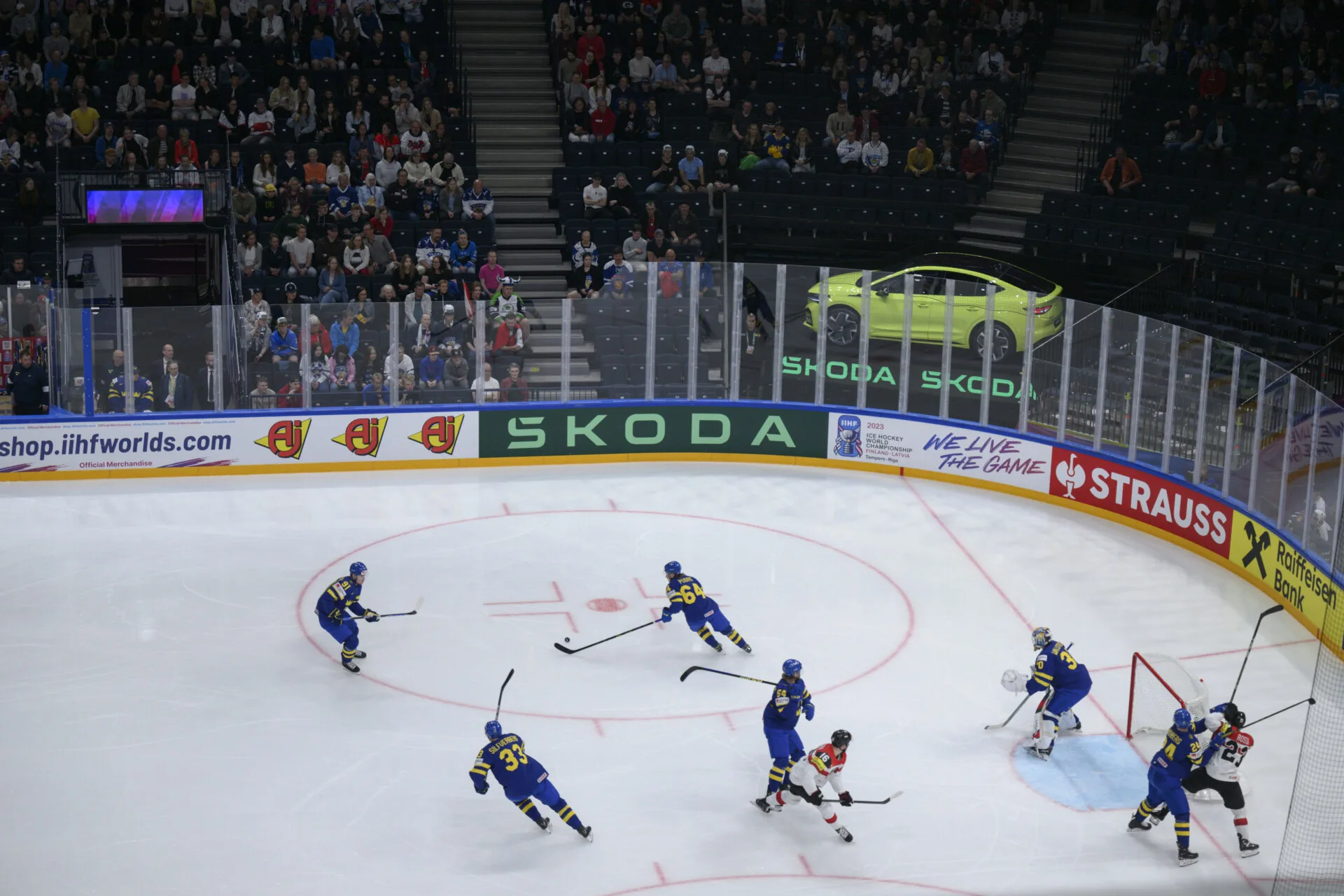
Škoda is not alone among the sponsors either. Swedish furniture firm AJ Produkter, a World Championship partner since 1989, has said it will ask for its logo to be removed if Russia plays. Finland’s Nokian Tyres says continuing would not align with its values and will end its sponsorship if Russia competes. Czech betting giant Tipsport, an official partner through 2029, has called the ruling a scandal, says it has “no intention of accepting bets on the Russian national team” and cannot picture its advertising appearing on the boards or broadcasts during Russian games.
When the title sponsor, the tyre partner, the furniture partner and the bookmaker are all saying the same thing, the IIHF’s commercial model is saying it too.
The cruellest of twist
In May, Ukraine finished second in Division IA in Sosnowiec, Poland and won promotion to the top division for the first time since 2007. For a national team whose players have spent four years training and travelling around a war, it was one of the great stories of the hockey year. Its first game in Düsseldorf next May is scheduled against Sweden.
Russia’s reinstatement threatens to take that away. The top division is a fixed 16-team field, and reporting since the CAS ruling suggests that if Russia is slotted back in, it would be Ukraine that makes way. The IIHF has yet to confirm how it intends to accommodate Russia, but the prospect is plain enough: the aggressor walks back into the World Championship and the country it invaded is pushed out to make room.
The message is loud and clear
CAS’ decision is reprehensible, but on the surface of it, binding. That said, sport does not happen in a courtroom. It happens in arenas that cities pay for, on broadcasts that sponsors fund, in countries whose governments decide who crosses their borders, and against opponents who have to agree to turn up.
Every one of those parties has now told the sport’s bosses the same thing. Russia is waging a war of aggression against its neighbour, its strikes are killing innocent Ukrainian civilians and its athletes remain the most visible form of soft power the Kremlin has left. Letting its flag back onto the ice at the World Championship would hand Moscow exactly the legitimacy the boycott since 2022 was designed to deny it.
Ukraine’s foreign minister Andrii Sybiha asked hockey’s leading nations to show the sport still has values. In the space of five days, its federations, its host cities, its biggest host government and the company whose name has been synonymous with the World Championship for 33 years have done exactly that.
The IIHF now has a choice between a court ruling and its own sport. It should not take long to work out which one pays the bills. It’s beautiful to see how the ice hockey community from players to sponsors to nation states rallied together and stood up against evil, aggression, oppression and war. Well done Škoda for standing up to your values.





One Response
This is great news. The CAS ruling had me thinking wtf. Thankfully the good guys stood up.