BAIC’s Arcfox T1 offers a roomy cabin and a lot of kit for a budget EV, but is it too good to be true?
BAIC‘s Arcfox T1, is a budget electric hatch that’s getting a lot of attention in NZ thanks to its price, generous equipment, roomy interior and modern tech. On paper it offers a lot of EV for the money, so we decided to have a proper look at how sly a purchase this new fox actually is.
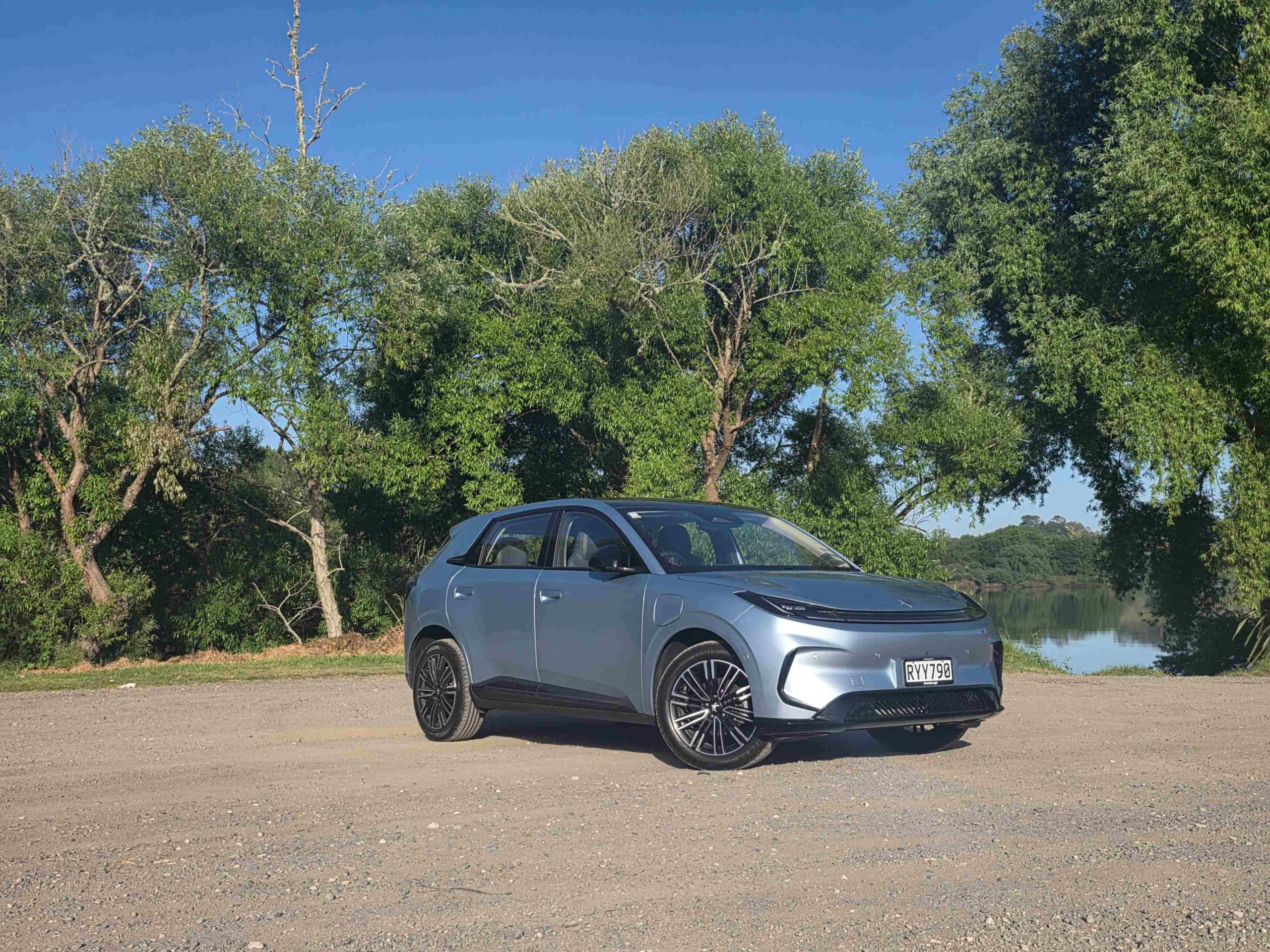
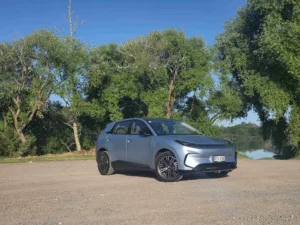
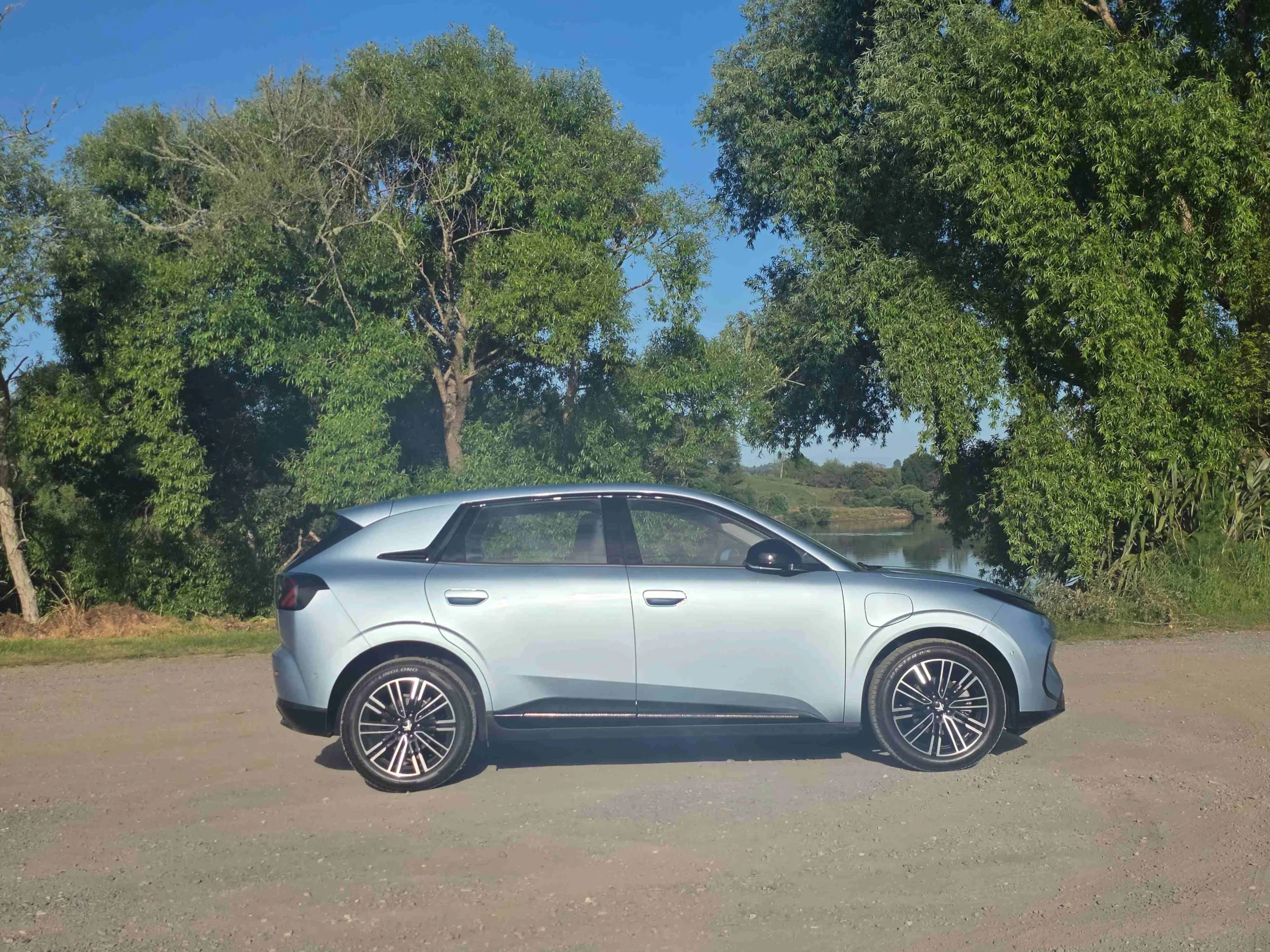
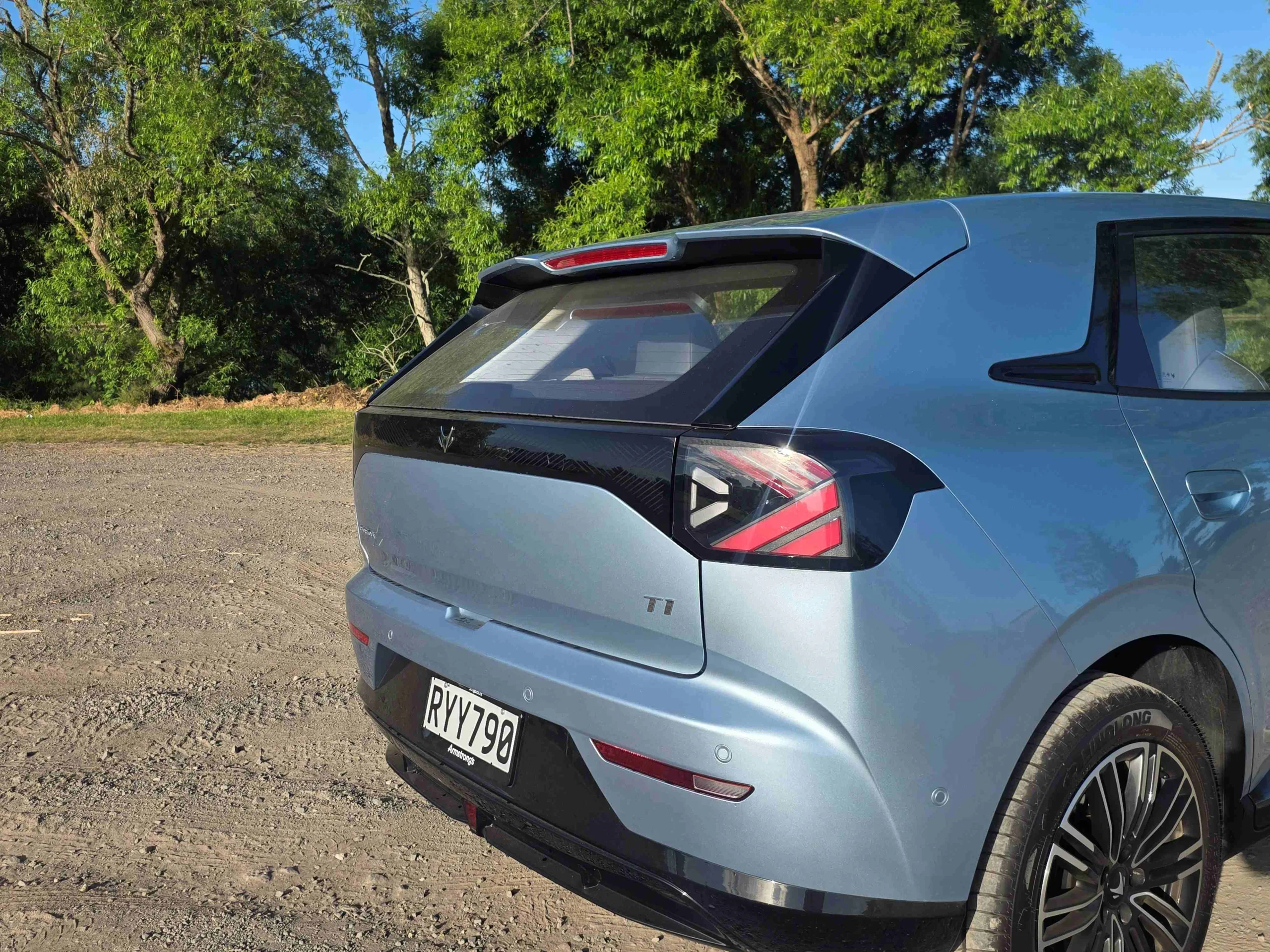
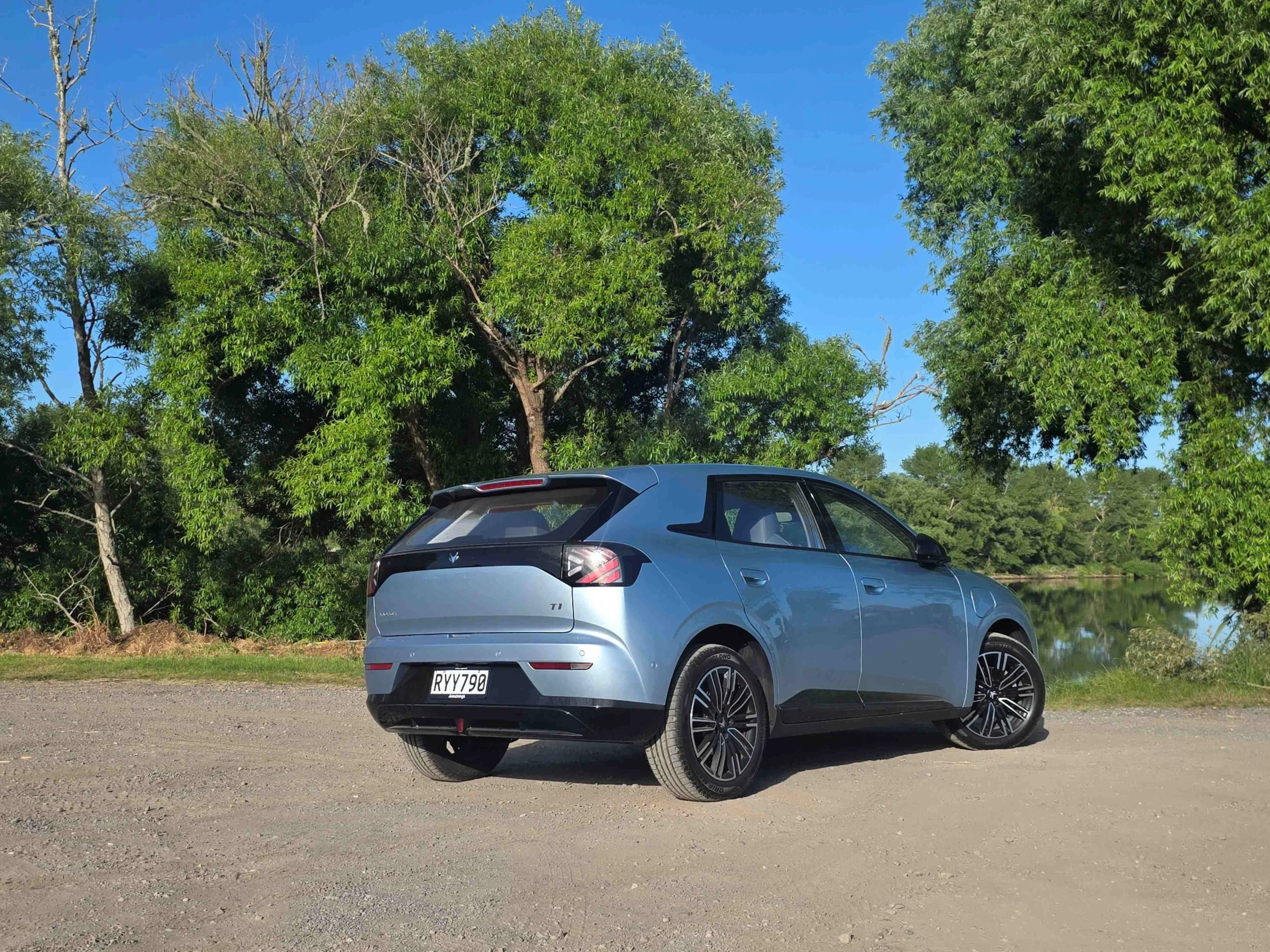
Let’s start on the outside. The Arcfox T1 is modern and contemporary, and just quietly it doesn’t look like a particularly cheap EV, with its styling suggesting a bigger price tag than it carries. It’s fairly compact, which suits urban driving, and it has all the usual EV design touches. It’s unlikely to be the most exciting-looking car in its class (no one’s pulling alongside to give it the thumbs up), but it’s distinctive enough and looks well put together from a distance.
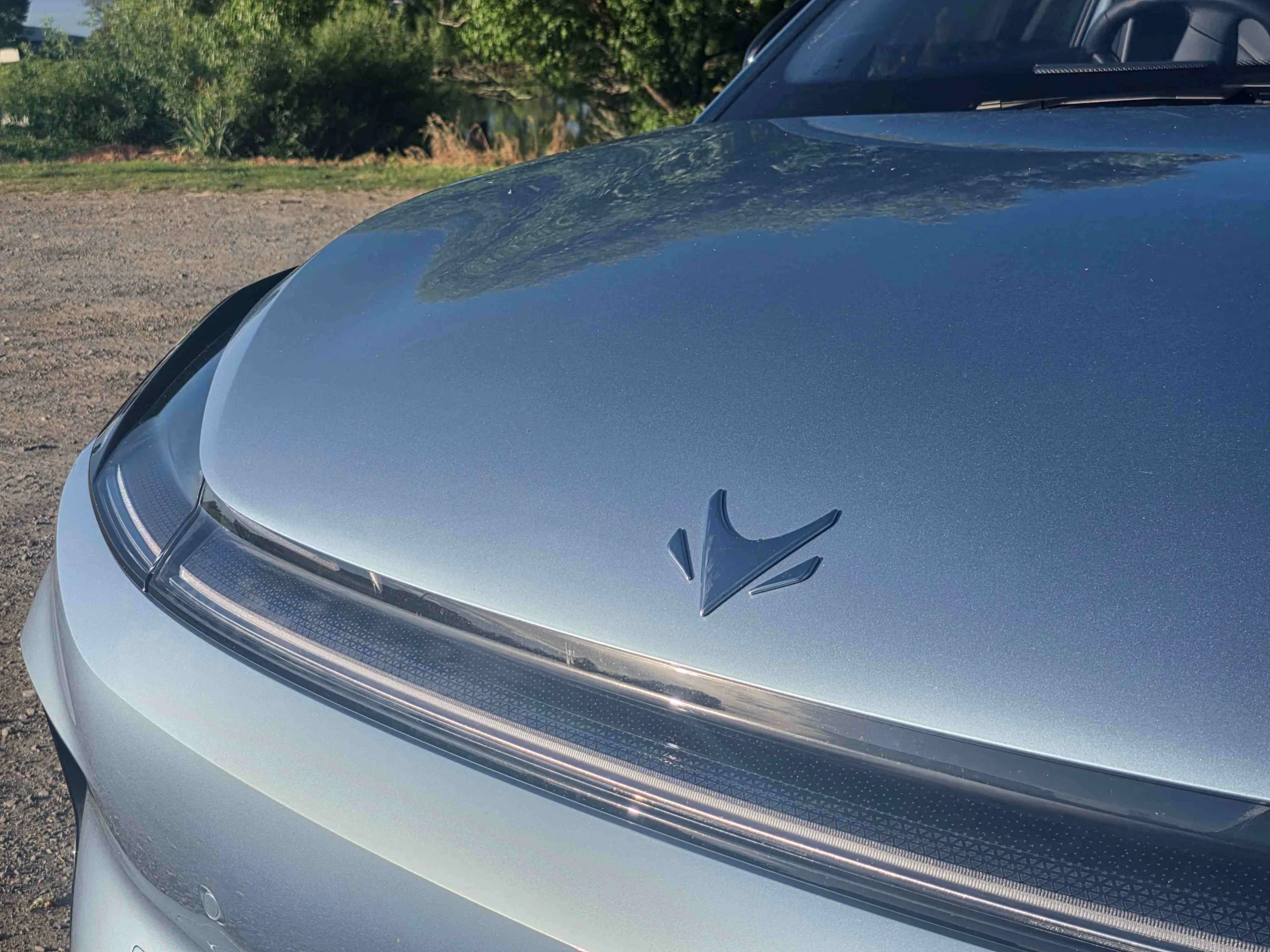
However, look closer and you can see where some of the savings have been made. For me, in particular it’s the rear doors. It has ‘regular’ door handles which is a plus, but flick them a little and the door panels chime like a dangly wind ornament. It feels (and sounds) tinny.
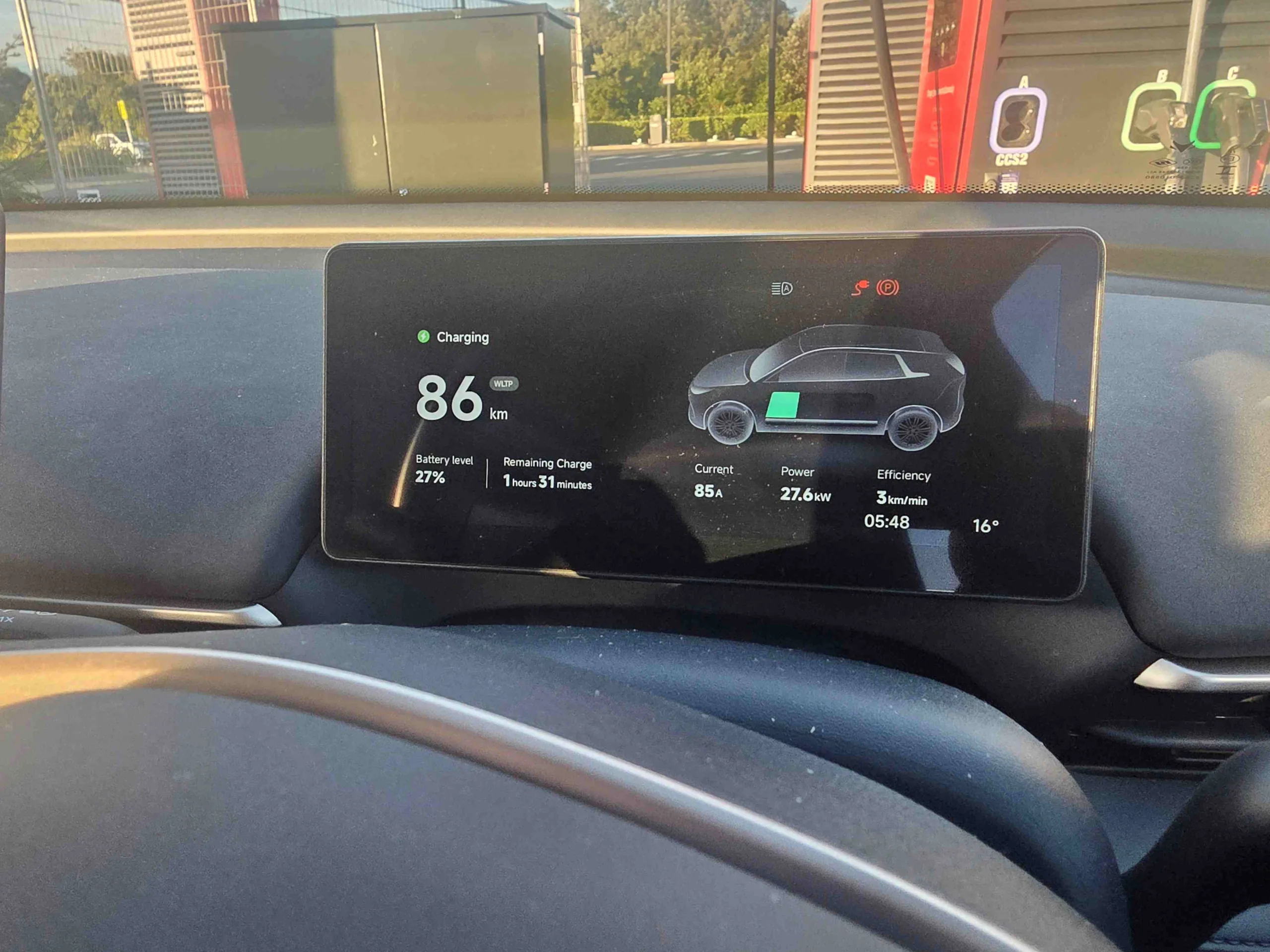
Under the floor (it’s an EV, so there’s no bonnet to look under) sits a 42.3kWh battery feeding a 70kW electric motor in NZ spec. The claimed range is 310km WLTP, although the real-world figure is slightly below 300km (and worse still if you venture into the motorway). Of course it all depends on speed, temperature, load and how much you lean on the air-con. Maximum DC charging is 80kW, which is respectable for this price bracket, though actual speeds depend on battery temperature, state of charge and the charger you’ve plugged into. My Bombay hypercharger experience was sitting at an unimpressive 27.6kw.
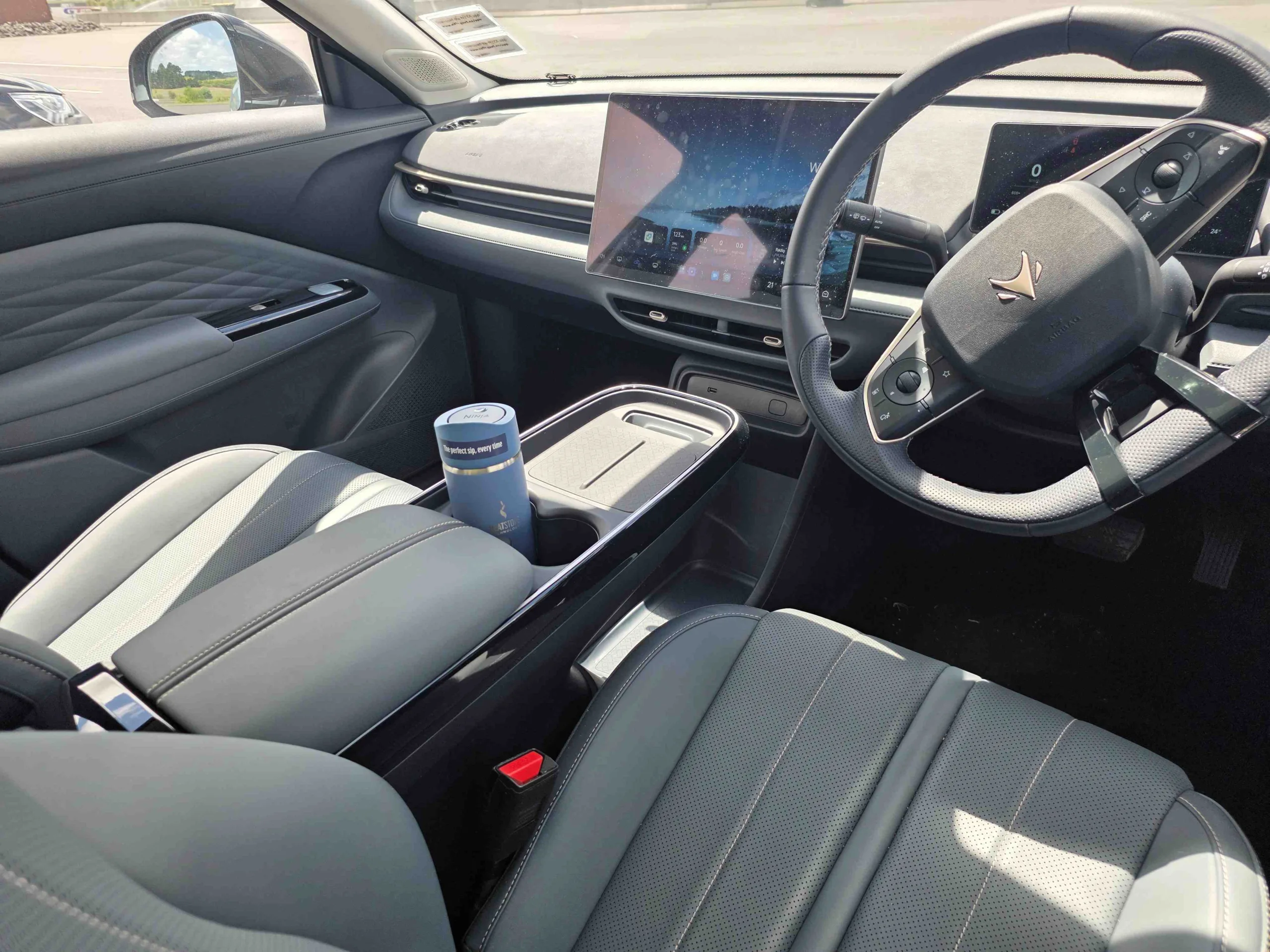
Inside is probably where the T1 is strongest. The cabin looks modern, with a large infotainment touchscreen and a fairly minimalist dash, and BAIC has clearly tried to include the sort of kit normally found on considerably more expensive cars. Depending on spec, that means a panoramic glass roof, ventilated front seats, 360-degree surround-view cameras, automatic parking assistance and wireless Apple CarPlay.
The catch is that it sometimes looks more expensive than it feels. Look closer and you’ll find harder plastics, and in easily accessible places like doorcards. There are also some notable omissions for a modern EV. There are no heated front seats (the seats can cool you down but can’t warm you up, so frosty mornings could be interesting), no wireless phone charging, no connected smartphone app, no over-the-air updates and, the big one, no native Android Auto. If you’re an Android user like me, that’s genuinely disappointing.
Space is where the T1 gets the most praise, and with good reason. Despite its compact exterior, the cabin is surprisingly spacious, rear legroom is generous, and arguably better than larger vehicles. Boot space of about 459L plus extra underfloor storage is impressive for a car this size, and it does take a weekly shop. For couples, small families or anyone who regularly carries passengers (or baggage, and some would say passengers count as baggage), it’s a real advantage. The T1 makes very good use of every millimetre it has.
On the road, the T1 is comfortable rather than exciting, and that’s fair enough, because it’s an affordable everyday EV and not a hot hatch. Smooth electric acceleration (ok dull), low motor and road noise, a comfortable ride, predictable handling and easy manoeuvrability around town. The steering is very light, which makes parking and city driving almost effortless but also means it gives you very little feedback. But the adaptive cruise control misbehaves through motorway bends and lane keeping. If your week is mostly the commute, the supermarket run and the school gate, it’s well suited. Meaning that someone doing 30–50km a day could find the T1 entirely practical. Those SH1 regulars, I would say look elsewhere.
Like I said, performance is adequate rather than impressive. By modern EV standards 70kW is modest, and joining the motorway is so-so, while overtaking with a full load needs some planning. Personally, I see the T1 as an urban and suburban EV rather than a long-distance tourer.
The 360-degree cameras are impressive at this price, however, having lots of technology isn’t the same as having technology that works particularly well. Between the cruise control quirks and the missing Android Auto, plue it’s desire to revert to a different radio station every start up, I’d test the infotainment system carefully before signing anything, especially if you rely on smartphone integration.
Safety comes with an important qualification. The T1 has a good number of active safety features, but the NZ Arcfox T1 hasn’t been ANCAP crash tested. The safety tech is encouraging, but it doesn’t tell us how the car would perform in an independent crash test.
So who is the T1 for? It suits people who mainly drive around town, commuters with predictable daily journeys, couples or small families wanting a spacious compact EV, value-focused buyers, people who can charge at home, and anyone who rarely does long trips. It’s probably not for you if you regularly do long motorway journeys, want strong acceleration for overtaking, expect premium materials, or rely on Android Auto.
For the money the Arcfox T1 says plenty: it’s roomy, comfortable, quiet and loaded with kit, and for affordable everyday urban use it deserves serious consideration.