Rolls-Royce is celebrating 120 years since the 40/50 H.P. made its debut, the car that became the Silver Ghost and built the marque’s reputation for reliability.
How does a car company earn the right to be called the best in the world? Rolls-Royce traces its answer to 1906, with a six-cylinder car that proved itself hard and in public. The marque is now celebrating 120 years of the 40/50 H.P., better known as the Silver Ghost.
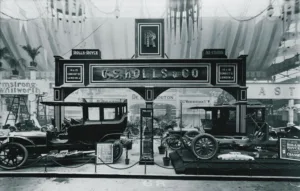
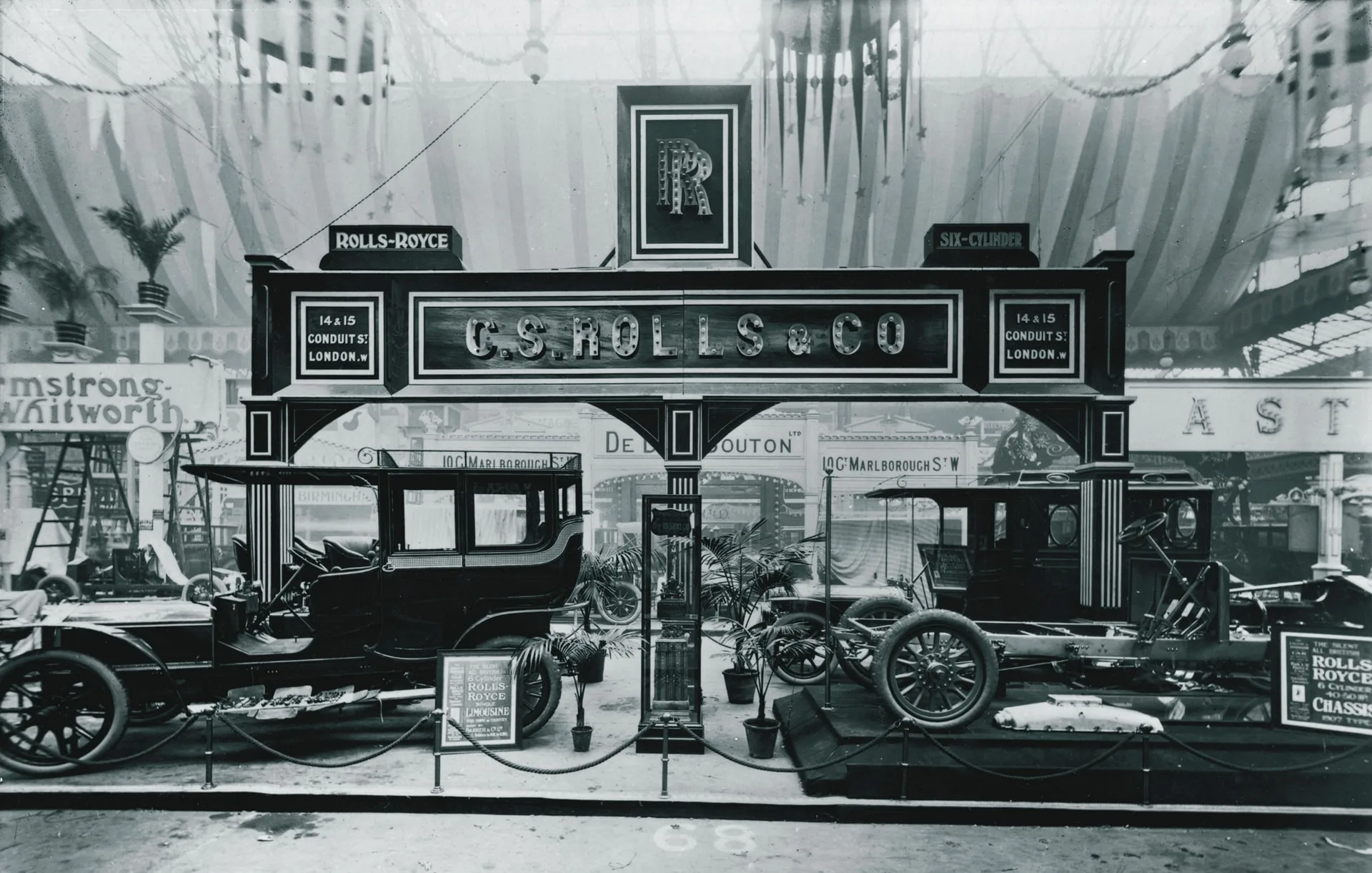
The 40/50 H.P. made its debut at London’s Olympia Motor Show in November 1906. Rolls-Royce credits it with establishing the reputation for refinement and reliability that the brand still trades on today.
How One Car Named a Whole Model
Henry Royce built the car around a smooth six-cylinder engine. His aim was to overcome the mechanical frailties of early motoring. Claude Johnson, the company’s first Commercial Managing Director (known simply as CJ), understood that the engineering alone would not win buyers.
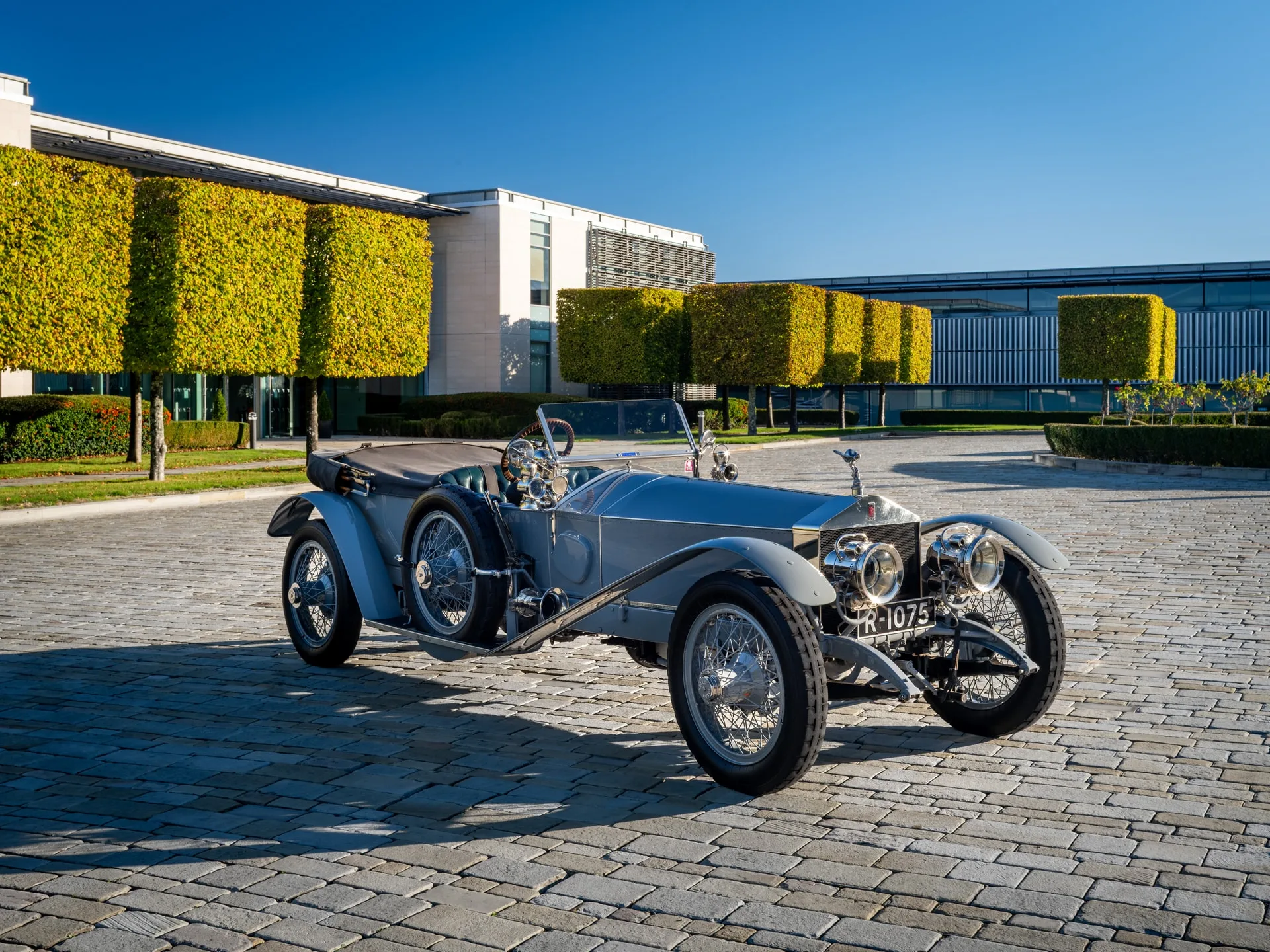
So CJ gave individual cars names. Chassis 60551, finished in silver paint with silver-plated fittings, became “The Silver Ghost”. It grew so famous that other owners borrowed the name, and eventually it covered every car of the type. Branding by nickname, long before marketing departments made it a science.
Proving It in Public
CJ then sent the cars into demanding trials. The record includes the Scottish Reliability Trial and the London-Edinburgh run, along with wins in the Spanish Grand Prix and the Austrian Alpine Trial.
The standout is chassis 1701, which CJ nicknamed “The Sluggard”. In the 1911 London-Edinburgh Trial, it ran with its gearbox deliberately locked in top gear. Even so, it bettered the fuel economy and speed figures Napier had previously set. Later that year, it became the first Rolls-Royce to exceed 100mph. Not bad for a sluggard.
These demonstrations mattered to buyers. Motoring was still new, and clients were making a substantial investment. Public proof of reliability gave them confidence the car would actually get them there.
Owners, Royalty and a Mascot
Period press coverage was glowing. Country Life called the car “the quintessence of all that a car ought to be”. One owner reported covering 30,000 miles on French roads without engine trouble.
The owner list reads like an Edwardian who’s who. It includes Tommy Sopwith, Baron Alfred de Rothschild, Sir Winston Churchill and Howard Hughes. In 1911, the Government of India ordered eight landaulette-bodied Silver Ghosts for King George V and Queen Mary’s visit, and Rolls-Royce supplied the drivers.
Some stories are more personal. Opera singer Dame Nellie Melba took delivery of chassis 1500 at the Ritz in London. She then used it in Britain, France and Australia. Meanwhile, in Australia, Charles H. Angas named his car “The Dreamer” because his wife regularly fell asleep in it. That is a ride-comfort verdict no spec sheet can match.
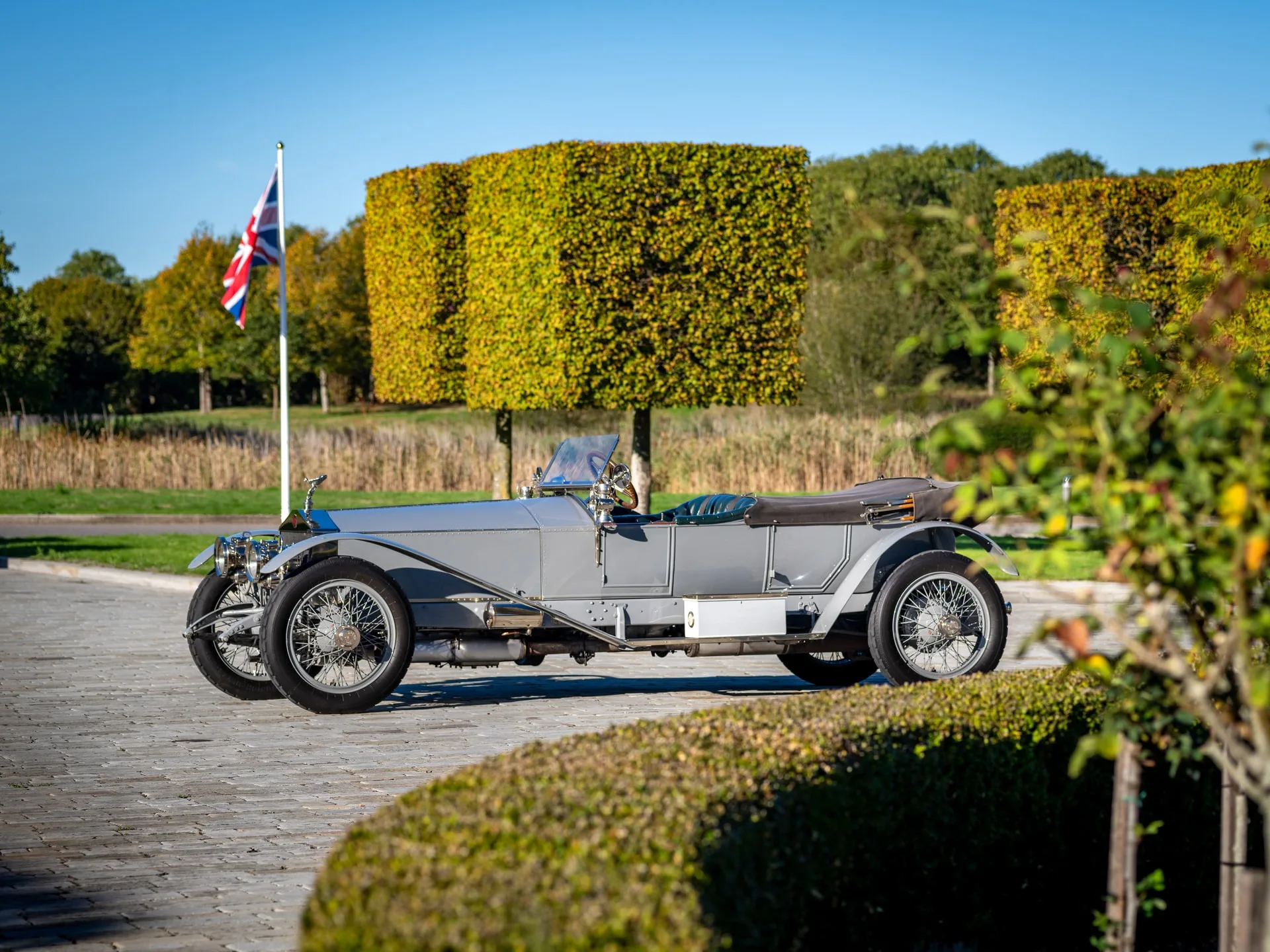
The Silver Ghost also carried the first Spirit of Ecstasy. Lord Montagu of Beaulieu’s car wore the Charles Sykes sculpture, which became the official mascot in 1911.
Still Driven, Not Just Displayed
This is, of course, Rolls-Royce telling its own story, so a warm glow comes with the territory. Still, the cars back up much of it. In 2013, 47 Silver Ghosts retraced the 1,800-mile route of the 1913 Alpine Trial.
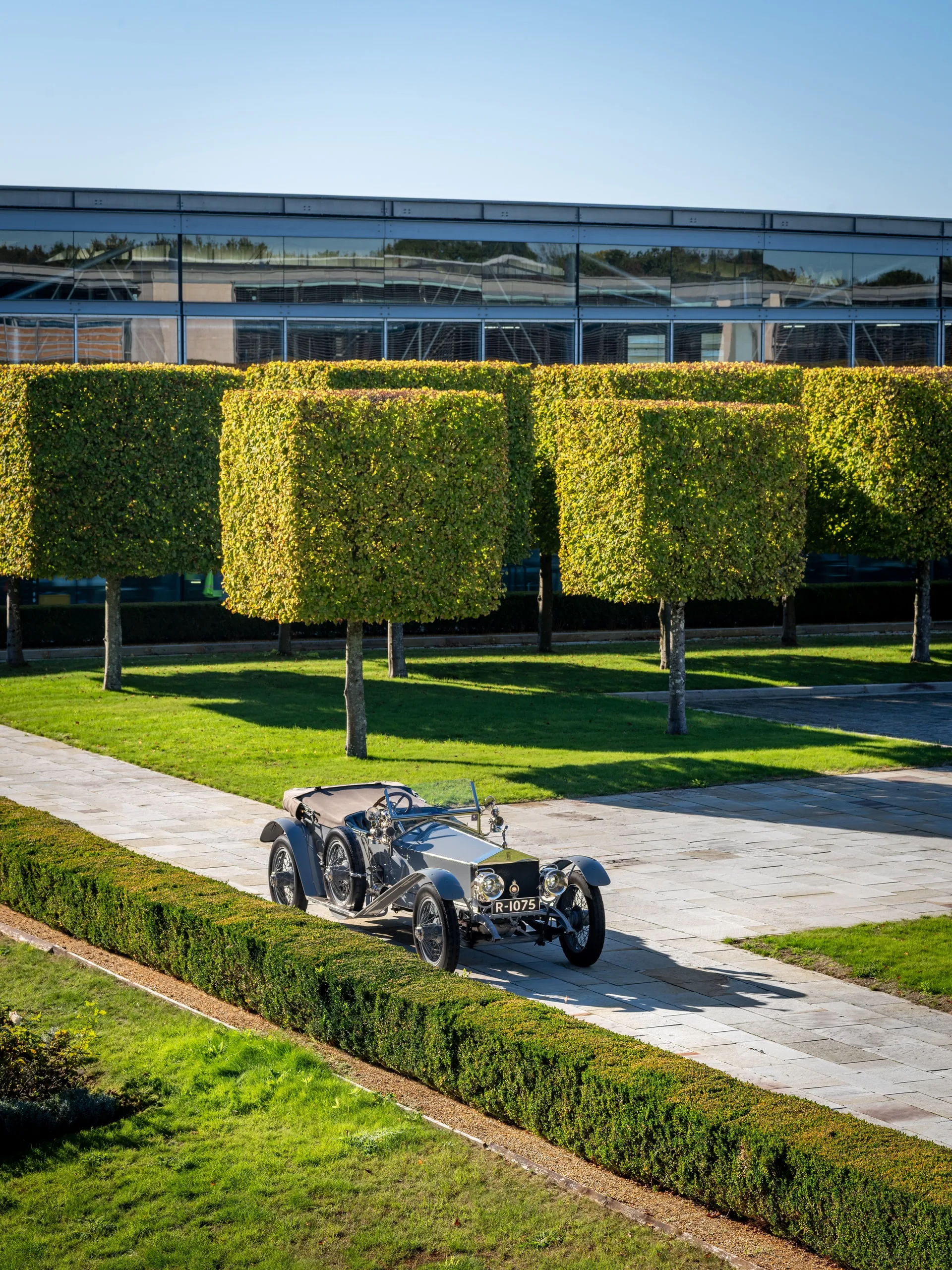
Then, in 2021, chassis 1701 repeated the London-Edinburgh run with its gearbox again locked in top gear, 110 years after the original. The car is now on display at the Home of Rolls-Royce at Goodwood.
Plenty of brands lean on heritage at anniversary time. Few can point to a 110-year-old car repeating its own party trick, in top gear, on the same road.