There’s a certain magic to the ‘Kei car’ philosophy. It’s a uniquely Japanese approach to motoring that merges clever, compact packaging, urban agility, and, above all, personality. For over 60 years, Honda has been the master of this craft, turning the humble compact car into a canvas for world-class engineering and (heaven-forbid) genuine fun.
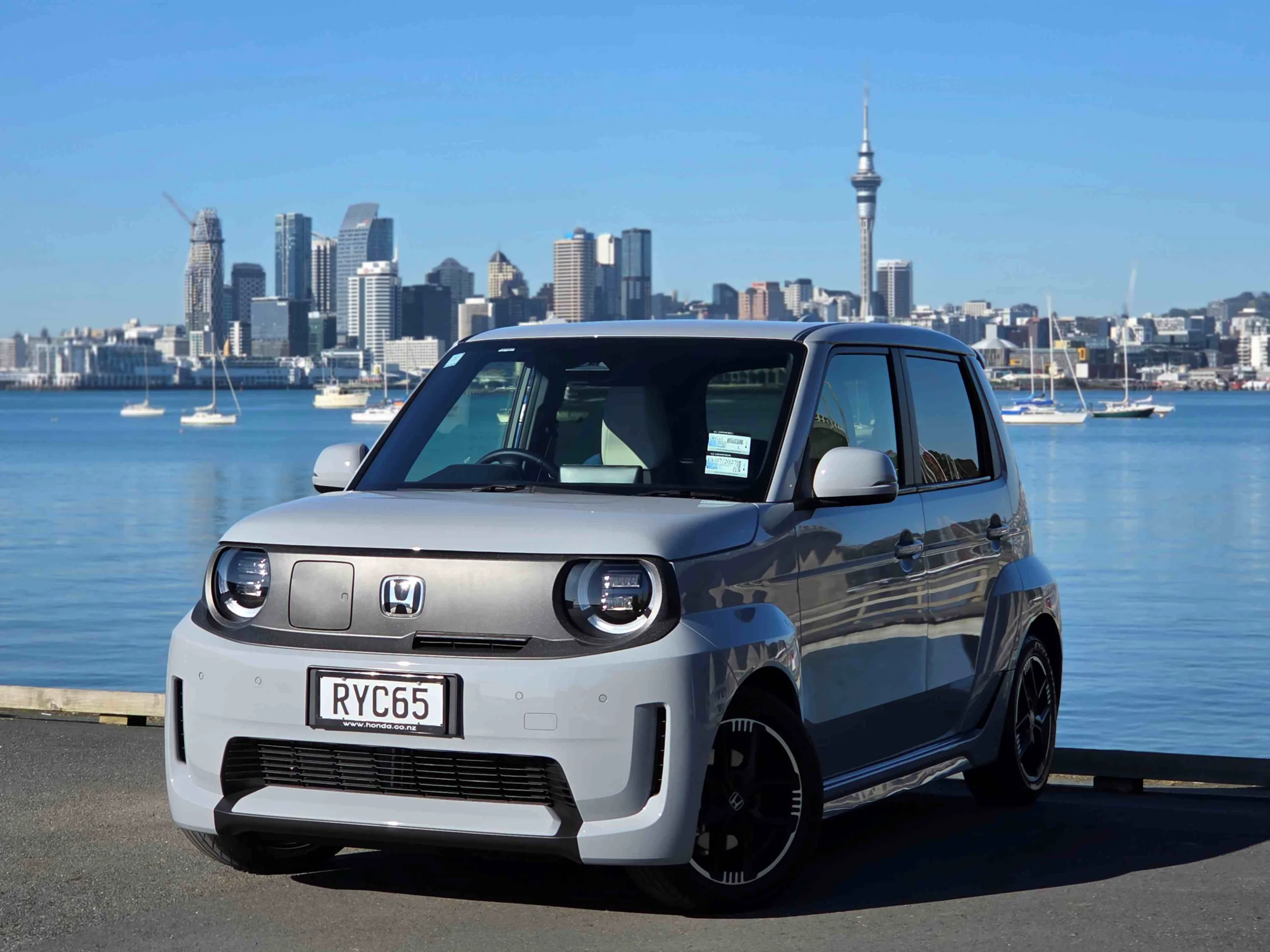
Now, that lineage takes a bold, electric leap forward. Welcome to the Honda Super-One, a car designed to turn heads, spark conversations, and prove that electric mobility doesn’t have to be a sterile, appliance-like experience.
A Heritage of “Small Size, Big Fun”
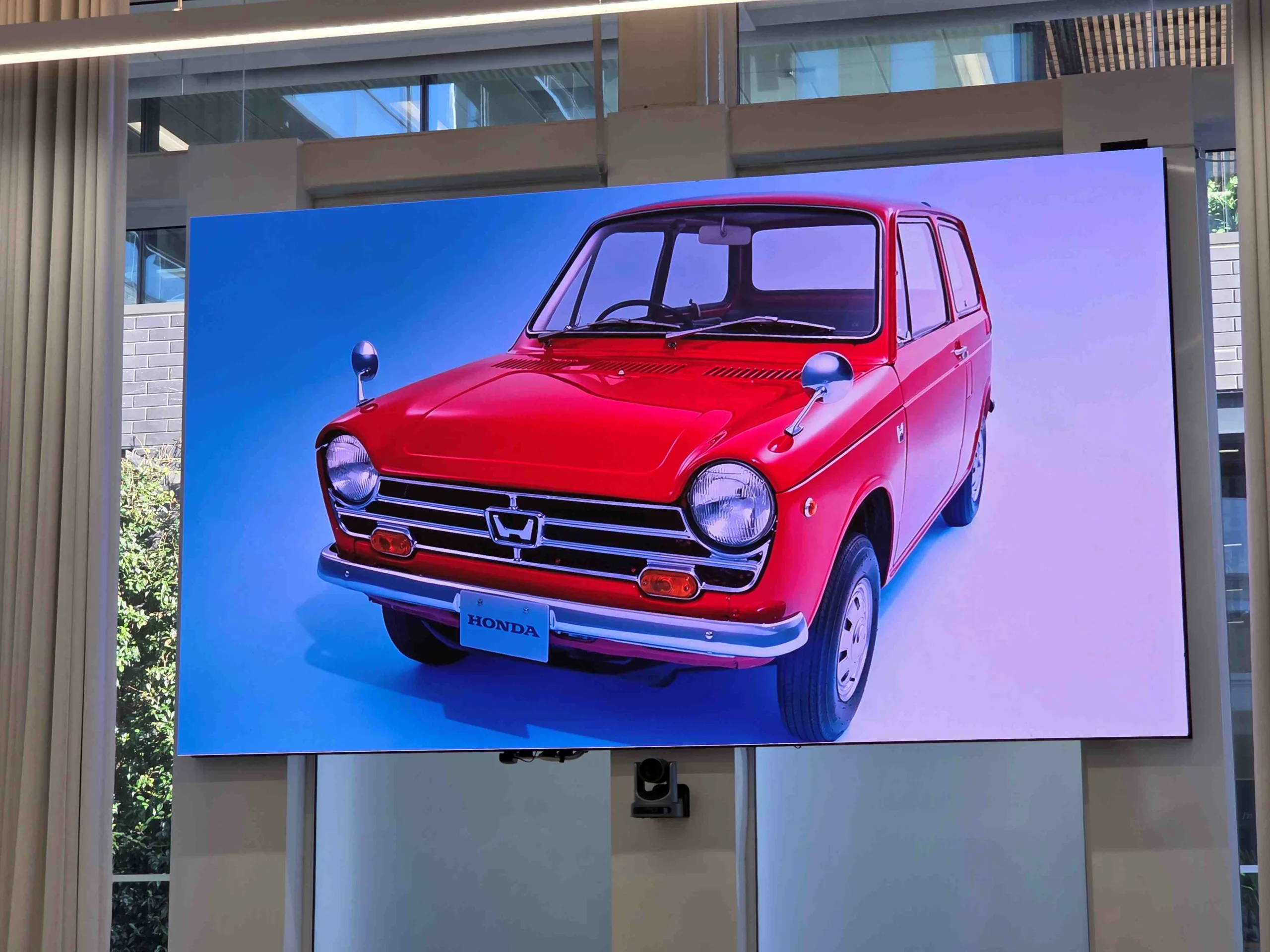
To understand why the Super-One is the way it is, you have to look back. (Aside from motorcycles and engines) Honda’s automotive journey didn’t start with massive SUVs or luxury sedans; it started with the iconic N360 in 1967. It was a sensation, capturing the imagination of over 1.5 million visitors at the 1966 Tokyo Motor Show. It proved that a small car could be practical, affordable, and crucially, fun.
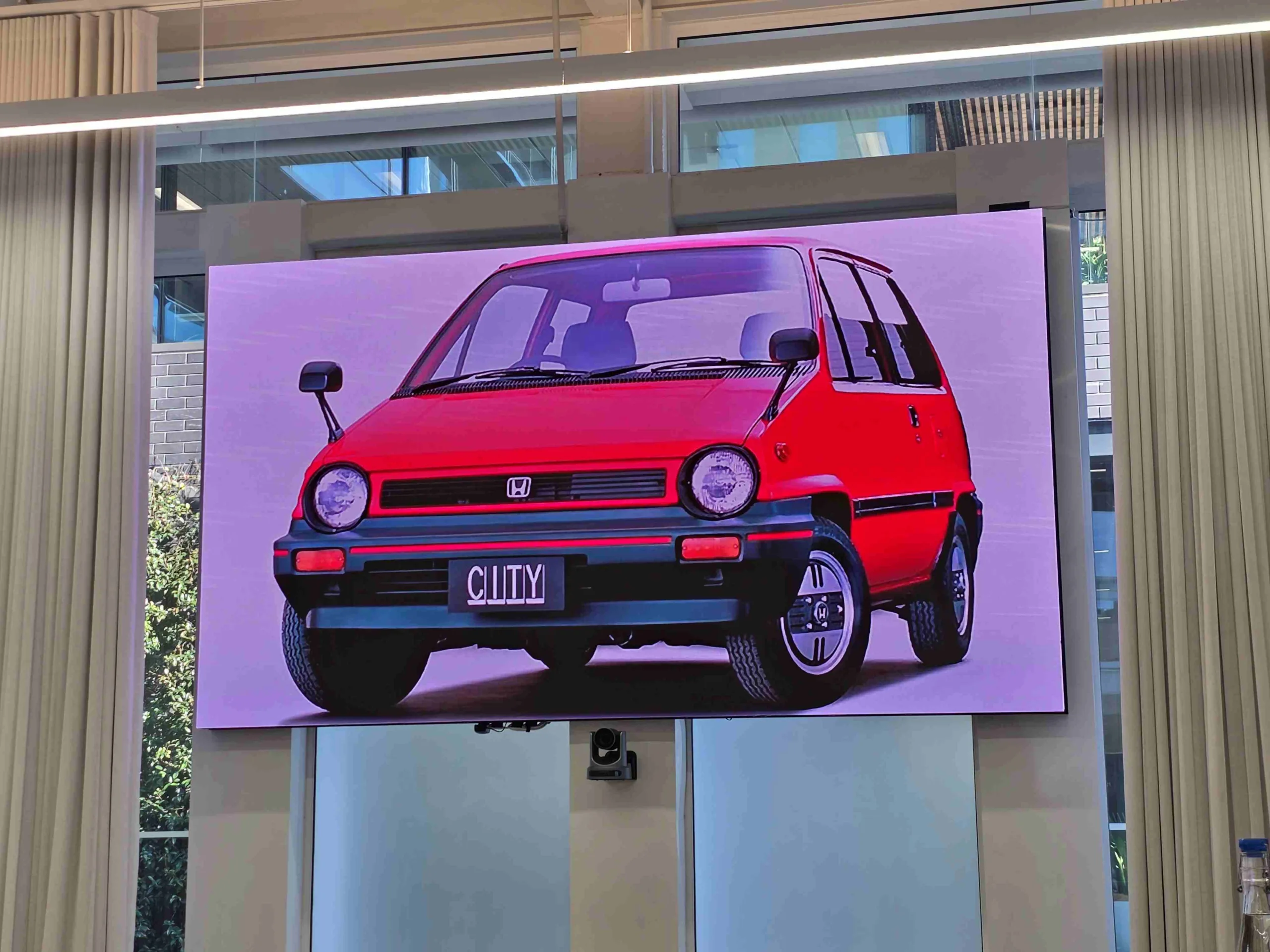
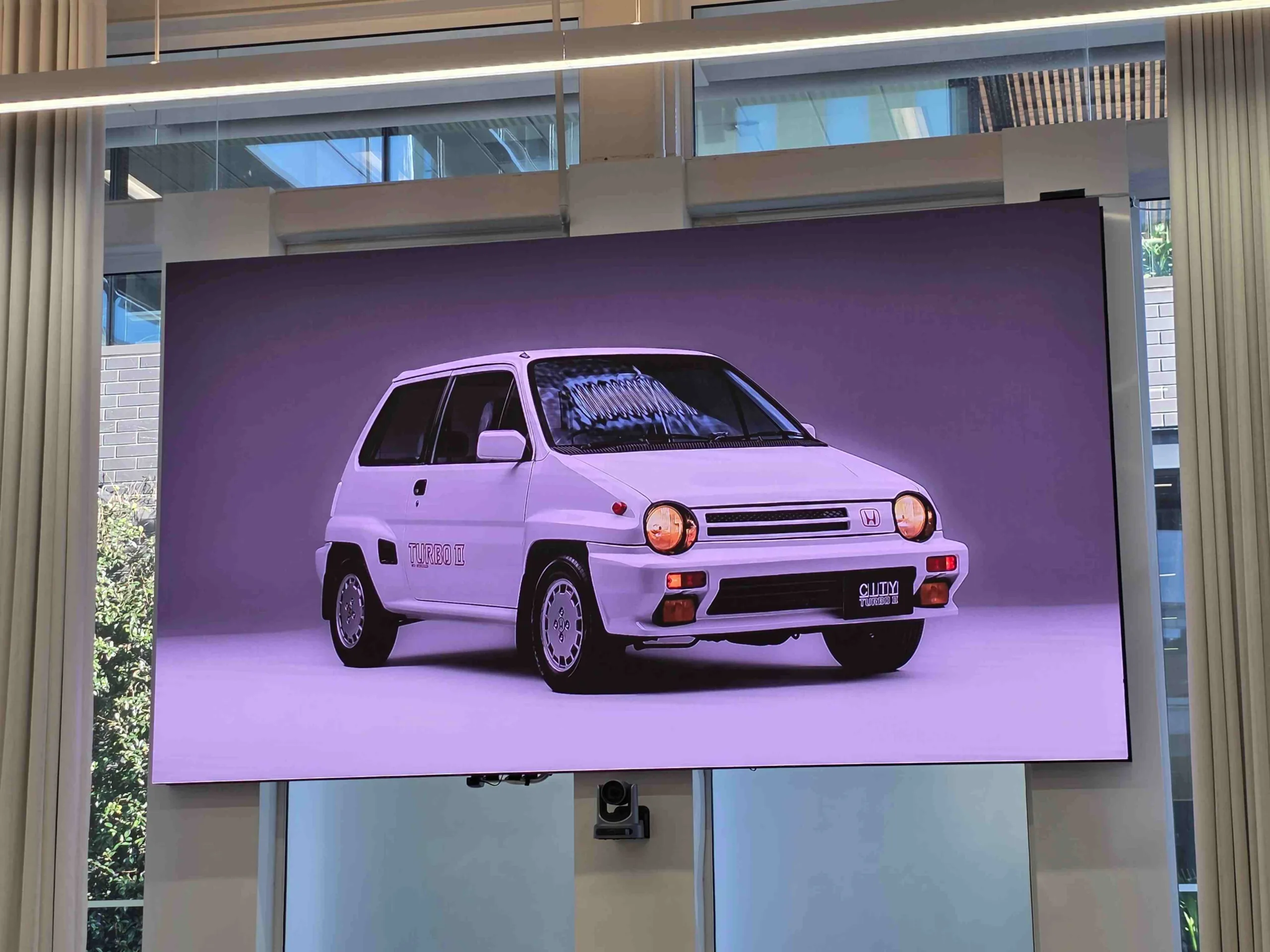
That DNA evolved through the 80s with the original City, a car that maximized interior space while bringing a youthful, energetic vibe to urban driving. Then came the legendary City Turbo 2, with its boxy stance and performance-focused character. (It remains a cult classic today).
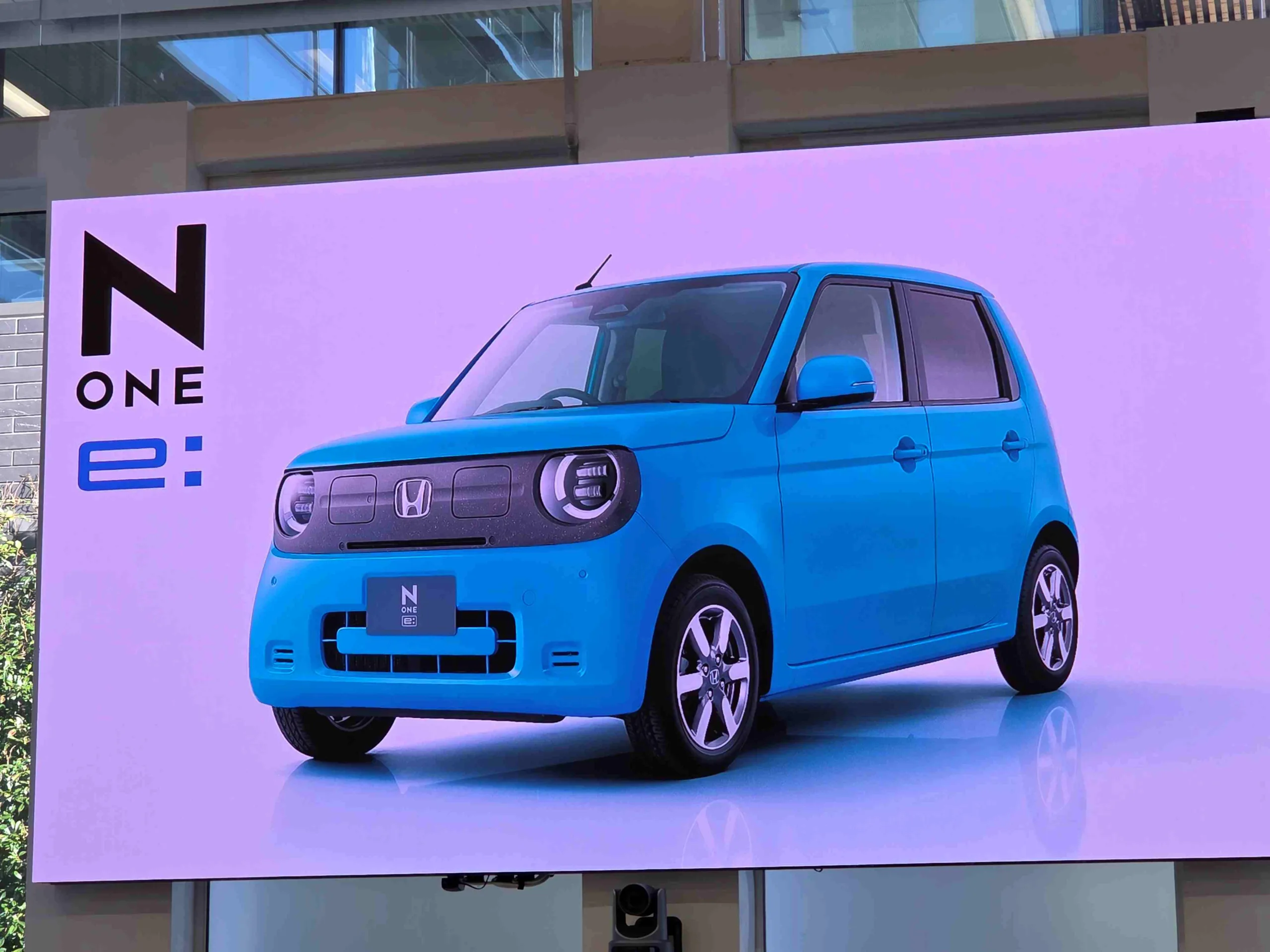
The Super-One is the spiritual successor to this lineage. It’s built on the “man maximum, machine minimum” philosophy, reimagined for the electric age, and keeping to the Kei ethos, it’s not just about getting from A to B; it’s about the smile you wear while doing it.
Digital Iconic Design
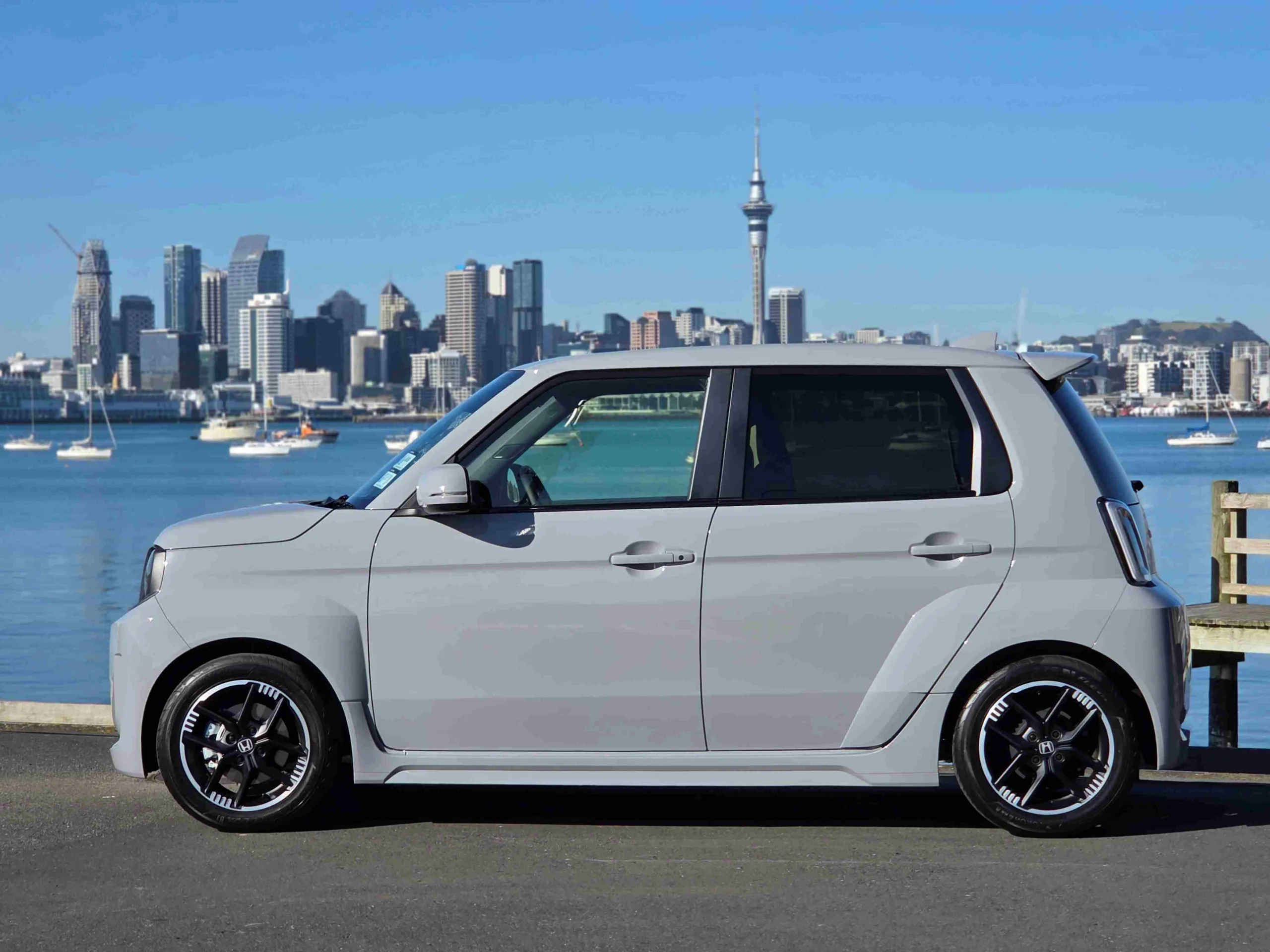
The first thing that strikes you about the Super-One is its presence. It’s compact, yes,(tiny in-fact) but it commands attention. Honda calls this “Digital Iconic” design, and it’s a masterclass in balancing retro-cool with modern tech.
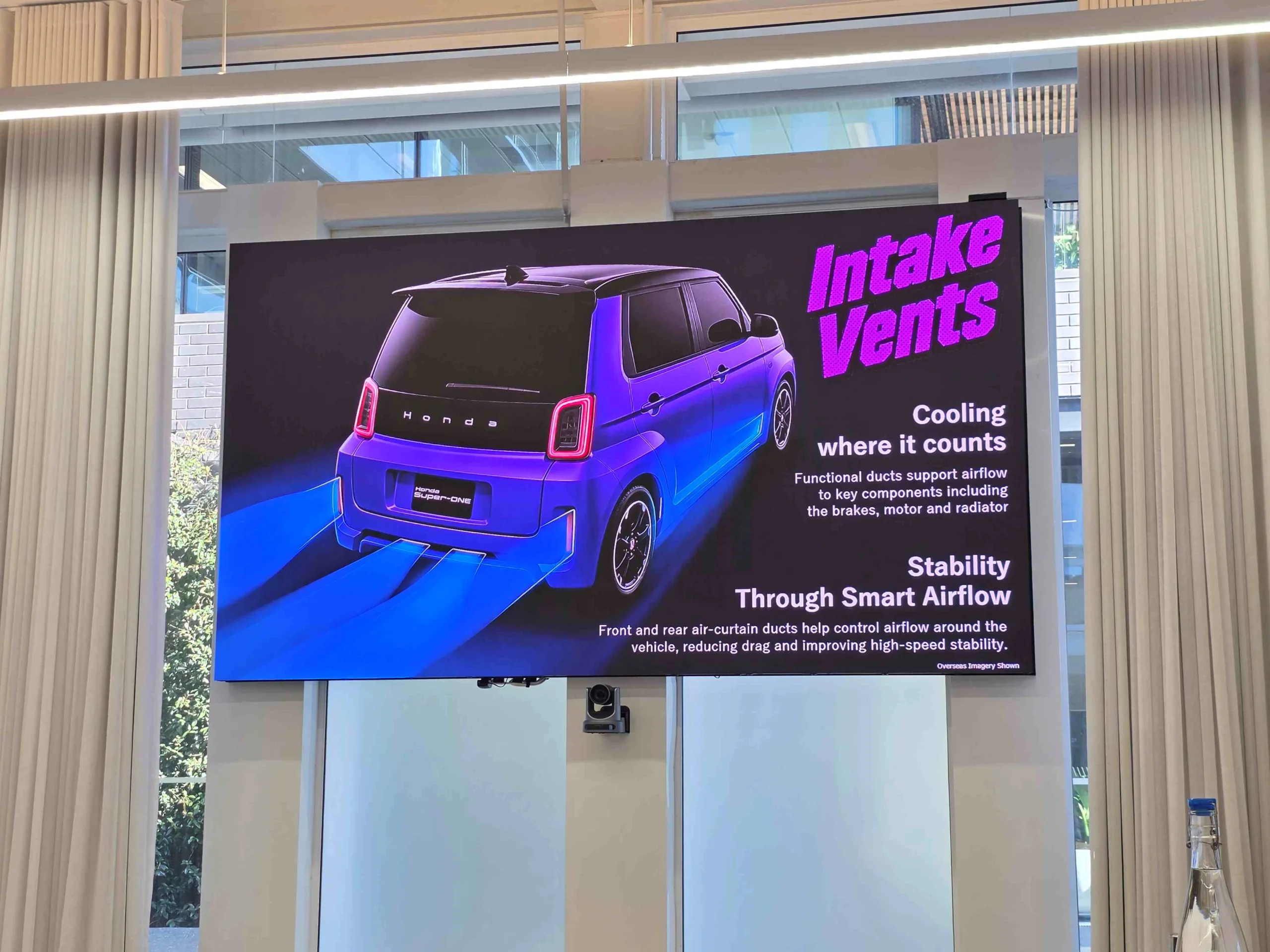
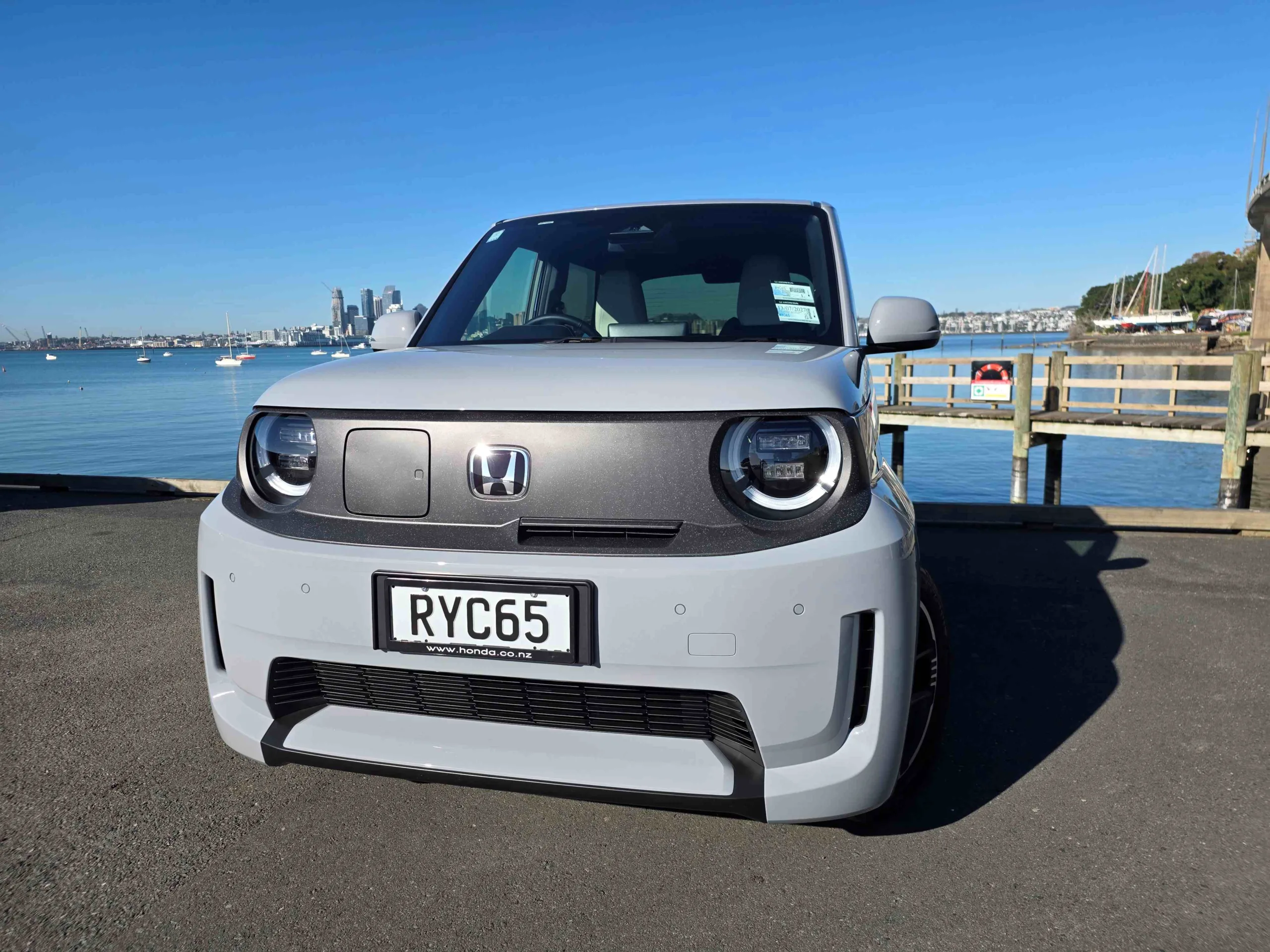
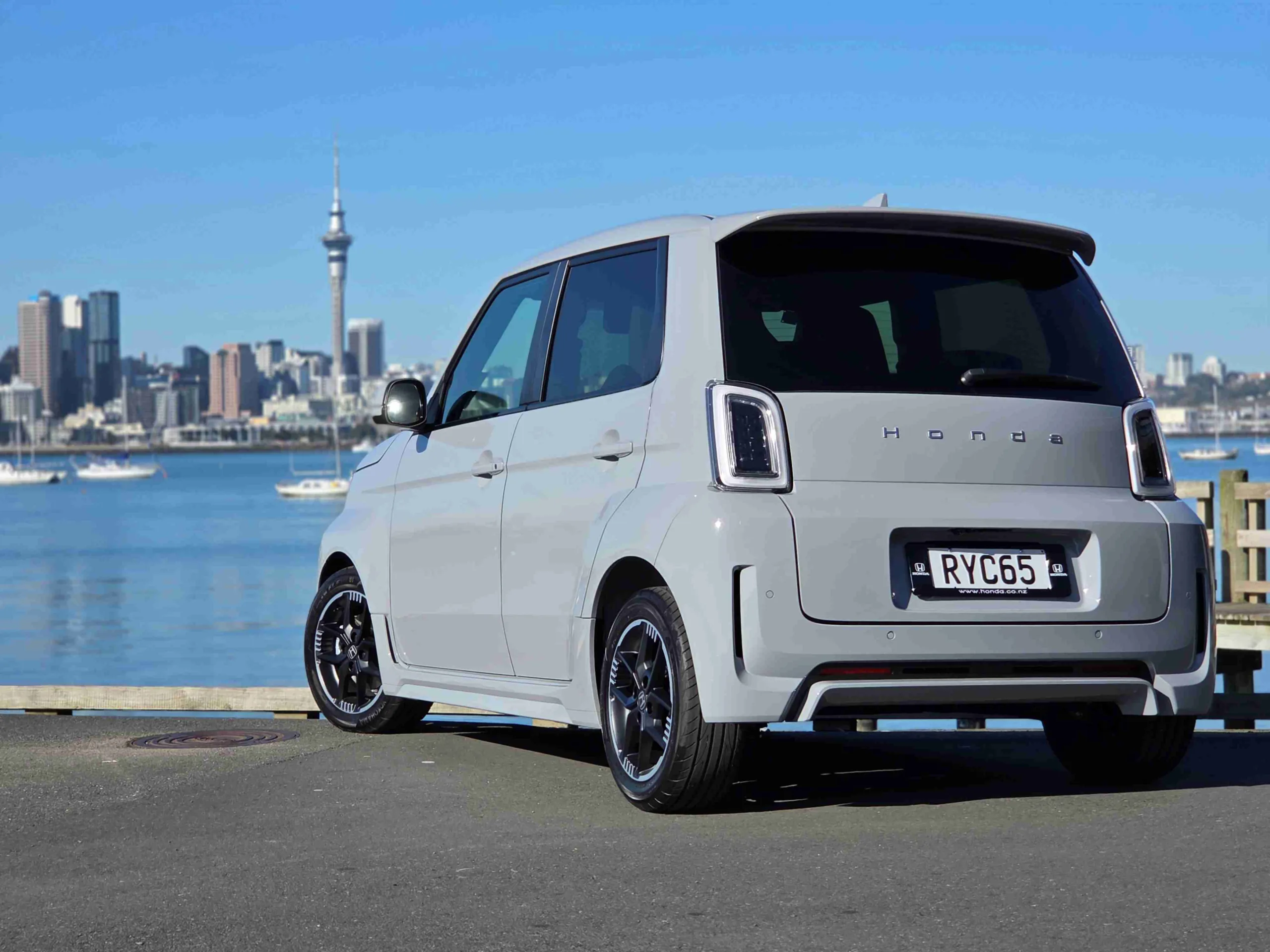
The stance is wide and planted, thanks to widened fenders, shorter overhangs, and a longer wheelbase. It looks ready to pounce. The geometric shapes and sharp lines are clean, but look closer and you’ll see subtle nods to the 80s and 90s. The enlarged intake vents are both showy and fully functional, playing a critical role in cooling and aerodynamics. From the front chin spoiler to the flat underfloor, every curve is designed to reduce drag and improve stability.
It’s sustainable too, with the front panel being crafted from recycled bumper material from end-of-life Honda vehicles. It’s a circular economy win that doesn’t compromise on the premium, modern finish. Whether you opt for the standard model or the striking Kuro Edition (with its two-tone Crystal Black accents and deep purple body) this car is designed to stand out in a sea of grey and silver traffic (although there is a grey body colour).
Clever & Sustainable Packaging Meets Substantial Tech
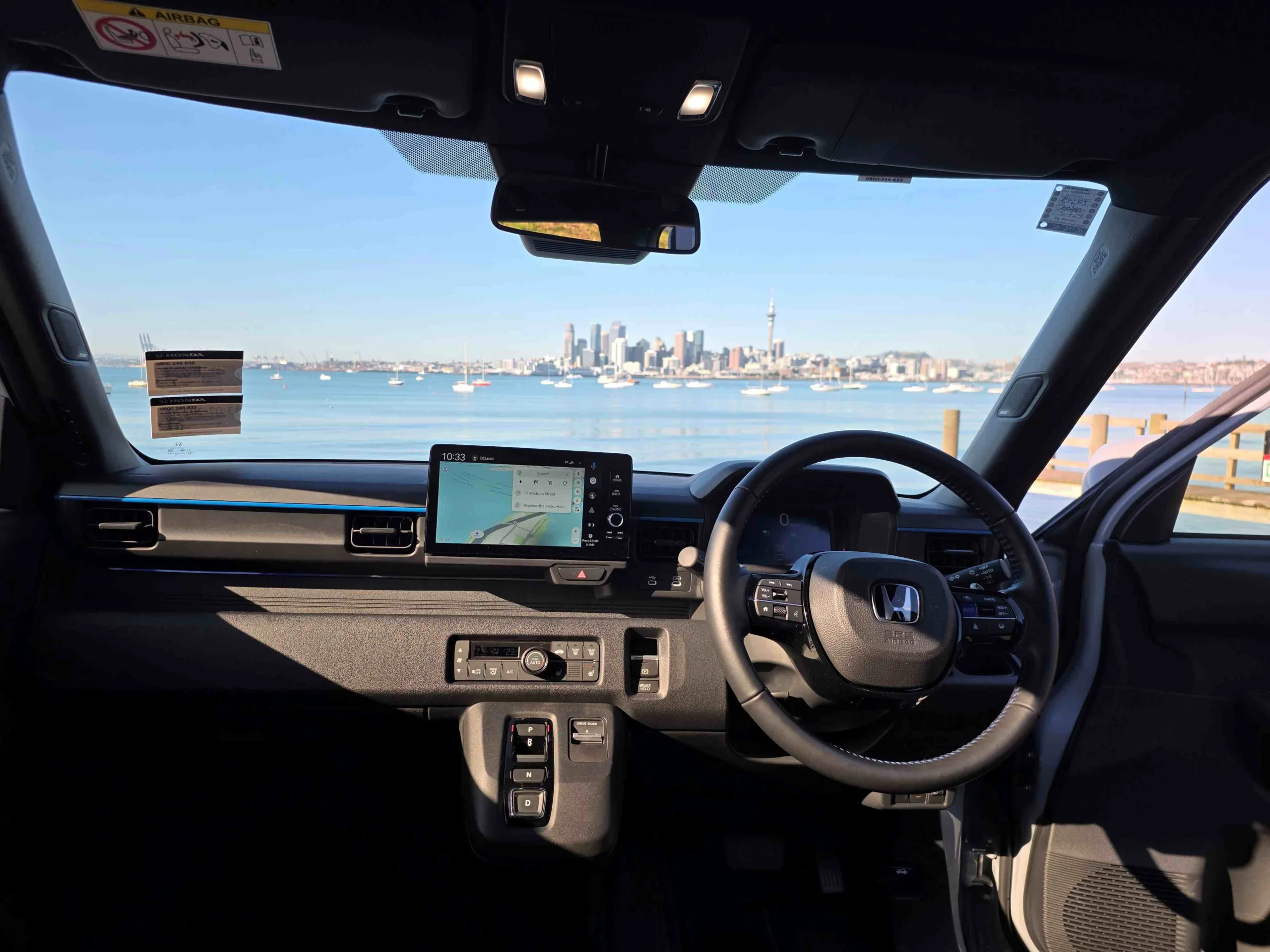
Step inside, and the “man maximum, machine minimum” philosophy really shines. Despite its compact footprint, the cabin feels surprisingly airy. The seamless transition between the side windows and the windscreen creates a wide, uninterrupted view, making the interior feel far larger than it has any right to be.
The versatility is where the Super-One truly wins. The “Magic Seats” are a hallmark of Honda’s clever packaging. Need to carry something tall? Fold the rear seat bases up. Need to haul something long? Fold the seats flat. It’s a level of practicality that makes this car genuinely usable for a wide range of lifestyles.
The cabin environment is simple, modern, and instantly engaging. The dashboard is clean, with a Google built-in infotainment system that keeps navigation and entertainment intuitive. And for the audiophiles? The premium Bose sound system delivers an immersive experience that’s rare in this segment.
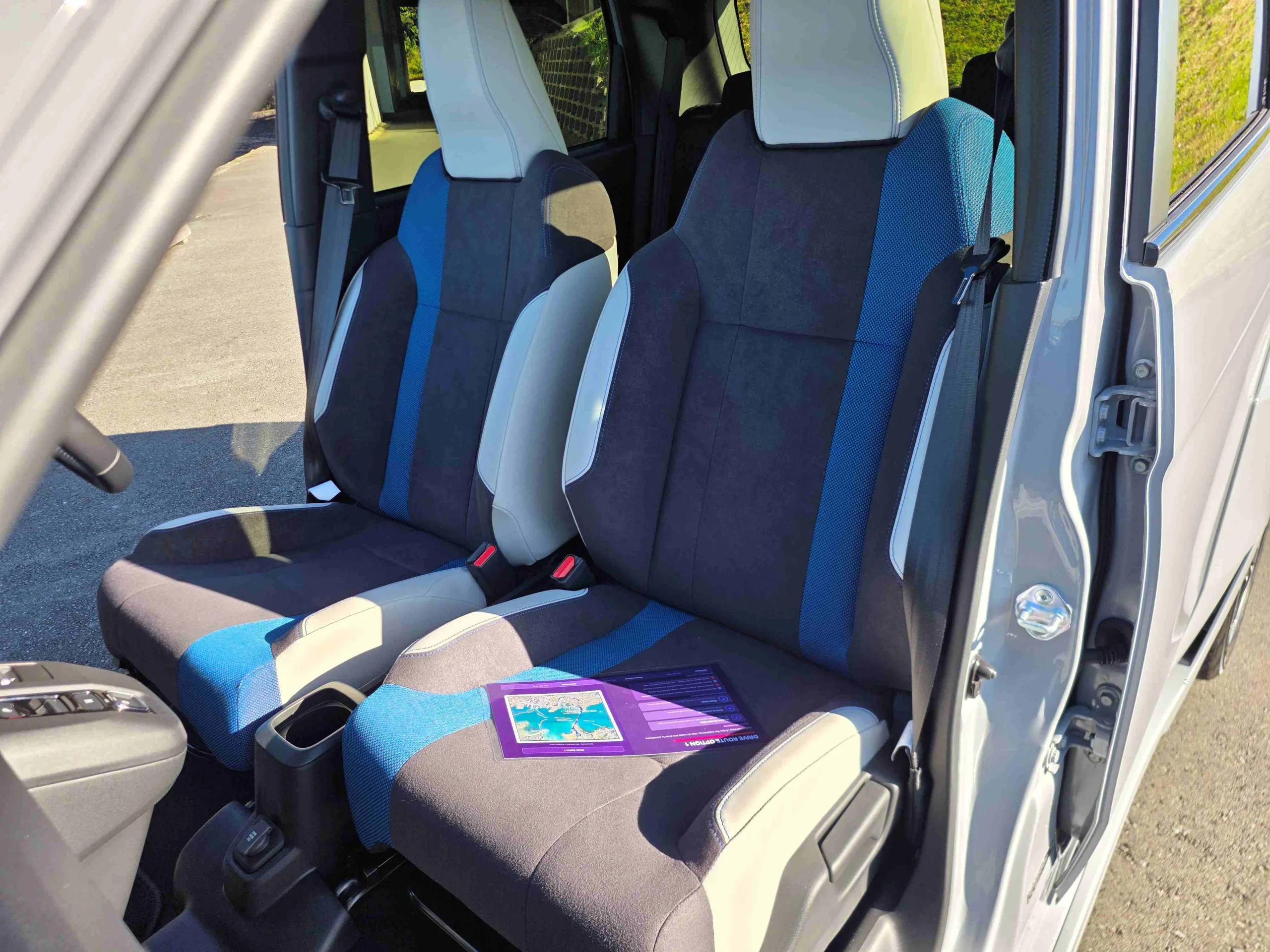
The materials are a highlight, too. The asymmetrical front sport seats, inspired by the City Turbo 2, feature “polarised mesh” upholstery. The fabric shifts from blue to purple depending on the light and viewing angle, with pink thread woven in for extra depth. It’s a tactile, visual treat that feels both durable and sustainable, utilizing recycled synthetic leather made from post-consumer PET bottles.
Powertrain and Driving Dynamics – complete with “e-Boost” Experience
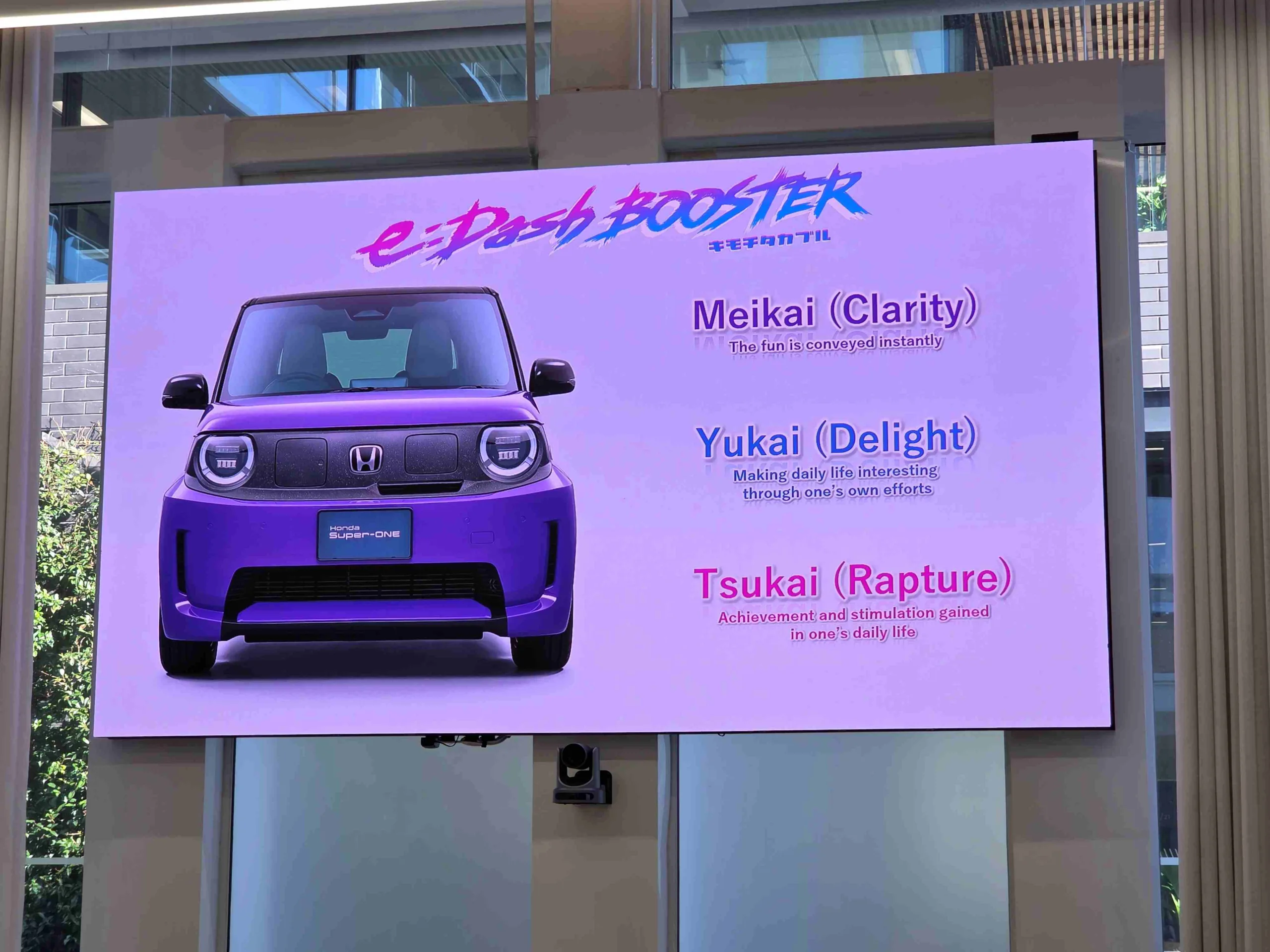
Looks aside, it’s on the road that the Super-One really takes the (Shiroi Koibito) biscuit. You see, Honda didn’t just want to build an EV; they wanted to build an exciting EV. They call the grand concept “e-Boost”, a combination of electric drive and a “booster” for your mood.
Our drive for the NZ launch was (let’s say) limited, with around 30 minutes to play with, it was a case of grabbing the pictures we could, while putting the compact Kei through as many paces as we could. No easy feat, but I feel compartmentalisation is the Kei, I mean Key.
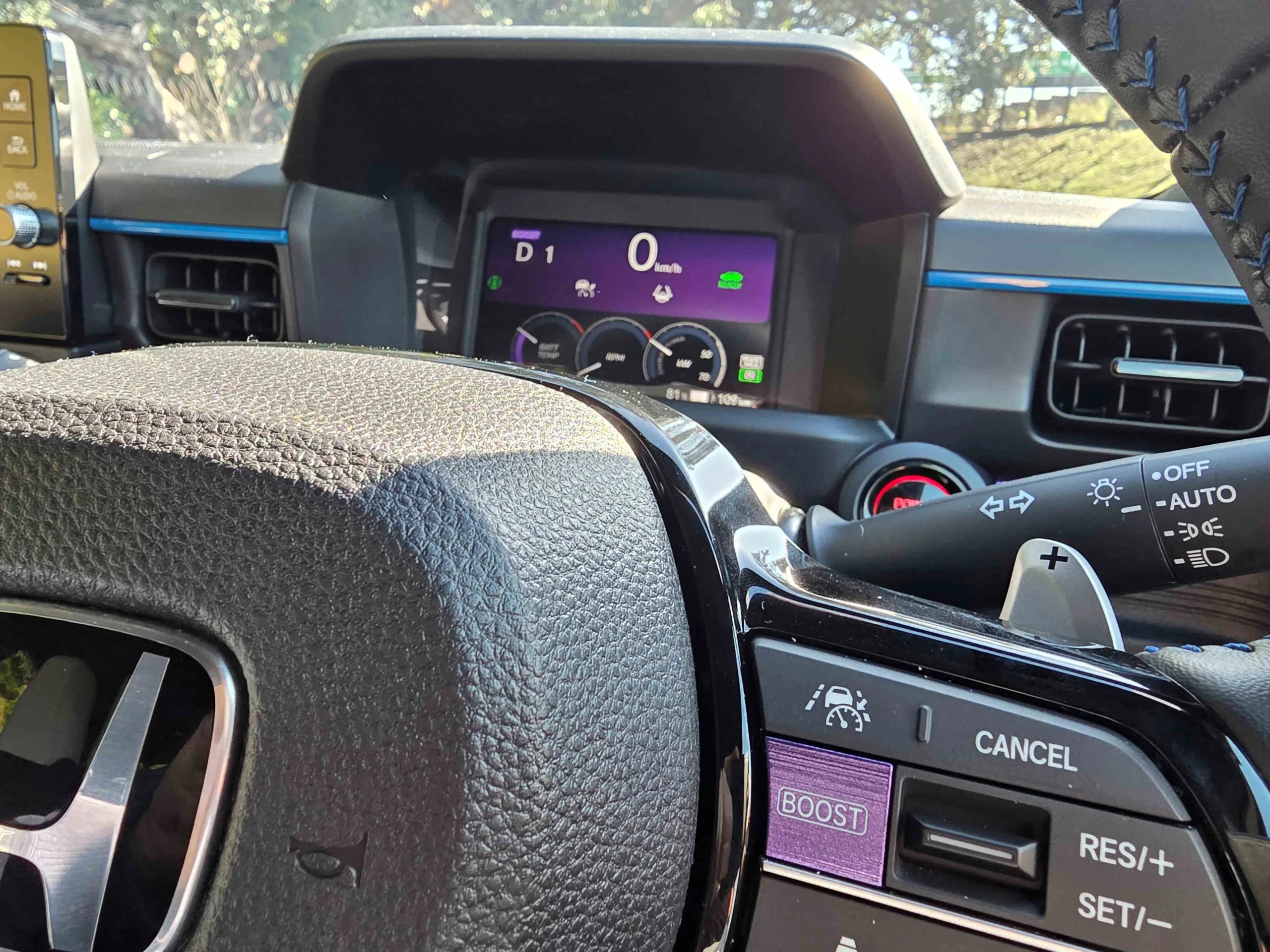
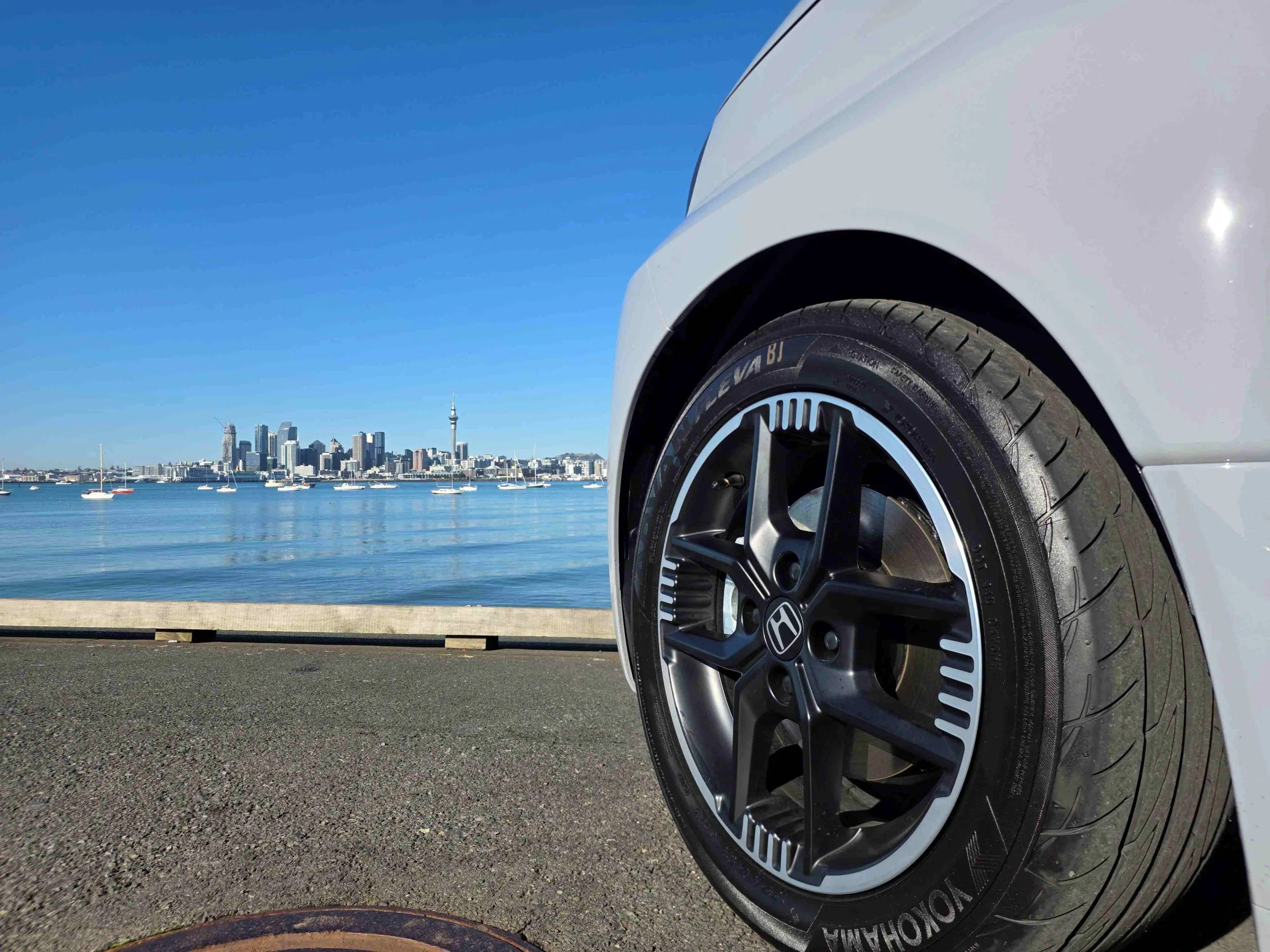
The Super-One offers several drive modes, Economy, City, Normal, and Sport. But the party piece is the dedicated “Boost” button on the steering wheel. Press it, and the cabin lighting shifts from blue to purple, the displays switch to a performance-focused layout, and the car’s personality changes entirely. It ups its max power from 47kW to 70kW, and will spin its 15” wheels with glee.
Honda has also engineered a ‘Simulated Gear Shift’ system that mimics a seven-speed transmission. On paper it may sound a bit crap, but in reality it provides torque characteristics and shift sensations that mimic a dual-clutch transmission, giving you a tangible sense of connection. Even when you’re in Sport or Boost mode, the car plays a rev-limiter style sound through the speakers, rising and falling naturally as you accelerate. It’s immersive, it’s engaging, and yes, it’s genuinely fun.
Then there’s its main purpose – the city. For the urban commute, ‘City Mode’ is a revelation. It features one-pedal driving that is smooth, linear, and predictive. You can control your speed almost entirely through the accelerator, making stop-start traffic feel effortless.
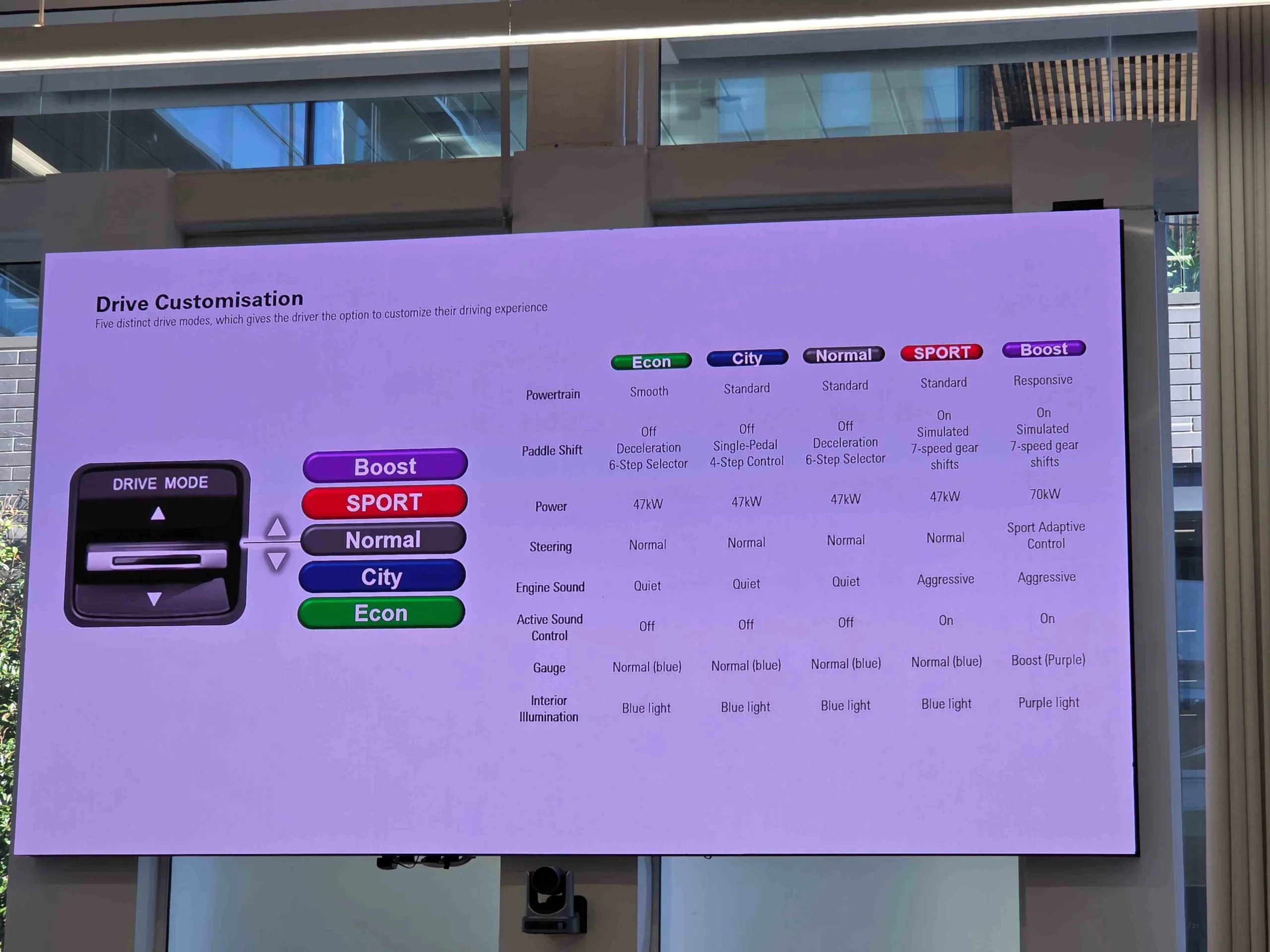
Like I said, the Super-One has really compartmentalised its driving modes and personalities – needless to say, I spent most of my time in Boost.
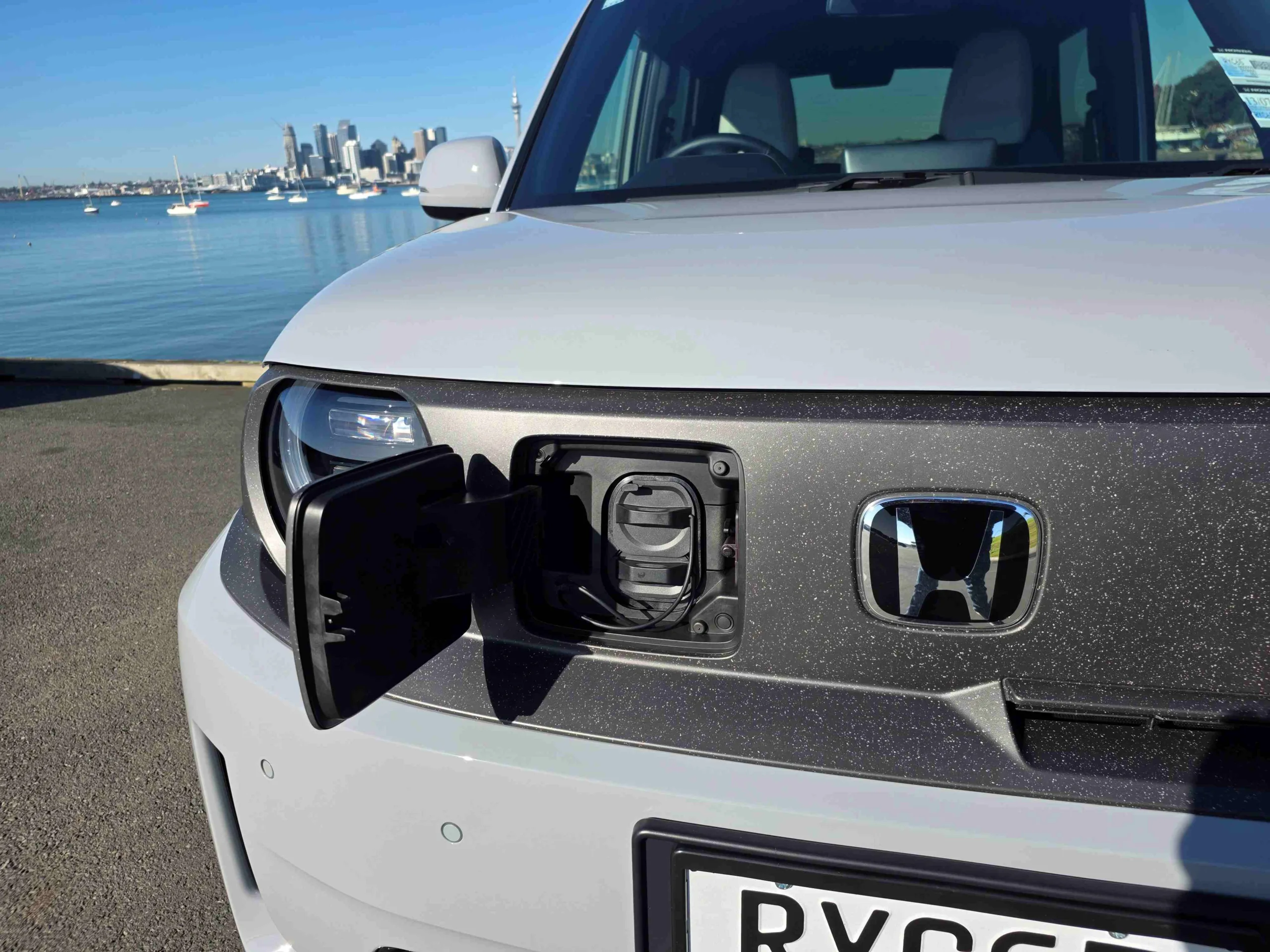
Charging and Safety
Despite its focus on fun, the Super-One is a serious piece of kit when it comes to utility. It’s equipped with a 30kWh battery, which is perfectly sized for its urban mission. You can charge it overnight with a standard portable charger, or use a wall charger to get a full charge in just four hours. Out on the road, fast charging takes just 30 minutes when charging at its 50kW capacity. Its range will undoubtedly be frowned upon by many, I mean 253km (NEDC) so probably closer to 200km real-world, but I assure you, your cheeks will be pleased with the charging break.
Safety hasn’t been overlooked, either. The car comes packed with Honda Sensing, including adaptive cruise control, lane-keeping assist, and traffic assist. It’s the kind of tech that takes the stress out of the daily grind.
Tarmac Takeaway
The Honda Super-One is a breath of fresh air. In a market saturated with increasingly large, heavy, and disconnected electric vehicles, Honda has gone the other way. They’ve built a car that celebrates the joy of driving, the beauty of clever design, and the thrill of the open road, even if that road is just a trip to the local cafe.
It’s a car that makes you laugh, giggle, and look for excuses to take it for a spin. It’s practical enough for the daily commute, stylish enough to turn heads, and fun enough to remind you why you fell in love with cars in the first place. Whether you’re a fan of the classic N360 or just looking for an EV that has a bit of soul, the Super-One is a compelling proposition.