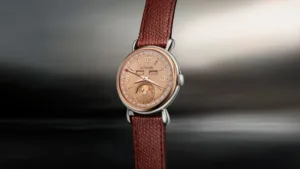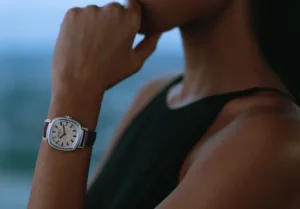
Jaeger-LeCoultre is presenting nine restored mid-century watches made for the United States in New York, with the pieces available to collectors worldwide.
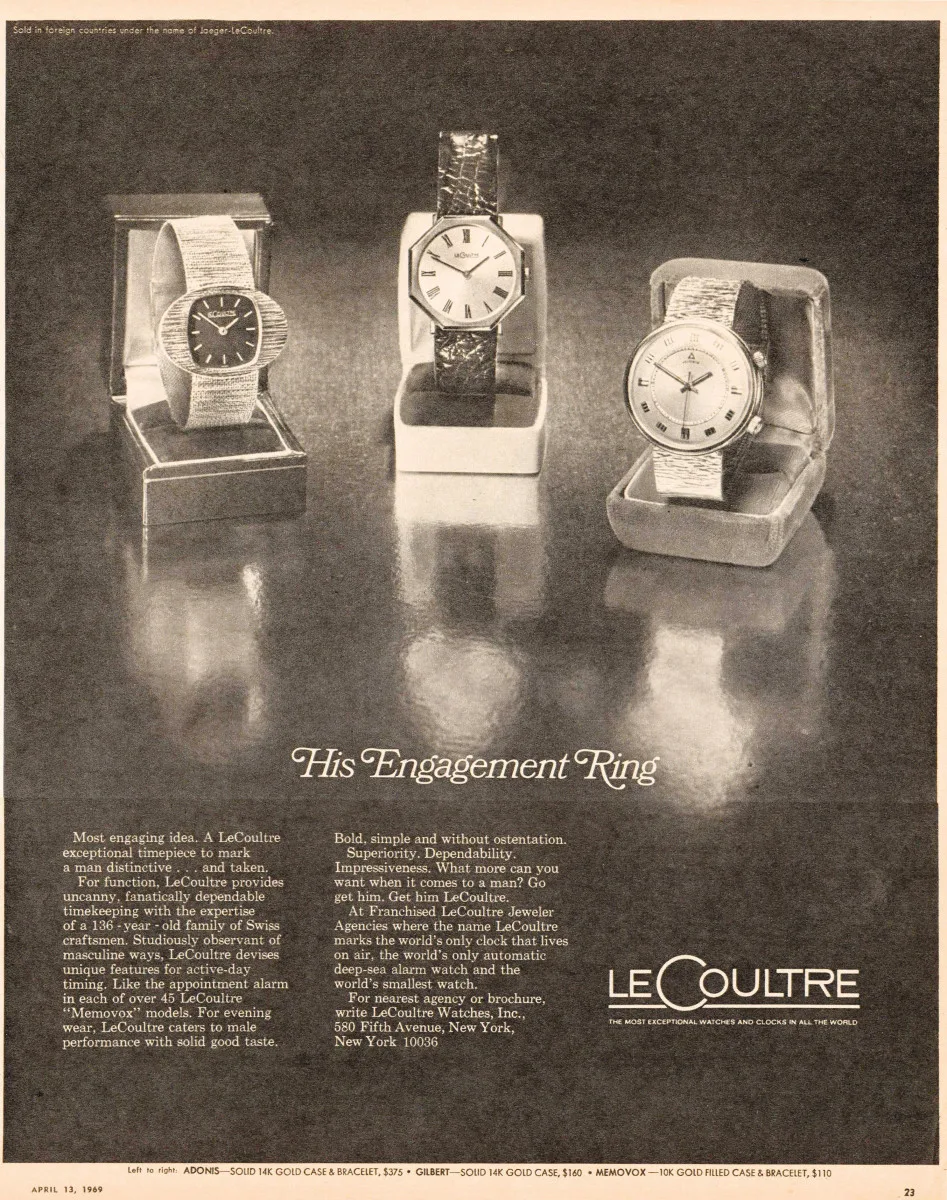
For a time, many of Jaeger-LeCoultre’s watches sold in America carried a different name: LeCoultre. That chapter is the focus of the eighth capsule in The Collectibles, a series of restored, museum-grade timepieces.
A nine-watch capsule in New York
The nine watches go on show at the brand’s New York flagship from 6 to 20 November, and they are available for acquisition by collectors worldwide. This is the second New York presentation of The Collectibles. It coincides with the 250th anniversary of the United States Declaration of Independence, and the brand is opening part of its archives for the occasion.
The Collectibles is an in-house programme that sources, restores and offers rare timepieces from the mid-twentieth century. So far it has highlighted 17 emblematic models, from the Duoplan and Reverso to the Geophysic, Futurematic and Memovox Polaris. The brand says restoration is carried out by 10 master watchmakers at its workshop in the Vallée de Joux.
Why the name changed
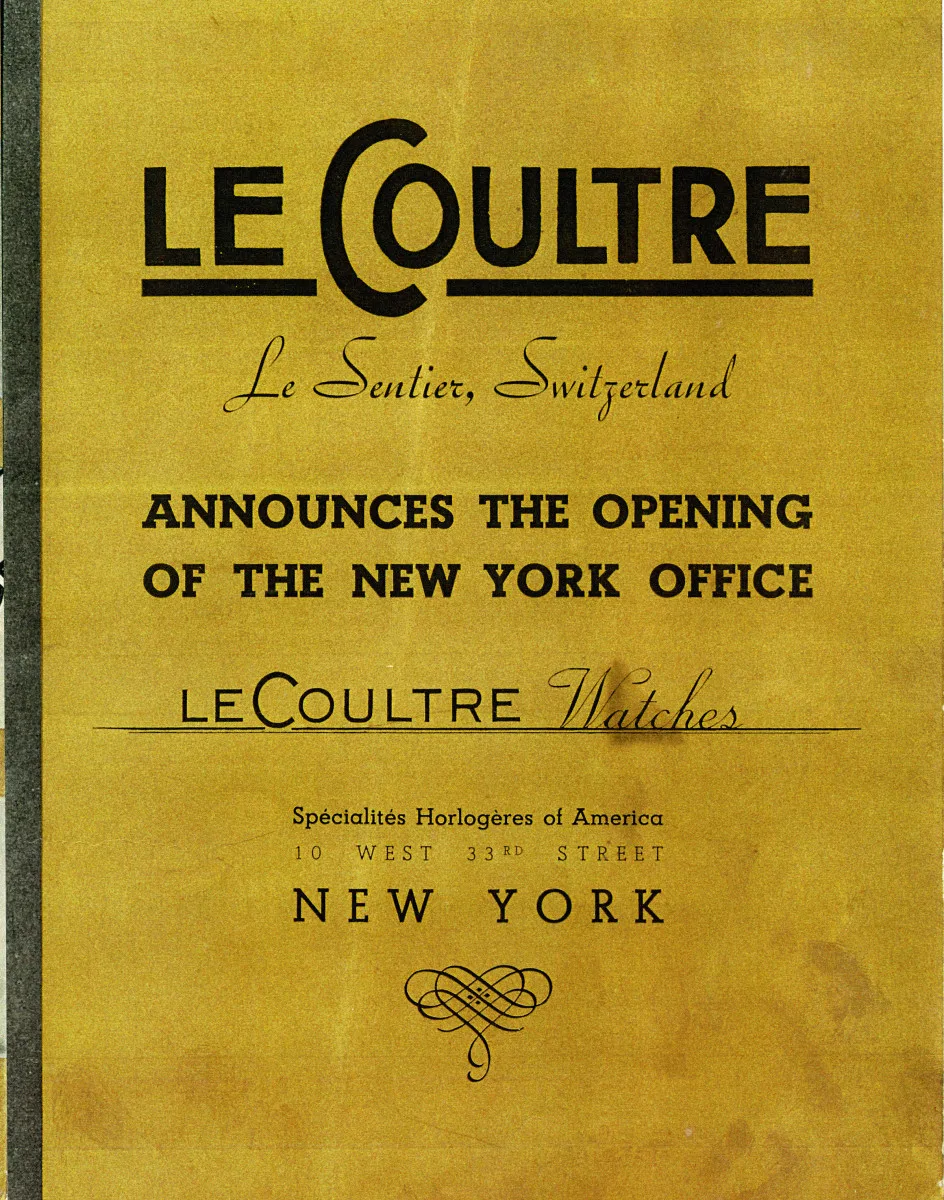
By the late 1920s, the brand already operated in the United States as Jaeger, including through Jaeger Inc., founded in New York in 1926. The LeCoultre name arrived as the Manufacture expanded across the Atlantic. LeCoultre S.H. of America opened its New York office in 1936.
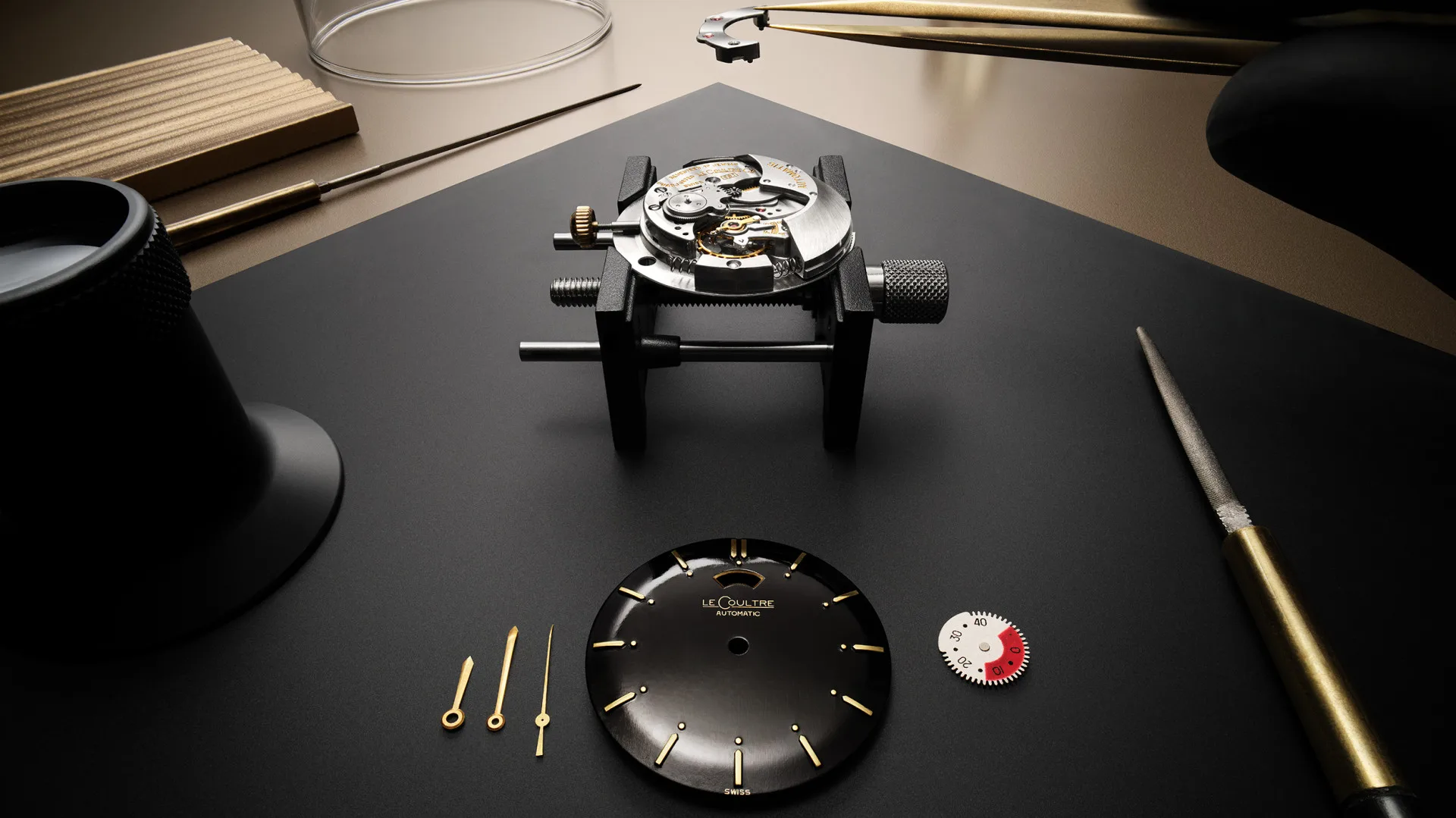
Import rules shaped how these watches were made. US import duties rose with a watch’s value and specification, so Swiss movements were shipped with their dials and hands and finished locally. Cases were made in America. Movements for the US often had 17 jewels, were marked “unadjusted”, and carried the customs code VXN.
From tariff workaround to design
According to the brand, what began as a response to regulation led to more freedom in design. American cases were often made in gold-filled material or 14K gold (585/1000), with proportions and forms that differed from European versions. The early 1950s Powermatic Nautilus is cited as an example of this approach.
These historical claims come from the brand’s own archive material and have not been independently verified. They still help explain why some of the watches look different from their Swiss counterparts.
Highlights from the capsule
- 1933 Reverso: a rare chocolate-brown dial, powered by Calibre 410, the first in-house movement made for the Reverso.
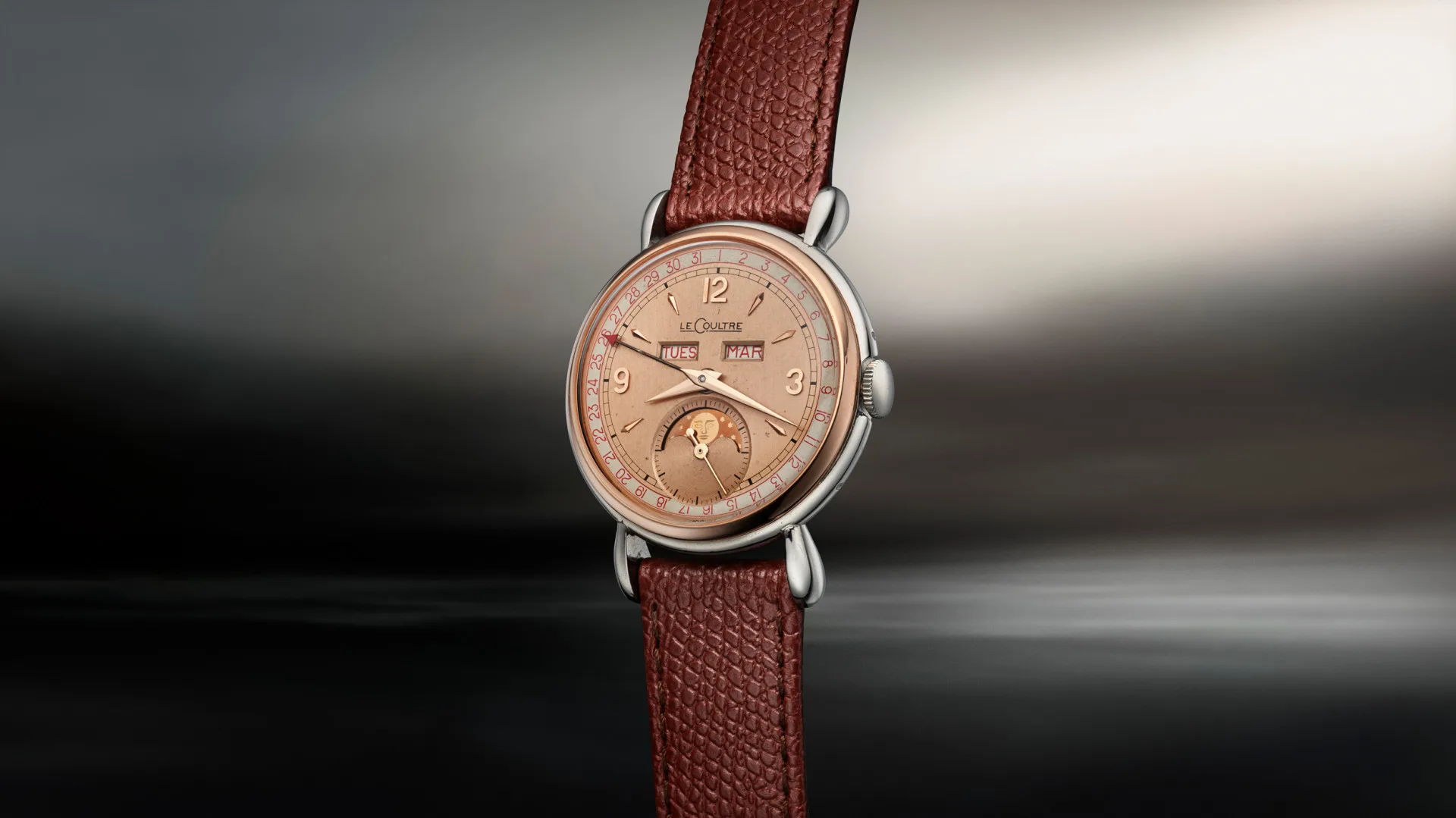
- 1947 Triple Calendar: a steel case with an 18K pink gold bezel, and Calibre 494, which added a moon-phase display.
- Circa 1952 Triple Calendar Reference 2726: an 18K yellow gold rectangular case, the first rectangular Triple Calendar from the Maison.
- Circa 1950 Powermatic Nautilus: a 34.6 mm yellow gold-filled case with prominent lugs, powered by Calibre 481.
- 1968 Master Mariner Deep Sea ‘Barracuda’: a tonneau-shaped steel case, registered as ‘Barracuda’ in American catalogues.
- Circa 1970 Shark Deep Sea: a chronograph with a Valjoux Calibre 72 movement and a 40 mm steel case, water-resistant to 120 metres.
- 1972 Memovox Polaris II: a large, sculptural case and a vibrant design typical of 1970s style.
A tribute and a single name
The capsule includes a commemorative model launched in 1949 in tribute to Jacques-David LeCoultre, who had died the year before. He oversaw the first LeCoultre timepieces for the American market and guided the brand’s early expansion there.
By the 1970s, the LeCoultre identity had given way to Jaeger-LeCoultre as the single global name. The last LeCoultre dials date from the late 1970s. For collectors, the capsule shows how trade rules and American tastes shaped watches that might otherwise look purely Swiss.