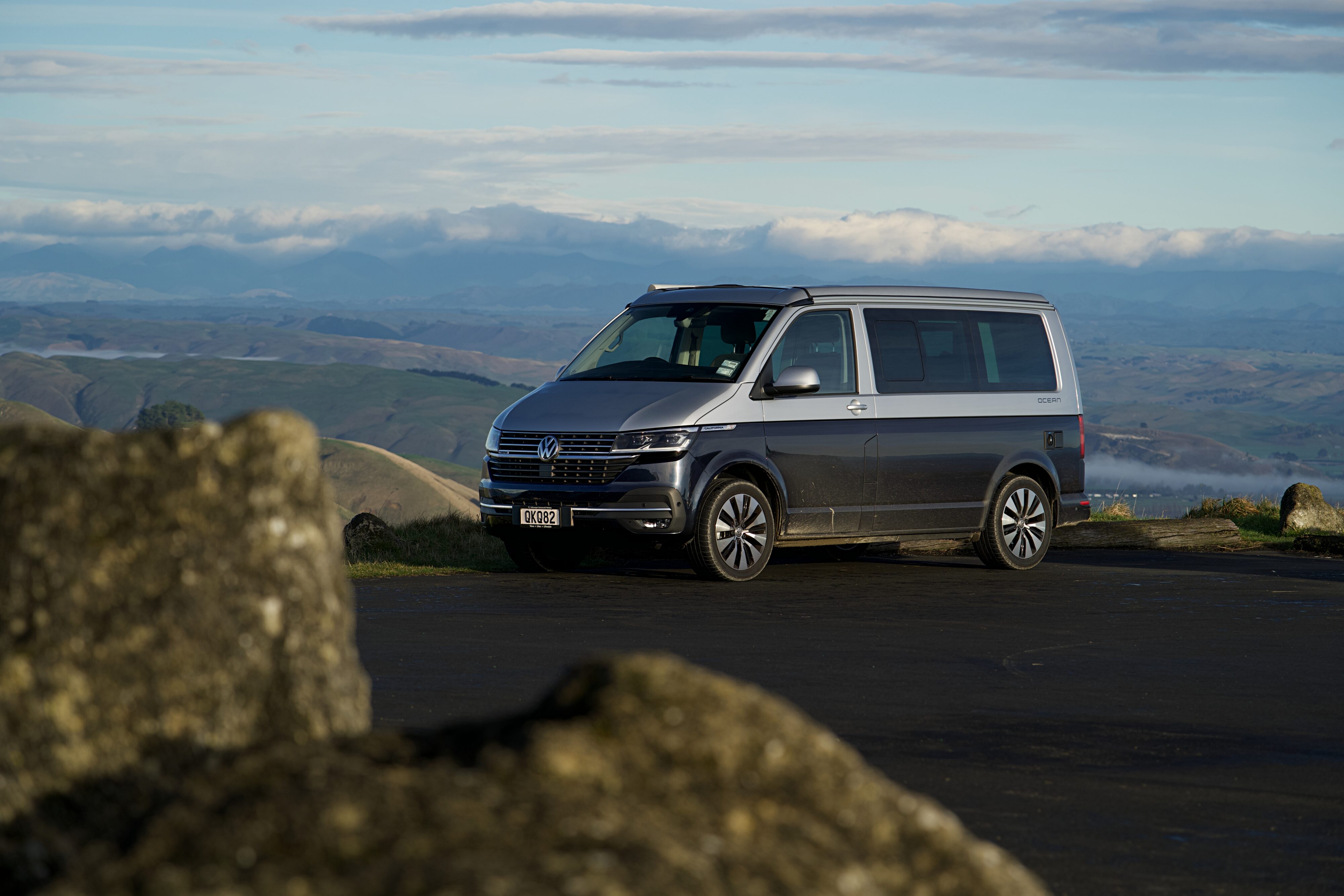
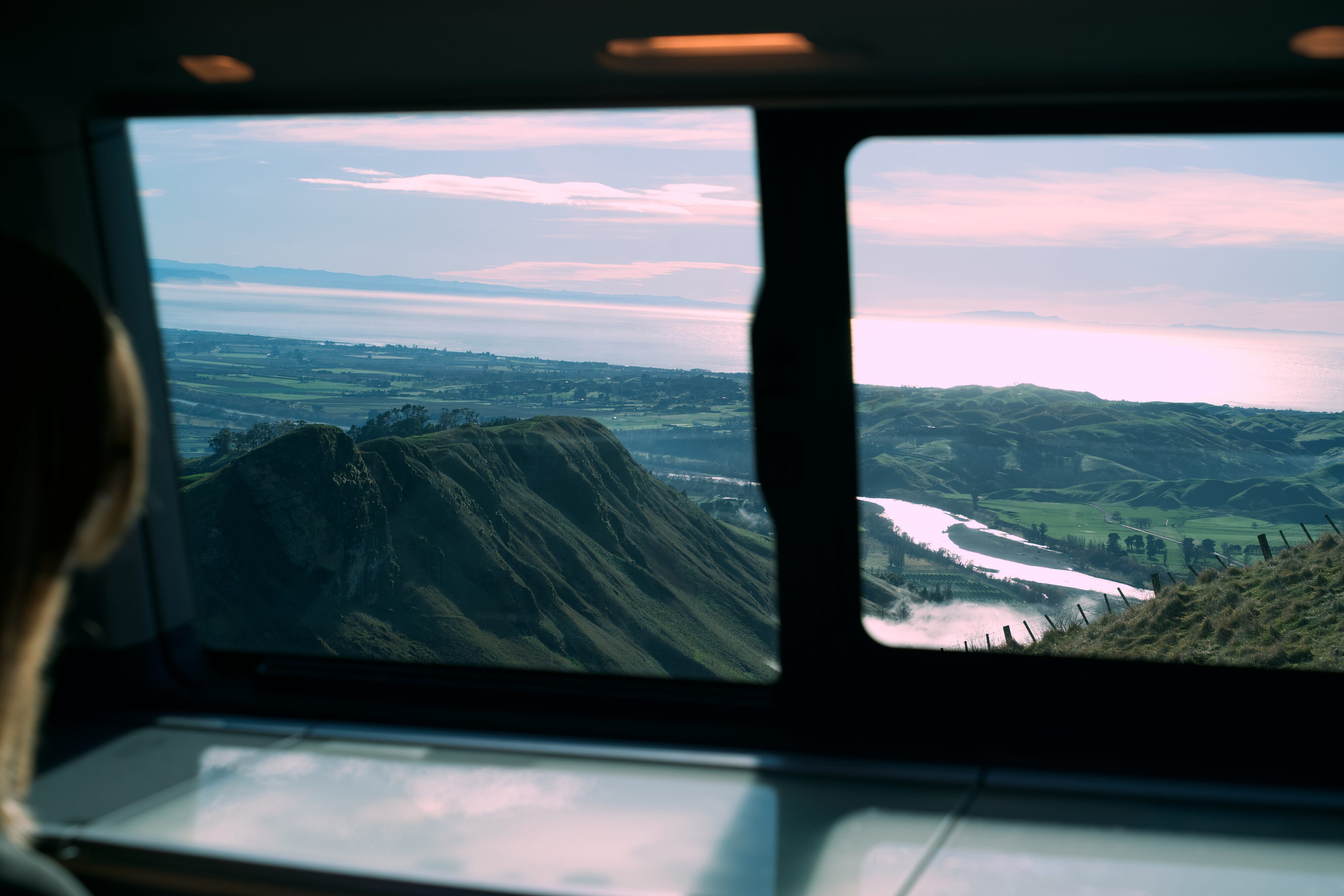
This post is part II of my recent road trip through the North Island with the Volkswagen California. If you haven’t seen part I, it’s available here. Now that you have, join me from Havelock North onwards. No visit to this town is complete without a climb of Te Mata Peak and by climb I mean a drive up, not a trek or cycle up the mountain like some brave people were doing (this is not one of those trips). Last time I was here was with a 6-berth campervan, meaning we couldn’t drive all the way up due to vehicle size restrictions. So California for the win! The smaller footprint meant not only that we could go up, but also that the windy access road and the steep incline were no issues, the powertrain handles it gracefully and we were up in no time. Once up, we were greeted with very low clouds, contributing to a beautiful view of the valleys below. We never miss a good photo opportunity, but eventually we had to hit the road again.
The recent floods wreaked some havoc on the roads around this region, with washouts, potholes and many working sites. It seems the worst of it is past and people are mostly okay, which is great to see, and the 4MOTION all wheel drive system (standard on the California) made traversing all of this very easy. In whatever condition and speed, the camper hugs the road very well and even though it lets its size and weight show sometimes, it is nothing compared to most alternatives I have driven before.
Storage is taken care of in the shape of a big drawer underneath the sliding back seat, the “kitchen cupboards” with plenty of room for tableware and cutlery and another set of doors sitting close to the bed with illumination and a mirror, making the ways of a bathroom cabinet. It is also from the latter that you can access the hot water shower, which draws from the same gas power the hob uses.

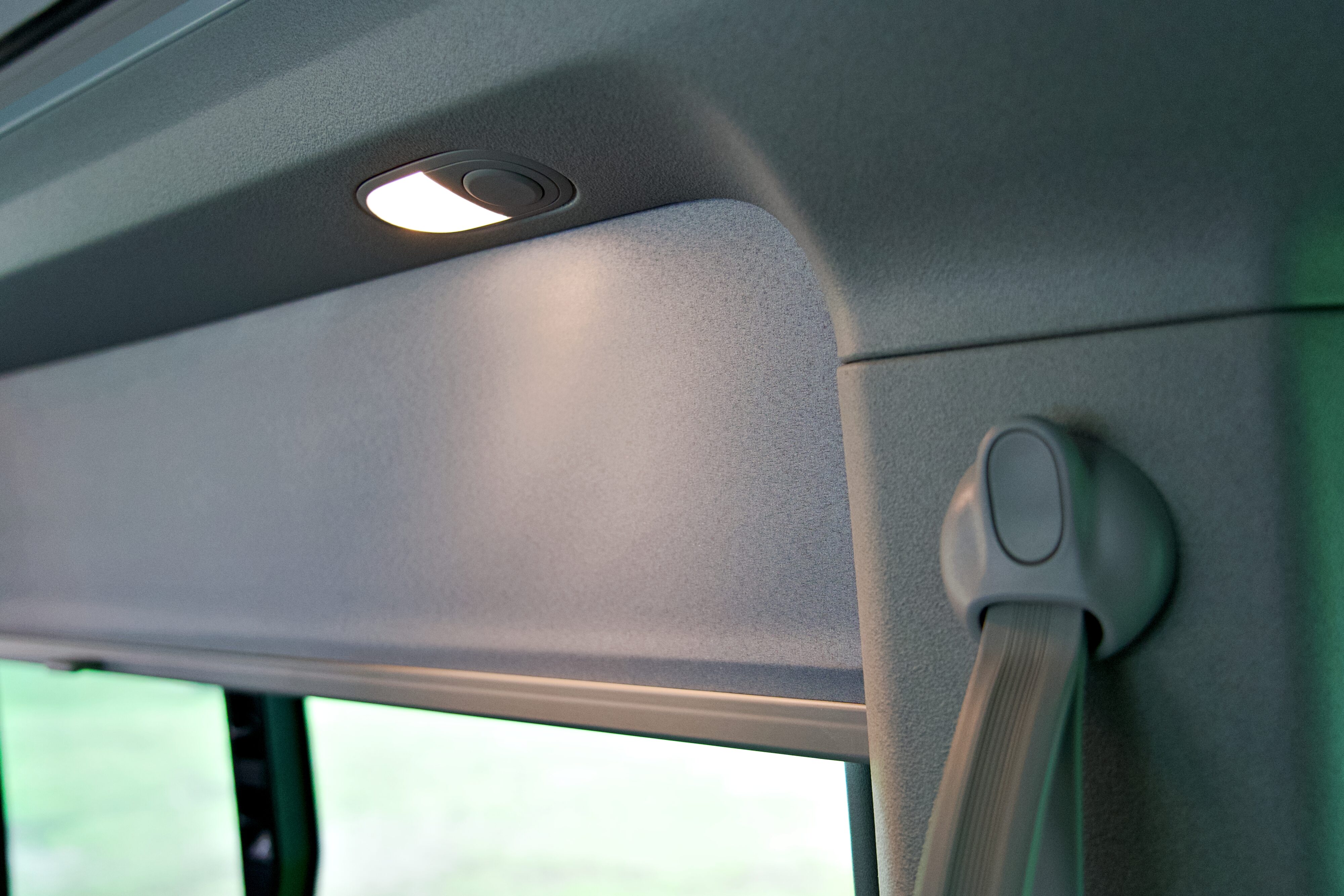
On the topic of illumination, it has to be mentioned that all of the overhead and atmosphere lights have smooth operation on and off, and you can control their intensity individually using the overhead screen. Small touches like this help build this impression that this is not a project put together hastily or without a lot of thought into it, differentiating it even further from the other campervans.
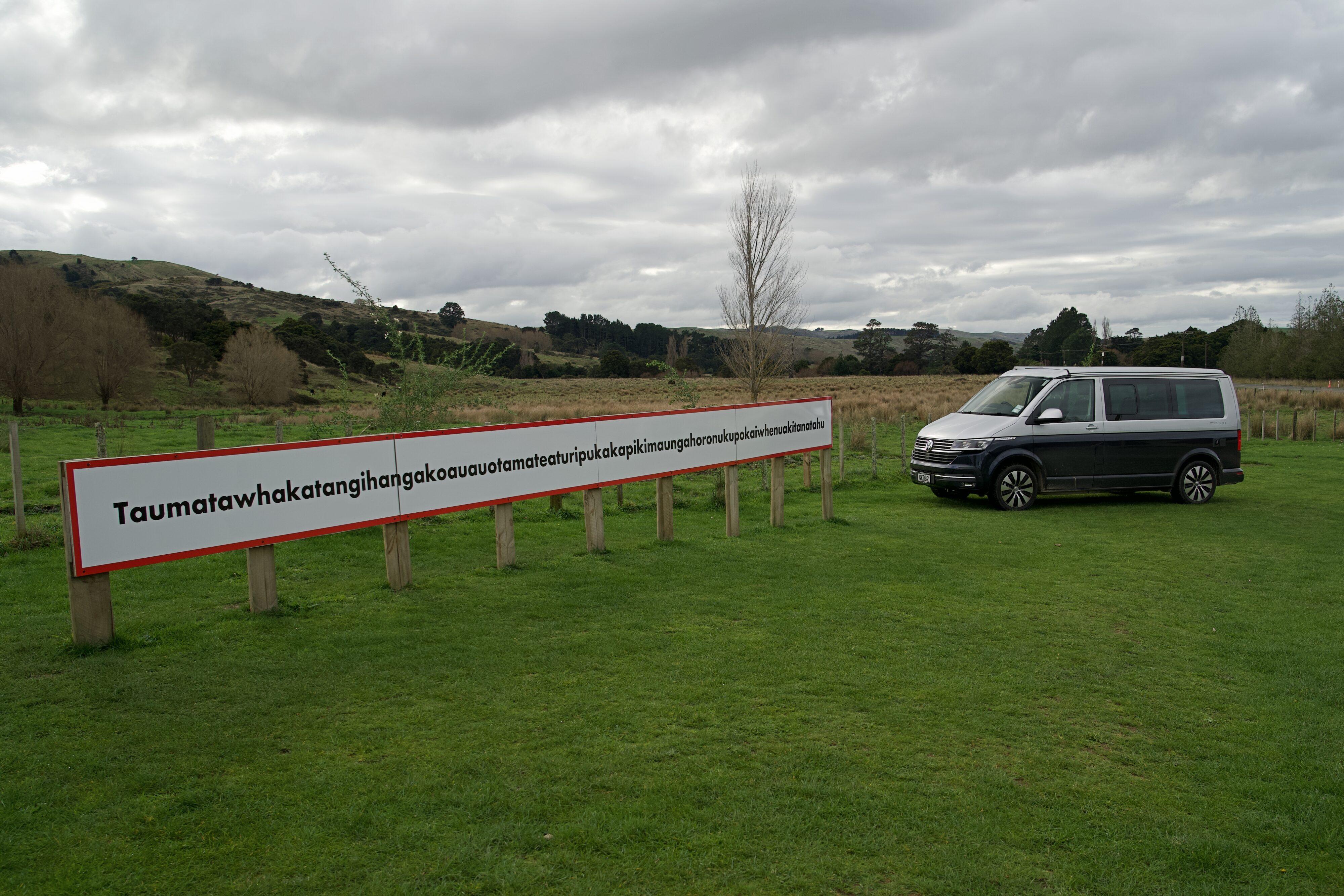
The next stop on our roadtrip was Taumatawhakatangihangakoauauotamateaturipukakapikimaungahoronukupokaiwhenuakitanatahu and no, this is not a typo! You might not know this place, but it is in fact the longest name place in the world! We had been wanting to visit quite some time now, as my wife is very proud she once won an important point in a company quiz for being able to name this place and a bonus point for reading it by heart, so we knew we had to pay the place a visit sometime.
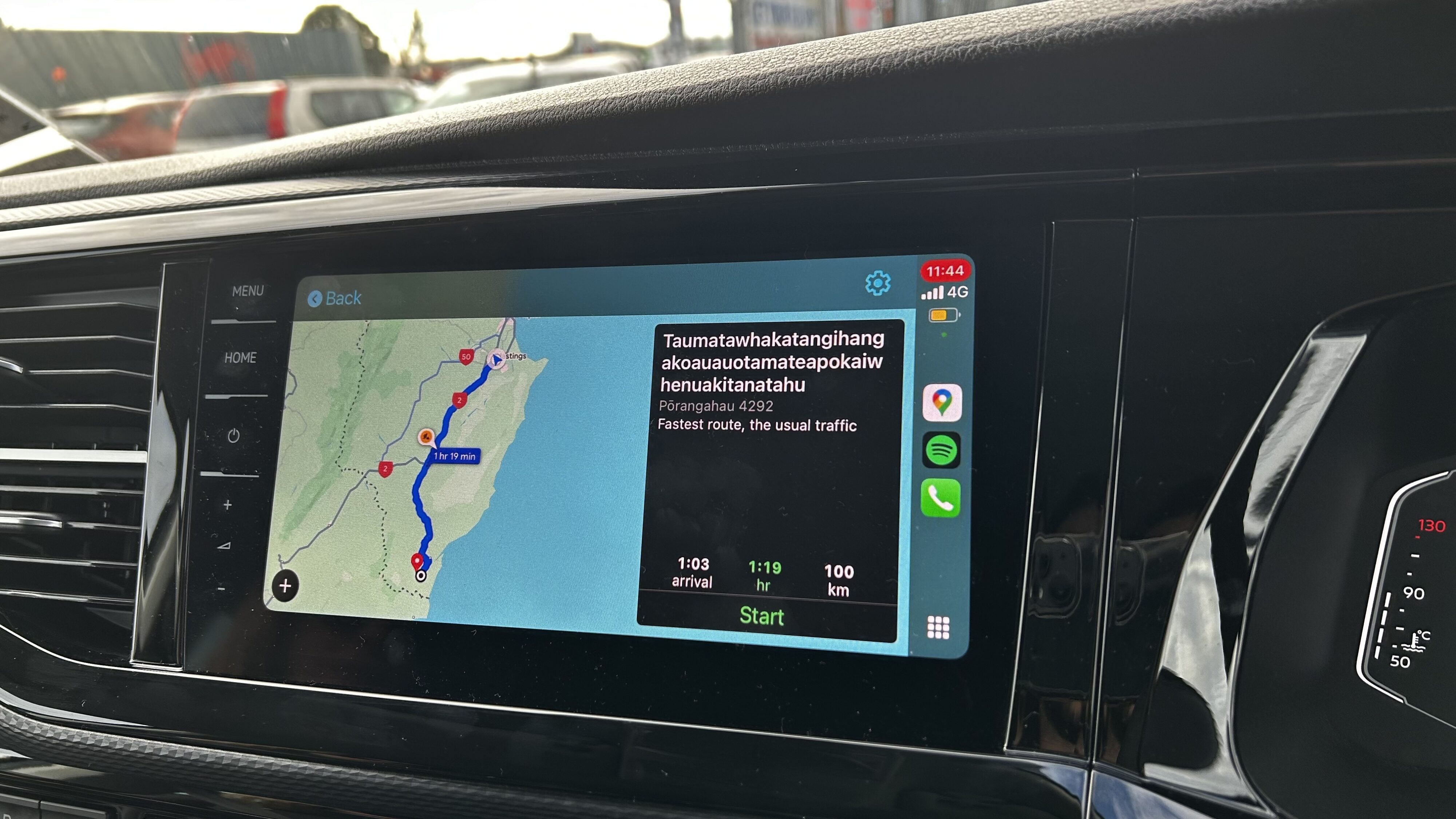
The Maori name alludes to the summit where Tamatea played his nose flute to a loved one, and unfortunately the summit was closed, and the tours not operating. It seems from the billboards there that they are working to turn it into a busier attraction, so a new visit could be on the cards for the near future. But, for now, it’s driving time again.
The 2-litre diesel engine is smooth and provides smooth operation through the gearbox, loving to always be on the highest gear possible. As said earlier, you are never a nuisance on the road and can keep with almost any traffic, but 80-100 motorway passes can sometimes be a struggle. At one point, I tried overtaking a truck thinking I had enough tarmac to build up the required speed to pass but didn’t, meaning I had to backtrack and wait for a passing lane, which is never too far off. It’s not like I was on a rush after all.
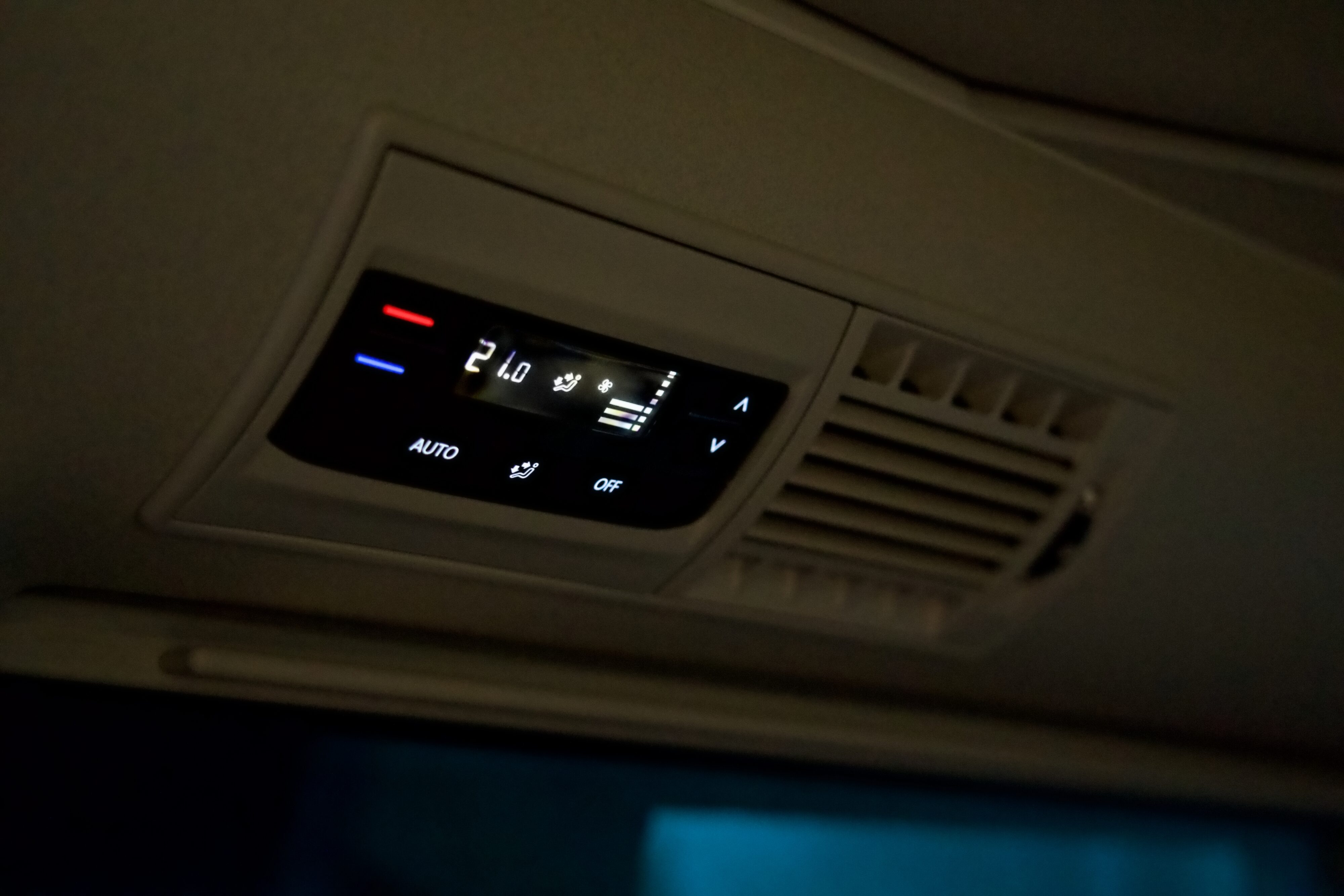
We stopped for our last over night stop and, at this point, I was an expert at cabin climate: when driving, I’d run the rear climate some 2 or 3 degrees warmer than the front so that it was warmed up by the time we stopped. And having the roof down to sleep is the right choice if you’re only using the lower bed, as the heater becomes way more effective. For more extreme conditions, you can also use the dedicated roof screen to force the diesel engine to top up the auxiliary battery to ensure you get enough power for when you stop. I say extreme because we never came close to using up even a third of its capacity, meaning the Cali is packing some serious juice in its batteries.
It was going to be a long day of driving ahead of us, so we jumped at the opportunity to break the drive with an attraction we found on CamperMate. It’s called the White Cliffs and was supposed to be a bit of a walk to check on some interesting rock formations – it is inside of private property, but the owners leave an open access. These formations are similar to those you can see at the Moeraki Boulders, for example, but here the boulders are surrounded by a lush forest, creating a completely different scenery. Someone in the reviews described it as a magical forest from a fairy tale, and it felt quite accurate. The moss-covered boulders and the odd chair and table meant we spent more time there than we actually had to kill.
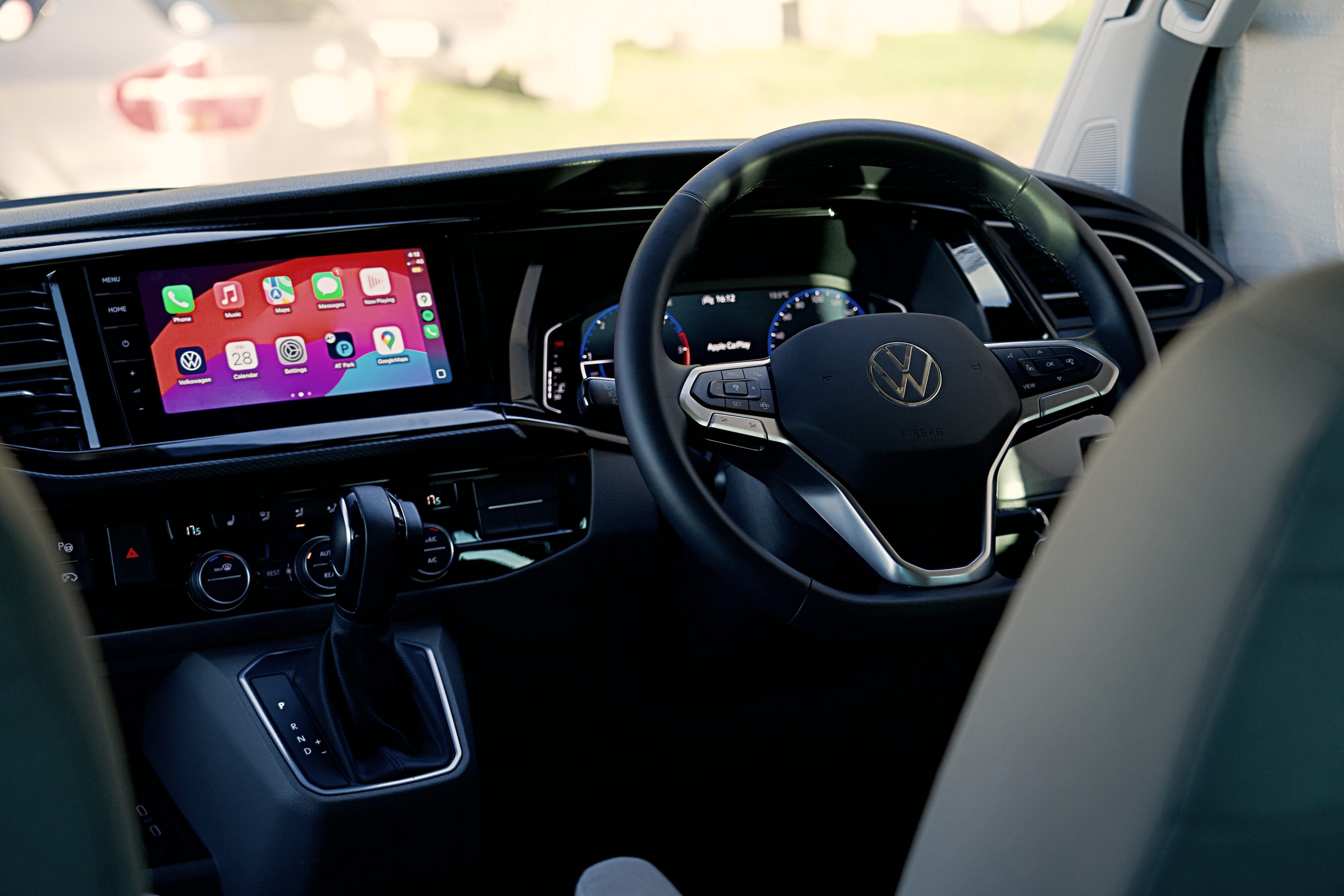
At this point, the versatility of this van was starting to show itself more and more. Volkswagen proud themselves of offering a van with car-like driving dynamics, and that is very true. Interacting with the car commands is a breeze, with a good driving position and satisfactory tactile feedback from most surfaces. I have owned Volkswagens from 4 different decades, but this is the implementation they have ever offered, allowing for muscle memory when driving but still bringing the tech you expect with the customisable drivers screen and great phone pairing.
And the California itself takes that versatility to the next level by being a proper campervan. It might be a little of a stretch, but a family could use this as their single car if they wanted. It seats four with comfort and convenience, doesn’t look like a shed on wheels and can be driven and parked pretty much anywhere.
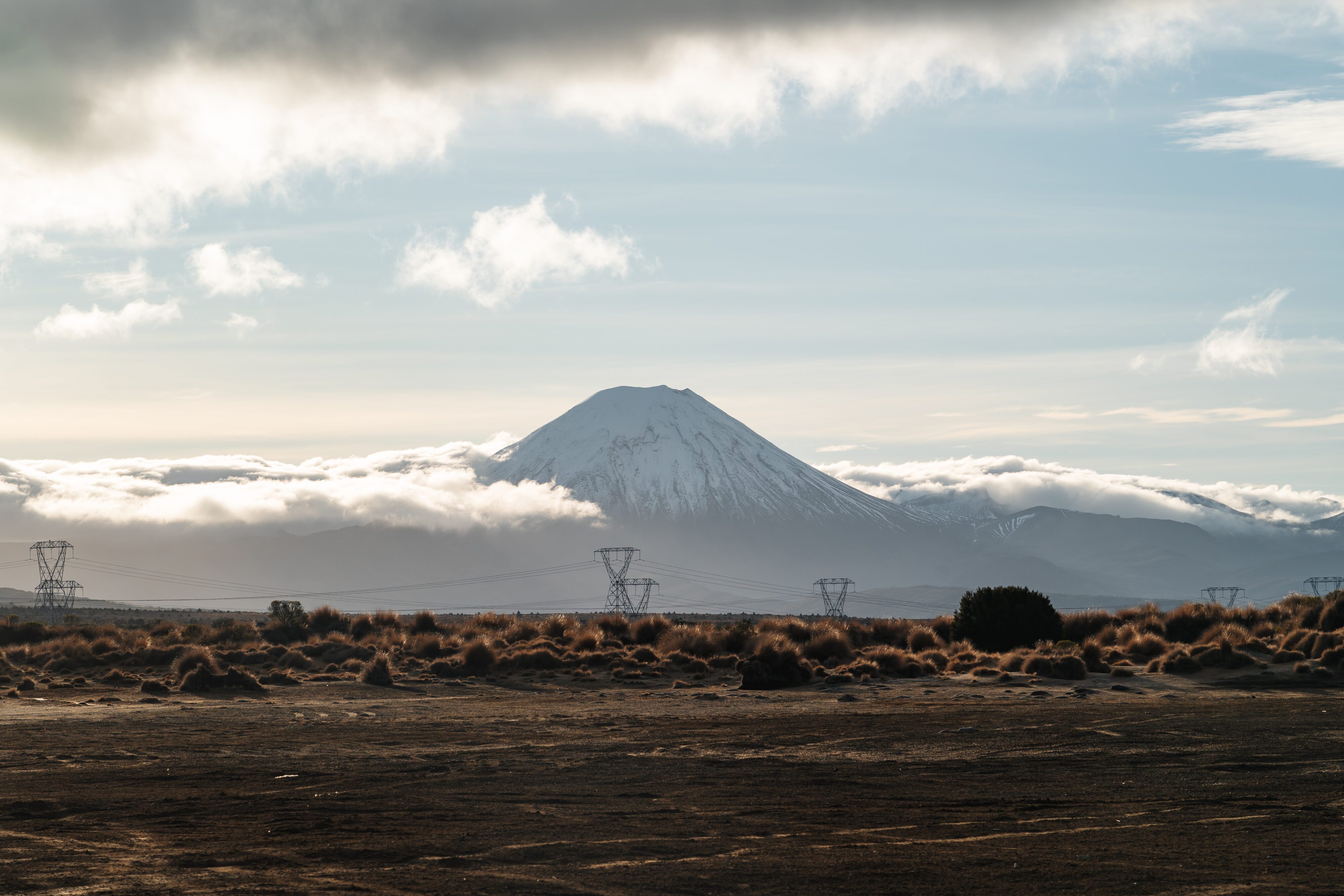
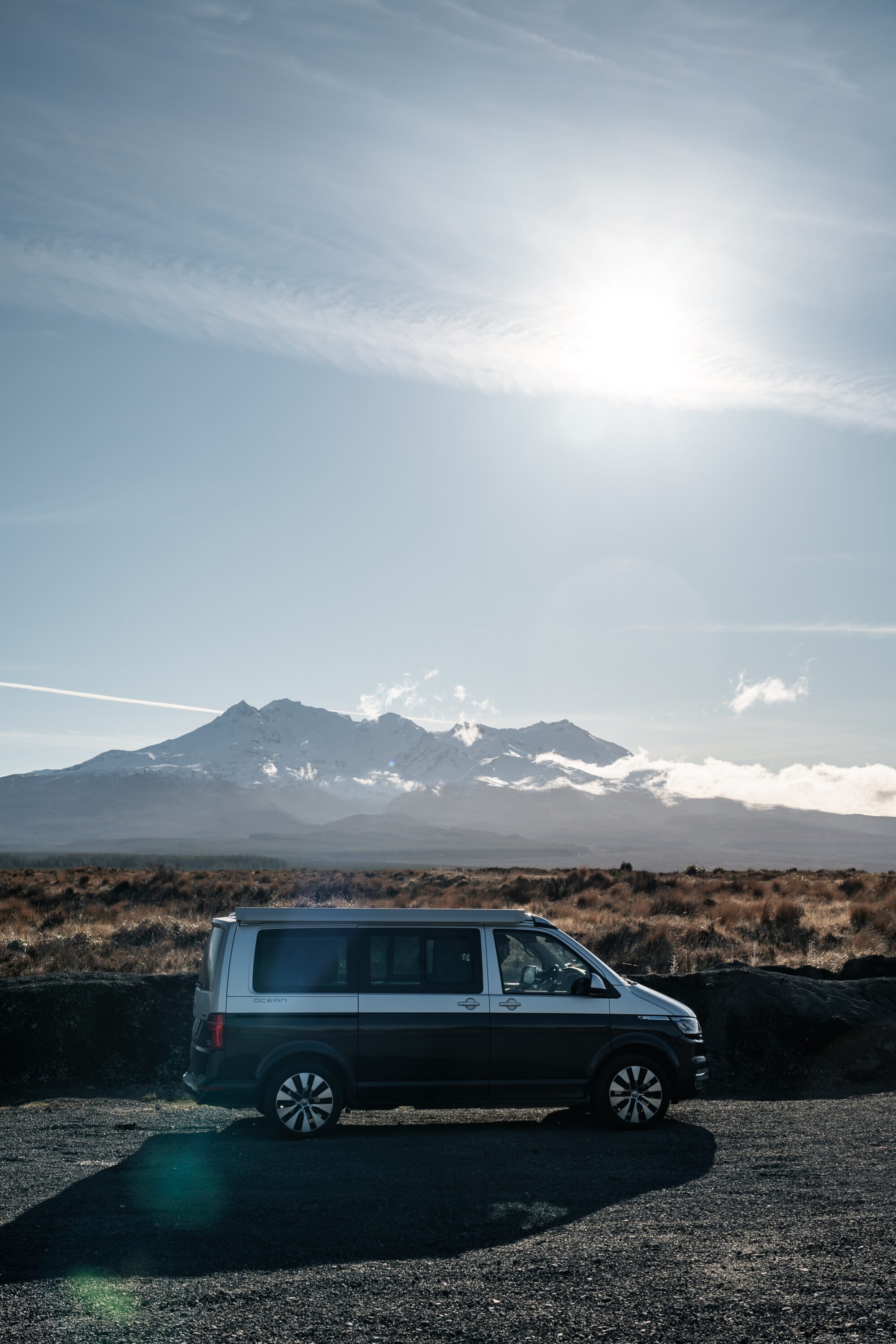
And then, as we started our way back to Auckland, we chose to go the Desert Road route. We stopped for the obligatory pictures with the mountain backdrops as it was too pretty not to, but traffic was building up as the long weekend was coming to a close. This was a long drive, and with fewer crests and valleys, the engine was barely creeping over 1.5k RPM of seventh gear for most of the trip. This is a more natural setting for the Cali, and helped by the relative slipperiness afforded by the pop-up roof this quickly turned into even better efficiency figures. I clocked 8.3L/100km on this drive, which made me think that in a full drive in these conditions – rather rare for New Zealand roads, I know – I wouldn’t be surprised to see the California clock figures very close to 1000km of range on a single tank. Impressive, and just adds to the freedom aspect of being able to drive anywhere and sleep (almost) anywhere.
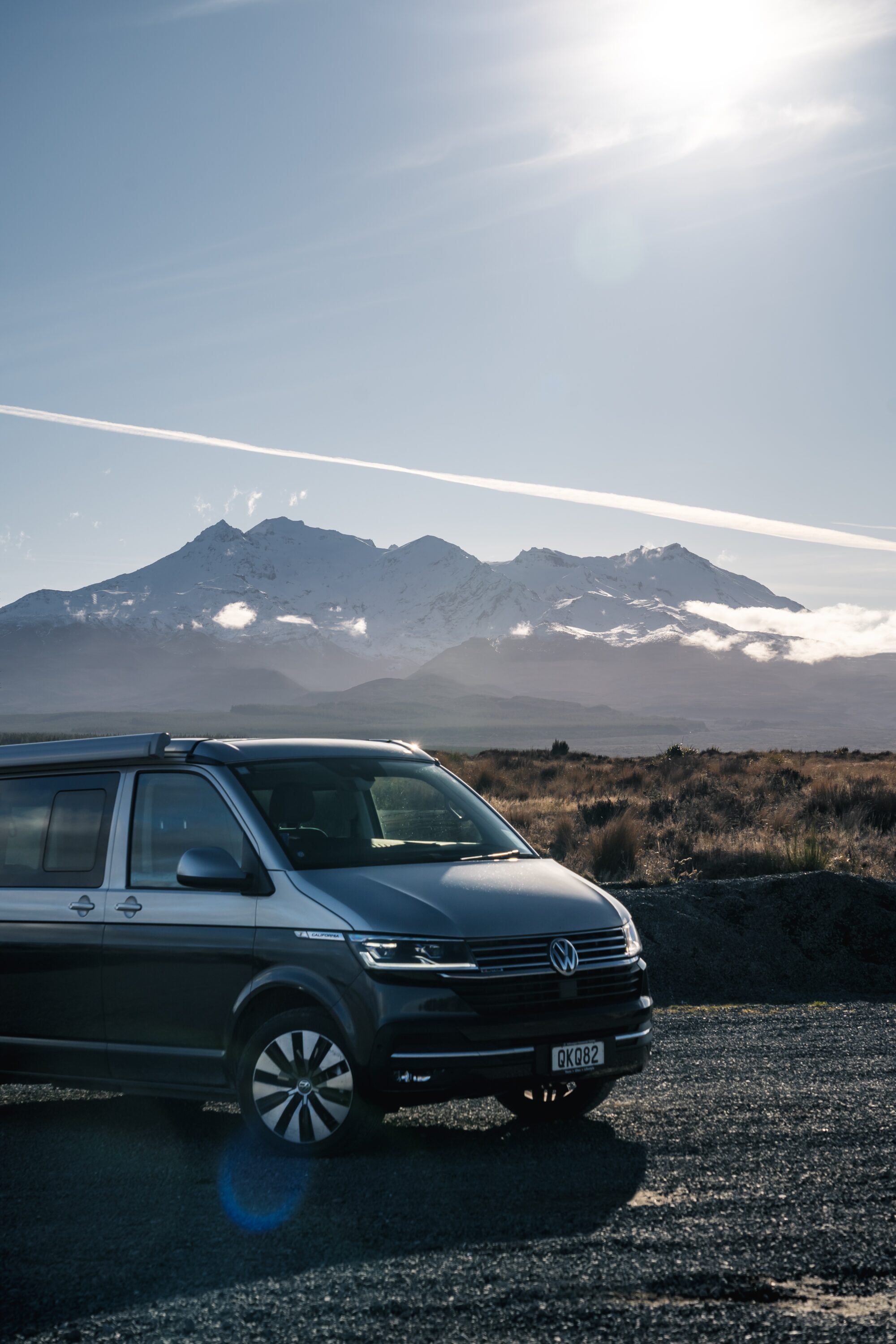
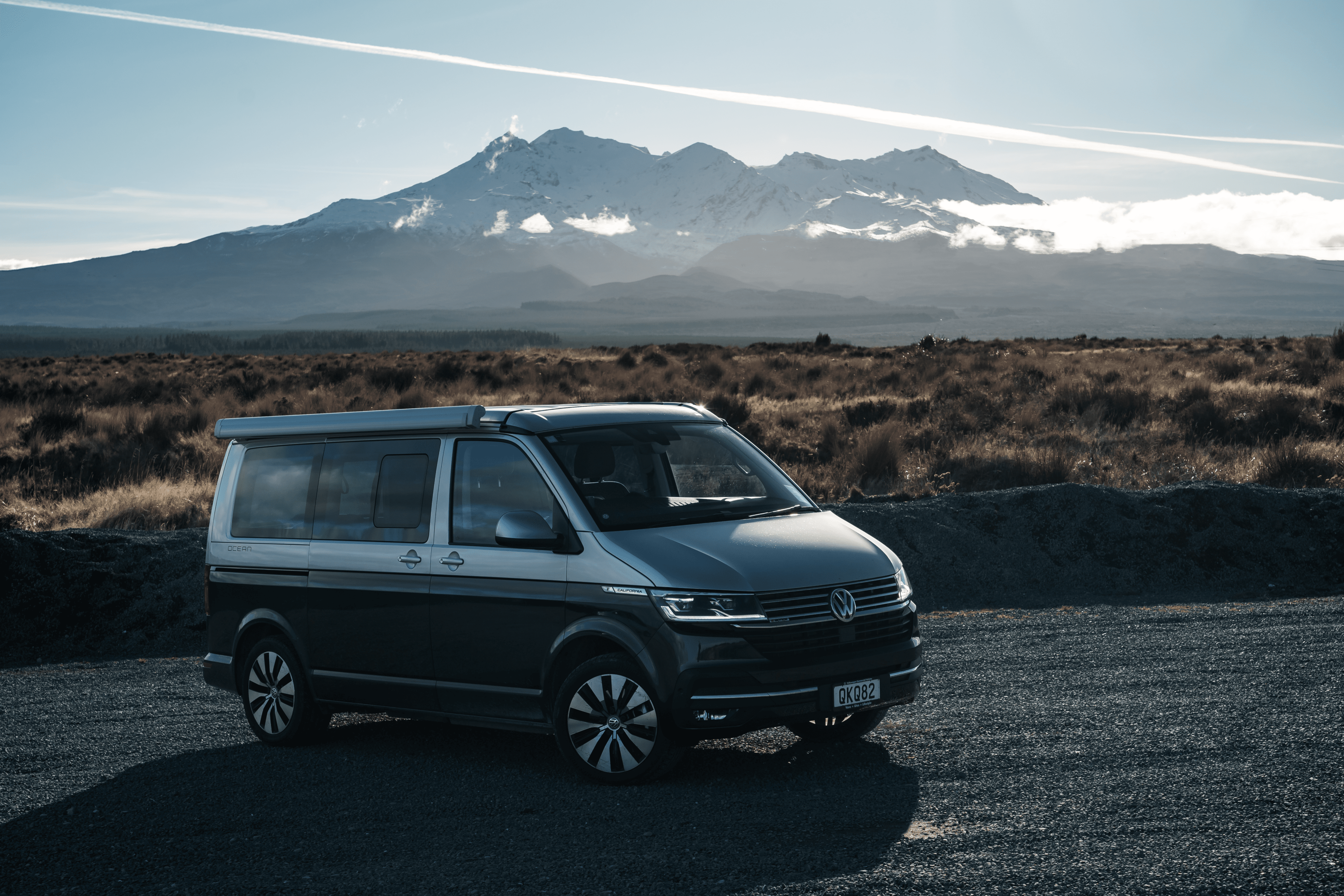
Fast forward a couple of hours and the traffic buildup made it clear we were close to Auckland. It was already night time, where the van’s headlights did their job amazingly, including the great calibration of the auto-high beam feature. And, with that, our time with this camper came to an end. The California is undoubtedly the ultimate campervan, merging a well-thought out space with amazing finishing touches and the best driving dynamics a house on wheels can have. Yeah, it’s pricey, but you would be pressed to find another cohesive, in-house built project like this available on a dealership showroom floor. It is for those looking for the ultimate four seater, 4 berth campervan, and I’m glad I got to try it out.
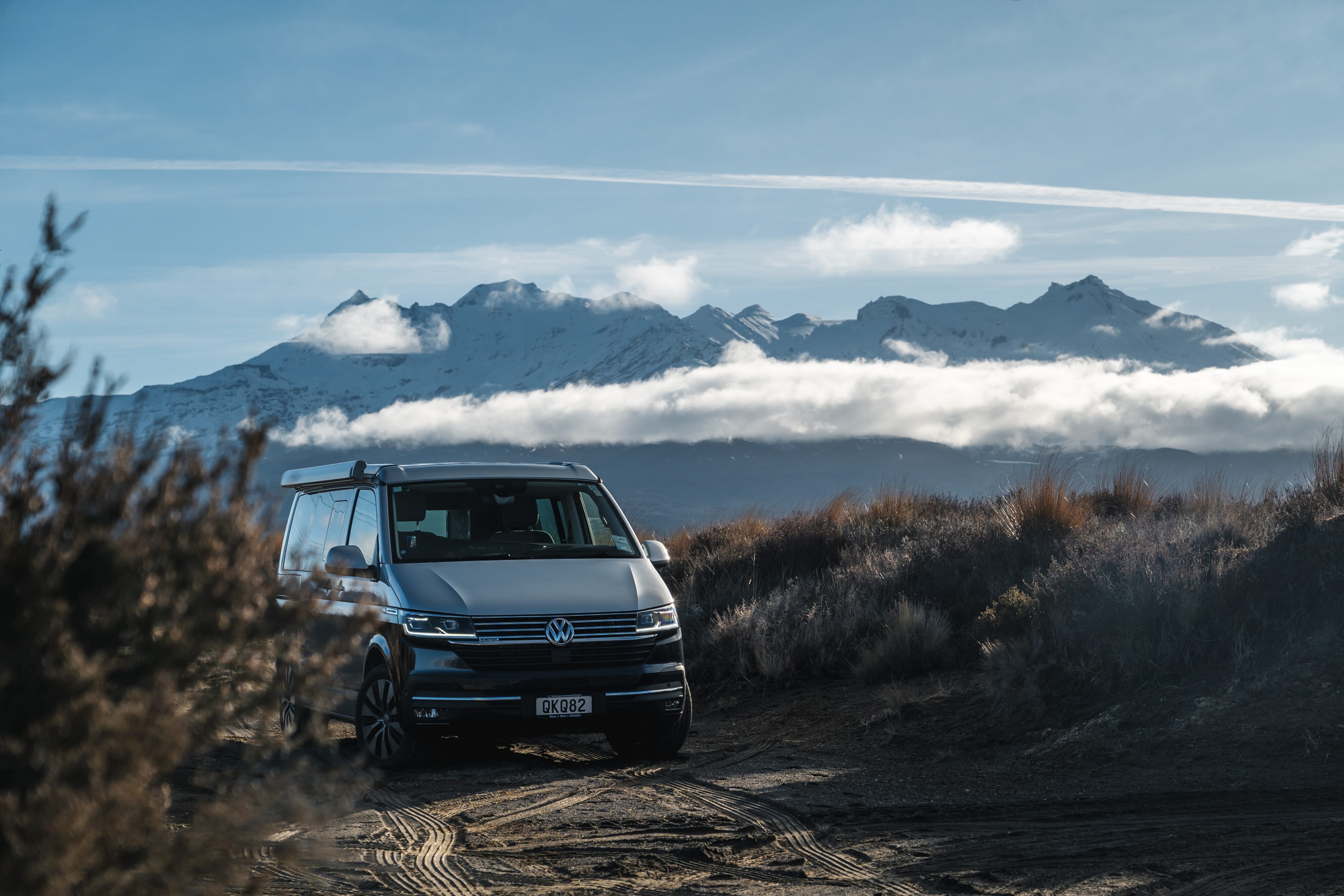
Thanks, VW for the opportunity, it’s definitely one I would love to try again, and again!