It has certainly been sometime since Toyota have given us a new Land Cruiser Prado. The last variant of the Prado dynasty, one which has gone down as one of the most rugged and popular nameplates in the Toyota back catalogue, was released in 2009.
Fast forward to 15 and a bit years later, the Prado is back and showing itself, much like its noughties predecessor, to be immensely popular. Honestly, I have seen so many new Prados around my native Canterbury throughout 2025, so it was high time I experienced this long awaited follow up.
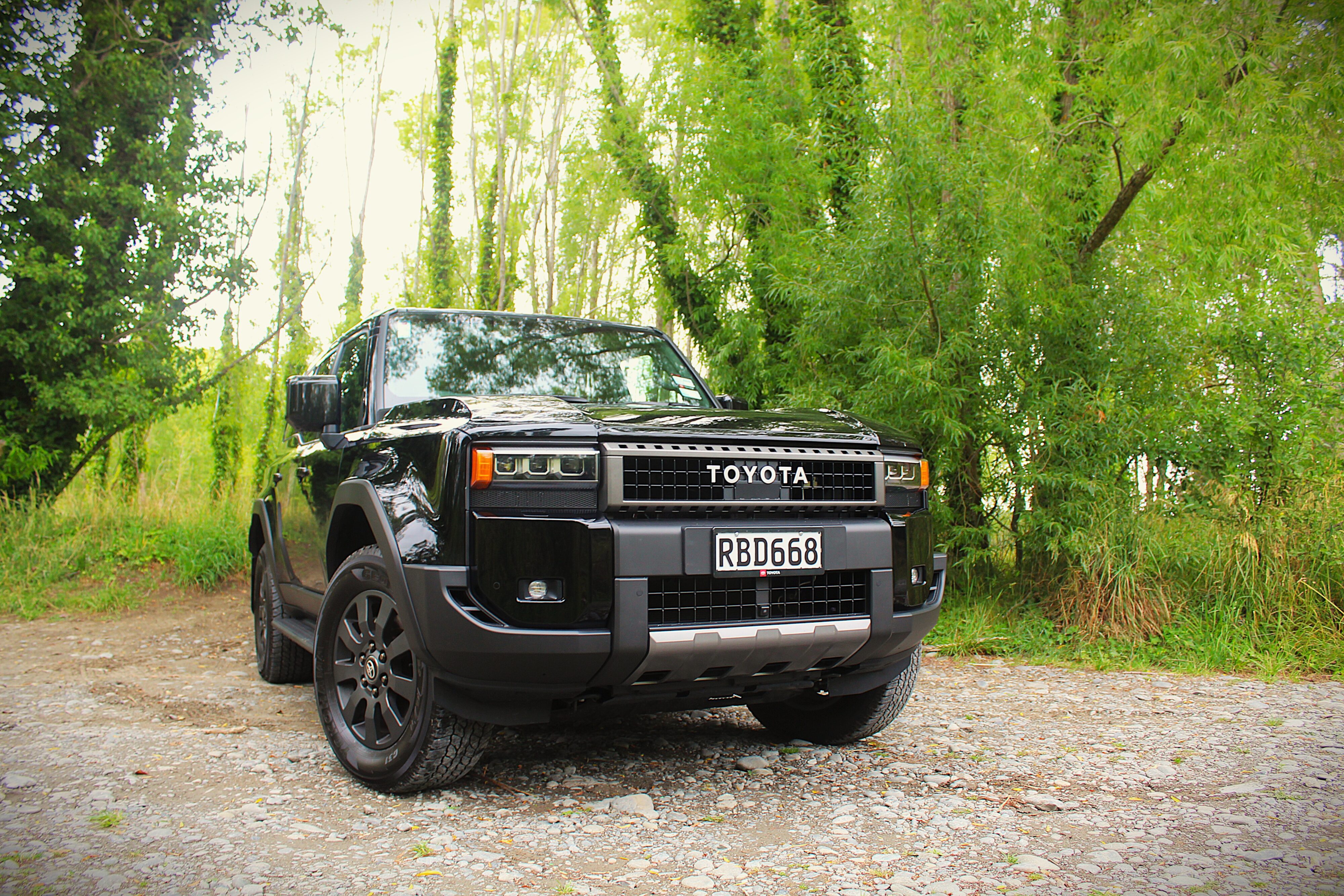
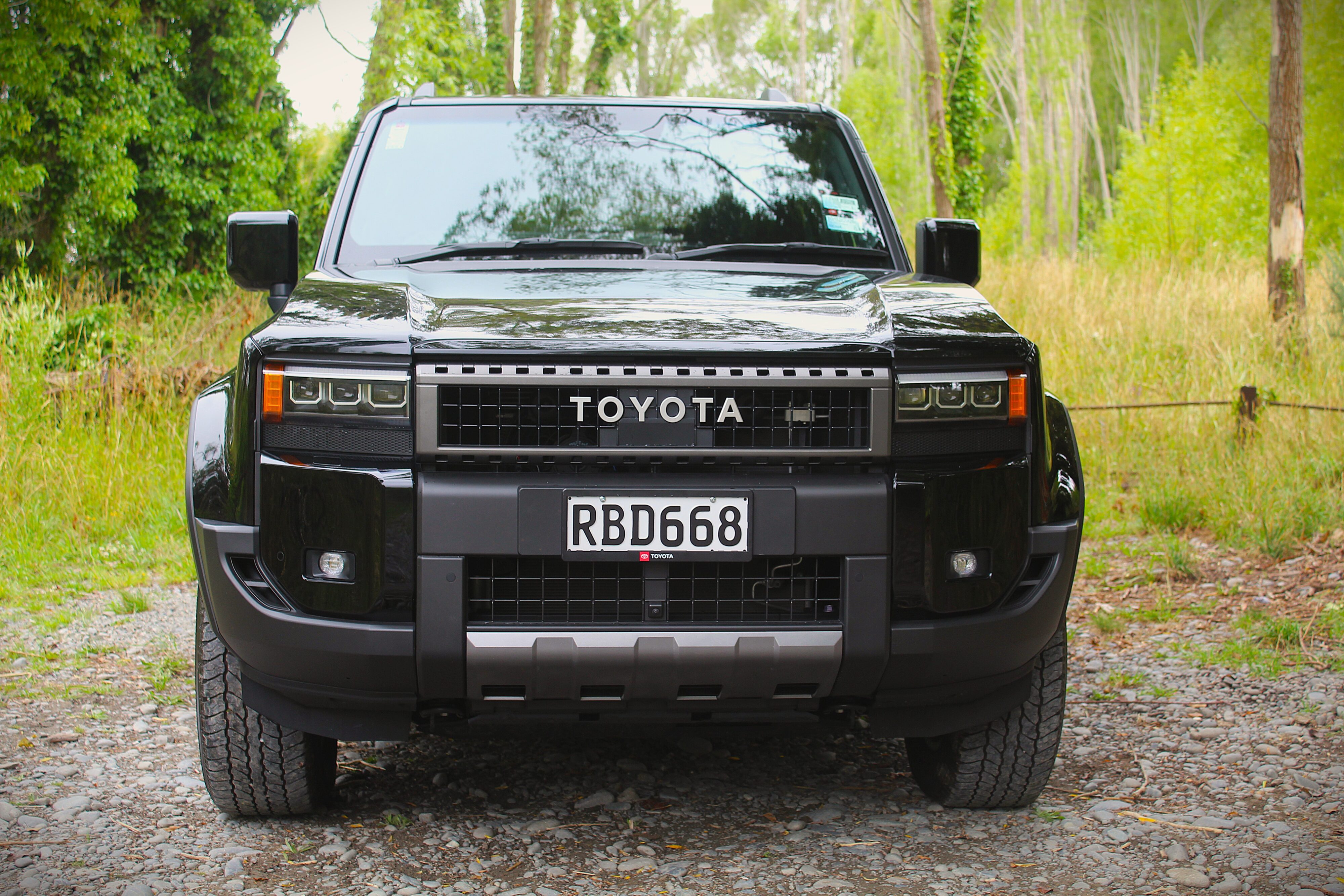
The new Prado is certainly a statement when see it up close. It’s an angular design which echoes the design of Land Cruisers and Prados of old but still looks modern and contemporary. Its square-jawed stance, minimalist LED headlights, rectangular grill, 18-inch dark grey alloys, and protruding arches blend aggression and convention very well. Built on Toyota’s TNGA-F platform, the new Prado is also 50 per cent more rigid than its predecessor
Every Prado model is powered by a 2.8L turbo diesel four-cylinder engine. Also, each model earns the “hybrid” designation, but the new fella is not a hybrid in the conventional sense of the word but instead sporting a 48v mild hybrid battery pack which is situated under the boot floor. It provides an extra 65Nm of torque and powers the likes of the air con and entertainment features when the engine is off.
Total power is 150kW and torque at 500Nm, both of which are naturally sent to all four wheels via an eight-speed automatic transmission. You can also tow up to 3500kg braked. Yep, the Prado has the potential to haul 3.5 tonnes of whatever repeatedly.
Toyota claim combined fuel consumption sits at 8.7L/100km, that said I was able to average around 10L/100km. Then again, a combination of semi-spirited driving and restrained commuting around suburbia and motorway travel.
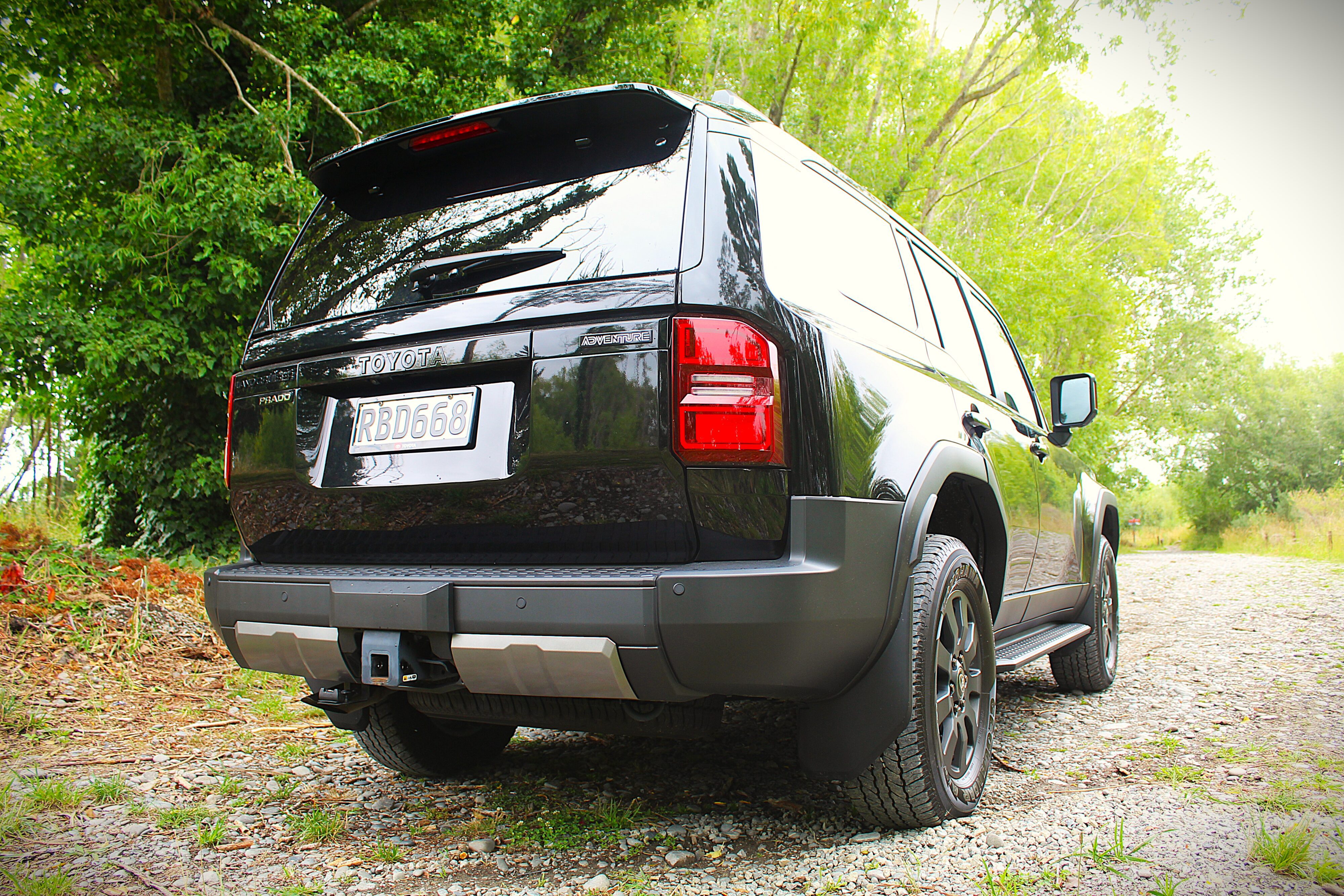
Toyota’s overall plan to reduce carbon emissions has prompted the addition of Adblue engine additive with Prado being the first new Toyota to receive it. This additive converts the nitrogen oxide emitting from the exhaust gases into nitrogen and water vapour, resulting in less of a carbon footprint than before. Each Prado sold will have a reservoir capable of hold 17.4 litres of Adblue. This supply will be topped up with each service, but Toyota say this should last around 15,000kms.
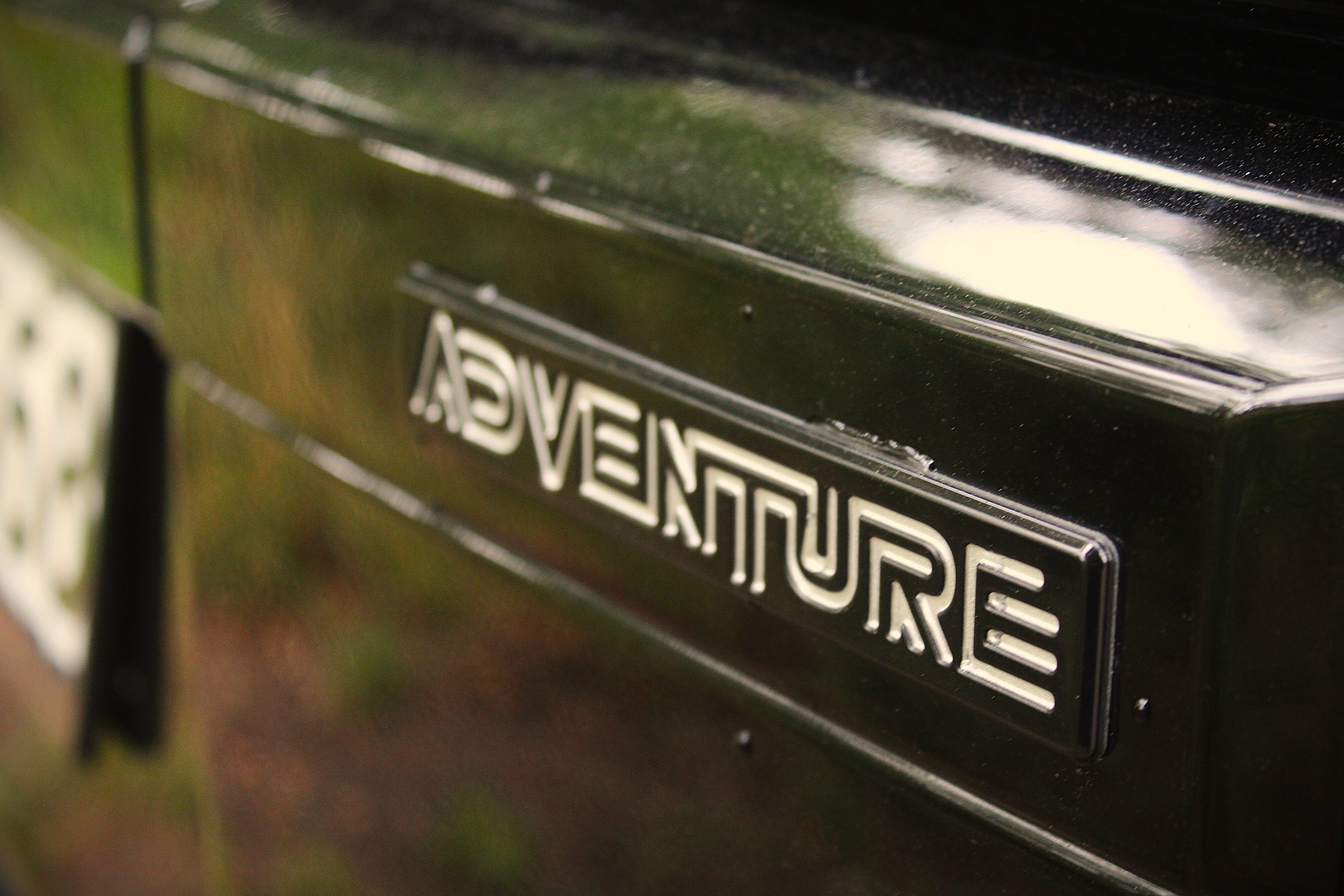
The new Prado can be had as a five or seven-seater in a variety of trim levels. This kicks off with the GXL Hybrid Five-Seater and a Toyota Driveaway Price (TDP) of $84,990 and finishes with the flagship VX Limited Hybrid at $107,490 TDP. If you are wanting to take the Prado’s off-road capabilities to the absolute maximum, then opting for my test car, the Hybrid Adventure at $104,490 TDP for the Five-Seater, or $105,490 TDP for the Seven Seater. Budget an extra $1000 for each model respectively if you want your Adventure with a two-tone paint scheme.
The interior of the Prado reflects a contemporary design, complemented by subtle heritage elements such as the “Toyota” block lettering. The layout exhibits some American influence, particularly in its organisation, which helps distinguish the new Prado within Toyota’s SUV line-up.
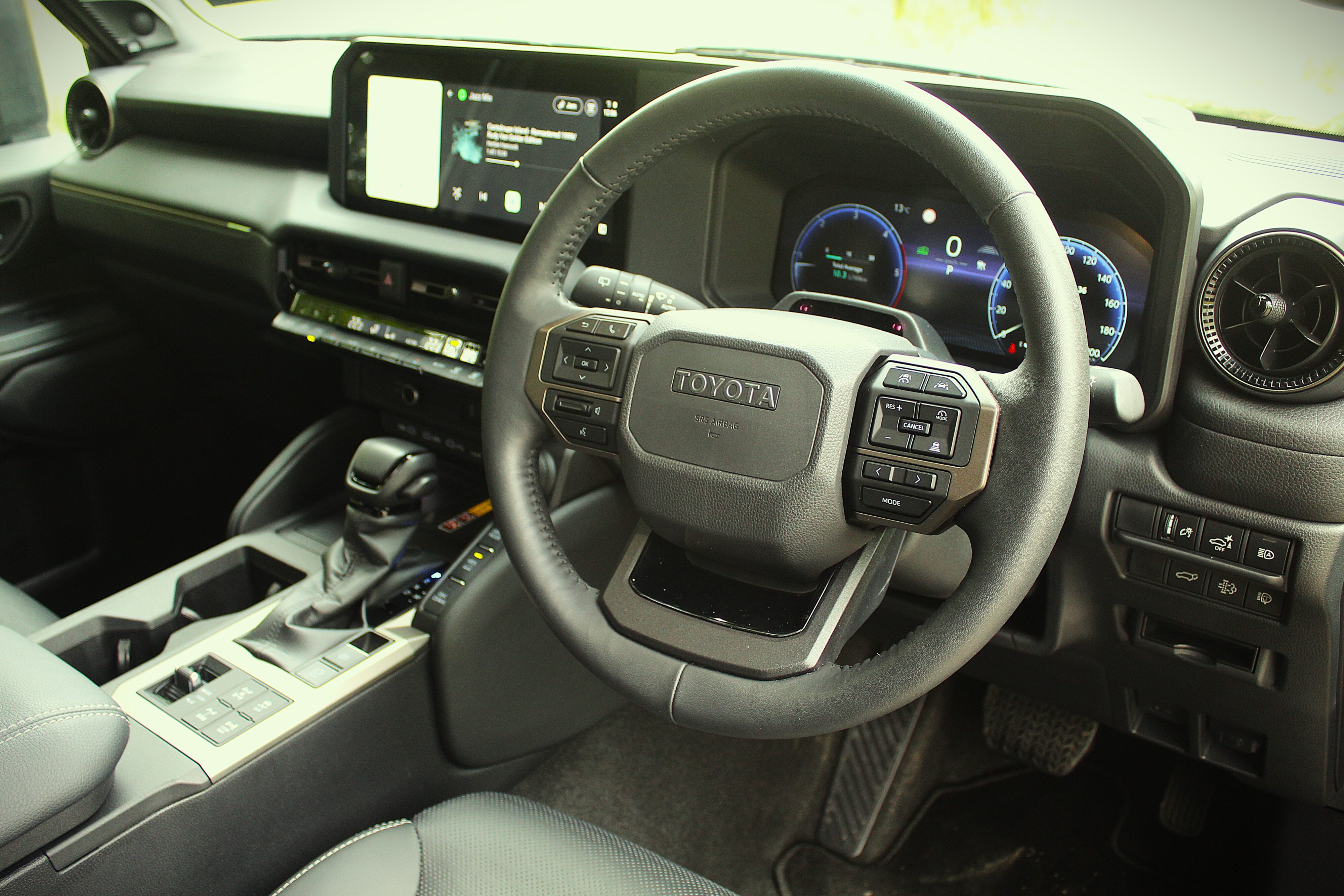
Durable switchgear is here is spades, as is a plethora of good quality materials. I love how most things seem to be driver focused and nothing is too far of a stretch to reach. There is plenty of front and rear space, and the heated, ventilated seats are comfortable and supportive.
Standard kit includes wireless Apple CarPlay/Android Auto, wireless phone charging, panoramic rear view camera, heated and ventilated synthetic leather seats, 7x USB C-Ports, a 12.3-inch multi information display, a 12.3-inch infotainment system and a full Toyota Safety Sense Suite with features like curve speed reduction, lane keep assist, Toyota’s pre collision system, rear cross traffic alert and blind spot monitoring to name a few.
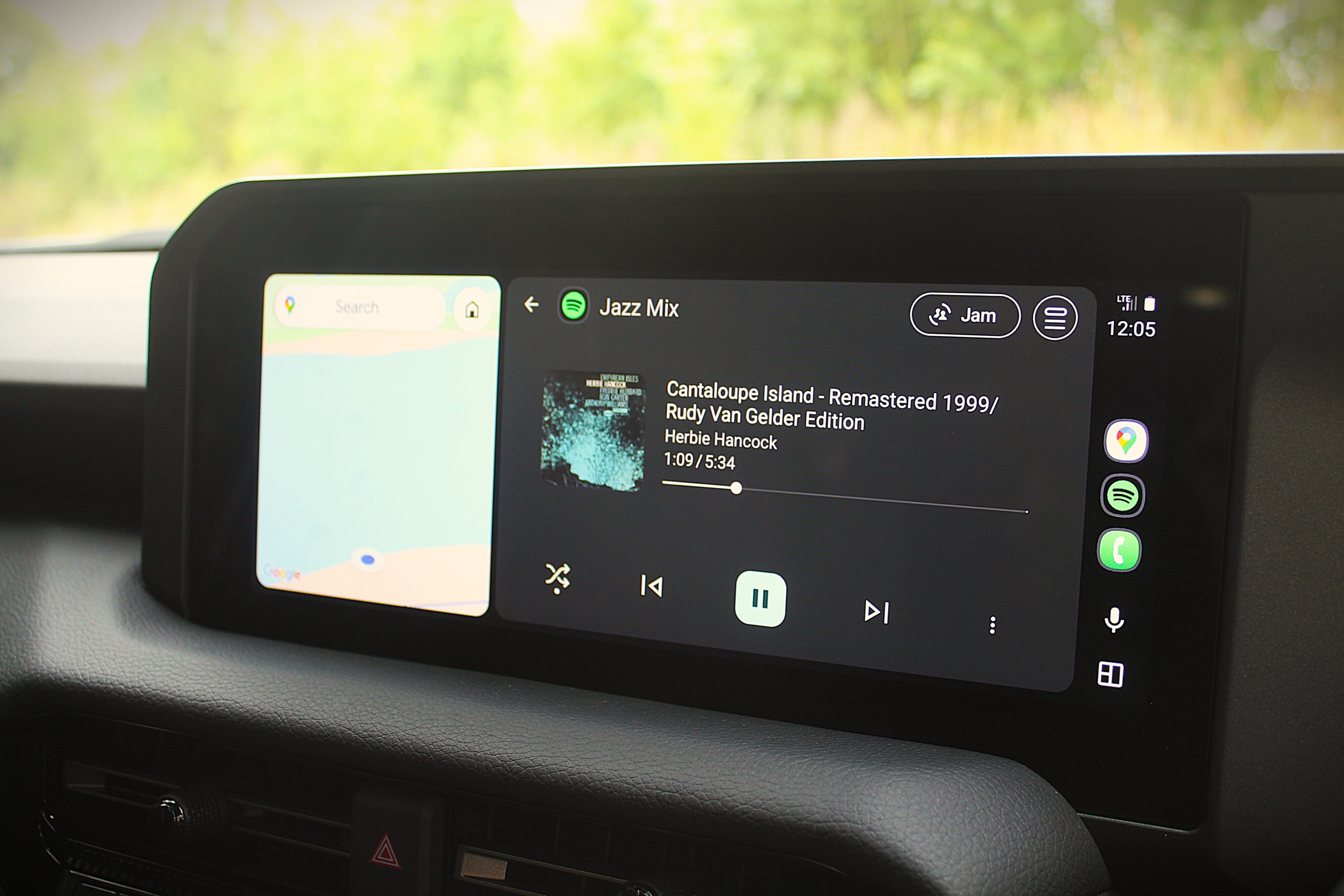
The Adventure gets extra goodies like a premium JBL sound system and some additional off-road tech which we will expand into in a few moments. The infotainment system is clear, concise and easy to use. The Android Auto system is very intuitive and looks great, plus that aforementioned JBL stereo does a mighty fine job of doing Herbie Hancock and “Satchmo’s” (Louis Armstrong) immense talent justice on the daily drive.
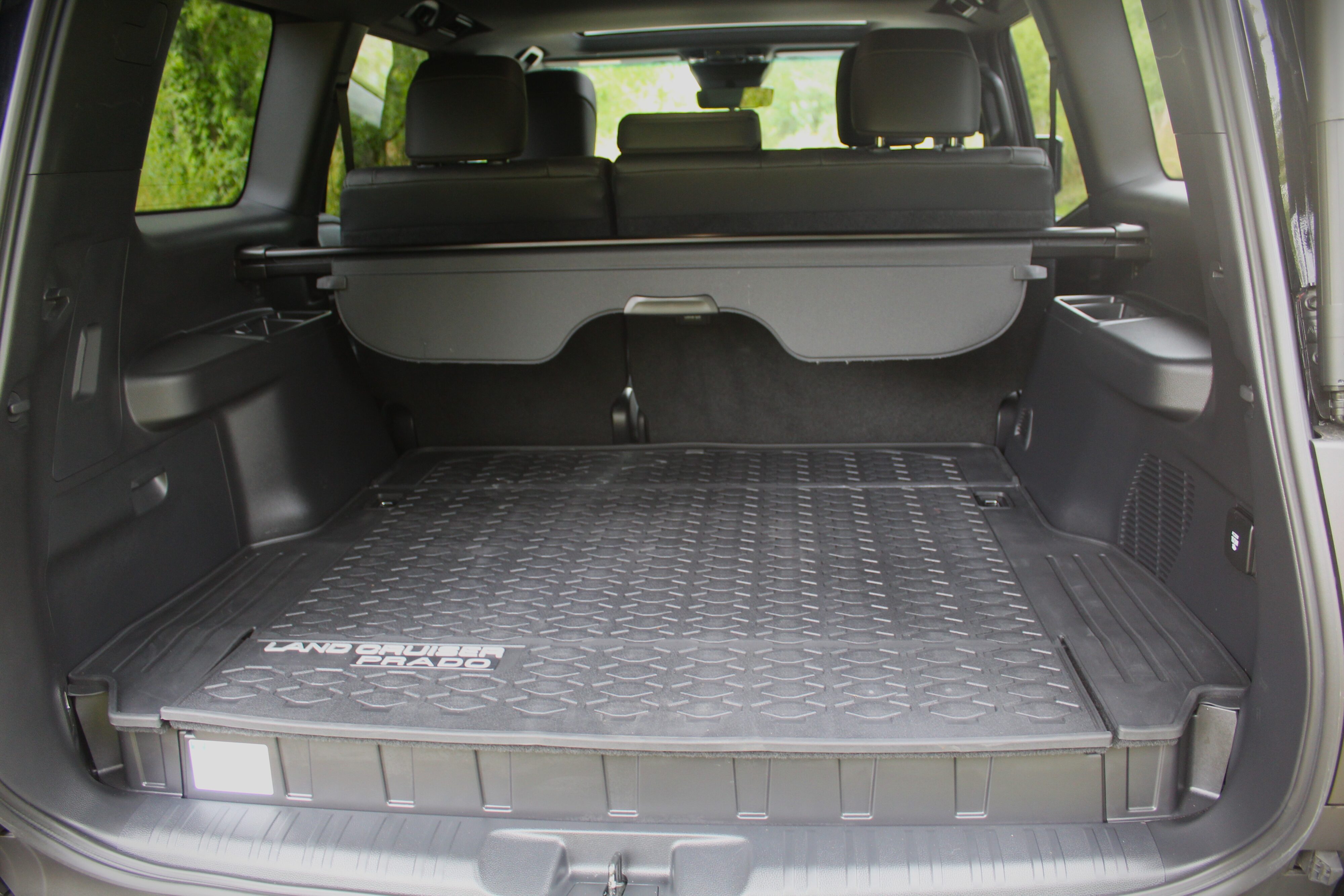
Boot space is rated at 906L with the third row in the seven-seater version stowed away and 954L for the five-seater. The seven-seater also shrinks to 182L with the third row in place which is hardly surprising.
The 2.8L turbo diesel four-cylinder engine continues to have its characteristic diesel sound, but overall, it offers much smoother power and torque delivery. The added boost from the 48v battery pack also provides extra acceleration. Getting up to a suburban saunter and everything quietens down and despite the merest suggestion of tyre roar from that set of all-terrain rubber, it is far more refined and far less agricultural than you might think.
At 4990mm long and 1980mm wide it is a big car, but it does sort of shrink around you as you motor along. Also, all-around visibility isn’t bad either as you sit quite high up. However, it was time to find out just how much adventure can be had in the Prado Adventure Hybrid.
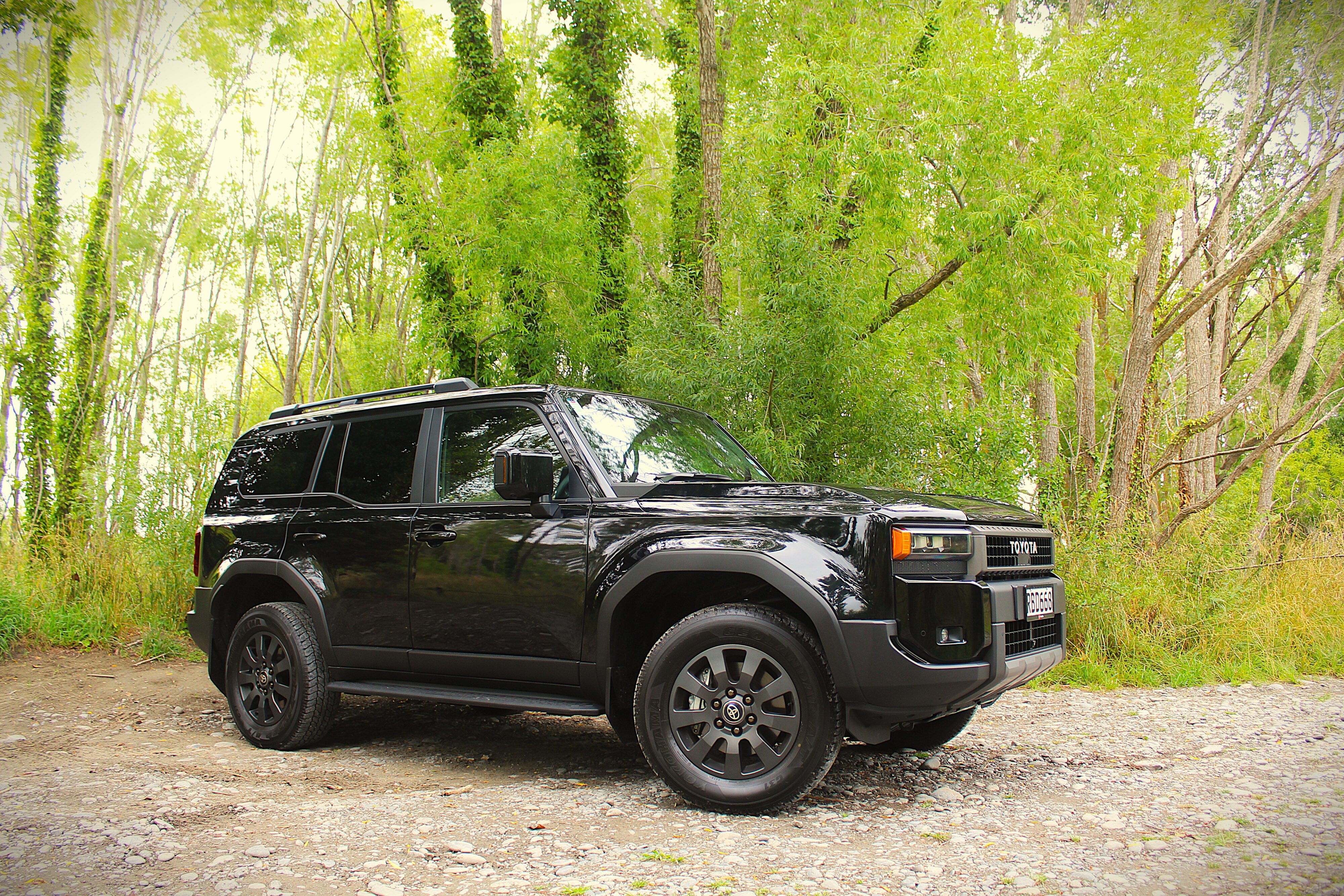
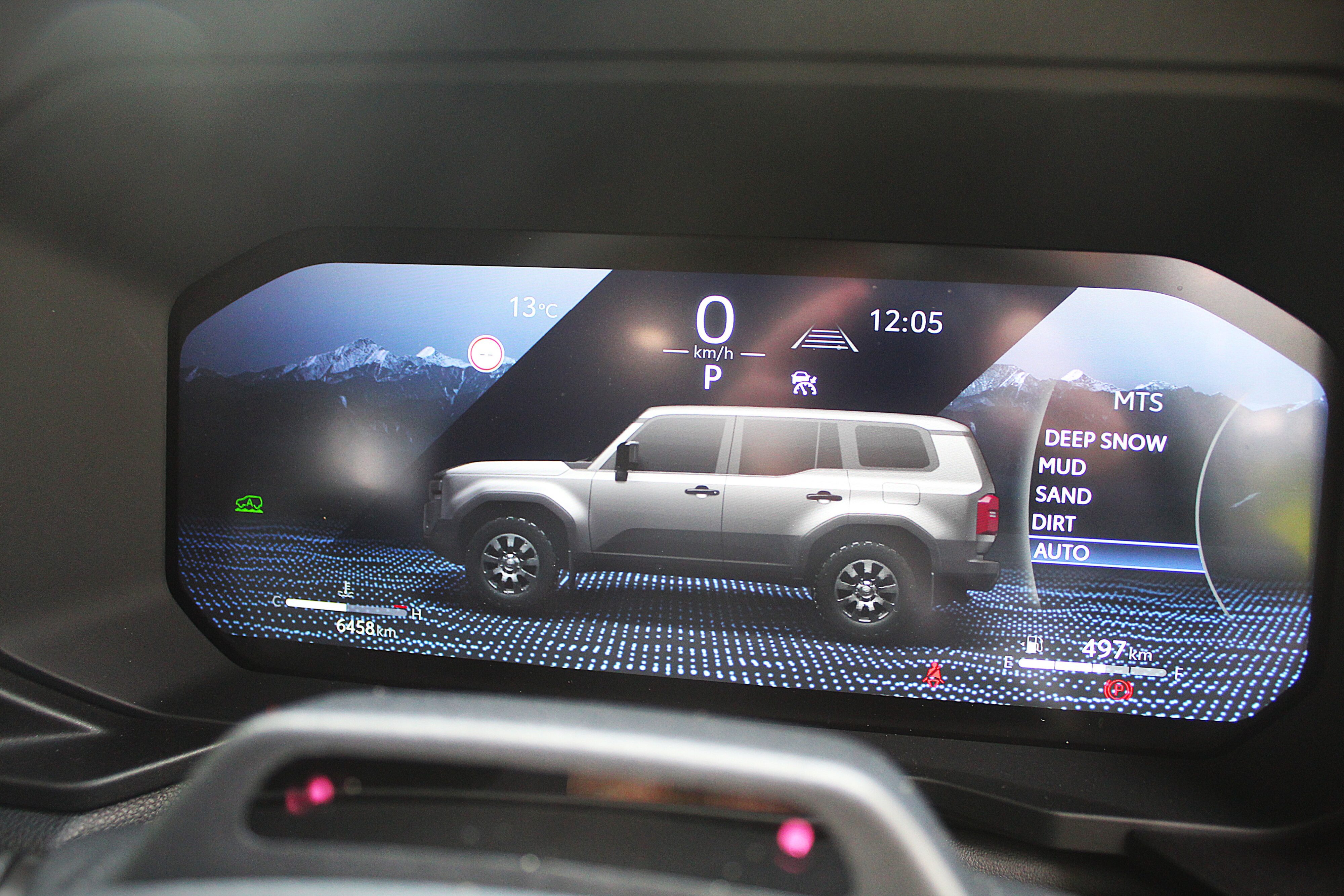
The Prado excels at tackling tough terrain, thanks to its 205mm of ground clearance and an impressive 700mm wading depth. All Prado models, except for the GXL, are equipped with Toyota’s multi-terrain selection system. This system offers modes for dirt, sand, mud, deep snow, and rock, along with central and rear diff locks, and features CRAWL mode with five selectable descent speeds.
Plus, with cameras all around for better visibility when on those tight technical bits of terrain, it’s reassuring to know that the Prado is prepared to handle nearly any type of terrain you encounter.
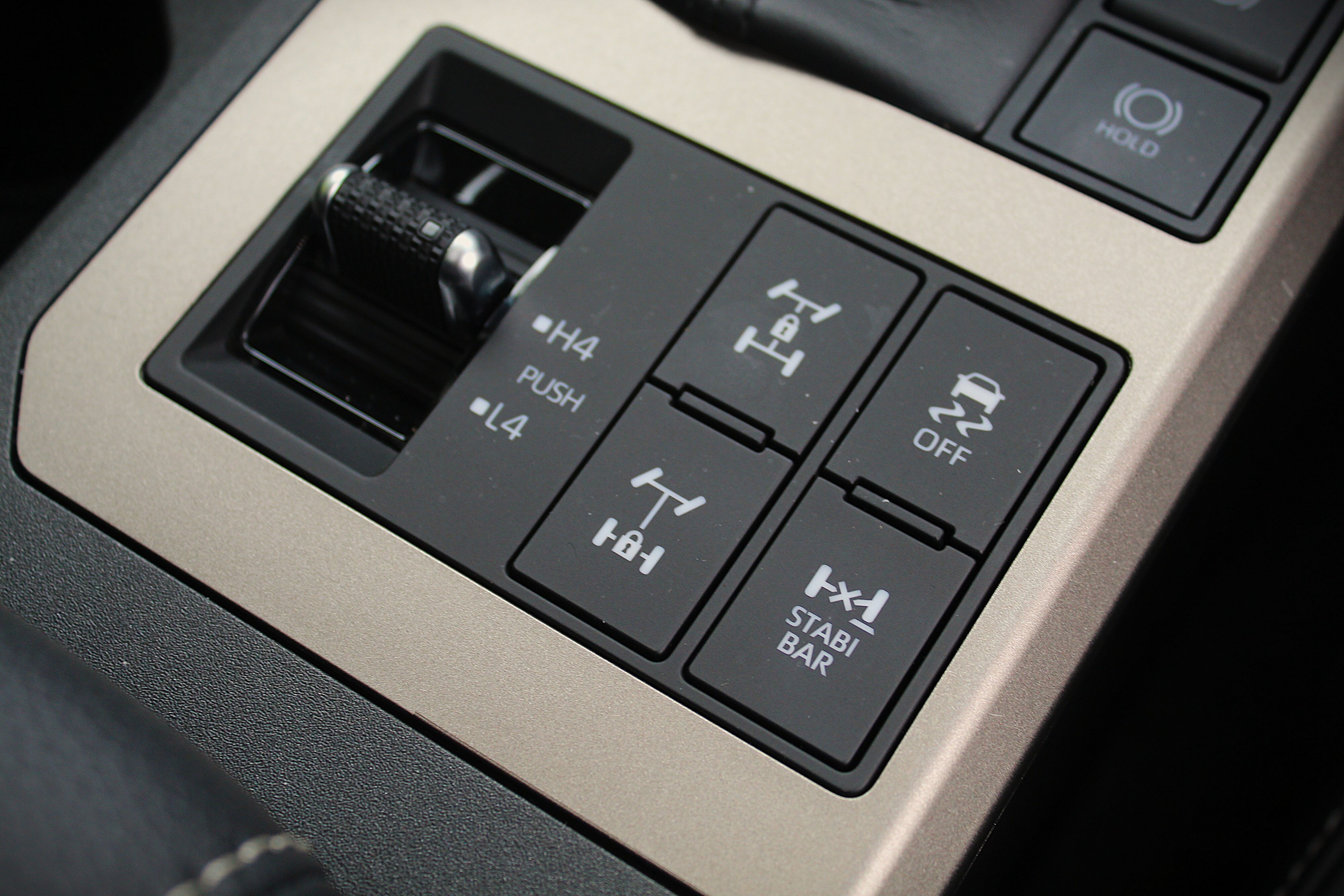
Aiding this ability even further is Toyota’s Stablilzer Disconnect Mechanism. Operated from within the cabin, press this button and the Prado’s stabilizer bar is disconnect from the stabilizer link itself.
The means that while the Prado’s stabilizer is fully in play on the tarmac, activating SDM in an off-road situation, means the car is less stiff and more pliable in rough terrain. I had a play around with this function and found it makes a noticeable difference when on the move, whether its on muddy inclines or gravel roads. You can cover ground at a brisker pace, and everything remains composed and relaxed.
Even without this function, the new Prado is immensely capable and one which I would have no qualms to navigate stoney riverbeds and other “far-out” ways of getting home.
In summary, there really isn’t much about the new Prado I don’t like. Also worth mentioning is the GXL undercuts my Adventure by near as makes no difference, $20,000. So, I would recommend you save the $20k and go for that if you won’t be using your Prado for conquering the rough stuff. However, those die-hard off road enthusiasts will find everything they are looking for and more in the Adventure.
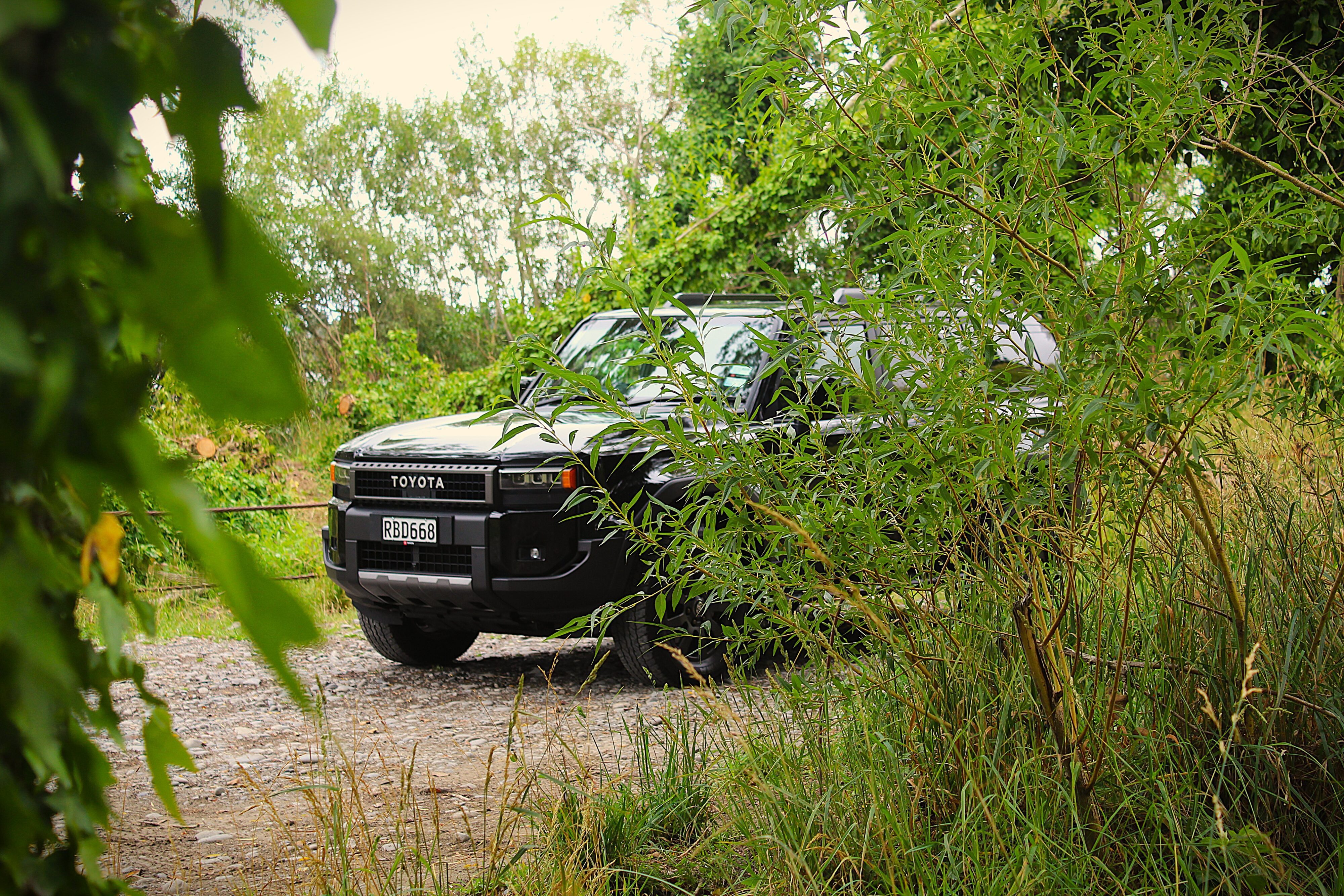
It’s been a long time coming, but the new Prado is a solid effort all around from Toyota and easily one of the most accomplished and well-rounded SUVs in this segment, one which can work in just about every situation.
RATING: 8.5/10