Ahh New Zealand, a country celebrated for its pristine landscapes, ambitious climate goals, and a growing passion for electric vehicles. With the government’s commitment to achieving net-zero carbon emissions by 2050, some Kiwi motorists are contemplating the once-unthinkable: converting their beloved internal combustion engine (I.C.E) vehicles into electric dreams. But as with many noble environmental pursuits in our remote island nation, reality comes with a shocking price tag and unforeseen complications – even to the planet.
The Tyranny of Distance: New Zealand’s Geographical Challenge
When you live at the bottom of the world, nearly everything automotive must endure a lengthy journey across vast oceans. For EV conversion enthusiasts, this presents the first major hurdle. Most specialised components (motors, controllers, battery systems) must be imported from manufacturing centers in China, Europe, or North America.
This means for example. that a standard 50kWh battery pack shipped from China to Auckland generates approximately 600kg of CO2 emissions during transport alone. When you factor in controllers from Germany and specialised adapters from the US, a single conversion project can create a carbon footprint that requires several years of emission-free driving just to offset the shipping impact.
The Dollars and Sense of Conversion
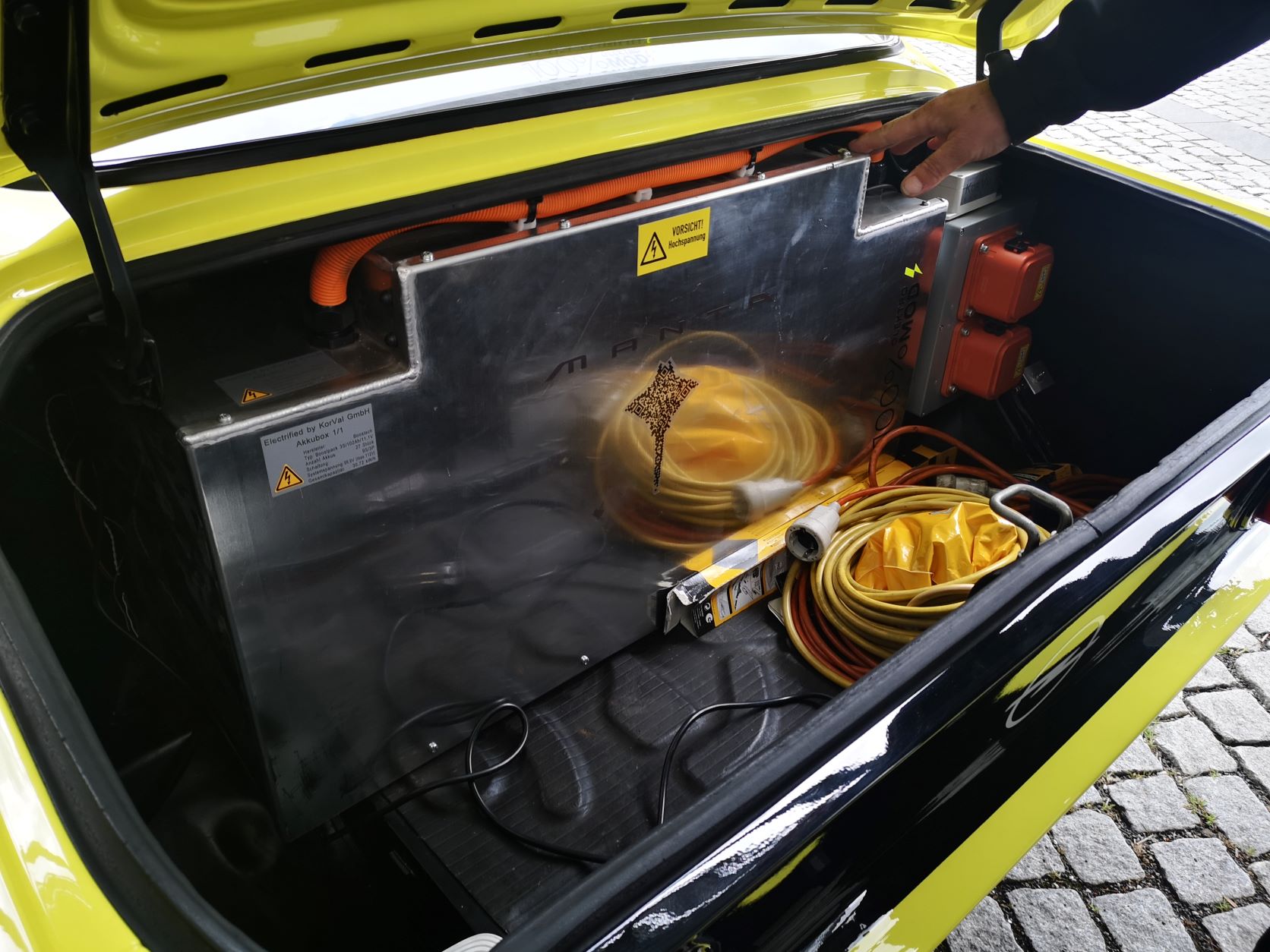
Let’s talk numbers, and fair warning, they’re not for the financially faint-hearted:
- Electric motor and controller: NZ$12,000-25,000
- Battery pack (50kWh): NZ$15,000-30,000
- Battery management system: NZ$2,000-4,000
- Charger and DC-DC converter: NZ$3,000-5,000
- Custom adapters and mounts: NZ$2,000-6,000
- Professional labour (200+ hours): NZ$20,000-35,000
- Engineering certification: NZ$5,000-8,000
Total conversion cost: NZ$59,000-113,000
Yes, you read that correctly. For the price of a conversion, you could purchase a brand-new Hyundai Kona Electric or MG4 EV, complete with manufacturer warranty and modern safety features, and still have enough left over for a decent holiday in Queenstown.
The Bureaucratic Gauntlet
Converting a vehicle in New Zealand isn’t merely a technical challenge, it’s a paperwork marathon. The Low Volume Vehicle Technical Association (LVVTA) certification process ensures your DIY electric chariot won’t spontaneously combust while crossing the Auckland Harbour Bridge.
This certification process involves:
- Detailed documentation of all components
- Multiple inspections throughout the build process
- Final safety certification
- Special registration as a modified vehicle
Each step comes with its own fees, delays, and potential for frustration as your project gathers dust in the garage while waiting for the next available inspection slot, sometimes months away.
The Skills Gap
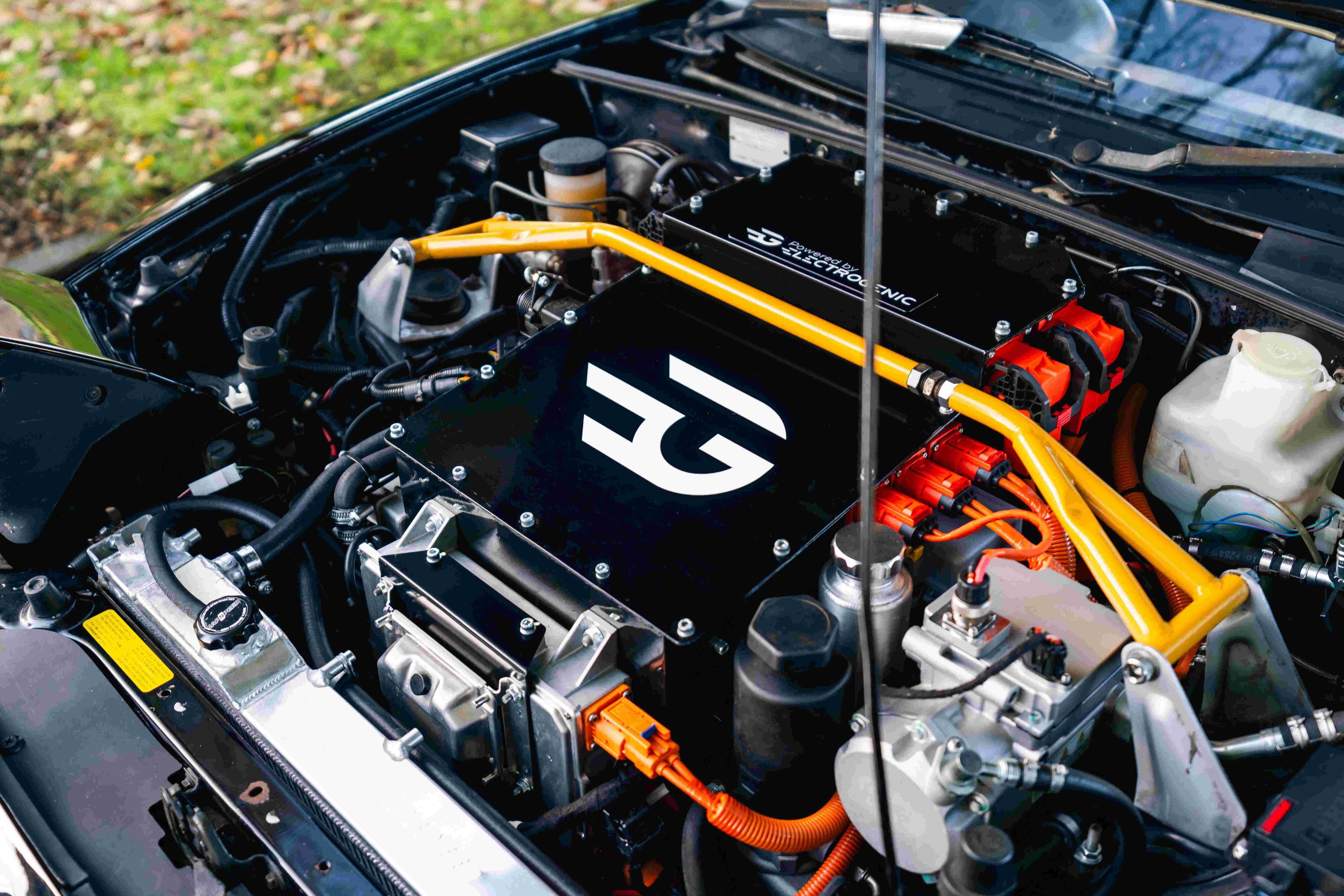
Unless you’re a rare combination of auto mechanic, electrical engineer, and software developer, you’ll need professional help. New Zealand has precisely seven specialized workshops that regularly perform EV conversions, all with waiting lists 100x longer than the queue at a Jacinda Ardern book signing.
These specialised technicians command premium rates, turning what might be a DIY project elsewhere into a high-end bespoke service in New Zealand. The skills shortage means simple troubleshooting might require flying a specialist from Auckland to Dunedin, adding both cost and carbon emissions to your supposedly green project.
The Battery Conundrum
Storing electricity in New Zealand’s diverse climate presents unique challenges. From the subtropical north to the alpine south, temperature variations can significantly impact battery performance and longevity. A conversion designed for Auckland might need significant modifications for Queenstown’s winter conditions.
Then there’s the sourcing issue. New battery packs require specialised handling and shipping, with dangerous goods surcharges often adding 30-40% to the base shipping cost. Some Kiwi converters have resorted to repurposing salvaged EV batteries, but these come with their own complications regarding warranty, safety certification, and remaining useful life.
The Emotional Toll
Perhaps the most overlooked aspect of conversion is the psychological journey. What begins as an exciting weekend project inevitably transforms into a years-long saga that tests marriages, bank accounts, and garage space allocations.
“I started converting my vehicle in 2019,” says an Auckland-based engineer. “Three years and $87,000 later, I finally got it certified. My wife still hasn’t forgiven me, and it now only gets driven on special occasions because I’m terrified something will break and I’ll have to start all over again.”
The Environmental Equation
The inconvenient truth about EV conversions in New Zealand is that their environmental benefits are complicated by our unique circumstances:
- The carbon footprint of shipping components is substantial
- The energy and resources required to manufacture new EV components have their own environmental impact
- Most conversions are performed on older vehicles that lack modern efficiency features
- New Zealand’s electricity is already 84% renewable, meaning brand-new purpose-built EVs deliver excellent environmental performance from day one
For a typical conversion, the break-even point for emissions savings (compared to continuing to drive an efficient modern ICE vehicle) might be 7-10 years – potentially beyond the practical lifespan of the conversion itself.
Why Bother Then?
Despite all these challenges, EV conversions continue to fascinate Kiwi motorists. For some, it’s about preserving a beloved classic car while making it future-proof. For others, it’s the engineering challenge and learning experience. And for a select few with deep pockets, it’s simply about having something unique in a country increasingly populated by identical white Teslas.
A Path Forward
For those determined to electrify their existing vehicles despite the obstacles, there are signs of improvement on the horizon:
- Several New Zealand companies are developing standardised conversion kits for popular models
- The certification process is gradually becoming more streamlined for common conversions
- Local manufacturing of certain components is beginning to emerge
- Government incentives for EV adoption could potentially extend to well-executed conversions
Until then, converting your ICE vehicle to electric in New Zealand remains what it has always been: a labour of love, a test of patience, a drain on finances, and a conversation starter at every BBQ you attend for the rest of your life.
And perhaps that last point makes it all worthwhile. After all, what’s more Kiwi than an impractical project undertaken against all logical advice that becomes a source of both immense pride and self-deprecating humour? In that sense, EV conversions might be the perfect embodiment of the New Zealand spirit, ambitious, resourceful, slightly mad, and ultimately charming in their determination to make something work at the bottom of the world.