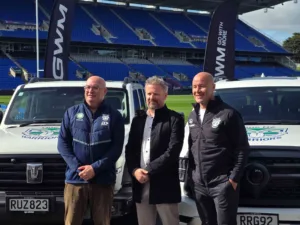
With the 2025 Fieldays event in full bloom, GWM (Great Wall Motors) Aus/NZ COO John Kett and MD Charles Zhao, took time out to tell us of their plans to make GWM more ‘Kiwified’ and be a top 5 player.
According to John, GWM (ANZ) is strategically positioning itself for significant growth in the New Zealand market, leveraging lessons learned from local conditions to inform its broader regional strategy, including Australia. The company is focused on strengthening brand awareness for GWM as an overarching entity and for its distinct sub-brands, Haval, Tank, Ora, and Cannon (ute), while adapting its product portfolio, particularly in the burgeoning new energy vehicle (NEV) sector.
Building Brand Identity and Expanding the Portfolio
A primary challenge for GWM in New Zealand is establishing strong brand awareness, both for “GWM” itself and for the individual technologies and characteristics of its sub-brands. Essentially, the company aims to clarify the relationship between these sub-brands and the parent GWM brand.
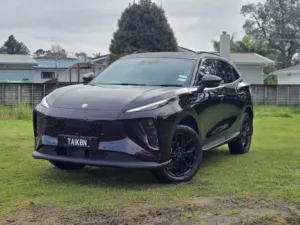
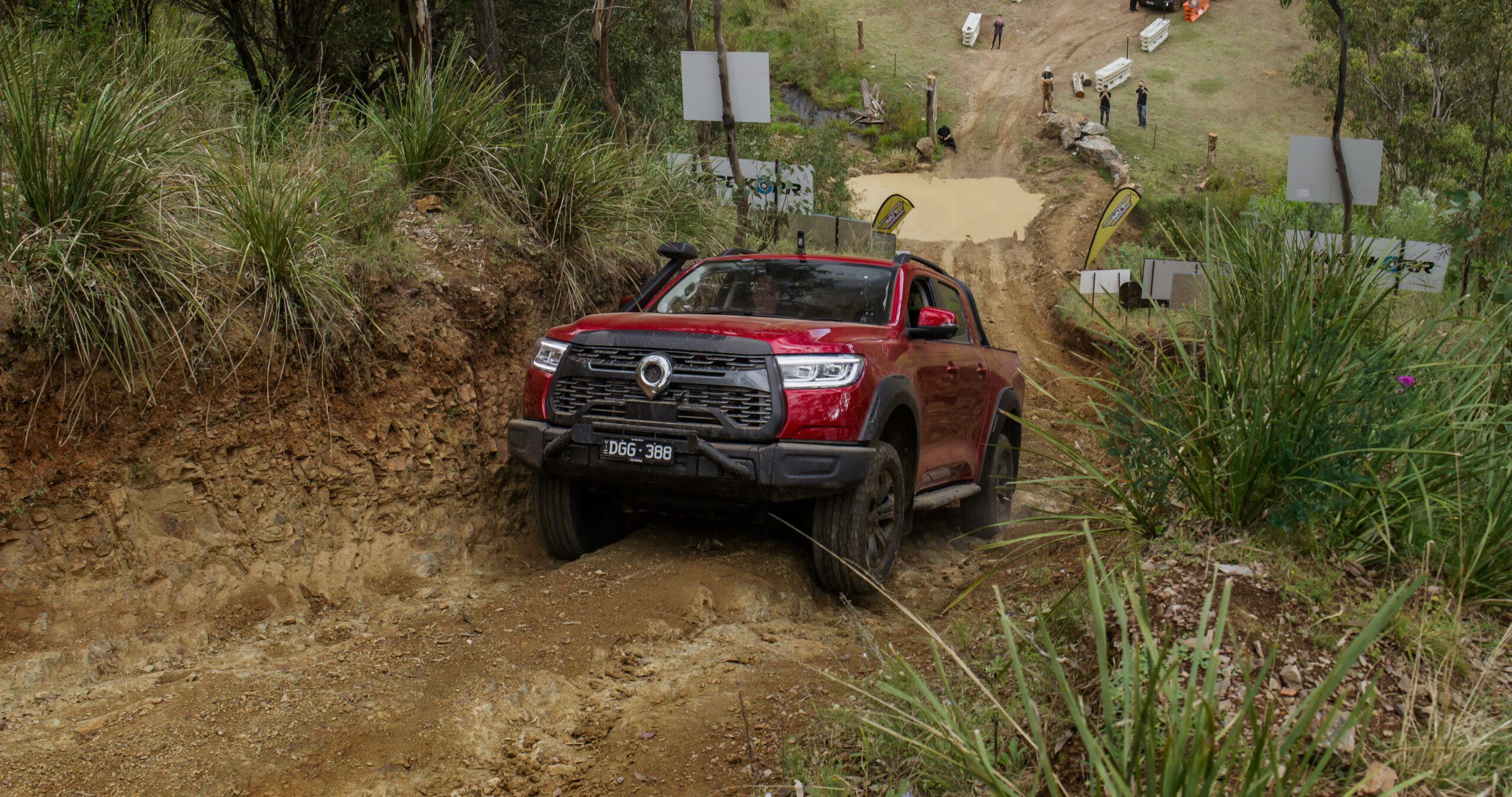
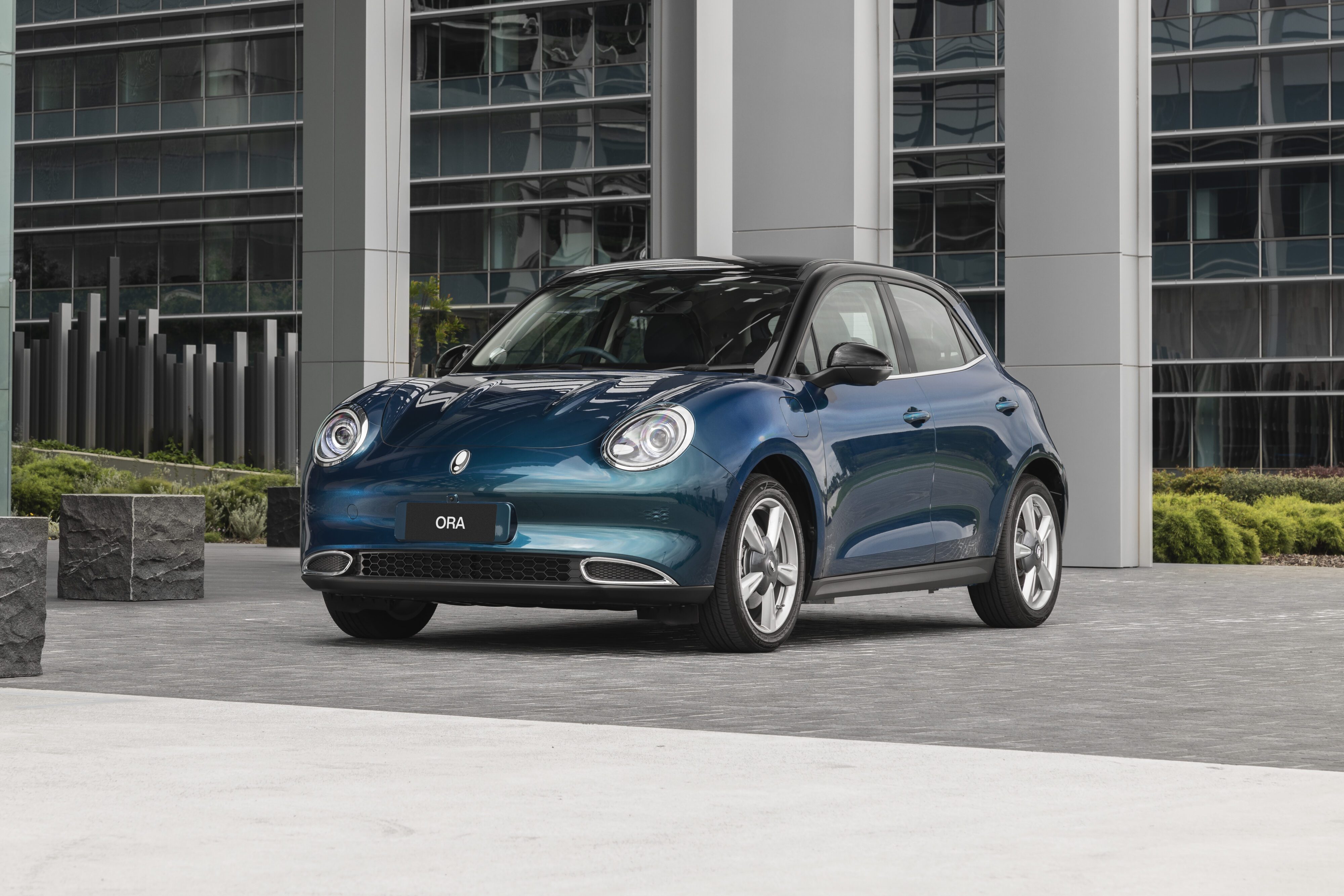
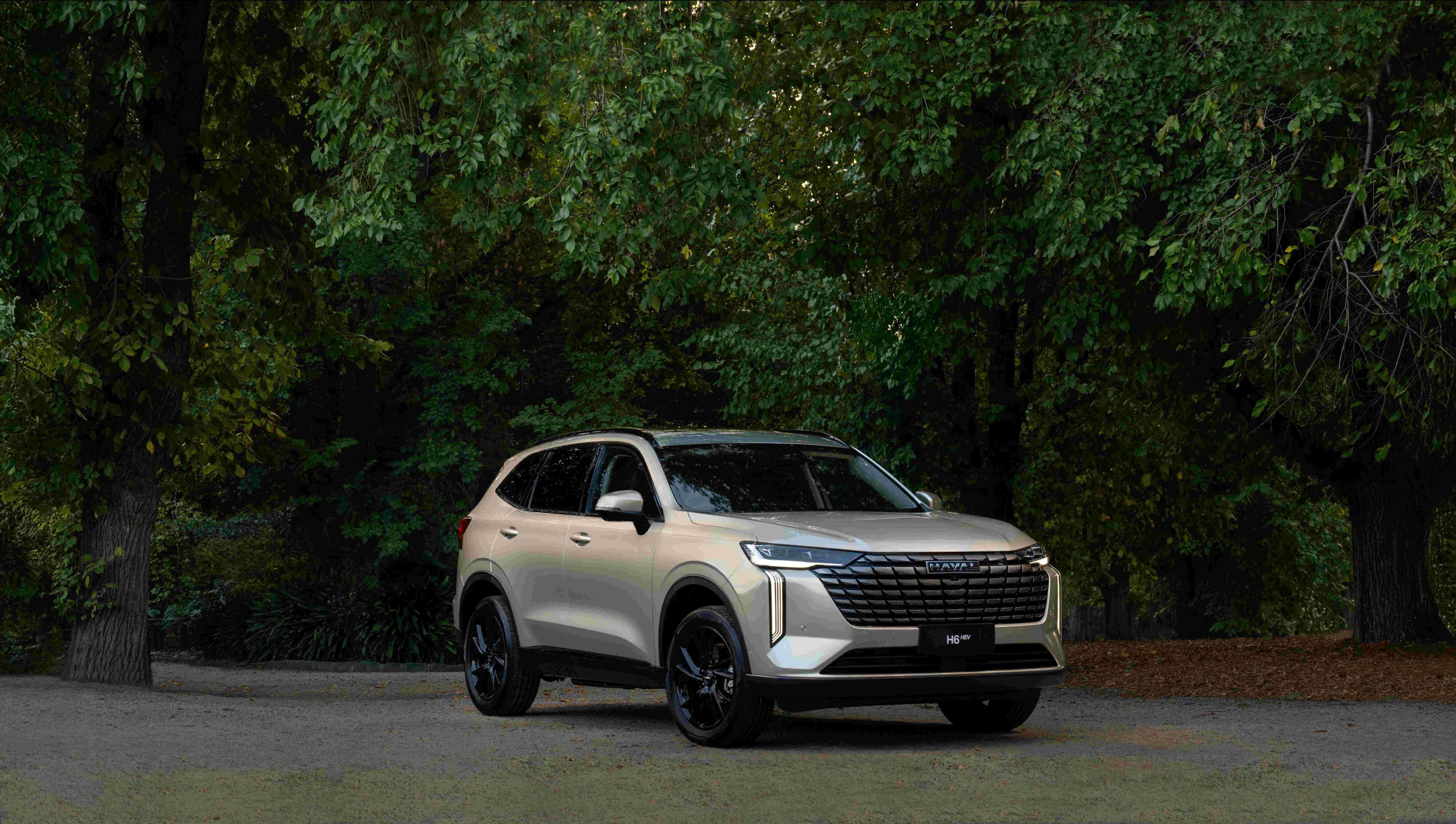
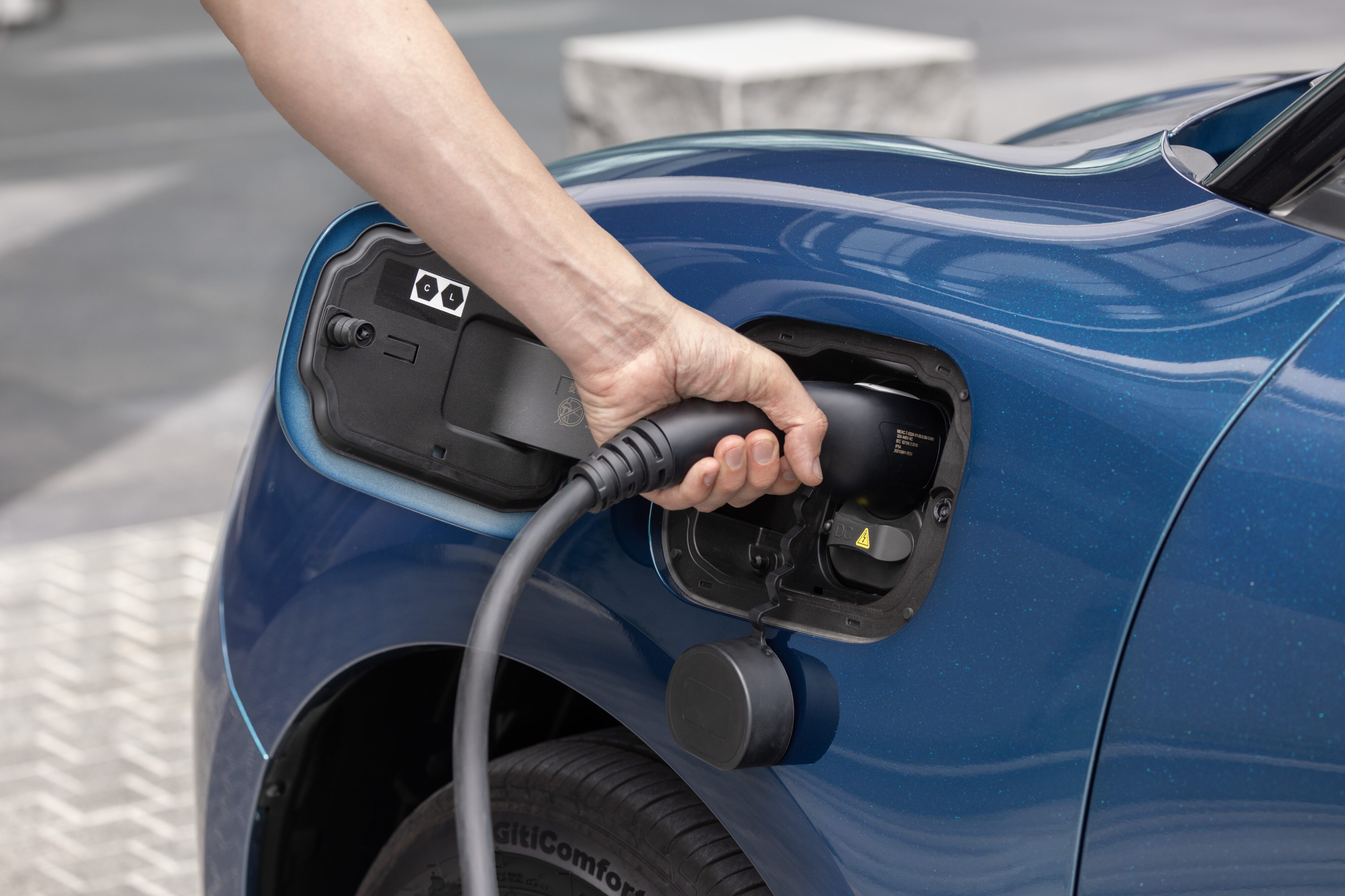
GWM is actively working on expanding its offerings within each brand. For Ora, currently represented by a small hatch, the company sees potential for growth with an SUV and a bigger hatch, acknowledging that current performance needs improvement but emphasising the model’s strategic importance for EV market penetration. The Tank brand, with its 300 and 500 models, is slated to see the arrival of the Tank 700, with a focus on evolving these products towards Plug-in Hybrid Electric Vehicle (PHEV) technology. Haval already boasts a strong hybrid powertrain and is set to introduce a plug-in hybrid version of the H6. The Cannon ute range is also expected to evolve with PHEV options, and additional trim variants.
“This expansion requires careful consideration of the right product balance for the New Zealand market, distinct from the Australian market, and how to best manage both physical and digital showrooms to ensure customer engagement,” says John.
Learning from the New Zealand Market
New Zealand’s automotive market, with its own set of challenges including CCS emissions standards (like an NVES equivalent) and economic factors such as a recent recession, serves as a crucial learning ground for GWM. The experience in New Zealand, particularly concerning the need to subsidise internal combustion engine (ICE) vehicles through the penetration of BEVs or PHEVs and making necessary portfolio changes, provides valuable insights for the Australian market as it moves towards similar regulations. The New Zealand experience has prompted GWM to rethink its strategy for Australia, focusing on maintaining entry price points for petrol models and diesel price points for Tank and Cannon vehicles.
Strengthening Local Operations and Marketing
GWM recognises the need for stronger local leadership and decision-making within its New Zealand operations, even under the current ANZ (Australia and New Zealand) structure headquartered in Australia. The goal is to ensure that the New Zealand business has key decision-makers on the ground who understand the local market and can tailor strategies accordingly, making GWM New Zealand feel distinct from GWM Australia. This includes giving more resources and attention to the New Zealand market, responding faster to dealer needs, and increasing marketing investment to build GWM as “a true New Zealand brand”.
The company is exploring ways to enhance its marketing presence, potentially through more PR events and shows, and by expanding its relationship with significant local brands, such as the Warriors rugby league team, to leverage their strong New Zealand identity and reach.
“The media environment in New Zealand is different from Australia, requiring a tailored approach to achieve brand breakthrough,” says John.
GWM acknowledges that while sales have grown (e.g., from 1000 to 3000 cars annually), further investment in local personnel and insights is necessary to break through to higher sales figures. This includes having people on the ground to provide guidance on trim levels and product offerings that resonate specifically with the discerning New Zealand customer, who is seen as thinking more deliberately about price points. The company is committed to revisiting what works best for the New Zealand market and ensuring the right product mix, even if it means adjusting orders or absorbing some freight costs to avoid aging stock.

Overall, GWM’s strategy for New Zealand involves a multi-faceted approach: expanding and electrifying its product portfolio across its sub-brands, learning from local market dynamics, strengthening local leadership and resources, and building a distinct and resonant brand identity for GWM in the New Zealand context – all with a view to becoming a top 5 brand (sooner rather than later – aye!).