by Lucy Mitchell
Insurance premiums vary for each individual, determined by how insurers evaluate their application and risk profile.
People who are deemed low-risk tend to have more favourable terms, whereas higher-risk individuals tend to pay higher premiums for their car insurance policy.
This risk assessment takes several factors into account. Your insurance history, location, medical conditions, age, and add-ons can increase or decrease your premium.
That said, another critical variable that insurers take into account is your driving habits. While they obviously won’t know if you’re speeding along highways, if you’ve had a recorded history of bad driving habits, then they’ll increase your premium accordingly.
There’s a magnitude of reasons why prioritising good driving habits is the best thing to do while out on the road. This article will cover how your driving habits impact road safety and insurance policies, as well as ways you can improve your driving habits.
Let’s jump right into it.
How to Get Cheaper Auto Insurance?
As previously mentioned, several variables affect your insurance policy’s final quotation. This doesn’t just include your driving habits, but it does play a major role in it. Insurers will also quote different rates based on their assessment of your profile.
Ultimately, who you choose to partner with is up to you based on which contract you find most beneficial to your financial well-being.
If you prioritise value and affordability, then you should keep in mind several factors that can help contribute to a lower rate. Consider these strategies to secure a lower premium:
Search for quotes: Look into different insurance policy providers and pick the option that fits your budget.
Bundle policies: Bundling auto insurance, health insurance, home insurance, and other insurance policies into one with a single insurance provider can give you access to discounted rates.
Choose a higher deductible: Increasing your deductible price lowers your monthly repayments.
Prior insurance: Having car insurance beforehand helps show that you’re a responsible and safe driver—hallmarks of the ideal person to insure in the eyes of an insurer.
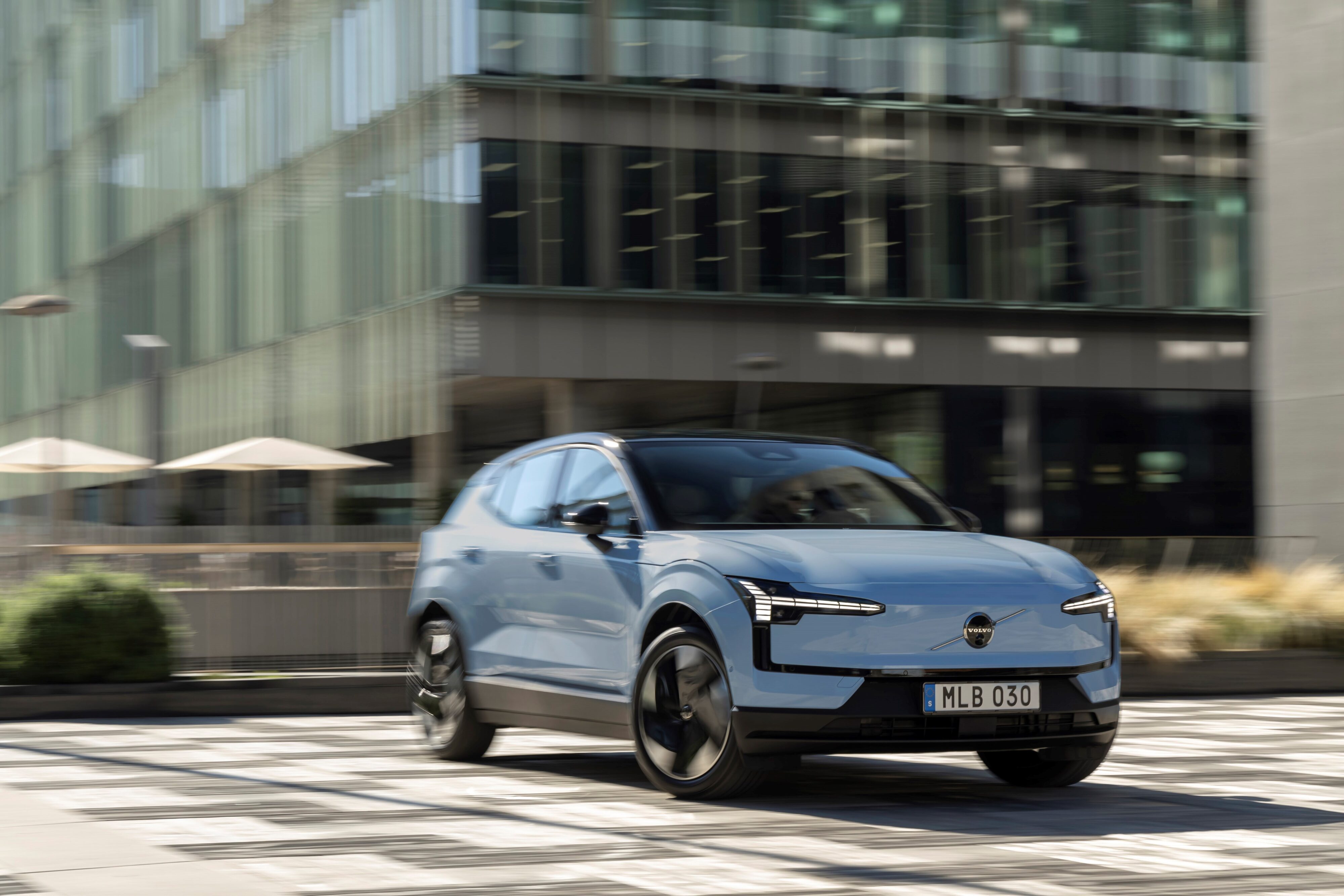
Vehicle type: Newer and feature-rich vehicle models cost more to insure than old ones. Electric vehicles also cost more to insure, even if some models are deemed safer. Research your vehicle type to figure out its average annual premium price.
Good credit score: If you have a good credit score, insurers will feel like you can make repayments on time, thus giving you a good rate.
Besides all these factors, the spotlessness of your driving record and history also plays a big role in dictating your final insurance policy rate.
If you had an infraction for at-fault reckless driving activities, you could end up with a higher insurance rate from various providers. This is because you may be deemed an unsafe driver, which is something that most insurance companies don’t want to partner with for a cheap rate.
In some cases, a severe infraction or multiple infractions like driving under the influence can make it outright impossible for you to secure an insurance policy entirely.
In the best case, they may provide you with some coverage, but not a very good one. Drivers under this umbrella will have to seek coverage from state-backed high-risk pools.
In any case, by being on top of these different factors, you can gain better repayment rates for your insurance policy. View more here on how to get this done.

8 Positive Driving Habits to Stay Safe on the Road
So now you’re aware of how your driving habits ultimately impact the insurance policy’s price. The question then becomes: how do you stay safe while driving on the road?
Staying safe while driving entails a holistic approach to the entire process. Here are eight positive habits you should consider upholding to maximise the chances of you smoothly getting from place to place.
- Follow speed limits
To ensure you stay safe on the road, following the road’s designated speed limit is crucial. Some motorways and highways have clearly marked speed limits that you should follow when traversing through these roads.
These road signs are there for a reason: to maximise the safety of everyone, including yourself, while driving down these paths. When cars speed beyond the limit, they’re increasing the chances of accidents, injuring the chances of injuries to you, your passengers, and other people.
Speeding can leave your vehicle prone to slipping through the pavement, colliding with other cars, or bumping into property. This can be costly, so to minimise these risks, ensure that you stay within the speed posted on these road signs.
- Avoid texting while you drive
Your recipient can wait; it’s in your best interest to keep your hands away from your phone while you’re speeding along a road. Texting while driving is a dangerous habit that can cause you to harm yourself and others in a few seconds.
Texting diverts your eyes for a few seconds away from the road, and while this may seem like a small amount of time, this can absolutely mean the difference between you colliding with others or being able to react on time before a potential accident.
- Wear your seatbelt
Another way to keep safe while driving is by wearing your seatbelt. This is a strictly enforced rule in many countries like Australia, and for good reason.
By wearing your seatbelt, you’re preventing potential accidents from having serious and life-threatening consequences. A seatbelt stops you from being thrust forward when you have to suddenly break or hit an object or vehicle ahead.
As such, see to it that you always wear a seatbelt before driving on public roads. It could save your life.
- Don’t drive sleepy or tired
Sleepiness and fatigue are states you wouldn’t want to be in when driving on public roads. These states can cause you to lose focus while driving, which can lead you to sleep behind the wheel and potentially veer off the road or collide with a car in front of you.
To prevent sleepiness and fatigue in long drives, ensure that you set aside some time to have a break. If you’re with another licensed passenger, consider taking turns so that you both can have ample rest, thus increasing your chances of safety.
- Constantly inspect your vehicle
Keeping safe on the road also means doing your due diligence and inspecting the road-readiness of your car. Regularly inspect your car’s essential components, such as brakes, tyres, lights, and fluid levels, to catch potential issues before they become hazards.
Before going on an extended road trip, inspect the car’s headlights and tyre pressure to ensure that everything’s good to go. By doing this, you’ll not only keep yourself safe, but you’ll also ensure that your road trip will go smoothly.
- Maintain a safe distance
Another crucial driving habit to uphold is to maintain a safe distance from the next car in front of you. A good rule of thumb is to follow the 3-second rule, wherein you have three seconds before you pass the vehicle if it suddenly becomes stationary in its current position.
Avoid tailgating at all times—for your safety and the safety of the driver in front of you. By keeping a safe distance, you’ll have enough time to react to avoid a potential collision.
- Follow traffic rules
This one’s a no-brainer, but it cannot be stressed enough. It’s essential to follow road rules to ensure that the driving environment around you is safe and accident-free. These road rules are there to help everyone on the road be safe.
Don’t try to break any road rules in an act of selfishness, as this can cost you your car, your life, or that of another driver.
- Communicate with other drivers
It’s important to recognise that you’re not the only driver on the road.
Other drivers won’t immediately be able to predict your mind. They’re not always going to make smart calls, either. As such, to make the road as safe as possible, it’s a good idea to use all the tools in your arsenal to communicate your next actions to other drivers on the road.
This can be done by using your hazard lights, turn signals, and your horn to signal your presence or intention. By clearly communicating, you can make the road a more navigable and safe place for everyone.