Here at Tarmac, the recent onslaught of Chinese cars coming to our market is a constant topic of discussion, and the disruption that this brings to the whole industry – not just the products themselves. When it comes down to motorcycles, we are seeing something similar happen, albeit under a different lens.
For years, “Chinese bike” was shorthand for a budget commuter, something you bought driven by budget alone, rather than your heart. And, same as it happened with cars, that narrative is rapidly becoming outdated. The latest machines coming from the country aren’t necessarily trying to compete at the bottom of the market anymore. Instead, they’re aiming directly at the establishment. And that raises a bigger question: if Chinese manufacturers can now match established players on performance, finish quality, and engineering, what exactly is their advantage?
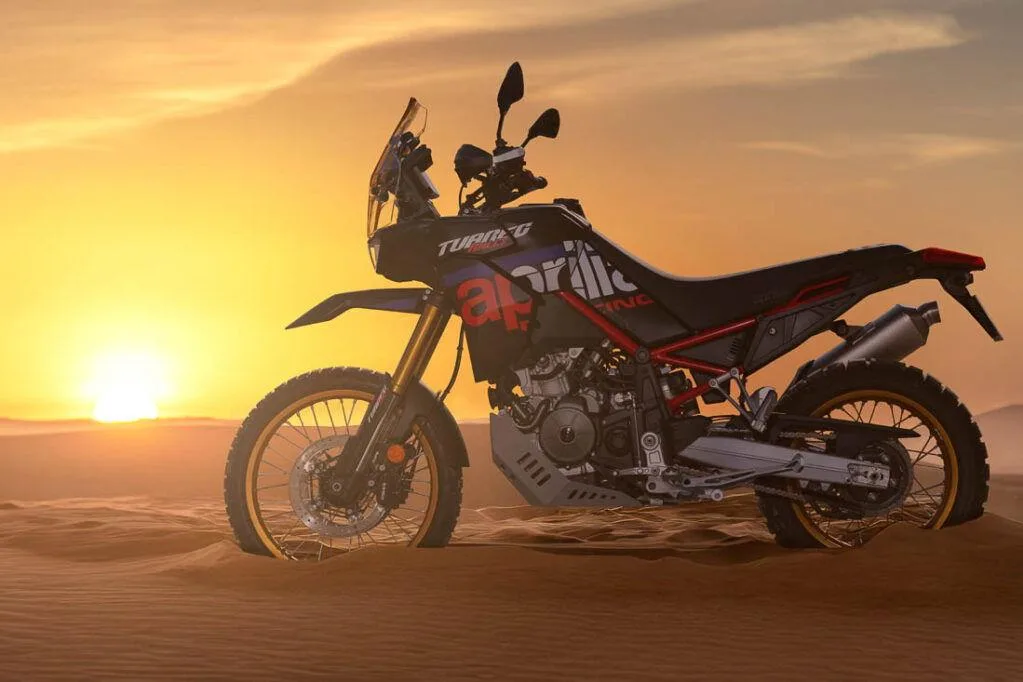
A recent discussion we had framed this perfectly. The argument is blunt: Chinese motorcycle brands almost have to be reckless right now. Not reckless in quality control or safety, but reckless in product strategy. Because simply building a “good bike” is no longer enough.
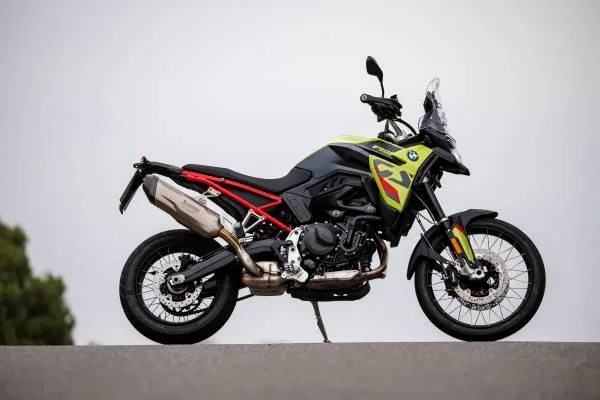
For decades, China’s industrial advantage was obvious: lower labour costs, massive manufacturing scale, and an ability to undercut Western and Japanese competition on price. But motorcycles in 2026 don’t exist in that old world anymore. And, to make the waters even muddier, the global industry has already been manufacturing across borders for years, a concept not as ubiquitous in the four wheeled world.
For instance, BMW Motorrad has been building bikes and components in China for years. KTM works closely with Chinese production partners. Yamaha Motor, Honda Motor, and nearly every major player have long since globalised their supply chains, namely in Asia more broadly.
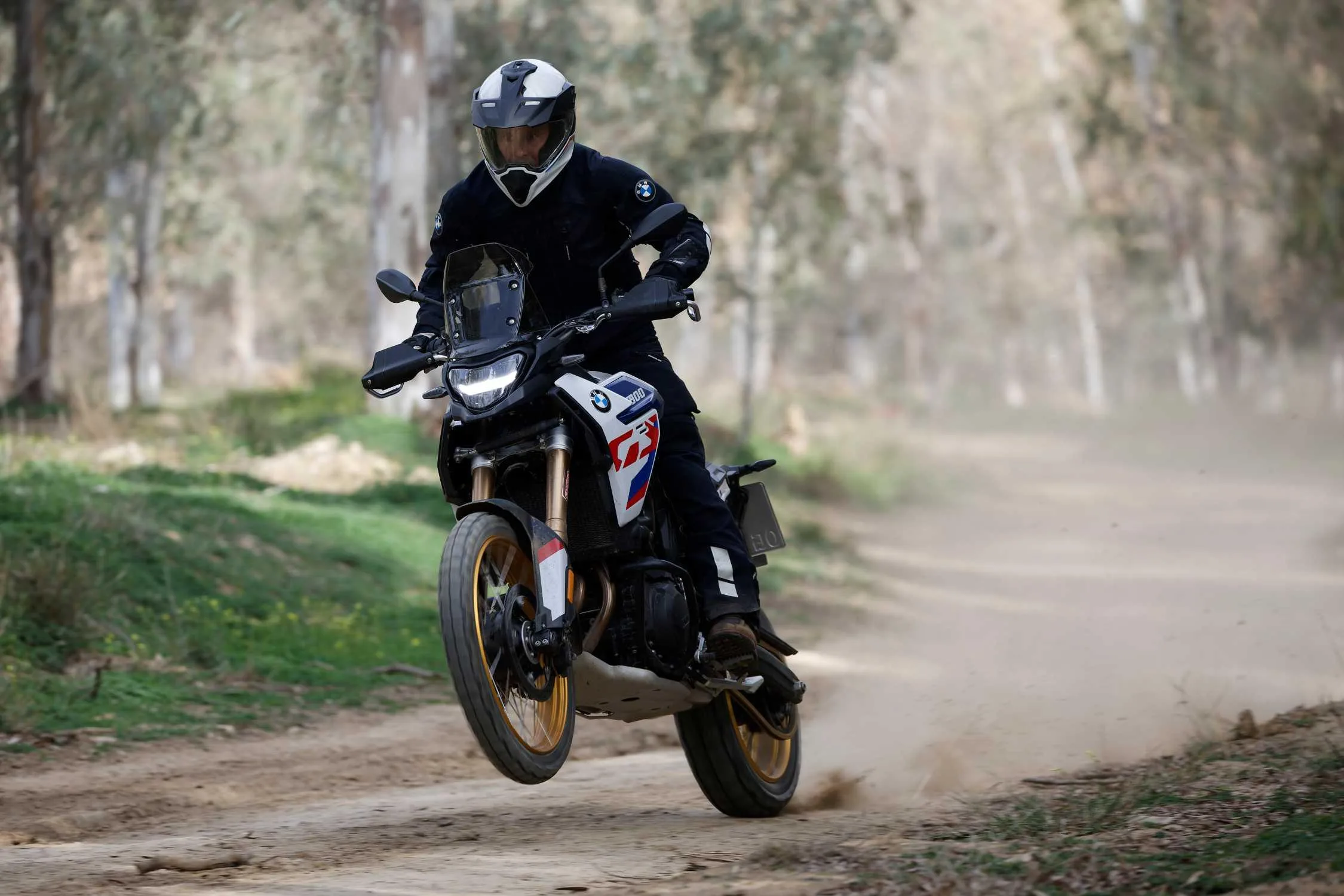
That means that new players homegrown in China to play in this market don’t arrive with the same market-shattering advantage that Japanese manufacturers once had in the 1970s. Back then, when bikes like my sweetheart, the legendary Honda CB750 landed, they weren’t just cheaper, they fundamentally changed what customers expected.
Japanese engineering introduced new reliability standards through Kaizen, new manufacturing philosophies, and prices that legacy European and British brands simply couldn’t match. But fast forward to today, and that disruption opportunity is far smaller. Again, in this market.
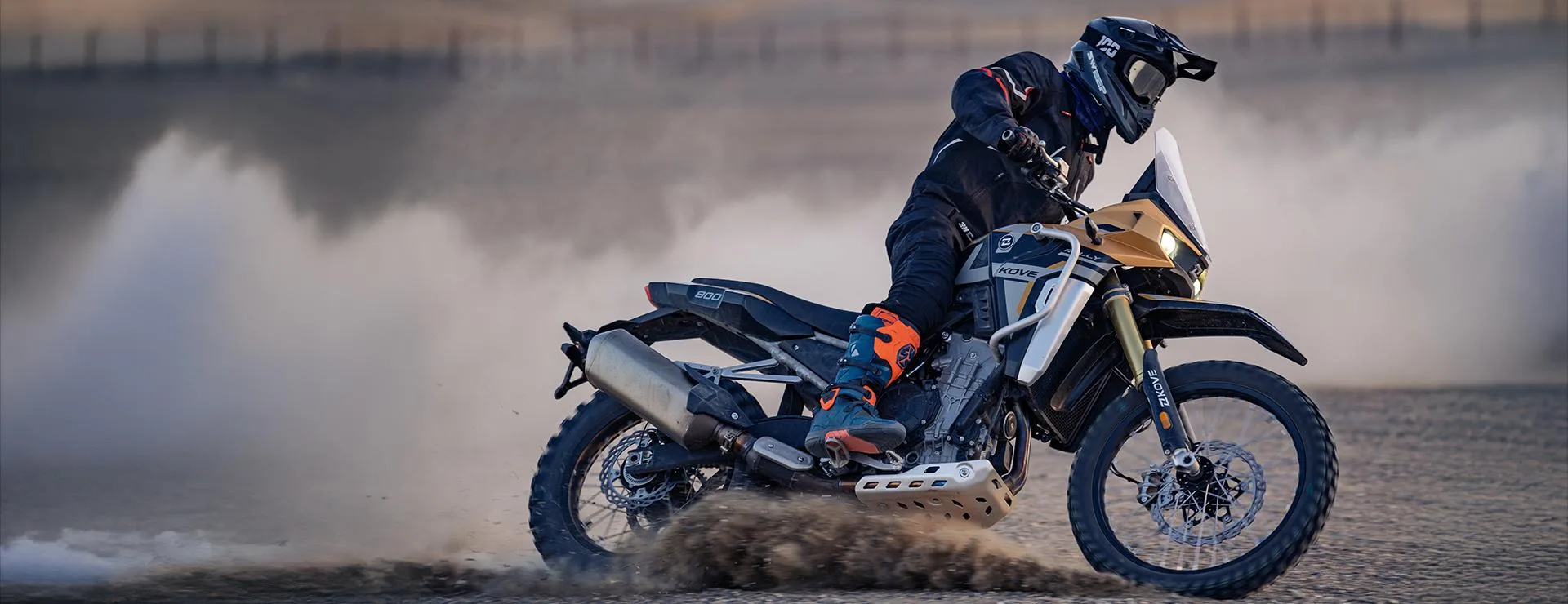
The quality gap has narrowed, manufacturing know-how is global, and customers sort of already expect fuel injection, TFT dashboards, switchable rider modes, traction control, and solid fit and finish at the price point in which these products operate. If a Chinese brand launches a bike at roughly the price point it needs to be, it is very likely to compete with products that are not only built in the same country, but also using the same know-how, and sometimes even common parts.
So what’s left? Risk, and this is where things get interesting. Instead of trying to out-Japan Japan or out-Europe Europe, Chinese brands appear increasingly willing to build motorcycles that established manufacturers wouldn’t dare. Lighter bikes. More focused bikes. Bikes that prioritise one use case so aggressively that they almost become irrational.
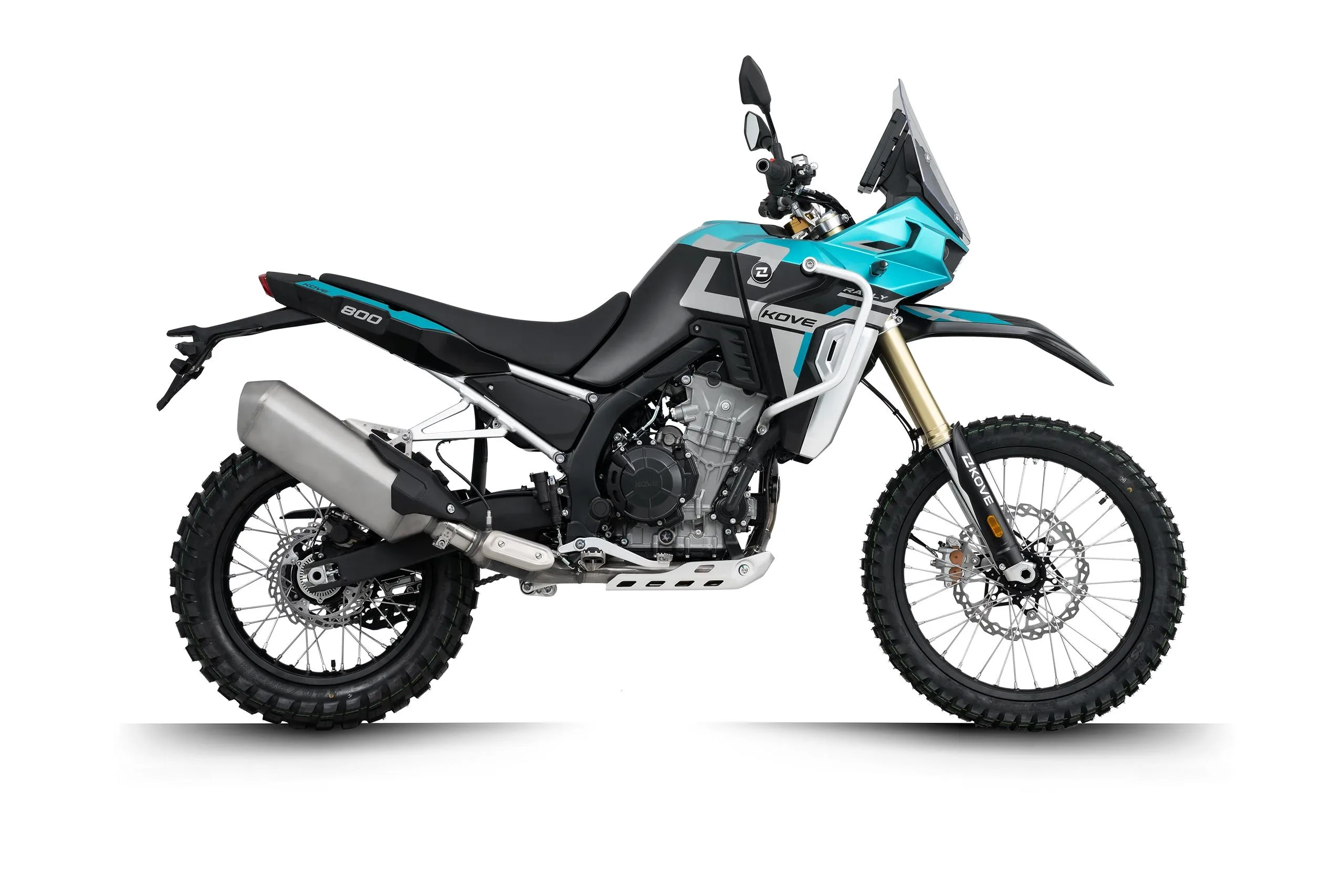
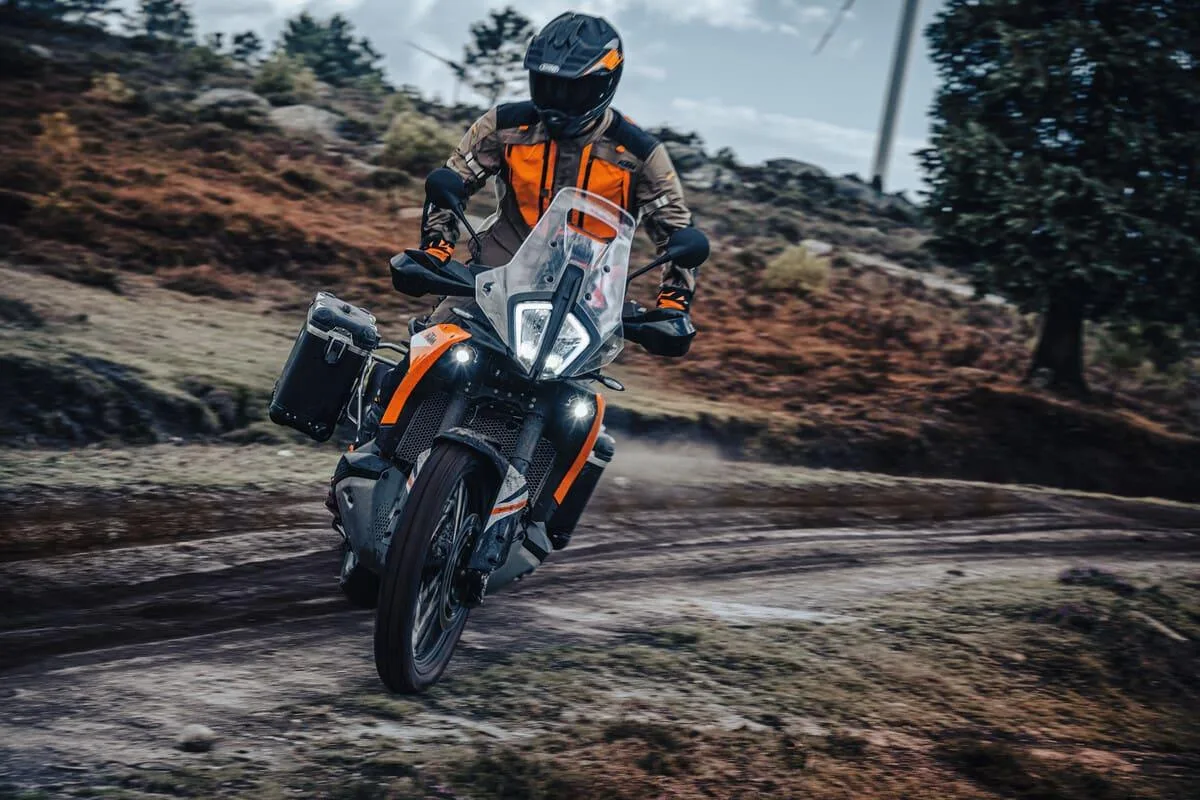
And irrational can sometimes be brilliant. In the emerging ultralight middleweight adventure segment, some of these new Chinese machines strip out things traditional buyers say they want, like passenger provisions, plushness, highway refinement, all from a cost perspective sprinkled with purity of purpose.
On paper, that sounds like compromise. But, in reality, it might be the clearest brand identity Chinese manufacturers have found so far. Because if a bike excels to an almost absurd degree in that use case, it forces a buyer to ask uncomfortable questions about what they really need. Do you actually need a 240kg adventure bike to cross gravel roads? Do you really need heated seats, adaptive cruise, electronically adjustable suspension, and enough luggage capacity to move house? Or do you just want something that feels alive?
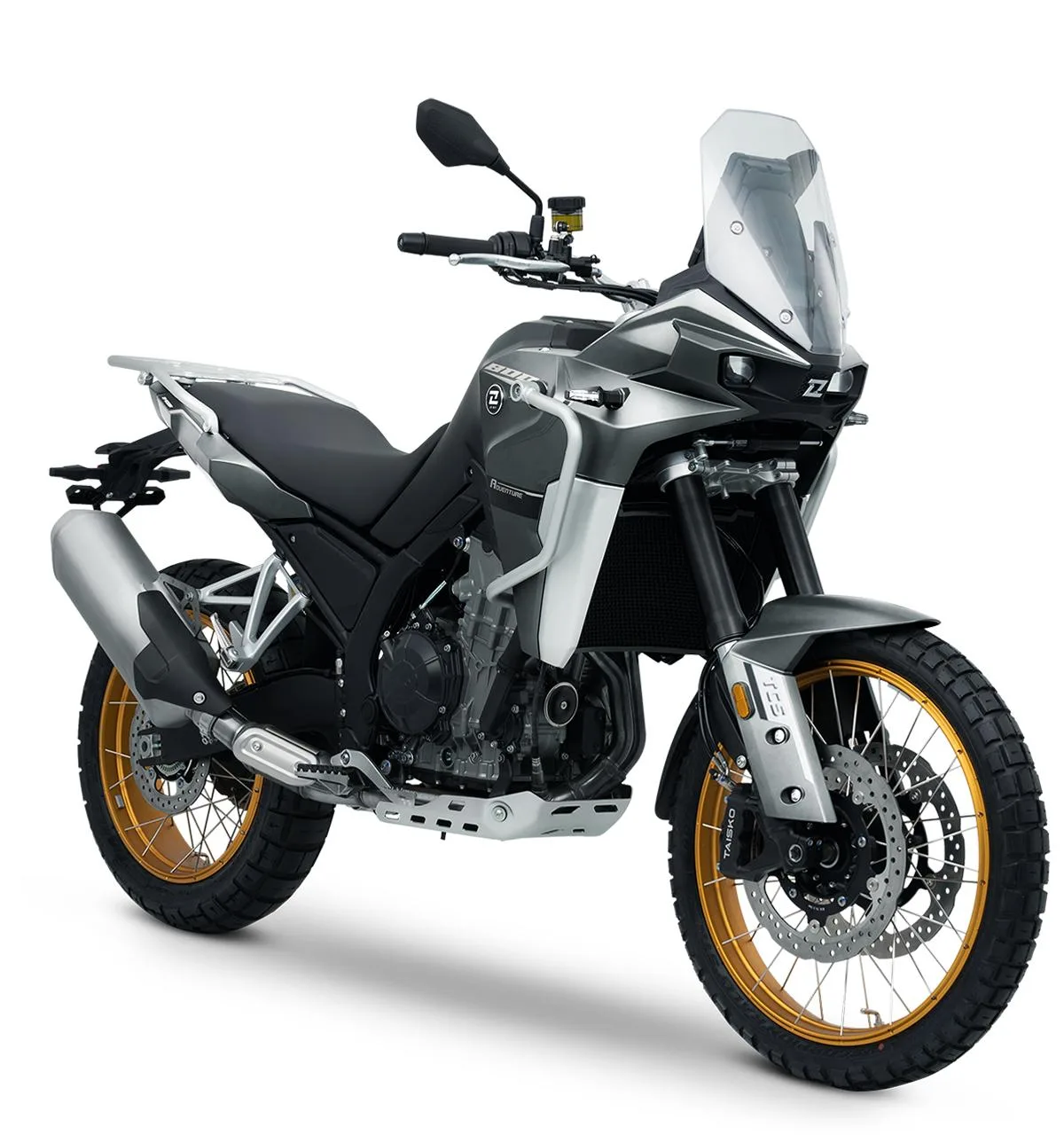
That’s where some of these Chinese offerings start to make sense. They’re not trying to be all things to all riders. They’re willing to sacrifice broad appeal in exchange for sharp purpose. And that’s exactly the sort of gamble legacy manufacturers often avoid.
It is a double edged sword, of course, because the approach that for some riders feels refreshing, to others, will feel like unfinished garbage. And that may be the real story of Chinese motorcycles in 2026, not whether they’re “good enough” anymore, because increasingly they are. The real question is whether they can build motorcycles bold enough to stand out in a market where quality, price, and technology are no longer enough.
And the car industry could learn a thing or two from all of this. What’s your view on all of this? We’d love to hear from you.