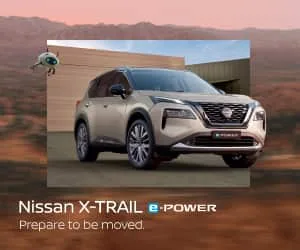
Coming out of a week with the Nissan X-Trail and straight into the new Pathfinder, this is not my first time climbing the ladder of offerings from a certain brand – and this is not the end of this stint, either. There is something special about these opportunities: you get to experience the cars back to back with very fresh perspectives, and without other models in the middle to muddy the waters.
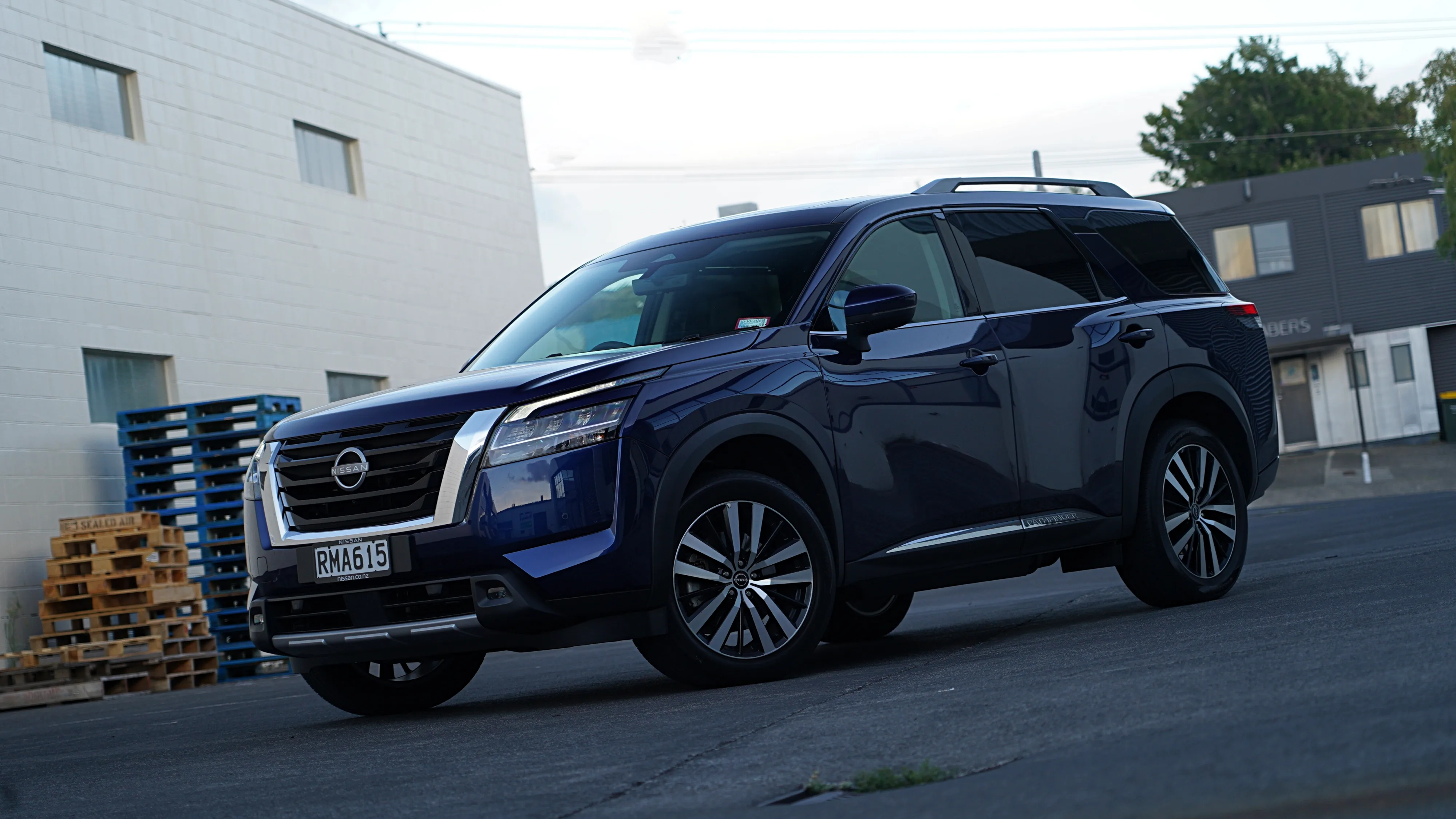
And moving from the small SUV to the sister one size up, one thing is clear from the jump: everything that works about the X-Trail is still here, and sometimes even improved, executed with more confidence and fewer compromises. And what’s even better: several of my reservations about the first car are simply gone here, addressed by more-than-20 grand price delta between the two models.
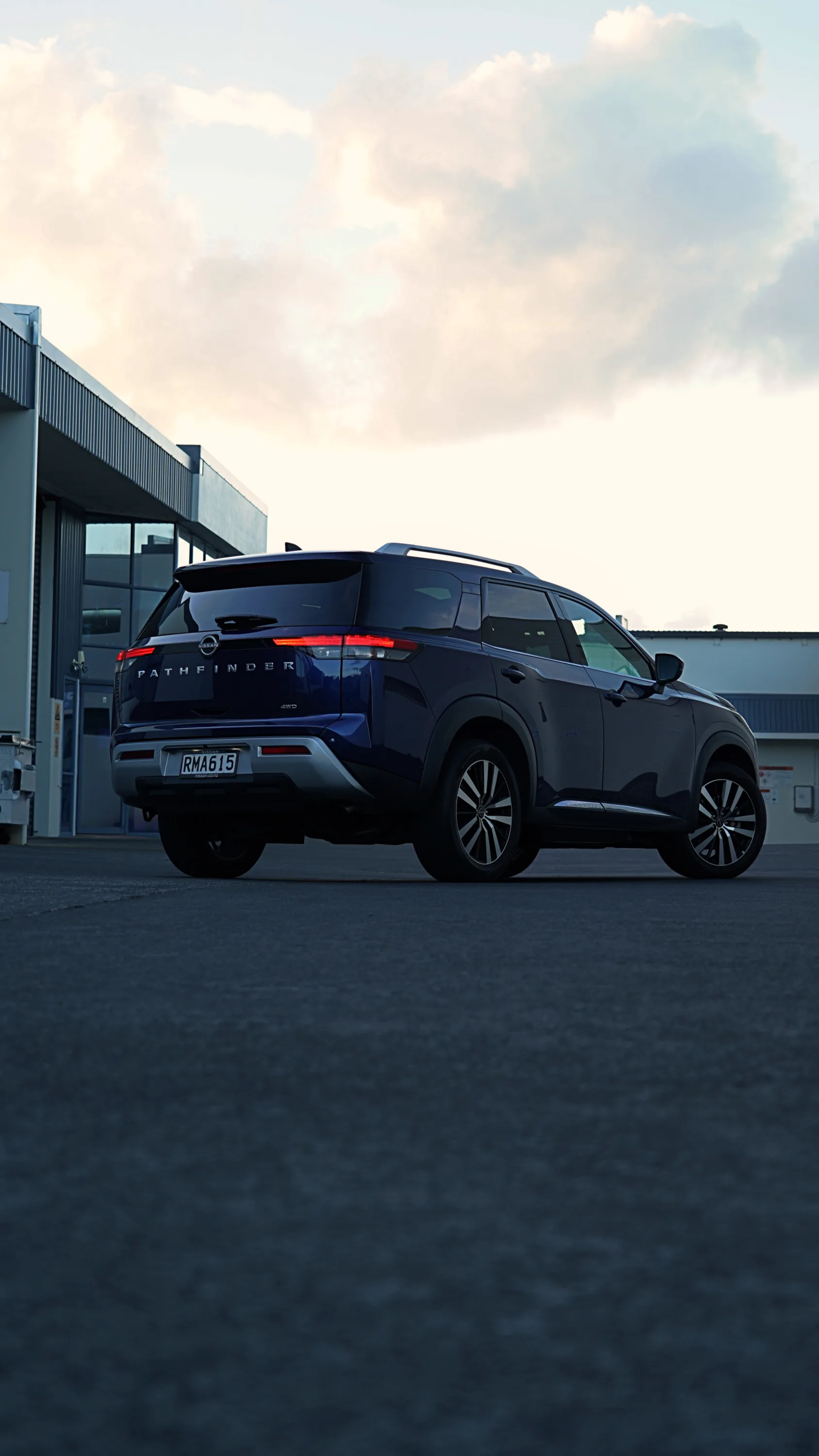
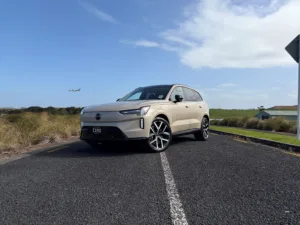
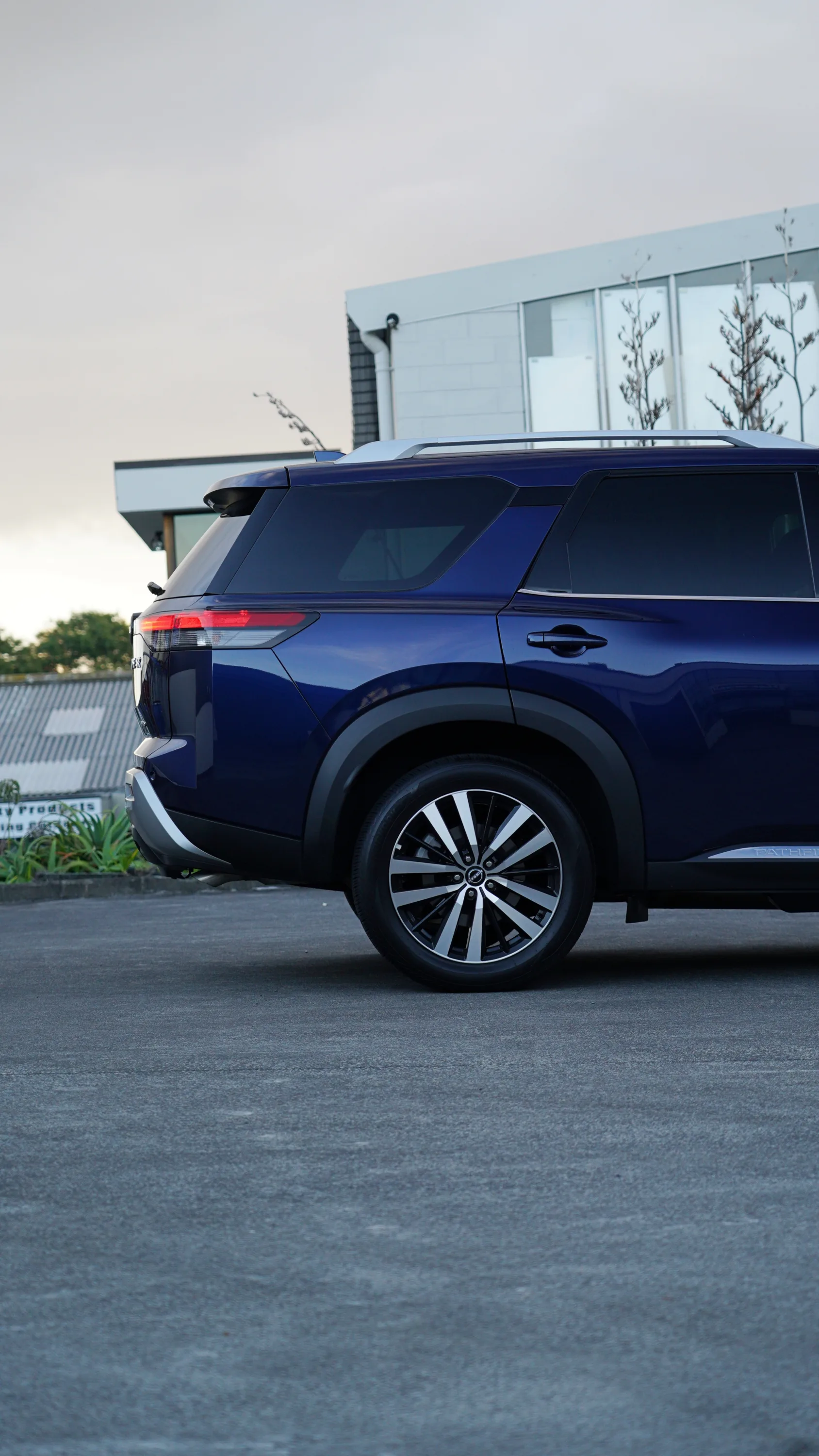
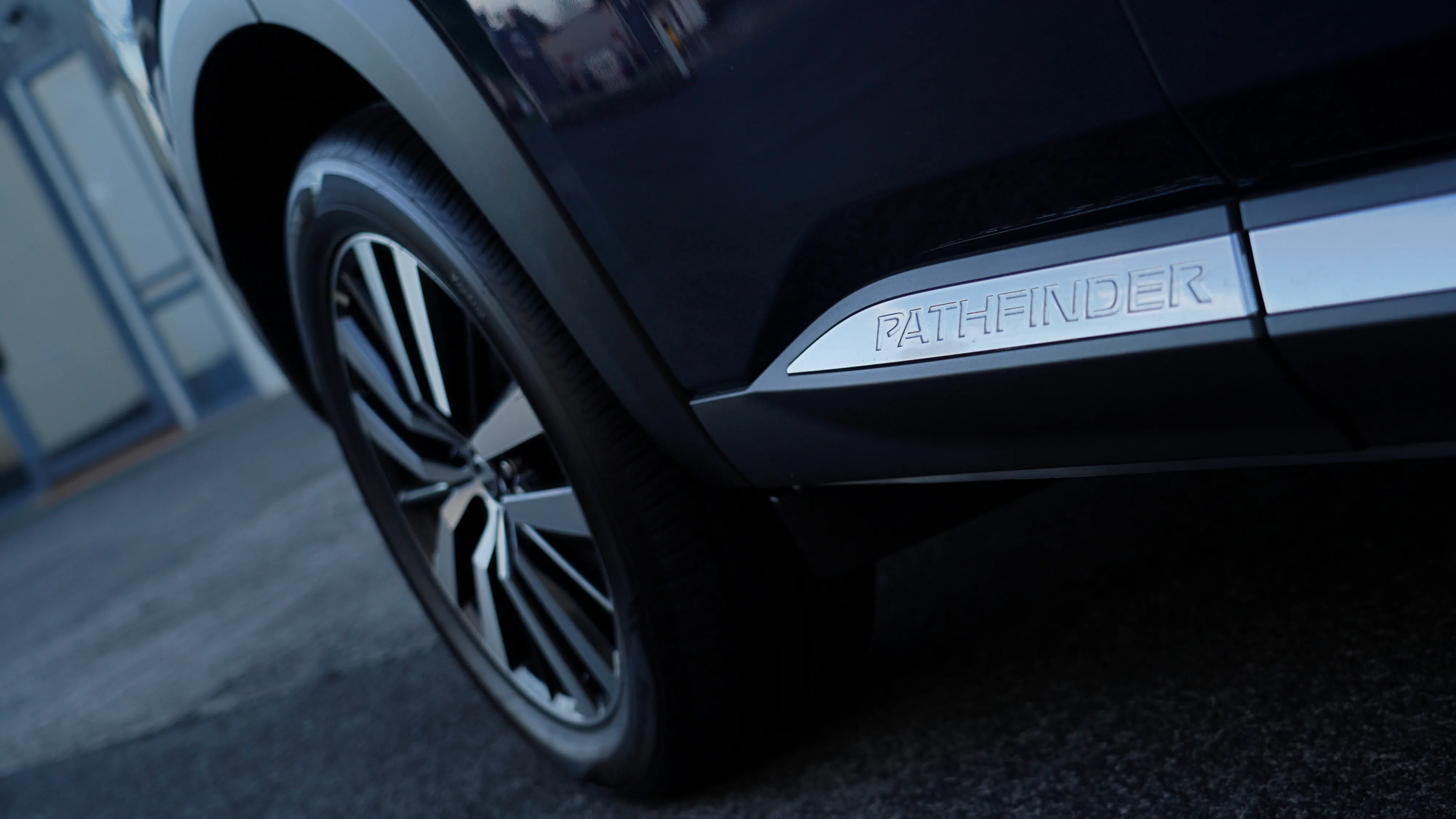
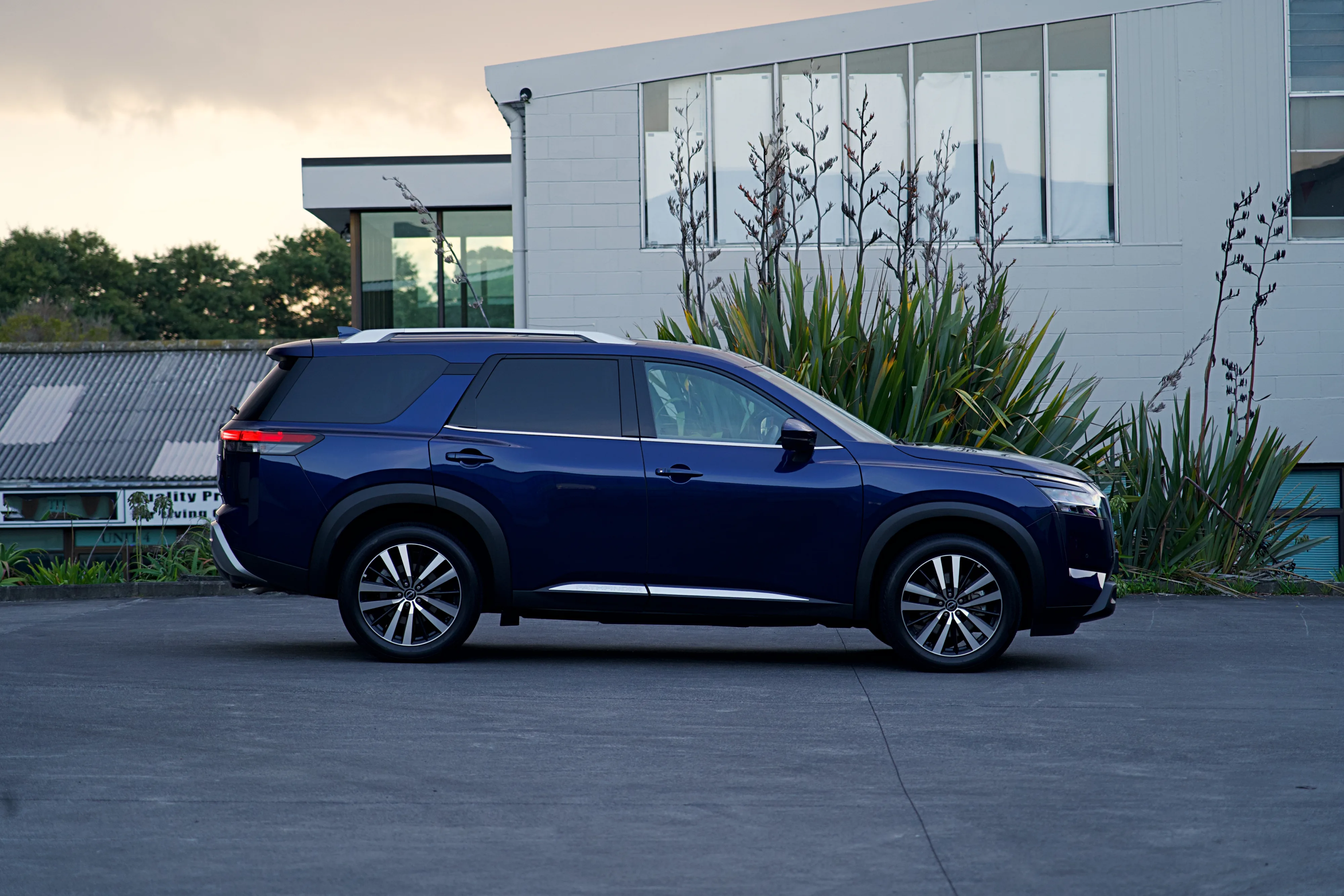
On the exterior, it towers over your usual urban crawler SUV, with enough presence to look substantial but stopping before being hard to drive around or park. It is a conservative yet modern design, with a large rear segment that doesn’t hide the fact there is a third row.
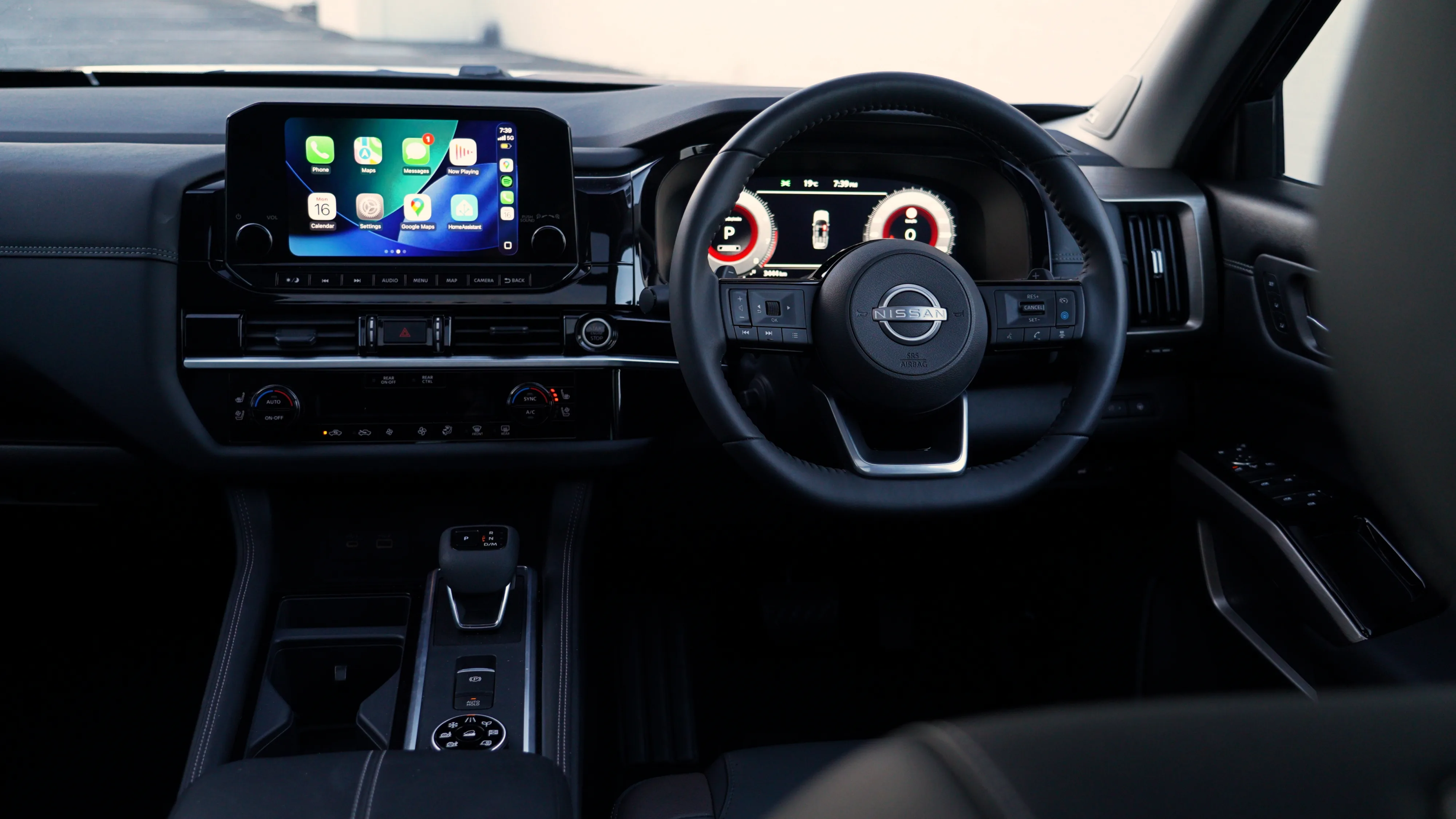
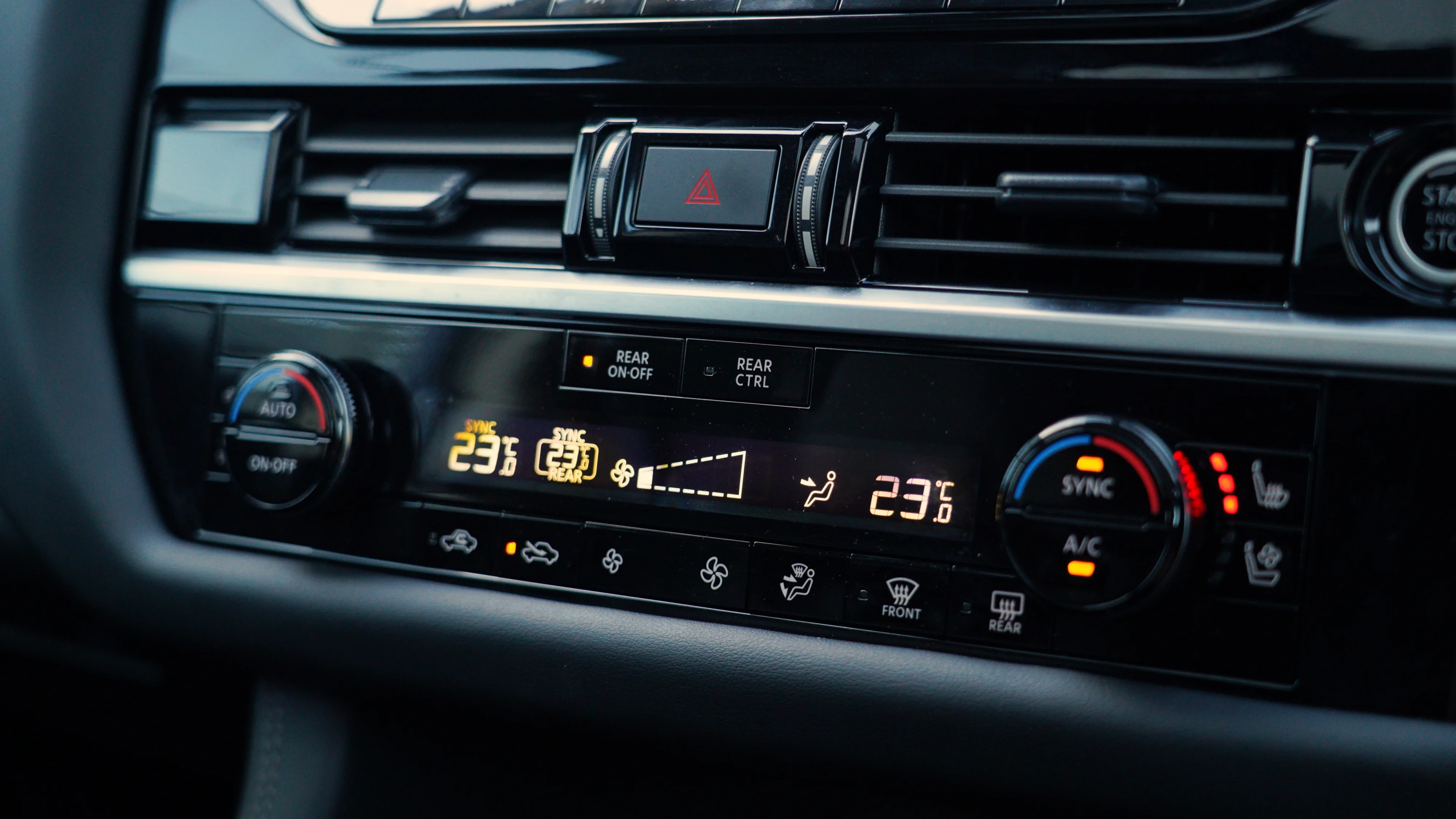
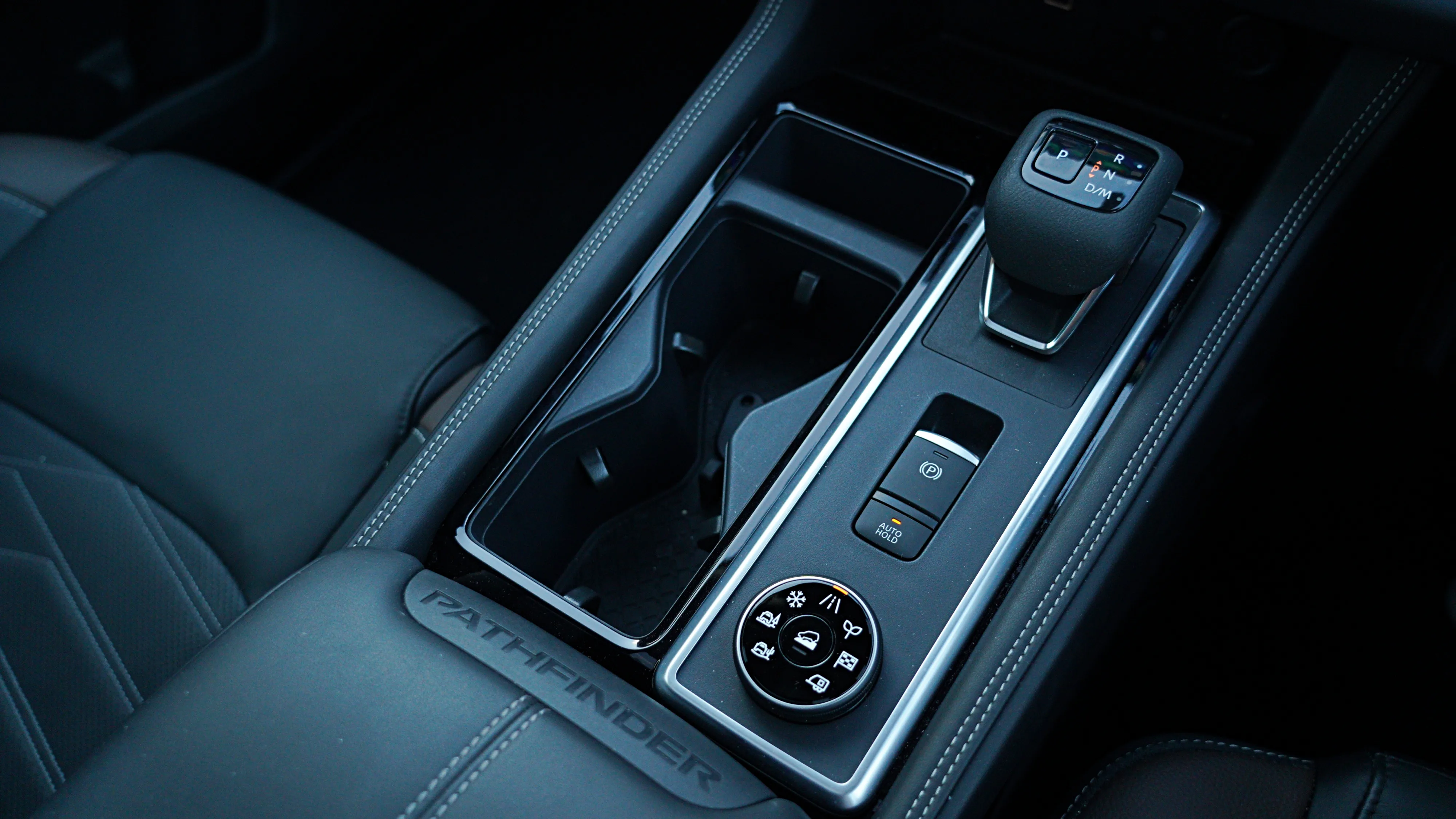
The same quality the X-Trail had of disappearing around you is found here — and that is meant entirely as a compliment. All the major controls are exactly where you expect them to be, anything that needs to be physical is physical. The ergonomics are just excellent, to the point where you never really think about them, which is usually the highest praise you can give in this area. There is no learning curve, no need to adapt your habits, and no moments of friction between you and the car. Just get in and drive.
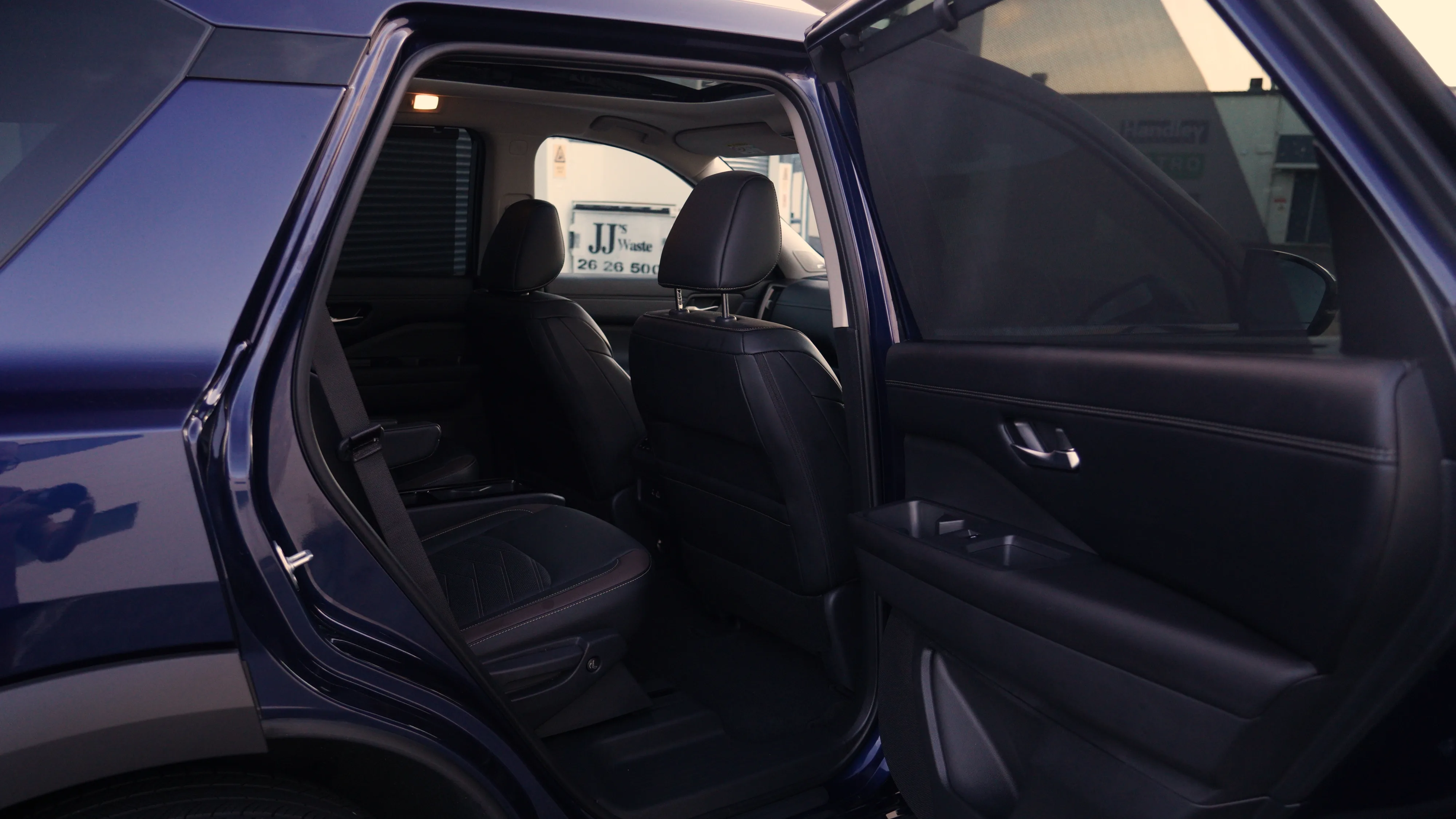
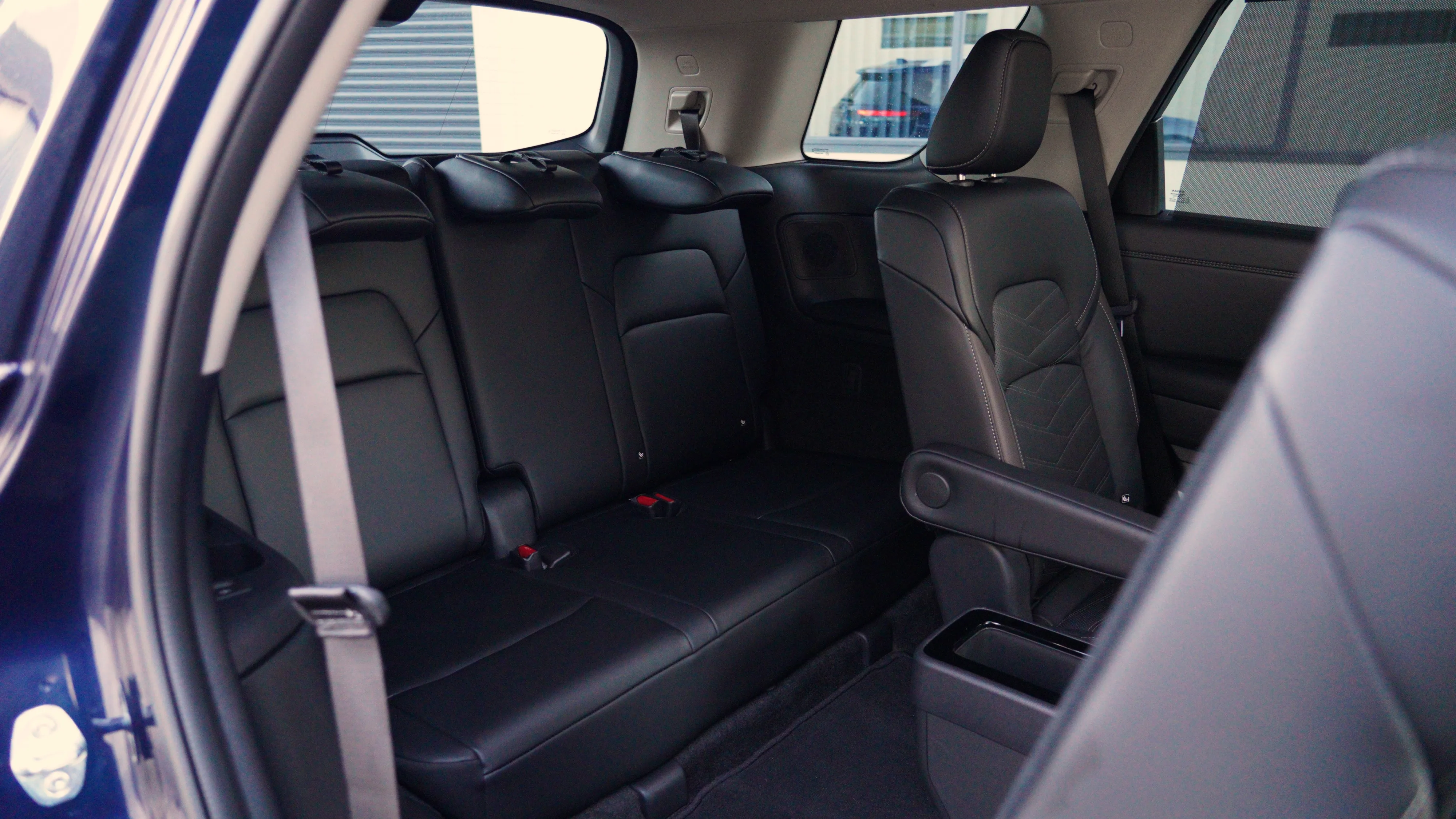
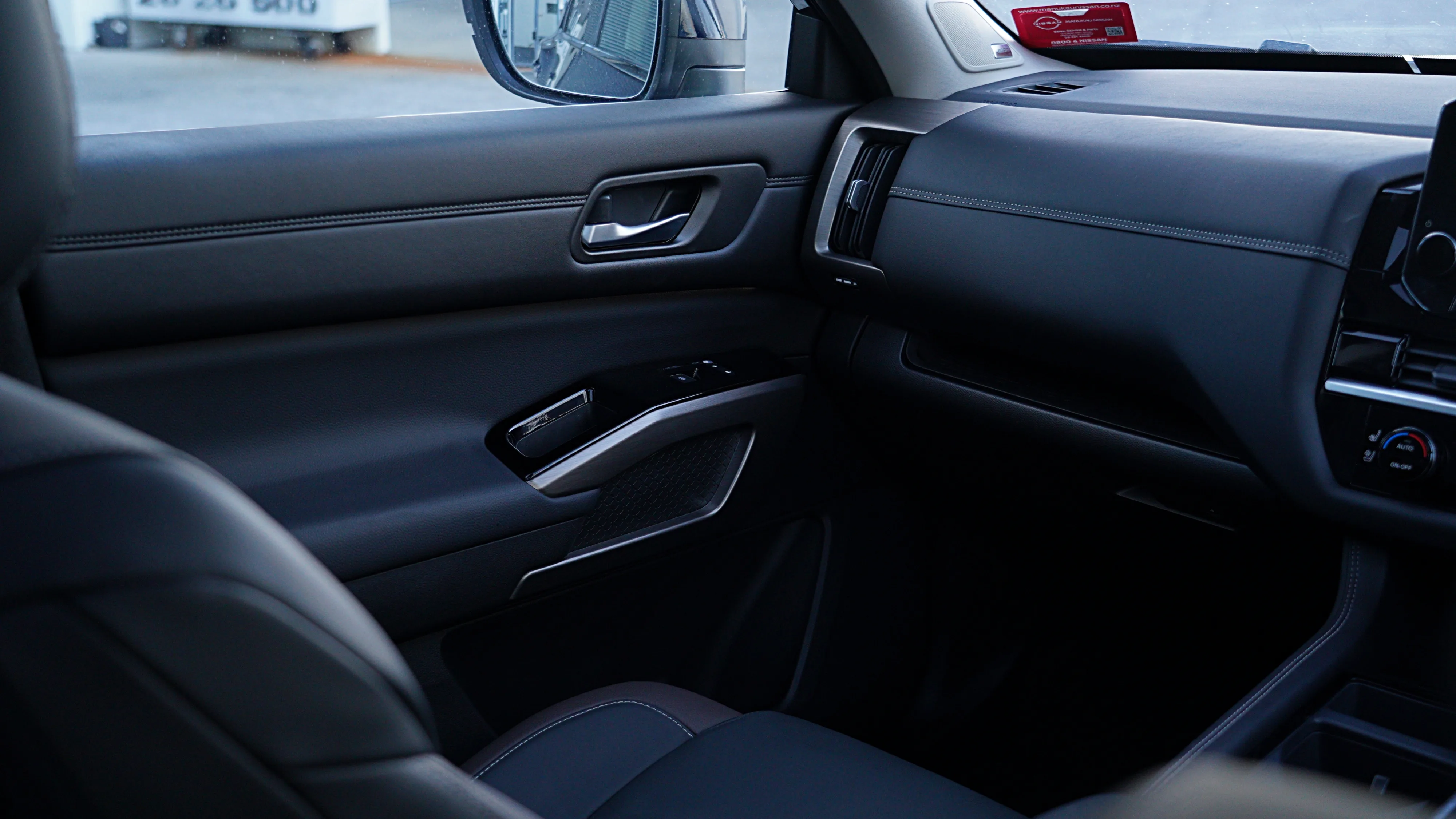
And that’s only made better by space, and loads of it. The rear doors open to a full 90 degrees, which makes access effortless, whether you are loading kids, bags, or just yourself. The third row is genuinely usable, even for someone my size, which is something that still feels rare in this segment. Storage solutions are both smart and generous, and while the materials are not class-leading, they are noticeably better than the X. Everything feels just a little more substantial, a little more considered.
Where the Pathfinder really differentiates itself, though, is in its powertrain. The Pathfinder benefits enormously from not abandoning the VQ V6, a cornerstone of Nissan’s history, and it shows through its old school character. Even at low throttle, you get that warm, smooth tone filtering into the cabin, giving the car a perception of substance and mechanical presence that is increasingly rare.
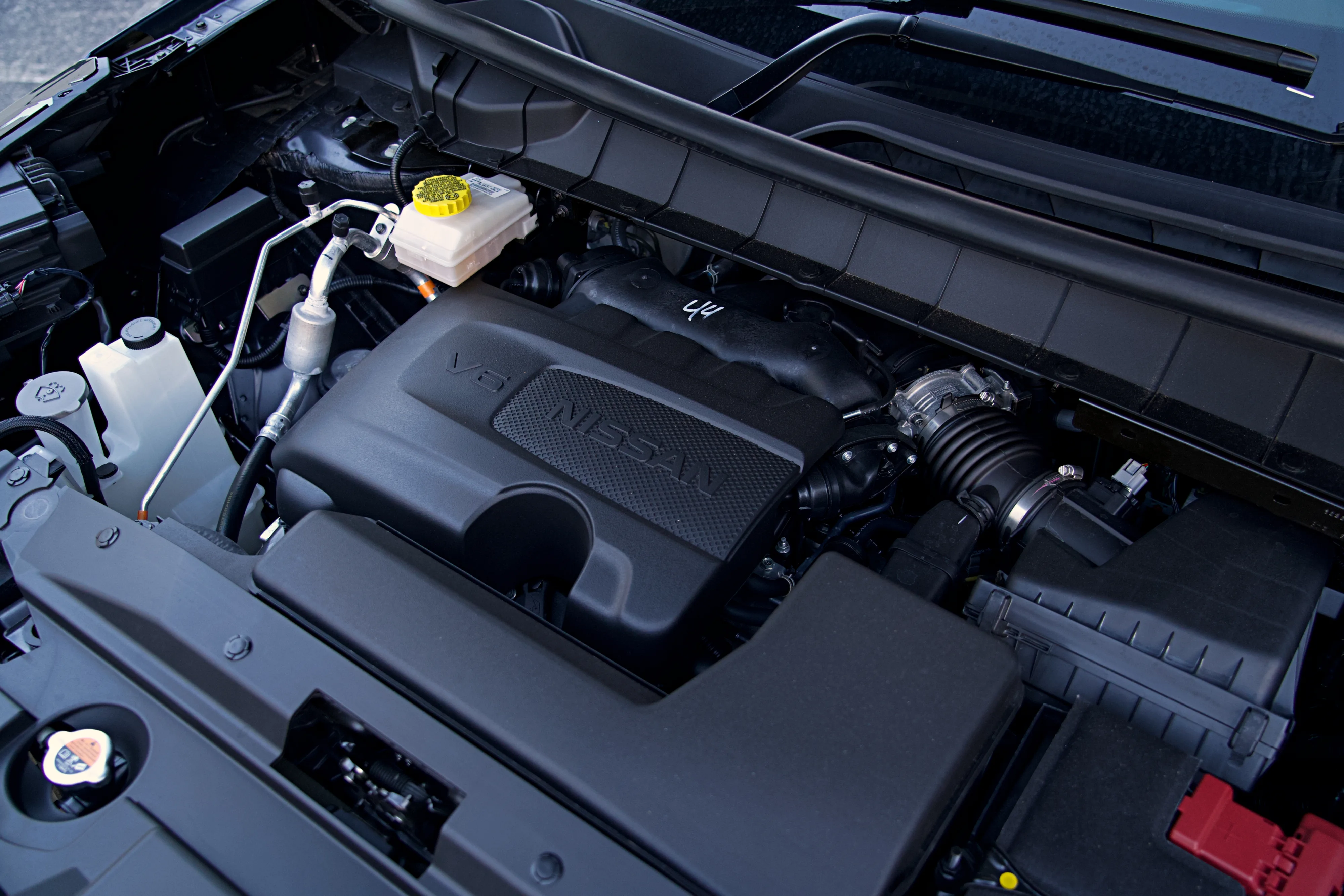
It makes the Pathfinder feel more grown-up, more luxurious, and more serious as a piece of machinery. There is some effortlessness to how it moves, as though it is never particularly stressed by what you ask of it. I am a big fan of how this engine shapes the overall personality of the car, especially when the last handful of years have converted most 6 cylinders into 4s.
But, the price to be paid for that warm resonance is efficiency. The VQ is is old enough to drink at this point, and boy, does it. While the X-Trail could benefit from the e-POWER hybrid system to extract the most miles possible from every drop, the Pathfinder’s old school approach of a large naturally aspirated V6 leads to figures of around 13L/100km. Sorry, not sorry.
Dynamically, the Pathfinder is better than you might expect. There is not an excessive amount of understeer when you start leaning on it, and body roll is well controlled for something of this size. It is obviously not pretending to be sporty, but it also does not feel clumsy or disconnected, not at all. On the highway, it settles into its natural habitat: a comfortable, relaxed cruiser that you could easily drive cross-country, fully loaded with people and luggage, without feeling fatigued or frustrated. It’s a mileage monster, and I’m sad I didn’t have a genuine reason to take it on a longer trip, especially with is 2700kg tow rating.
Where the Pathfinder starts to show its age is in the technology. The infotainment screen, like in most current Nissan products, feels at least a generation behind. The resolution is low compared to modern competitors, the integration into the dashboard is not particularly elegant, and the overall presentation lacks the visual polish you now see elsewhere in the segment.
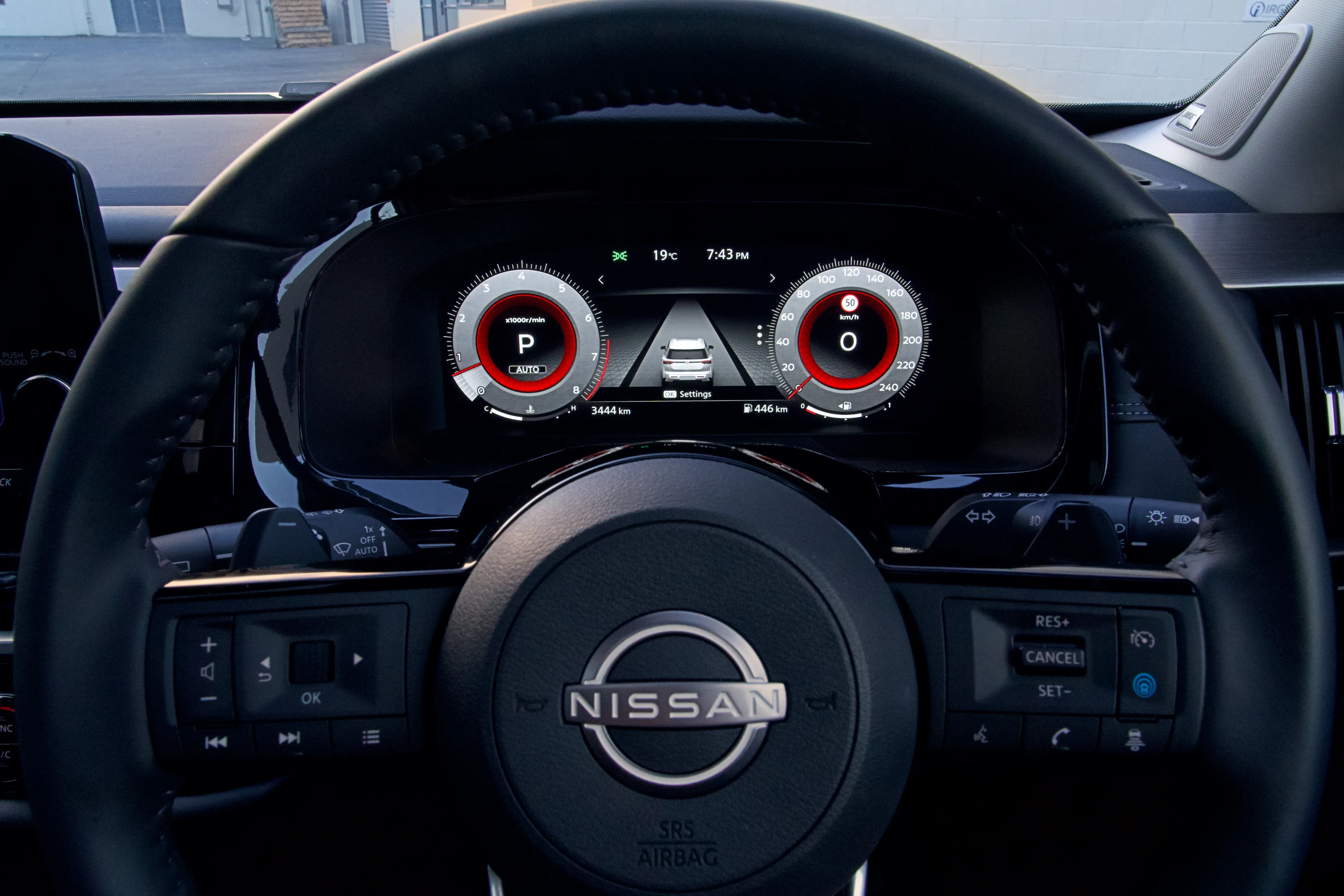
That is very on-brand for Nissan, but the great part is that the fundamentals are all there. You get a 360-degree camera, front and rear sensors, adaptive cruise control (even if it is not the smoothest implementation), a digital driver’s display, and a head-up display that does a good job of keeping important information in your line of sight. It will not impress anyone chasing cutting-edge tech, but it does everything it needs to do competently. There is barely anything to customise about the visualisation of information, so you’re better just using phone projection and calling it a day.
And that, ultimately, is the Pathfinder’s entire philosophy. This is a no-nonsense SUV that sticks to its guns. It knows exactly what it is good at, and it doubles down on doing that really well. It does not waste time trying to reinvent things that do not need reinvention. It’s also not at the bleeding edge of anything, it’s not overloading you with gimmicks, and not pretending to be something it is not.
The Pathfinder feels like a serious, dependable companion — the kind of car that is just there when you need it, always ready to do the job without drama. I know that 20k is nothing to sneeze at, but it feels like an adequate figure that justifies what more you get over the already good X-Trail.
And, at this point, it feels like the modern Nissan playbook: build cars that prioritise real-world usability, mechanical honesty, and long-term livability over spec-sheet fireworks. And honestly, I am very glad that this is still the way they do things.