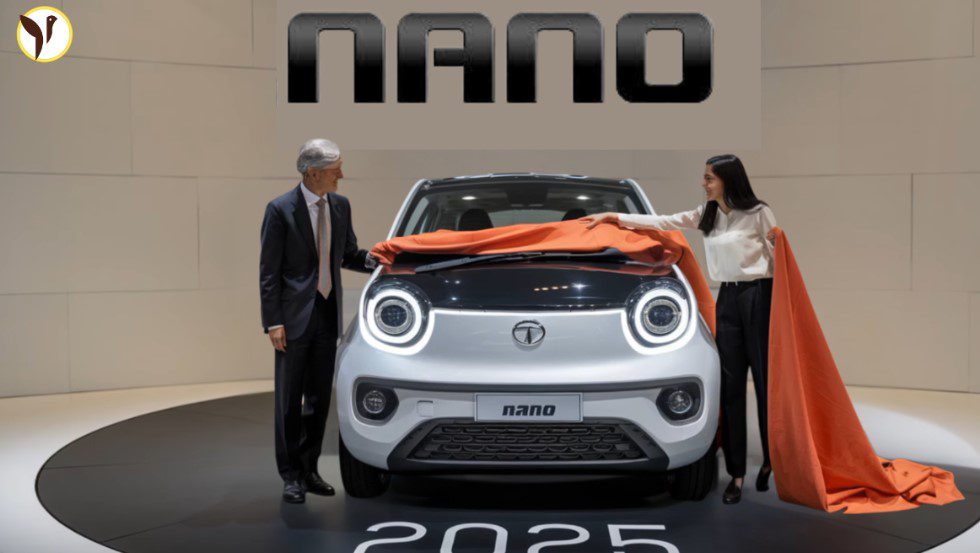
Out to revolutionise India’s burgeoning electric vehicle landscape, Tata Motors is preparing to launch what could be the most affordable electric car in the country – the Tata Nano EV. This electrified version of the iconic Nano is generating significant buzz in the automotive industry, promising to make zero-emission mobility accessible to the masses.
Price Point – Breaking New Ground
The most compelling aspect of the Nano EV is its anticipated price tag. Industry experts suggest the vehicle will be positioned between ₹3 to ₹5 lakh, (NZ$13,000) potentially making it India’s most accessible electric vehicle. This aggressive pricing, combined with government subsidies and tax incentives, could make the switch to electric mobility more attainable for middle-class consumers.
Powertrain and Performance
Under its compact body, the Nano EV will probably pack a high-performance electric motor coupled with a 20-25 kWh battery pack. The powertrain is expected to deliver a practical range of 150-200 kilometers on a single charge – ideal for urban commuting and daily city use.
One of the standout features is the vehicle’s fast-charging capability, which will allow drivers to reach 80% charge in under an hour when connected to a fast-charging station. The inclusion of regenerative braking technology helps maximize efficiency by recovering energy during deceleration.
Tech and Safety Features
Despite its budget-friendly positioning, Tata hasn’t skimped on modern amenities. The Nano EV will come equipped with:
- Smart infotainment system with Bluetooth connectivity
- Android Auto and Apple CarPlay integration
- Dual airbags
- ABS (Anti-lock Braking System)
- Reverse parking sensors
Market Positioning
When compared to other entry-level EVs in the Indian market, the Nano EV presents a compelling value proposition:
| Model | Price | Range | Battery |
|---|---|---|---|
| Tata Nano EV | ₹3-5 Lakh | 150-200 km | 20-25 kWh |
| Mahindra e2o Plus | ₹8 Lakh | 140 km | 16.5 kWh |
| Maruti Suzuki WagonR EV | ₹8-9 Lakh | 200 km | 20 kWh |
Launch Timeline
While Tata Motors hasn’t officially confirmed the exact launch date, the Nano EV is expected to hit Indian roads in 2025. The company is currently conducting extensive testing and prototype evaluations to ensure optimal performance and reliability.
Market Impact
The introduction of the Nano EV could be a watershed moment for India’s electric vehicle industry. Its accessibility could catalyze widespread EV adoption, particularly in Tier 2 and Tier 3 cities where the electric vehicle market is still in its infancy. The vehicle’s launch aligns perfectly with India’s growing focus on sustainable transportation and could play a crucial role in reducing the country’s dependency on fossil fuels.