Ferrari has officially unveiled the interior of its first full‑electric sports car, the Ferrari Luce, and (depending on your level of caffeine intake) you’ll either call it minimalist genius or a very expensive Scandinavian AirBnB host’s fever dream.
The Prancing Horse insists that ‘Luce’ (meaning light) is a vision, not a technology, which is a very poetic way of saying, “Please don’t ask us about the battery yet.” According to Ferrari, Luce represents a new era where design, engineering, and imagination harmoniously converge into something the world has never seen before, presumably because nobody has tried to make an EV interior look like a cross between a vintage watch shop and a medical‑grade sterilization chamber.
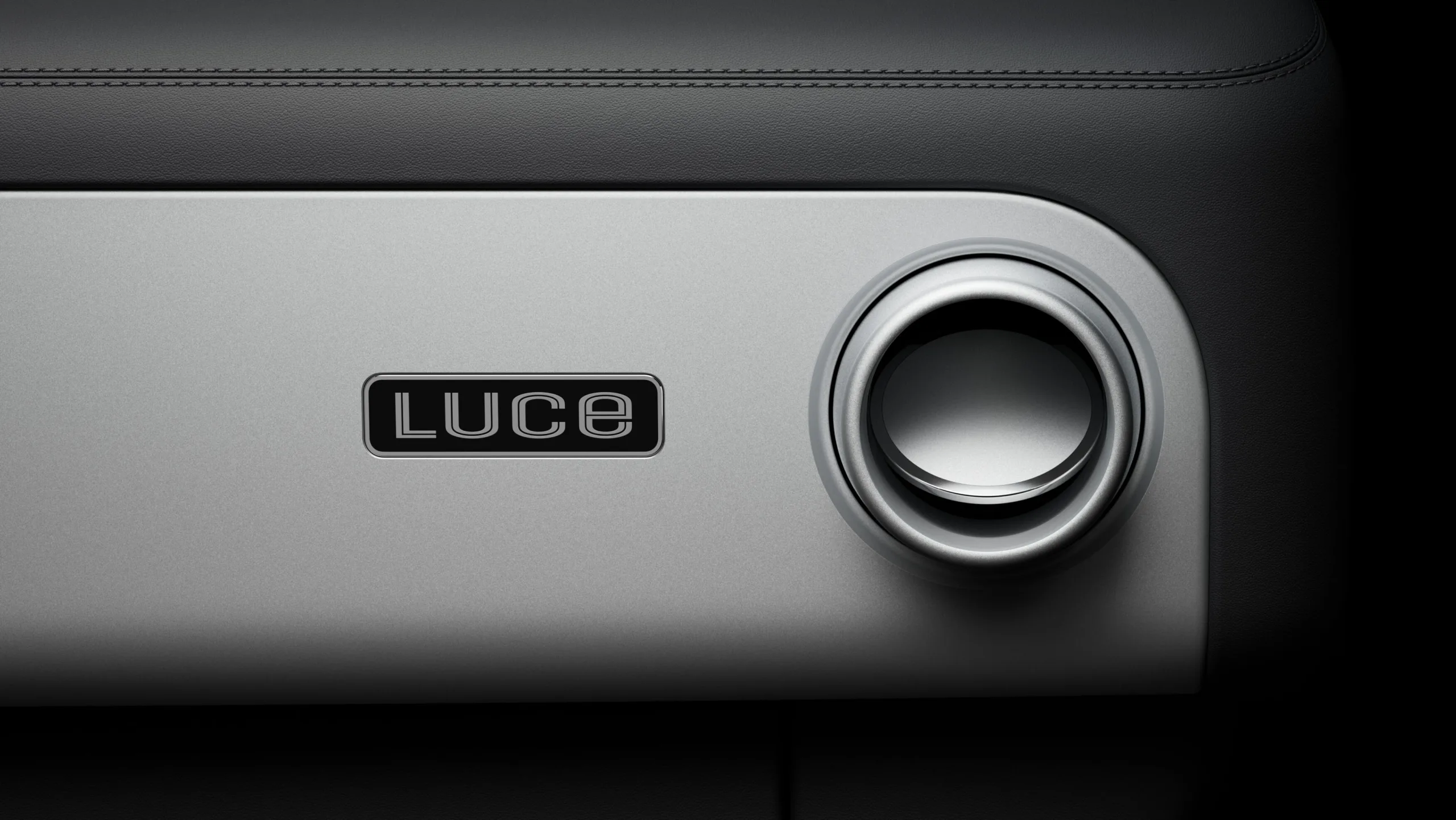
But this is Ferrari, after all, and Maranello doesn’t half‑bake anything. They bake the entire concept, glaze it with anodised aluminium, polish it with CNC machining, then hand it to Sir Jony Ive to sprinkle on some quiet British design magic. Yes, LoveFrom (the design collective founded by Ive and Marc Newson) has been co‑creating every dimension of the Luce, which explains why the cabin looks like someone whispered “Apple Store, but make it go fast” into a wind tunnel.
A single, clean volume – because clutter is for the poor
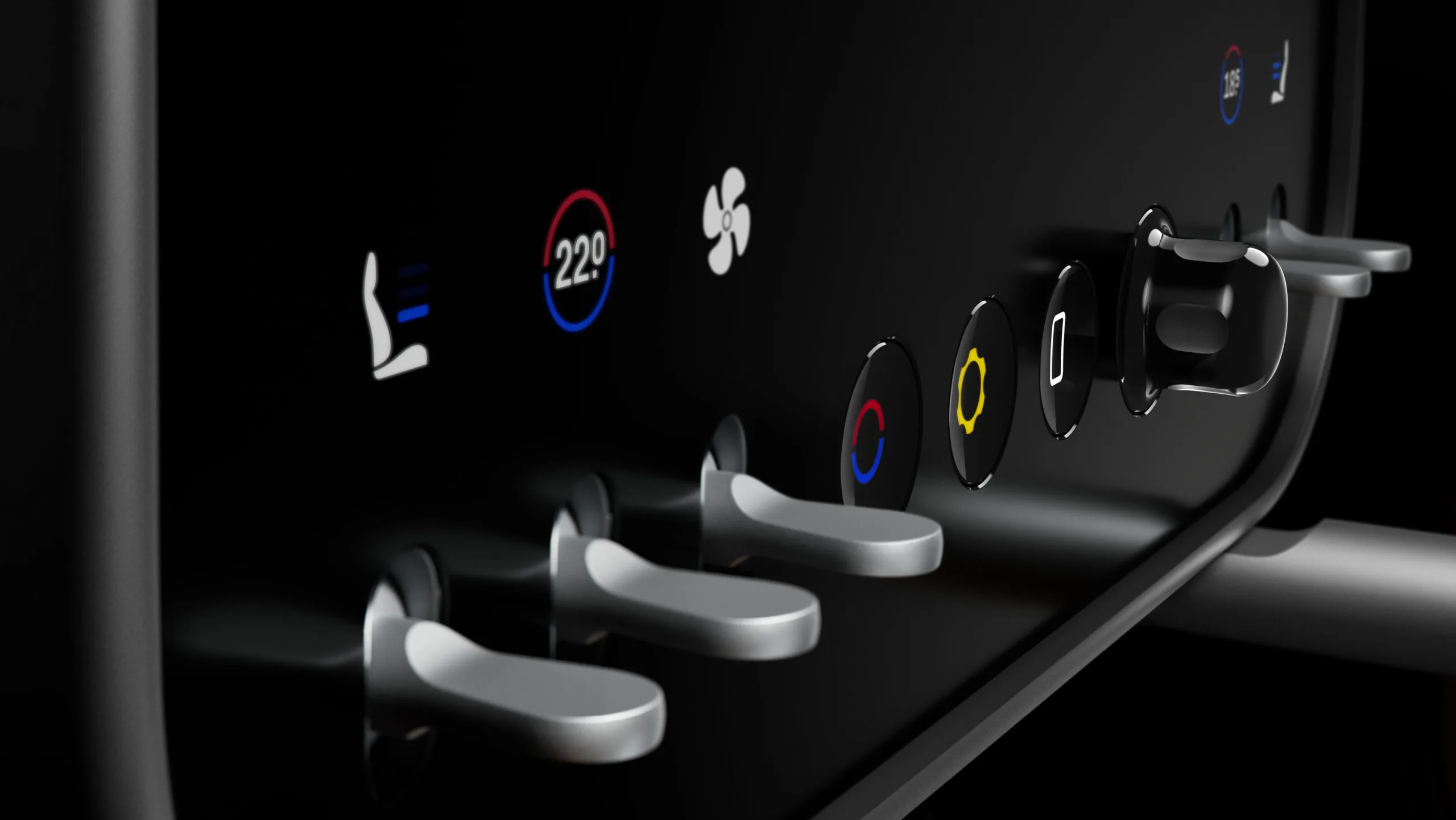
Ferrari wants the cabin to feel like a calm, focused and spacious environment, which is exactly what you get when you remove anything resembling traditional switchgear and replace it with beautifully milled blocks of recycled aluminium. The result is a space so clean it makes operating theatres feel cluttered. Everything is intentionally stripped back to its purest form, which sounds philosophical until you realise it means Ferrari removed every button they could get away with and then reintroduced them (beautifully engineered, of course) as luxury toggles that look like they were stolen from a 1960s submarine.
Aluminium everywhere (carbon fibre is so last decade)
Ferrari proudly explains that most visible components are machined from 100% recycled aluminium billets, then anodised using advanced processes that create a “hexagonal microstructure” on the surface. Translation: it’s the stuff your MacBook wishes it could be.
The material choice is deliberate, durable, noble, and extremely photogenic under soft Italian lighting. The result is an interior that feels modern, timeless, and suspiciously like a high‑end kitchen appliance.
Physical controls (screens are for other EV brands)
In a refreshing twist, Ferrari boldly declares that electric cars do not need giant touchscreens dominating the cabin. Instead, Luce features mechanical controls designed to provide tactile, intuitive engagement. This is a noble attempt to separate the brand from the Tesla‑fied world of tablet‑on‑wheels design. It also guarantees that owners will enjoy a satisfying “click” every time they adjust something, a detail Ferrari test drivers apparently evaluated more than 20 times. Imagine telling your family you spent the week pressing buttons for science.
The steering wheel – retro meets recycled
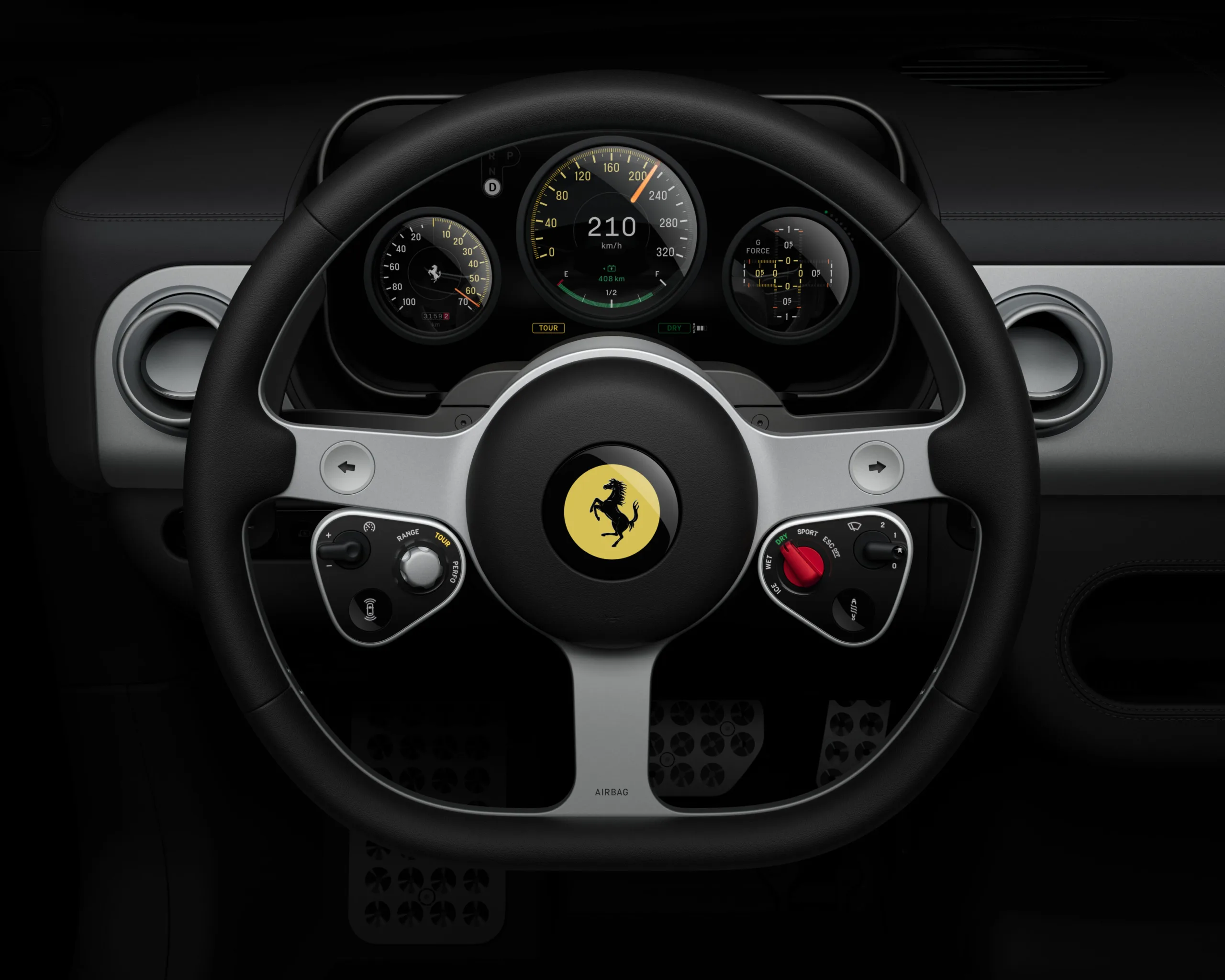
The Luce’s three‑spoke steering wheel pays homage to Ferrari classics of the 1950s and 60s, reinterpreted in (you guessed it) recycled aluminium. It’s 400 grams lighter than a standard Ferrari wheel, because that’s exactly where the weight savings need to happen in an EV. Buttons are arranged with Formula One inspiration, giving drivers the illusion of being Charles Leclerc, at least until they hit city traffic.
The Key and Key Dock – theatre meets E Ink
Starting the Luce involves a dramatic ritual. Inserting a glass key with an E Ink display (the first ever used in a car) into a dock that triggers a colour‑changing light show. Ferrari wants this to feel like the opening scene of a sci‑fi movie. In practice, it’s somewhere between luxury ignition sequence and Kindle mating ritual.
The displays – analogue vibes, OLED reality
The Luce binnacle is packed with technological flexing, dual overlapping OLED displays featuring three glass‑covered cutouts and an ultra‑light panel developed with Samsung. The graphics mimic vintage Veglia and Jaeger dials, offering watch‑like clarity – a phrase used so many times in the press material it might as well be a legal requirement. The control panel even includes a multigraph, a mechanical‑digital hybrid dial with three motors, four modes, and animated transitions. It’s essentially a smartwatch for your car, but with more anodised aluminium.
The shifter- glass, lasers, and microscopic holes
The shifter is made from Corning Fusion5 glass, laser‑perforated with holes half the width of a human hair to embed the graphics. Ferrari calls it a “technical work of art.” Cynics might call it “the world’s fanciest gear knob.”
So—ugly or not?
Ferrari Luce’s interior is not ugly in the traditional sense. It’s exquisite, over‑engineered, and dripping with design philosophy. But in its pursuit of purity, minimalism, and noble materials, it edges into a territory where beauty becomes subjective—and where some might wonder if the world really needed a £300,000 electric sculpture with a steering wheel that looks like it was designed in Cupertino. But that’s Ferrari’s point: Luce illuminates the future.
Whether we like what’s revealed… well, that’s another story entirely.