The BMW 3 Series and Plant Munich have been inseparable since 1975. Now, more than nine million 3 Series later, the same site is producing something quite different: a fully electric i3 built on the new Neue Klasse architecture. Series production began this month, and BMW says strong early demand has already driven a steep ramp-up curve at the plant.
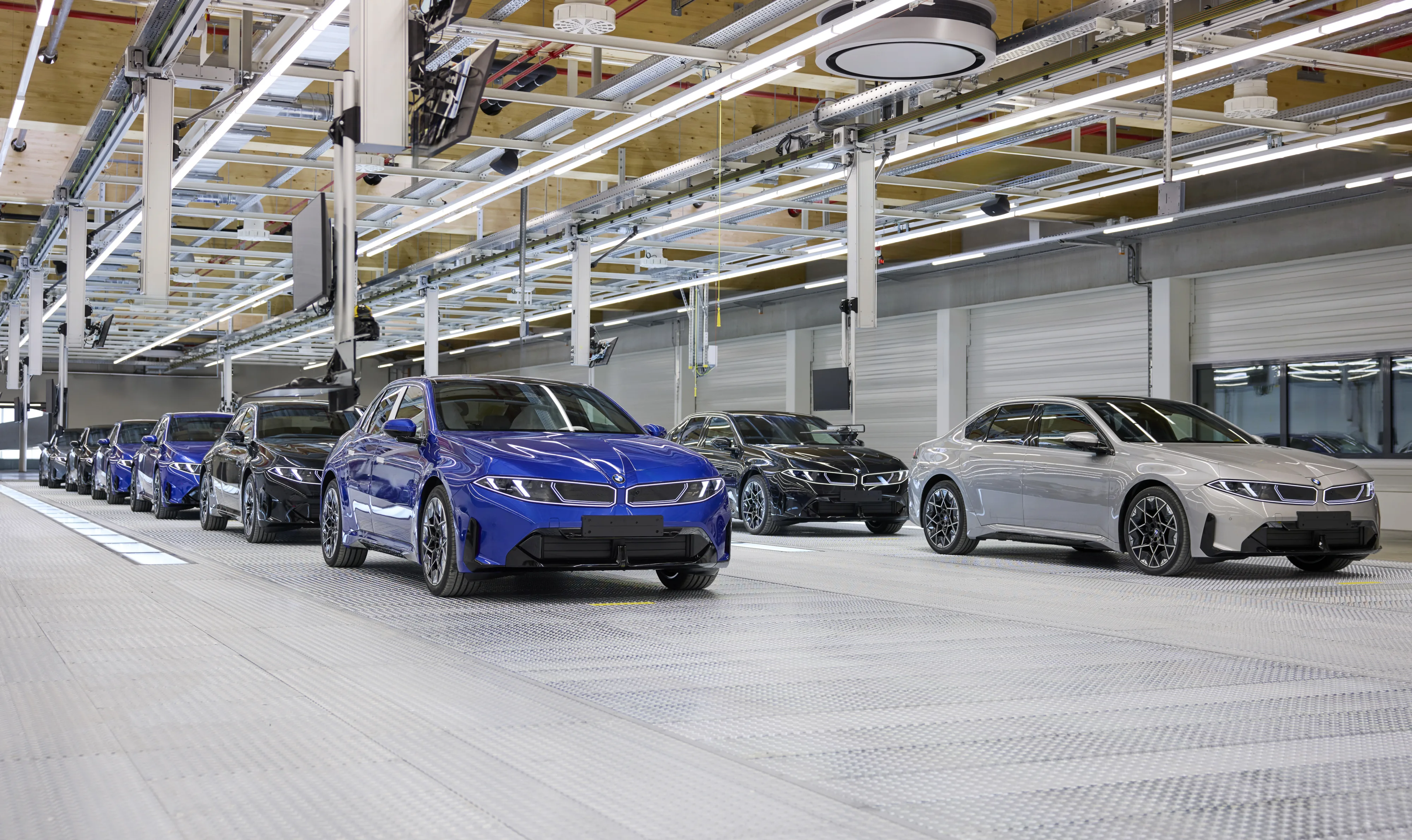
The i3 is the second Neue Klasse model to reach production, following the iX3. Orders opened in mid-June, and BMW’s board member for customer and sales, Jochen Goller, noted that demand has been notably strong ahead of the official launch.
A Plant Rebuilt From the Ground Up
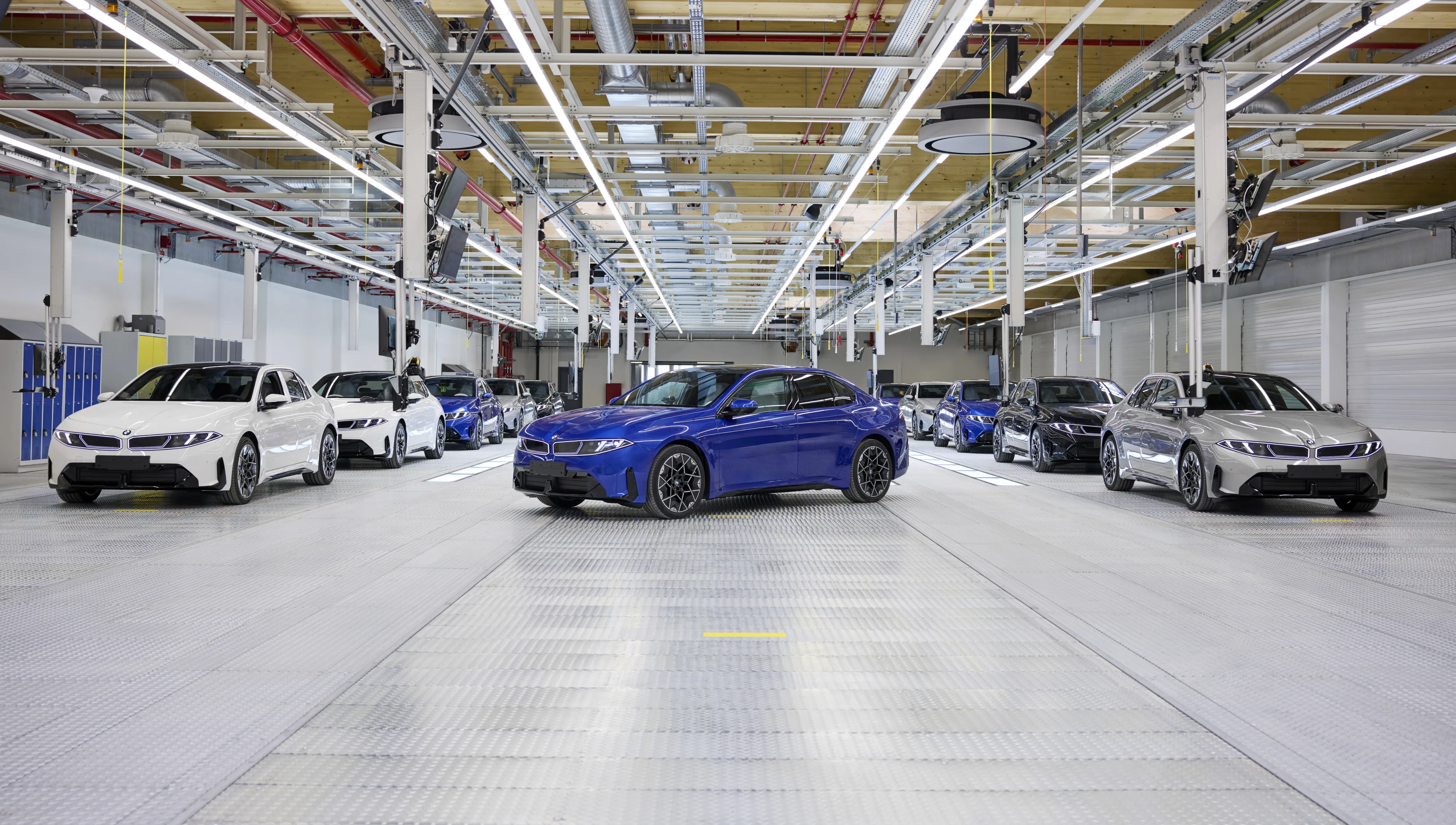
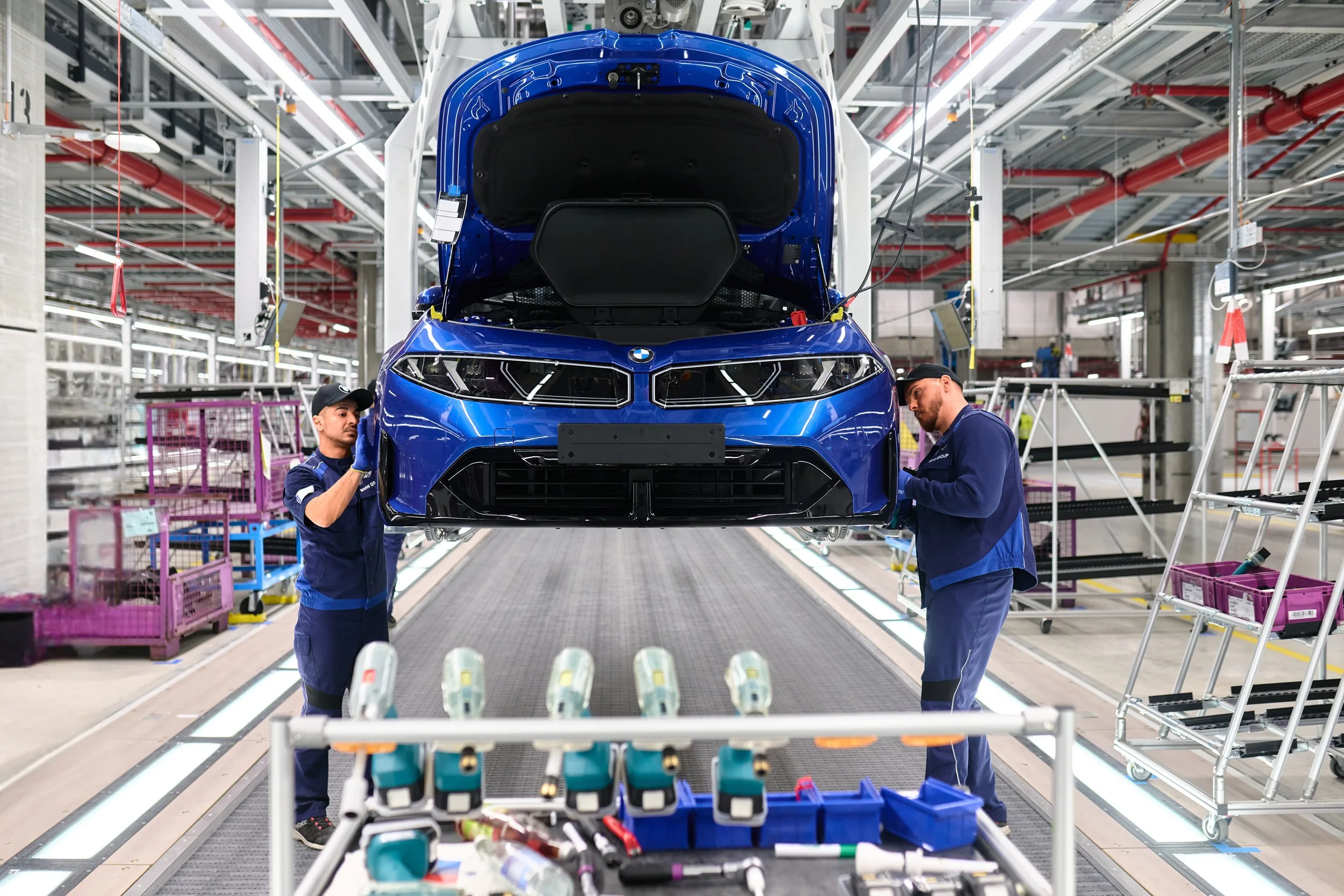
Plant Munich has undergone four years of significant transformation to prepare for the Neue Klasse era. Across roughly a third of the site, BMW constructed a new body shop and a new assembly hall, complete with updated logistics areas. A delivery hall for final customer inspections is still in its commissioning phase.
All of this happened during ongoing production of up to 1,000 vehicles per day, no small feat. The result, BMW says, is a facility that is more efficient, more flexible, and more digitally integrated than before.
The headline efficiency figure is a 10 per cent reduction in manufacturing costs at the plant, attributed to optimised processes, targeted automation, and the Neue Klasse’s new vehicle architecture. From 2027, Plant Munich will produce exclusively fully electric vehicles.
Where the Components Come From
BMW is leaning on a regional supply network for the i3’s key components. Sixth-generation high-voltage batteries will come from the newly built Plant Irlbach-Straßkirchen in Lower Bavaria, roughly 90 minutes from Munich. The Gen6 electric motor (covering the rotor, stator, power converter, and transmission) is produced at Plant Steyr in Austria, which has been making drive systems for over 40 years but is now building its first electric motor.
The aluminium motor housing travels from BMW’s foundry in Landshut to Steyr before the finished unit heads to Munich. It is a tightly coordinated regional chain, and BMW describes the approach as “local for local.”
What the i3 Can Do
Provisional figures for the BMW i3 50 xDrive show a WLTP range of 758 to 912 kilometres and combined energy consumption of 13.4 to 16.1 kWh per 100 km. Those are competitive numbers, particularly the upper range figure, which puts it among the more capable long-distance electric saloons currently available.
BMW has not yet published full pricing or a confirmed on-sale date beyond confirming that production is now under way.
Why This Matters
The Neue Klasse is BMW’s most consequential product programme in years. The 3 Series nameplate carries enormous weight for the brand, and attaching it to a fully electric car built at the company’s spiritual home sends a clear signal about where BMW’s priorities now lie.
Plant Munich’s exclusive shift to electric production by 2027 is also a firm commitment, one that will be difficult to walk back. Whether the i3 can carry the 3 Series legacy into the electric era is the real question, and early order volumes suggest buyers are at least willing to find out.