When you hear “Virtual Reality,” your mind probably jumps to video games or perhaps futuristic movie scenes. But what if that same immersive technology could fundamentally change how cars are made? Stellantis, the automotive giant behind brands like Jeep, Ram, and Peugeot, is doing just that. They’re leveraging a cutting-edge VR lab to simulate and reshape their factory floors, aiming for greater efficiency and a new era of auto production.
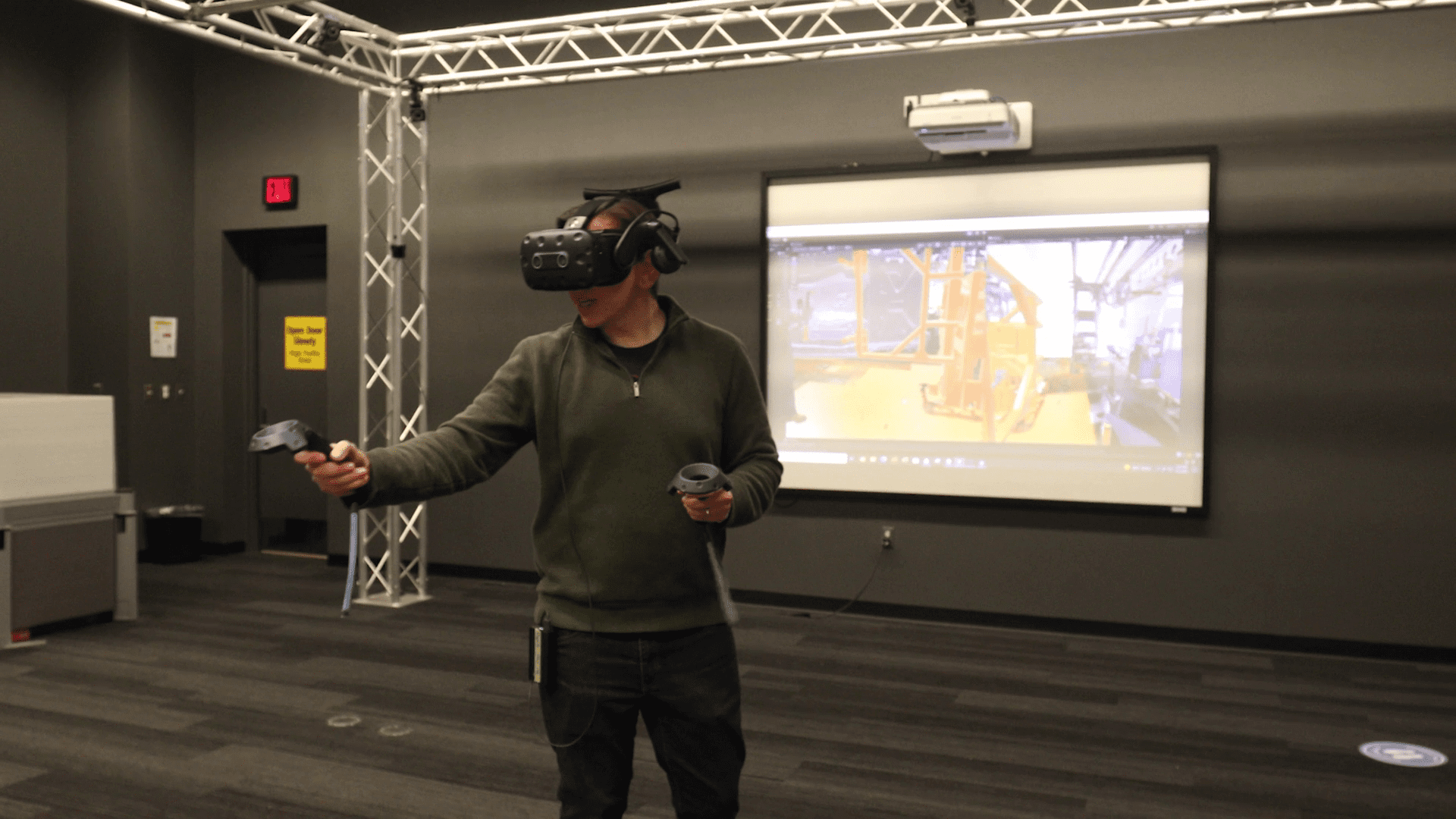
It’s less about headsets for entertainment and more about powerful tools for industrial design and engineering. Stellantis’ engineers are using VR to create highly detailed, interactive digital twins of their assembly plants. Think of it as building an entire factory in the digital realm before a single physical piece of equipment is moved or installed. This allows them to walk through virtual production lines, test different layouts, optimize workflows, and identify potential bottlenecks – all without the cost or disruption of real-world trial and error.
The core idea is to merge the precision of digital simulation with the practicalities of the factory floor. By “gamifying” the design of manufacturing processes, Stellantis can explore countless scenarios quickly. Need to see how a new robotic arm will integrate with an existing line? Want to test the ergonomics for an assembly worker performing a specific task? VR provides the environment to do so with remarkable accuracy. This foresight can lead to significant improvements: reduced setup times for new models, more efficient use of space, enhanced worker safety, and ultimately, a smoother path to getting new vehicles into customers’ hands.
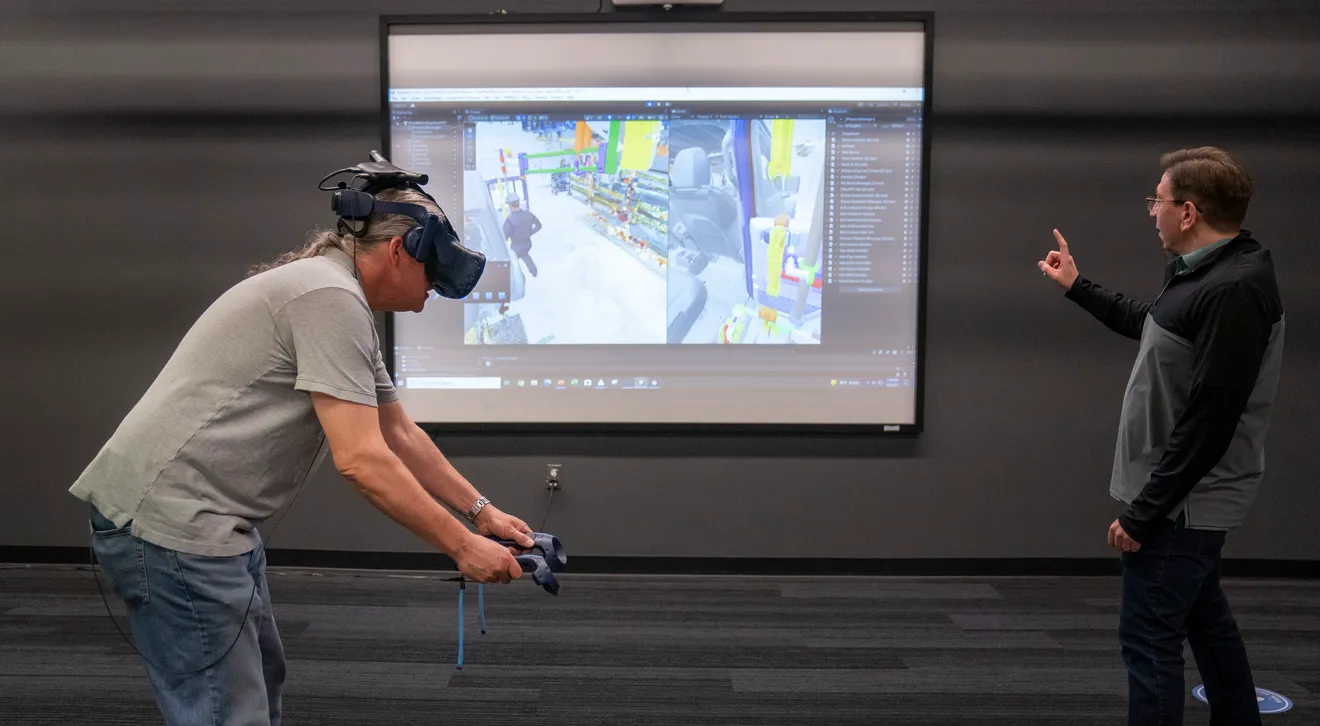
This isn’t just a futuristic concept; it’s actively being used to influence current and future production. The insights gained from these virtual simulations directly inform how Stellantis designs and modifies its physical plants. As vehicle designs become more complex, particularly with the shift towards electrification and advanced driver-assistance systems, the ability to meticulously plan every step of the assembly process in a virtual space becomes invaluable.
Stellantis’ investment in this VR lab signals a broader trend in the automotive industry: harnessing advanced digital tools to stay competitive and agile. It’s a clear indication that the path to building the next generation of vehicles is paved not just with steel and ingenuity, but also with pixels and processing power. What starts in a virtual lab today could very well define the efficiency and innovation of the car factories of tomorrow.