BMW Australia is gearing up for a landmark mid-2026 refresh of its popular X1 and X2 model ranges, bringing with it new powertrains, cleaner emissions tech, smarter electrification, and a higher baseline of standard equipment. Most notably, the lineup now welcomes the X1 xDrive25e plug-in hybrid (PHEV), a significant addition that broadens BMW’s electrified portfolio while delivering the kind of dynamic capability and real-world efficiency that Kiwi and Australian buyers increasingly demand.
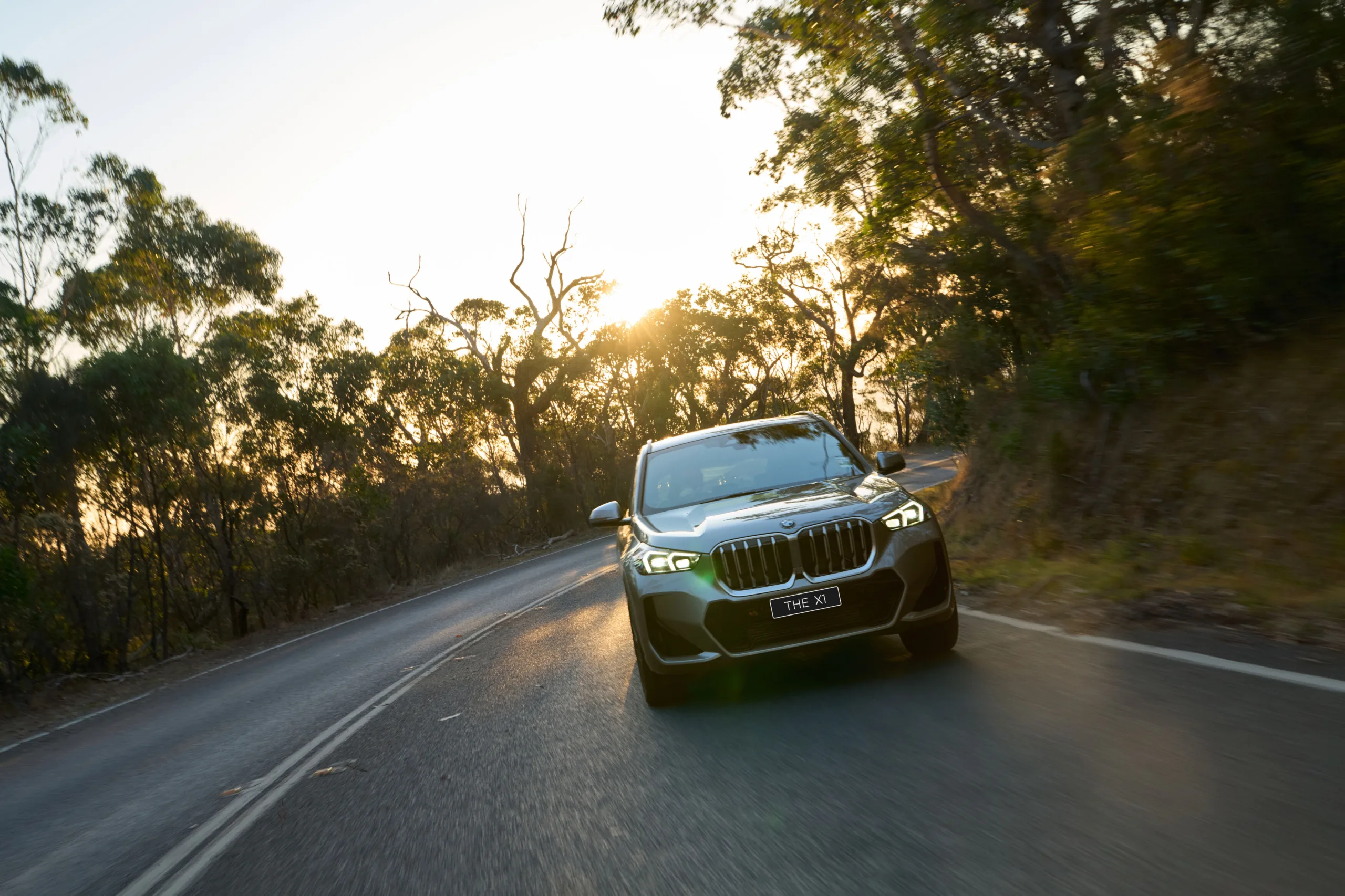
For a brand already invested heavily in the electrification journey, the arrival of the X1 xDrive25e represents a new entry point into BMW’s PHEV stable, bringing together a lively three-cylinder petrol engine, an 80kW electric motor, and a fifth‑generation 14.2kWh lithium‑ion battery. Combined output lands at 180kW (impressive for a compact SUV) and thanks to that high-voltage battery, drivers can expect a usable pure‑electric driving range of 78–86km under WLTP testing. For many suburban lifestyles, that’s enough to cover the daily commute without using a drop of petrol.
Charging is equally practical: the 25e supports up to 11kW AC charging via both single‑ and three‑phase power, making home charging setups and public charging stations straightforward to use. A full recharge takes just 1 hour and 45 minutes, positioning the PHEV as a genuinely convenient bridge between combustion and full EV motoring.
This launch also means BMW now offers six PHEV models and nine pure electric vehicles in its Australian portfolio, a clear sign of the brand’s commitment to sustainable mobility solutions and wider customer choice.
Beyond the PHEV news, BMW is rolling out significant powertrain enhancements across the broader X1 and X2 families. Petrol variants will shift to the more stringent EU6e emissions standard, aligning with Australia’s movement toward WLTP testing protocols. To further cut emissions and improve performance, all three‑cylinder petrol engines in the new ranges will incorporate 48‑volt mild‑hybrid systems for the first time. This addition provides smoother acceleration, better stop‑start functionality, and enhanced efficiency without altering the core driving character.
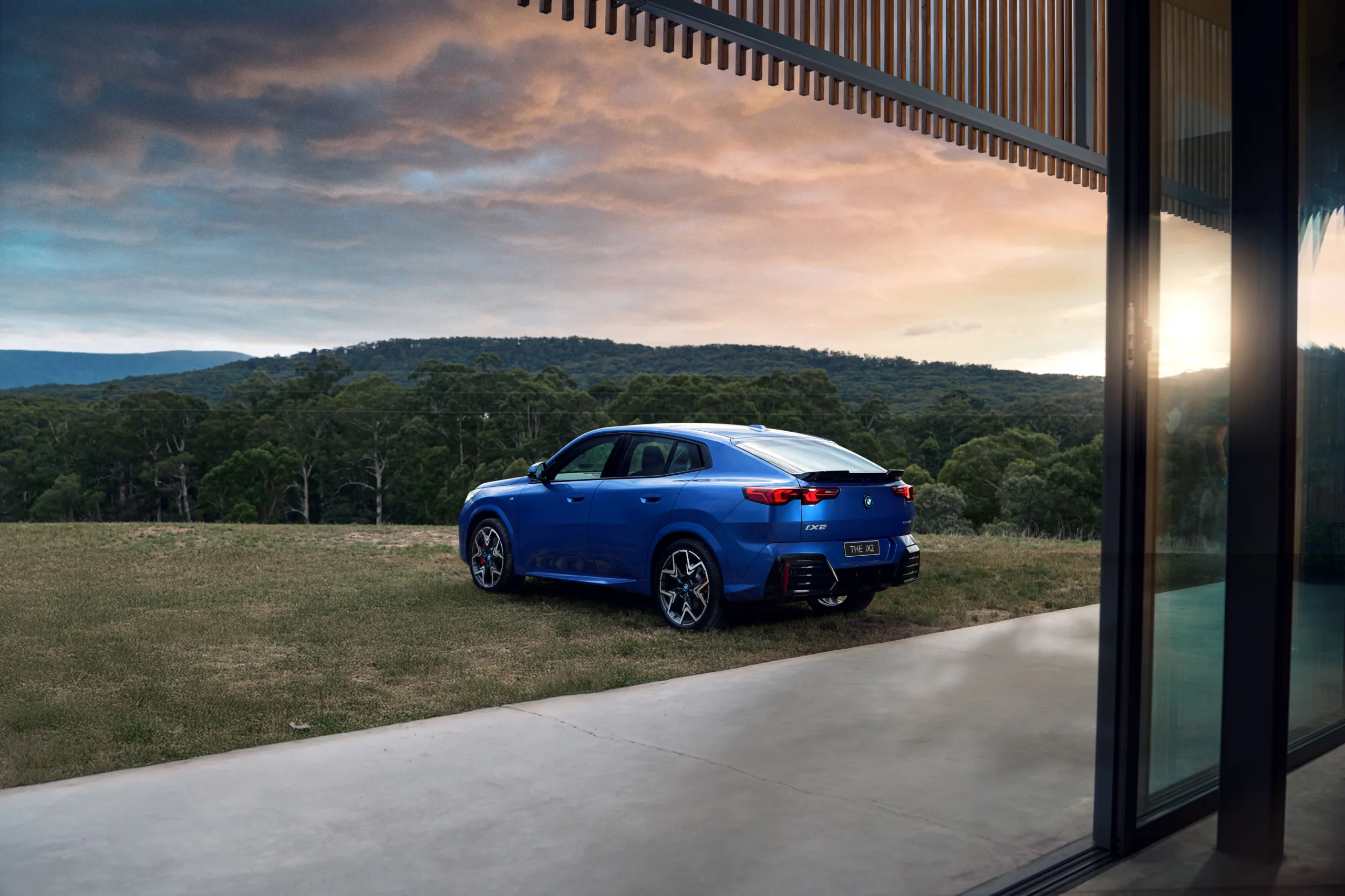
Full electric models also undergo a meaningful upgrade. Both the iX1 xDrive30 and iX2 xDrive30 will receive new silicon carbide (SiC) inverters, technology usually associated with higher-end EVs. These SiC units boost performance, improve power density, and extend battery range, making the EV experience more responsive and economical. These upgrades simplify the lineup as well, with the entry-level eDrive20 variants being dropped to reduce complexity.
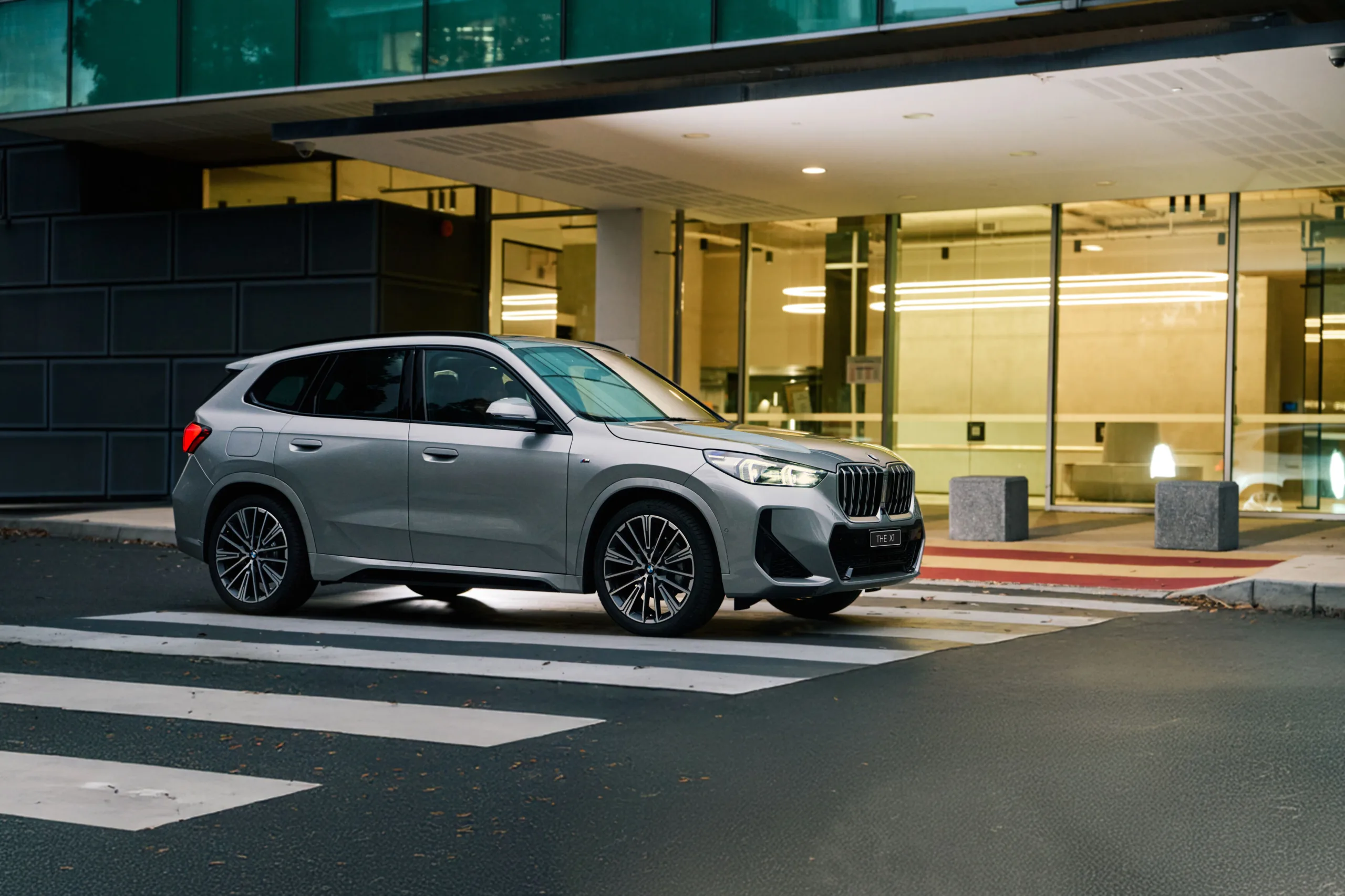
BMW has also taken this opportunity to elevate standard specifications across the X1 and X2 ranges. The new X1 sDrive20i, for example, adds features previously optional or reserved for higher trims: seat heating, electric seat adjustment with memory, and a 48‑volt mild-hybrid system all come included. Premium touches like the BMW Head-Up Display, Driving Assistant Plus, Comfort Access, adaptive LED headlights, and the Live Cockpit Professional continue to reinforce the model’s high‑tech character.
Higher variants such as the X1 xDrive25e and the athletic X1 M35i xDrive receive more generous equipment lists, including M Sport styling, 19‑inch wheels, Driving Assistant Professional, and the xDrive all‑wheel-drive system. For EV buyers, the updated iX1 xDrive30 mirrors this specification set but now benefits from the new SiC inverter for improved efficiency.
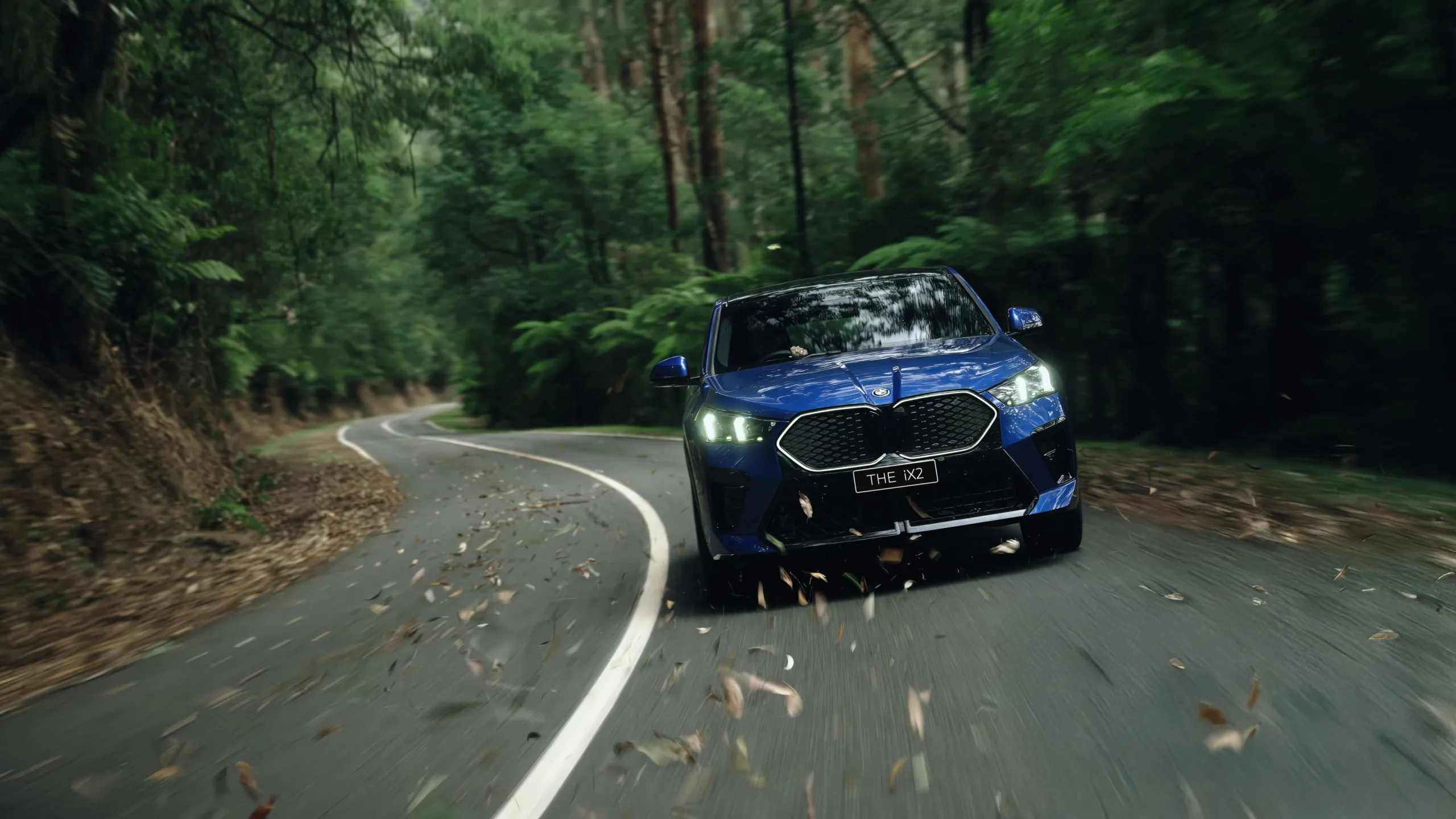
On the X2 side, the upgrades follow a similar formula. The new sDrive20i features the 48‑volt MHEV system and M Sport Package as standard, while the iX2 xDrive30 receives the same SiC inverter upgrade seen in its X1 counterpart. The performance-focused X2 M35i continues with largely unchanged spec, though it shares a 12kW power reduction with the X1 M35i due to a new petrol particulate filter required for emissions compliance.
Overall, BMW’s 2026 updates to the X1 and X2 models highlight a clear shift toward cleaner, more sophisticated, and more electrified drivetrains while enriching the standard spec lists to deliver greater value. With the introduction of the X1 xDrive25e PHEV and the integration of new inverter tech across the EV range, this refresh positions BMW strongly in the competitive compact premium SUV segment—an area where tech advances and driving enjoyment must go hand in hand.
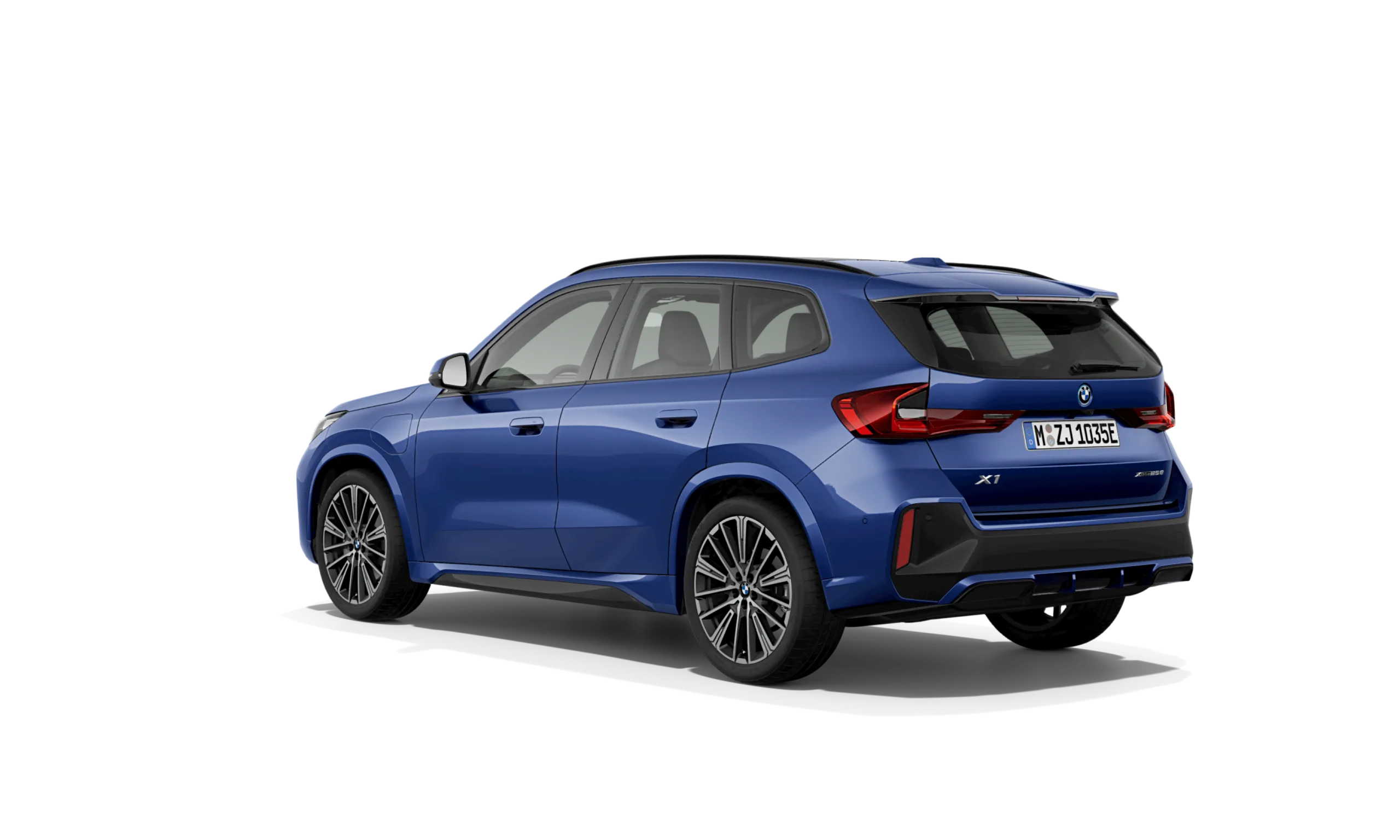
As BMW Australia prepares for the mid‑2026 arrival of these refreshed models, customers can expect more choice, more efficiency, and a level of performance refinement squarely in line with the brand’s global strategy for future mobility.