MG has been on a steady upward curve for a while, and as someone that has driven pretty much every single car in their lineup, it is easy to see the improvements, even when doing facelifts and refreshes. So we naturally wonder how it would be with a new model, and that’s what we have today.
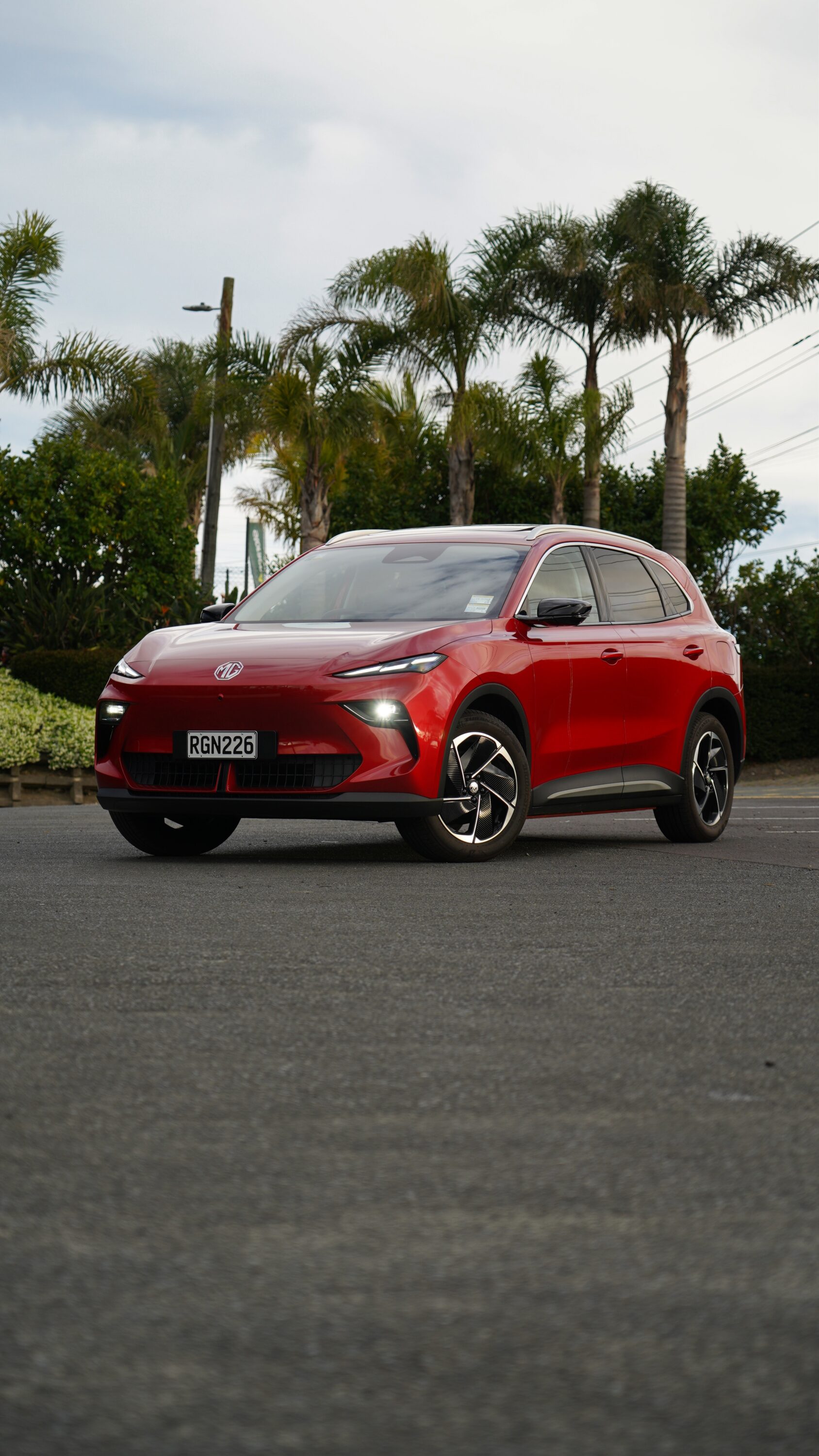
The MGS5 might not do it on paper, but informally it comes to replace the wildly popular MG ZS EV. But rather than simply evolving that formula, the MGS5 takes a few incremental, and a few revolutionary steps. Fresh platform, fresh design, fresh driving experience: it is a clear demonstration of the ability some brands have to learn and iterate at neck breaking speeds, even if the cars themselves don’t do that.
First, let me address the elephant in the room: its name. Many of the people around me always ask “what are you driving this week”, and knowing it was going to be an interesting conversation starter, I replied “the S5”. “Again?” No, not again. MG seem to have forgotten there was already another car with this name no the roads, and reusing names is hardly ever a good way to stand out. Not to forget that I’m also an avid gamer, and to me the term “MGS5” immediately brings me back to the PlayStation 3 days of the outstanding Metal Gear Solid 5.
But I digress, and will refer to the car by its “full” name. The MGS5 arrives at a time when compact EVs are everywhere, yet very few stand out for driving appeal. MG has clearly paid attention to what buyers like about some of the segment leaders, while doubling down on value and everyday usability. The MGS5 sits squarely in a sweet spot of being attainable, practical, and genuinely good to drive. Coming from the ZS, the leap in every direction is just undeniable.
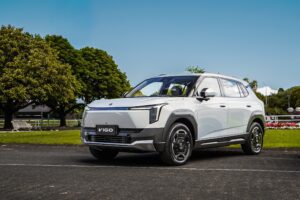
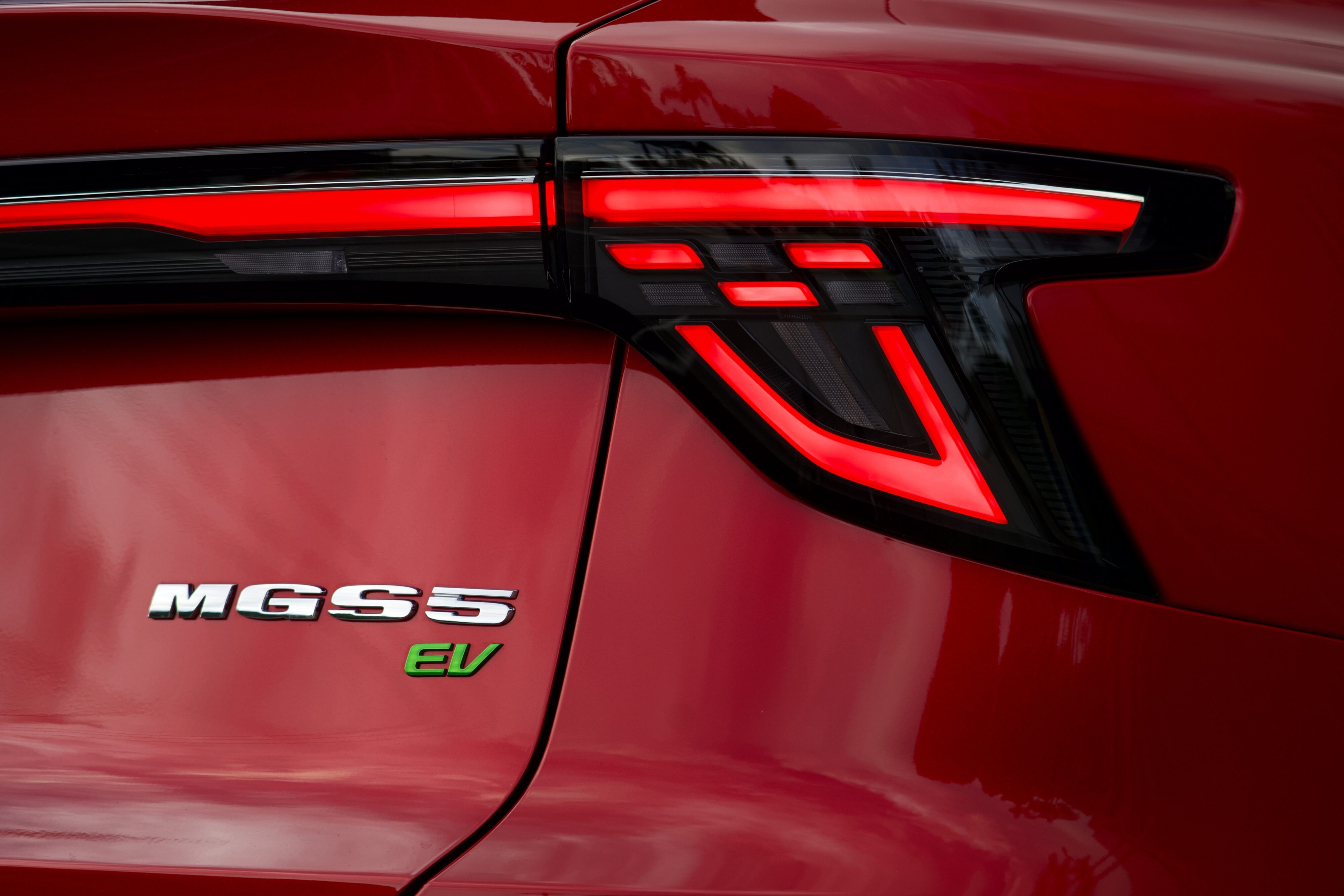
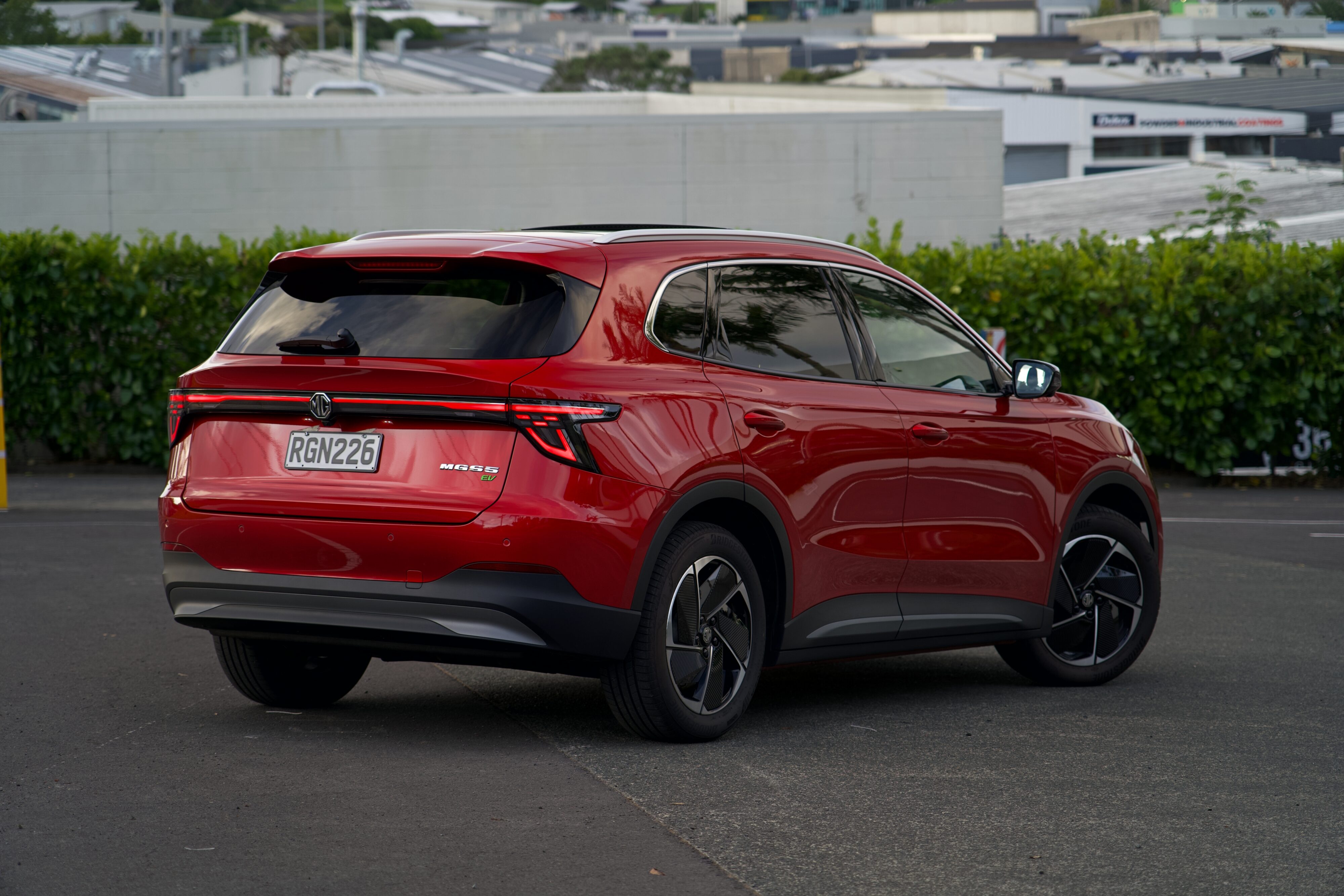
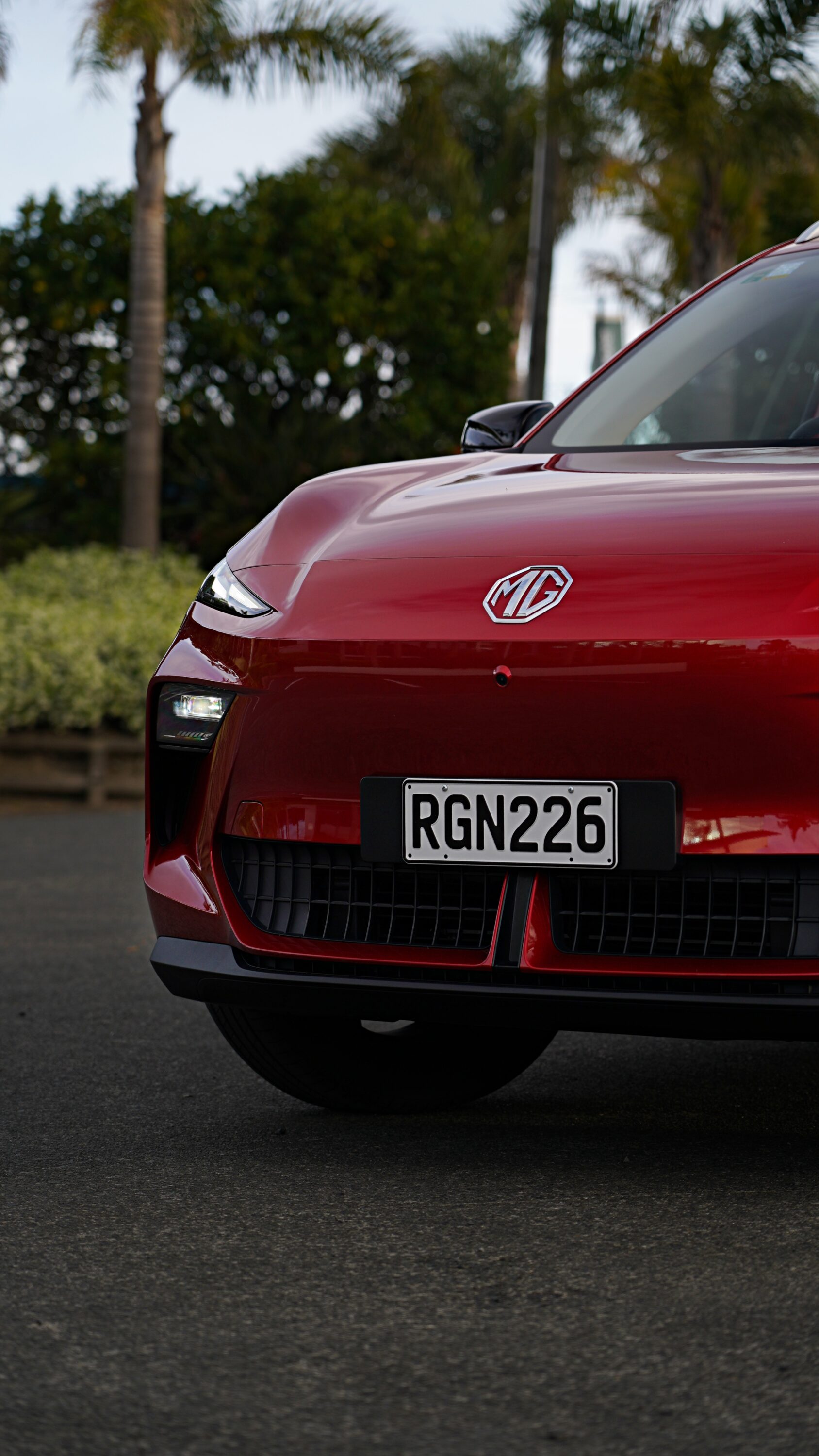
Stylistically, the MGS5 is clean, modern and dare I say handsome. The compact SUV shape is as cookie-cutter as it gets nowadays, but the neat proportions and some character lines inject a little bit of personality and brand design identity. It looks more like its own thing, with a more interesting, mature and better resolved design from every angle. The split headlights followed by the air channels up front, or the smart taillight with the integrated light bar are some of the best touches.
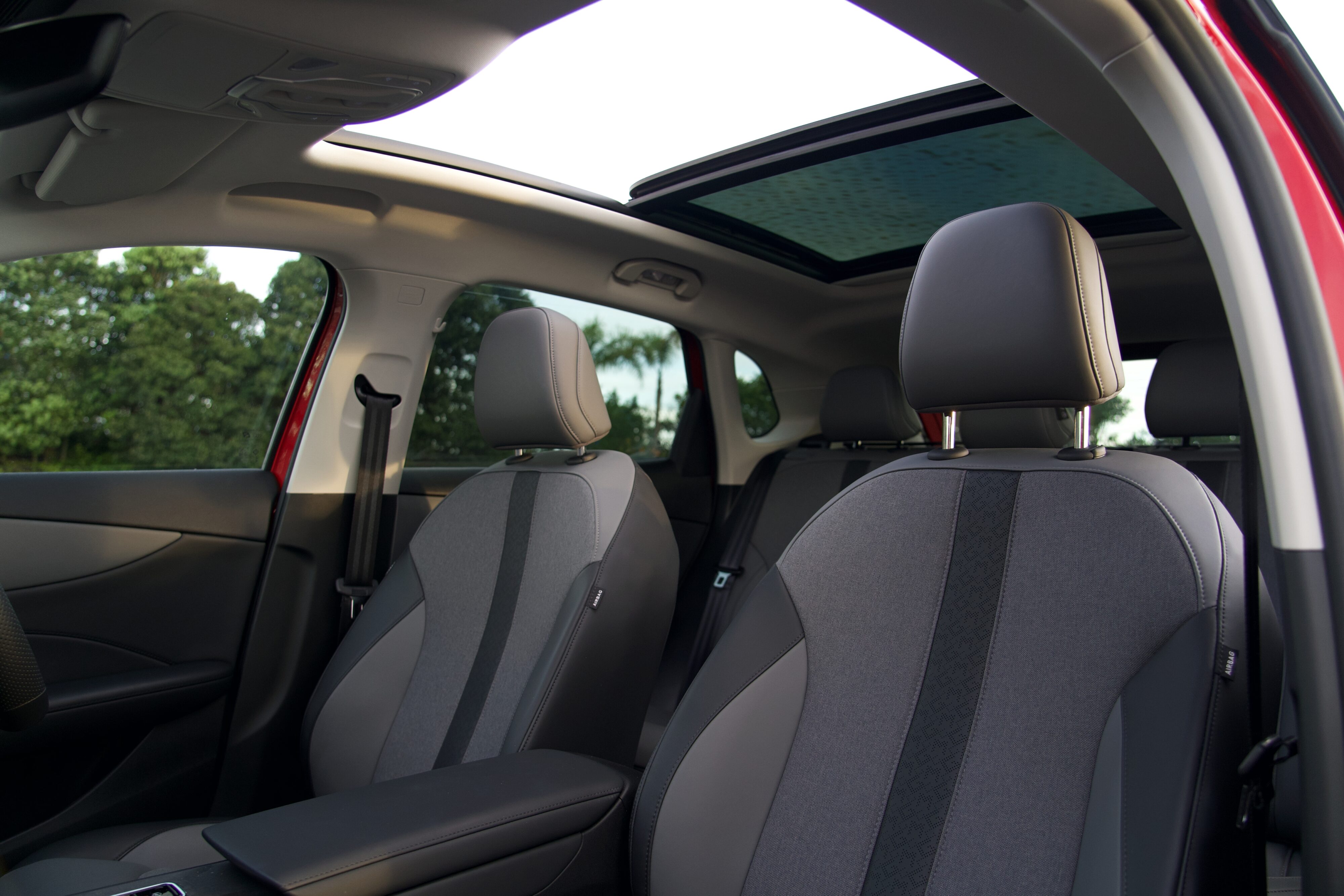
Inside, MG shows another facet of their levelling up: the materials are a noticeable improvement over most recent models, the cabin as a whole feels better assembled, more thoughtfully laid out, and more refined to sit in. The driving position is a slightly crooked inwards but there’s ample steering wheel and seat adjustment, so it was still easy to find a good driving position settling. I was provided with the range topper, which includes 6 speakers, a sunroof, a 360 camera, and heated seats and a heated steering wheel make cold mornings much more pleasant, while preserving precious electrons.
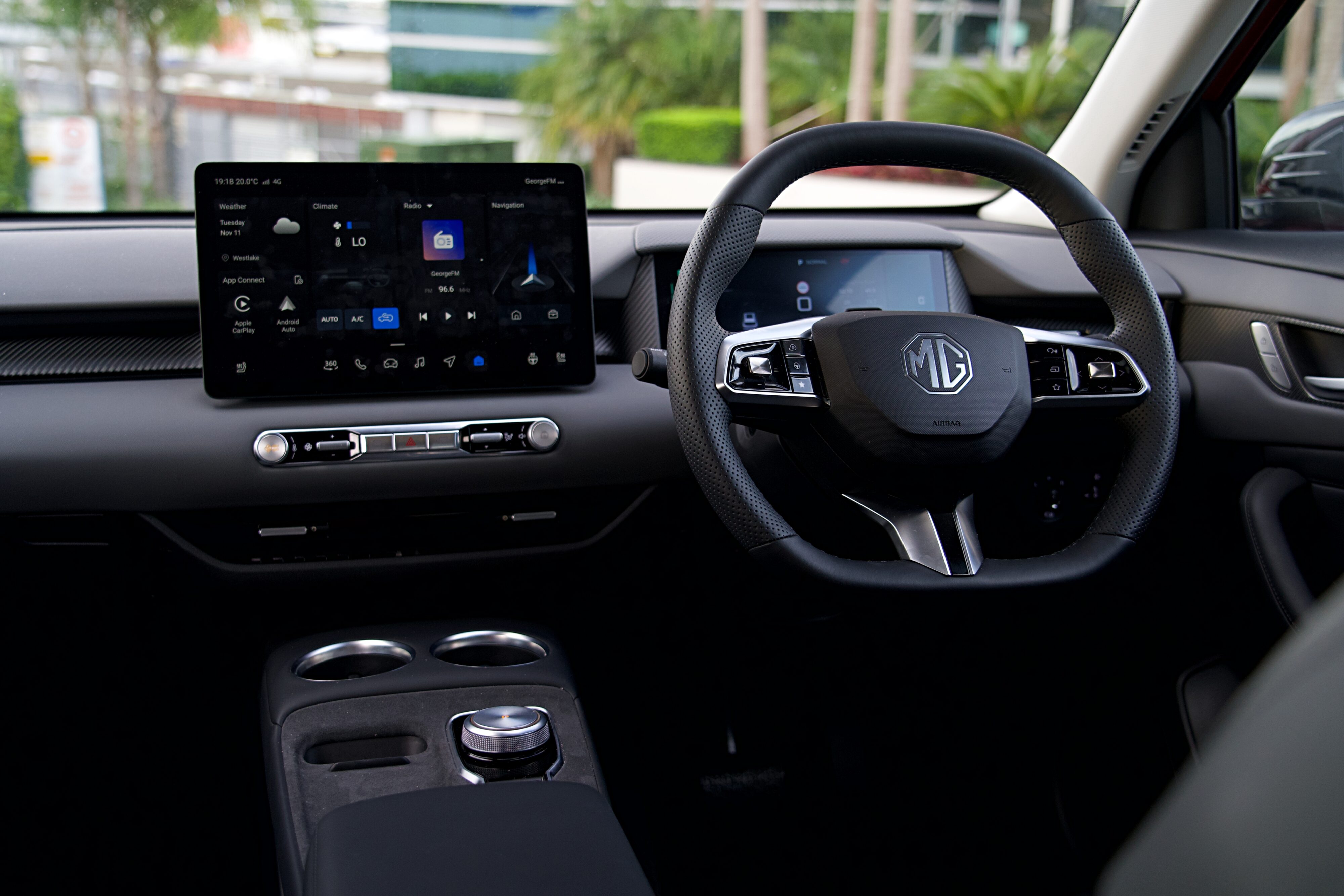
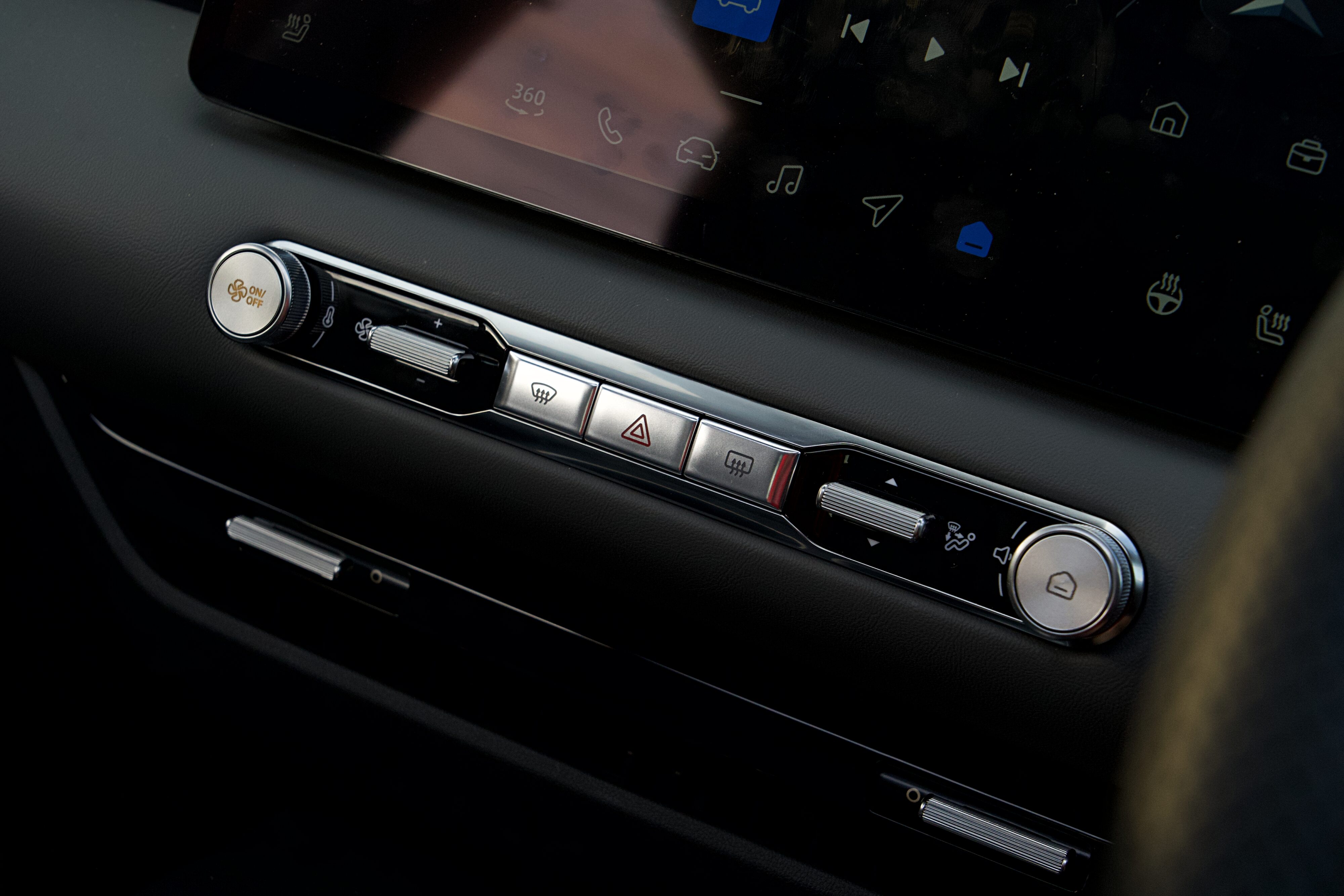
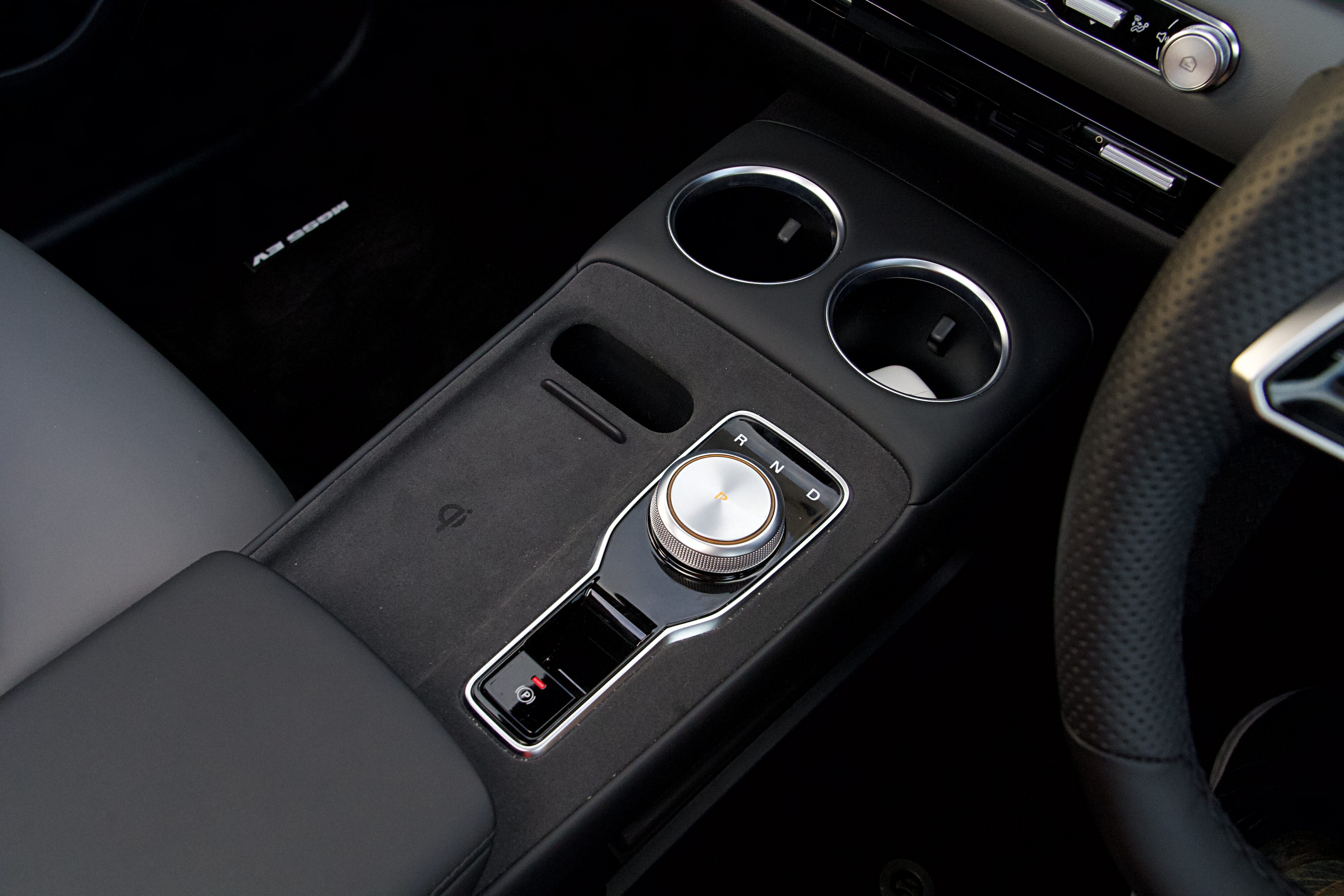
There’s also been a clear rethink of ergonomics. The centre console now has a wireless charging pad, a storage shelf beneath it, solid armrest storage with USB-C ports, and two well-sized cupholders. The biggest win, however, is the return of proper physical controls: rotary dials for temperature and volume, plus rocker switches for airflow direction and fan speed. It’s logical, it’s intuitive, and it means you’re not dependent on the touchscreen for every small adjustment.
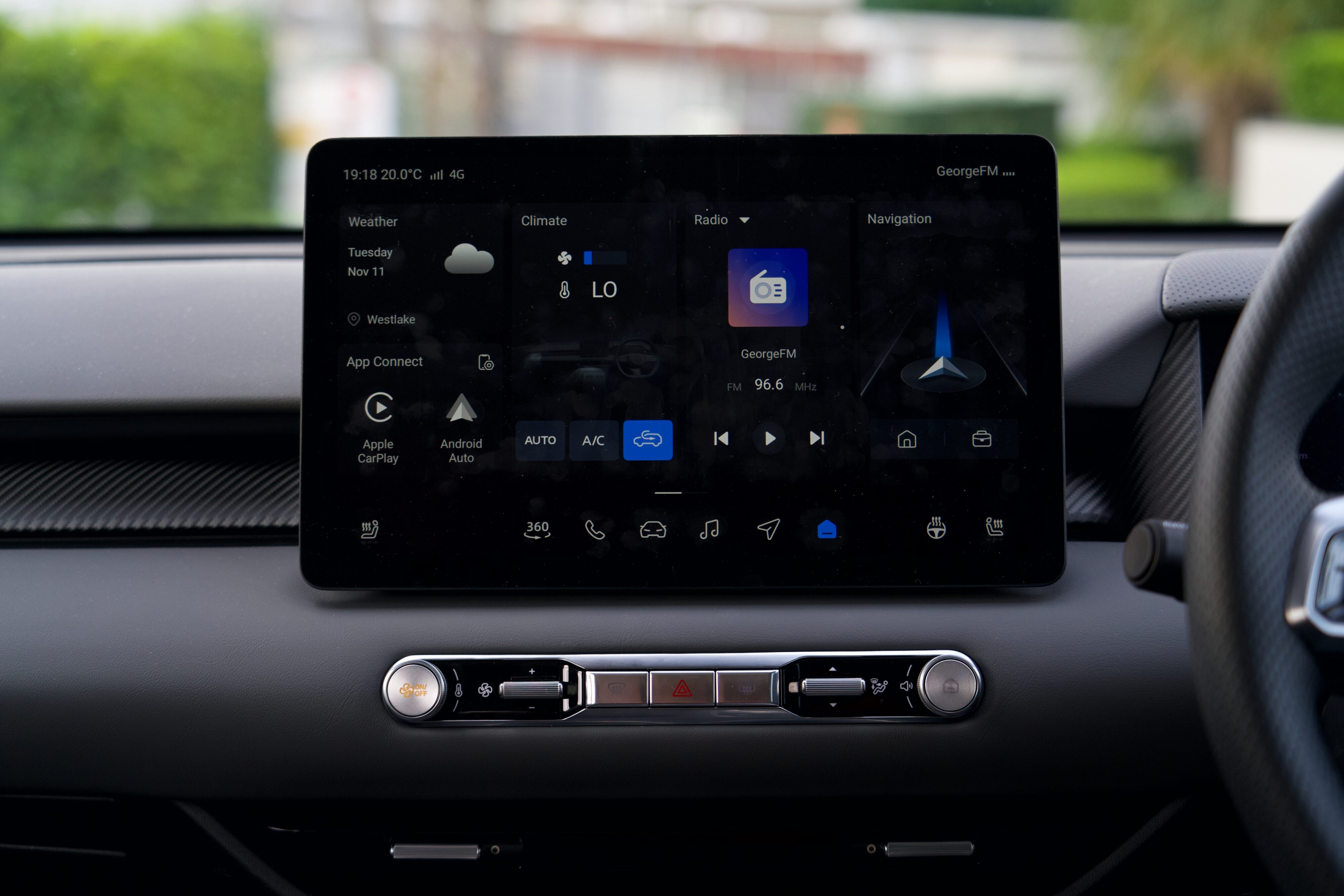
And it is clear that most of the investment went there, because the rest of the tech implementation feels like a carry-over with not many updates. The software experience is slightly cleaner with a more capable screen, but still buggy and inconsistent: CarPlay started playing media automatically every time, only to stop seconds later, requiring a full media app reboot, for both my phone and my wife’s. A good thing is how seamless it is to control everything, from heating to locking to charging, through the companion app. It’s more reliable and useful day-to-day.
The driving assistance systems are comprehensive, though occasionally a little too eager to intervene. They’ll keep you safe, and adaptive cruise control is very smooth, but the over-active warnings and overly enthusiastic bongs can become tiring on longer drives. A future software update could easily solve this, and you are always two clicks away from a customised set of assistances that you can tailor for yourself.
The headline shift to rear-wheel drive is the defining improvement. The ZS was fun for a FWD SUV, but it could feel traction-limited, whereas the MGS5 is more balanced and predictable. It reminded me of the Model Y-like quality in how easy it is to place, steer and modulate. Performance is in no way outrageous, with “just” 250Nm of torque on tap, with an extremely progressive (if not lazy) power delivery. The throttle is nicely calibrated, with consistent response and with the different driving modes actually making meaningful changes. One-pedal mode is perfectly executed and makes city driving profoundly relaxing and smooth.
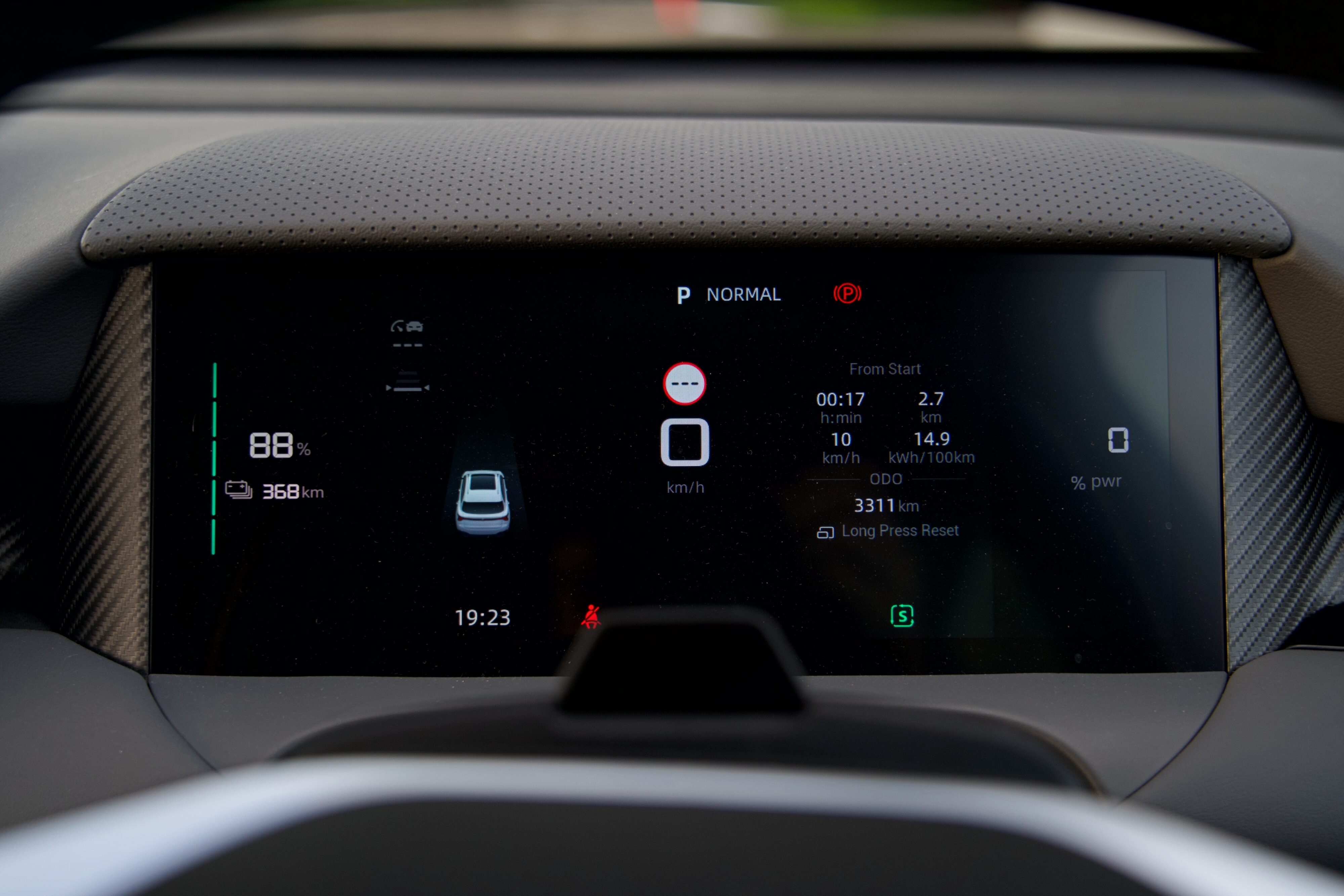
And yeah, there is talk in town that one-pedal-driving is not the most efficient way of driving. I know it is not a 1-to-1 relation, but my top three EVs in kWh/100km efficiency figures happened to be one-pedal-drivers, so go figure. The MGS5 just dethroned the previous 3rd with 14.1kWh/100km over 600km of mixed driving. The larger battery fitted to the long range models uses the LFP chemistry, has 62kWh of usable capacity, and offers a 6.6kW onboard AC charger and features 150kW DC charging capability. This is good for a claimed 425km WLTP range claim, which I could achieve driving mostly alone and with A/C off.
The other, welcome part of kicking the motor to the rear axle lies on the MGS5’s playful side, one I only found after playing around deeply with the driver assistances. With traction control off and just the right steering angle and throttle input, there’s a touch of predictable, easily controlled oversteer. Push too much steering lock and the system simply limits torque, but get it right and it delivers a very satisfying sense of rear-drive balance, without ever feeling unsafe or unruly. The underpinnings here are good, to the point I think it could be even more fun with more power and a more permissive suite of systems. Here’s hoping!
But, being a compact SUV, the main focus is on city living. And, as a daily companion, the MGS5 is also very competent: the improved seats, better cabin materials, and thoughtful storage solutions make it a more polished place to spend time. The power tailgate opens to reveal a generous boot that easily handles family life. So it will be a great fit to those that need a practically shaped crossover, while not driving a snooze fest around. This is genuinely one of the best-driving compact EV SUVs on sale, combining comfort, responsiveness, and stability in a way that feels conscious rather than artificially tuned or diluted.
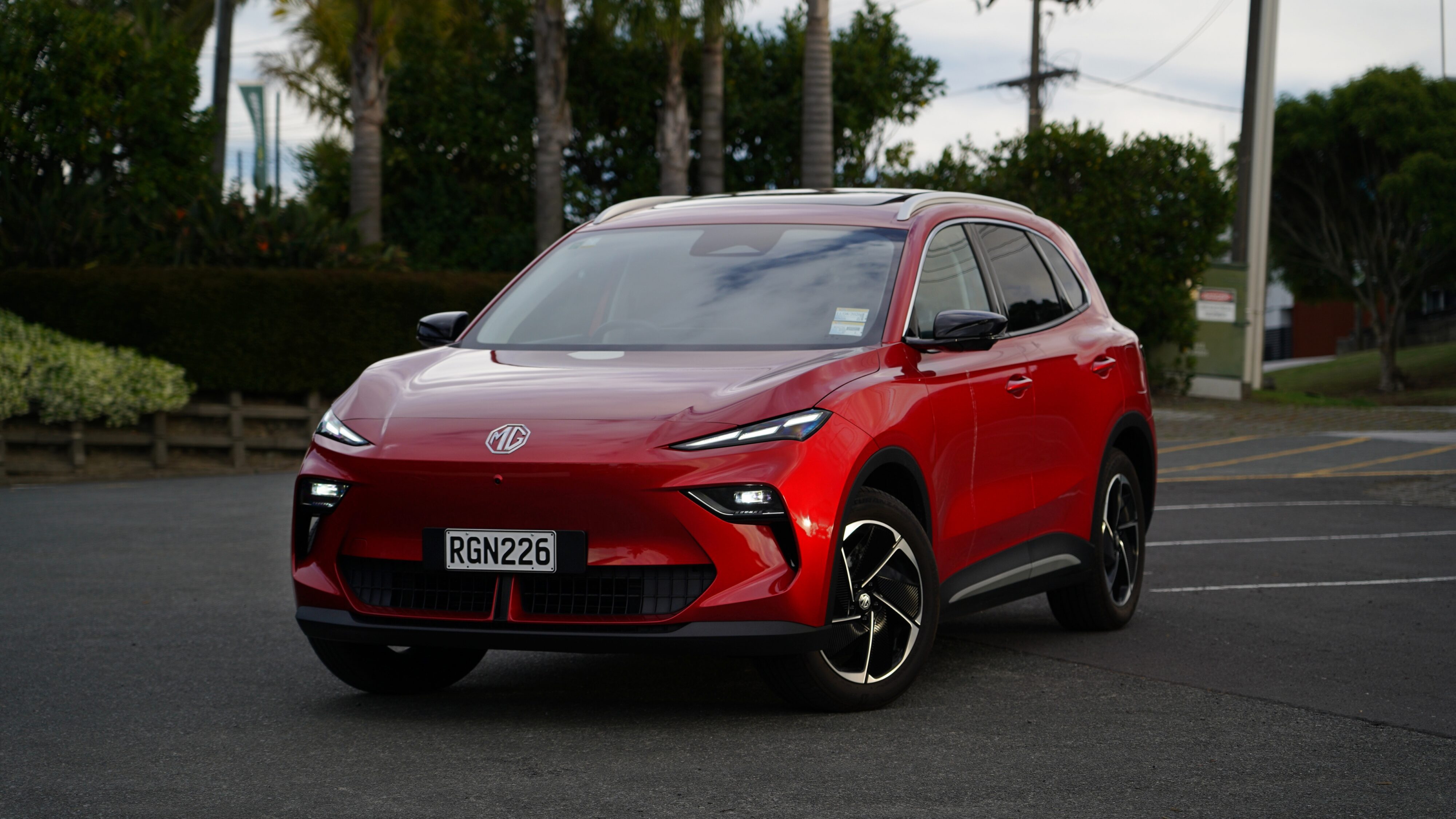
The MGS5 genuinely feels like more than just a replacement for the ZS, it is a big step forward for MG as a brand, and I might go as far as to say it is the best car from them I drove, period. It looks better, feels better, drives significantly better, and has the kind of friendly, approachable dynamics that make it a joy to use. It is not without its hiccups and they still have some easy wins ahead of them, but with its revised cabin, excellent one-pedal mode, smart ergonomics, and rear-drive balance, it stands out in a segment crowded with “just okay” and often uninspiring options. Thanks, MG, for the opportunity, and thank you for reading this far!