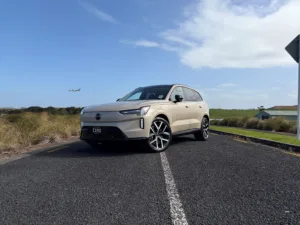
The Geely Starray EM‑i arrives in New Zealand as one of the most intriguing entrants in the fast-growing “super hybrid” space—a category designed to deliver EV‑like efficiency without the range anxiety that still trails many fully electric offerings. Launched locally alongside the EX5 and the Raddara RD6, the Starray EM‑i quickly positions itself as a strong, tech‑forward, family‑friendly SUV that aims to do a bit of everything, and do it well. With its blend of a sizeable battery, a petrol engine that sips rather than gulps, and a polished, modern cabin, the Starray EM‑i is unmistakably targeted at buyers who want futuristic efficiency without compromising usability.
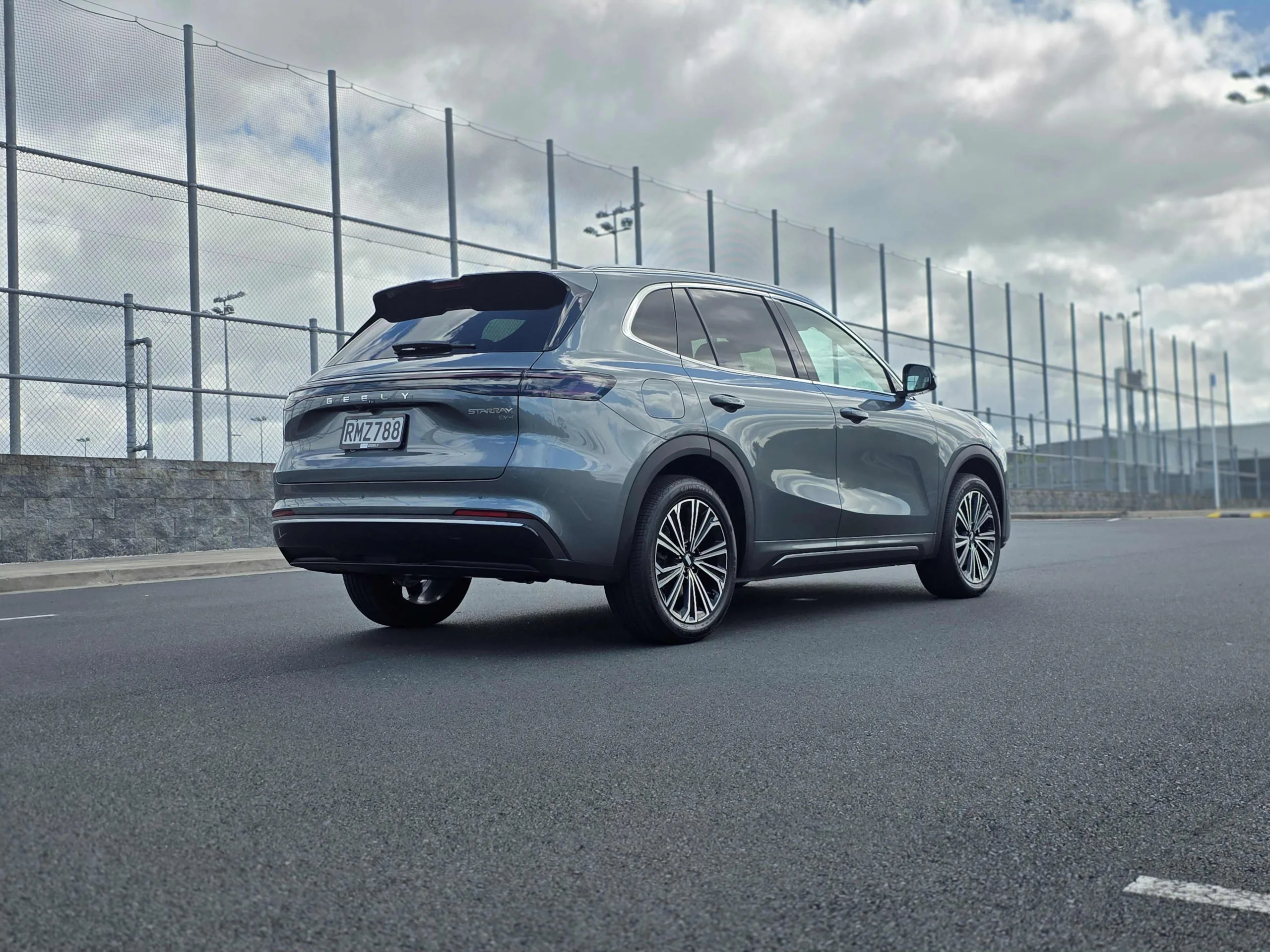
The Starray EM‑i looks every bit the modern hybrid SUV, and while it may not rewrite design language in the segment, it certainly plays the game with confidence. LED lighting front and rear comes standard, presenting a sharp, contemporary face that suits the brand’s ambitions. The front end leans toward aerodynamics, though the design stops short of adopting the flush door handles seen on the EX5. Instead, the handles are more traditional, kind of bulbous, but they do contribute to the SUV’s slightly more familial, easygoing aesthetic.
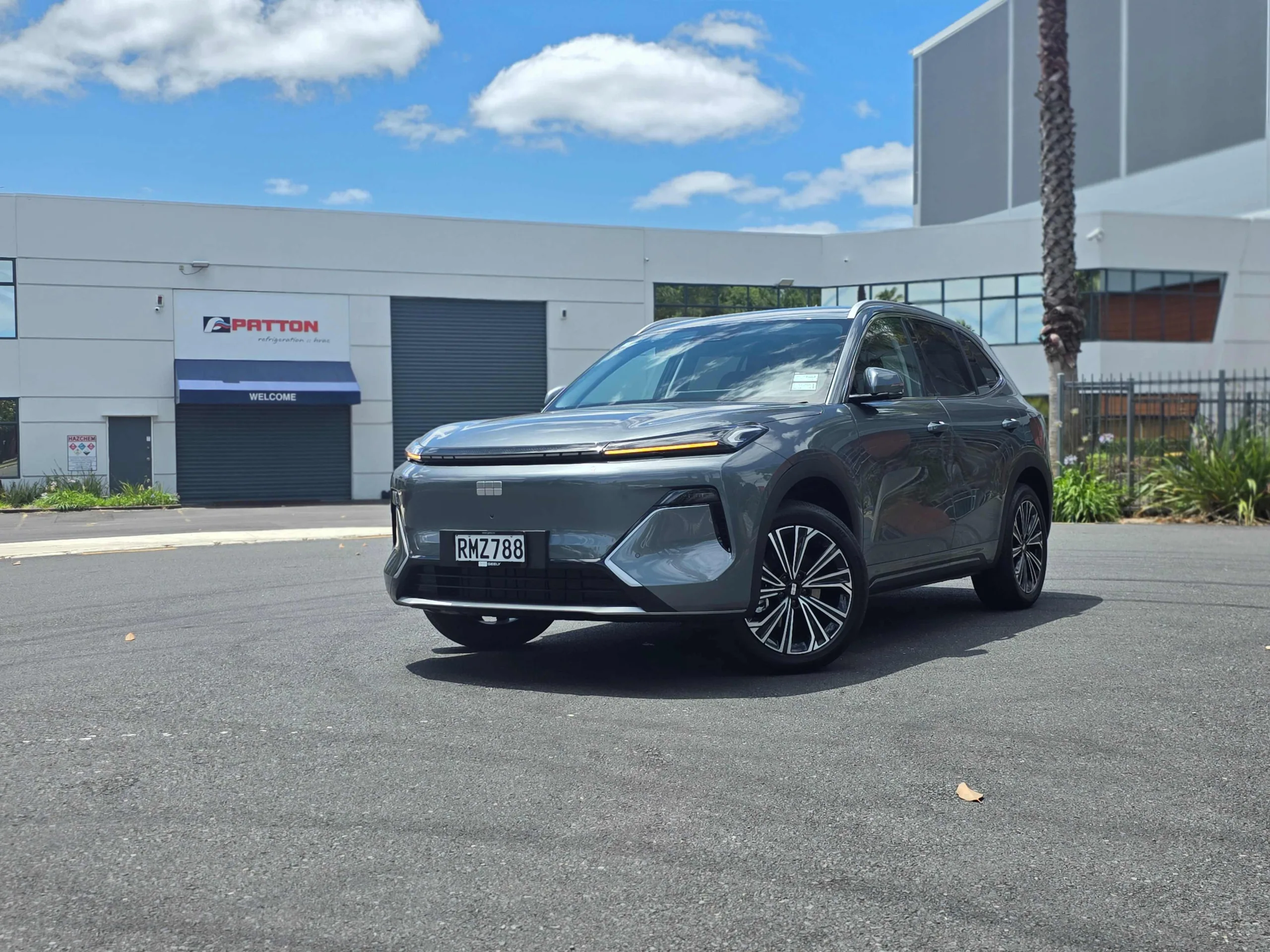
Its overall profile follows the now-familiar SUV silhouette seen across most brands, an intentional design decision, considering the shape has become a proven formula for balancing style, practicality, and aerodynamics. Measuring 4.74 metres long and 1.69 metres tall, it sits squarely in the mid-size category, giving it strong road presence without tipping into cumbersome territory. This footprint, combined with a sizable wheelbase, pays dividends inside, particularly in rear passenger space.
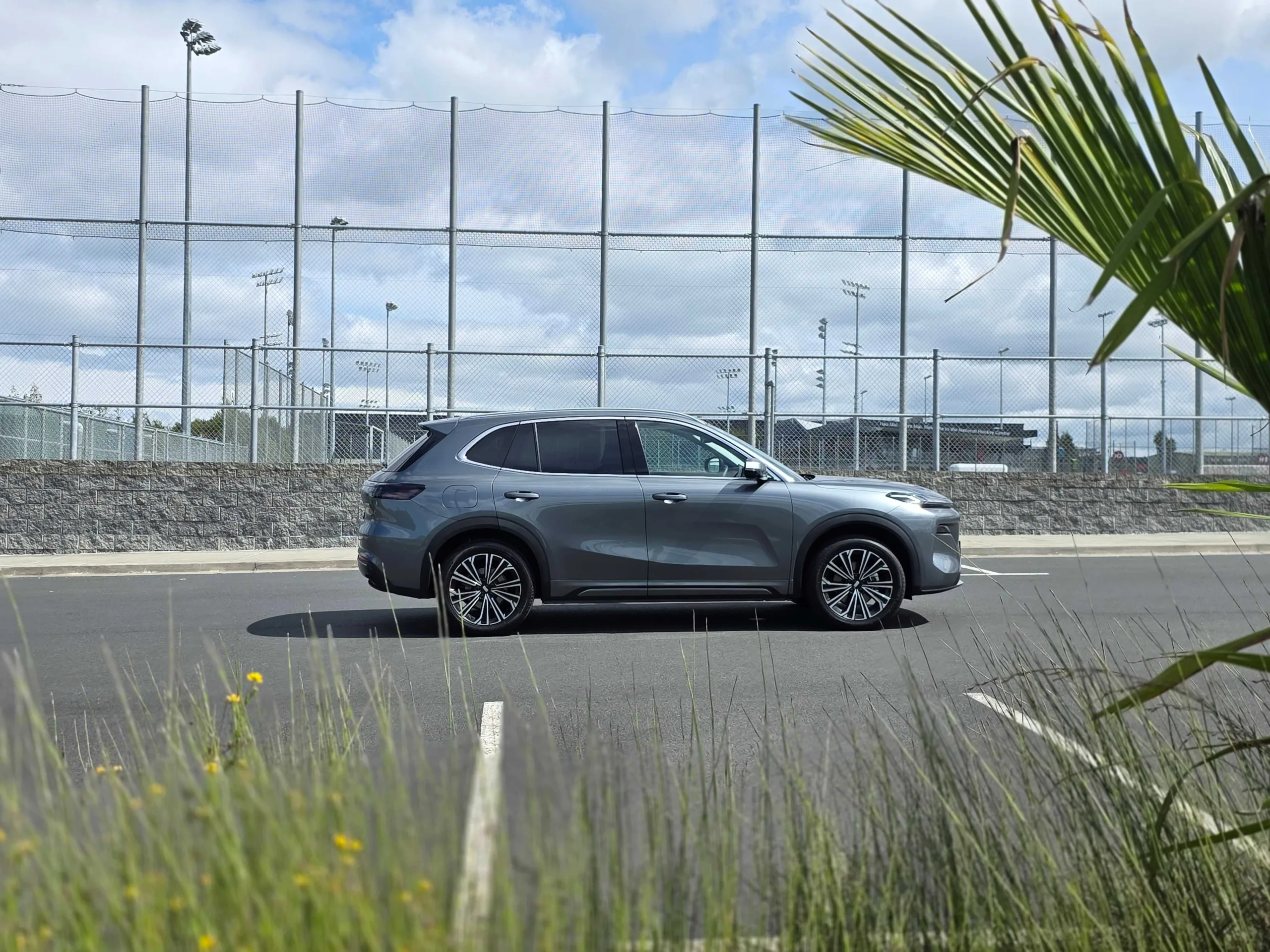
Does the Starray EM‑i look a bit generic? Perhaps, but it’s not unattractive; rather, it’s a design that blends into the modern SUV crowd while still wearing enough brand-defining elements to avoid anonymity. It may not spark parking-lot conversations, but it certainly won’t offend.
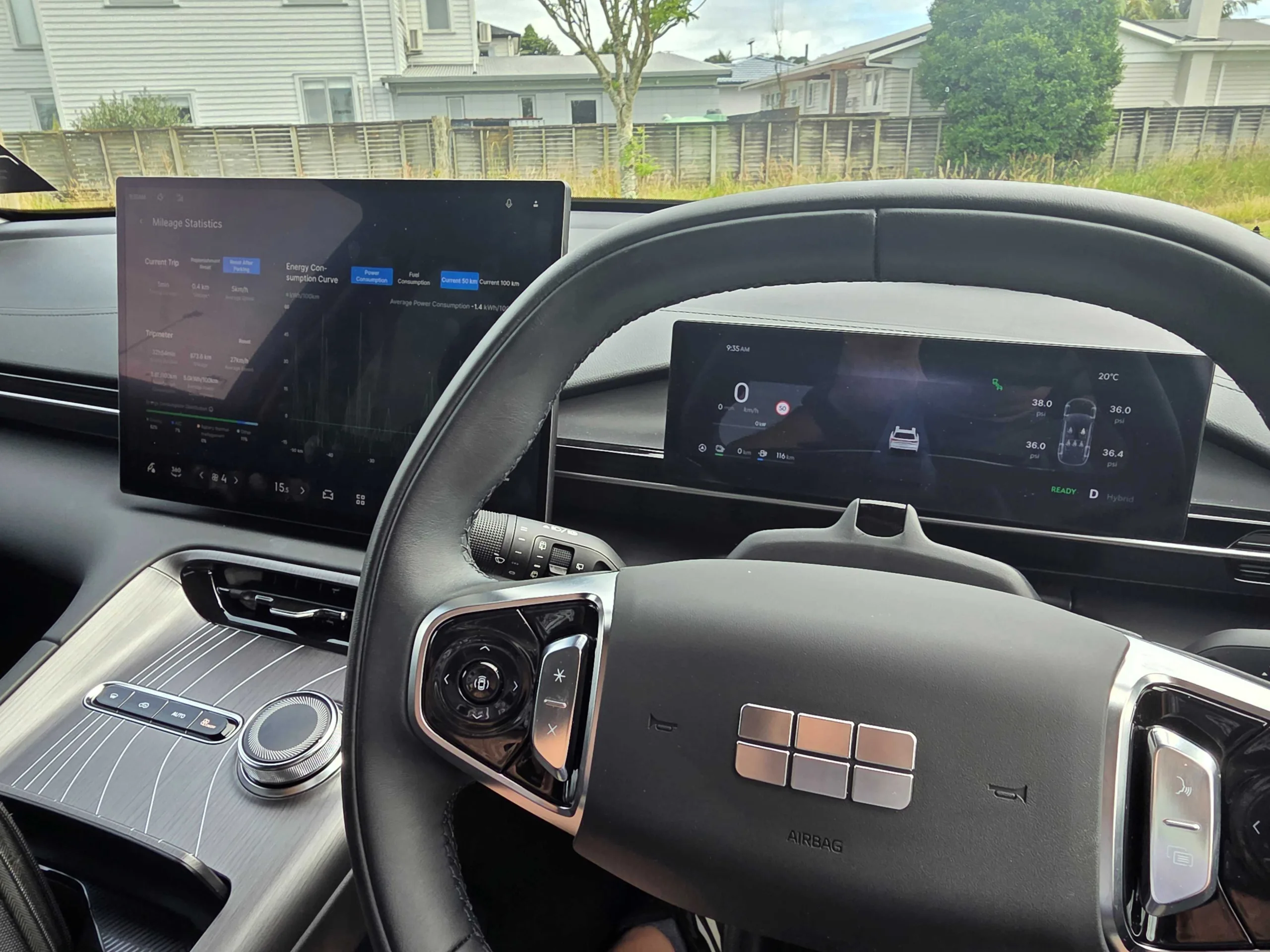
Once inside, the Starray EM‑i sheds any trace of exterior subtlety and leans fully into comfort and texture. The cabin is modern, spacious, and inviting, layered with thoughtful design touches and multiple textures that make it more tactile than the minimalist “one screen and done” approach taken by brands like Tesla.
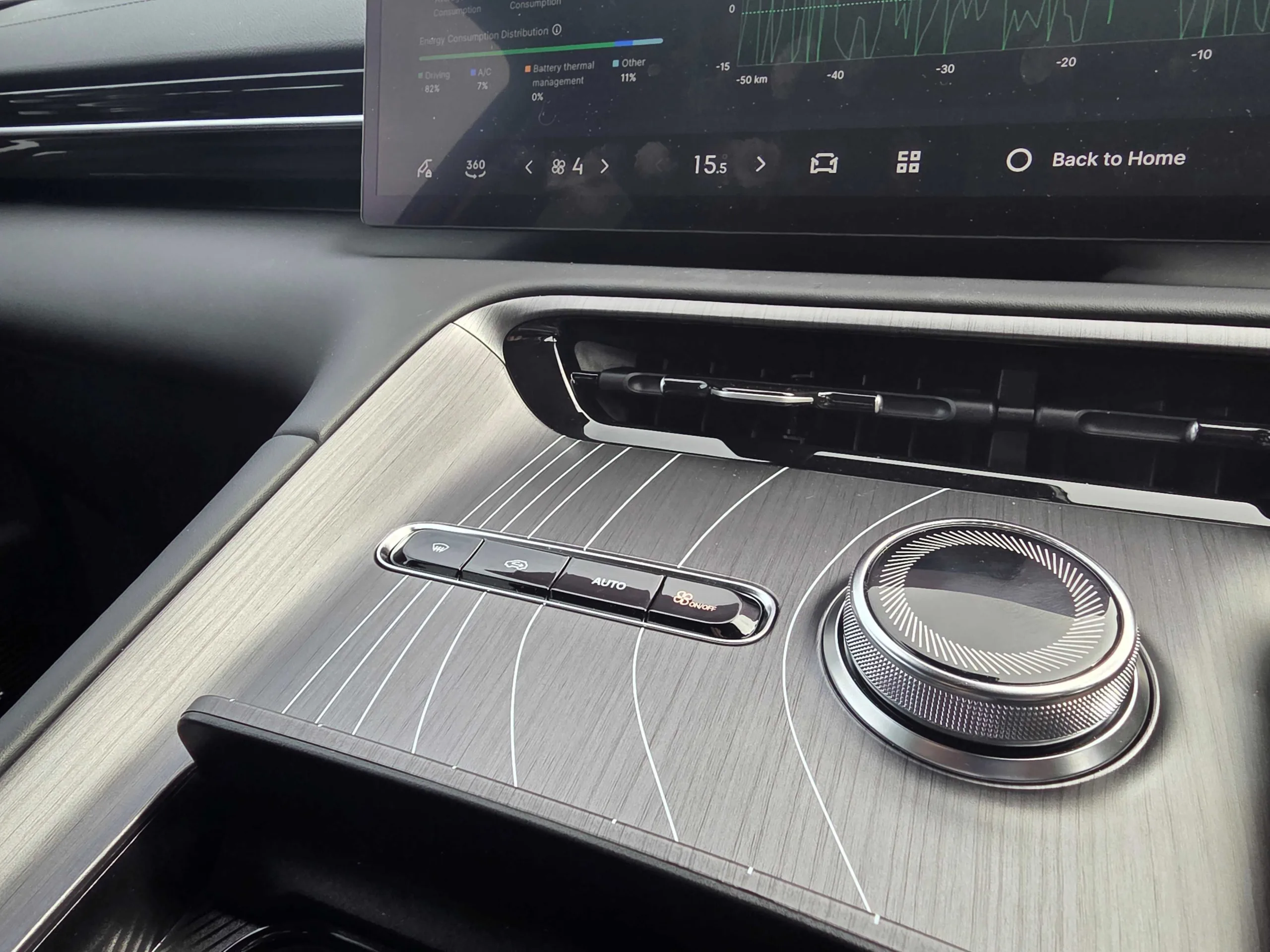
But the real stars are the seats. Described as “marshmallows,” they’re exceptionally soft, both in feel and support, so much so that the nickname appears to be official from the brand. Long-haul comfort feels like a clear priority here. The second row benefits from the same plush materials and enjoys generous legroom thanks to the extended wheelbase. Visibility, too, is excellent all around, making the cabin feel airy and easy to navigate for passengers of all ages.
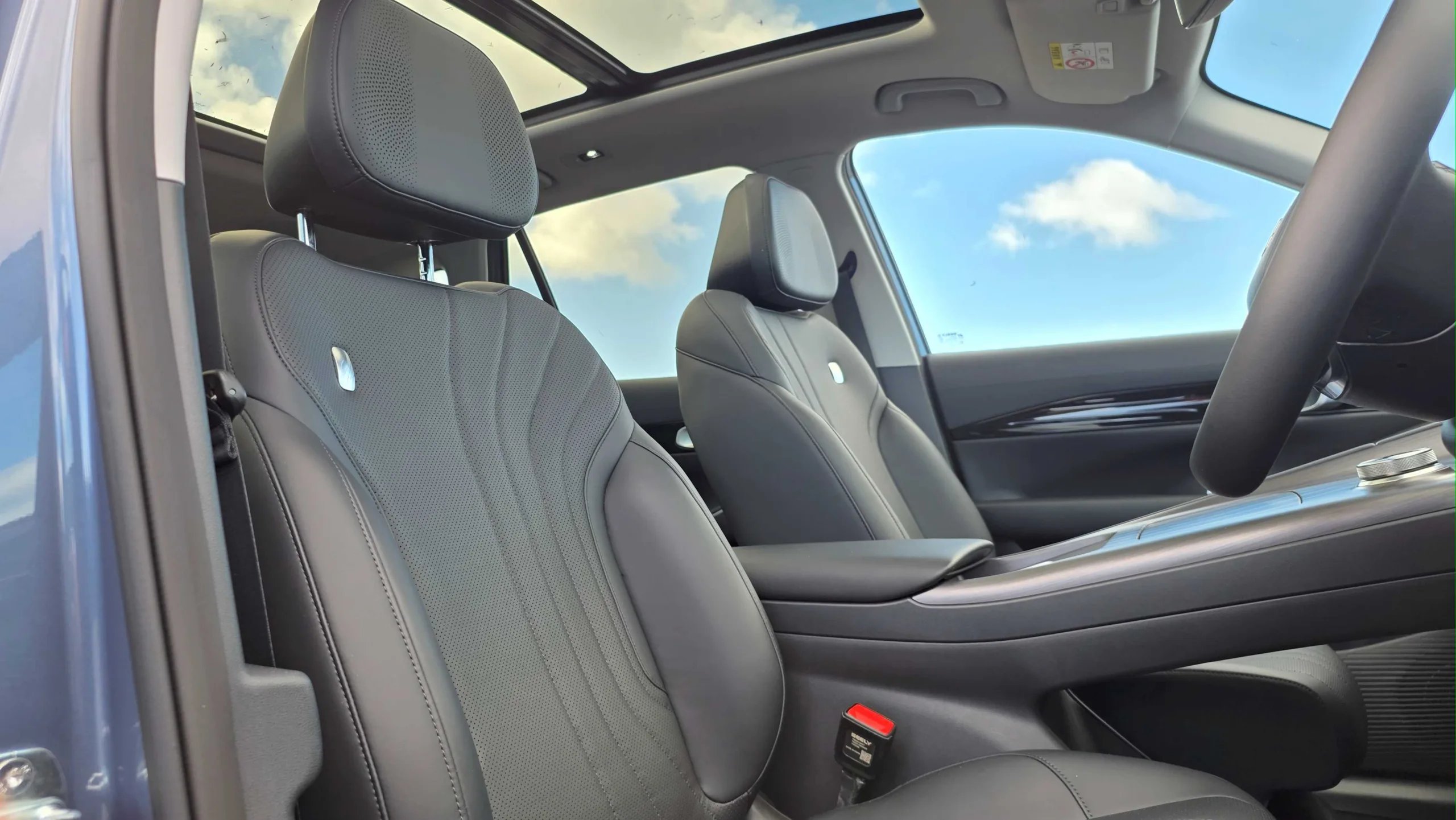
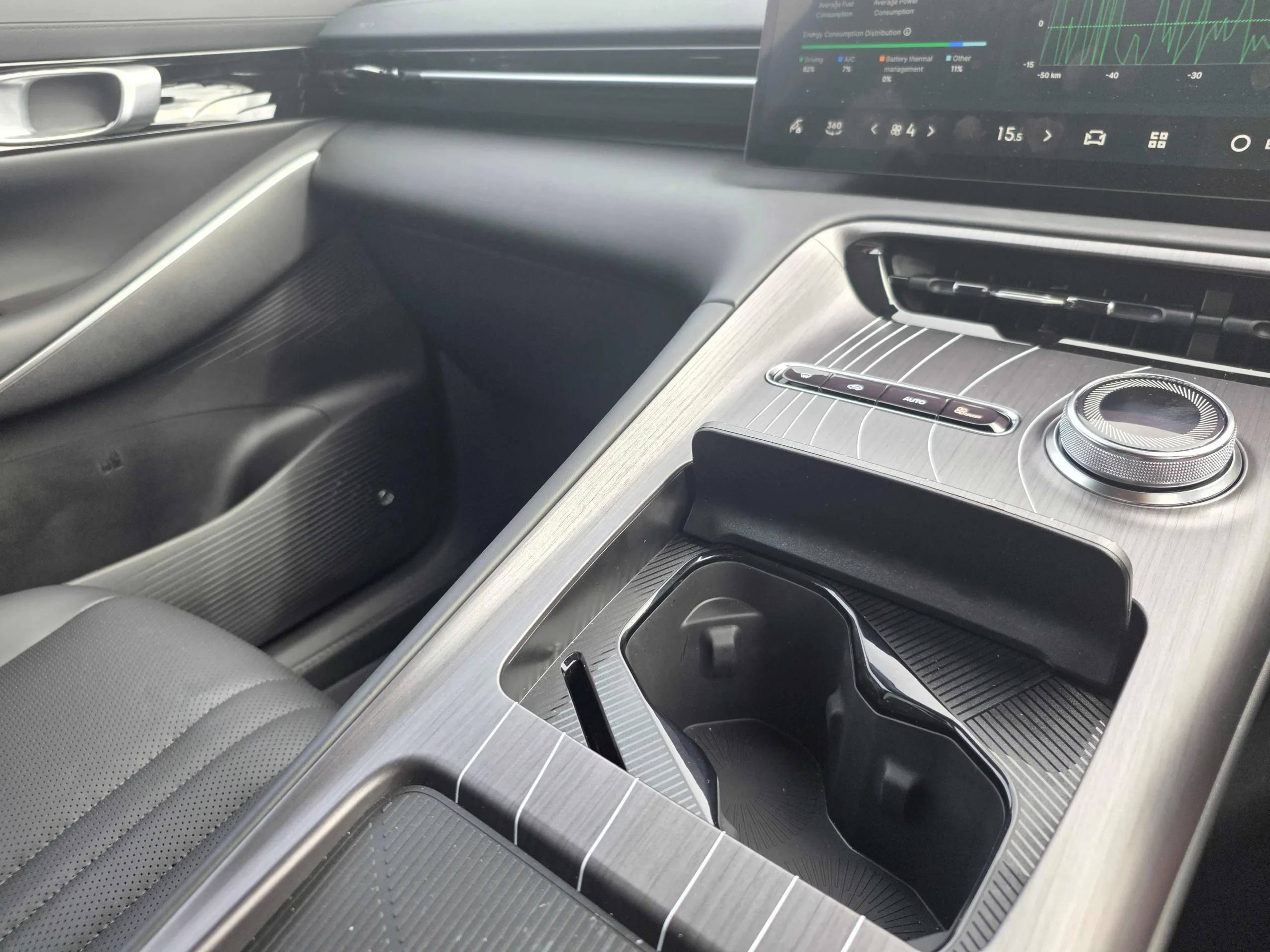
Storage is another highlight. The centre console features a clever lidded cubby that transforms into cup holders or secure storage, accompanied by two wireless charging pads, one of which doubles as the lid for the armrest storage, which itself is capacious enough for personal tech or daily essentials. Door bins are split into practical sections, adding even more flexibility.
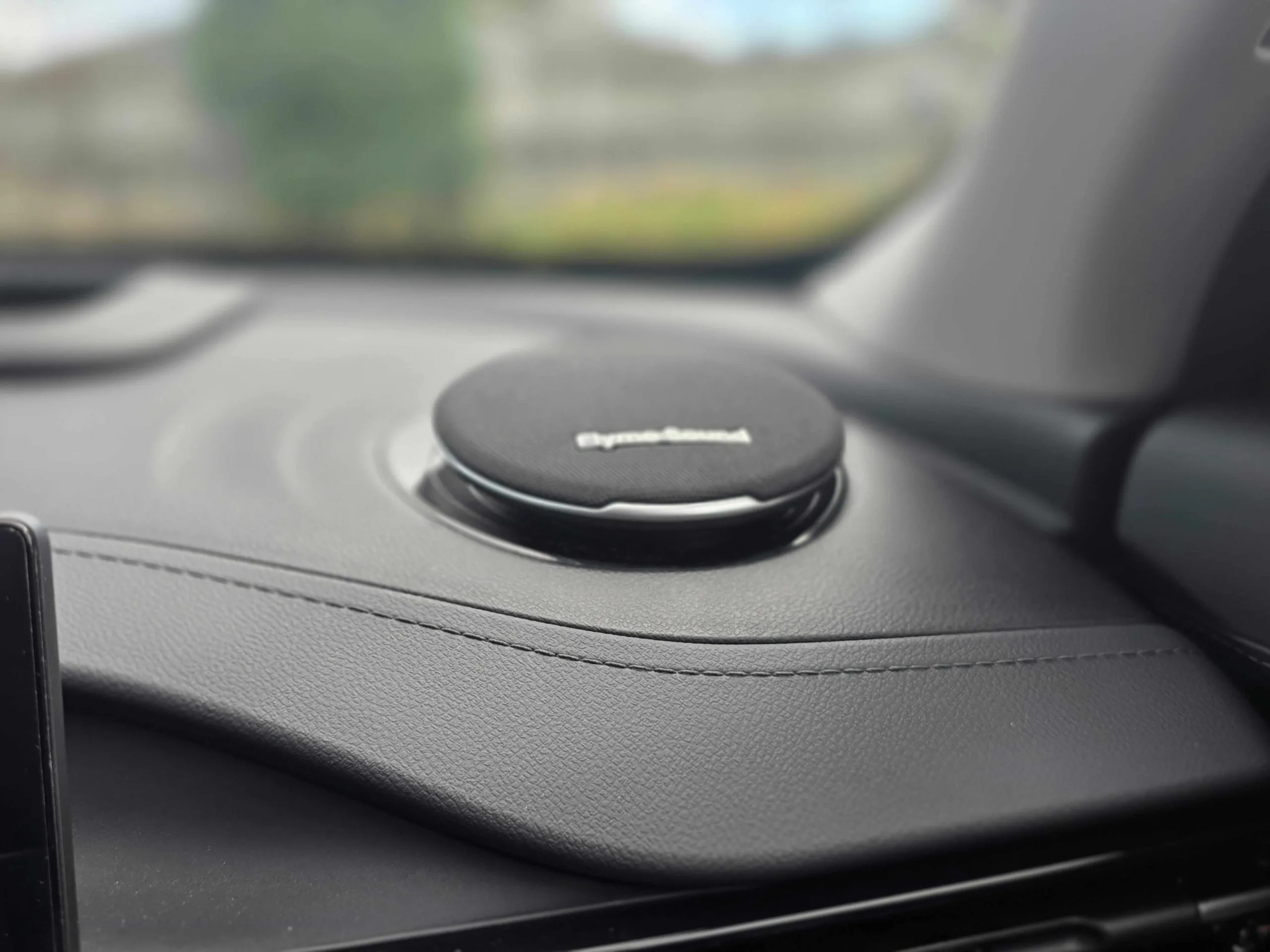
Sound enthusiasts will appreciate the 1000‑watt stereo system, complete with speakers integrated into the headrests—an unexpected touch at this price point. It provides enough volume to drown out even the occasional intrusive beep from the car’s ADAS systems, which can be enthusiastic at times in reminding drivers how they’re performing.
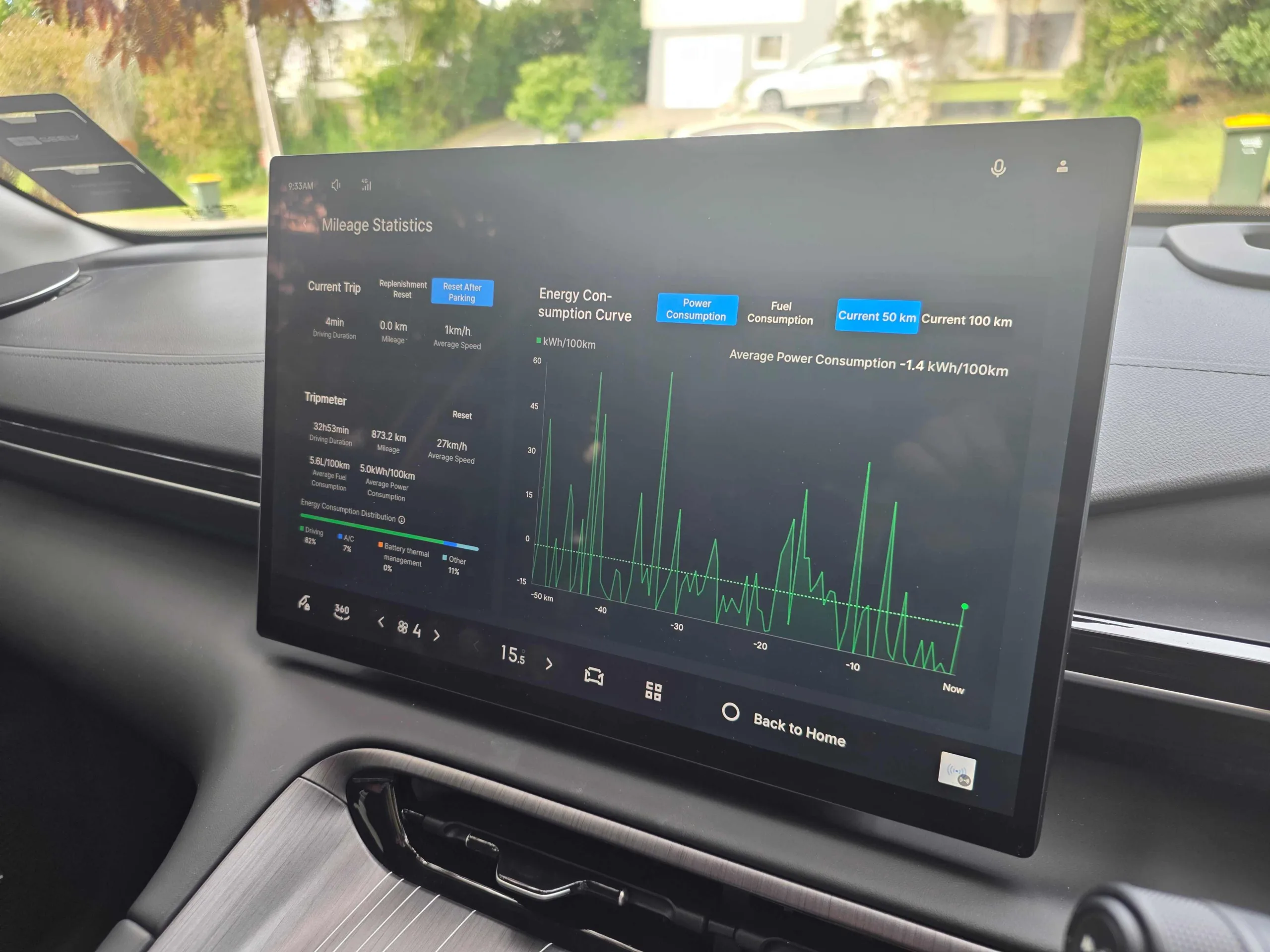
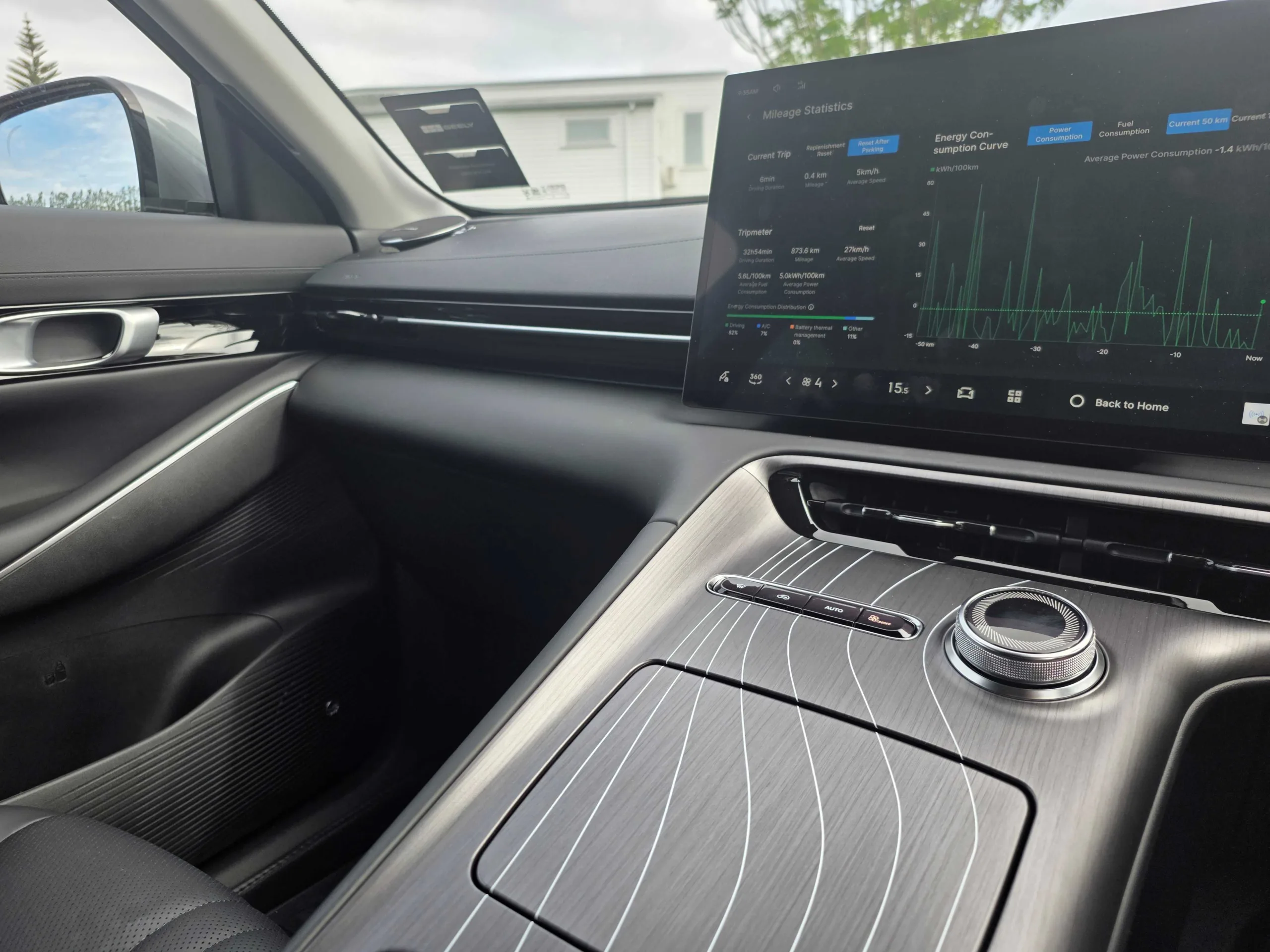
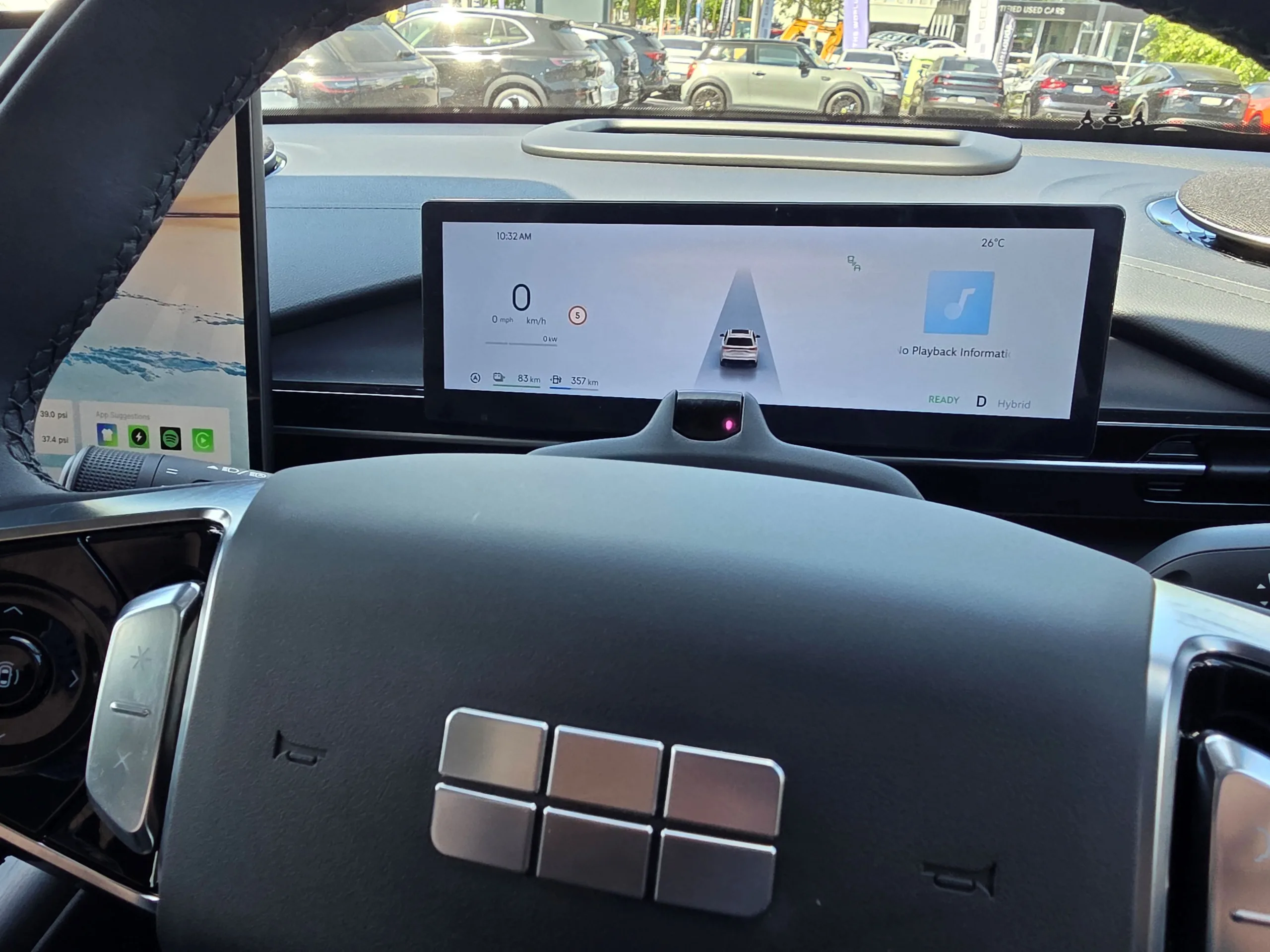
Where many cars today rely heavily on a single, intimidating central touchscreen, the Starray EM‑i opts for a three‑screen strategy that makes interaction more intuitive. The enormous central display dominates the dashboard and handles energy management, settings, media, navigation, and more. But thankfully, it is complemented by a driver’s cluster displaying speed, power output, EV and petrol ranges, regeneration status, maps, and media information, all the essentials without needing to glance sideways.
A crisp heads‑up display adds another layer of convenience, projecting speed, speed-limit data, and even visualisations of vehicles ahead. This combination ensures the driver doesn’t feel overly dependent on the central screen, a common complaint in many modern EVs and hybrids. Menu layout appears well thought‑out, especially for right-hand-drive markets like New Zealand.
Controls and settings translate cleanly onto the driver’s side, making adjustments far more seamless. The energy menu offers clear, usable data on efficiency, charge behavior, and how energy has been distributed between the petrol and electric systems.
The heart of the Geely Starray EM‑i is its “super hybrid” powertrain, an engineering philosophy that prioritises efficiency, performance, and low running costs without punishing the driver for depleting the battery. At its core is a naturally aspirated 1.5‑litre four‑cylinder petrol engine paired with an 18.4 kWh battery and an electric motor that drives the front wheels.
This system works in unison to deliver exceptional efficiency figures: 2.5 L/100 km petrol consumption, 14.7 kWh/100 km electric consumption, Approximately 83 km EV-only range, Up to 943 km of combined range. These numbers place the Starray EM‑i in a sweet spot for commuters, families, and road‑trippers alike. Unlike some plug-in hybrids that become thirsty once the battery is drained, the Starray EM‑i maintains impressive fuel economy even when running on petrol alone. This is a huge win for real‑world usability.
DC fast charging (while capped at a modest 30 kW) adds another layer of practicality. Many PHEVs skip DC charging entirely, so the fact that the Starray EM‑i offers it at all makes it easier to maximize EV range on long journeys.
On the road, the Starray EM‑i prioritises comfort, refinement, and quiet confidence. Despite its soft suspension tuning, the steering is surprisingly responsive, and the car communicates well through the wheel. Grip levels are reassuring; even in roundabouts, the SUV resists understeer better than expected for its size and comfort focus, with only minor tyre squeal under enthusiastic cornering.
The ride is smooth and plush (consistent with the marshmallow seats) and overall refinement is high. Road noise and vibration are well suppressed, and the powertrain transitions between electric and petrol modes with minimal drama.
Advanced driver assistance systems are abundant, including lane-keep assist, rear cross‑traffic alert, adaptive cruise control, speed alerts, and more. They work effectively but can be a little vocal about driver performance. Fortunately, most can be switched off, though they reset upon restarting the car.
The Geely Starray EM‑i is an impressive addition to New Zealand’s hybrid SUV market, not because it tries to be the flashiest or most head‑turning option, but because it quietly excels at the things that matter most to everyday drivers. It brings range without fear, comfort without compromise, and tech without confusion.
Its super-hybrid system makes it efficient in any situation. Its cabin is spacious, thoughtful, and unexpectedly premium. Its road manners suit the family‑SUV mission perfectly, and its charging options make it practical for both short commutes and long road trips. It may look familiar, but the Starray EM‑i drives (and lives) like something refreshingly original.