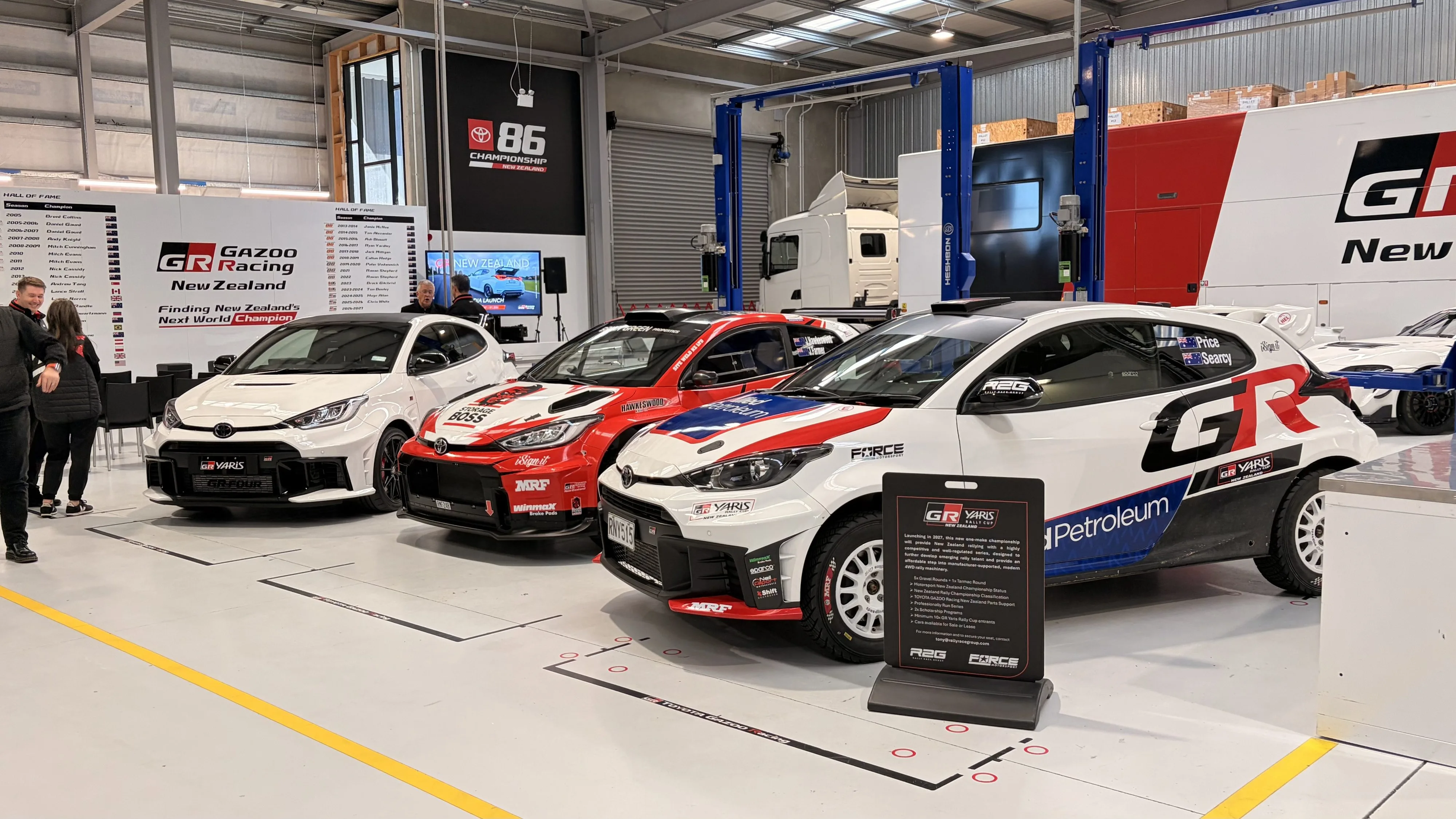
Back in August, I wrote about Toyota GR officially becoming its own standalone brand here in New Zealand. Akio Toyoda’s push, and the “motorsport feeds the road car, the road car feeds the customer, the customer feeds motorsport” loop translated to a company telling you it’s serious about something. It was a great experience that read well on paper, but it is by revisiting a product, especially a refined one, that you can get reacquainted to how those ideals hold up when the rubber meets the road.
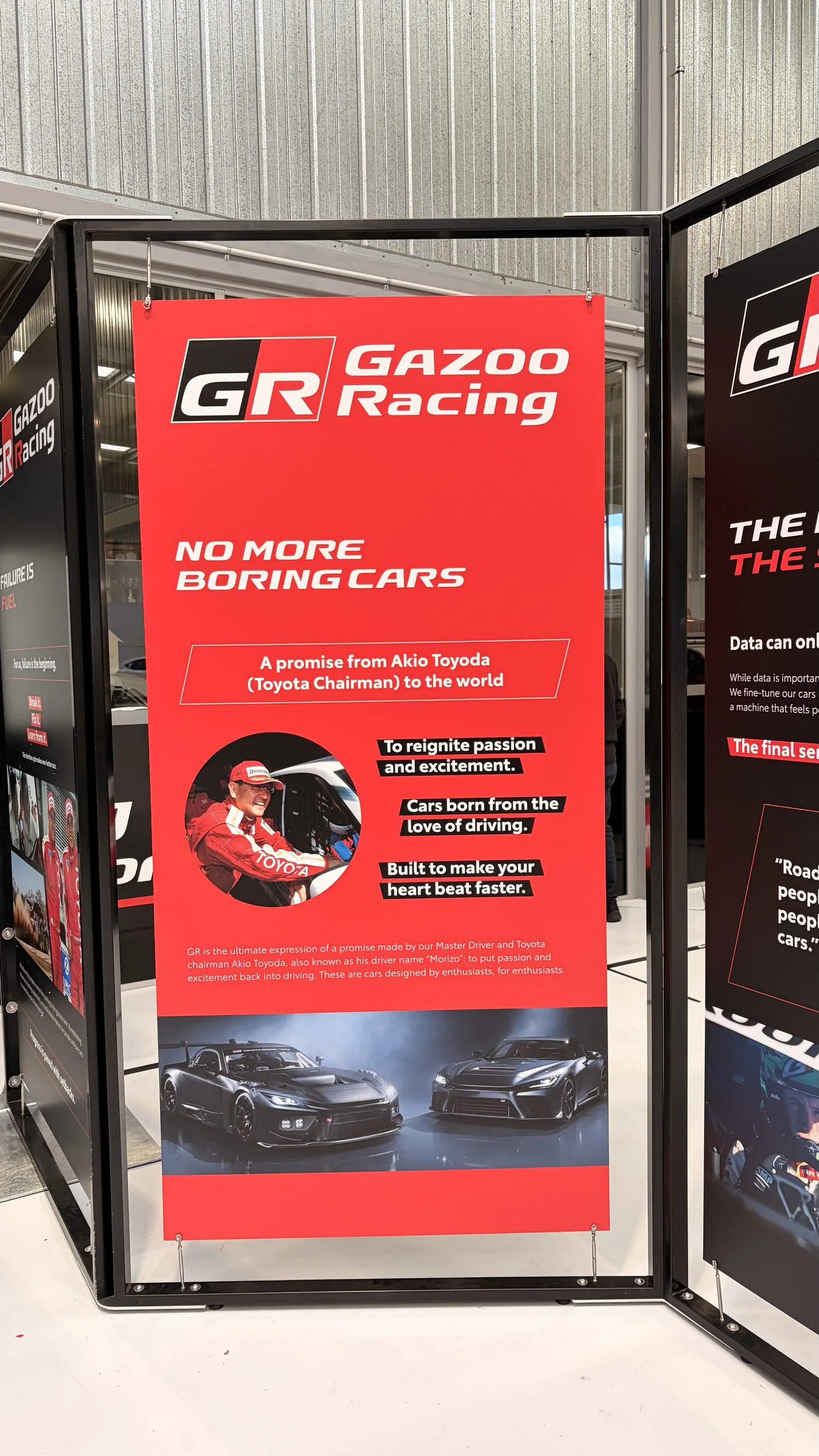
So fast forward a few weeks and here we are. Many people that attended the event got a week with a GR Yaris; I got a month. That’s not a brag, it’s a way to show that Toyota is confident their stand on “No More Boring Cars” is not skin deep. None of us here at Tarmac will ever say no to having more time with a GR Yaris, even if at this point, we have all experienced most of its forms — Gen I, Gen II, manual, auto… I’ve had a taste of ’em all by now, this being my fourth loan. So, how is it?
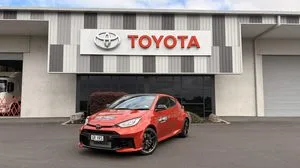
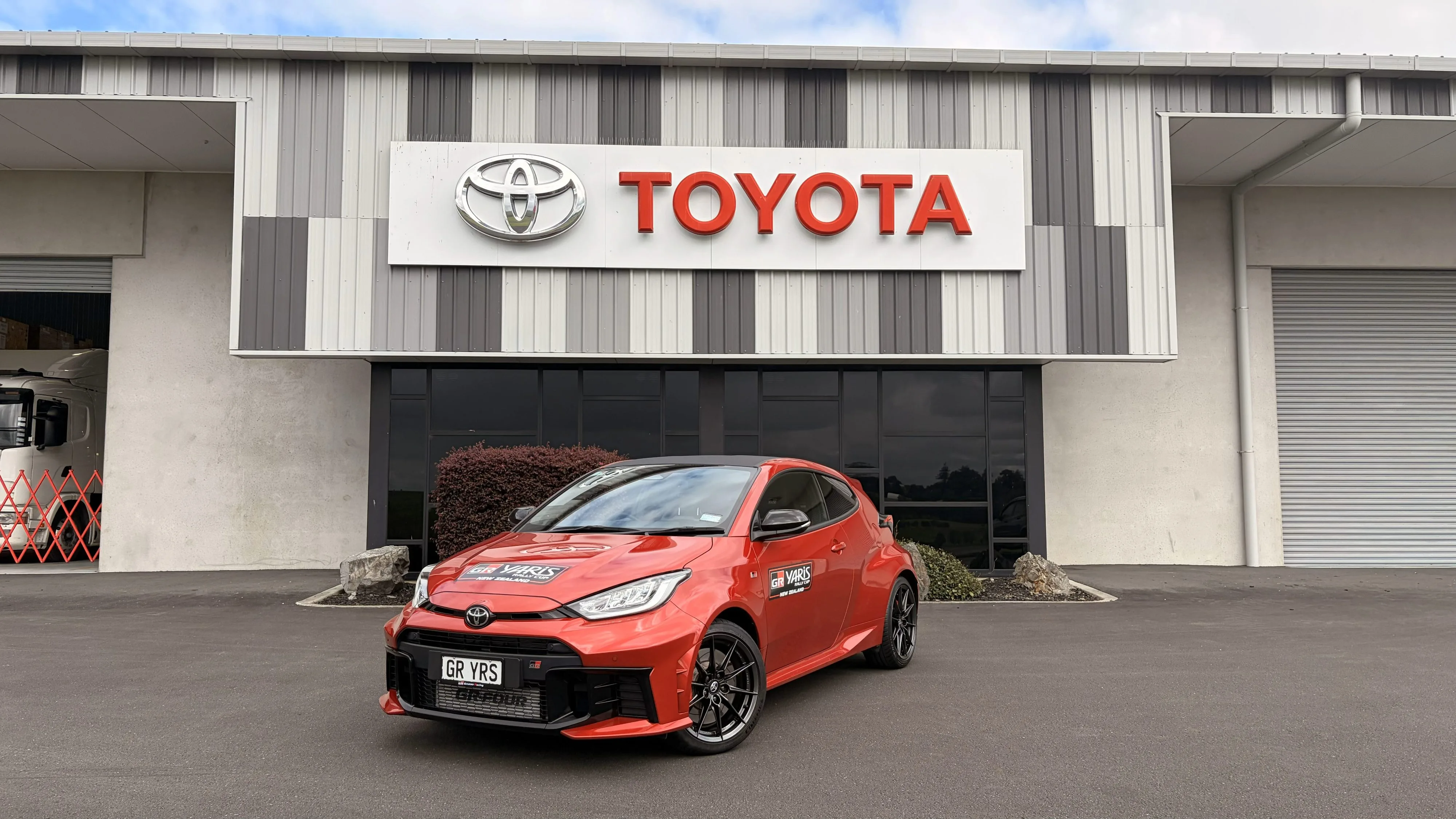
The car in question is a manual Gen II, in “base” form. There are no options to speak of, but it isn’t the Aero Performance Pack trim, with the additional aerodynamic bits, and it also skips the more expensive automatic transmission. It is as pure and no-frills as it gets, although you could argue that this beautiful red colour makes it more refined than its rally roots would ask for. On that topic…
Not a term to throw around loosely
“Homologation special” is a term that sometimes gets used too freely, especially within the community itself, attributed to cars that never came within a postcode of a competition entry list. The GR Yaris earns it for real, probably unlike any other car for the better part of a decade. It’s a car that almost didn’t exist, and one Toyota had no real obligation to keep building once it became clear it wasn’t going to compete in the form everyone hoped. They kept building it anyway, kept developing it anyway, with Gen 2 calibration changes, an aero performance pack with the bigger wing and extra air inlets, none of it owed to anyone. They had already passed the cheque with car people, only so that we could cash it thanks to them sticking to their word.
It shows in where the effort clearly went. Adaptive cruise, lane keep, a JBL stereo are all present, all fine, all clearly not the point. The actual point is a bespoke, genuinely trick little engine, a drivetrain that only sees other use in the bigger cousin GR Corolla, and a body with super-wide fenders, real functional air inlets, a carbon roof that’s there to lower a centre of gravity, not to sell a trim package. You can tell which parts of this car GR asked for and which parts Toyota corporate had to inject some responsibility, and the ratio is the right way round.
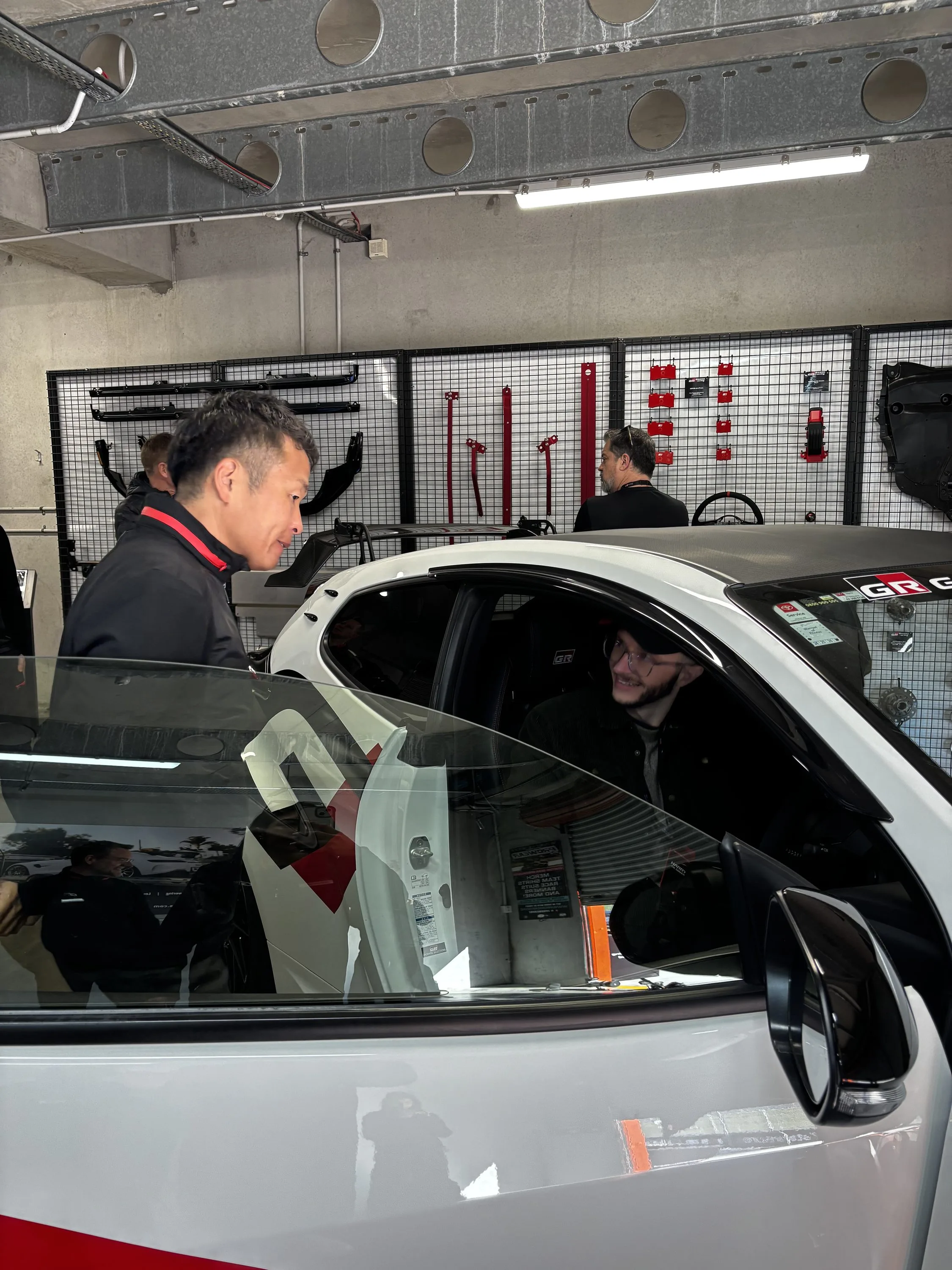
It also hasn’t managed to fully outrun its donor car, and I don’t think it’s supposed to. The carpeting and headliner feel properly cheap, and the door cards remain a genuine sore spot: hard, nasty to lean on, with no centre armrest to speak of. But yeah, I get it, you’re not meant to slump into this interior. You’re meant to sit up and let the chassis do the rest. Everything budget about the cabin reads like GR deciding not to spend money on something that wouldn’t make the car faster or more honest. The youths of today have a term for this: “that’s racecar s#$&!”, and I have to agree.
The man behind a lot of it
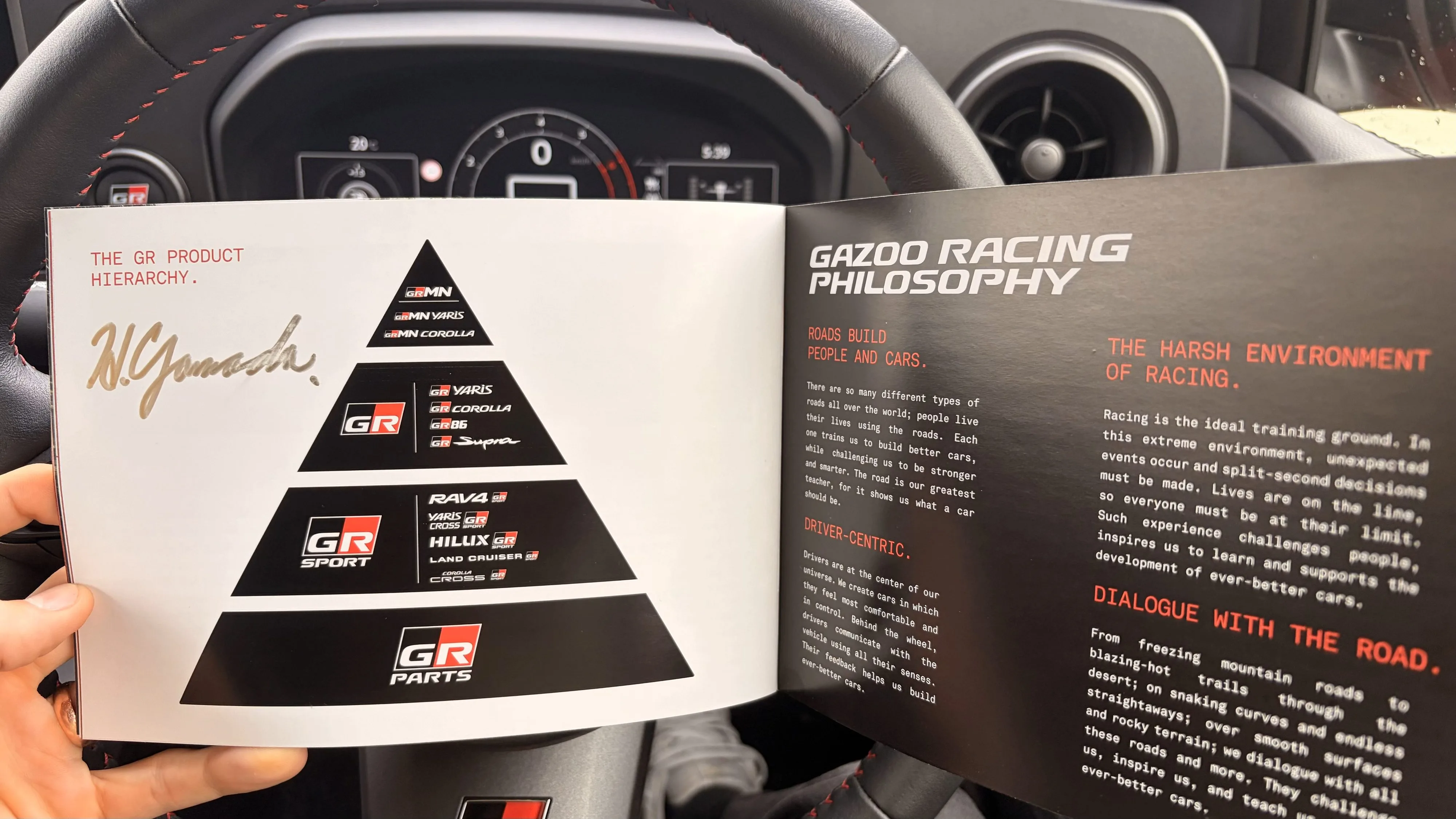
Part of why I’m confident that’s a deliberate trade-off, and not just a convenient excuse I’m making for a car I already liked, is Yamada-san. He’s the GR Yaris project manager out of Japan, and he flew down to be at the track event that marked the formal split between GR and Toyota here. He spent the whole day with us, not doing a press tour lap of the room but actually working it: asking everyone who’d driven the cars that day what they thought, taking it in, and in turn walking us through the reasoning behind the changes made across the car’s life. Gen 2’s recalibration, the aero pack with the bigger wing and wider inlets, why each one happened and what it was meant to fix or sharpen. Not one change has gone into this car across its lifespan without him knowing about it, and once he found in me someone as passionate about this car as he is, we had plenty to talk about.
What struck me wasn’t just the technical fluency, which you’d expect from the person who signs off on it. It was how clearly he understood who the car (and by extension the brand) is actually for. Talking to him felt like talking to a direct conduit for Akio Toyoda’s thinking on this specific product, filtered through someone who was unmistakably a passionate car guy first and a project manager second. If GR-as-a-standalone-brand is a bet that enthusiasts can tell the difference between a company that builds cars for a spreadsheet and one that builds them for people like Yamada-san, meeting him made that bet feel a lot safer.
The paper that backs it up
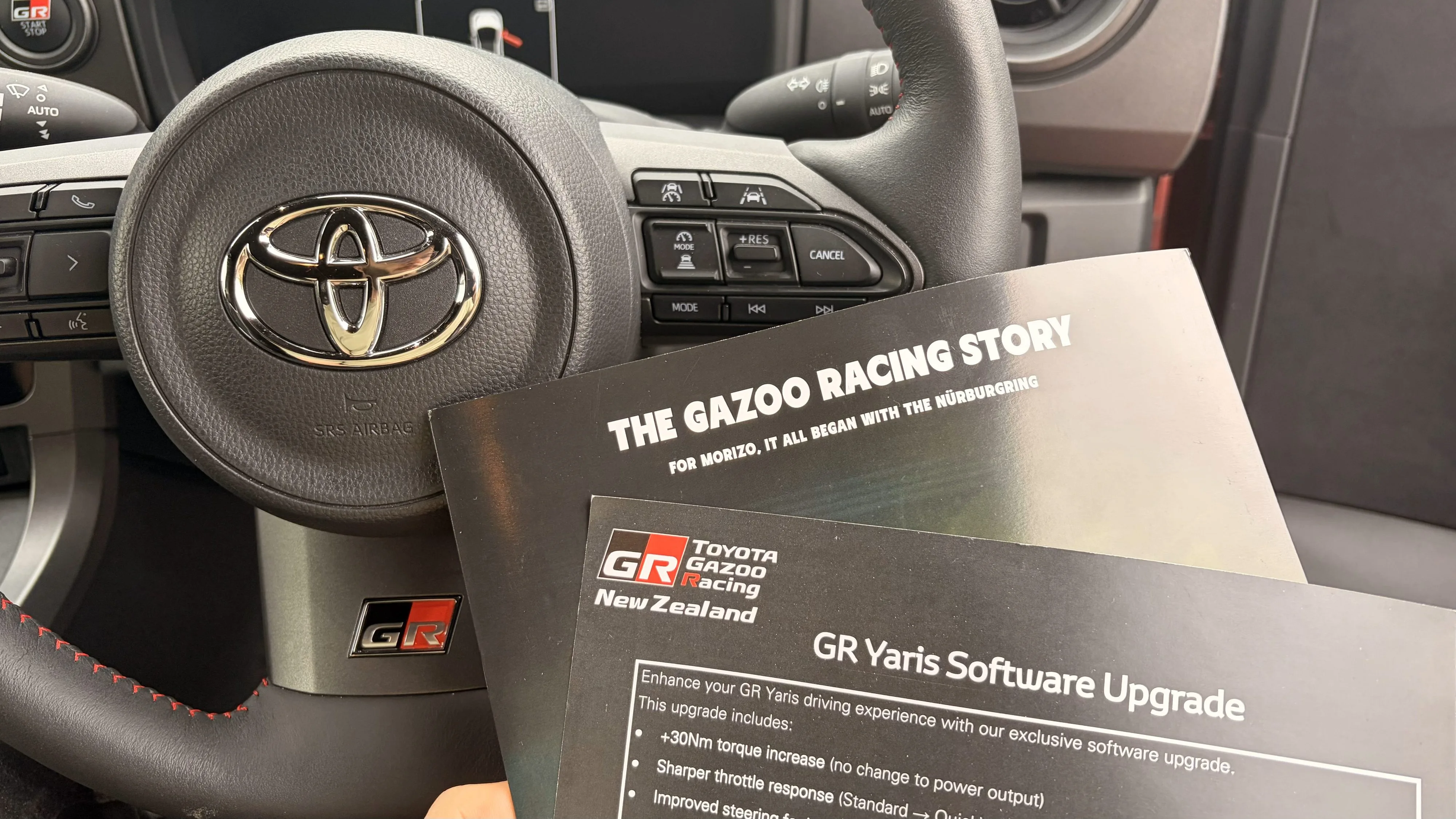
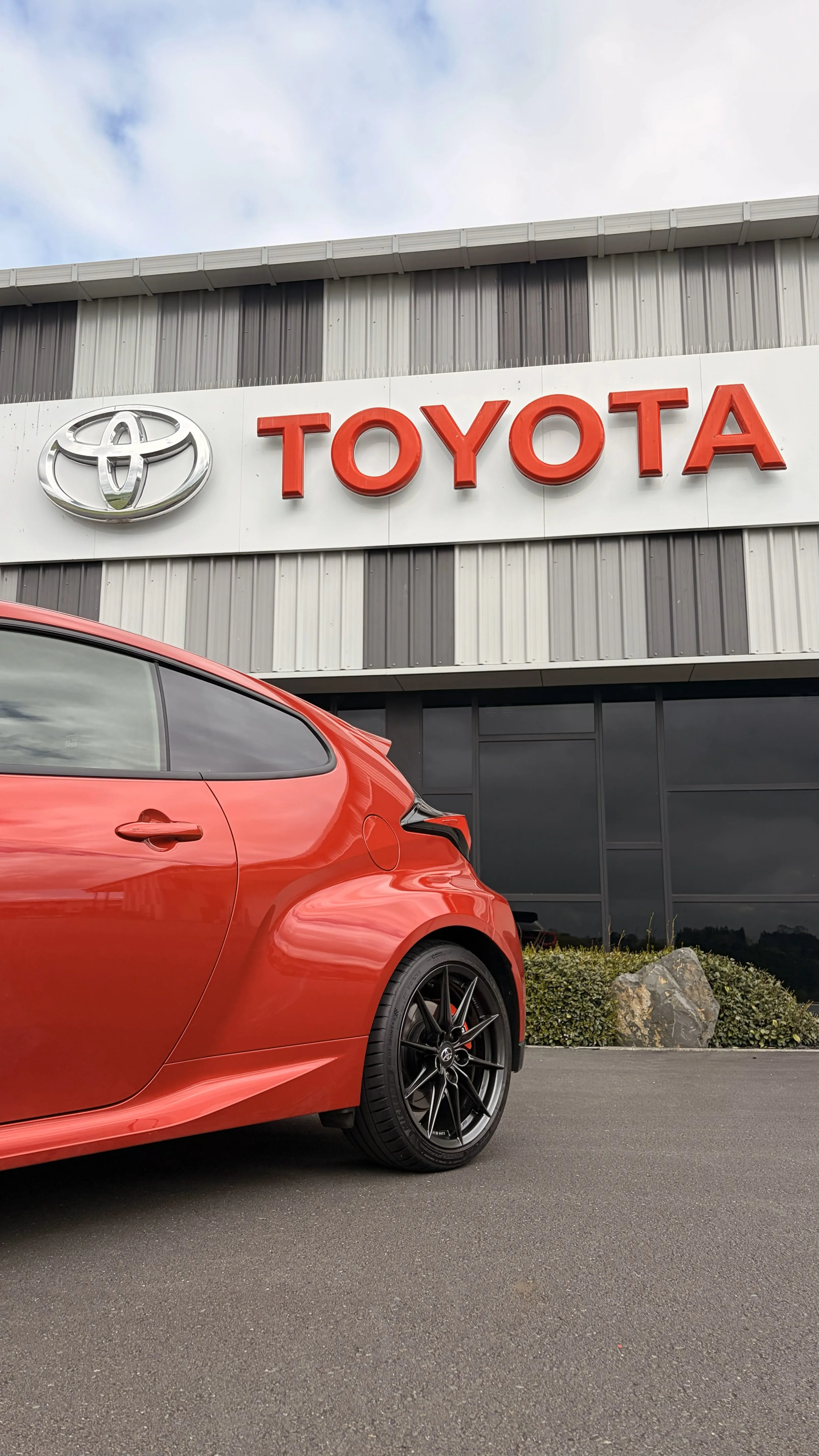
The flyers handed out that day did the same job in print that Yamada-san did in person. Alongside the usual event material was a full catalogue of GR racing parts for this car specifically, like more aggressive differentials, carbon bonnets and wings, cross-bracing, even an ECU reflash to unlock more torque and drivability. For a brand that keeps saying it wants a community of people modifying and improving their cars, rather than just buying them, that’s the correct way to back it up.
Smaller cards in the same stack spelled out the philosophy behind all of it, in the kind of short lines a brand uses when it actually believes them rather than when it’s workshopping a slogan: the improvement of cars through motorsport. Break, fix, improve. No more boring cars. It’s easy to be cynical about mission statements. I was, a little, until I’d spent all this time with a car that visibly lives by them, and a day with the person who makes sure they stay lived by – thankfully, I skipped the “break it” part.
All of which is to say: the loop I wrote about in August — motorsport to road car to customer and back again — isn’t just surviving contact with an actual car and an actual product manager. It’s the reason why this car is special. What that loop actually feels like from the driver’s seat, under power, on a road and on a track, is next.