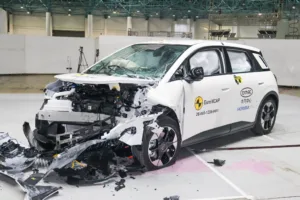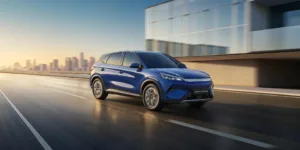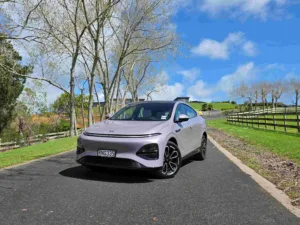
A compact electric hatch from GAC and a large electric people mover from XPENG have both earned five stars under ANCAP’s stricter 2026-2028 criteria, though each relies too heavily on touchscreens.
Two very different electric vehicles from Chinese manufacturers have earned five-star ANCAP safety ratings. The GAC AION UT hatch and the XPENG X9 people mover were assessed against ANCAP’s latest 2026-2028 criteria. Both did well, which adds to the safe choices in a growing EV market.
There is a catch, though, and it is a familiar one. Both cars put too many everyday controls on a screen.
Safety Tech That Watches the Cabin
The newest ANCAP criteria encourage carmakers to look inside the cabin as well as outside it. Both models have systems that detect incorrect seatbelt use. They can also spot occupants sitting in positions that could raise injury risk in a crash.
Each car also gets child presence detection, which can alert the driver if a child has been left inside. XPENG and GAC have also fitted the hardware for emergency calling (eCall). That function is due to become operational by October 2027, so it isn’t active yet.
Battery Safety Under the Microscope
For EV buyers, one of the more reassuring results concerns the high-voltage battery. Both the AION UT and X9 scored highly for battery safety after a crash.
This part of the assessment includes a “pierce test”. It checks whether physical damage to one battery cell can set off a chain reaction that leads to a fire. ANCAP runs it on every battery-electric vehicle tested under the 2026-2028 criteria, so it is now a standard hurdle rather than an optional extra.
Protection for More Body Shapes
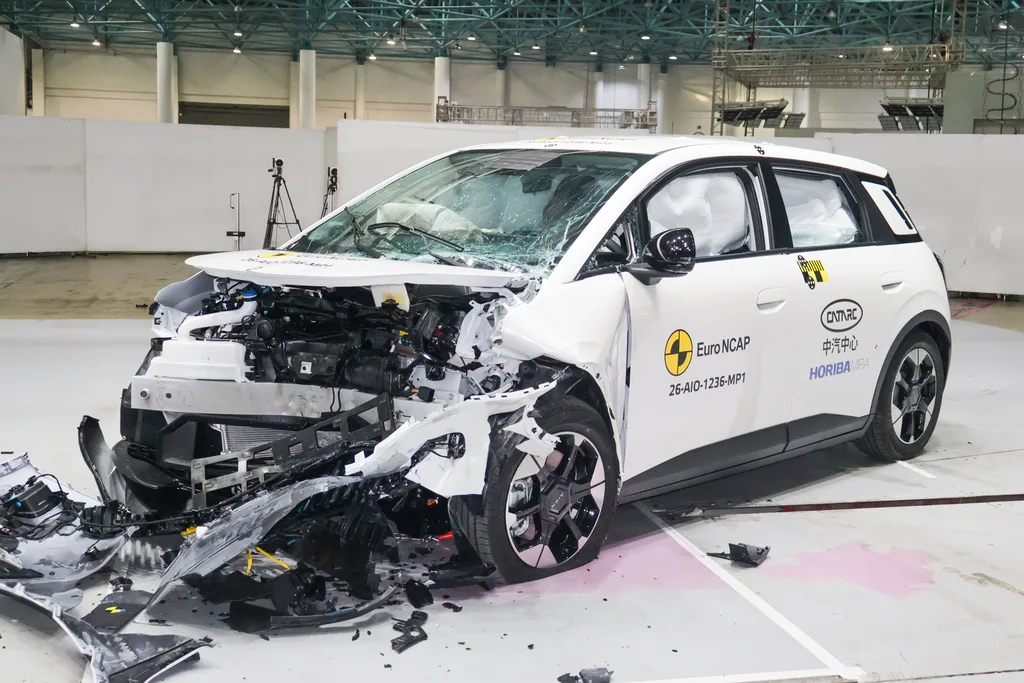
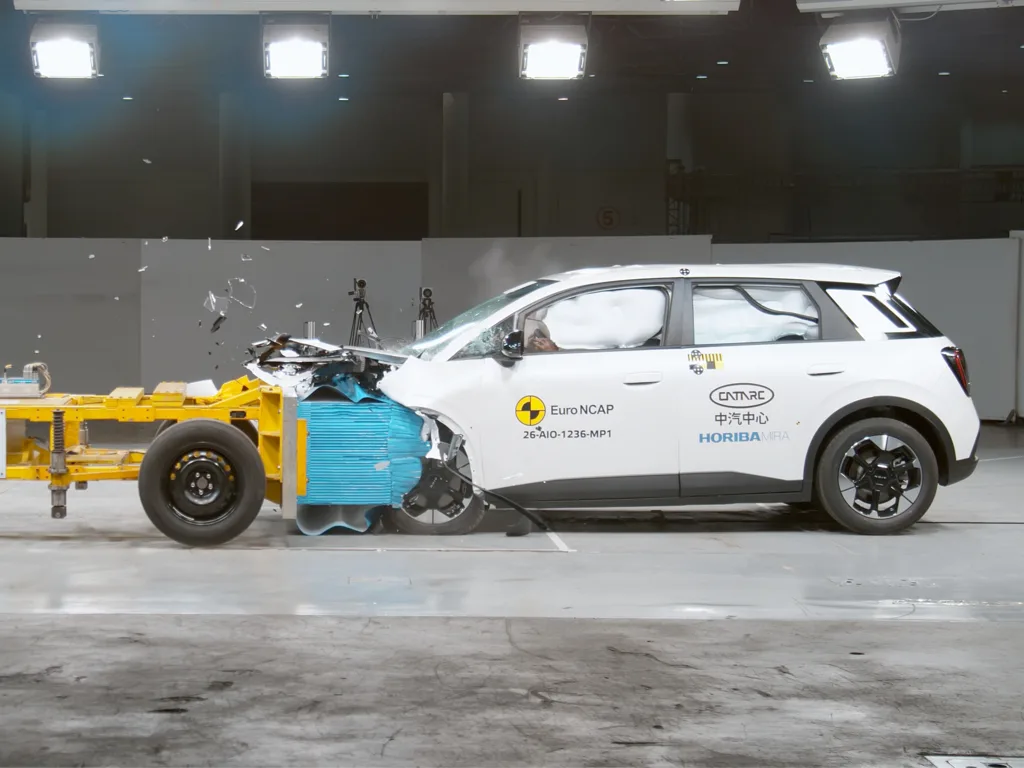
In physical crash testing, both models scored highly in frontal, side impact and run-off-road scenarios. The test programme covered:
- Frontal offset (MPDB) test at 50km/h
- Full width frontal test at 35km/h
- Side impact test at 60km/h
- Oblique pole test at 32km/h
- Far side impact assessment
A newer part of the protocol may matter more over time. ANCAP now assesses how well small, medium-sized and larger occupants are protected. It uses extensive virtual simulations and sled test data to cover a wider range of body sizes, speeds and crash severities. Both cars recorded notable results here.
That is a welcome change. Crash protection has long been built around a fairly narrow idea of the “average” occupant, and most of us don’t fit it.
Bring Back the Buttons
Now for the weak spot. ANCAP marked both cars down for their in-cabin driving controls. Headlights, wipers, demisters, side mirrors and hazard lights all rely too heavily on the touchscreen. So do audio, phone and climate functions.
ANCAP has been discouraging this trend for some time because of driver distraction. Chief Executive Carla Hoorweg said the safety body wants carmakers to “bring back buttons” for the functions drivers use every day. Clearing a fogged-up windscreen, she argued, should never take your attention off the road.
That leaves a clear message for the industry. Two new EVs can protect their occupants very well in a crash and still fall short at the basics of avoiding one. Physical switches cost little, and the safety body is now pushing hard for them to return.