When GWM announced its “drive to top five” strategy for New Zealand & Aus, the company identified a critical gap in its lineup, genuine diesel performance in the competitive 4×4 and ute segments. And with diesel accounting for 97% of ute sales in New Zealand and 89% across the broader market, ignoring this segment obviously wasn’t an option.
The solution? A clean-sheet, all-new 3-litre turbo diesel engine purpose-built for regional needs, paired with comprehensively refined Tank 500 and Cannon Alpha models. And I must say that after a first drive across varied Australian terrain (on and off-road), it’s clear GWM has done their homework.
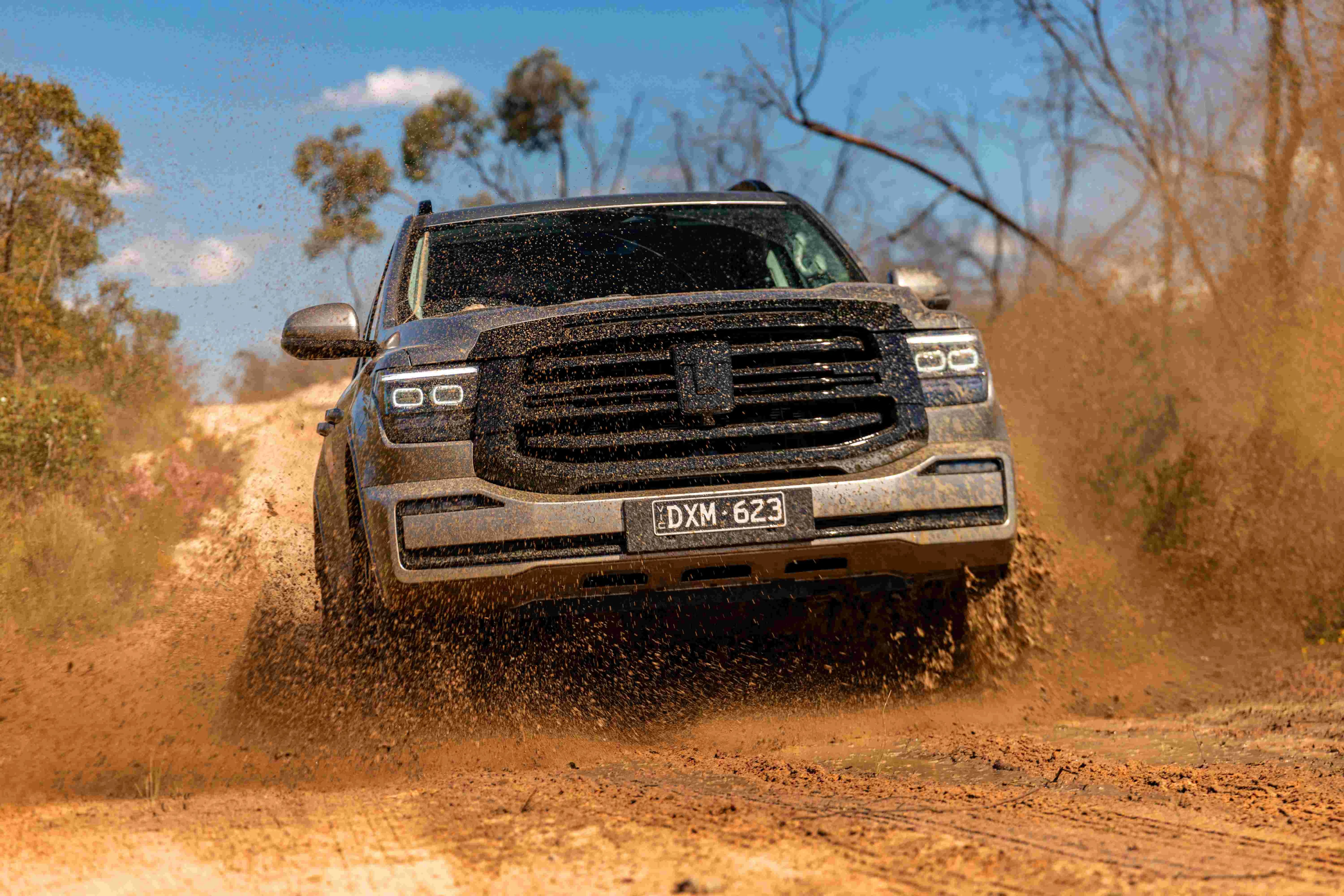

Exterior Presence and Off-Road Credentials
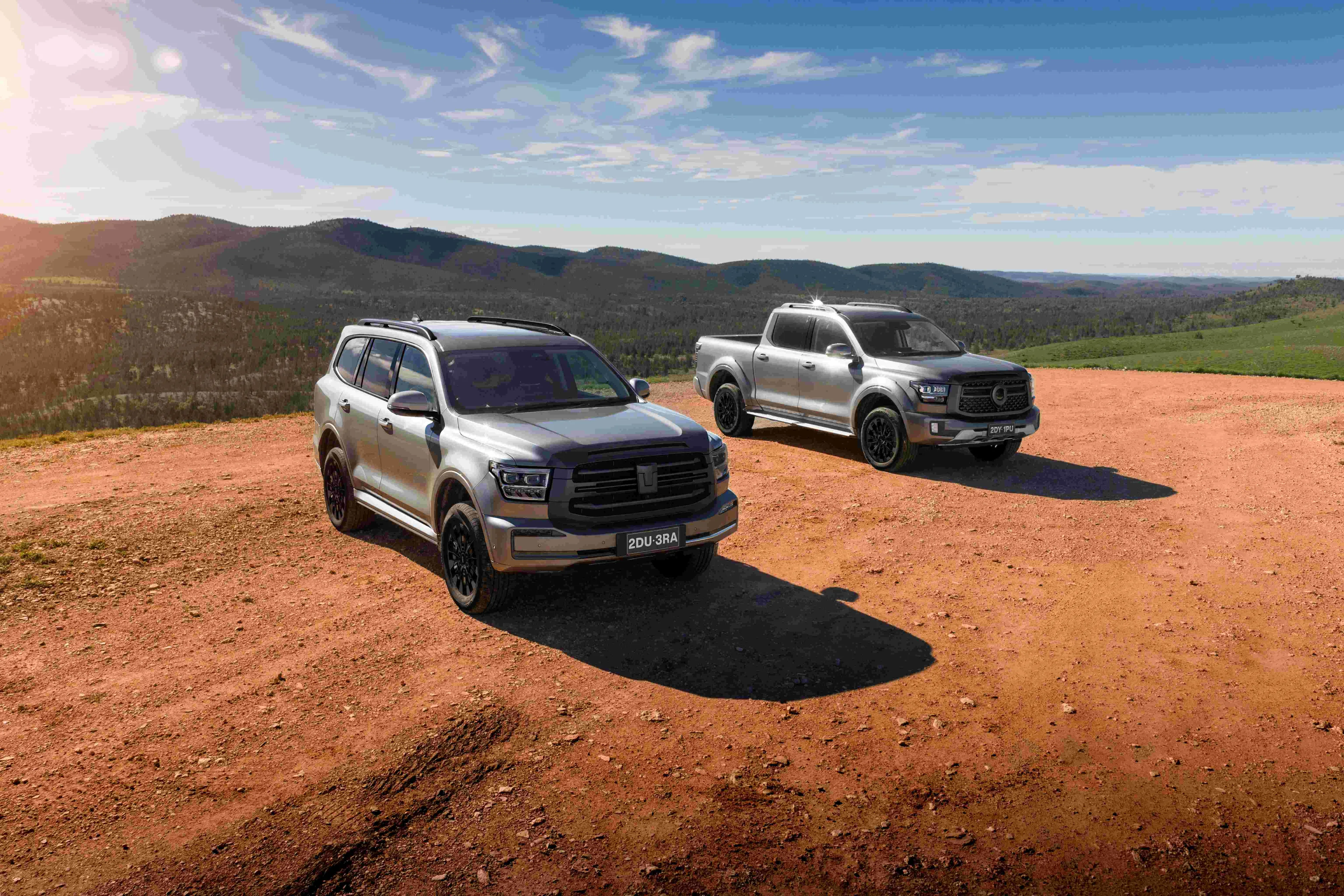
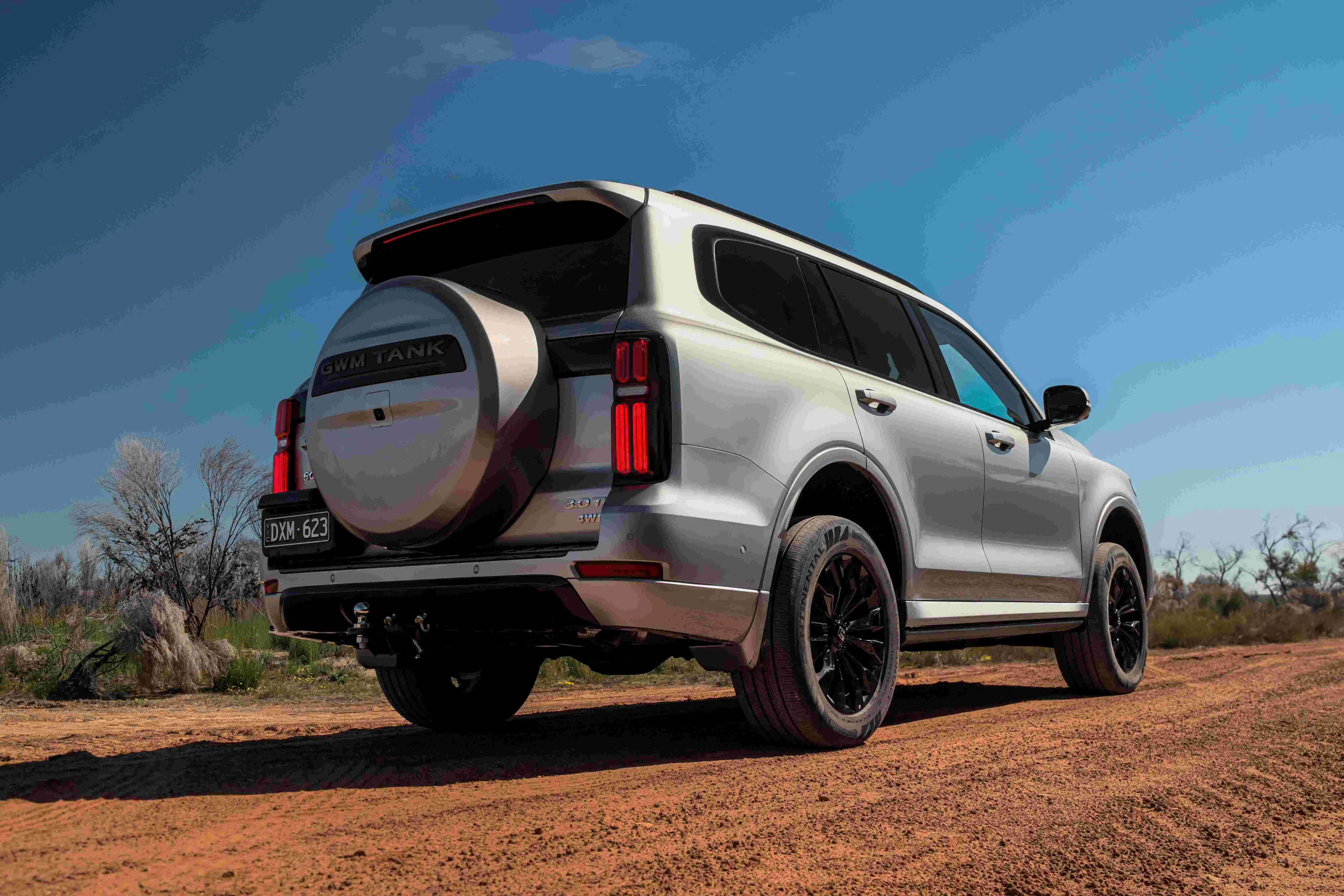
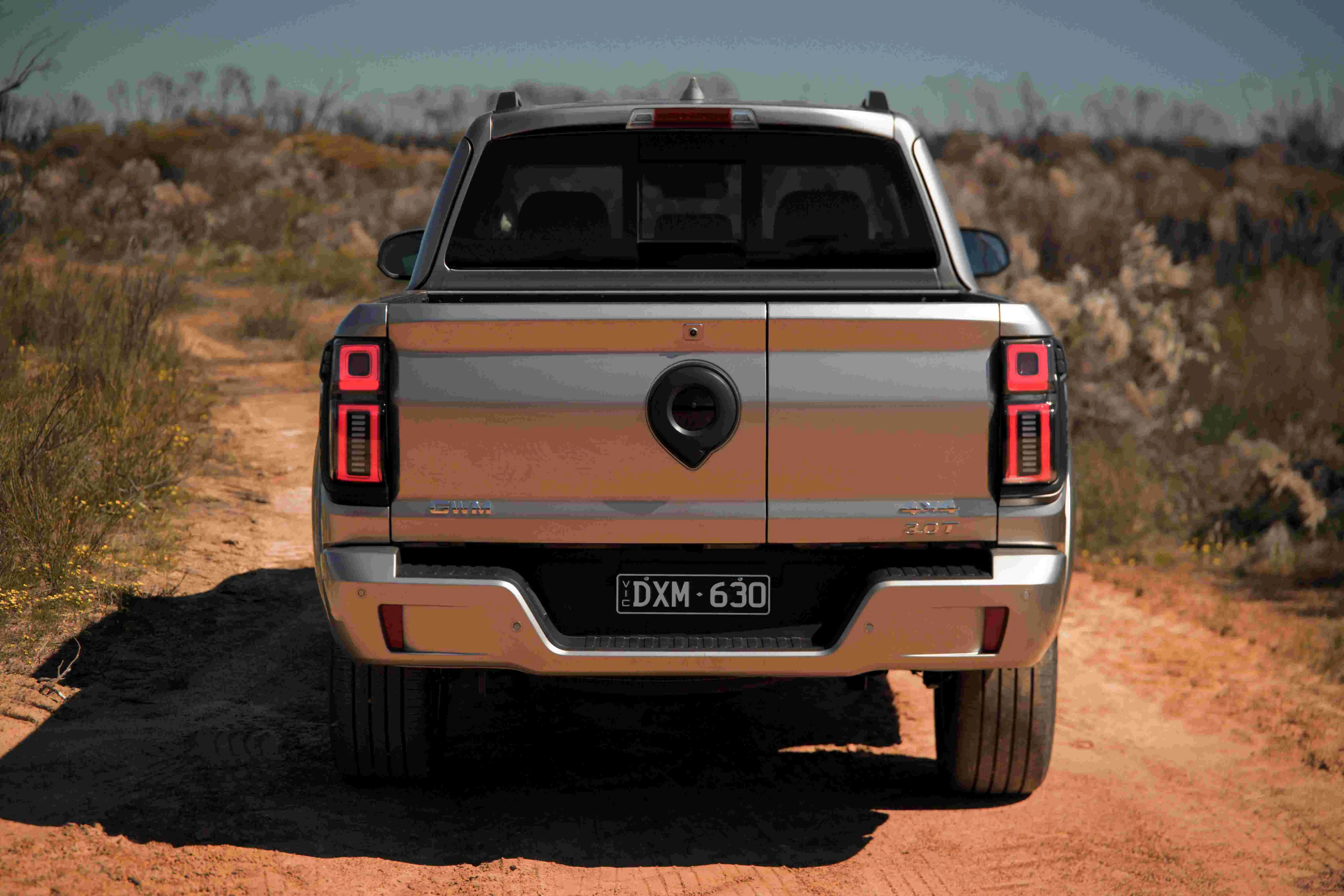
Both the Tank 500 and Cannon Alpha present imposing silhouettes that befit their capability credentials, but not only has GWM upped their beating hearts, they’ve upped the trim too.
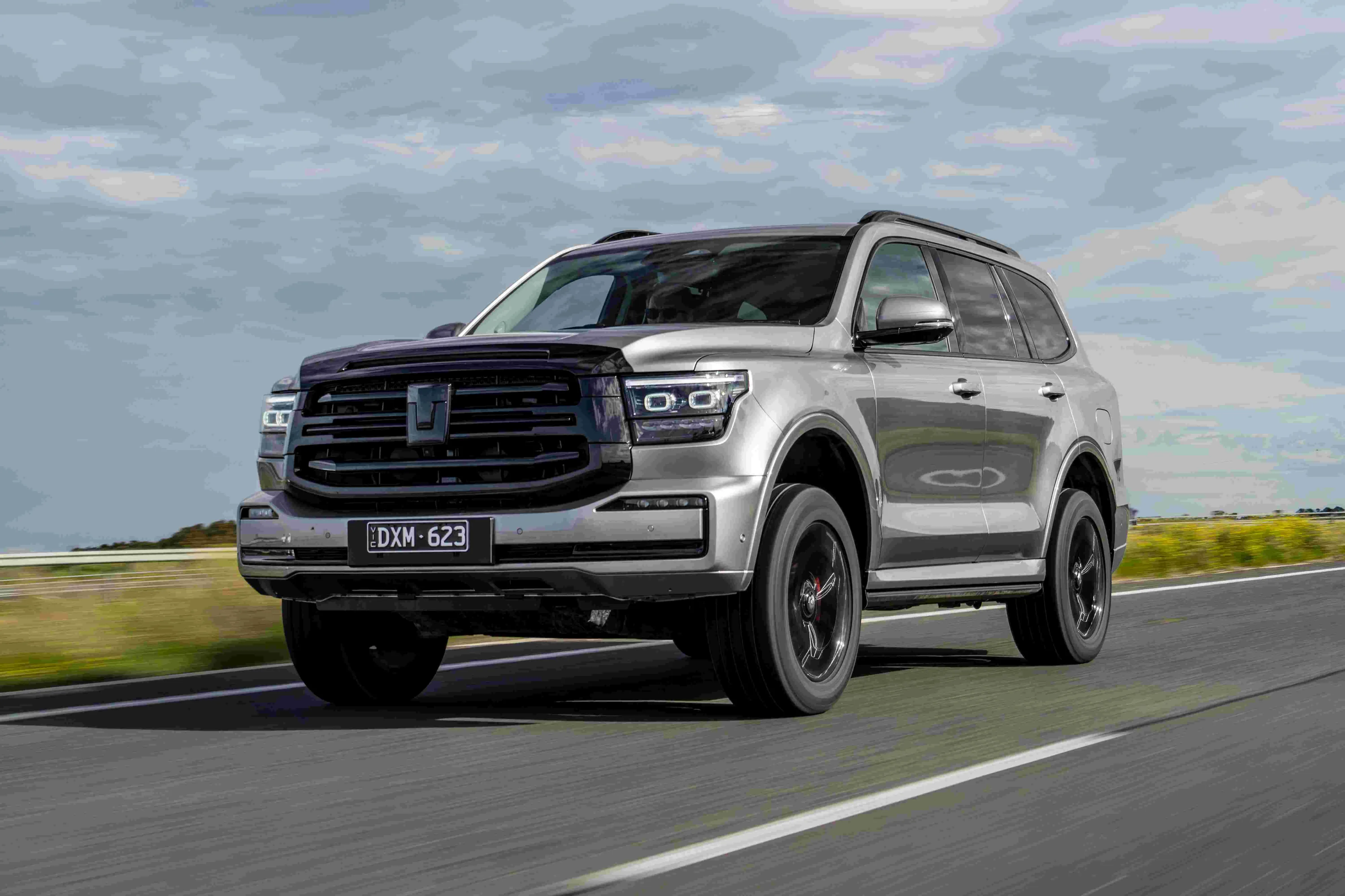
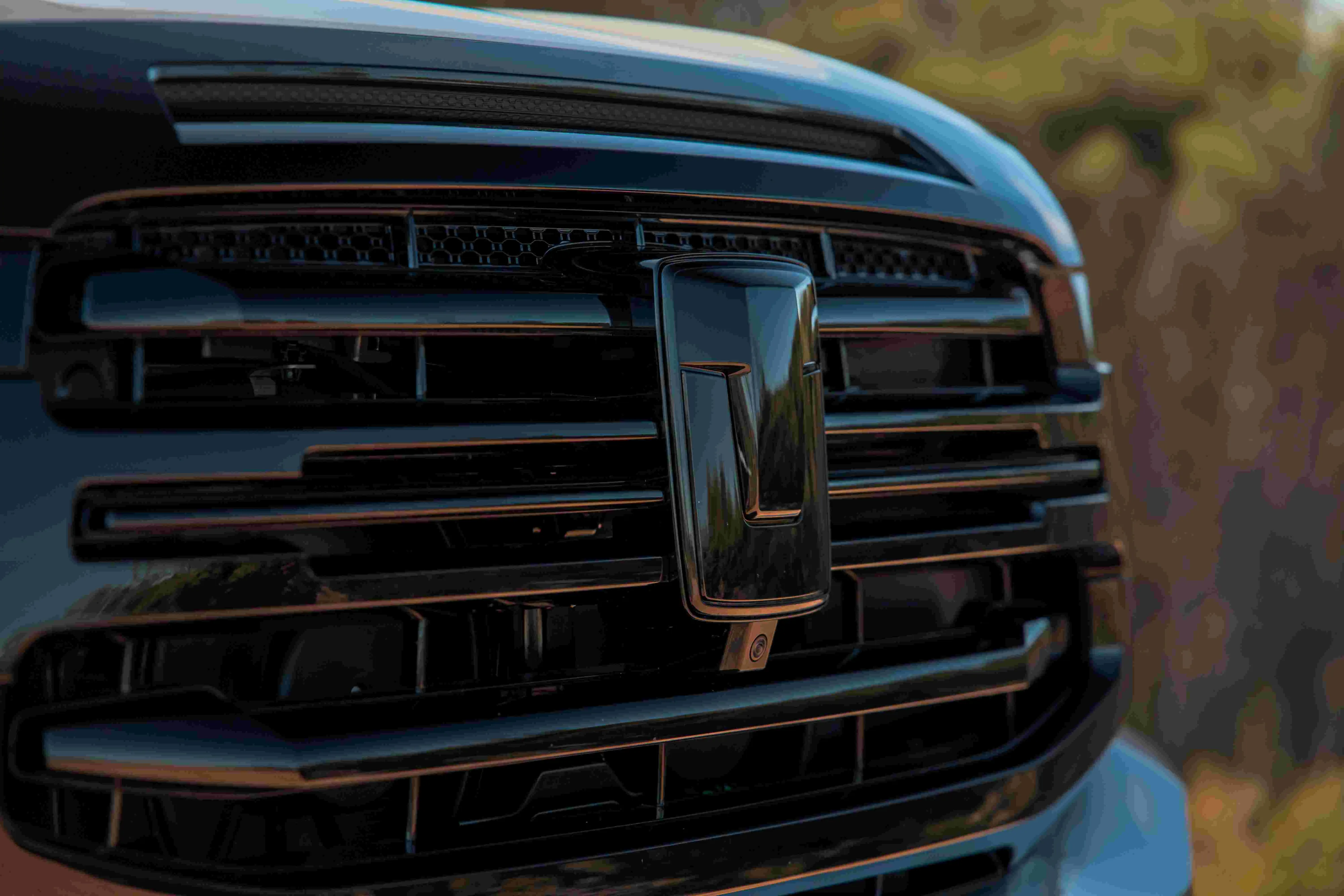
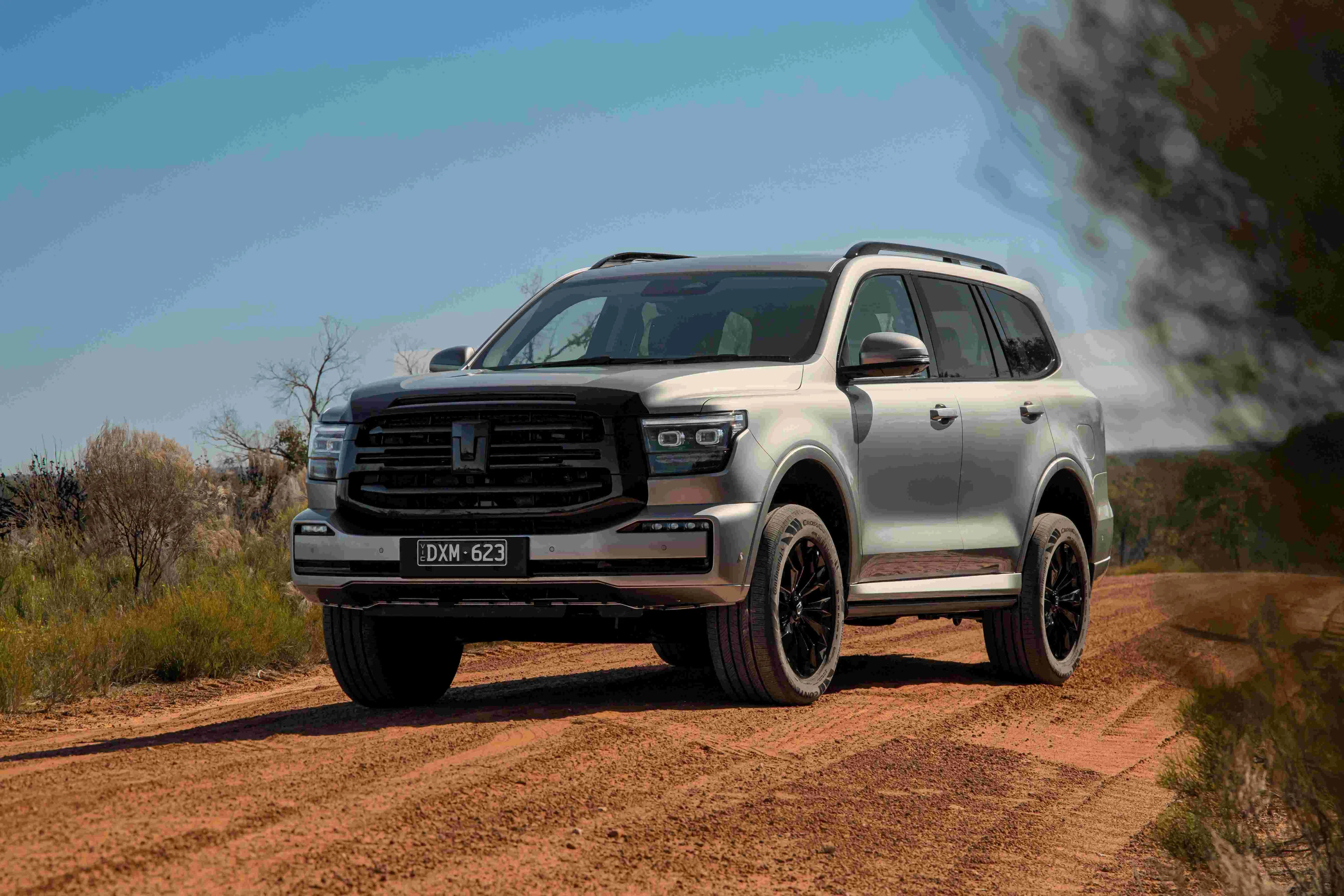
The Tank 500 Vanta spec: Available in four striking finishes including new Marble White and June Gold, carries the design language that’s made it popular in Asia, muscular proportions, clean lines, and purposeful stance. GWM have kitted this variant out with a dominant black grille, black side steps and mirror caps in (yep you guessed it), black.
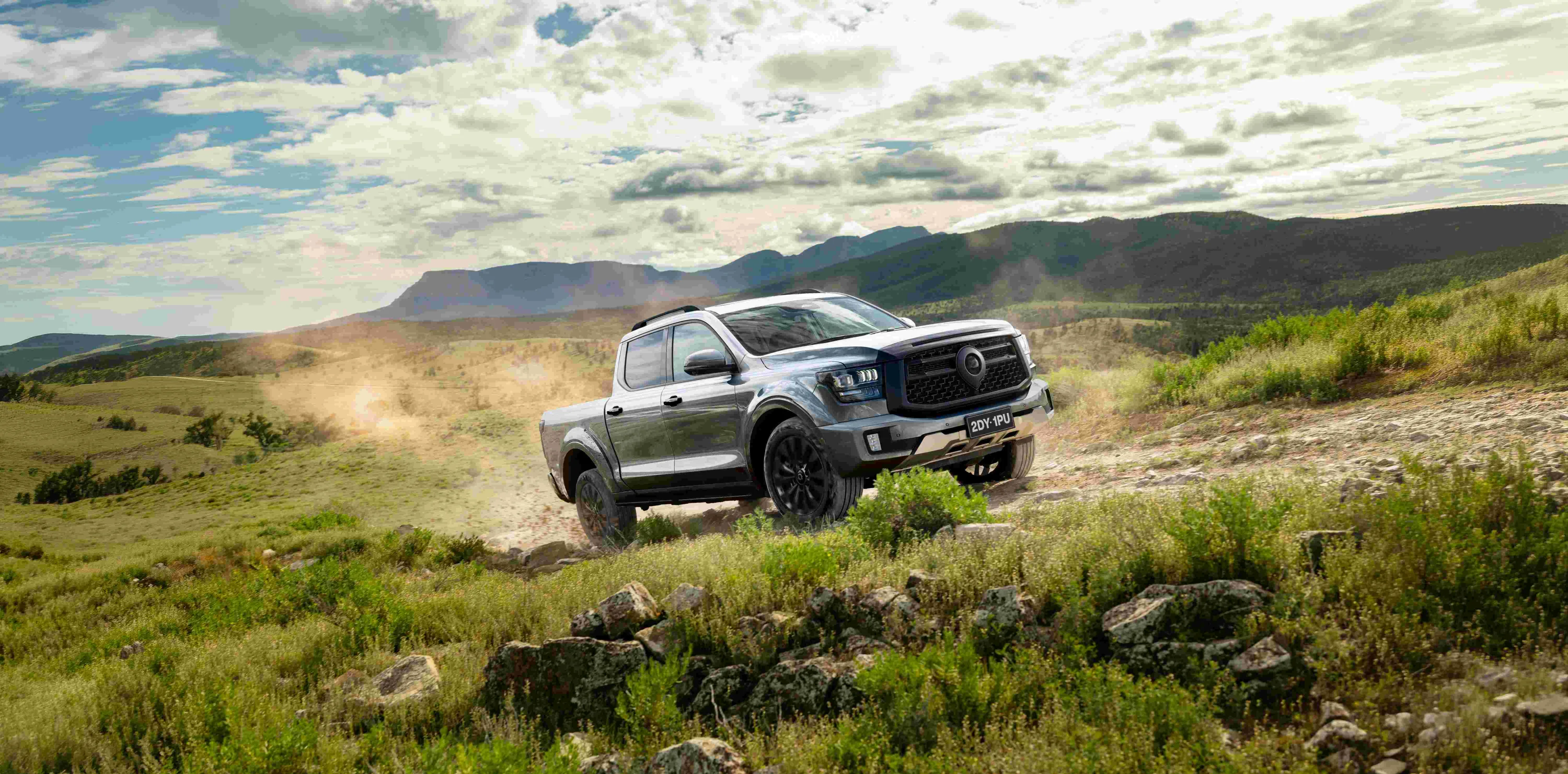
The Cannon Alpha Vanta-spec ute: Meanwhile, opts for a more utilitarian aesthetic without sacrificing visual appeal, offered in Marble White, Onyx Silver, Crystal Black, and Storm Grey. Added to this, the 3L Cannon Alpha gets the same (or similar) black garnish as the 3L Tank 500, all combing to elevate its position in both the range line-up and against its competitors.
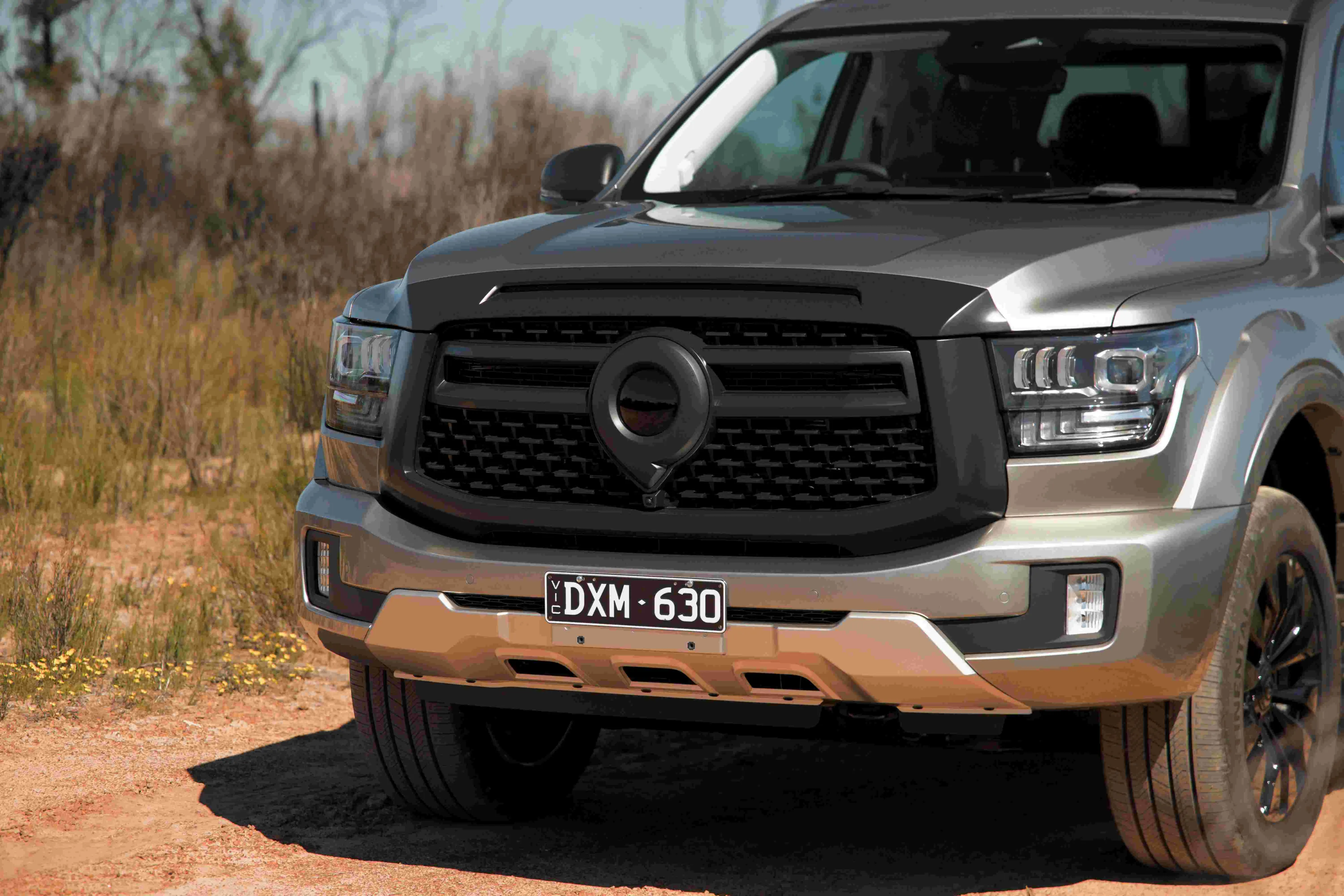
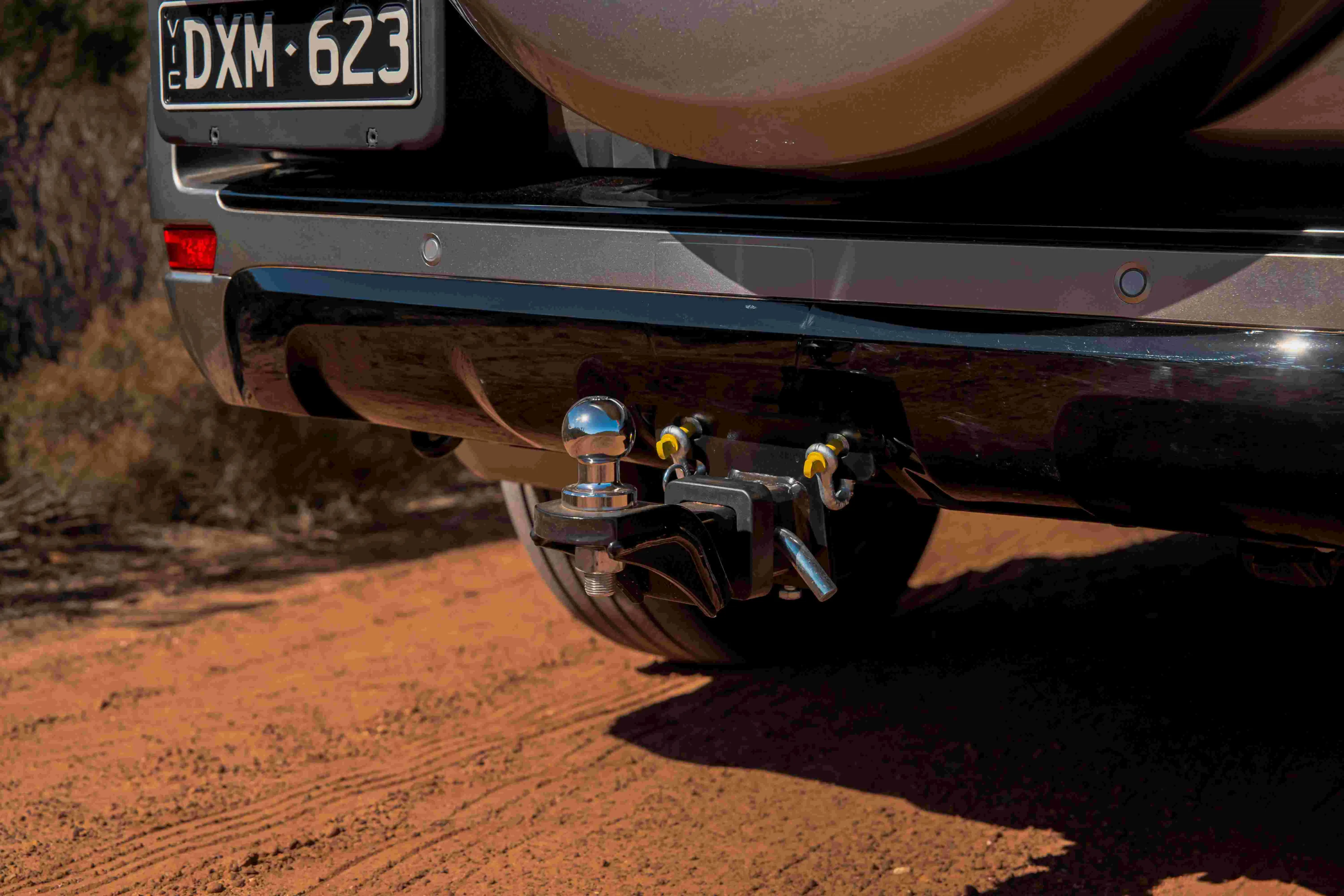
Beyond aesthetics, the geometry speaks volumes about capability. The 3L Tank 500 boasts a 28.5-degree approach angle, 22-degree breakover, and 25-degree departure angle with 220mm ground clearance, while the Cannon Alpha matches the approach angle at 28.5 degrees, adds 224mm of ground clearance, and both achieve an impressive 800mm water wading depth.
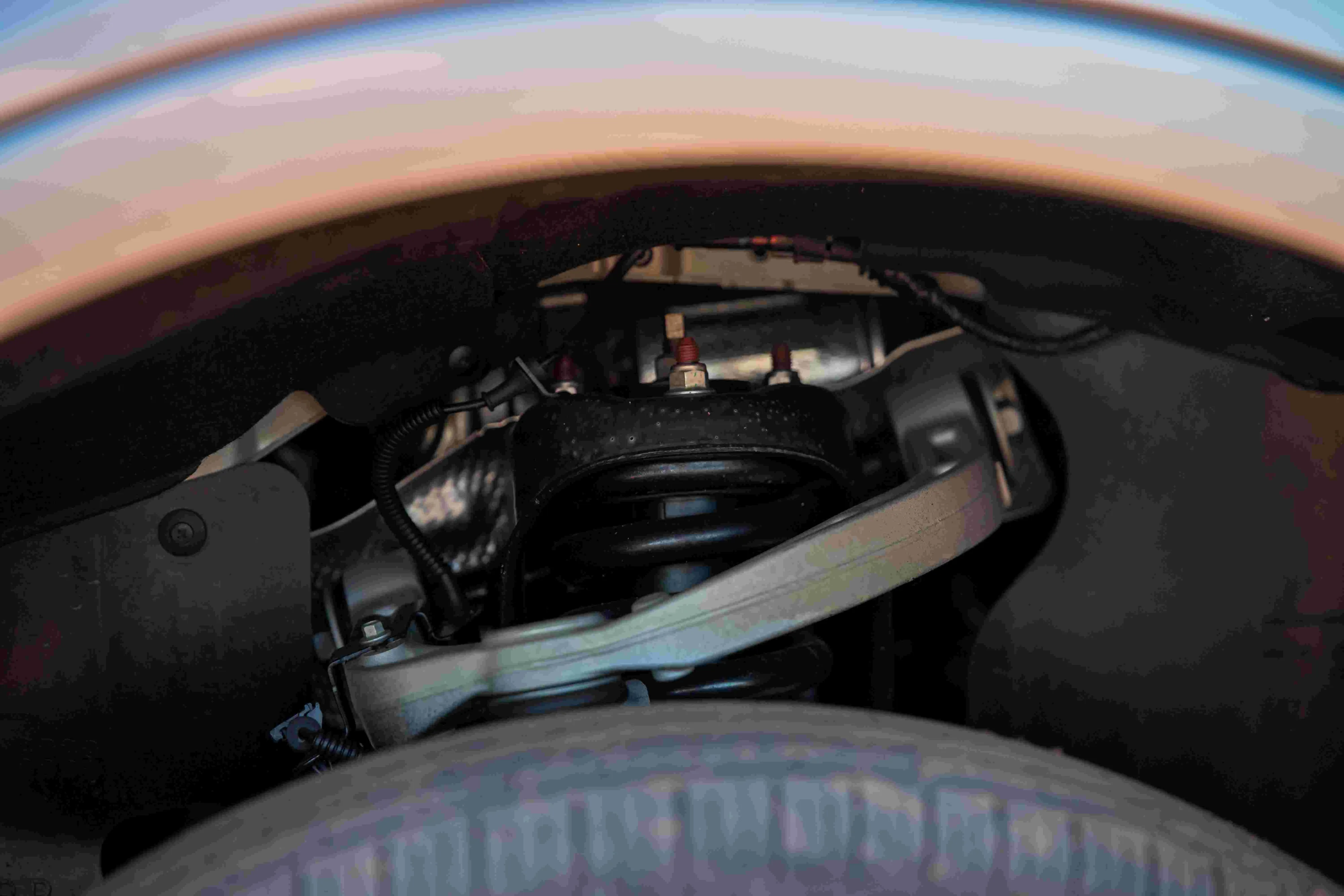
Oh and in case you were thinking these figures were simply on a wish list, GWM has validated them across 76 types of global roads during durability testing, including 30+ bench tests equivalent to 600,000km of continuous operation – so there.
Interior Refinement and Technology Integration
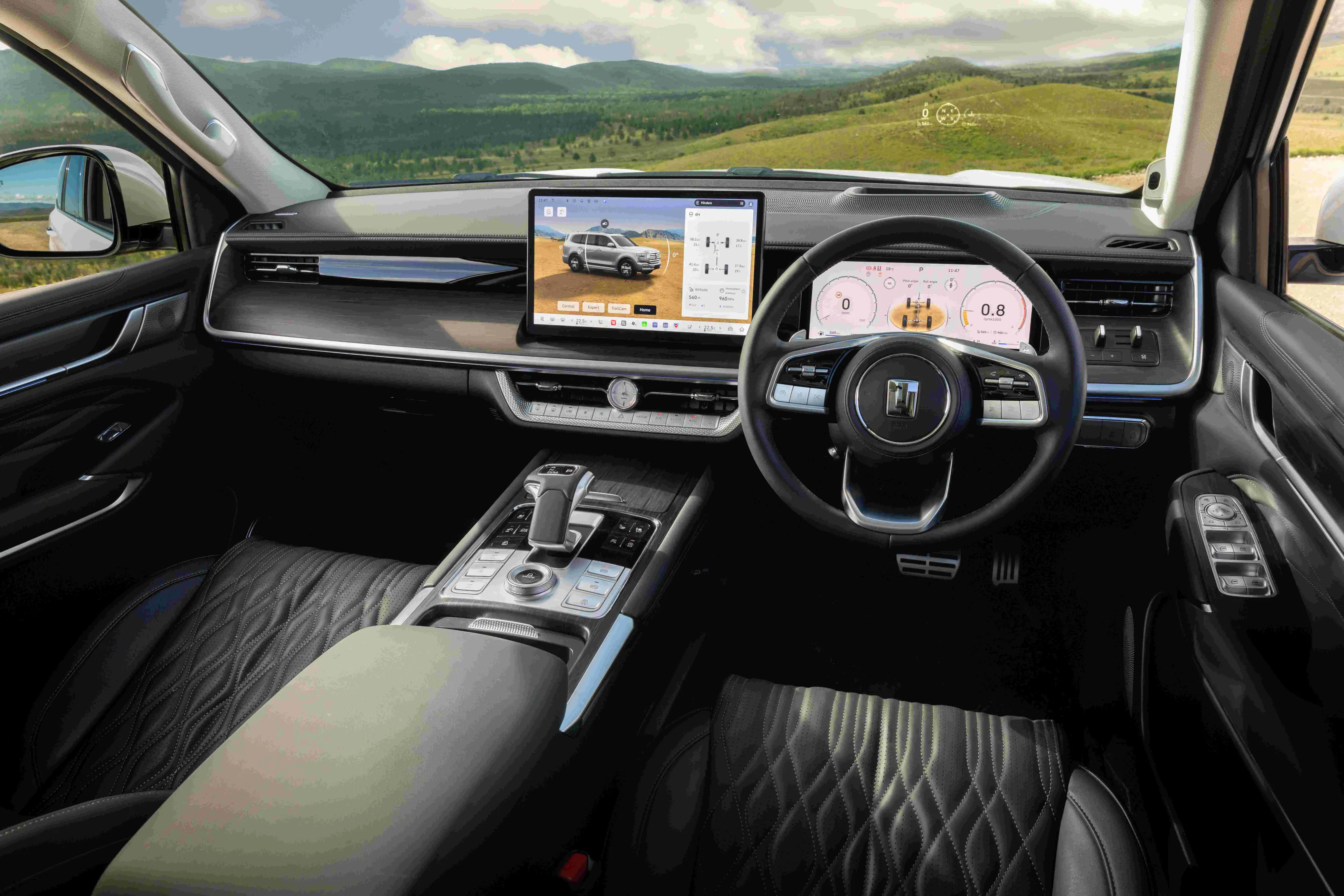
Step inside the 3L Tank 500 Vanta and the departure from GWM’s previous budget-focused reputation becomes immediately apparent. Nappa leather-accented seats with heating and cooling functions, massage capability for front occupants, and ventilated second-row seating create a premium ambiance comparable to rivals costing significantly more. The panoramic sunroof and heated steering wheel further elevate the experience, while ambient lighting rounds out the luxury touches.
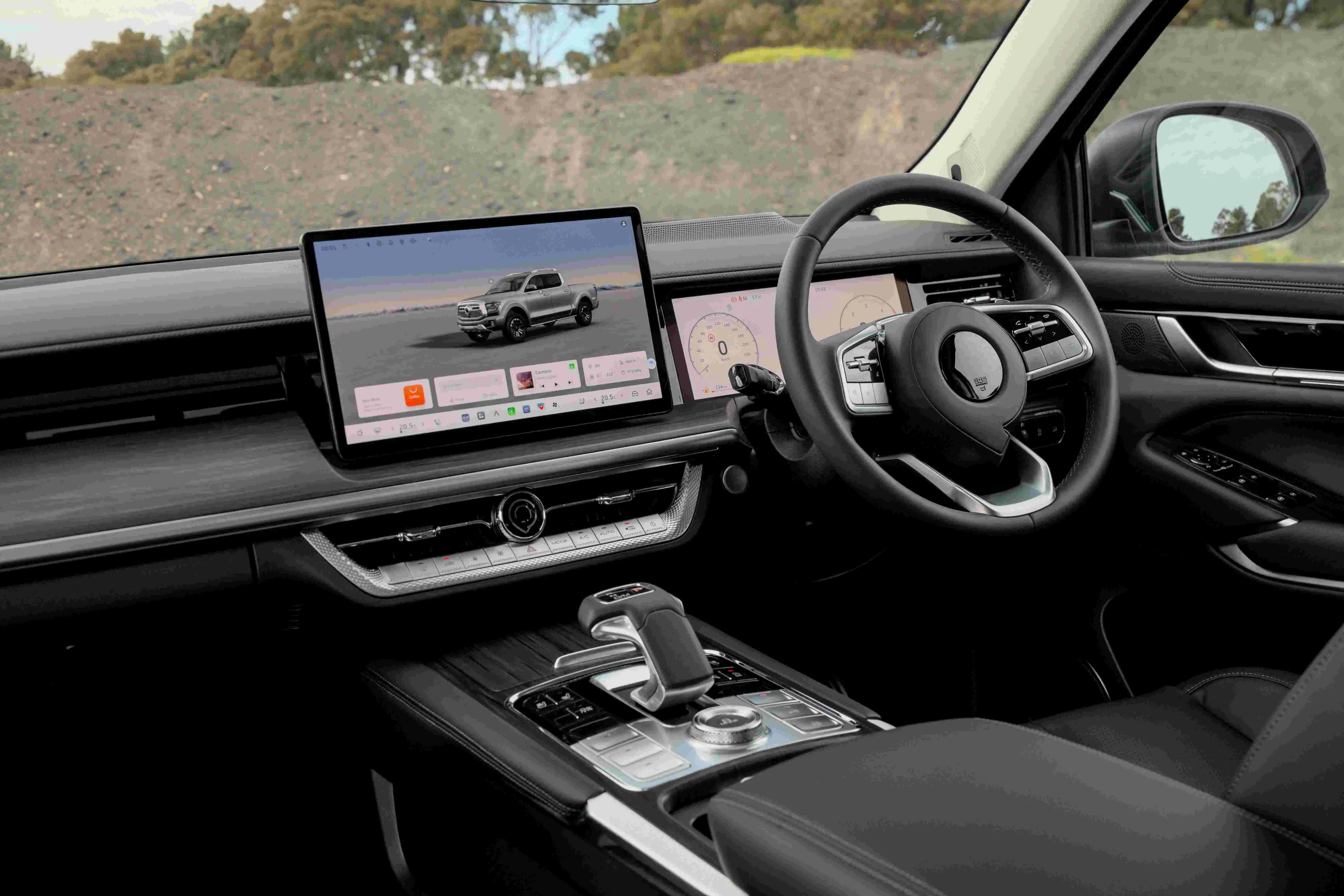
The Cannon Alpha’s interior maintains a little more workaday character befitting its ute classification, well kind of. The Vanta-grade gets a sunroof, upmarket trim, leather-accented seats with heated and cooled front seats, plus front massage functionality, all of which ensures comfort isn’t sacrificed.
Both vehicles benefit from GWM’s localised development program, the AT-1 initiative, which saw engineers tuning suspension and steering for local roads, refining cruise control behavior, and calibrating reverse camera systems specifically for local trailer shapes and sizes.
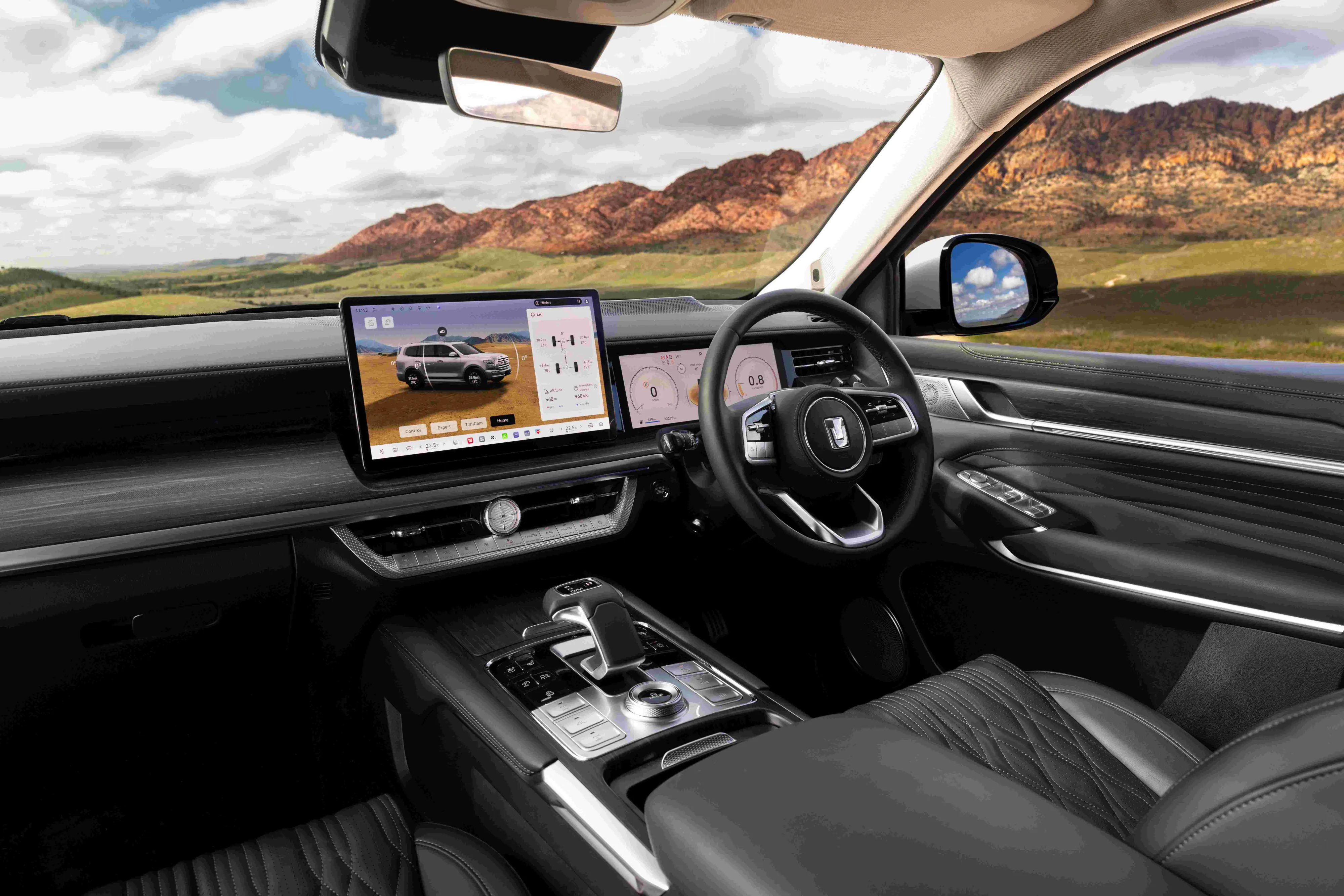
Infotainment – Coffee OS Comes of Age
The standout infotainment revelation is Coffee OS, GWM’s proprietary operating system that has matured considerably. Both the 3L Tank 500 Vanta and 3L Cannon Alpha Vanta feature a 14.6-inch multimedia display complemented by a 12-inch digital instrument cluster, both crisp, responsive, and intuitively navigable. What impresses most is the ability to access a shortcut dock (adjustable for AC, volume, and other frequent controls) while using Apple CarPlay or Android Auto, eliminating the typical smartphone integration limitations.
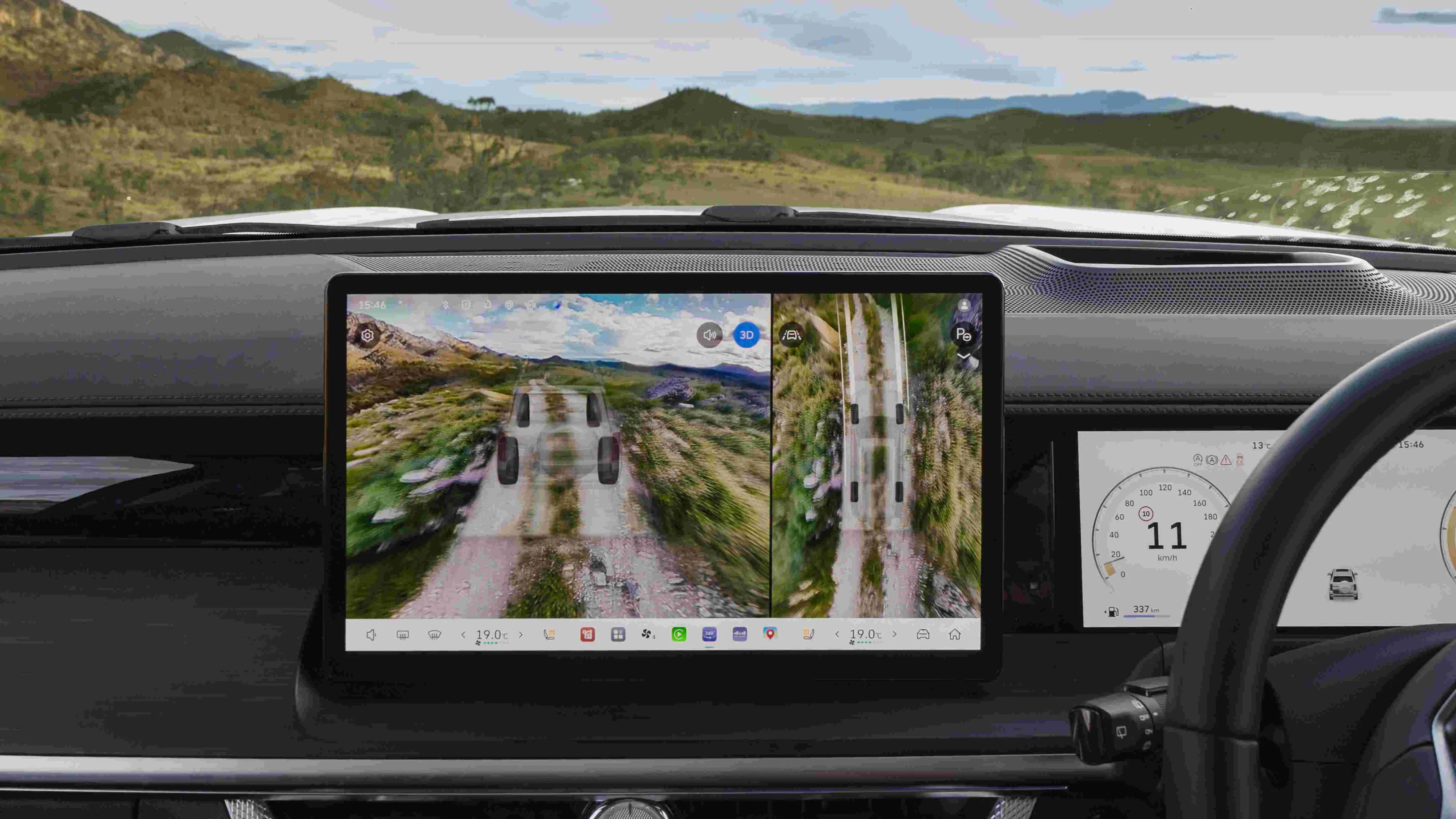
The new 360-degree camera system deserves particular mention. Beyond standard parking assistance, GWM’s implementation includes color-coded proximity alerts: green for safe distances, yellow when approaching unsafe territory, and red when adjustment is required. Combined with the trailer-specific enhancements from AT-1 development, maneuvering caravans or trailers in tight spaces feels genuinely confident.
Connectivity extends to the GWM app ecosystem, enabling remote lock/unlock, AC control, heated seat activation, vehicle location tracking, fuel level monitoring, and geofenced notifications. For those juggling multiple vehicles or managing a fleet, these conveniences represent tangible value-adds against competitors.
The 3L Engine – Purpose-Built Performance
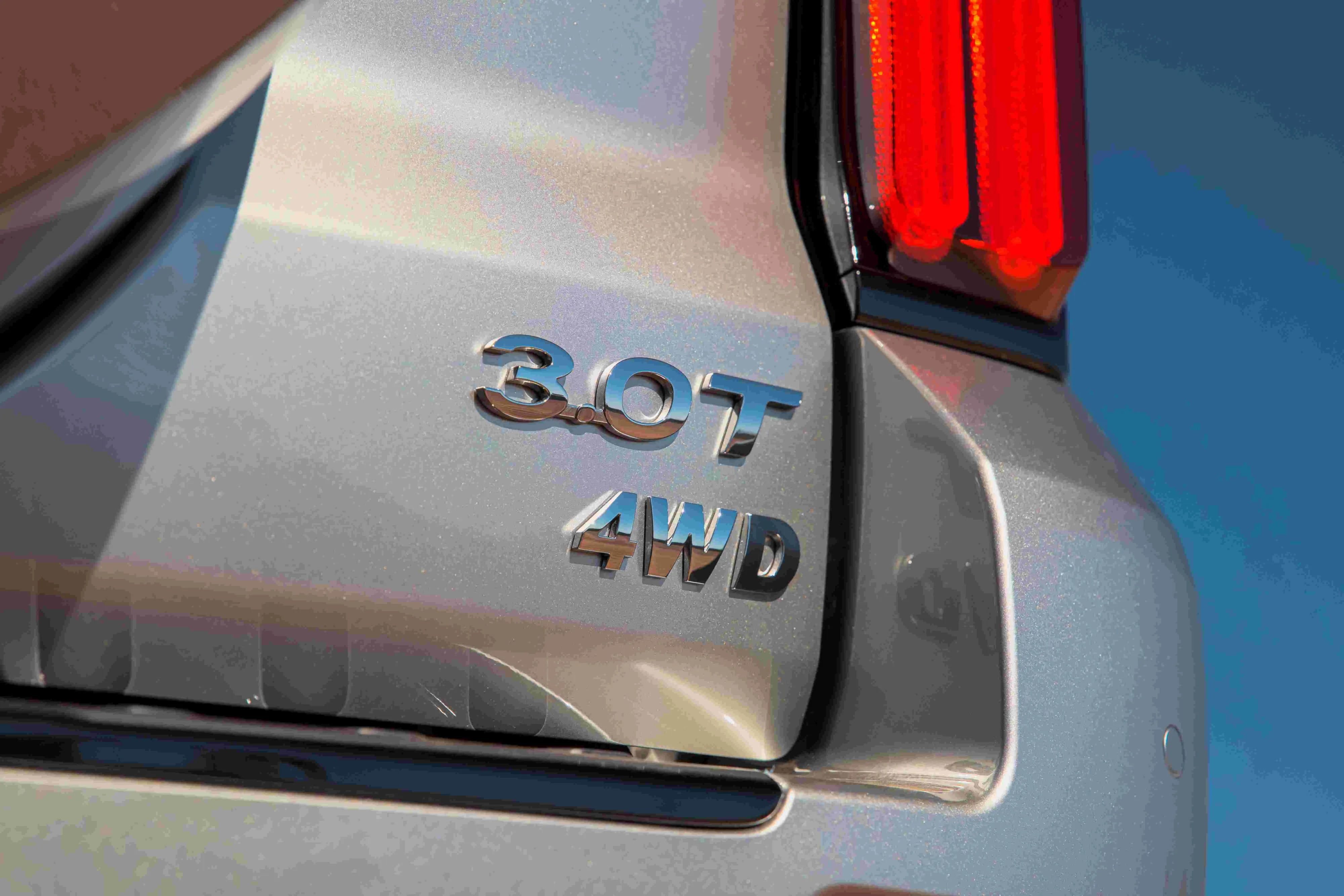
Here’s where GWM’s regional strategy comes to the fore. The new 3-litre turbo diesel isn’t a rebored, stroked derivative, it’s a purpose-engineered four-cylinder designed from a clean sheet. The headline figures are compelling: 170kW and 620Nm, but the torque delivery curve is where brilliance emerges.
Peak torque arrives at just 1,400rpm and sustains through to 2,400rpm, a phenomenal 1,000rpm plateau. To contextualise this advantage: the Ford Everest’s 3.0-litre V6 diesel delivers peak torque across approximately 500rpm, making GWM’s bandwidth roughly twice as generous. In real-world driving, this translates to predictable, responsive power whether accelerating from standstill, overtaking on highways, or maintaining load while climbing.
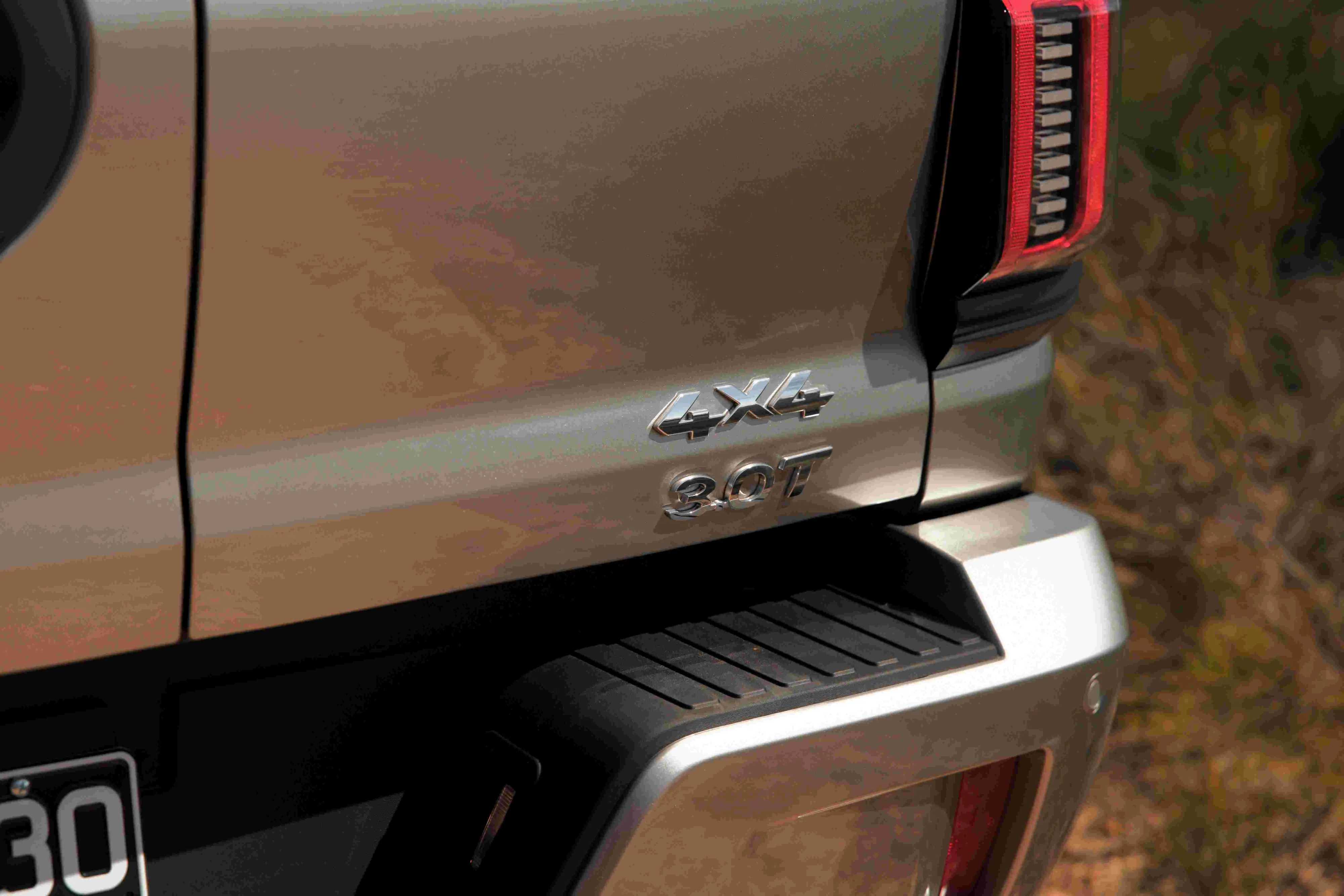
The engineering beneath this performance is methodical. A water-to-air intercooler system manages intake temperatures, enabling cooler, denser air for more oxygen per combustion cycle and stronger, more consistent combustion.
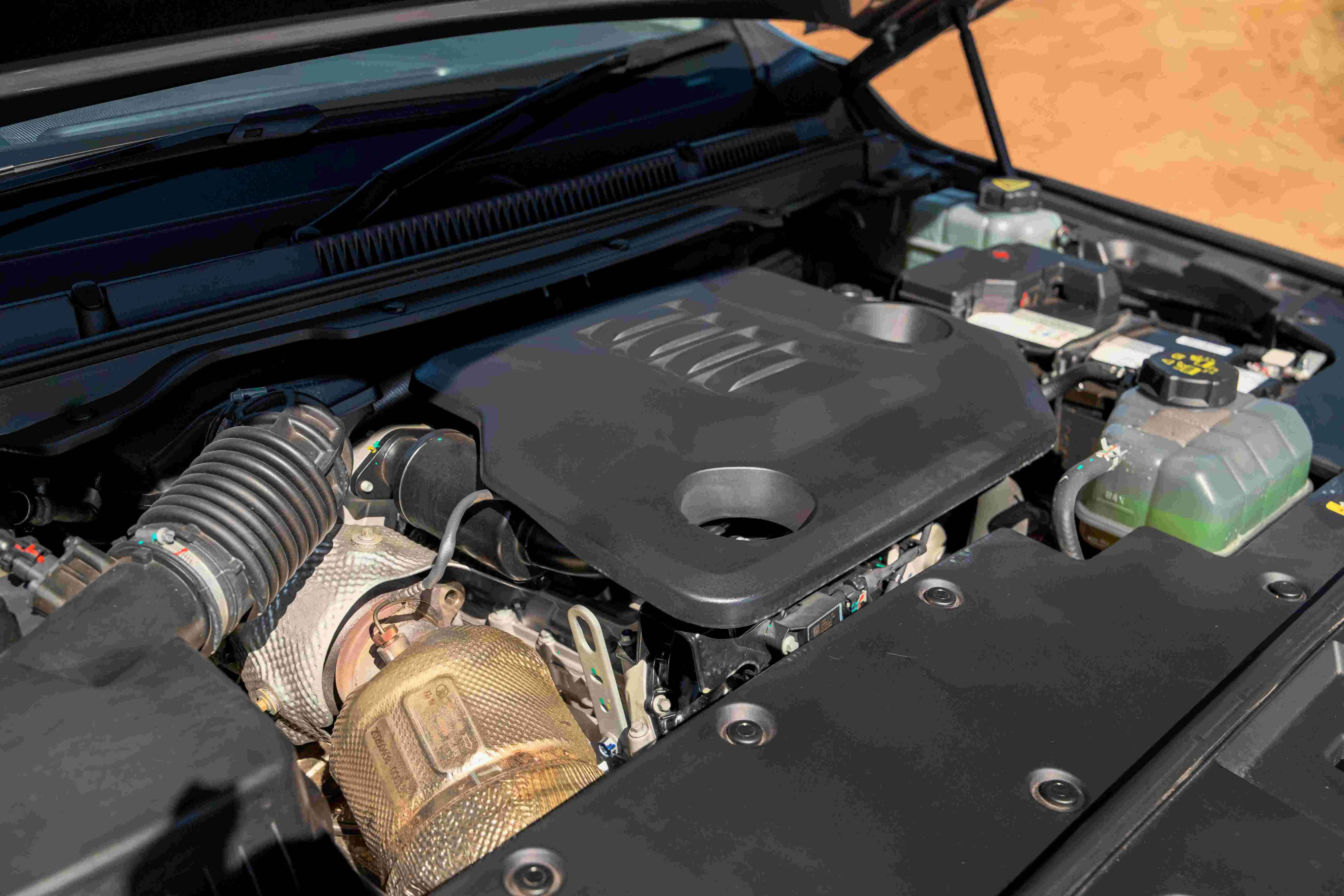
Shortened intake piping reduces turbo lag, while the high-efficiency variable geometry turbocharger ensures torque is available when drivers actually need it. The result: minimal turbo lag, responsive throttle feedback, and the ability to cruise effortlessly at highway speeds (tested around 1,600rpm at 100km/h) without aggressive downshifting.
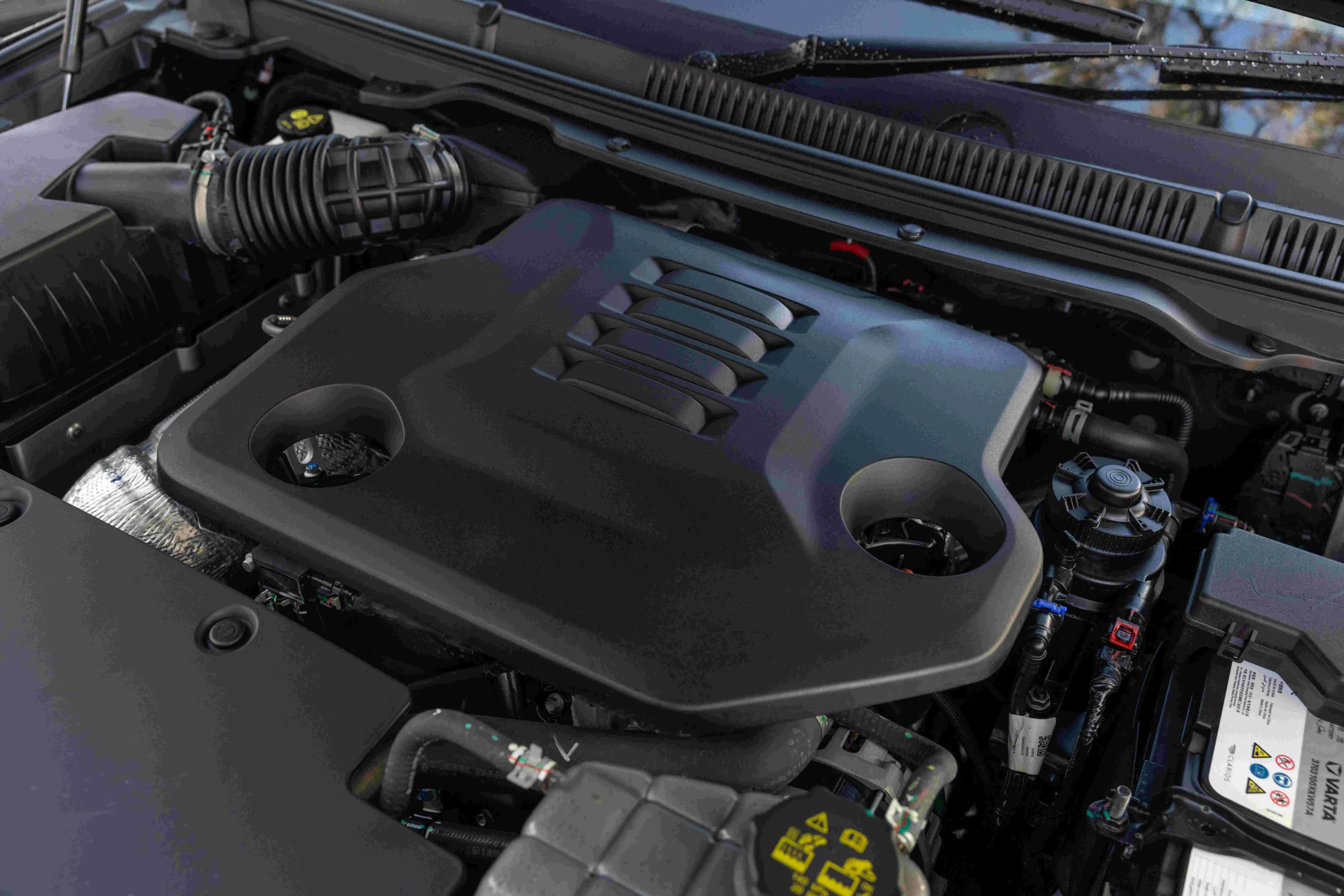
Efficiency figures reinforce the engineering coherence: 7.1L/100km for the 3L Tank 500 and 7.3L/100km for the 3L Cannon Alpha. Remarkably, GWM achieved this without resorting to AdBlue aftertreatment, eliminating an ongoing cost and complexity burden familiar to owners of competitive diesels.
Driving Impressions – Refinement Meets Capability
On the road, the 3L Tank 500 demonstrates the benefits of comprehensive localisation. The suspension tuning (refined by GWM’s AT-1 engineers across 40,000km of Australian testing including routes from Melbourne to Cairns and Alice Springs), strikes quite the balance between compliance and composure. Undulations are absorbed without fussiness, while body roll is controlled through corners.
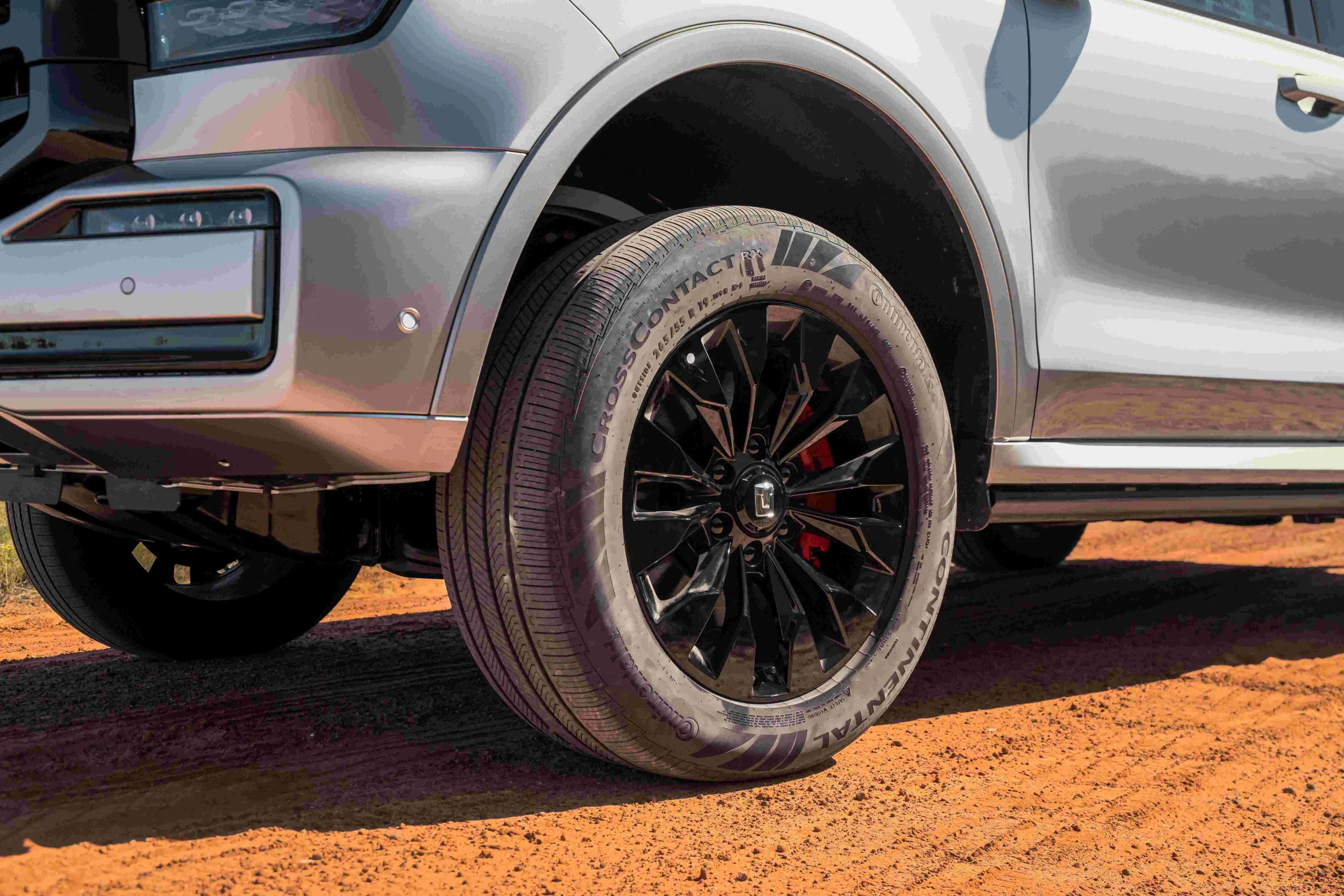
The powertrain integration feels mature. Throttle response is linear and progressive, with the broad torque band eliminating the sensation of waiting for power to arrive. When overtaking, the engine pulls cleanly with audible authority (purrs rather than roars) so noticeable and acceptable refinement, NVH has been a bit of a highlight to be fair. Adaptive cruise control, (refined through AT-1 development), maintains speed intelligently without the hunting behavior some competitors exhibit.
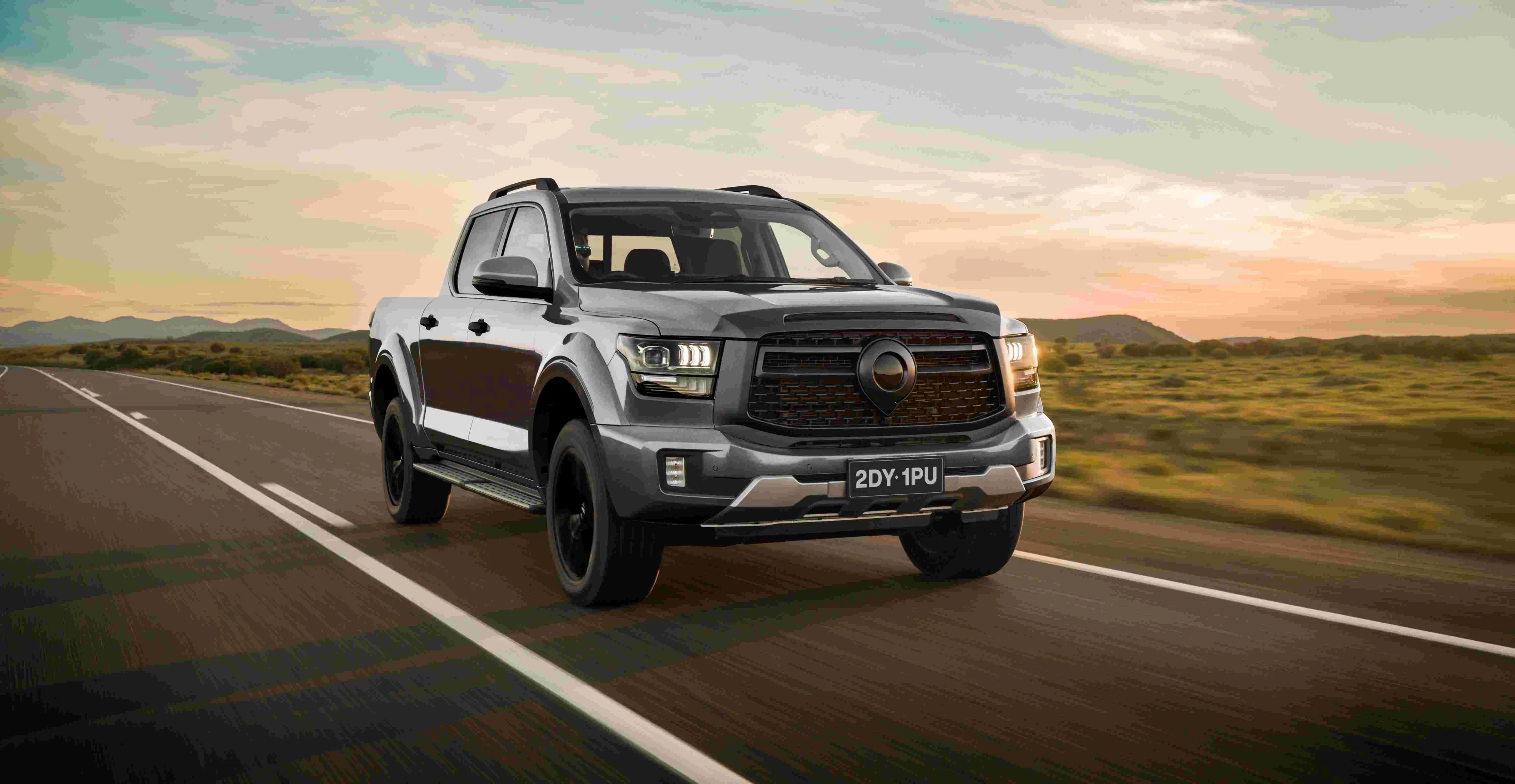
The 3L Tank 500’s 3.5-ton braked towing capacity is matched across the segment, yet GWM’s integrated brake controller and triple differential locks offer tangible advantages. While the 3L Cannon Alpha ute, with its 3.6-metre wheelbase and similar towing prowess, addresses the working end of the market without compromising driver comfort, a rare achievement in modern commercials.
Pricing and Proposition
Driveaway pricing positions both vehicles competitively. The 3L Tank 500 Vanta starts at $79,990, while the 3L Cannon Alpha Vanta opens at $71,990. These figures undercut many comparable rivals while including features (panoramic sunroofs, massage seats, integrated brake controllers, 360-degree cameras) typically reserved for higher price brackets.
Oh and as a final note, the 3L Tank 500 Vanta’s 131-litre tank combined with 7.1L/100km consumption enables roughly twice the driving range of competitors sharing similar tank capacities. GWM notes that a Melbourne-to-Sydney-to-Melbourne round trip becomes achievable on one tank, a quantifiable advantage should you favour (or require) long-distance touring.
Tarmac Takeaway
GWM’s Tank 500 and Cannon Alpha represent a substantive, regionally-considered entry into Australia’s premium 4×4 and ute segments. The new 3-litre diesel, developed specifically for ANZ markets through rigorous localisation, delivers class-leading torque with genuine efficiency. Interior refinement, connectivity features, and driving refinement suggest GWM has moved decisively up in the world.
Are they segment-leading vehicles? Not universally, established rivals offer proven track records and dealer networks. But as compelling value propositions combining genuine capability, engaging drivability, and premium amenities, they merit serious consideration from those that want torque, efficiency, and modern technology. In a market where 97% of ute buyers choose diesel, that’s precisely the position GWM needed to establish. Go the Wah’s!
Specifications at a Glance:
Engine: 3.0L turbo diesel, 170kW, 620Nm
Efficiency: 7.1L/100km (Tank 500), 7.3L/100km (Cannon Alpha)
Torque Band: 1,400–2,400rpm (1,000rpm plateau)
Towing: 3.5-ton braked (both vehicles)
Tank 500 Approach/Breakover/Departure: 28.5°/22°/25°
Ground Clearance: 220mm (Tank 500), 224mm (Cannon Alpha)
Great pics and b-roll Mitch
You may also like: GWM Cannon Hi4-T PHEV – Both Capable AND Efficient, GWM’s New 3L Powertrain Was Made For Us Downunder!, GWM Tank 300 Hi4-T PHEV NZ Launch – Silent 750Nm Mud-Slashing Monster