There was a time when mentioning the Toyota bZ4X would almost immediately invite a conversation about the brand’s actual interest in BEVs. Range, charging, power and the general feeling that it wasn’t their best effort were all fair criticisms. But, after my first go at the revised bZ4X, I can say that Toyota has now gone back to the drawing board, and the updated car is greatly improved.
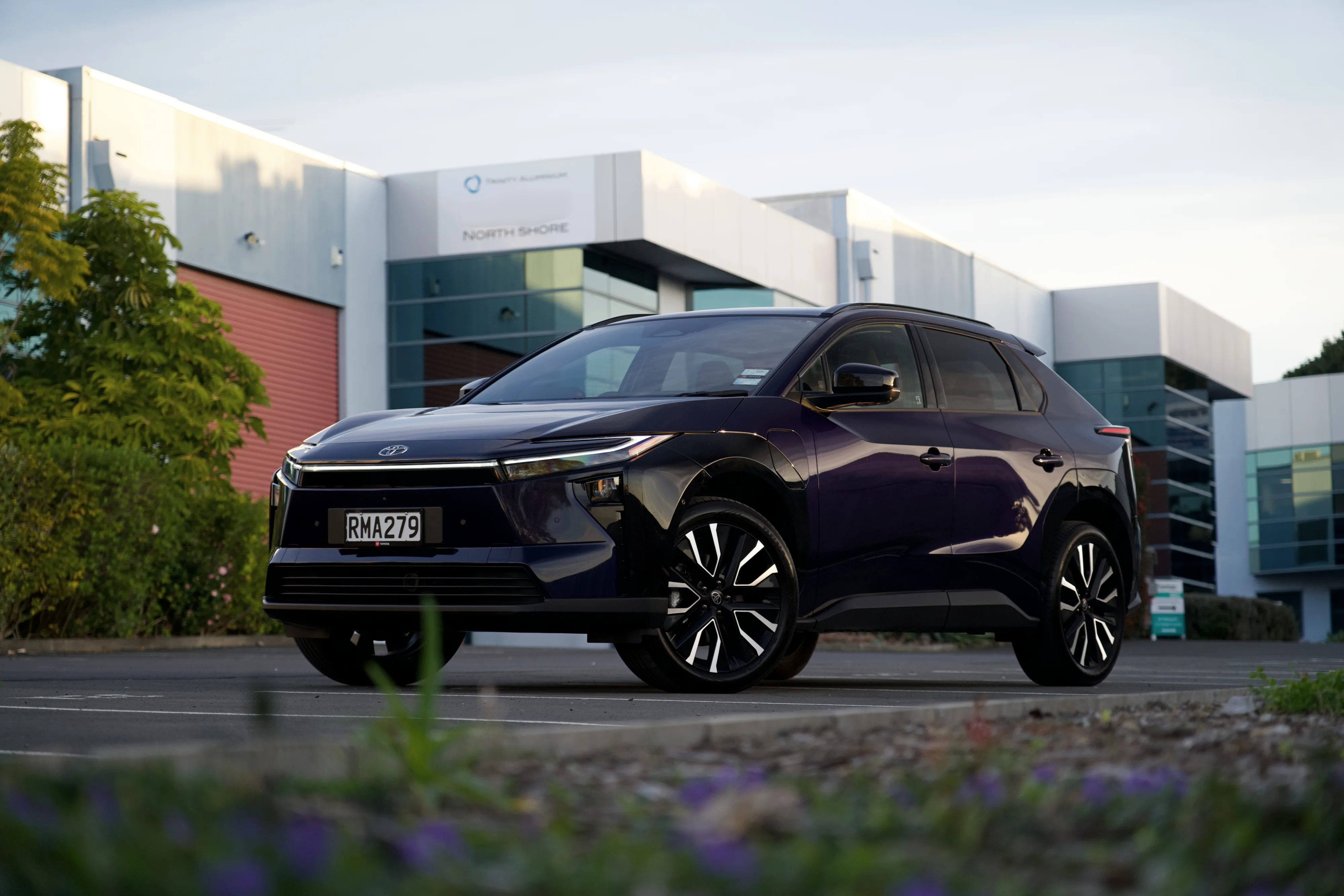
Toyota has been understandably cautious with its EV strategy, and the bZ4X was arguably one of the clearest examples of that. The original car was competent, but compared with what was arriving from Korea, Europe and China, it struggled to make a particularly compelling case for itself – something this new version is very keen to change. The AWD Motion sits at $68,990 in New Zealand, bringing 255kW from its dual motors and claiming 517km of WLTP range. The same 74.7kWh battery is used across the range, with the less powerful, $10k cheaper and more efficient FWD Pure stretching that figure to 591km.
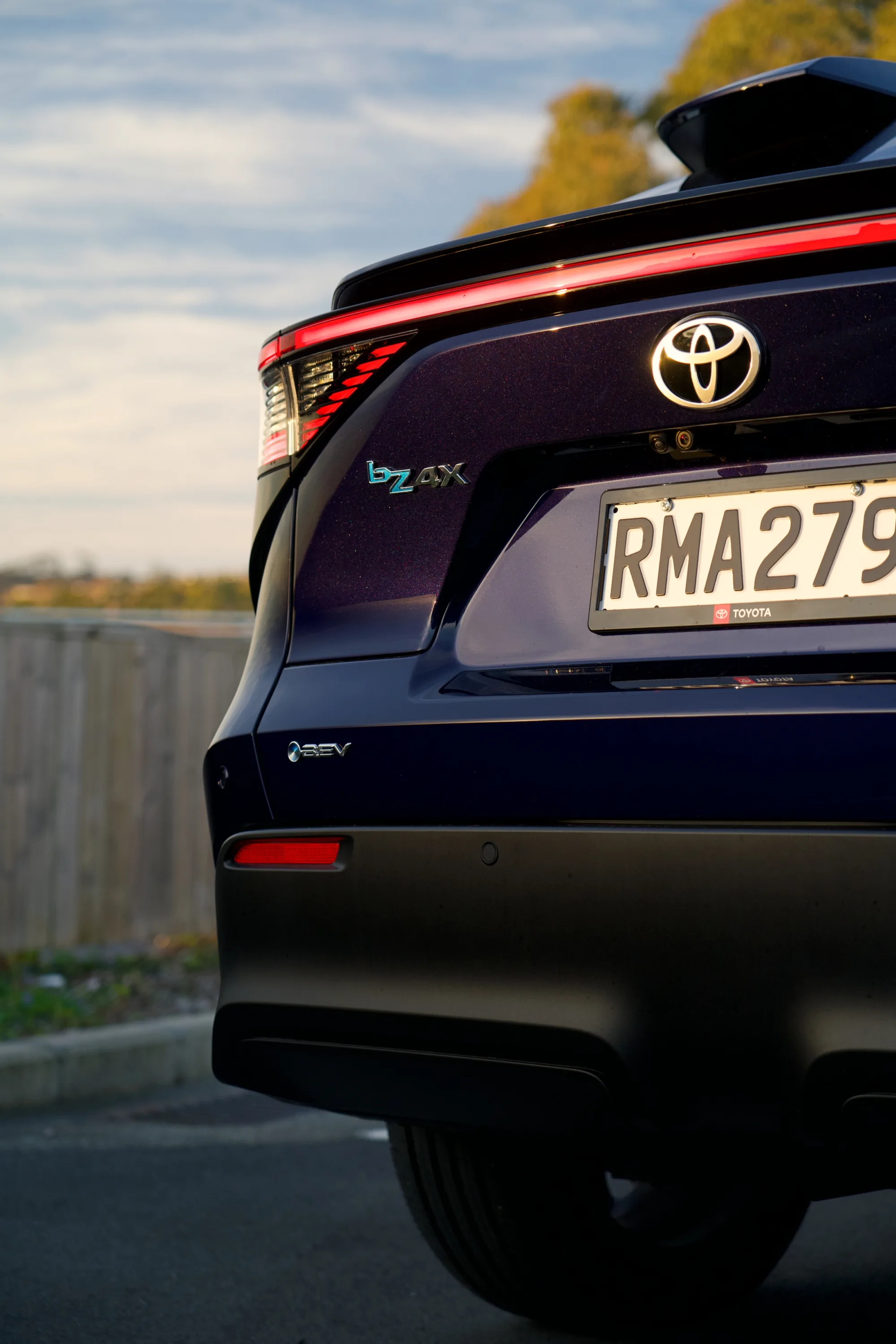
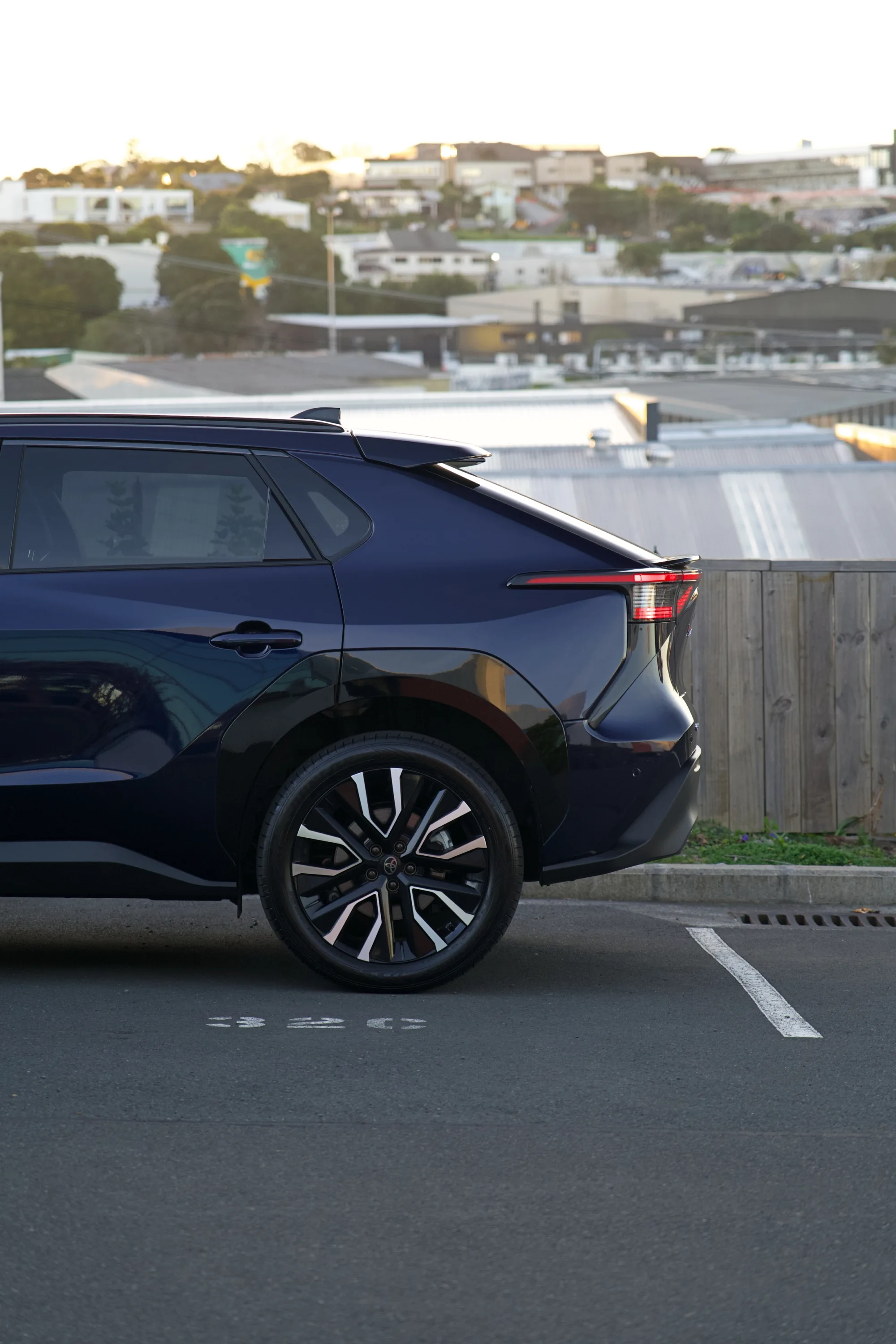
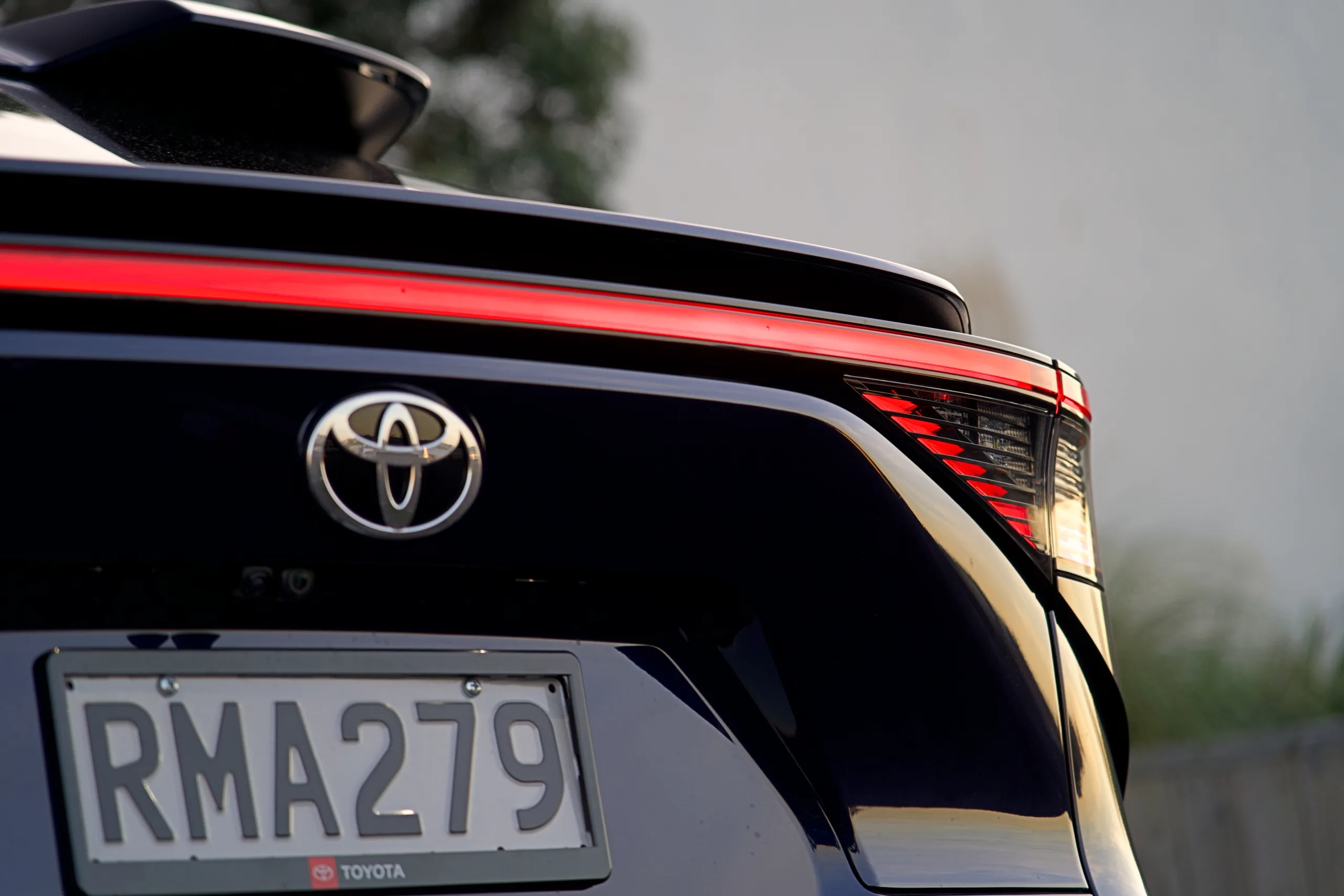
The design remains divisive, and I’m not the biggest fan of coupefied SUVs (just pick a lane!). However, here it doesn’t go completely overboard, and the new version manages looks a bit more cohesive than the original, especially in this configuration. The revised front end, slimmer LED lighting and updated wheels help modernise the package. Of course, it is not particularly shouty, which suits Toyota, but it is still somewhat bold. There is enough visual identity to stop it becoming another anonymous electric SUV, but it also does not need to rely on fake aggression to make its point.
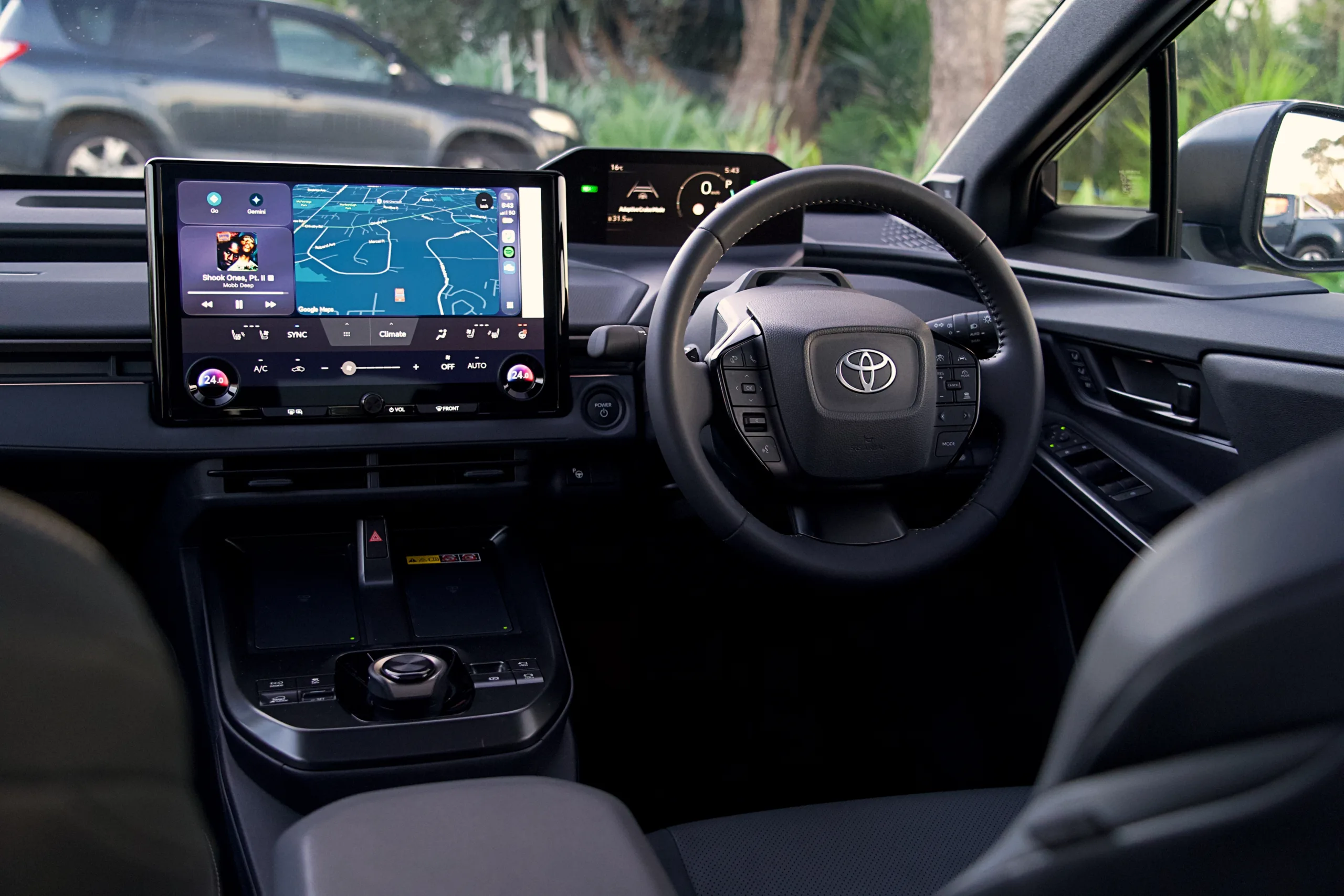
The cabin has always had an interesting layout, particularly the small steering wheel and high-mounted driver display, but the updated version takes a significant step forward in terms of perceived quality. Toyota has moved the bZ4X closer to Lexus territory, particularly in the areas you interact with most: touch points are excellent, materials feel more considered than before, surfaces are pleasant to touch and the whole thing has a sense of solidity and refinement that you don’t necessarily expect, especially considering I jumped from the new RAV4 into this.
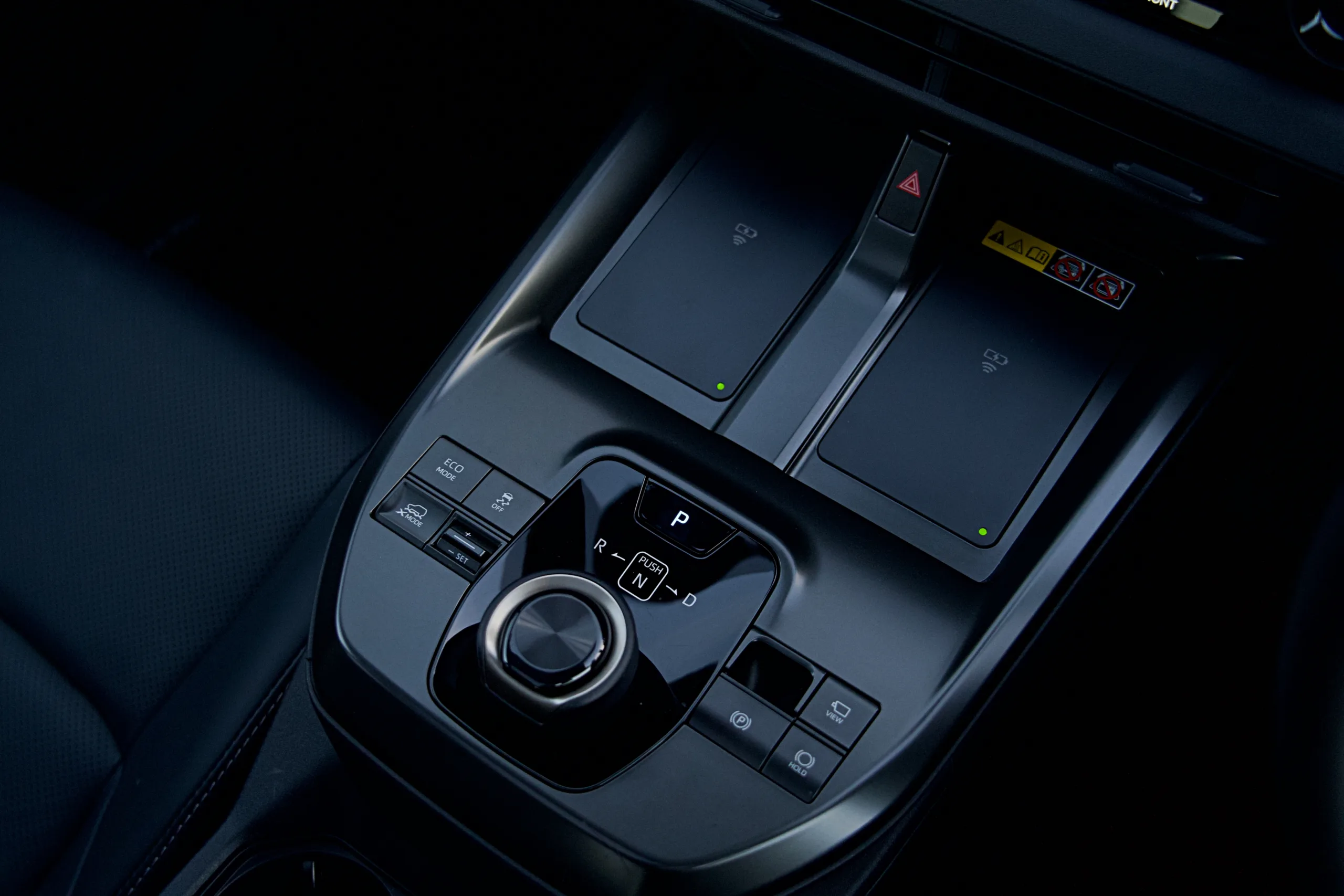
The touch control layout also deserves calling out, because Toyota has resisted the temptation to turn everything into a touchscreen. Drive modes, gear selection, climate controls, volume, adaptive cruise and the 360-degree camera all have physical controls. They are easy to find, easy to understand and almost everywhere, have a good tactile response.
The 14-inch multimedia display is really there to do the modern infotainment stuff, including Apple CarPlay and Android Auto, while the rest of the cabin is allowed to remain refreshingly physical. Toyota has also updated the Safety Sense suite, with the latest driver assistance technology and a Driver Monitor Camera. The driver display is another clever bit of design, sitting high and close to the windscreen and working almost like a built-in heads-up display, showing the information you need without requiring you to look particularly far away from the road. It takes a little getting used to, but once you do, it makes of sense.
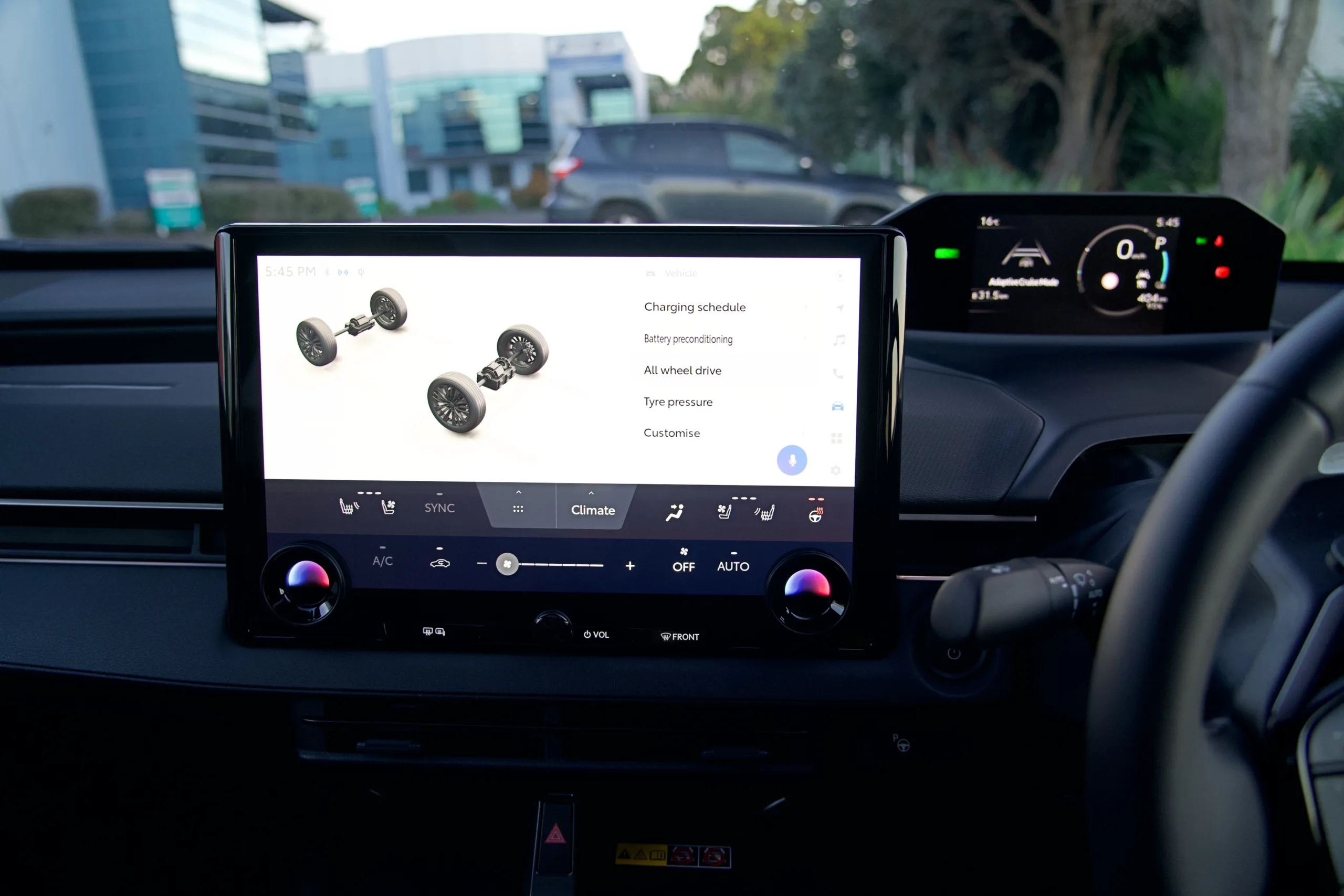
There is almost nothing getting into the cabin. Motor whine is very low and tyre noise is impressively subdued, letting the JBL sound system do its job very well, until you’re driving faster and/or through very windy areas, as airborne noise is still a bit above average.
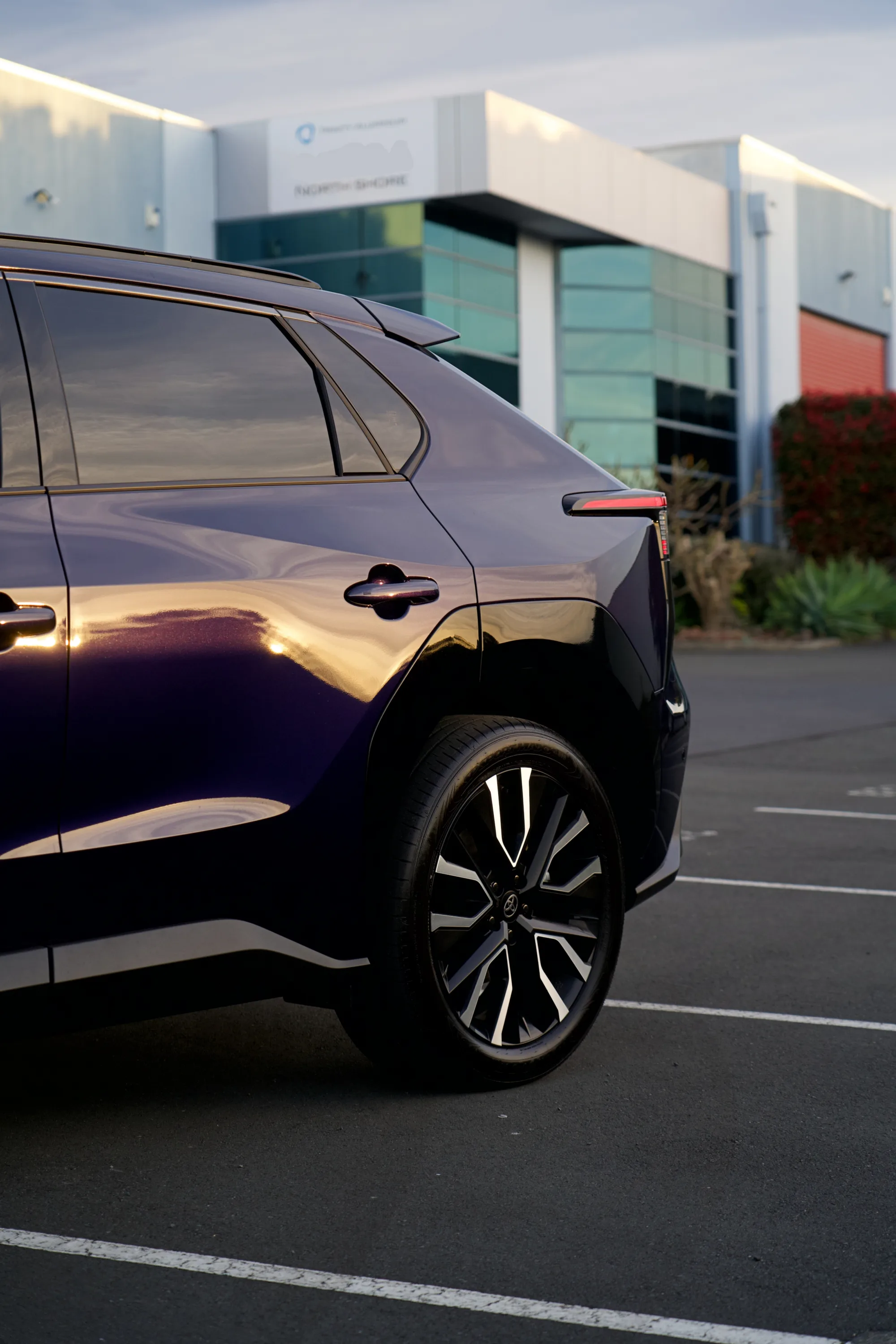
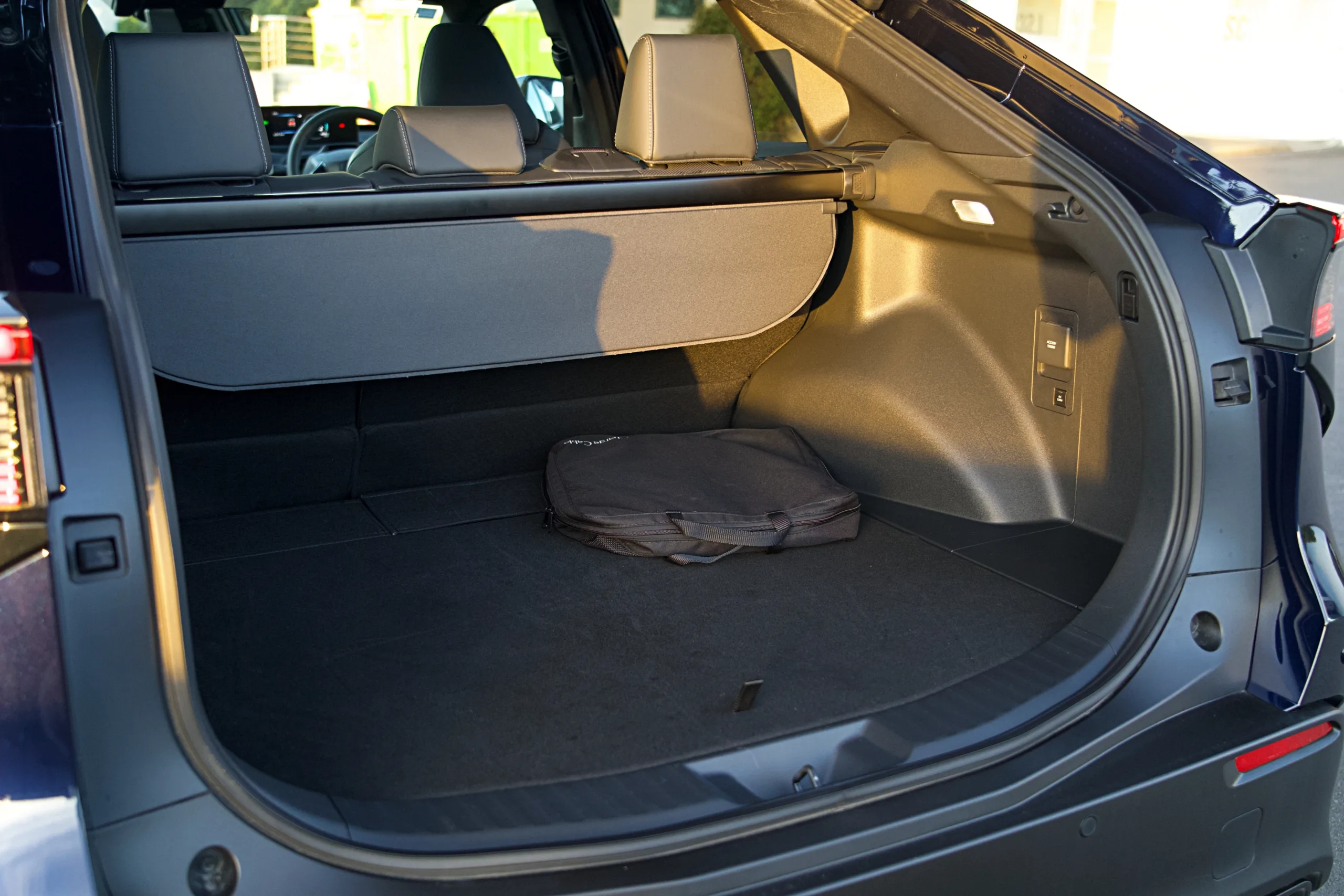
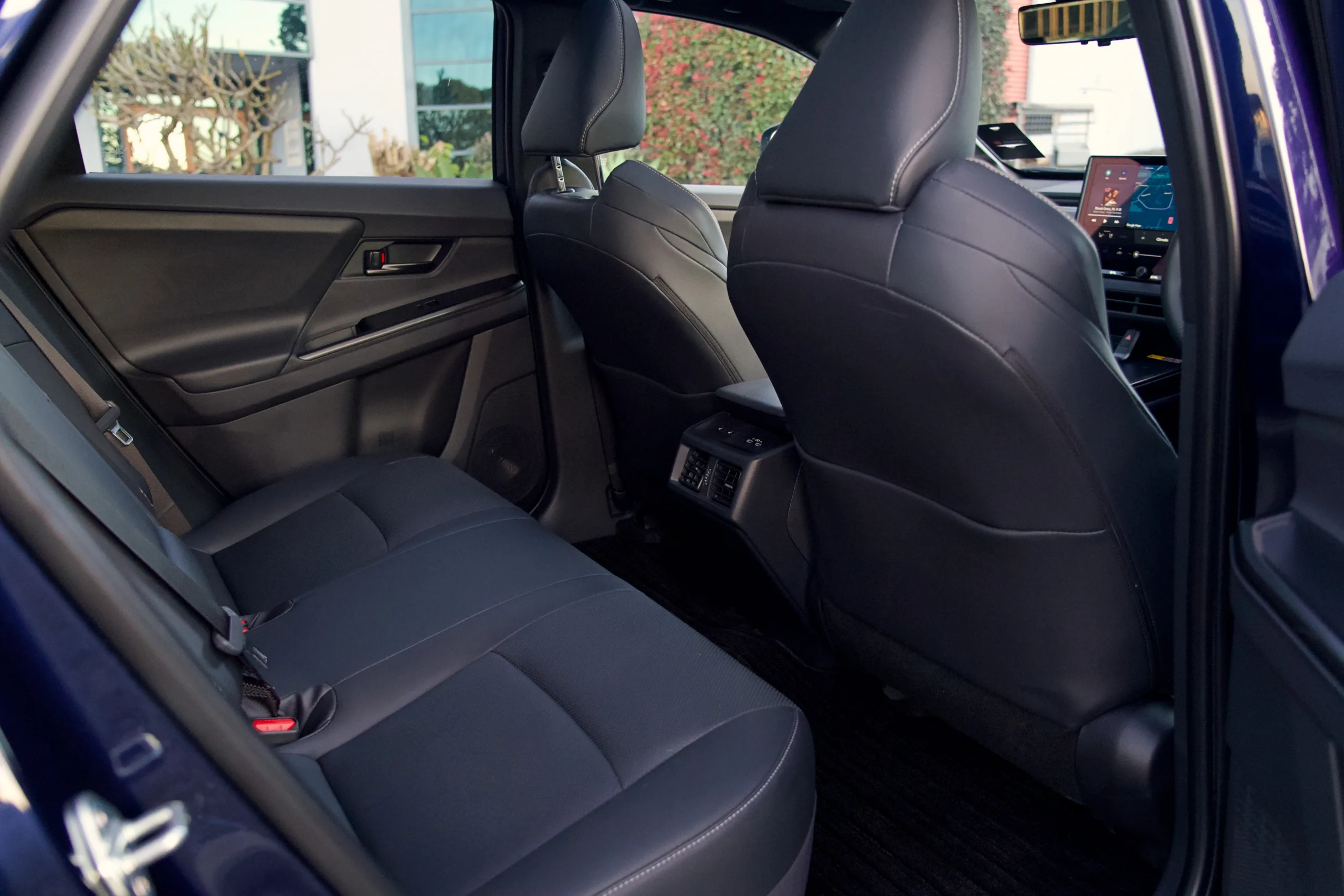
The boot is long, but compromised by the sloping roof and with a loading lip high enough that my 1.65m wife struggled to load her suitcase in, even though there is a cavernous secondary cubby underneath the boot floor. The rear seats have plenty of room (but little thigh support thanks to the high floor), and the cabin has enough storage for everyday family duties. The Motion also gets a 1,500kg braked towing rating, which is a huge improvement over the previous 750kg limit and makes considerably more sense for New Zealand buyers. The AWD Motion gets two electric motors producing a combined 255kW, powered by that 74.7kWh battery. It is a substantial jump over the previous AWD car, which had 160kW, and you can celarly feel the difference: this is not a performance EV in the traditional sense, but it is properly quick off the line. Throttle response is immediate without and progressive being aggressive, and there is enough performance that you will never find yourself wishing for more unless you are shopping for something with a performance badge.
More interesting is the way Toyota has calibrated the AWD system. There is a surprising amount of interaction between the two motors and the traction control system, including situations where the rear axle is allowed to slip slightly before the electronics intervene. That gives the bZ4X a natural dynamic character, even if still prioritising comfort and safety. It is not an exciting car in the traditional sense, but it is a very good car to drive. If you push it too much, it will cut power and bring you back to being civil, sometimes with even some “second wind” behaviour of power reduction after everything is under control.
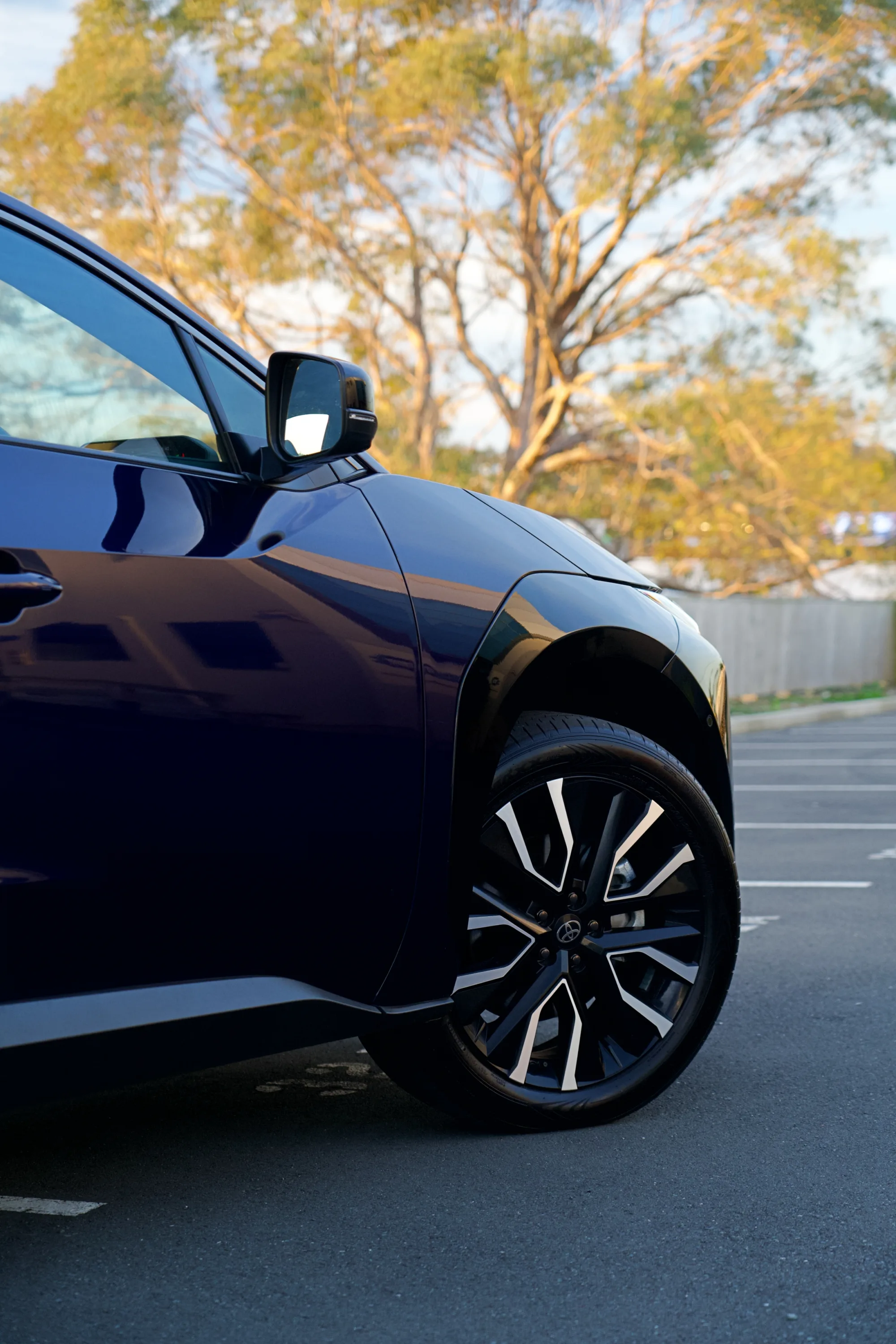
The suspension is equally impressive, with a ride that isn’t harsh, and feels well calibrated almost everywhere, even if there is no escaping the fact that this is a heavy EV. It is comfortable without becoming floppy, and composed without trying to pretend that it is a sports SUV.
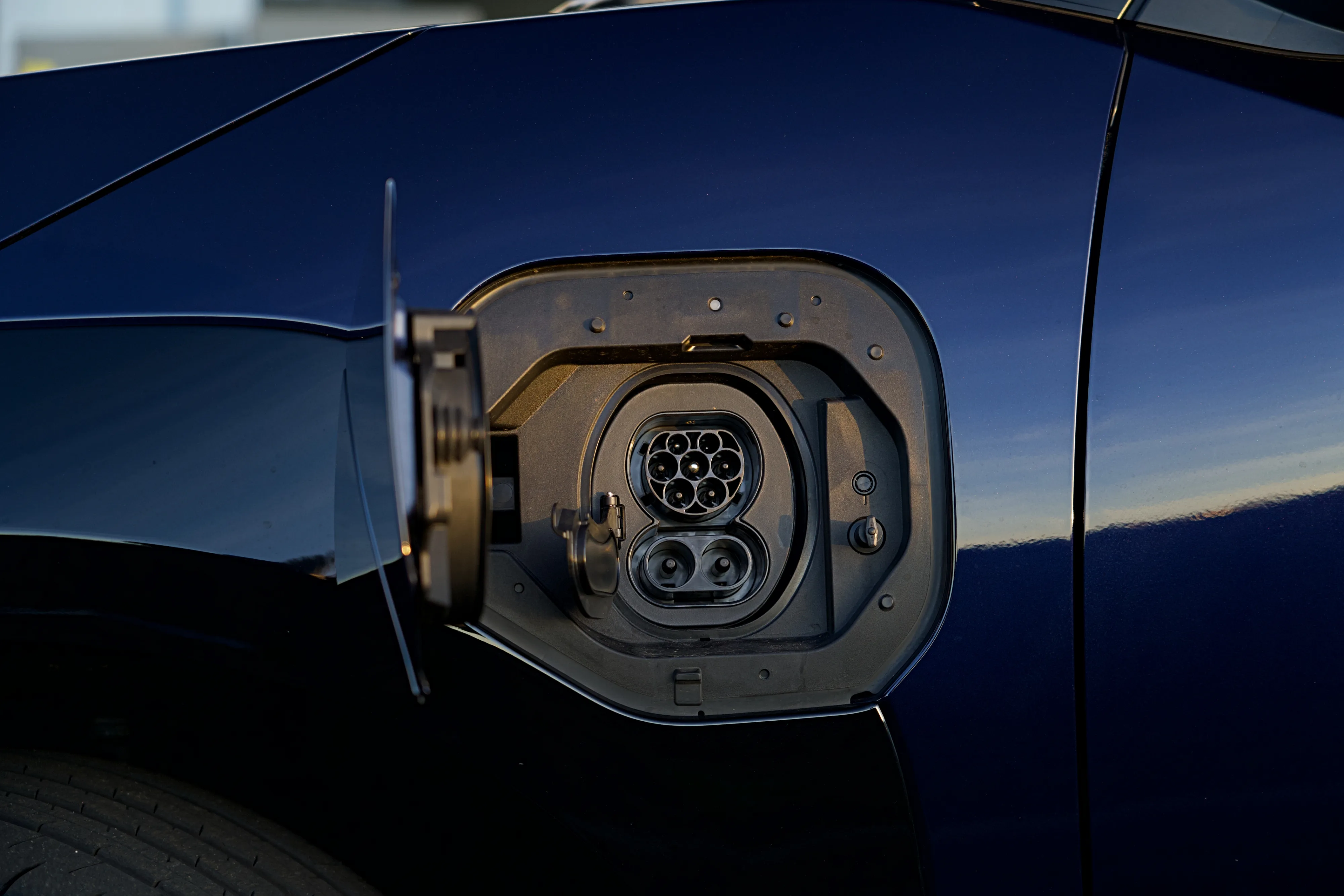
Range is also improved, although my real world figures would sit around the 450km on a full charge (mostly motorway driving, granted, but no heating or cooling used at all thanks to the good heated seats, steering wheel, and knee/shin heaters). If I can’t get to the 517 claimed kms, at least the improved DC charging capability, at a peak 150kW, is also now competitive, with Toyota quoting around 28 minutes for a 10 to 80 percent charge.
It is spacious, comfortable and incredibly easy to interact with. There are no obvious head-scratchers in the cabin, and almost everything works exactly as you would expect it to. That makes the revised bZ4X easier to consider alongside the likes of the Hyundai Ioniq 5, Kia EV6 and the growing number of Chinese electric SUVs entering the market. More importantly, it feels like Toyota has concentrated on the areas that actually matter when you live with an EV.
The updated bZ4X is a good concrete example of their Kaizen mentality of continuous improvement: Toyota has taken what it knows about building well thought, comfortable and dependable cars and applied those lessons properly to an EV. It is refined, incredibly easy to drive, comfortable and even more premium than I was expecting.
Not because Toyota has tried to turn it into a luxury car, but because the fundamentals are so well executed. The cabin is quiet, the materials are good, the controls make sense and the powertrain simply gets on with the job. It is still not the most exciting looking (or driving) EV SUV around, and the market has become incredibly competitive while Toyota was catching up. But the bZ4X no longer feels like an EV Toyota had their arm twisted to make, it feels like a Toyota that just happens to be electric, and this completely changes the conversation. Thanks, Toyota, for the opportunity, and thank you for reading this far!