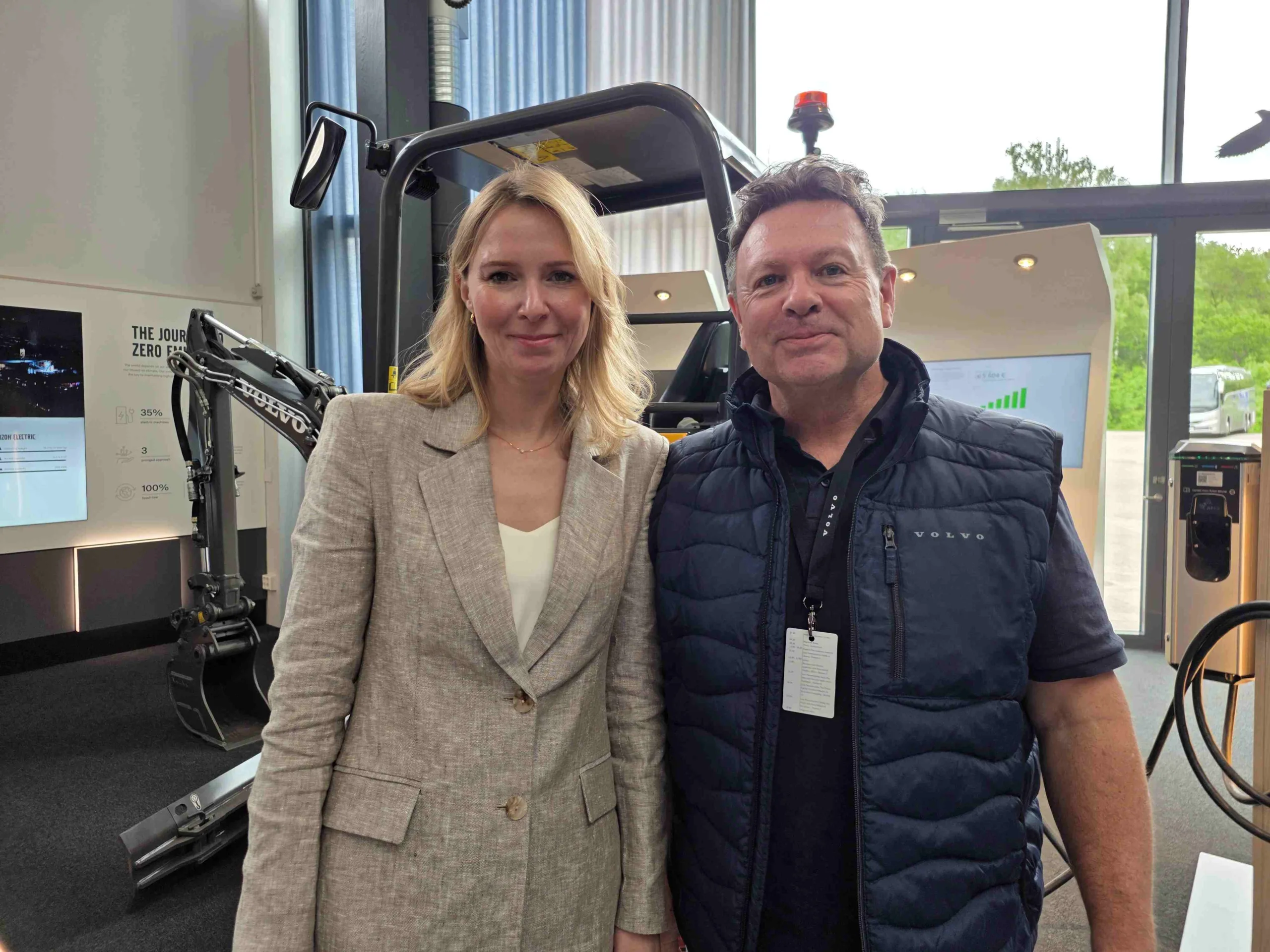
At the recent Volvo Days 2026 in Sweden, we spoke with Hanna Inatovic, Head of Region International, about sustainability, electric powered and connected machinery, and the importance of TDX, (a distributor on the other side of the world) in helping Volvo Construction Equipment (CE) shape the future of construction globally.
In the global landscape of heavy machinery, New Zealand might appear to be a small market. However, for Volvo CE, it has become a vital proving ground for the future of the industry. Through a strategic partnership with local distributor TDX, Volvo is not just selling machines; it is spearheading a shift toward sustainability, digital integration, and a service-first business model.
A Small Market with Global Significance
While New Zealand’s market size is, let’s say, modest, its impact on Volvo CE’s regional strategy is profound. Hanna Inatovic, highlights that the country’s commitment to sustainability and technological transformation makes it an ideal environment for testing new solutions.
“It’s a small but very important market for us,” Inatovic explains. “It’s an important market when it comes to sustainability and transformation. For us [Regional International], that’s the market where we are most successful with our electric offer”.
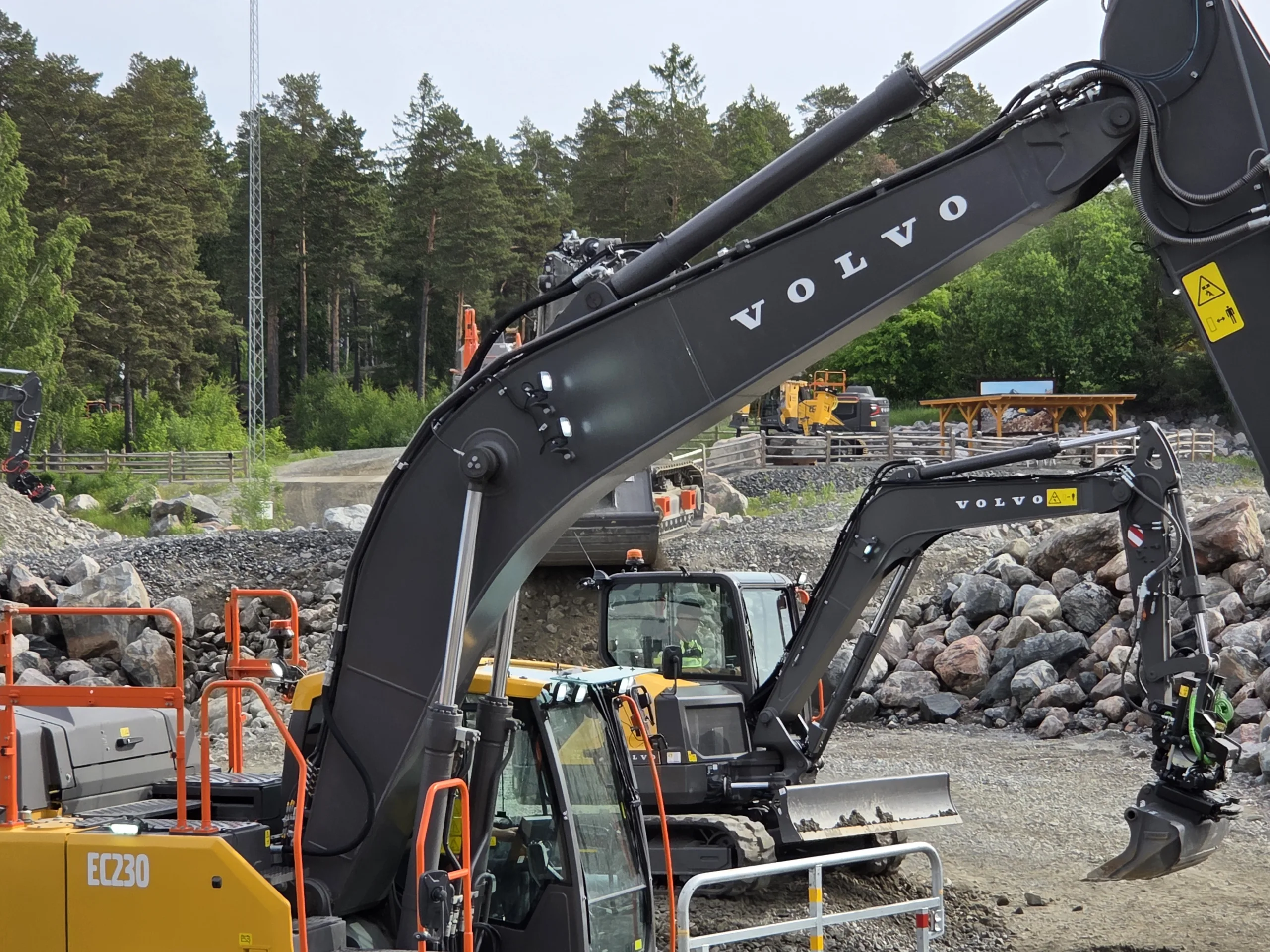
By deploying advanced machinery like the L120 wheel loader and the EC230 electric excavator, Volvo CE is proving that sustainable technology can thrive in diverse customer profiles, particularly within the critical logging and quarrying sectors.
The Power of the TDX Partnership
Inatovic believes that the success of Volvo CE in New Zealand is inextricably linked to its 15-year partnership with TDX. In an industry where the distributor is the primary interface with the customer, the alignment of values is paramount. Inatovic notes that the strength of this relationship lies in a shared vision for the future.
“We speak the same language really with TDX,” says Inatovic. “It’s very easy to run dialogue with TDX because I think our agendas are very aligned. Particularly when it comes to where we see transformation happening and the customer mentality shift that we have been talking about”.
This alignment allows both companies to act as a single team, focusing on educating customers about the benefits of new technology rather than relying on traditional transactional sales.
Redefining Ownership – The Electric Rental Model
One of the most significant hurdles to adopting electric machinery is the high upfront cost. To overcome this, Volvo CE and TDX have pioneered a rental-based model in New Zealand. By retaining ownership of the machines, Volvo lowers the barrier to entry for customers, offering 3-to-5-year contracts that emphasise Total Cost of Ownership (TCO) rather than just the purchase price.
This approach has yielded impressive results. “The TCO benefit is huge,” Inatovic notes, adding that the calculation remains positive even when accounting for market volatility. By targeting customers with clear decarbonisation goals or those who recognise the long-term financial advantages of electric efficiency, Volvo CE is successfully growing its sustainable footprint without needing immediate price parity with diesel.
Data as a Consultative Tool
The modern construction site is increasingly data-driven, and Volvo CE is leveraging telematics to transform the relationship between manufacturer, distributor, and end-user. For Volvo, data is not merely a collection of metrics; it is a tool for empowerment.
“It’s not about the data. It’s about the customer being confident in taking decisions,” Inatovic explains. By using telematics to minimise downtime and optimise site efficiency, Volvo CE and TDX move from being equipment suppliers to becoming business consultants. This shift creates a more resilient, long-term relationship, as service becomes a recurring, essential component of the customer’s operational success.
Safety – A Core Brand Value
Safety remains a non-negotiable pillar of the Volvo brand. Beyond meeting legal requirements, Volvo CE integrates proactive safety systems into its machines, such as advanced proximity sensors and distinct visual cues like orange guardrails.
However, the company recognises that global standards are only the beginning. “There are also a lot of local adaptations that dealers are doing for us to help meet specific customer requirements when it comes to safety,” Inatovic says. This layering of global engineering with local, dealer-led customisation ensures that safety solutions are practical and effective for the specific challenges faced by New Zealand operators.
Looking Ahead
As the industry continues to evolve, Volvo remains committed to a dual-track strategy. While electrification is a major focus, the company acknowledges that diesel will remain a necessity for the foreseeable future due to infrastructure limitations. By investing in both, Volvo ensures it can meet the diverse needs of its global customer base.
The New Zealand experience serves as a blueprint for how a manufacturer and a distributor can work together to navigate industry shifts. By focusing on the right customer segments, prioritising TCO through innovative rental models, and using data to build trust, Volvo CE and TDX are setting a standard for what a modern, sustainable, and service-oriented construction partnership looks like.
As Inatovic suggests, the goal is not just to sell a machine, but to build a lifetime relationship based on shared value and operational excellence.