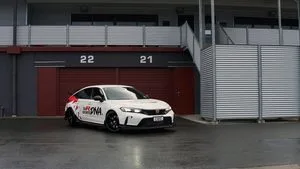
Three decades is a long time in the automotive world. Long enough for brands to change their minds and let icons fade, for names to lose their edge, and for ideas once revolutionary to become sidelines in a model’s history. And yet, more than thirty years after the first red badge went into a road-going Honda, Type R remains capable of stirring emotions that usually belongs to much older machinery, of cars now settled into folklore.
As someone obsessed with cars true to their purpose, and a proper Honda nut, I tormented Honda New Zealand for the opportunity to revisit the FL5 Type R and tell the story of this lineage, and in one way or another, me chasing them in isolation tells part of the story.
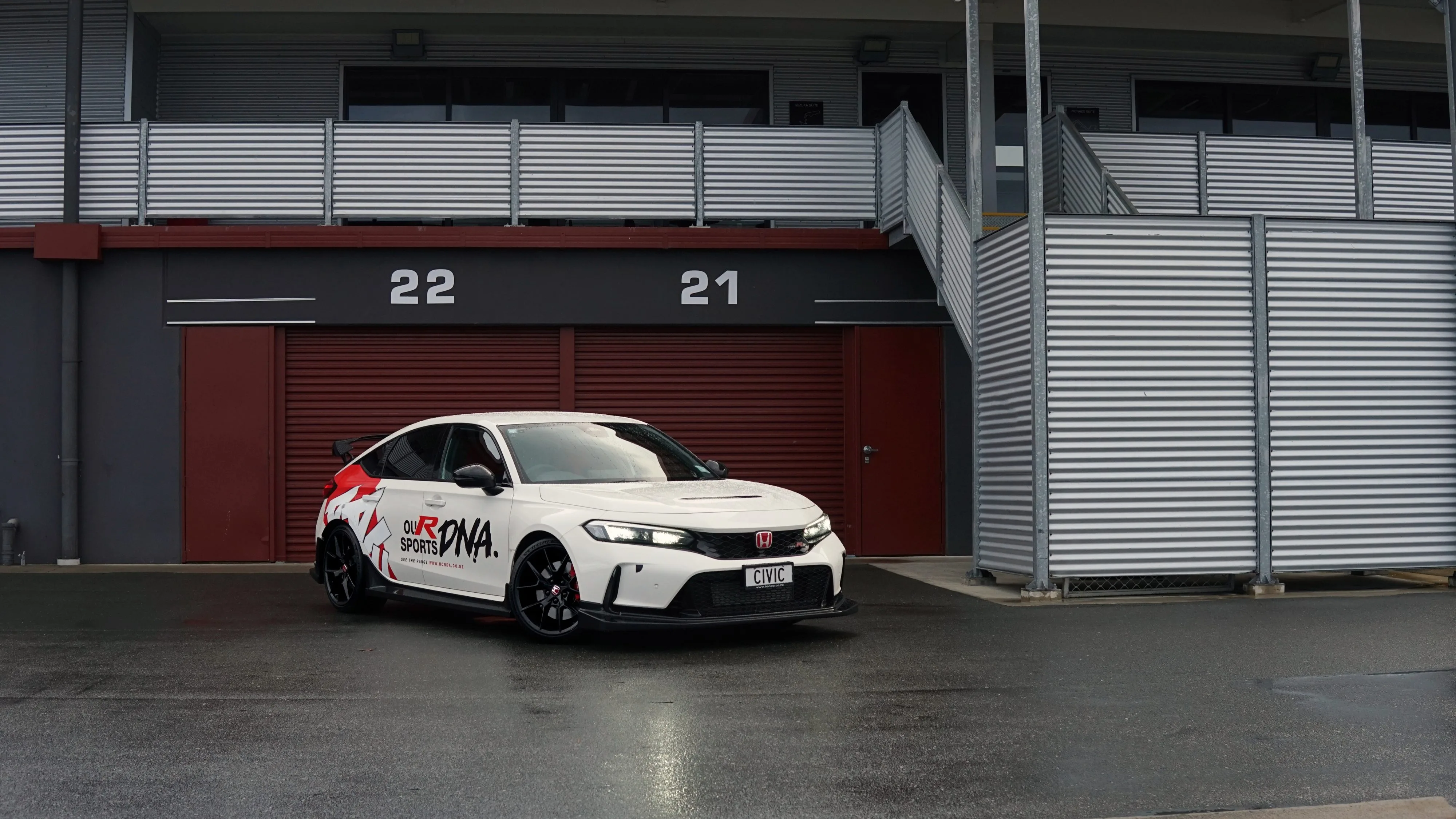
Back in 1992, when Honda unveiled the first Honda NSX Type R, their idea wasn’t about horsepower headlines, Nürburgring lap times or launch control runs for social media: it was about the famous mantra of addition by subtraction. About understanding that the purest way to make a machine faster, sharper, and more involving had less to do with adding power and more to do with removing everything that wasn’t about the drive. Sound deadening, electric luxuries, excess weight, unnecessary compromise. This is no trim level, Type R began as a philosophy.
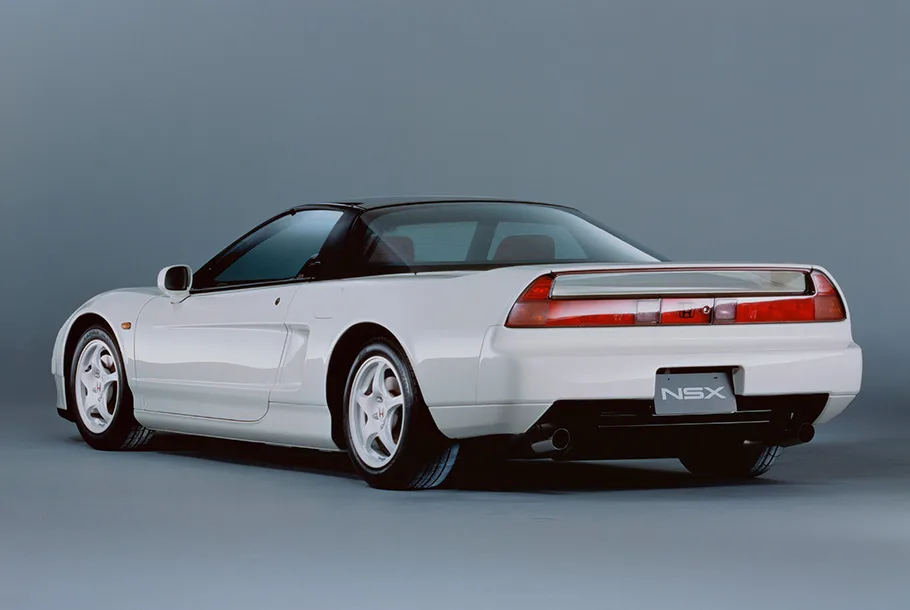
Three decades on, that philosophy has travelled a remarkable path. From the hand-built NSX in Tochigi to the cult status of the Honda Integra Type Rs (plural, as I can never make up my mind whether I idolise the DC2 or the DC5 more), from the screaming VTEC era that shaped a generation of enthusiasts to the turbocharged precision of the modern Honda Civic FL5, Type R has managed to achieve the tricky assignment of evolving without losing sight of the values that made it matter.
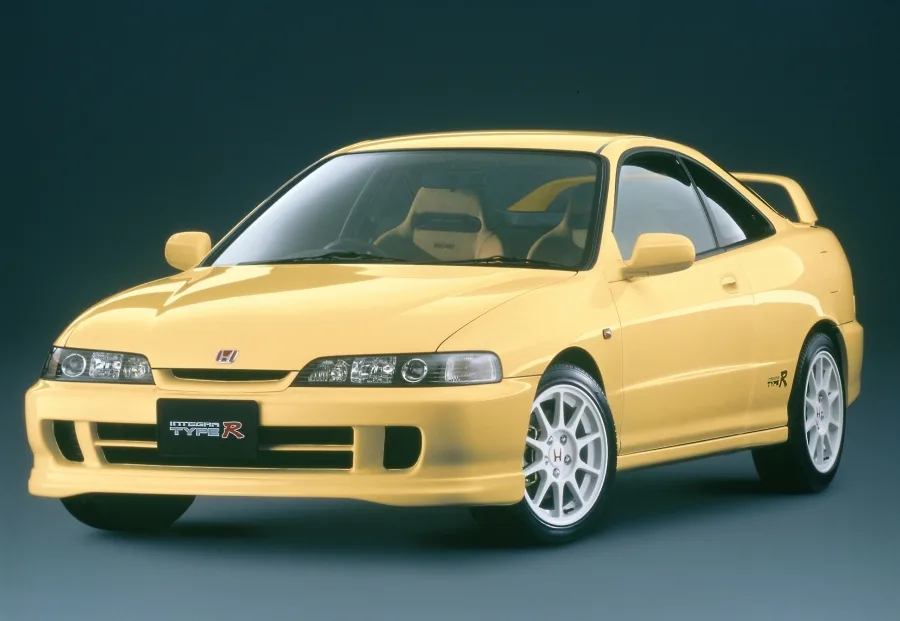
In New Zealand, these tenets that were the seed for Type R thinking found fertile ground. Ours has always been a market that appreciates driver’s cars, perhaps because we’ve never had the luxury of taking them for granted. Here, a weekend drive can mean threading through the Coromandel or carving through South Island passes, and both drive as though they were designed for cars that are more balanced than powerful. It’s about feel. It’s about a car that comes alive on roads engineered for connection. That may be why Type R landed here with such force.
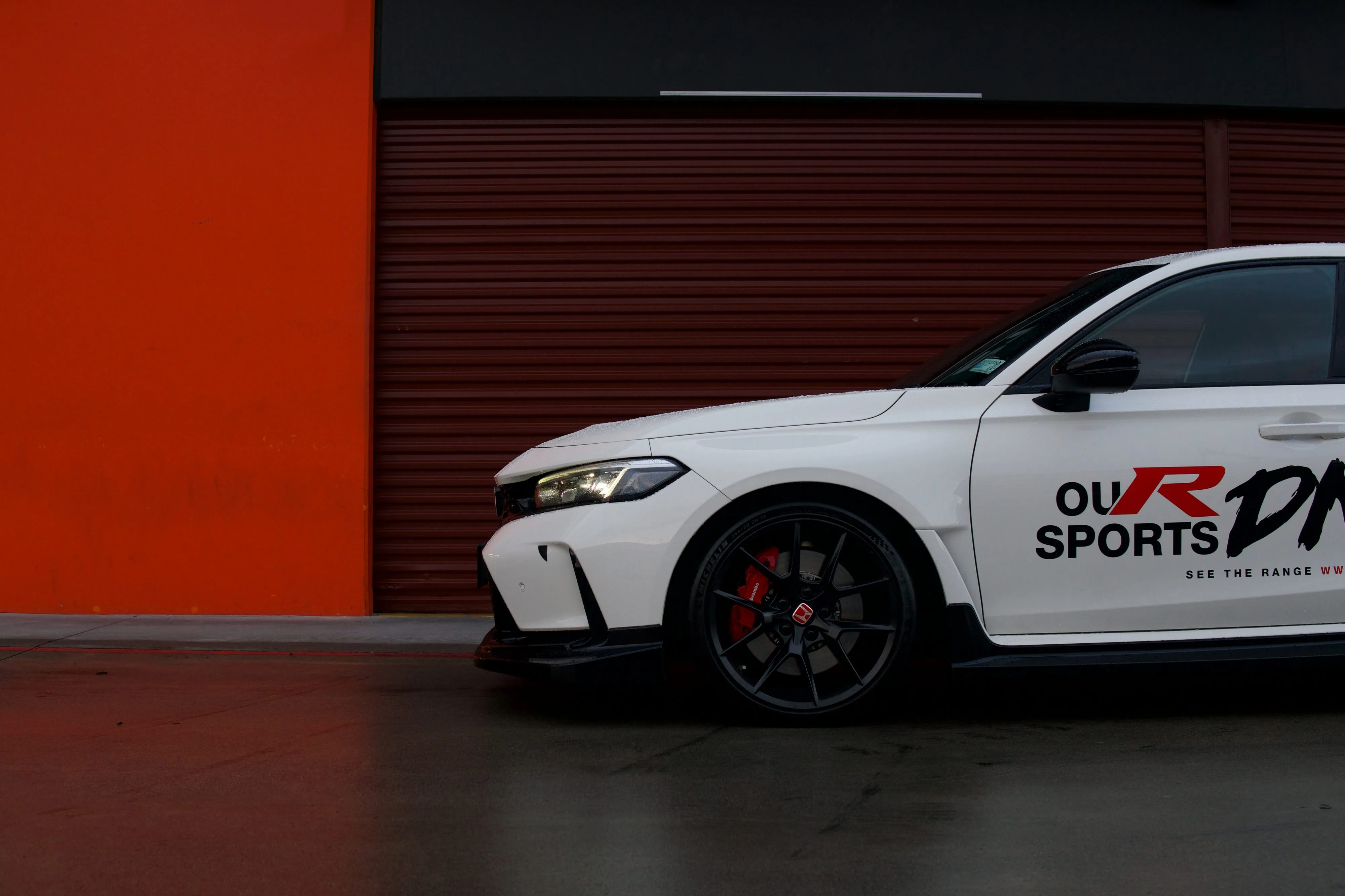
The first ever Type R sold in my home country is the current, FL5 generation Civic, only available after I started calling NZ home, meaning I basically only laid my actual eyes on the red badge decades after lusting over them from a (massive) distance. My closest friend owned an EJ1 Civic and for years I tried unsuccessfully to source myself an EG Civic while riding my Honda motorcycle, so I was no stranger to Honda’s technology and passion, and the importance of Type R.
Long before the badge became globally recognised, Kiwi enthusiasts were already importing Japanese performance Hondas in meaningful numbers, with grey market DC2s finding homes in garages from Auckland to Invercargill, EK9s being the topic of late-night conversations at petrol stations and mountain passes. To supplement all the memes, VTEC and the 10,000rpm tachs became less of a gimmick and more of a rite of passage (it just kicked in).
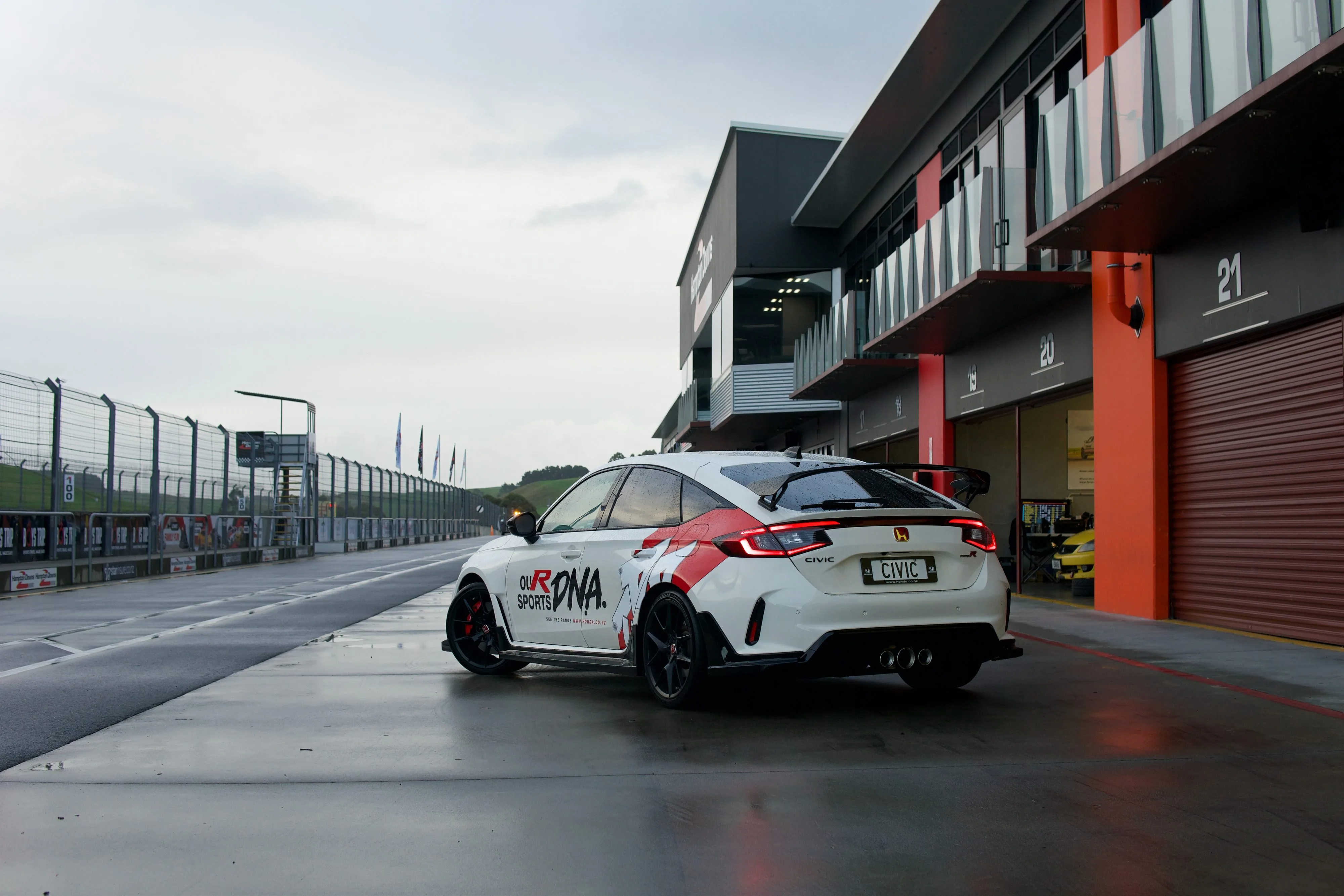
And eventually, Honda New Zealand stepped into a market that already knew exactly what the badge meant. That’s a rare position for any manufacturer to inherit, as usually brands have to spend years educating buyers, building awareness, creating mythology through advertising campaigns and motorsport credentials. Type R arrived here with much of that work already done, carried on the shoulders of owners, tuners, club communities and the countless people who spent their twenties discovering that front wheel drive, when done properly, could feel every bit as special as machinery with twice the cylinders and three times the price.
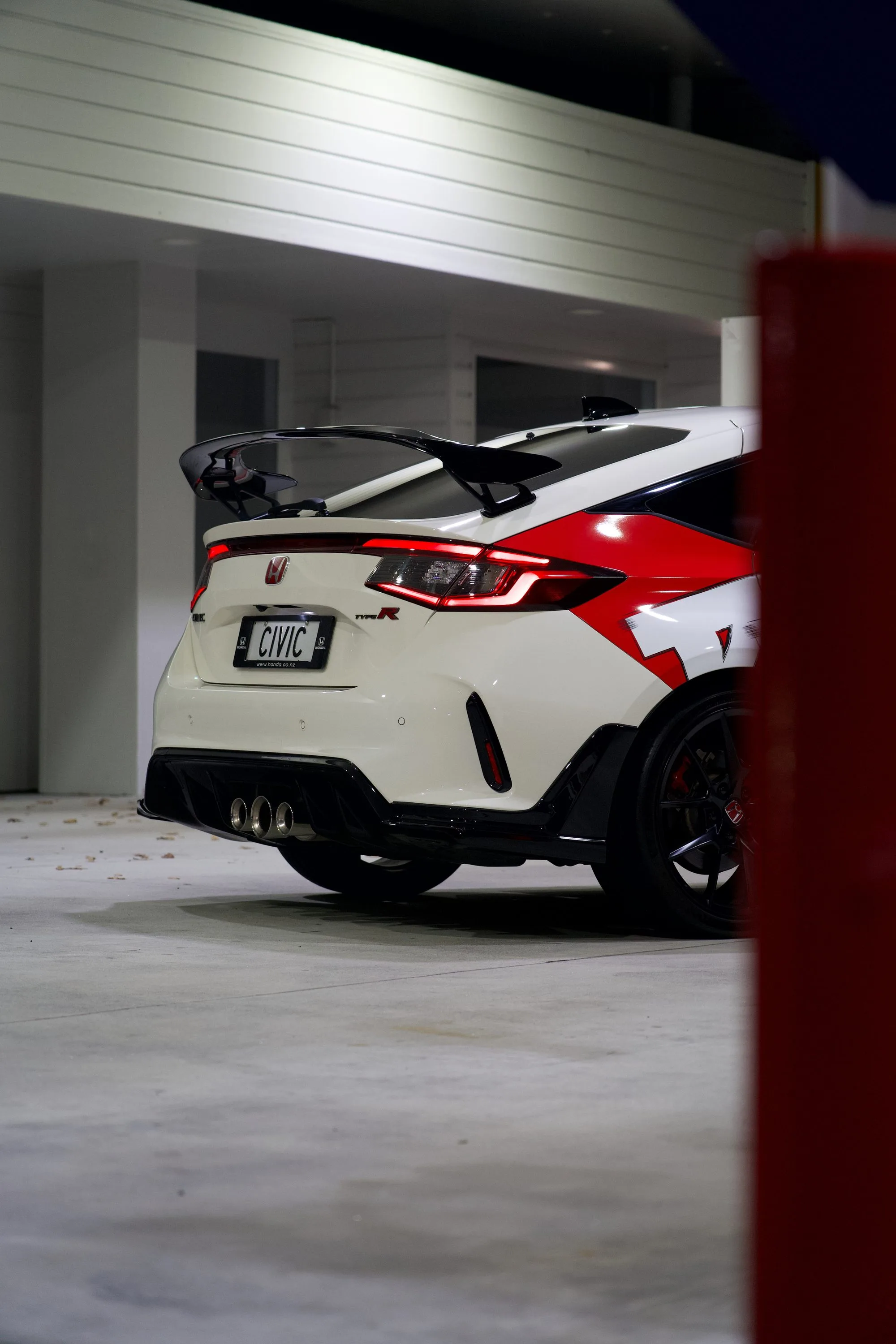
The current Civic Type R captures that perfectly. In an era where performance cars increasingly rely on digital intervention, artificial enhancement and all the tricks, it manages to feel reasonable mechanical. There still is theatre, the chassis still communicates, and boy, that manual transmission. It asks more of the driver than most the competition, and in return offers something that remains increasingly difficult to quantify on a spec sheet. Yeah, it might miss on the naturally aspiration found until the FD generation, and you’re trading revs and sound for actual torque.
Thirty years after the first red badge appeared, Type R is no longer simply a product line within Honda. Granted, it is something only the Civic can enjoy, but it is still a thread that connects generations. From those who first discovered the badge through imported Integras in the late nineties, to younger Kiwi enthusiasts now seeing the FL5 parked under showroom lights, dreaming the same dreams their predecessors once did.
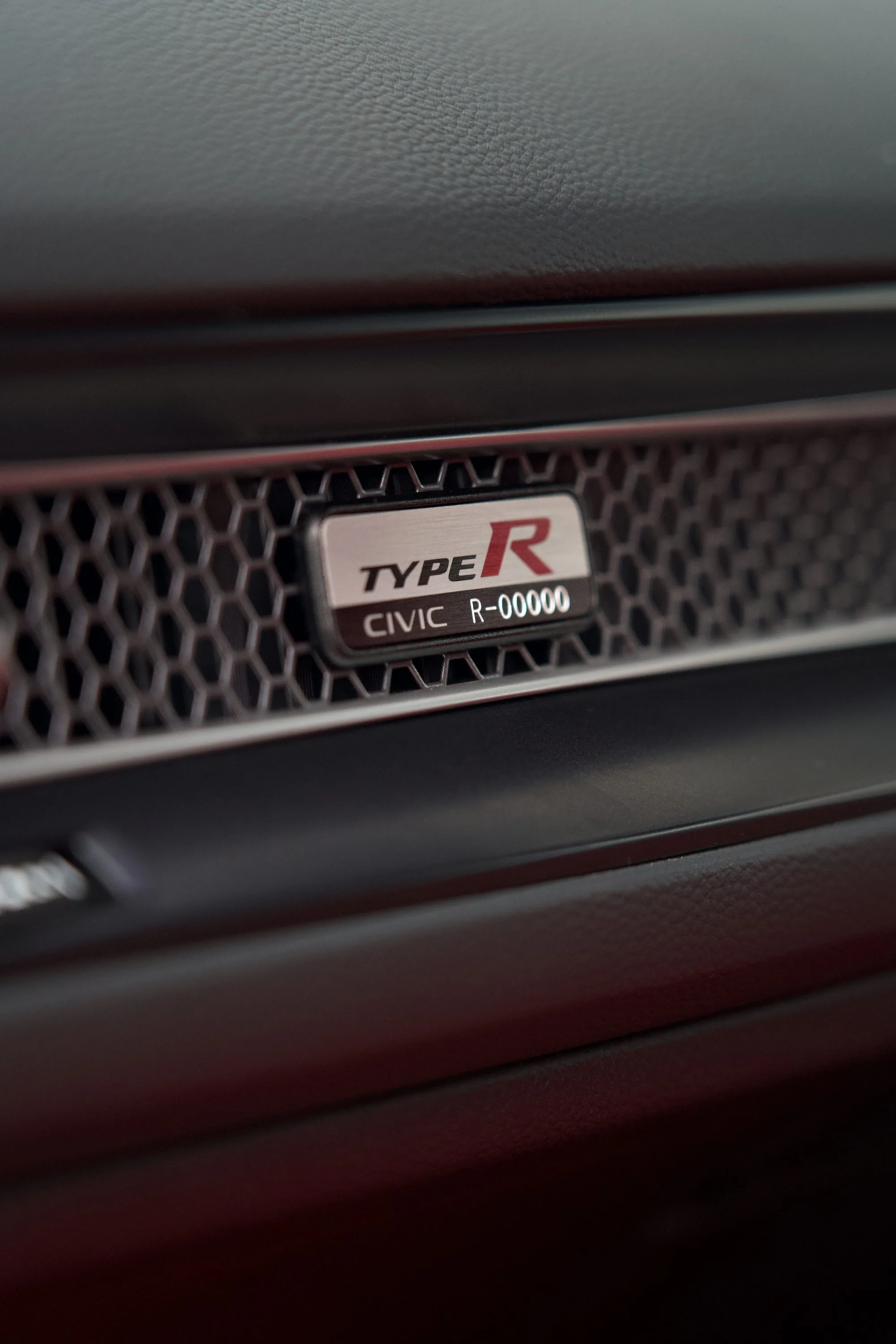
And, perhaps, the greatest achievement of all is not that Type R has lasted thirty years. It is that, thirty years later, it still feels like when it started, taking technology and engagement to where engaging roads will feel more rewarding. The fundamentals were right from the beginning: precision over excess. Engagement over convenience. As roads become busier and with heavier cars, and as the definition of performance continues to shift toward electrification and software, Type R stands as a reminder of what happens when engineers are given their passion free rein.