Here at Tarmac Life, we go out of our way to bring you reviews. Case in point is the all-new Toyota RAV4 NZ launch and first review. Not only did I have to give up my weekend (and leave my loving family at home), but also travel over many kms of Kiwi road surfaces (some unsealed), and Toyota even made me WALK at one point!
However, don’t feel bad, to ease the pain, Toyota put me up in the glorious Bluestone Estate (seriously Google it), fed us to the point of near explosion, the walk was with Dame Lisa Carrington through the stunning Tawharanui regional park – and just quietly, my family were happy to see the back of me! PLUS, it was all for a good cause, the new Toyota RAV4 is a cracker.
Why the new Toyota RAV4 is important
If you’re a Kiwi who’s spent time weighing practicality against personality in the small SUV market, the sixth‑generation 2026 Toyota RAV4 arrives with enough substance to make that conversation a lot more interesting. Toyota New Zealand has widened the RAV4’s appeal with three distinct personas (Core, Adventure and the new GR SPORT) while adding Toyota Connected Services and, importantly for many drivers, added a plug‑in hybrid options for the first time in Aotearoa. The result is a package that stretches the RAV4’s well‑worn utility into sharper territory without losing the trait that made it a NZ’s bestseller in 2025 – yep, it outsold the Ford Ranger.
Sharper, purposeful, and clear in intent
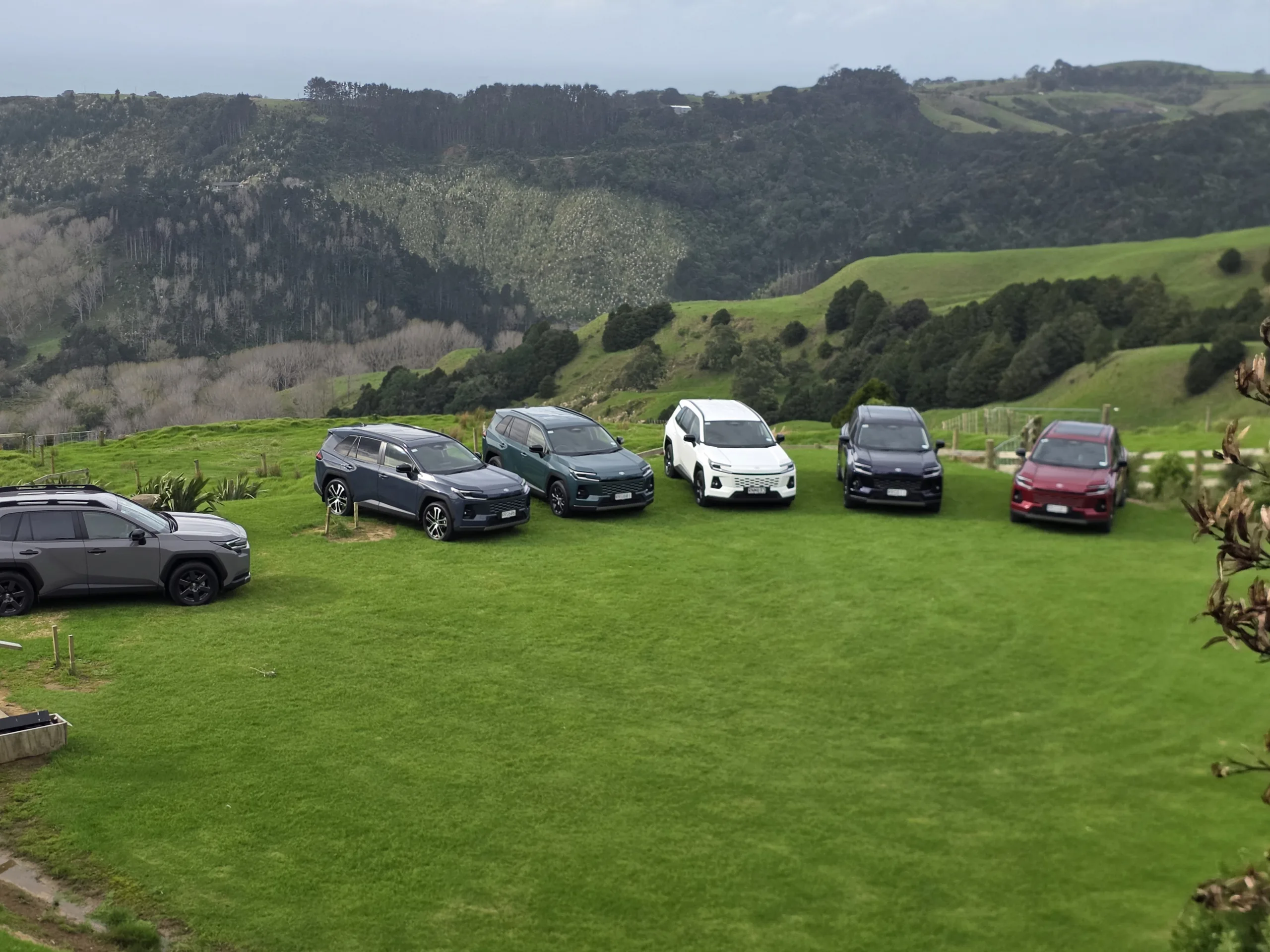
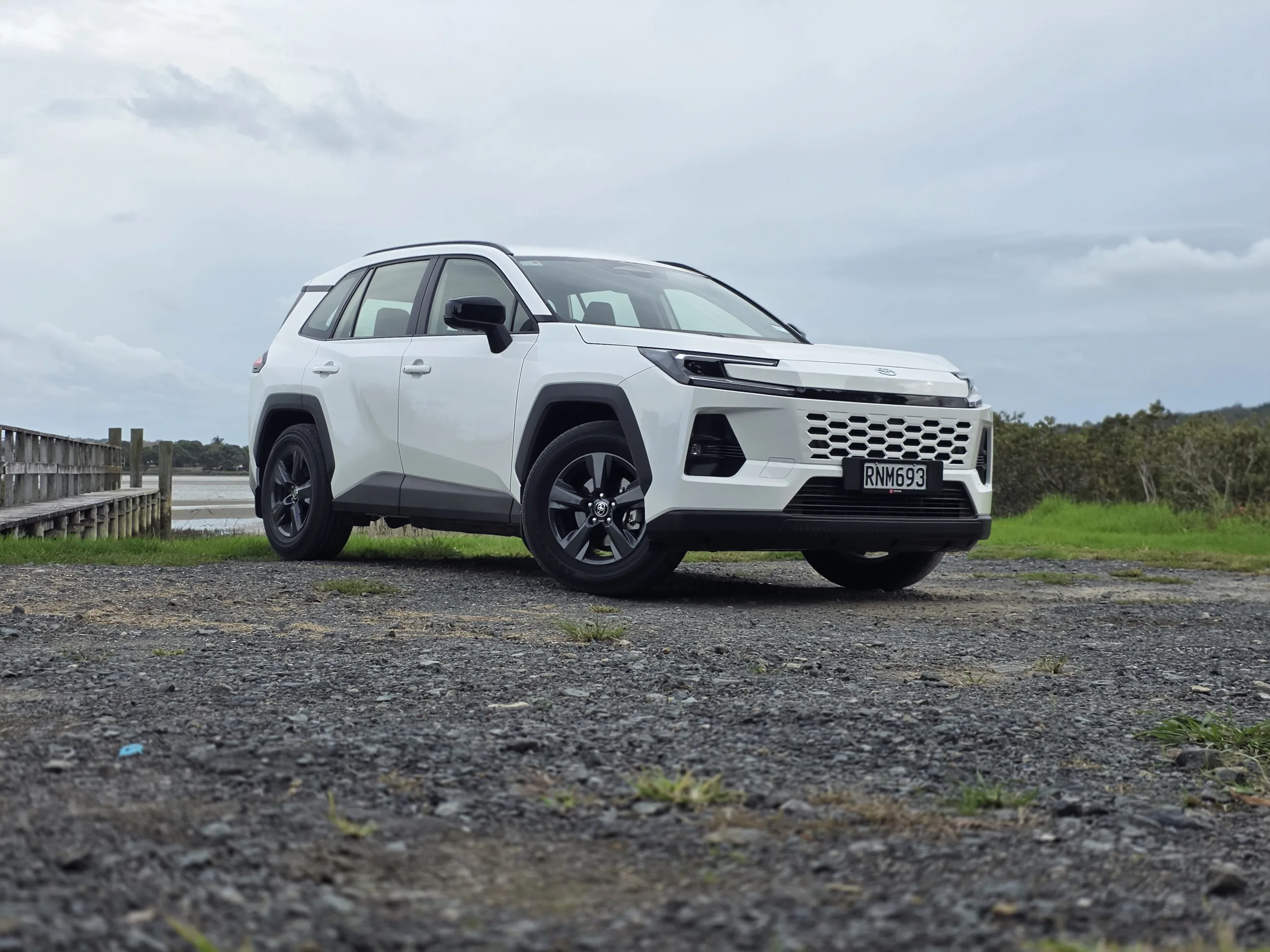
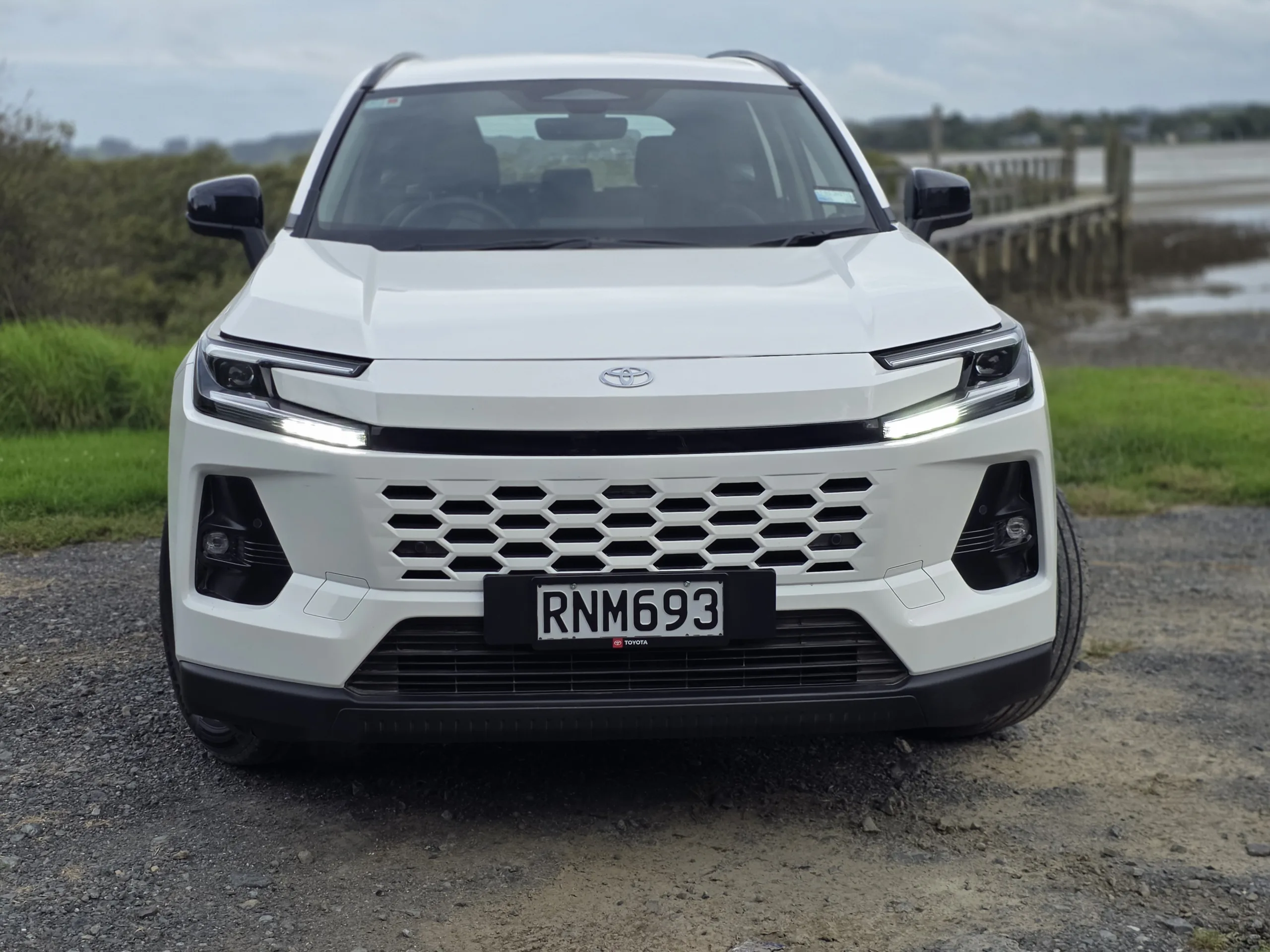
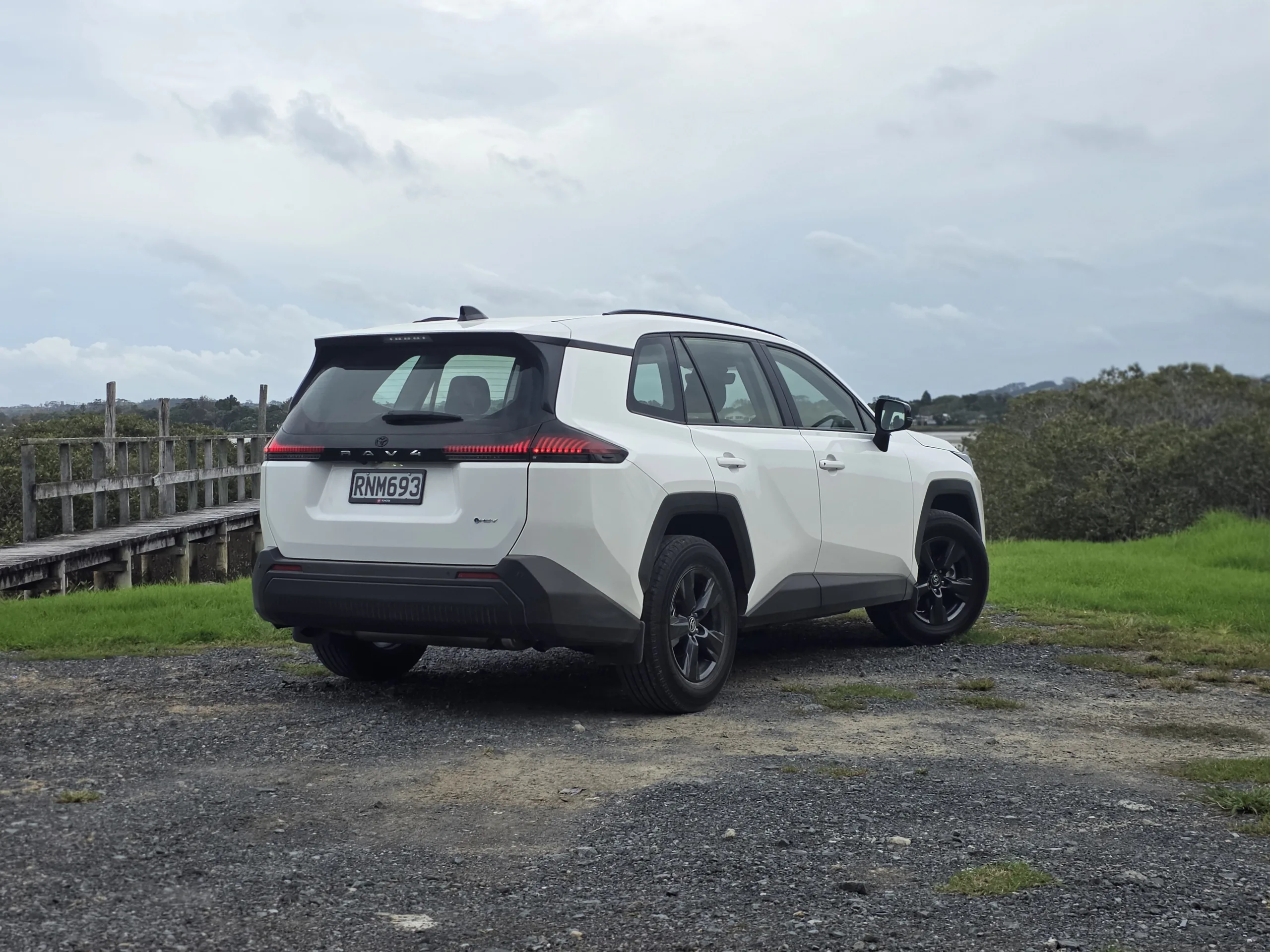
The 2026 RAV4’s styling looks like a considered evolution rather than a radical reinvention. Toyota has aimed for a tougher, more purposeful silhouette that separates the Core, Adventure and GR SPORT visually and functionally. Core models carry the everyday, urban‑friendly look – clean lines, pragmatic proportions and the quiet confidence of a vehicle designed for daily life as much as weekend escapes. Adventure dials in a more rugged stance with increased track width and design cues that hint at off‑piste capability (it’s the RAV4 that looks ready to haul bikes or a roof box), while at the top of the tree, the GR SPORT brings a sporty, performance‑biased aesthetic with unique touches that telegraph its more dynamic tuning and greater power delivery.
Toyota has pitched these three distinct styles as intentionally crafted to suit different Kiwi lifestyles. For example, the Adventure’s wider track and selectable drive modes for gravel, snow and trails are visible and functional changes that alter the vehicle’s gait and visual stance. Practical details such as wheel design, bumper treatment and increased underbody protection on Adventure models shows that Toyota wants the RAV4 to be as comfortable on a gravel access road as it is in the supermarket carpark.
Familiar comfort, refined execution
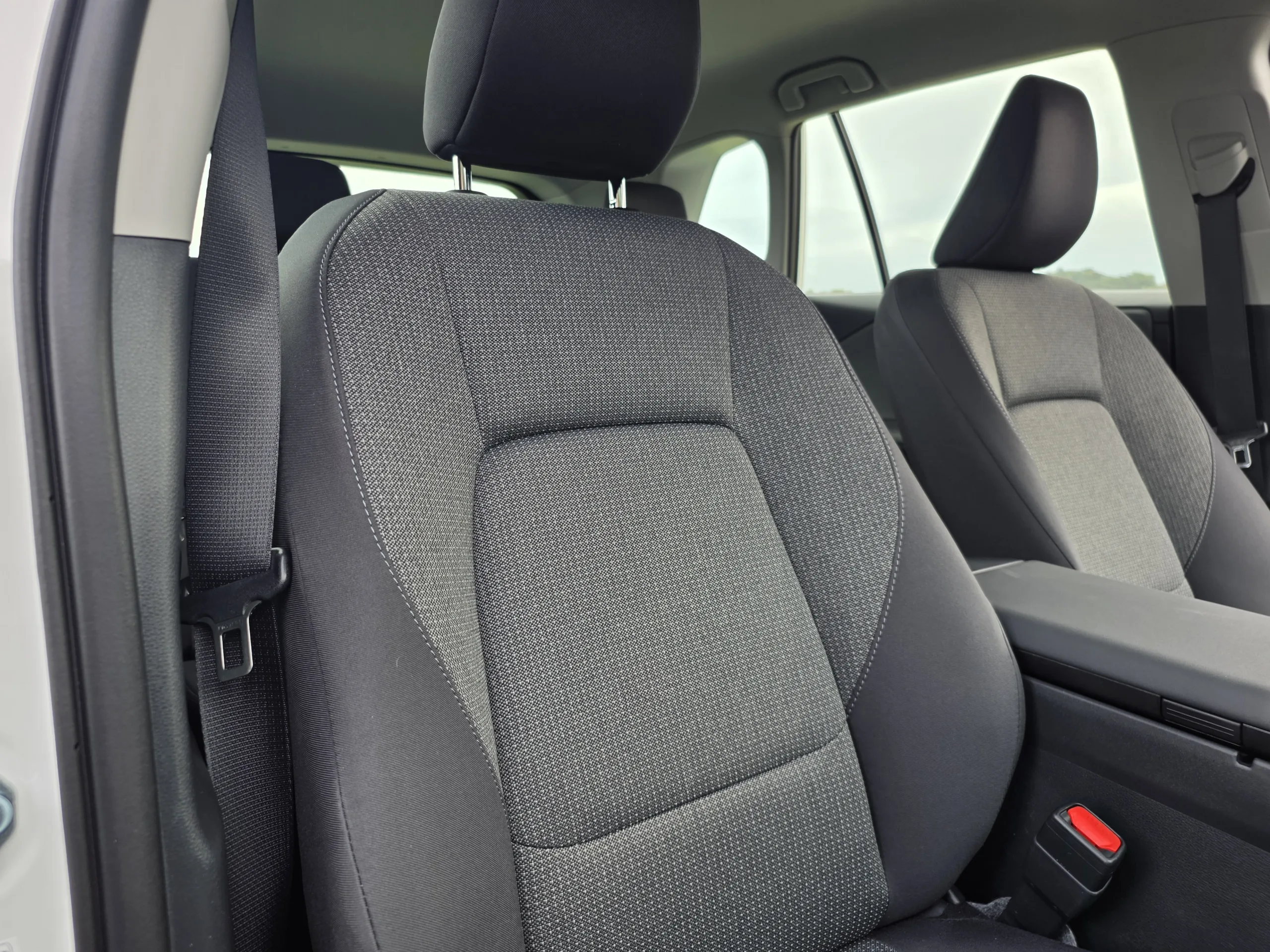
Inside, the RAV4 remains ergonomically familiar but gains a sense of measured refinement. Toyota has kept the focus on usability (roomy seating, sensible storage and a layout that prioritises visibility and quick access to controls) while elevating material quality and fit‑and‑finish to stay competitive in a market that increasingly values interior ambience. Core is there for those wanting practicality without fuss; Adventure trims introduce more durable surfaces, sportier accents and subtle lifestyle touches aimed at outdoor enthusiasts; and the GR SPORT pairs sport‑oriented bolstering and trim details with a cabin that feels like it belongs to a performance SUV.
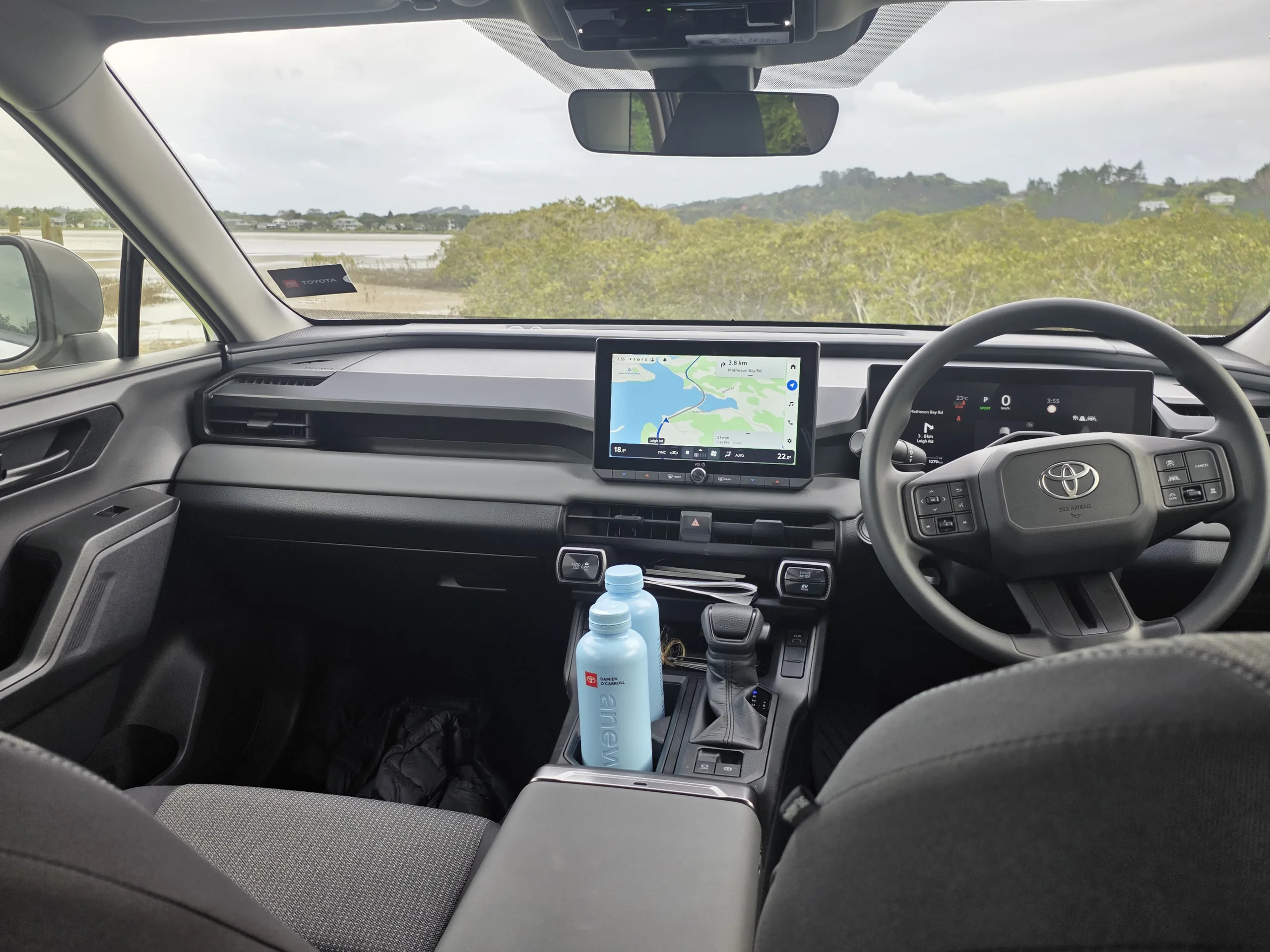
Practicalities that matter in New Zealand, (luggage room, rear seat comfort and the ease of loading bikes and gear) remain central to the RAV4’s appeal, and Toyota’s long history of refining interior ergonomics means the basics are well handled. The latest generation offers the sort of flexibility and cabin ergonomics that made previous generations practical family runarounds, with small but meaningful improvements to comfort and usability.
Infotainment and connected capability – smarter, more helpful
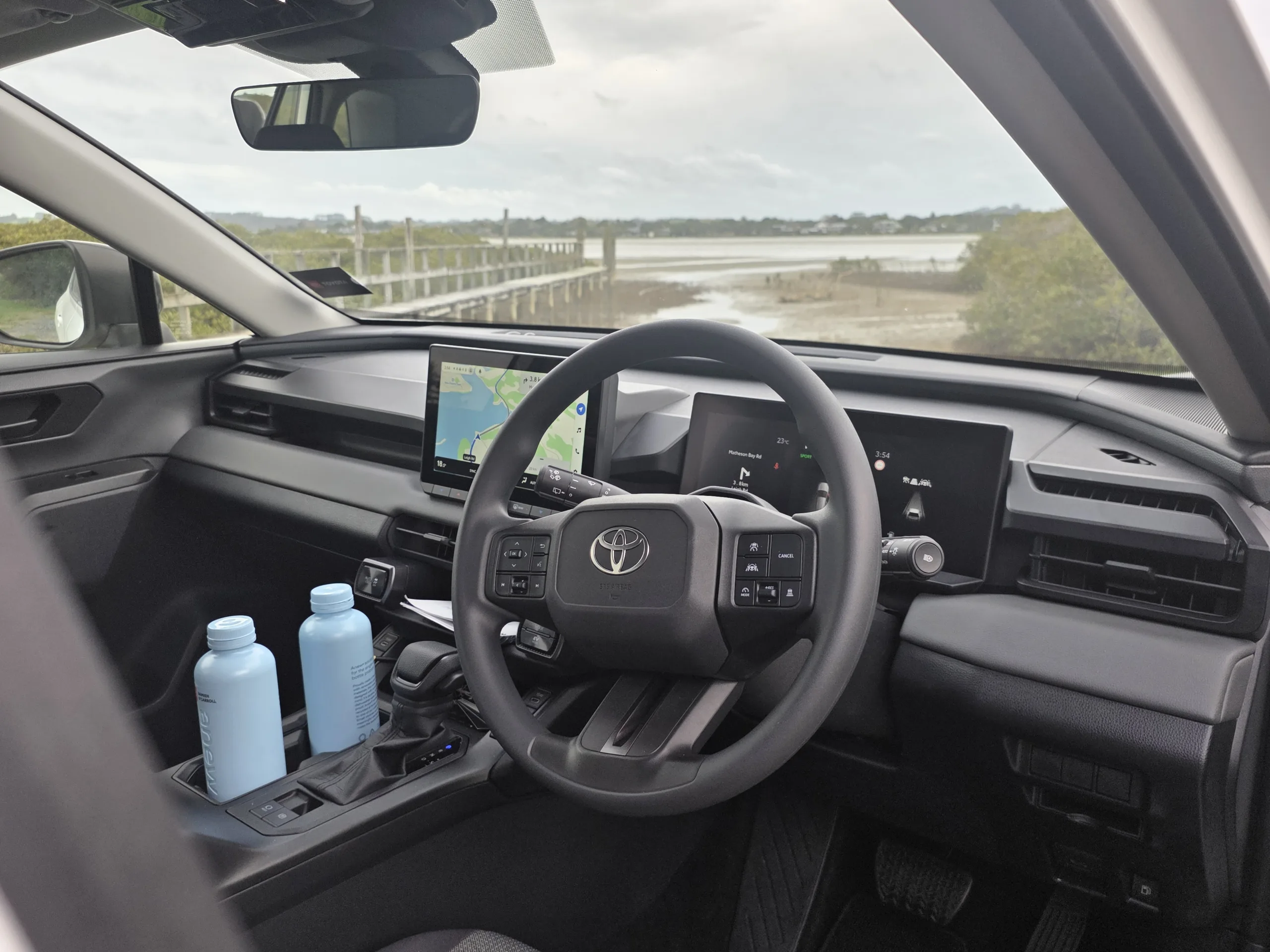
The 2026 RAV4 is Toyota New Zealand’s first vehicle equipped with Toyota Connected Services locally, marking a notable step up in in‑car connectivity. The system bundles connected navigation, voice recognition, live weather updates and enhanced safety and security features into an integrated package intended to make everyday journeys simpler. These technologies are aimed at real‑world convenience rather than gimmickry. Toyota Connected Services also comes with remote and app‑based features that boost convenience (vehicle status checks, remote assistance and location tools).
Safety – above and beyond
The new Toyota RAV4 comes with vast improvements to safety and driver assistance, with more advanced, yet unobtrusive, systems designed to support drivers. The addition of connected services amplifies the safety proposition with real‑time data and remote support features. There’s also a new SOS button that connects you to a 24/7 emergency service designed to know where you are and send help should you need it. And no, it doesn’t invade your day-to-day privacy. These are practical, real‑world advancements that align with the RAV4’s continued role as a family and lifestyle vehicle in New Zealand.
Powertrain – hybrid pedigree, now with plug‑in power
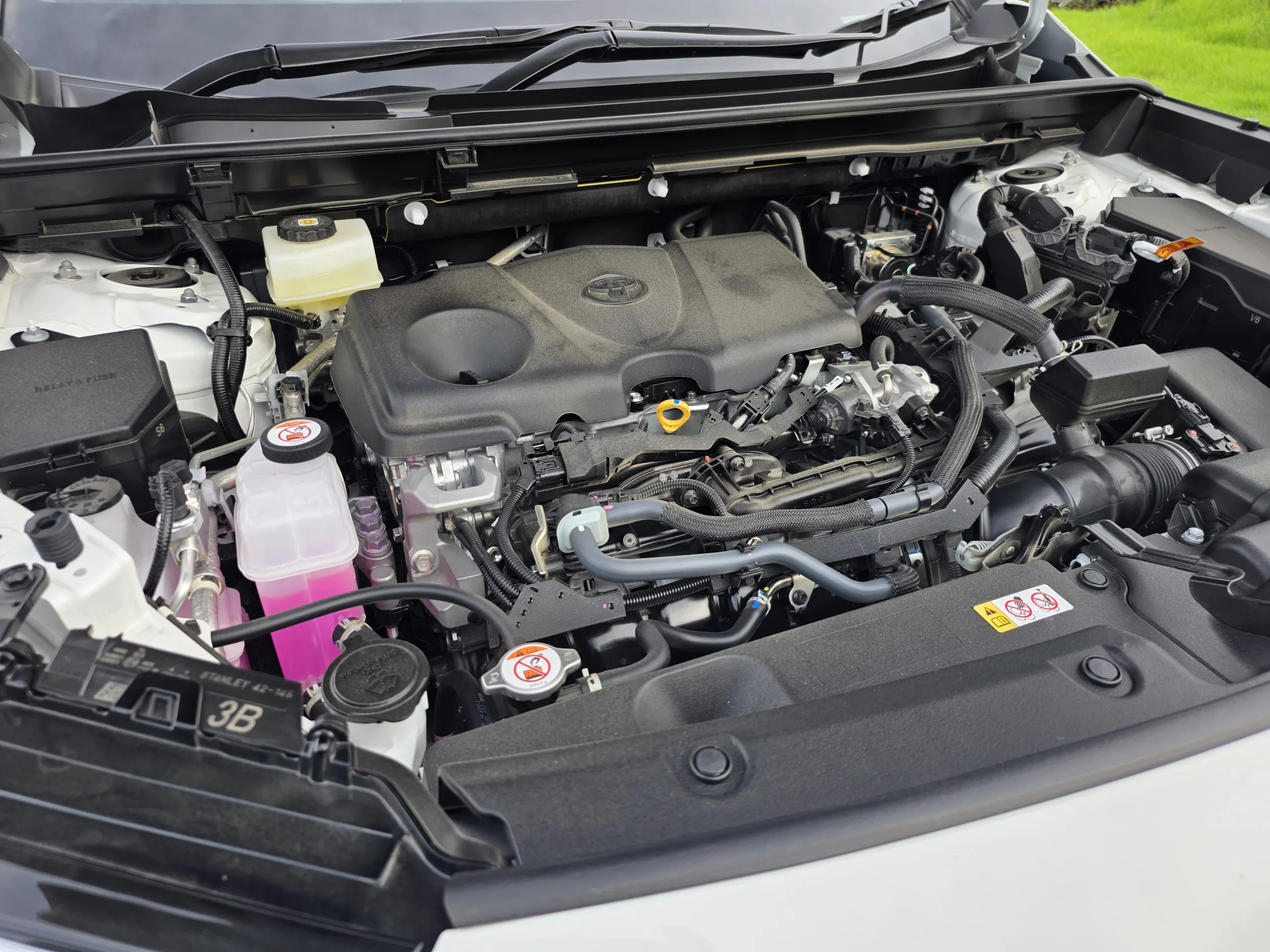
The RAV4 comes in HEV (Hybrid) or PHEV (Plug-in Hybrid) options. The 143kW HEV powertrain spans GX, GXL, Limited and Adventure in both FWD or AWD variants, while the PHEV is available in Core FWD (210kW) or the beefier 227kW Core AWD and GR Sport. They are all mated to an eCVT transmission by the way.
The BEV will be familiar to many of the Toyotista (I made that up), but the headline powertrain for this generation is the arrival of a plug‑in hybrid (PHEV) for New Zealand for the first time. The PHEV (Core and GR Sport) blends electric‑only capability for short, everyday trips with the reassurance of hybrid operation for longer journeys, effectively letting owners do their daily driving emissions‑free while retaining long‑distance flexibility.
As outlined, there’s also a performance uplift with the PHEV, particularly in all‑wheel drive layouts, and the GR SPORT application benefits from additional engineering hours (70,000 of them) devoted to tuning.
This (vast) powertrain combination makes the RAV4 lineup broader in appeal, from efficient urban commuter to engaging, quicker‑responding crossover.
Driving impressions – composed, capable and tailored
Toyota’s first drive launch north of Auckland intentionally used a mixed route (winding asphalt, gravel and highway stretches) to showcase how the new RAV4 responds across environments familiar to Kiwi drivers. The PHEV powertrain has yet to land, so we had to ‘make do’ with the HEVs – but, things were spiced up with us swapping between FWD and AWD and Core and Adventure trims.
Firstly, the trims. Core sums things up nicely. It may be the lower offering in terms of pricing (starting at $49,990) but it doesn’t feel like it’s lacking in substance or features – well not until you hop into the Adventure or Limited. The seats and comfortable and well-bolstered, infotainment is modern and intuitive to use, while the cabin materials feel well-wearing and slick. The Adventure takes thing up several notches, offering more comfort and a more premium feel. Fabric seats become synthetic leather (and 10-way adjustable vs 6), the steering wheel moves to leather – I think you get the point. Better still is the Limited, with a digital rear view mirror, rear seat heating, and Nanoe X Air Conditioning. Basically, there are distinctive differences between grades.
The route Toyota had devised began at Muriwai and headed north to Wellsford. With a smorgasbord of RAV4 HEVs to paly with, we went straight for the Adventure trim in AWD. The RAV4 is all about adventure after all. The winding route from the beach to the main highway was a breeze, with the Adventure’s increased track and selectable terrain modes, giving more than ample confidence to push forward on the sealed roads. Steering is well-weighted and visibility all round is great. The taut suspension offers a firm yet composed ride with minimal body roll in the corners and the 143kW of power is more than enough for an entertaining drive.
The launch had been sliced up to 10 separate legs, with driver and vehicle swaps to mix things up, variety being the spice of life and all that. Switching from AWD to FWD I thought would be a huge downgrade, but I have to say that wasn’t the case. Even in 2WD, the new RAV4 felt composed and entertaining, tackling the rural roads with aplomb.
The RAV4’s ADAS systems go about their work quietly enough and things like lane keep assist don’t bitterly complain if you do decide to venture towards the white lines – they assist. One amusing point is that the SUV’s is fitted with an ‘event’ recorder that does a video clip of your driving if it feels that an ‘event’ is about to happen. We provoked this feature a lot and the reel could become a greatest hits, (thankfully without the hit).
The section of gravel we traveled on showcased the new RAV’s composure and grip on loose surfaces, great even in 2WD variant, while at the opposite end of the driving spectrum, the SUV’s adaptive cruise control hapily ate up the motorway kms on the way back to the city.
Tarmac Takeaway – a sensible evolution that broadens appeal
The 2026 RAV4 is not a reinvention so much as a sharpening of intent. Toyota has broadened the line to speak to distinct buyer needs (efficient daily drivers, outdoorsy families and those seeking sportier dynamics) while adding meaningful technology and a strategic PHEV option that reflects current priorities around fuel use and emissions.
For Kiwis, that combination of choice, capability and smarter tech keeps the RAV4 at the top of the consideration list for anyone wanting a sensible, versatile SUV that can also be a bit more exciting and adventurous when required. The RAV4’s legacy in New Zealand is strong, and this generation looks built to continue it.