I consider myself to be an untreated, unmitigated car person, but I’m also finding myself to be a car industry person as well. As much as I enjoy driving and being around cars, I always jump at the opportunity to talk to people that make, sell, market, service, or that do basically anything in this incredible industry.

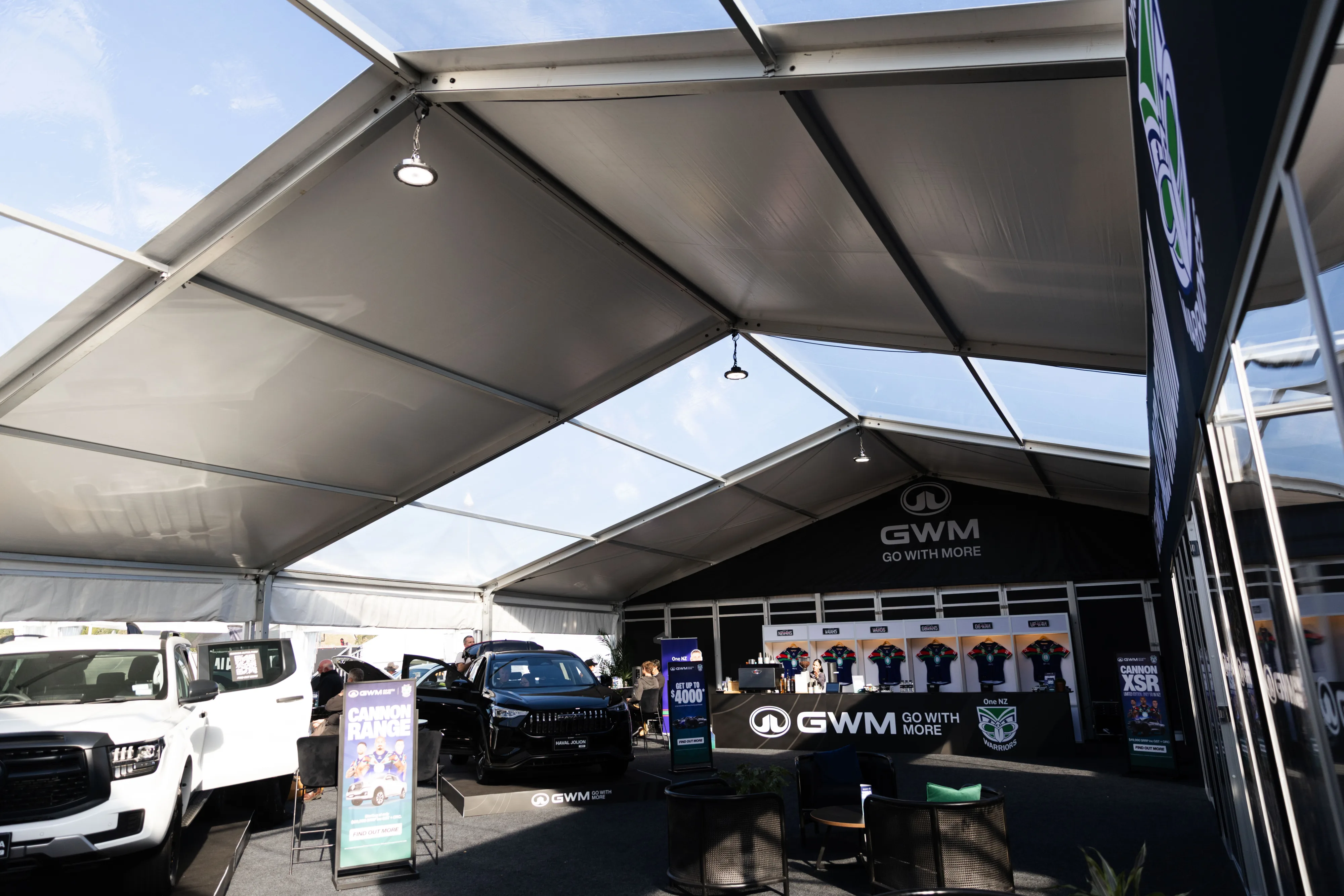
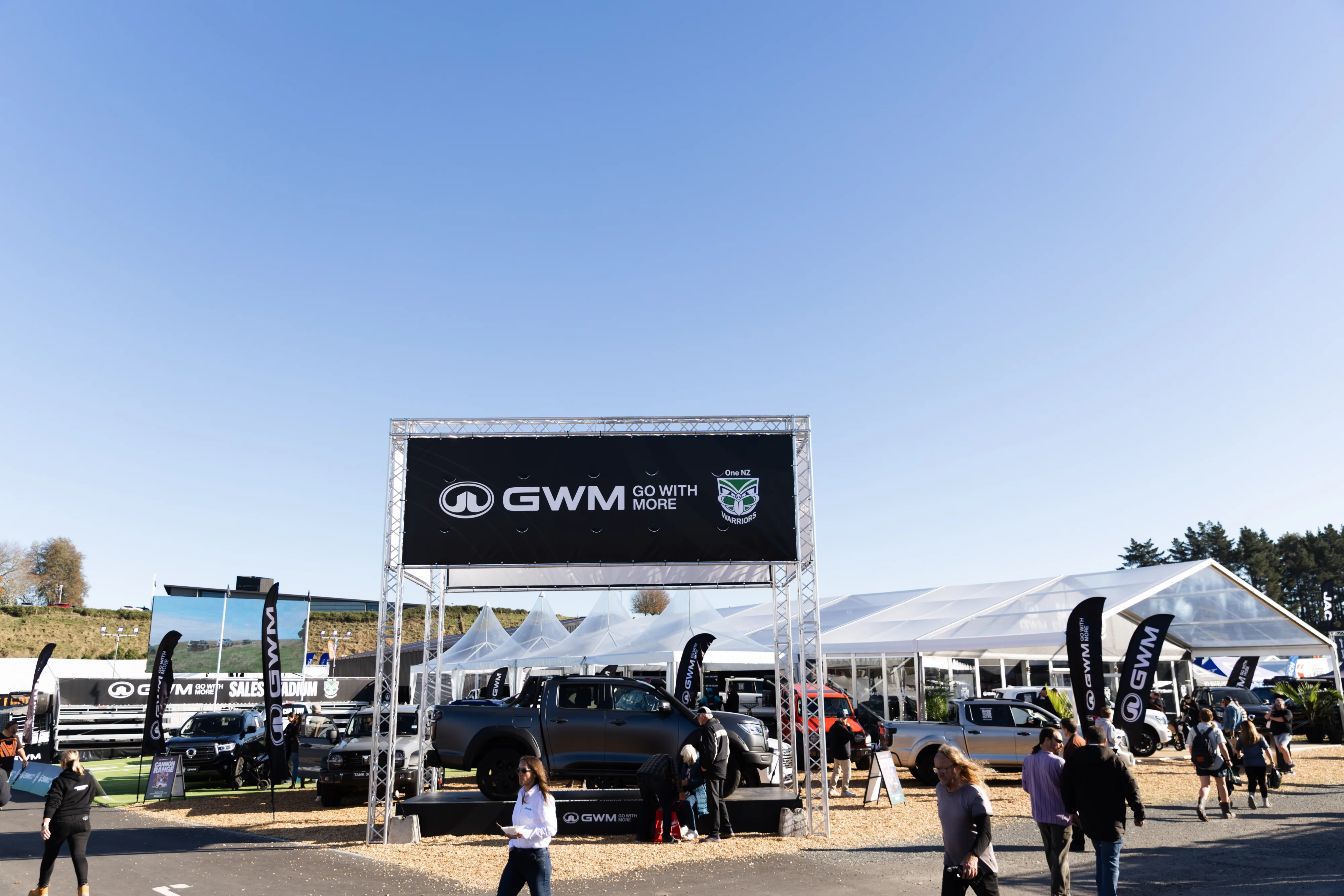
Standing at GWM’s activation space during Fieldays, surrounded by vehicles, Warriors branding, crowds and the constant flow of people moving through one of New Zealand’s biggest events, I got the chance to have a chat with Cameron Thomas, the brand’s Country Manager. It was a great chat, where it became clear that for them, the event wasn’t simply about displaying product, it was about positioning both the products and the brand.
While they still carry the challenge, fair or unfair, of changing perceptions in a crowded market, the message was surprisingly straightforward: stop acting global, start feeling local. That philosophy appears to be driving much of GWM’s strategy in New Zealand.

One of the most interesting insights was hearing how GWM’s broader global strategy is being interpreted locally. Rather than operating like a traditional top-down multinational pushing a uniform identity into every market, the emphasis appears to be on building relevance within each country’s own culture and communities.
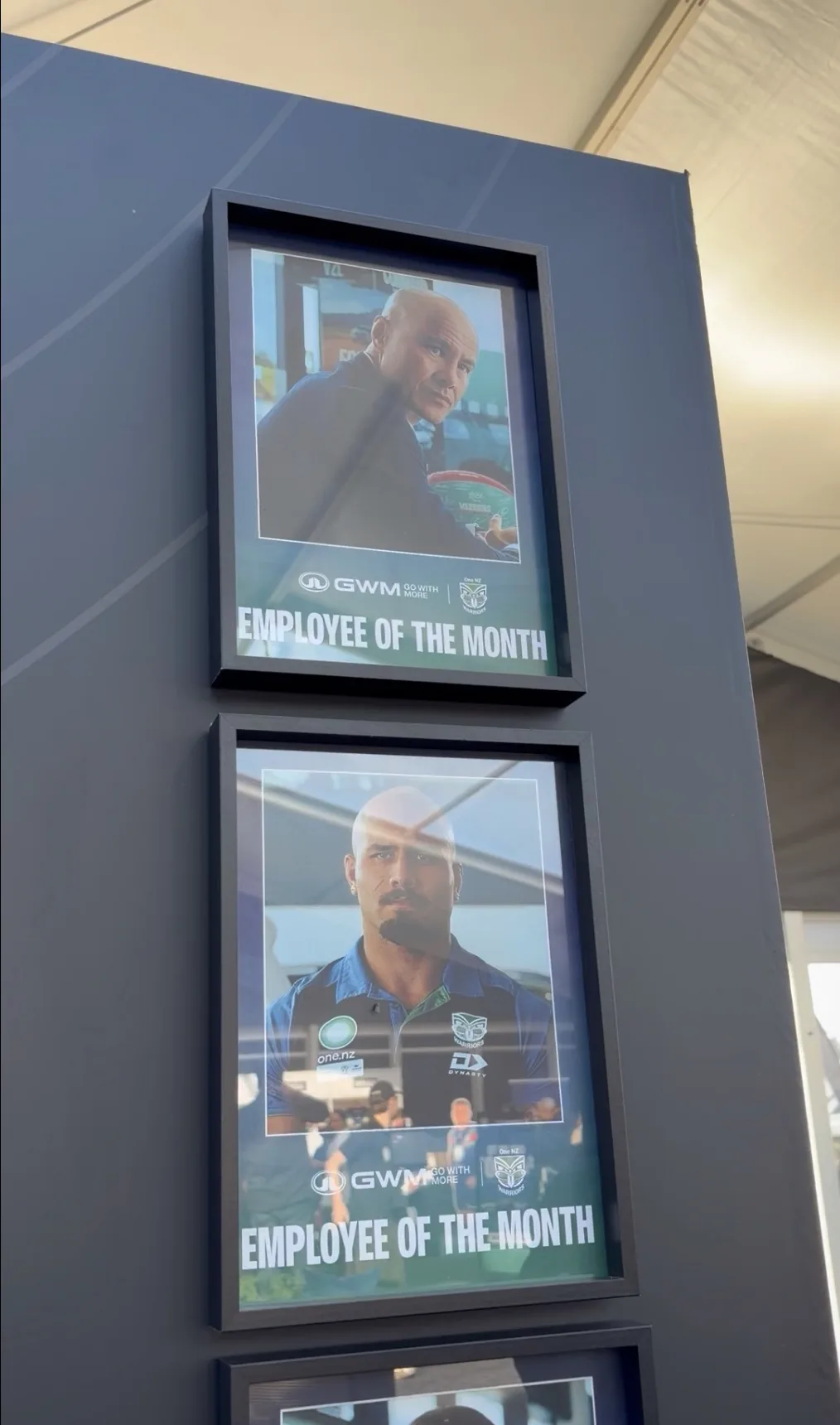
In New Zealand, that has translated into sport (if the fact I had this interview in a sales stadium wasn’t a clear enough tell). GWM’s partnership with the Warriors feels genuine and natural, especially given Rugby league occupies a unique space locally, being passionate, accessible, and proudly Kiwi.
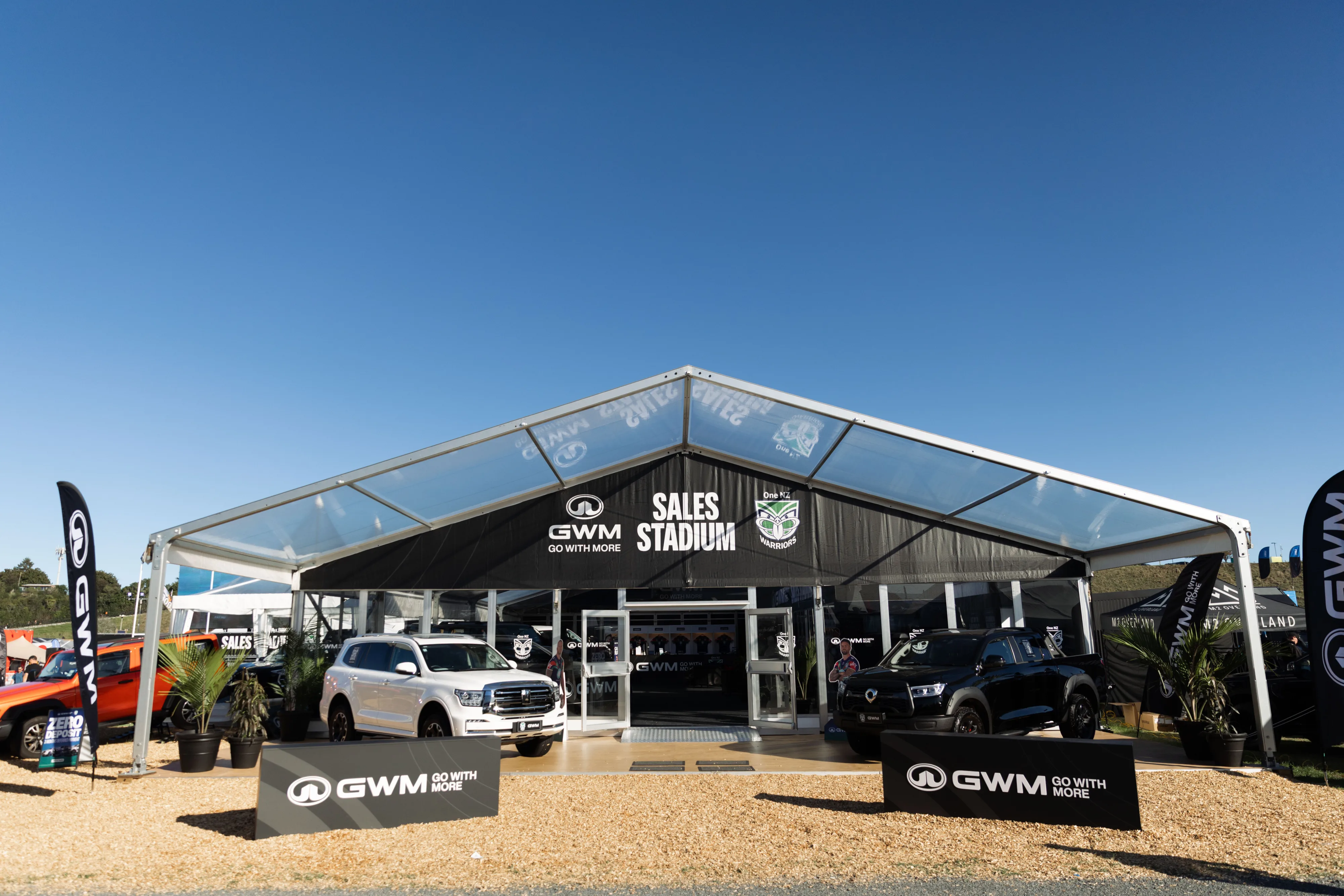
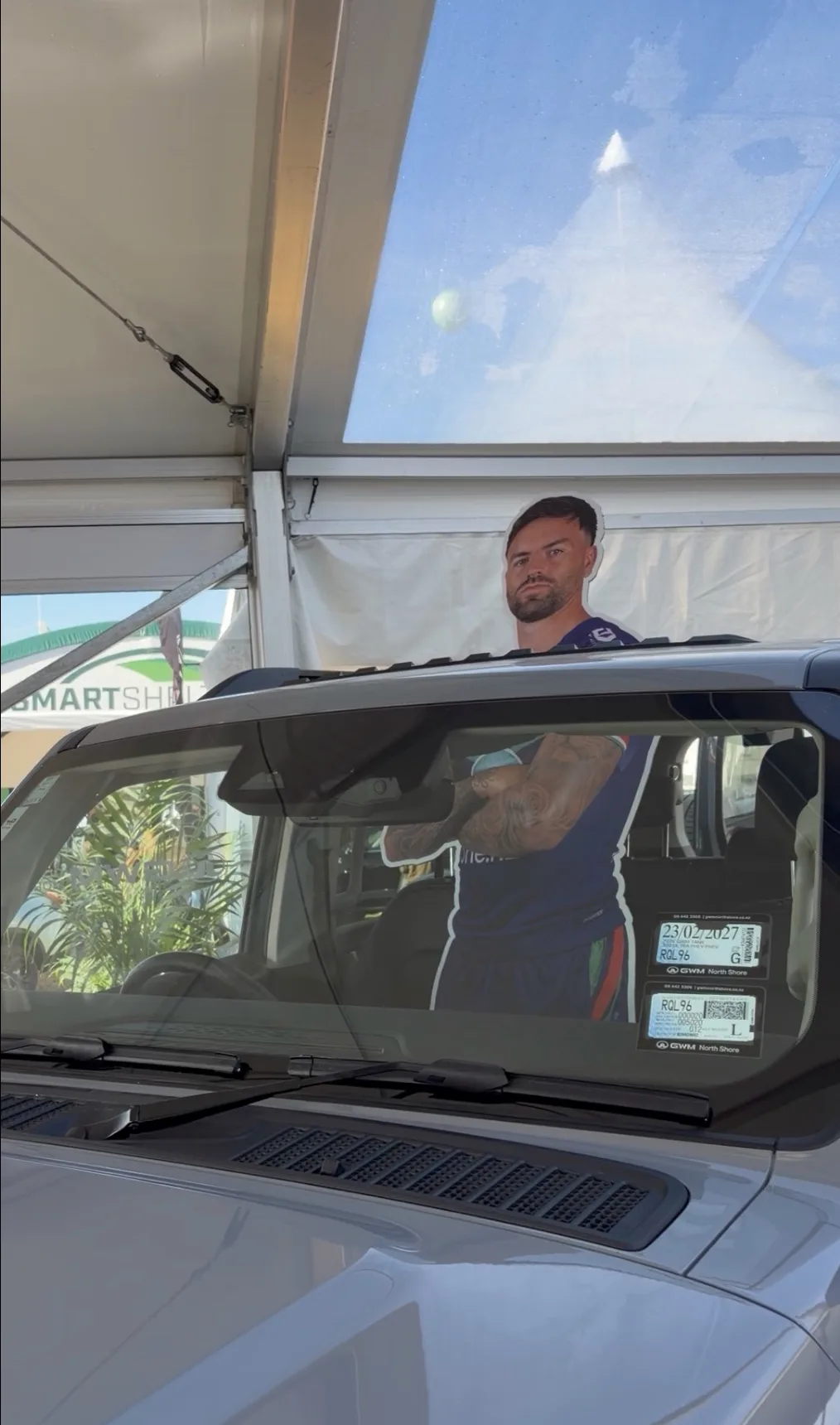
And at Fieldays, the partnership was more than just the player cutouts in the cars: the Stadium was a living thing, actual players were present, fan engagement was built into the stand itself, and the whole experience felt designed to create interaction like if we were sports media about to do a post-game.
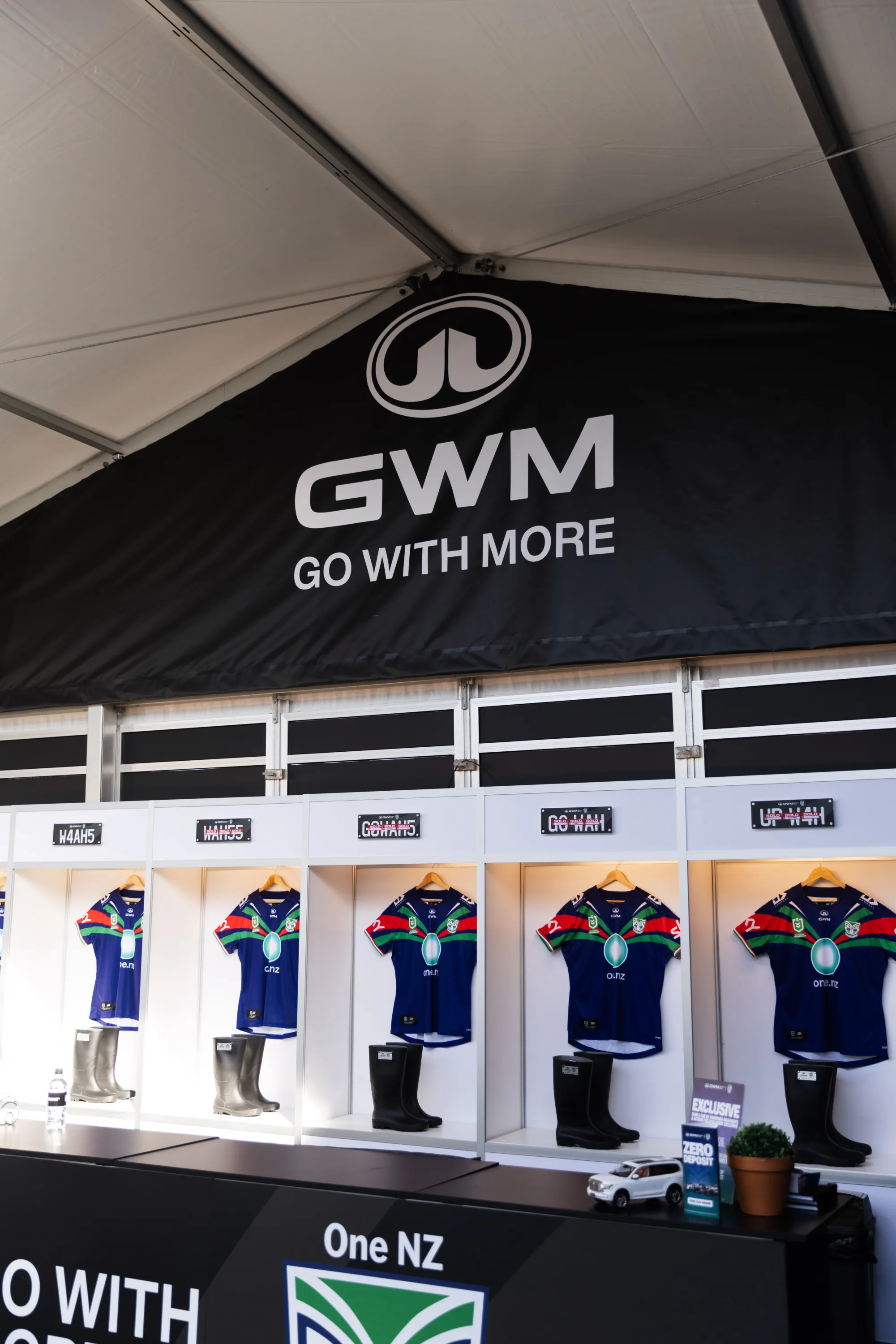
Car buying today is no longer just about specifications and showroom brochures. In a market so crowded, especially in the segments that GWM plays (pun intended), differentiating your product is not easy. Brands increasingly need emotional connection before someone even considers walking through the door.
Winning Before Customers Reach the Showroom
Cameron mentioned customers today arrive at dealerships significantly more informed than they were even a decade ago. That probably sounds obvious, but the implications are huge. People are no longer spending entire weekends driving between five or six dealerships collecting brochures and comparing features manually. They do their research online, reading website or watching videos like ours. Increasingly, they ask AI tools to compare products before even speaking to a salesperson.
The dealership visit itself is becoming less about discovery and more about validation, which in time creates a new challenge for brands. A competitive product alone doesn’t cut it anymore, you need enough presence and trust that customers choose to visit you in the first place. That makes partnerships like the Warriors, events like Fieldays, and strong ownership propositions much more important than they may have seemed ten years ago.
Diversity Is Becoming GWM’s Biggest Weapon
As we shifted the conversation toward product, another idea became clear: GWM’s approach is not about forcing customers into one technology. If anything, it’s quite the opposite: across their line-up, buyers can choose between petrol, diesel, hybrid and plug-in hybrid options depending on what fits their lifestyle.
That breadth is becoming increasingly relevant, and is part of a narrative that I am personally passionate about: you should choose the car that works for you, and the move the powertrain decision way further into the decision making process, not the other way around.
The New Zealand market remains incredibly diverse: some buyers still want the simplicity and familiarity of diesel, while others are beginning to experiment with electrification but are not ready to commit to full EV ownership just yet. The smart brands appear to be positioning in that middle ground, and meet customers where they are.

Start looking across GWM’s portfolio, from utes like the Cannon to SUVs and electrified offerings under the Tank and Haval ranges, it corroborates that strategy.
Has The Plug Stopped Being Scary?
One topic I always find fascinating came up naturally: customer perceptions around plugging in. For years, the narrative has been that charging represents friction, but recent shifts in people’s mindsets raised an interesting counterpoint. For people who actually live with plug-in hybrids, the experience often becomes the opposite. Instead of weekly fuel station visits, ownership changes into something more routine: arrive home, plug in, wake up with energy ready to go.
That behavioural shift still requires education in order to reap the most benefit out of your PHEV, but GWM feel confident that resistance may already be softening. Rising fuel costs, better technology and broader exposure appear to be making customers more open to electrification than before, whether through traditional hybrids, plug-in hybrids or emerging approaches like range extenders.

And importantly, customers now have more opportunities to experience those technologies through used vehicles and longer ownership cycles, rather than needing to make a leap straight into brand-new EV ownership.
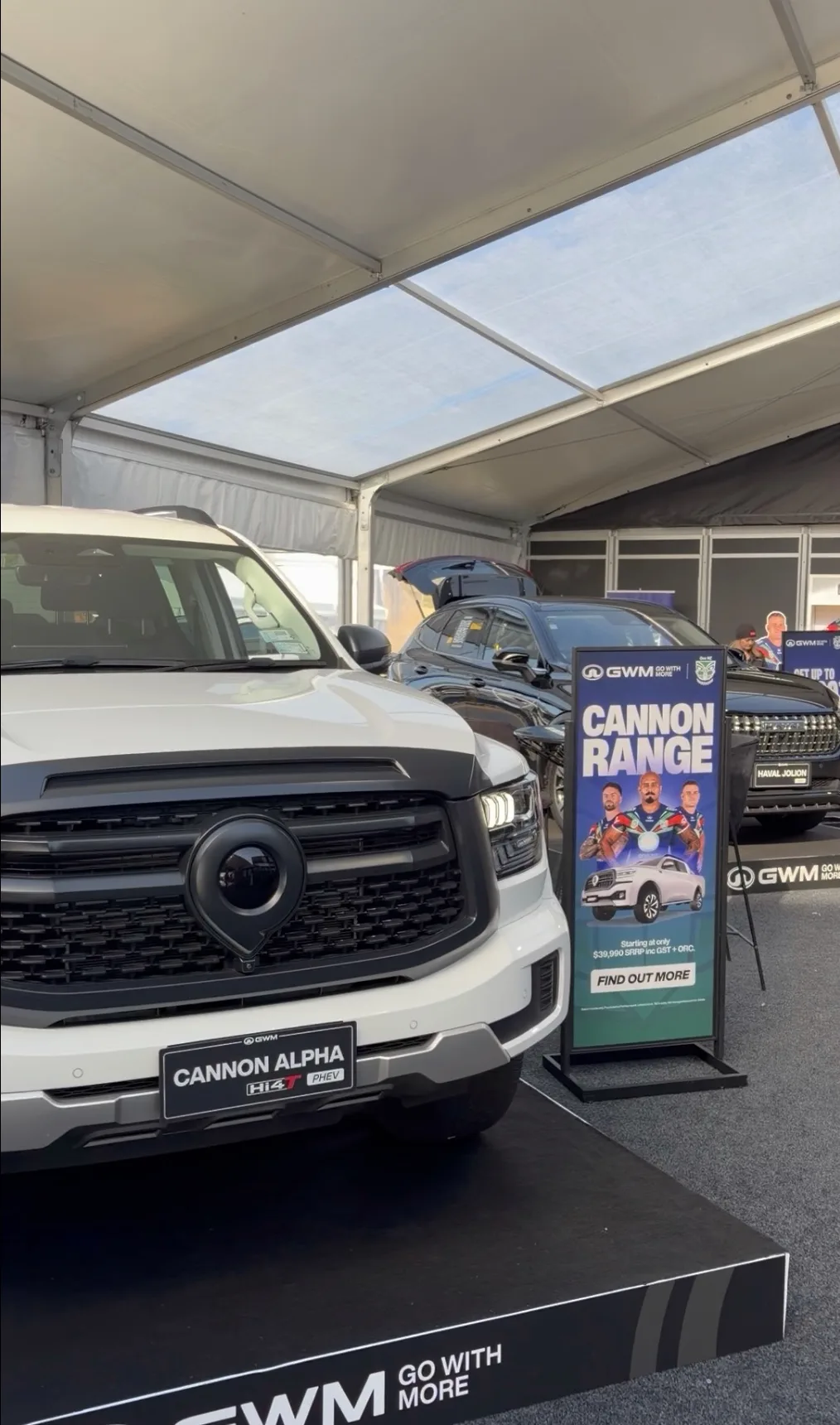
The final impression wasn’t simply that GWM wants to sell more vehicles. Their bigger ambition seemed to be becoming familiar, visible, and part of the shortlisting process early on. Events like Fieldays make sense for that strategy, addressing the right audience, with the right product fit, and with a connection that feels authentic. If the goal is to bring someone in through a ute, keep them inside the ecosystem, and eventually move them into something else in the range (perhaps an SUV, perhaps electrified) then the blueprint is becoming easier to see. And standing there watching the crowds move through the display, it felt like that process may already be underway.