Michelin’s 2026 summer tyre launch is exactly the kind of kit tarmac addicts and EV owners will want to read about. The French giant has introduced two purpose-built ranges that promise to bridge the historic gap between low rolling resistance, longevity and genuine dynamic performance: the MICHELIN Primacy 5 energy (comfort- and efficiency-first) and the MICHELIN Pilot Sport 5 energy (sporty handling with low RRC). Both ranges aim to extend EV range, cut fuel use and keep grip and durability high, no small feat in today’s electrified world.
Why these tyres matter
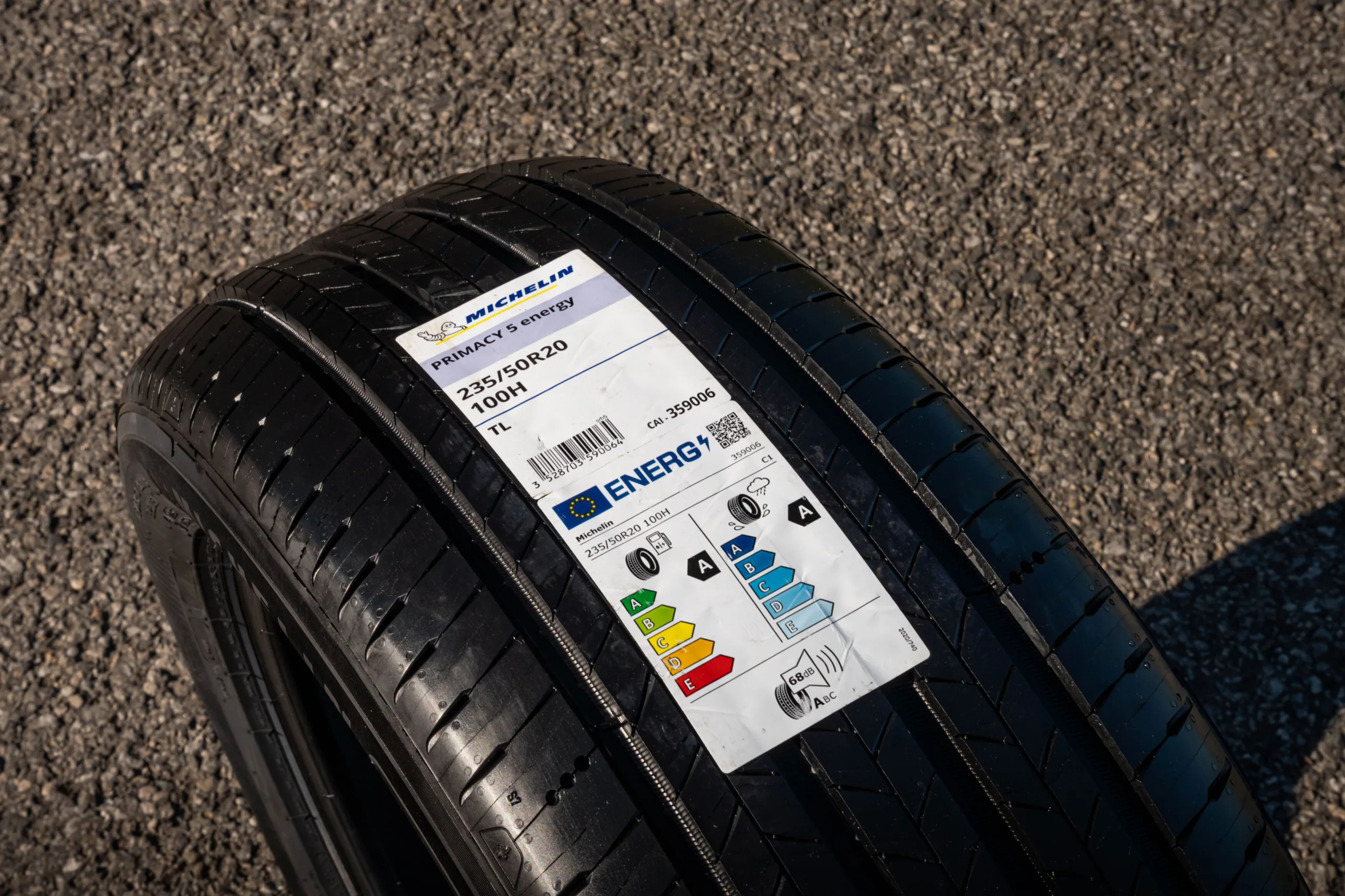
- EV range and rolling resistance: Low rolling resistance is one of the clearest tyre-side gains for EV range. Michelin rates the Primacy 5 energy A for rolling resistance and claims up to 70 km extra range per charge on some EVs (up to 10% additional range in their figures), plus up to 6% lower fuel consumption for combustion vehicles, tangible benefits for everyday driving and ownership costs.
- No compromise on safety: The Primacy 5 energy carries an A rating for wet grip, with Michelin reporting up to 8% shorter wet braking vs the predecessor when new and worn, an important safety headline as tyres age.
- Performance with efficiency: The Pilot Sport 5 energy brings motorsport-derived tech and an A rolling resistance rating to a sport tyre, promising precise handling, strong wet/dry grip and better endurance versus competitors. It was even used in an endurance validation at sustained 300 km/h for nearly eight days.
What’s new under the rubber
- Energy Passive 2.0 Technology: Primacy 5 energy uses functionalised elastomers, new resins and an optimised architecture to increase mileage and lower rolling resistance, delivering “best-in-class” longevity in its European segment and up to 40% longer life in independent DEKRA testing versus several rivals.
- Adaptive Grip Compound & Dynamic Response: The Pilot Sport 5 energy applies compounds and carcass tech influenced by Michelin’s motorsport expertise for sharper handling while using MaxTouch and Energy Passive compounds to even wear and reduce RRC for better efficiency.
- Acoustic gains: Primacy 5 energy also targets cabin quietness with an A rating for external rolling noise; Michelin says it’s up to four times quieter than a C-rated tyre in their comparisons.
Real-world numbers (Michelin’s reported results)
- Up to 70 km additional EV range per charge and up to 10% range improvement in some scenarios for Primacy 5 energy.
- Up to 6% lower fuel consumption (≈0.3 L/100 km) and potential lifetime fuel savings up to £147 (€169), with an estimated 327 kg CO₂ reduction for combustion vehicle use-cases based on Michelin’s modelling.
- Triple-A labelling (Energy/Wet grip/Noise) for MICHELIN Primacy 5 energy; double AA for Pilot Sport 5 energy on replacement-market tyres.
- Availability: Primacy 5 energy, 33 sizes (16–19″); Pilot Sport 5 energy, 19 sizes (19–21″).
How credible are the claims?
Michelin backs these claims with external testing partners (TÜV SÜD and DEKRA) and OEM approvals, and provides detailed test dimensions and vehicle contexts for comparisons (e.g., 215/55R18 on CUPRA Born and 255/40R20 on Tesla Model Y). That level of transparency and independent lab testing strengthens the credibility of the improvements, though real-world gains will vary with vehicle mass, driving style, temperature and road surface.
Quick tech note (why rolling resistance matters)
Rolling resistance coefficient (RRC) is a primary tyre parameter that affects EV range and fuel use: lower RRC reduces energy losses to heat and deformation, directly translating to better range or lower consumption. Tyre design must balance low RRC with wet grip and wear — the engineering challenge Michelin highlights with these two models.
Who should consider them?
- EV owners seeking measurable range improvements and quieter cabin experience should check Primacy 5 energy sizes for their cars.
- Enthusiast drivers who want sport-level grip and steering precision but don’t want to sacrifice efficiency should look at Pilot Sport 5 energy when fitting 19–21″ wheels.
- Fleets and high-mileage drivers that value longevity and lower operating costs may see real savings from the Primacy 5 energy’s claimed extended life.
Tarmac Takeaway
Michelin’s Primacy 5 energy and Pilot Sport 5 energy appear to close the compromise gap between efficiency, safety and performance, with lab-backed numbers and OEM approvals to match. For drivers juggling the demands of EV range, running costs, noise and outright traction, these tyres are a credible upgrade option worth testing. As always, verify fitment and independent test results for your exact vehicle and driving conditions before switching.